Support

Kittila

About

Welcome to Kittilä, a captivating destination located in the expansive wilderness of Lapland, Finland. Known as a lively resort area, this municipality offers a perfect blend of modern amenities and untouched Arctic nature, making it a favorite spot for travelers seeking both relaxation and adventure.

Situated well north of the Arctic Circle, Kittilä is defined by its dramatic seasons, ranging from the endless daylight of the Midnight Sun in summer to the mystical polar night in winter. With a permanent population of approximately 7,000 residents, the town maintains a cozy, small-community feel, though it bustles with energy during the peak travel seasons.

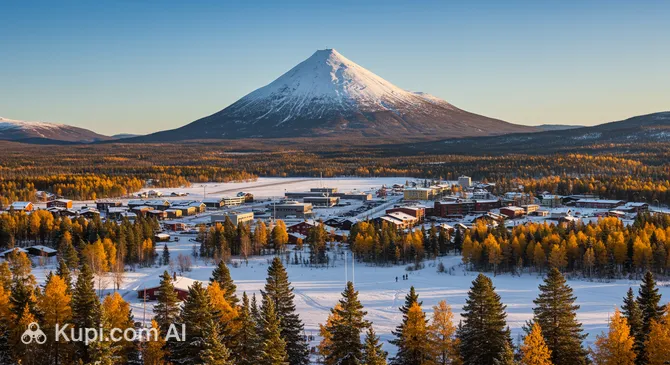
Kittila. Source: Kupi.Binoculars

While today it is celebrated as a premier winter holiday hub, the history of Kittilä reveals a fascinating past deeply connected to forestry and even gold mining. The region has evolved significantly over the decades, yet it retains a strong connection to local traditions and the breathtaking natural environment that surrounds it.

Travelers flock here primarily for Levi, one of the country's most popular ski resorts, which offers world-class slopes and a vibrant village atmosphere. Beyond skiing, the area is a prime location for witnessing the magical Northern Lights (Aurora Borealis), which frequently dance across the dark skies. Visitors can also explore the serene beauty of the nearby Pallas-Yllästunturi National Park, perfect for hiking and breathing the cleanest air in the world.

Whether you are seeking an adrenaline-filled ski trip, a husky safari, or a peaceful retreat into the snowy woods, Kittilä provides an unforgettable setting for your next Arctic adventure.

Weather Overview

Located well north of the Arctic Circle, Kittilä experiences a subarctic climate defined by long, snowy winters and short, mild summers. To help you plan your activities and packing list, it is recommended to check the detailed weather in Kittila forecast before your trip.

The winter months are the longest and coldest part of the year. January is typically the coldest month, with an average temperature of -11.3°C and lows that can drop to -14.1°C. The freezing conditions persist well into spring, with March still seeing averages around -6.6°C. Snowfall is a regular occurrence during this season, particularly in December, which records approximately 16 wet days, ensuring excellent conditions for winter sports.

Summer brings a pleasant change, with July being the warmest month. During this time, the average temperature rises to 15.0°C, with maximums reaching a comfortable 18.8°C. However, the warmer weather also brings precipitation, as August is one of the wetter months with about 16 wet days.

Overall, visitors should expect mild summers with frequent showers and very cold winters characterized by consistent snowfall.

Interesting Facts

Beyond the popular ski slopes and the allure of the Northern Lights, Kittilä holds fascinating secrets and unique records that often surprise visitors. Here are some intriguing facts about this Arctic municipality:

  • The Coldest Place in Finland: Kittilä holds the record for the lowest temperature ever measured in the country. In January 1999, the tiny village of Pokka recorded a bone-chilling -51.5°C (-60.7°F), a testament to the extreme Arctic conditions the region can experience.

  • A Golden Treasure: While gold panning is a historical tradition in Lapland, Kittilä is home to the Suurikuusikko mine, which is the largest primary gold producer in Europe. This massive operation highlights that the region's wealth lies not just in its tourism, but also deep beneath the bedrock.

  • An Artist's Legacy: The municipality was the lifelong home of Reidar Särestöniemi, one of Finland's most renowned painters. His family estate has been transformed into a stunning museum and gallery complex built from massive kelo pine logs, offering a deep dive into Lappish culture and art.

  • A Bustling Arctic Hub: Despite having a permanent population of only around 7,000 people, Kittilä boasts an exceptionally busy international airport. During the peak winter season, it rivals major cities in traffic, receiving direct flights from all over Europe specifically for holidaymakers seeking snow.

How to Get There

Reaching the snowy landscapes of Lapland is easier than you might think, with excellent connections available throughout the year, particularly during the winter season. Whether you are flying directly for a ski holiday or touring through Northern Europe, there are several convenient routes to this Arctic destination. For a detailed breakdown of all travel options, routes, and tips, you can read more about how to get to Kittila.

The most convenient and popular way to arrive is by flying directly into Kittila Airport (IATA: KTT). Located just 6.3 km from the town center, it is exceptionally close, making the transfer very quick. A taxi or shuttle bus ride to the center or the nearby Levi ski resort typically takes only about 15 minutes. Despite its small size, the airport is quite busy, especially in winter when it welcomes numerous charter and scheduled flights from across Europe.

If you cannot find a direct flight to Kittila, another excellent option is to fly into Rovaniemi Airport (IATA: RVN), situated in the city of Rovaniemi. This is the official airport of Santa Claus and is located approximately 127 km from Kittila. It is a larger hub with more frequent connections. From Rovaniemi, you can rent a car or take a bus to Kittila, a journey that takes approximately 2 hours through scenic Lappish roads.

For clarity, here is a summary of the main airports serving the region:

Airport Name City Passenger Traffic Km from City
Rovaniemi Airport Rovaniemi Large 127.4
Kittila Airport Kittila Medium 6.3
Kiruna Airport Kiruna Medium 194.7
Ivalo Airport Ivalo Medium 148.6
Kemi-Tornio Airport Kemi Small 209.2

The city of Kittila does not have its own railway station, but traveling by train is still a viable and scenic option. The nearest railway stations are located in Kolari (approximately 80 km away) and Rovaniemi (about 150 km away). Travelers often take the overnight "Santa Claus Express" train from Helsinki to either of these stations and then continue their journey to Kittila by connecting bus or taxi. The bus ride from Kolari takes about an hour, while the trip from Rovaniemi takes close to two hours.

Main Attractions

While the endless wilderness is the primary draw for many, Kittilä and its surroundings offer a variety of specific attractions that cater to culture enthusiasts, thrill-seekers, and families alike. From world-class slopes to unique ice structures, here are the top places to visit in the area.

Levi Ski Resort is undoubtedly the heartbeat of tourism in the region. Located just a short drive from the main village of Kittilä, it is the largest and most popular ski resort in Finland. It attracts visitors not only for its 43 slopes and modern lifts but also for its vibrant village center filled with restaurants, spas, and shops. In the summer months, the fell transforms into an activity park featuring summer tobogganing and downhill biking, making it a true year-round destination.

For a deep dive into local culture and art, the Särestöniemi Museum is a captivating stop. Located in the village of Kaukonen, this unique museum complex was the home and atelier of Reidar Särestöniemi, one of Finland's most famous artists. The site features magnificent log buildings that blend seamlessly with the surrounding nature. Inside, visitors can admire his colorful, large-scale paintings that vividly depict the mystical landscapes and folklore of Lapland.

A short distance away lies the magical Lainio Snow Village, a massive construction built entirely of snow and ice each winter. Every year, artists from around the world design intricate ice sculptures, an ice bar, and even an ice hotel based on a changing theme. It is a surreal experience to walk through the illuminated snowy corridors, and it stands as a testament to the region's mastery of winter architecture.

To learn about the indigenous heritage of the area, head to Samiland, located at the Levi Summit. This exhibition offers a comprehensive look at the history, culture, and mythology of the Sami people. The site includes both an indoor museum and an outdoor exhibition area with traditional reindeer herding structures, providing a meaningful context to the history of the region's original inhabitants.

Finally, nature lovers should explore the nearby Pallas-Yllästunturi National Park. Known for having some of the cleanest air in the world, this vast park offers extensive hiking and cross-country skiing trails that wind through ancient forests and over treeless fells. It is an ideal spot for spotting local wildlife, such as reindeer and Siberian jays, in their natural habitat.

Local Cuisine

The local cuisine in Kittilä is a true reflection of the Arctic wilderness, characterized by pure, simple ingredients sourced directly from the surrounding forests and lakes. Gastronomy here focuses heavily on game, fish, and berries, offering a hearty and warming culinary experience that is perfect after a day spent in the snow.

The absolute staple of Lappish dining is reindeer meat (poro). You cannot visit Kittilä without trying poronkäristys (sautéed reindeer), which is traditionally served with creamy mashed potatoes, fresh sugary lingonberries, and pickled cucumber. It is a rich, flavorful dish that has sustained locals for centuries. Another favorite is the classic creamy salmon soup (lohikeitto), often garnished with dill and served with dark rye bread, making it the most popular lunch option in the area.

For dessert, the "gold of Lapland" takes center stage. Cloudberries (hilla or lakka) are highly prized, vitamin-rich berries that grow in the nearby swamps. They are most famously served as a jam alongside warm leipäjuusto, a mild, squeaky cheese that is pan-fried or baked. This combination of warm, savory cheese and sweet-tart berries is a unique Finnish delicacy that surprises many first-time visitors.

When it comes to drinks, the coffee culture is strong, but the cold climate also calls for special warming beverages. In winter, you will find Glögi (spiced mulled wine) served everywhere, often enhanced with almonds and raisins. Non-alcoholic hot berry juices, particularly made from blackcurrant or blueberry, are also a staple on the ski slopes. For an authentic adult beverage, try a cloudberry liqueur or the ubiquitous "Long Drink" (lonkero), a refreshing mix of gin and grapefruit soda that is a Finnish national favorite.

The dining scene in Kittilä and the neighboring Levi resort is diverse. You can choose to eat in a traditional kota (a wooden teepee-style hut), where salmon and reindeer are cooked over an open fire in the center of the room, creating a cozy and rustic atmosphere. Alternatively, the village center offers modern restaurants serving "Lappish fusion" cuisine, where traditional ingredients are prepared with contemporary techniques.

Travel Tips

Planning a trip to Kittilä is the first step toward an unforgettable Arctic adventure, but the unique environment of Lapland requires a bit of specific preparation. To help you make the most of your visit, here are some essential practical tips designed to keep you safe, warm, and comfortable.

  1. Master the Art of Layering: The weather in Kittilä can change rapidly, especially in winter. Instead of one heavy coat, wear thermal base layers (merino wool is best), a warm middle layer (fleece or wool), and a windproof and waterproof outer shell. Do not forget sturdy, insulated boots with good grip, as streets can be icy. In the darkest months, wearing a reflector on your clothes is essential for visibility.

  2. Transportation Options: While Kittilä is a small municipality, distances in Lapland are vast. Public buses and the Ski Bus efficiently connect the airport, Kittilä village, and the Levi ski resort. Taxis are reliable but can be expensive. If you choose to rent a car to explore the wilderness, ensure you are comfortable with winter driving conditions, as roads are often snowy and icy.

  3. Money Matters: The currency is the Euro (€). Finland is a leader in cashless transactions, and credit or debit cards are accepted almost everywhere, including small cafes and taxis. You rarely need large amounts of cash, but carrying a small amount for minor purchases is a good idea. Tipping is not mandatory, though rounding up the bill for good service is appreciated.

  4. Health and Safety: The primary safety concern here is the cold; always dress warmly to prevent frostbite and hypothermia. The general emergency number is 112. Pharmacies (Apteekki) are well-stocked, but check opening hours as they may not be 24/7. When driving, be very vigilant for reindeer, which roam freely and often wander onto roads.

  5. Staying Connected: English is widely spoken and understood, especially in the tourism hubs of Kittilä and Levi, so you will have no trouble communicating. Free Wi-Fi is available in most hotels, restaurants, and public areas. If you need mobile data, prepaid SIM cards are affordable and can be bought at convenience stores like R-kioski.

  6. Respect Local Etiquette: Finns value silence and personal space. It is polite to speak at a moderate volume in public. A crucial local rule is to remove your shoes when entering a private home, a rental cabin, and sometimes even certain public spaces. If you visit a sauna, remember it is often a place of quiet relaxation, and showering before entering is mandatory.

  7. Respect the Tracks: One of the biggest mistakes tourists make is walking on groomed cross-country ski tracks. This ruins the tracks and is dangerous for skiers. Always stick to designated walking paths or snowshoe trails. Additionally, never disturb reindeer or huskies you see on farms or safaris unless guided by the owners.

  8. Shopping for Essentials: Note that alcohol sales are strictly regulated in Finland. Stronger alcoholic beverages can only be purchased at the state-owned monopoly store, Alko, which has limited opening hours and is closed on Sundays. Grocery stores are generally open daily, but hours may be reduced on public holidays.

By keeping these practical tips in mind, you can focus entirely on the breathtaking beauty of the Northern Lights and the snowy fells. Pack your warmest clothes, embrace the local way of life, and get ready for a truly magical experience in the heart of Finnish Lapland!

Entertainment & Nightlife

While the village of Kittilä itself is relatively quiet and traditional, the municipality is home to one of Finland's most vibrant nightlife hubs: the Levi Ski Resort. Located just a 15-minute drive from the main village, Levi transforms into a bustling party destination once the sun goes down (or during the polar night). The nightlife here is legendary in Lapland, centered around the compact village of Sirkka, where almost everything is within walking distance.

The atmosphere in Levi is heavily defined by "After Ski" culture. The party often starts in the afternoon, right off the slopes, and continues well into the early morning hours. The crowd is a lively mix of international tourists, winter sports enthusiasts, and locals. The dress code is generally casual and practical; it is perfectly acceptable to show up in ski gear or warm winter clothing, even in nightclubs. However, some visitors do dress up for dinner and late-night dancing.

For those looking to experience the heart of the action, Wanha Hullu Poro (The Old Crazy Reindeer) is an institution. It is a sprawling entertainment complex that hosts live rock bands, top Finnish artists, and offers a lively pub atmosphere. Another popular spot is Bar Ihku, a favorite for its karaoke bar and nightclub side, where DJs play hits until 4:00 AM. If you prefer a classic pub vibe with live music and a wide selection of beers, Oliver's Corner is a staple in the village center.

Practicalities are important when planning a night out here. Alcohol in Finland can be expensive compared to many other European countries, with cocktails and pints often costing over 10 euros. Since the temperature can drop drastically at night—sometimes below -20°C—walking between venues requires a warm coat, even for short distances. If you are staying in Kittilä village and partying in Levi, you will need to rely on taxis or the designated ski bus, though bus services may not run late into the night. Taxis are safe and reliable but can be costly; you can book one by calling the local dispatch number or using a taxi app.

In terms of safety, the area is exceptionally secure. Violent crime is rare, and the streets are well-lit. The biggest risks are slipping on icy pavements or the extreme cold, so sensible footwear and layers are essential. Solo travelers can generally feel very comfortable exploring the nightlife here.

Beyond the bars and clubs, the area offers some lighter daytime entertainment options. For a more relaxed evening or a break from the cold, you can visit Cinema Levi to catch the latest movies. Families and groups often enjoy the bowling alley at the Levi Hotel Spa, which provides a fun indoor alternative to outdoor sports. While Kittilä doesn't have large amusement parks, the surrounding nature serves as a massive playground, and cultural enthusiasts can revisit the local museums mentioned earlier for a quieter daytime experience.

Parks & Museums

While the snowy slopes and northern lights often steal the spotlight, the municipality of Kittilä offers a surprising depth of cultural heritage and serene natural beauty closer to the village center. Beyond the adrenaline of the ski resorts, visitors can discover peaceful riverbanks, historic landmarks that withstood the test of time, and intimate museums that offer a window into the soul of Lapland.

For a refreshing escape into nature without venturing far from civilization, the banks of the Ounasjoki River provide a picturesque setting. As the longest free-flowing river in Finland, it serves as the lifeline of the region. In summer and autumn, the riverside trails are perfect for leisurely walks, offering stunning views of the water reflecting the surrounding fells. It is also a favored spot for fishing enthusiasts hoping to catch grayling or trout in the clear waters. Just a short distance away lies Kätkätunturi, a fell located west of Levi that remains in its natural state. Unlike its developed neighbor, Kätkä is a protected nature reserve, offering hikers and snowshoers a tranquil environment to enjoy the silence of the old-growth forests and panoramic views from the summit.

Culturally, Kittilä is home to remarkable artists whose legacies are preserved in unique house museums. The Einari Junttila Art Museum, located in the heart of the village, is dedicated to the "lyrical realist" painter Einari Junttila. The museum is housed in the artist's former home, which he rebuilt himself after the devastation of the Lapland War. Inside, you can admire his watercolors and oil paintings that beautifully capture the delicate light and changing seasons of the Lappish wilderness, all displayed in the warm, intimate atmosphere of a family home.

In stark contrast to Junttila’s harmonious landscapes, the Palsa Museum offers a glimpse into the unconventional life of Kalervo Palsa. Located in the Narikka district, this museum complex includes the artist's modest cabin and his tiny studio, known as "Gethsemane." Palsa was known for his provocative and often dark expressionist art, which challenged the conservative norms of his time. Visiting this site provides a raw and authentic look at the struggles and creativity of one of the north's most complex figures. Please note that this museum is typically open only during the summer months.

No tour of the village is complete without visiting the Kittilä Church. Designed by the famous architect Carl Ludvig Engel and completed in 1831, this beautiful wooden neoclassical building holds immense historical significance. It was the only building in the main village to survive the destruction of the Lapland War in 1944. Today, it stands not only as a place of worship but as a resilient symbol of the local community's endurance and history.

For a truly authentic experience, take a short trip to the village of Pakatti to visit the Local History Museum. Here, you can explore traditional peasant buildings and artifacts that illustrate what life was like in the region before the modernization of the 20th century. It is a quiet, lesser-known gem that offers a deep appreciation for the resourceful lifestyle of Lapland's ancestors.

Getting Around

Navigating Kittilä and its surrounding areas is straightforward, though the options are somewhat different from those in a large metropolis. Due to the municipality's small population and Arctic location, there is no metro, tram, or trolleybus system. Instead, the public transport network relies almost exclusively on buses and shuttle services, which are designed primarily to connect the airport, the main village of Kittilä, and the popular Levi ski resort.

The most important transport link for visitors is the Airport Bus. Timed to coincide with flight arrivals and departures at Kittilä Airport, these buses provide a convenient transfer to the Levi tourist center (Sirkka) and Kittilä village. During the peak winter season, there is also a dedicated Ski Bus service in Levi. These buses run frequently between the major accommodation areas and the ski slopes, making it easy to get around without a car. In the summer months, bus schedules are significantly reduced, so it is essential to check timetables in advance.

For payments, the system is modern and user-friendly. You can typically purchase single tickets directly from the driver using a credit or debit card, which is the preferred method as cash is becoming less common. For the Ski Bus, you can buy single tickets, but if you plan to use it often, it is more economical to purchase a multi-day pass or a season ticket at the ski resort's ticket offices or selected hotels. Prices for a single bus trip are moderate, usually ranging from a few euros for short local hops to slightly more for longer airport transfers.

To plan your journeys, the national bus service website and app, Matkahuolto, is an invaluable tool. It allows you to search for routes, check current timetables, and even purchase tickets for longer intercity trips (for example, to Rovaniemi). When boarding, you simply show your ticket (mobile or paper) to the driver. Keep in mind that during the snowy winter months, buses may occasionally be delayed by weather conditions, though they are generally very reliable and equipped for the Arctic climate.

If you prefer more flexibility, taxis are a widely available alternative. You can find taxi stands at the airport and in the center of Levi. Taxis in this region are safe, clean, and reliable, but they can be quite expensive compared to other countries. It is recommended to download a local taxi app or ask your hotel reception to book one for you. Ride-sharing apps like Uber are not typically operational in this remote part of the world, so relying on official local taxi companies is the standard.

For those who want to explore the wilderness at their own pace, renting a car is a very popular option. Several major rental agencies operate at the airport. However, visitors should be comfortable with winter driving, as roads can be icy and covered in hard-packed snow. Alternatively, in the village centers of Kittilä and Levi, walking is often the easiest way to get around, as most amenities are concentrated within a small area. In summer, renting a fat bike or standard bicycle is a fantastic eco-friendly way to navigate the local paths.

A unique form of "transport" worth mentioning is the Gondola 2000 lift at the Levi ski resort. While primarily a ski lift, it is accessible to pedestrians without skis and serves as a scenic cable car ride to the top of the fell. It offers spectacular views of the surrounding Lappish landscape and is the easiest way to reach the peak for photos or to visit the summit restaurant, regardless of the season.
Accommodation

Accommodation in Kittilä and its surroundings is as diverse as the landscape itself, catering to everyone from budget-conscious backpackers to luxury seekers hunting for the Northern Lights. The options range from standard full-service hotels and cozy family-run guesthouses to fully equipped rental apartments and traditional Finnish log cabins.

The vast majority of visitors choose to stay in the Levi ski resort area (the village of Sirkka), located about 15 kilometers north of Kittilä's main municipal center. This is the heartbeat of tourism in the region, where you will find the highest concentration of hotels, restaurants, and shops, all within walking distance of the ski slopes. Staying here places you right in the middle of the action. In contrast, the Kittilä village center offers a quieter, more authentic local experience with simpler accommodation options, often at a slightly lower price point, though you will be further from the major tourist activities.

For those seeking a "once-in-a-lifetime" experience, the region is famous for its specialized Aurora accommodation. Several properties in the surrounding wilderness offer glass igloos or panoramic suites designed specifically for sky-gazing. These units feature heated glass roofs that allow you to watch the Northern Lights dance across the sky from the comfort of your warm bed. Additionally, the nearby Lainio Snow Village offers the chillingly unique opportunity to spend a night in a room built entirely of snow and ice, wrapped in high-thermal sleeping bags.

If you prefer a classic Lappish holiday, renting a private log cabin (mökki) is a highly popular choice. These cabins often come equipped with a private sauna and a fireplace, providing a cozy retreat after a day in the cold. They are scattered throughout the forests around Levi and Kittilä, offering privacy and a direct connection to nature.

Booking Tips and Prices:

Kittilä is a premier winter destination, and demand is exceptionally high during the peak season, which runs from December to April. Prices during Christmas, New Year, and the spring skiing holidays can be quite high, falling into the luxury range even for mid-tier accommodation. To secure the best rates and ensure availability, it is essential to book your stay several months in advance. Most bookings are easily made via major online platforms, though many private cabin owners also take direct reservations.

Nearby Cities

For those looking to explore the surroundings, Kittila serves as an excellent base for day trips to several interesting nearby locations:

The most popular destination for a day trip is undoubtedly Rovaniemi, the administrative capital of Lapland. Located approximately two hours away by car, it is world-famous as the official hometown of Santa Claus. Visitors can cross the Arctic Circle at the Santa Claus Village, meet the man himself, or explore the Arktikum science center and museum, which offers deep insights into Arctic culture and history.

Another fascinating option is the coastal city of Kemi, situated by the Bothnian Bay. It is best known for the spectacular SnowCastle, which is rebuilt every winter with a different architectural design. Kemi is also the home port of the Icebreaker Sampo, offering unique cruises where passengers can float in the icy sea wearing survival suits. Nearby Tornio offers a unique cross-border experience, forming a twin city with the Swedish town of Haparanda, allowing you to easily visit two countries in one day.

City Population Distance (km)
Oulu 208939 295
Rovaniemi 62420 133
Raahe 25165 331
Tornio 21928 204
Kemi 21758 214

These nearby destinations offer a glimpse into the diverse culture and landscapes of the region.

Shopping & Souvenirs

Shopping in Kittilä offers a distinctively Lappish experience, focusing less on sprawling commercial centers and more on high-quality local products, outdoor equipment, and authentic souvenirs. While the municipality center of Kittilä provides essential services and supermarkets, the neighboring village of Levi (Sirkka)—located just a short drive away—serves as the primary shopping hub for tourists. Here, visitors can find everything from top-tier winter sports gear to handcrafted artisan goods that reflect the region's Arctic heritage.

The main shopping activity is concentrated in the Levi village center. The pedestrian-friendly areas around Torikuja and Hissitie streets are lined with boutiques, sports shops, and souvenir stores. This compact district allows you to browse comfortably on foot, hopping between warm shops while surrounded by the snowy landscape. In the municipality center of Kittilä (Kittilä village), the shopping is more practical, centered along the main road, Valtatie, where you will find larger grocery stores, pharmacies, and the state-owned liquor store, Alko.

Although you will not find massive metropolitan-style malls here, the Zero Point building in Levi acts as a central shopping complex. Located right at the foot of the Front Slopes, it houses a collection of brand-name clothing stores, a large rental shop, and a souvenir section. It is a convenient one-stop destination for travelers looking to upgrade their winter wardrobe or pick up gifts. Additionally, the Shopporo shopping center in Levi offers a selection of fashion and lifestyle boutiques under one roof.

For a more traditional atmosphere, keep an eye out for the seasonal market stalls that often pop up in the center of Levi during the peak winter months and special holidays. These wooden huts typically sell local delicacies like fried vendace (small fish), reindeer sausages, and handmade wool products. While there is no permanent large-scale flea market, local events and summer markets in Kittilä village occasionally offer opportunities to find second-hand treasures and local crafts.

When it comes to souvenirs, items that celebrate the Lappish culture are the best buy. A traditional kuksa (a hand-carved wooden cup made from birch burl) is a timeless keepsake; just remember to rinse it only with water, never soap. Reindeer hides are popular for home decor, as are Lappish knives (puukko), which are both beautiful and practical tools. For edible gifts, look for cloudberry jam, dried reindeer meat, or Finnish chocolates. High-quality wool socks and sweaters with traditional patterns are also excellent for taking a piece of the Arctic warmth back home.

Most shops in the tourist areas of Levi are open daily during the high season, typically from 10:00 AM to 6:00 PM or later. Grocery stores in both Kittilä and Levi have extended hours, often staying open until 9:00 PM or even later, including Sundays. Credit and debit cards are widely accepted, even for small purchases, and contactless payment is the norm. Cash is rarely needed but accepted.

For visitors residing outside the European Union and Norway, Tax-Free shopping is often available. Many shops in Levi and Kittilä display the "Global Blue" or "Tax Free" signage. If you spend over a certain amount (usually 40 euros) in one store, you can ask for a tax refund form, which allows you to claim a percentage of the VAT back when leaving the EU, provided the goods remain sealed until departure.

Reached the end of the page?

That means the route is fully explored