Support

Lakselv

About

Welcome to Lakselv, the vibrant administrative center of Porsanger municipality in the far north of Norway. Situated at the southern end of the majestic Porsangerfjord, this charming village serves as a vital hub for transport and commerce in the region of Finnmark. Despite its modest size, with a population of approximately 2,300 residents, Lakselv offers a warm and welcoming atmosphere amidst the rugged beauty of the Arctic wilderness.
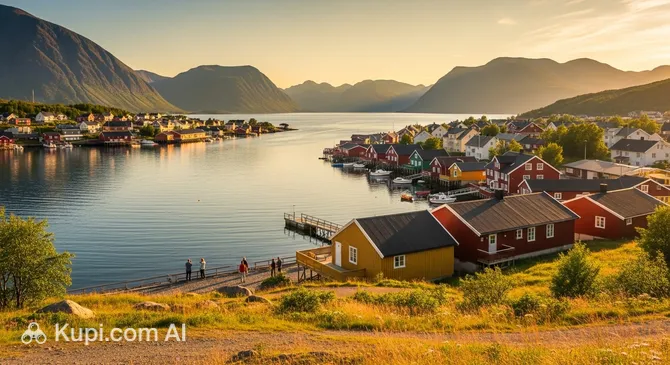
Lakselv. Source: Kupi.Binoculars

The name Lakselv translates to "Salmon River," hinting at one of the area's most famous attributes. The village is renowned internationally for the Lakselva river, which runs through the valley and offers some of the best Atlantic salmon fishing in the world. Anglers flock here in hopes of catching a trophy-sized fish in the crystal-clear waters. Beyond the river, the landscape is diverse, ranging from the open fjord to the sheltered valley floor, providing a stunning backdrop for outdoor activities regardless of the season.

Culturally, the area is fascinating as a meeting point for three distinct ethnic groups: the Norwegians, the Sami, and the Kvens. Visitors interested in the past can delve into the history of Lakselv to learn how these cultures have coexisted and shaped the local identity over centuries. This unique heritage is often reflected in local festivals and the daily life of the community.

Nature lovers will find plenty to explore nearby, including the Stabbursdalen National Park, which is home to the world's northernmost pine forest. Whether you are chasing the Northern Lights in the dark polar winters or enjoying the endless daylight of the Midnight Sun in summer, Lakselv is an exceptional destination for experiencing the raw power and beauty of the Arctic. We invite you to pack your bags and discover this northern gem for yourself.

Weather Overview

Lakselv experiences a subarctic climate, characterized by long, cold winters and short, cool summers typical of Northern Norway. During the coldest months of January and February, average temperatures hover around -10°C, with minimums frequently dropping to -12.7°C. Travelers visiting in winter should pack heavy thermal layers to stay comfortable while exploring the snowy landscape.

As the seasons shift, temperatures gradually rise, reaching their peak in July. Summer offers much milder conditions, with average temperatures around 12.3°C and daily highs reaching up to 15.6°C. For a comprehensive forecast to help plan your outdoor activities, you can consult the detailed weather in Lakselv page.

Precipitation is a constant companion throughout the year, with the number of wet days ranging from 12 to 18 per month. May and August tend to be the wettest in terms of frequency, seeing up to 18 days with some form of precipitation. Expect cool summers with frequent clouds or light rain and cold winters perfect for snow-based adventures.

Interesting Facts

Beyond the scenic fjords and famous salmon rivers, Lakselv holds several fascinating secrets that surprise many visitors. Here are a few unique details that give this Arctic village its distinct character:

  • A Space Shuttle Runway: The local airport, Banak, features an exceptionally long runway that served a unique global purpose. It was designated as one of the emergency landing sites for the NASA Space Shuttle program, chosen for its strategic location and capacity to handle the spacecraft in case of an abort during high-inclination launches.

  • Trilingual Identity: Lakselv is the administrative center of the only municipality in Norway with three official languages: Norwegian, Northern Sami, and Kven. This rare cultural diversity is visible immediately upon arrival, as official road signs and public buildings display names in all three tongues.

  • Arctic Heatwaves: Despite being situated at 70 degrees north, the village possesses a surprisingly warm summer microclimate. Protected by the surrounding mountains, the valley often records the highest temperatures in the northern region, with thermometers occasionally climbing above 30°C, earning it a reputation as a summer hotspot in the high north.

How to Get There

Reaching this northern destination is an adventure in itself, offering travelers a chance to witness the spectacular landscapes of Finnmark. For a detailed guide on all available transport options, you can read more about how to get to Lakselv. The region is well-connected by air, making it accessible despite its remote location.

The most direct way to arrive is via Banak Airport (LKL), which is conveniently located within Lakselv itself, just 2.2 km from the town center. It is a key regional hub, often referred to as North Cape Airport. The short journey from the terminal to the center is quick and easy, typically taking about 5 minutes by car or taxi. Despite being a smaller facility, it handles regular flights and serves as the primary gateway for the municipality.

Another common option is to fly into Alta Airport (ALF). Although the airport is located geographically close (about 60.8 km in a straight line), the road journey is significantly longer as it winds around the stunning fjord coastline. The drive covers approximately 170 km and usually takes roughly 2.5 hours. Travelers often choose this route to enjoy the scenic drive and combine their visit with a tour of the wider region.

For clarity, here is a summary of the main airports in the vicinity:

Airport Name City Passenger Traffic Linear Distance from City (km)
Alta AirportAltaMedium60.8
Ivalo AirportIvaloMedium187.9
Hammerfest AirportHammerfestSmall85.0
Banak AirportLakselvSmall2.2
Valan AirportHonningsvagSmall113.6

Lakselv does not have a railway station, as the Norwegian railway network does not extend into the far northern county of Finnmark. Visitors who prefer ground transport typically rely on the extensive bus network or rental cars, driving along the scenic E6 highway that runs directly through the town.

Main Attractions

Lakselv serves as the perfect basecamp for exploring the wild and diverse landscapes of Porsanger. While the village itself is quiet, the surrounding municipality is packed with natural wonders, ranging from geological oddities to lush Arctic forests. Here are some of the most interesting places to visit during your stay.

Stabbursdalen National Park is undoubtedly the crown jewel of the region. Located just a short distance from the village, it protects the world's northernmost pine forest, a remnant of a warmer era. The park offers an extensive network of hiking trails that cater to all skill levels, leading visitors through ancient woodlands and along the banks of the Stabburselva river. It is a fantastic spot for enjoying the silence of nature and spotting local wildlife, including moose and various bird species.

For a mix of folklore and geology, a trip to Trollholmsund is essential. Situated north of Lakselv along the fjord, this area features curious dolomite rock formations that jut out of the landscape. Local legend says these rocks are trolls who were turned to stone by the rising sun while attempting to hide a chest of gold. The site offers a magical atmosphere and panoramic views of the Porsangerfjord, making it a favorite stop for photographers.

Nature enthusiasts should not miss the Silfar Canyon, one of the largest canyons in Northern Europe. Located on the Børselva river to the east of Lakselv, the canyon is famous for its crystal-clear, emerald-green water and dramatic sheer cliffs. Standing on the edge and looking down into the deep gorge provides a humbling perspective on the forces of nature that shaped this terrain.

To gain insight into the unique cultural fabric of the area, the Porsanger Museum offers a deep dive into local history. The museum focuses on the meeting of the three cultures—Sami, Kven, and Norwegian—that define the community. Through various exhibits, visitors can learn about the traditional ways of life, the local language diversity, and the resilience of the people living at 70 degrees north.

Local Cuisine

The culinary scene in Lakselv is a direct reflection of its Arctic surroundings and its unique multicultural heritage. With a landscape dominated by fjords, rivers, and plateaus, the local diet relies heavily on harvesting fresh ingredients directly from nature. The fusion of Sami, Kven, and Norwegian traditions creates a hearty and rustic gastronomy that focuses on pure flavors and high-quality game and fish.

Given that the town's name translates to "Salmon River," it is no surprise that Atlantic salmon is the undisputed king of the table. Anglers and foodies alike prize the fish from the Lakselva river for its quality. You will find it prepared in countless ways: grilled fresh over an open fire, traditionally cold-smoked, or cured as gravlaks. Another seafood delicacy from the nearby Porsangerfjord is the massive King Crab, often served simply with bread and mayonnaise to let the sweet, tender meat shine.

The Sami influence brings reindeer meat to the forefront of the local menu. This lean, flavorful meat is a staple in Finnmark. Visitors must try finnbiff, a comforting stew made from shaved reindeer meat simmered in a rich sauce with mushrooms, sour cream, and juniper berries, typically served with mashed potatoes and lingonberry jam. For a more traditional experience, look for bidos, a hearty reindeer meat soup that is often served at Sami weddings and special celebrations.

For dessert, the region offers what locals call "Arctic Gold"—cloudberries (multe). These tart, amber-colored berries grow in the wild marshes and are hand-picked during the short summer. They are most commonly enjoyed as multekrem, a luscious dessert where the berries are folded into whipped cream and sugar. It is the perfect sweet ending to a savory Arctic meal.

When it comes to drinks, coffee is an essential part of social life in Northern Norway, consumed in large quantities throughout the day. For something stronger, you might encounter Aquavit, a traditional Scandinavian spirit flavored with herbs like caraway and dill, often sipped alongside festive meals. Non-alcoholic options often include warm fruit syrups or berry juices, which are particularly comforting after a day out in the cold.

Dining in Lakselv is generally a relaxed and unpretentious affair. You won't find many fast-food chains or high-end experimental gastronomy here. Instead, the food culture centers around cozy roadside inns (kro) and hotel restaurants that serve generous portions of home-style cooking. There is also a strong culture of outdoor eating; locals love to cook sausages or freshly caught fish on a bonfire (bål) while hiking, turning a simple meal into a memorable nature experience.

Travel Tips

To help you make the most of your adventure in Lakselv, we have compiled a list of essential practical tips. Whether you are here for the world-class fishing or the Northern Lights, these suggestions will ensure your trip to the far north is smooth and enjoyable.

  1. Clothing and Gear: The weather in Finnmark can change rapidly, so the "layering principle" is your best friend. Even in summer, bring a windproof and waterproof jacket and sturdy hiking boots. If you visit between June and August, insect repellent and a mosquito net head cover are essential, as the inland mosquitoes can be intense. For winter visits, heavy wool thermals, insulated boots, and ice cleats (spikes) for walking on slippery streets are mandatory.

  2. Transportation: While Lakselv is small enough to navigate on foot, exploring the surrounding wilderness requires a vehicle. Public transport (buses operated by Snelandia) connects major towns but runs infrequently. Renting a car is highly recommended to reach trailheads and scenic spots at your own pace. Note that winter driving requires experience with ice and snow; ensure your rental has studded tires.

  3. Finances: The official currency is the Norwegian Krone (NOK). Norway is rapidly becoming a cashless society, and cards are accepted almost everywhere in Lakselv, from supermarkets to small cafes. You might need a small amount of cash for very remote cabins or local craft fairs, but otherwise, a Visa or Mastercard is sufficient. Tipping is not mandatory, though rounding up the bill at restaurants is a polite gesture.

  4. Health and Safety: Lakselv is extremely safe regarding crime, but nature poses the real risks. The local pharmacy, Apotek 1, is located in the town center for basic needs. For emergencies, dial 113 for an ambulance. Be vigilant when driving, especially at dawn and dusk, as moose and reindeer frequently cross the roads and can cause serious accidents.

  5. Communication: Most locals speak excellent English, so you will have no trouble communicating. The area is unique for having three official languages: Norwegian, Northern Sami, and Kven. Learning a simple Norwegian "Takk" (Thank you) or the Sami greeting "Buorre beaivi" (Good day) is well-received. Mobile coverage is generally good in the village but can be spotty or non-existent in deep valleys or the national park.

  6. Local Etiquette: Norwegians value privacy and tranquility. When hiking, the "Right to Roam" (Allemannsretten) allows you to explore freely, but you must maintain a respectful distance from private houses and cabins. It is also customary to remove your shoes when entering someone's home and often when entering rental cabins or certain tourist lodges.

  7. What to Avoid: Do not disturb the reindeer. They are semi-domesticated animals owned by Sami herders and are often seen grazing near roads or houses. Chasing or startling them causes unnecessary stress to the animals and is considered very disrespectful to the local Sami culture.

  8. Shopping Hours: Be aware that most shops, including grocery stores, are closed on Sundays. If you are arriving on a weekend, plan your supplies ahead of time. Some smaller convenience stores or gas stations may be open, but the main supermarkets will have their doors locked.

With these tips in hand, you are well-prepared to embrace the wild beauty and unique culture of Porsanger. We hope you have a safe and unforgettable journey in the heart of the Norwegian Arctic!

Entertainment & Nightlife

Nightlife in Lakselv is a reflection of the village itself: intimate, relaxed, and centered around warm social gatherings rather than high-energy clubbing. As a small community with just over 2,000 residents, you will not find bustling nightclub districts or neon-lit strips here. Instead, the evening entertainment revolves around a few key local establishments where visitors and residents mingle, share stories, and enjoy the cozy atmosphere of the Arctic.

The "nightlife district," if it can be called that, is effectively the town center along the main road. The atmosphere is casual and unpretentious; there is no strict dress code, and it is quite common to see people enjoying a beer in hiking trousers or wool sweaters after a day outdoors. Friday and Saturday nights are the liveliest, often featuring local events, quizzes, or occasional live music performances that draw the community together.

For a drink and a bite to eat, the Verdde Hotel is a central meeting point. It offers a comfortable restaurant and bar area that serves as a social hub for the village. It is an excellent place to sample local food and enjoy a glass of wine or a local beer in a sophisticated yet welcoming setting. Another popular spot is Porsanger Vertshus, which often functions as the local pub. Here, the vibe is more rustic and traditional, providing a genuine slice of Finnmark life where you might strike up a conversation with a salmon angler or a local reindeer herder.

If you are looking for entertainment beyond dining and drinking, Lakselv Kino (the local cinema) is located within the cultural center (Kultursalen). It screens a mix of international blockbusters and Norwegian films, offering a perfect way to spend a dark winter evening. While it may not be a sprawling multiplex, it is a modern facility that serves as a cornerstone of local culture.

Practicalities for a night out in Lakselv are straightforward but important to note. Alcohol prices are consistent with the rest of Norway, meaning they can be quite high compared to other countries; expect to pay around 100-120 NOK for a pint of beer. Bars typically close around 1:00 AM or 2:00 AM on weekends, and much earlier on weekdays. Since the town is small, it is very safe to walk between venues, even at night. However, during winter, the streets can be icy and dark, so wearing reflective gear is highly recommended. If you need a ride, Porsanger Taxi is available, but it is wise to book in advance on busy weekends as the number of available cars is limited.

Parks & Museums

While Lakselv may not boast the manicured city gardens found in larger metropolises, it offers something far more spectacular: immediate access to some of the most pristine and rugged wilderness in Northern Norway. The village serves as a gateway where the cultivated landscape seamlessly blends into the raw Arctic nature, offering visitors a unique combination of open-air recreation and deep cultural heritage.

Stabbursdalen National Park is the region's premier natural attraction and a must-visit for any outdoor enthusiast. Located just north of the village, it preserves the world's northernmost pine forest, a resilient ecosystem that has survived since the last Ice Age. The park offers a variety of marked trails, ranging from easy family-friendly walks to demanding hikes into the barren mountain plateaus. It is a sanctuary for silence and scenery, where the twisted ancient pines create a magical atmosphere under the Midnight Sun.

For those interested in birdlife and coastal ecosystems, the Stabbursnes Nature Reserve is a significant wetland area situated at the mouth of the Stabburselva river. The vast delta is a crucial resting and nesting ground for migratory birds, particularly ducks and geese. A designated nature trail leads visitors to an observation point that offers panoramic views over the Porsangerfjord and the inner parts of the delta, making it an excellent spot for photography and peaceful observation.

The cultural heart of the area can be found at the Stabbursnes Nature House and Museum. This facility serves as both a visitor center for the national park and a museum dedicated to the natural and cultural history of Finnmark. The exhibitions provide fascinating insights into the Arctic ecosystem, the life cycle of the Atlantic salmon, and the traditional use of nature by the local population. It is an educational stop that gives context to the landscapes you explore outside.

Another key cultural institution is the Porsanger Museum, which focuses on the unique "three tribes" heritage of the municipality. The museum showcases the converging histories of the Sami, Kven, and Norwegian people who have lived side by side in this region for centuries. Through artifacts, photographs, and stories, visitors can learn about the distinct languages, costumes, and building traditions that define the local identity, as well as the impact of World War II on the community.

In terms of architectural landmarks, Lakselv Church stands as a poignant symbol of the village's resilience. Consecrated in 1963, the white wooden church was built to replace the previous sanctuary destroyed during the war. Its clean, simple lines are typical of the reconstruction architecture found across Finnmark, representing the rebuilding of life in the north. It is a peaceful site for reflection located centrally in the village.

For a truly authentic experience, take a short drive to the Roddenes Nature Reserve on the eastern side of the fjord. Less frequented than Stabbursdalen, this area offers a quiet beach walk along the Porsangerfjord. It is a favorite local spot for picking berries in late summer and watching the shifting colors of the Arctic sky over the water, away from the more beaten tourist paths.

Getting Around

Given the modest size of Lakselv, visitors should not expect a complex urban transit network like a metro or tram system. The public transport infrastructure is primarily based on a bus network that serves the local population and connects the village to the wider Finnmark region. For most tourists staying within the town center, the area is compact enough to be navigated comfortably on foot, with shops, hotels, and services located within walking distance of each other.

The bus service is operated by the regional transport authority, Snelandia. While there are local stops, the frequency of departures can be quite limited, often revolving around school schedules and working hours. This means fewer buses run during school holidays, weekends, and evenings. The buses are modern and comfortable, designed to handle the Arctic weather conditions, but it is crucial to check the timetable in advance rather than waiting at a stop.

For payment, the most convenient and cost-effective method is to use the dedicated mobile application, "Snelandia Mobillett." This app allows you to purchase single tickets or period passes directly on your smartphone, which you then show to the driver upon boarding. It is also possible to pay with a bank card or cash on the bus, but this often incurs a higher fare compared to pre-purchased mobile tickets. There are no ticket machines at the bus stops, so the app is your best tool for seamless travel.

If you require more flexible transport, taxis are a reliable alternative, though they should be booked in advance. Porsanger Taxi operates in the area and is particularly useful for transfers to and from Banak Airport if your flight does not align with the airport bus schedule. Taxis can be expensive compared to public transit, so they are best used for short specific trips or when carrying heavy luggage.

For those wishing to explore the surrounding wilderness, such as Stabbursdalen National Park or the distant fjords, relying solely on public transport can be challenging due to the infrequent connections. Renting a car is widely considered the most practical option for tourists, offering the freedom to travel at your own pace. Alternatively, during the summer months, cycling is a popular and eco-friendly way to get around the local area, with the flat terrain of the valley floor making it accessible for most fitness levels.

A final tip for travelers is to always plan your return journey before setting out. Since some bus routes may only have one or two departures a day, missing the last bus could leave you stranded far from the center. Using the Snelandia travel planner website or app is essential for a smooth experience.

Accommodation

Accommodation in Lakselv is designed to cater to outdoor enthusiasts and travelers passing through Finnmark, offering a range of options that prioritize comfort and accessibility to nature. While you will not find sprawling luxury resorts here, the village provides a solid selection of mid-range hotels, cozy guesthouses, and well-equipped camping sites. Given the area's reputation as a premier fishing destination, many lodgings offer cabin-style accommodations (hytter) that are perfect for anglers and families looking for a self-catering experience.

When choosing where to stay, most visitors opt for the town center. Staying centrally places you within walking distance of the few grocery stores, the pharmacy, and dining spots, as well as being close to the airport. Alternatively, for those seeking a deeper connection with the Arctic wilderness, there are camping grounds and cabins located slightly outside the main village, often situated along the banks of the famous Lakselva river or near the fjord, providing immediate access to hiking trails and fishing spots.

Among the well-known establishments, the Verdde Hotel is a popular choice located right in the heart of Lakselv. It is known for its modern amenities and serves as a convenient base for business travelers and tourists alike. Another prominent option is Lakselv Hotell, situated a few kilometers from the center on a hill with views over the Porsangerfjord. This hotel often appeals to nature lovers and tour groups, offering a restaurant and easy access to the surrounding terrain.

A crucial tip for booking accommodation in Lakselv is to plan well ahead if you are visiting during the salmon fishing season (typically June to August). During these months, the village fills up with anglers from around the world, and the best rooms and cabins can be booked out months in advance. Winter travelers chasing the Northern Lights generally have more flexibility, though availability can still be limited during major holidays.

Price-wise, accommodation in Lakselv reflects the general cost of living in Norway, which is usually in the mid-to-high range. Budget travelers can find more affordable rates at camping sites or by booking simple cabins with shared facilities. Most bookings can be made easily through major online travel platforms or by contacting the establishments directly, which is often recommended for securing specific fishing cabins or long-term stays.

Nearby Cities

For those looking to explore the surroundings, Lakselv serves as an excellent base for day trips to several interesting nearby locations:

One of the most popular destinations for a visit is Alta. Known as the "City of the Northern Lights," it offers a rich mix of history and modern culture. Visitors can explore the UNESCO-listed rock carvings at the Alta Museum, which date back thousands of years, or admire the striking architecture of the Northern Lights Cathedral. Its relatively close proximity makes it a feasible option for travelers wanting to experience a larger urban environment while staying in Finnmark.

For those willing to venture further for a short visit, Tromsø awaits as the "Paris of the North." It is the largest city in Northern Norway and a bustling hub of Arctic expeditions, culture, and nightlife. Highlights include the Polaria aquarium and the cable car up to Mount Storsteinen for panoramic views. Just across the bridge lies Tromsdalen, home to the iconic Arctic Cathedral, a landmark visible from miles away with its distinct triangular shape and stunning stained glass.

City Population Distance (km)
Nordre Fale 61032 82
Harstad 50000 358
Tromsø 38980 235
Tromsdalen 16787 233
Alta 15342 65

These nearby destinations offer a glimpse into the diverse culture and landscapes of the region.

Shopping & Souvenirs

Shopping in Lakselv is a relaxed and practical experience, reflecting the village's status as a service hub for the wider Porsanger region. While you will not find high-end fashion boulevards or sprawling department stores here, the town offers a selection of shops that cater well to both locals and visitors. The retail scene is primarily focused on outdoor necessities, daily conveniences, and unique local products that celebrate the Arctic lifestyle.

The heart of the shopping activity is concentrated in the compact town center. The main commercial venue is Banaksenteret, a shopping mall that serves as the primary meeting point for the community. Inside, you can find a variety of stores under one roof, including clothing boutiques, a pharmacy, a bookstore, and a cozy café. It is also home to the Vinmonopolet, the state-owned liquor store, which is the only place to purchase wine and spirits in the area.

Given Lakselv's reputation as a world-class destination for angling and hiking, the local sports shops are particularly well-stocked. These stores are excellent places to upgrade your gear, offering high-quality warm clothing, specialized fishing equipment, and sturdy boots suitable for the rugged terrain of Norway. The staff are often local experts who can provide valuable advice on the best lures for salmon or the right layers for the current weather.

For those seeking authentic souvenirs, the region's cultural heritage offers some distinct options. Look for items rooted in Sami craftsmanship (Duodji), such as handmade knives with birch handles, intricate silver jewelry, or leather goods. Culinary souvenirs are also highly recommended; vacuum-packed smoked salmon, dried reindeer meat, and jars of cloudberry jam make for delicious gifts that capture the flavors of the north.

While there are no permanent daily markets, the village occasionally hosts seasonal fairs and events where local artisans and farmers sell their goods. These pop-up markets are great for finding hand-knitted wool sweaters, mittens, and fresh local produce, especially during the summer months or the pre-Christmas season.

Store opening hours in Lakselv follow the standard Norwegian pattern. Most shops in the center open around 10:00 AM and close between 5:00 PM and 6:00 PM on weekdays. On Saturdays, closing times are earlier, typically around 3:00 PM or 4:00 PM. It is important to note that nearly all shops, including major supermarkets, are closed on Sundays, so travelers should plan their provisions accordingly.

Payment is seamless, as cards are widely accepted everywhere, from the shopping center to small kiosks. Contactless payment is the norm, and you will rarely need cash. Visitors residing outside of Scandinavia may be eligible for a tax-free refund on purchases made in affiliated stores. Look for the "Tax Free" signage in shop windows and ask for a refund form at the checkout if you spend above the qualifying threshold.

Reached the end of the page?

That means the route is fully explored