Support

Honningsvag

About

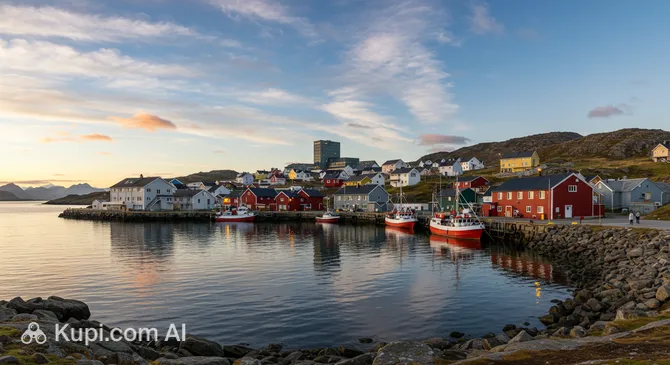
Welcome to Honningsvåg, a fascinating destination often described as the northernmost city on the European mainland. Perched on the southern side of Magerøya island, this vibrant port town offers a unique blend of rugged Arctic beauty and warm hospitality. It serves as a crucial gateway for travelers exploring the northern reaches of Norway, providing a comfortable base for Arctic adventures.
Honningsvag. Source: Kupi.Binoculars

Despite its location far above the Arctic Circle, Honningsvåg benefits from the warming effects of the Gulf Stream, keeping its busy harbor ice-free year-round. The town is home to approximately 2,300 residents, creating a close-knit community atmosphere. The landscape is defined by stark, treeless tundra and dramatic fjords, offering visitors a true sense of being at the edge of the world.

The history of Honningsvåg is deeply rooted in maritime traditions and fishing, which remain central to local life today. Walking through the streets, you will find colorful wooden houses and a lively harbor filled with fishing boats and visiting cruise ships. This enduring connection to the sea gives the town an authentic and industrious character that charms visitors from around the globe.

Most travelers flock here to visit the iconic North Cape (Nordkapp), a spectacular cliff rising 307 meters above the Arctic Ocean, located just a short drive away. Beyond this famous landmark, Honningsvåg offers incredible opportunities to experience natural phenomena; depending on the season, you can bask in the endless daylight of the Midnight Sun or hunt for the mesmerizing Northern Lights dancing across the winter sky.

Whether you are embarking on a king crab safari or simply soaking in the serene Arctic atmosphere, Honningsvåg promises an unforgettable experience. It is a must-visit destination for anyone seeking to explore the raw beauty and unique culture of the Far North.
Weather Overview

Due to its coastal location, the local climate is subarctic but remains milder than many other places at this latitude. Before packing your bags, it is helpful to review the current weather in Honningsvag to ensure you are prepared for the elements. Generally, the town experiences cool, short summers and long, cold winters, with the ocean preventing extreme temperature drops.

Summer offers the most comfortable conditions for travelers, with July being the warmest month. During this time, average temperatures hover around 11.4°C, with daily highs occasionally reaching nearly 14°C. The season is relatively brief, and even in June and August, the air remains crisp, requiring warm layers for any outdoor excursions.

Winters are cold but stable, with February typically seeing the lowest temperatures, averaging around -4.4°C. Precipitation is a constant companion throughout the year; March is often the wettest month with up to 23 wet days, while summer sees slightly fewer. Expect cool summers with frequent overcast skies and cold winters characterized by regular snowfall and brisk winds.

Interesting Facts

Beyond the famous North Cape, Honningsvåg holds many fascinating secrets that reveal the resilience and unique spirit of this Arctic community. From legislative quirks to wartime miracles, the town's history is as dramatic as its landscape.

  • The Miracle Church: The white wooden Honningsvåg Church, built in 1885, holds a special place in local history as the only building to survive World War II. When retreating forces burned the rest of the town to the ground in 1944, this church remained standing and subsequently served as a bakery, kitchen, and dormitory for the returning residents during the reconstruction.

  • A "City" by Exception: Honningsvåg claims the title of the "northernmost city in the world," but this status came with a legal twist. In the 1990s, Norway passed a law stating a municipality must have at least 5,000 inhabitants to be called a city; Honningsvåg, with roughly half that population, declared itself a city just months before the law took effect, allowing it to keep the prestigious title permanently.

  • A Canine War Hero: The town honors a St. Bernard named Bamse with a statue overlooking the harbor, celebrating his role as a mascot for the Royal Norwegian Navy during World War II. Bamse was known for boosting the morale of sailors and allegedly saving lives, becoming a symbol of Norwegian freedom and resilience.

  • Name Origins: The name Honningsvåg likely has nothing to do with honey ("honning" in Norwegian). It is believed to derive from an old Norse word, Horn, referring to a sharp mountain peak resembling a horn near the settlement, combined with våg, meaning bay.

How to Get There

Reaching this remote Arctic destination is part of the adventure, with travel options that offer stunning views of the rugged coastline. For a complete overview of routes and travel tips, you can read more about how to get to Honningsvag. While the journey north requires some planning, the transport network is reliable and well-connected to the rest of Norway.

The most direct way to arrive is by flying into Valan Airport (HVG). This small regional airport is conveniently located just 3.0 km from the town center. Due to its proximity, the transfer is quick; a taxi or bus ride typically takes around 10 to 15 minutes. While the airport handles a modest volume of traffic, it provides essential links to other northern hubs, making it the primary gateway for those who want to land right at the doorstep of the North Cape.

Alternatively, many travelers choose to fly into Alta Airport (ALF) in the city of Alta. It is a larger transport hub with significantly higher passenger traffic, offering more frequent flights and connections. However, it is situated approximately 148 km from Honningsvag. The journey from Alta involves a drive of roughly 4 hours, traversing scenic mountain passes and the famous North Cape Tunnel. Another regional option is Hammerfest Airport (HFT) in Hammerfest, located about 91 km away, which also connects visitors to the wider Finnmark region.

For clarity, here is a summary of the main airports serving the area:

Airport Name City Passenger Traffic Km from City
Alta Airport Alta Large 148.3
Hammerfest Airport Hammerfest Medium 90.7
Banak Airport Lakselv Medium 108.5
Batsfjord Airport Batsfjord Small 143.2
Valan Airport Honningsvag Small 3.0

It is important to note that there are no railway services in this far northern part of the country. The Norwegian rail network ends much further south, at Bodø and Narvik. Consequently, if you are not flying, the most popular way to arrive is by sea or road. Honningsvag is a major port of call for the famous Hurtigruten coastal steamers and other cruise lines. For those driving, the town is the terminus of the E69 highway, connected to the mainland by the impressive North Cape Tunnel.

Main Attractions

While Honningsvåg is a compact town, it serves as the cultural and logistical heart of Magerøya island. Visitors here are often struck by the unique combination of rich history, Arctic nature, and local hospitality. Exploring the town center and its immediate surroundings offers a deeper understanding of life at 71 degrees north, going beyond just the famous cliff nearby.

The most prominent landmark within the town itself is the Honningsvåg Church. Built in 1885, this white wooden structure is a powerful symbol of resilience for the locals. It holds the distinction of being the only building in the town to survive the devastation of World War II. A visit here offers a quiet moment of reflection and a glimpse into the history of the community, which lived inside the church while rebuilding their homes after the war.

For those interested in the region's heritage, the North Cape Museum (Nordkappmuseet) is an essential stop located right by the harbor. The museum provides a comprehensive look at the history of the North Cape as a tourist destination, as well as the coastal culture and fishing industry of Finnmark. Its exhibitions vividly recount the dramatic events of the wartime evacuation and the subsequent reconstruction, helping visitors appreciate the tenacity of the people who call this rugged landscape home.

Of course, no trip to Honningsvåg is complete without venturing to the North Cape (Nordkapp) itself. Located a short drive from the town, this iconic plateau rises 307 meters above the Barents Sea. It is the main attraction for thousands of travelers who come to stand by the famous globe monument, gaze out at the endless horizon, and experience the midnight sun in summer or the polar night in winter. The on-site North Cape Hall features a panoramic cinema and exhibitions about the area's nature and history.

Corner Spiseri. Source: Kupi.Binoculars

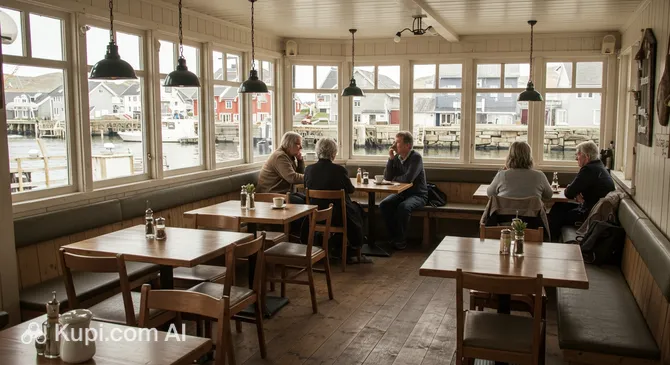
After a day of Arctic exploration, sampling the local cuisine is a highlight for many travelers. Corner Spiseri is a favorite gathering place in the center of town. This establishment is well-regarded for its authentic menu, which frequently features fresh catches from the cold northern waters, including the region's famous King Crab. It offers a warm and inviting atmosphere where you can relax and enjoy the flavors of the north.

Local Cuisine

The culinary landscape of Honningsvåg is defined by its proximity to the Barents Sea, making it a paradise for seafood lovers. In this bustling fishing port, the distance from the ocean to the plate is incredibly short, ensuring that ingredients are always of the highest quality. The local food culture is unpretentious and hearty, focusing on fresh, raw materials prepared simply to highlight their natural flavors, a necessity in the harsh Arctic climate.

Undoubtedly, the most famous delicacy here is the Red King Crab. These massive crustaceans thrive in the cold waters surrounding Magerøya, and tasting them is considered an essential part of the visitor experience. You will often find King Crab served in generous portions, typically steamed or boiled and accompanied by bread, mayonnaise, and lemon. Many tourists combine their meal with a "King Crab Safari," where you can watch the catch being hauled in before enjoying a fresh feast.

Beyond crab, the region is renowned for its cod, which has been the livelihood of Northern Norway for centuries. You can try it fresh, often poached, or as stockfish (dried fish) and clipfish (salted and dried), which are used in various traditional stews and baked dishes. For a taste of the inland Sami culture, look for dishes featuring reindeer meat. Reindeer is lean and flavorful, commonly served as a warming stew called bidos or as a tender fillet with root vegetables and game sauce.

To wash down a hearty meal, locals often turn to strong coffee, which is consumed in large quantities throughout the day to keep warm and alert. For something stronger, Aquavit (Akevitt) is the traditional Scandinavian spirit. Distilled from potatoes and flavored with herbs like caraway and dill, it is often sipped slowly alongside festive meals or heavy meat dishes. Local beers from northern breweries are also popular accompaniments to the savory cuisine.

The dining atmosphere in Honningsvåg is relaxed and welcoming, with most eateries located near the harbor offering views of the fishing boats. There is no need for formal attire; the focus is on warmth and hospitality. A popular spot to experience this authentic vibe is Corner Spiseri, where you can sample local specialties like the King Crab or a classic fish soup in a cozy setting. Whether you are grabbing a quick waffle from a cafe or sitting down for a seafood dinner, the food here offers a genuine taste of the Arctic.

Travel Tips

Preparing for a trip to the northern edge of Europe requires a bit of extra planning to ensure a comfortable and safe experience. To help you make the most of your Arctic adventure in Honningsvag, here are some practical tips covering everything from packing essentials to local customs.

  1. Clothing and Gear: The weather in the Arctic is unpredictable, regardless of the season. The golden rule here is to dress in layers (the "onion principle"). Even in summer, bring a windproof and waterproof jacket, a warm wool sweater, and a hat. Comfortable, sturdy walking shoes are a must, especially if you plan to explore the terrain around the North Cape. If you are visiting in winter, thermal underwear, insulated boots, and spikes for walking on icy streets are essential. There are no strict dress codes for religious sites or restaurants; practical, warm outdoor clothing is the norm everywhere.
  2. Transportation: Honningsvag itself is small and compact, so the best way to get around the town center is on foot. To reach the famous North Cape plateau or explore the rest of Magerøya island, you will need a vehicle. Public buses run to the North Cape, but schedules can be seasonal. Taxis are available but can be quite expensive. Renting a car gives you the most freedom, but be prepared for narrow, winding roads and, in winter, challenging driving conditions that may require convoy driving behind a snowplow. Ride-hailing apps like Uber are generally not available in this remote area.
  3. Finances: The local currency is the Norwegian Krone (NOK). Norway is a global leader in cashless payments, and Honningsvag is no exception. Credit and debit cards (Visa and Mastercard) are accepted almost everywhere, from hotels to small kiosks. You rarely need cash, but there are ATMs (Minibank) in the town center if you prefer to have some. Be aware that prices in Northern Norway can be high, so budget accordingly for food and transport. Tipping is not mandatory as service charges are included, but rounding up the bill is a common gesture for good service.
  4. Health and Safety: Honningsvag is an extremely safe place with very low crime rates. The biggest risks are environmental. Be cautious of slippery surfaces in winter and strong winds on the cliffs. There is a local health center (Legevakt) for medical assistance, and a pharmacy (Apotek) is located in the town center for basic supplies. The general emergency number for medical help is 113, and for police, it is 112. Tap water is pure and safe to drink straight from the faucet.
  5. Communication: The official language is Norwegian, but English is widely spoken and understood at a high level by almost everyone. You will have no trouble communicating in hotels, shops, or restaurants. Free Wi-Fi is standard in most accommodations and cafes. If you need mobile data, you can purchase a prepaid SIM card at convenience stores like Narvesen or Rema 1000, though EU/EEA residents can usually use their home data plans without extra roaming charges.
  6. Local Etiquette: Norwegians are generally polite but value their personal space and privacy. A firm handshake is the standard greeting. It is customary to be punctual for appointments and tours. When entering a private home, and sometimes even certain rorbuer (fishermen's cabins) or smaller lodgings, it is polite to remove your shoes at the door. In nature, the concept of "Allemannsretten" (freedom to roam) applies, but it comes with the responsibility to leave no trace and respect the environment.
  7. What to Avoid: Do not underestimate the weather changes; sunny skies can turn to fog or snowstorms quickly, so never venture on long hikes without proper gear. Also, avoid disturbing the reindeer. In summer, thousands of reindeer graze on the island; they are semi-domesticated animals belonging to the Sami people. Admire them from a distance, but do not chase or try to feed them, and be very careful when driving as they often wander onto the roads.
  8. Additional Tip: If you are visiting during the summer months to see the Midnight Sun, remember that the sun does not set, which can disrupt your sleep cycle. Bring an eye mask if your accommodation does not have blackout curtains. Conversely, during the winter Polar Night, it is dark around the clock; wearing high-visibility reflectors on your clothing when walking outside is crucial for your safety so drivers can see you.

By keeping these practical tips in mind, you will be well-prepared to embrace the unique charm and rugged beauty of Honningsvag. Whether you are chasing the Northern Lights or watching the midnight sun dip toward the horizon, this Arctic town is ready to offer you a warm welcome.

Entertainment & Nightlife

Entertainment and nightlife in Honningsvåg reflect the town's character: intimate, welcoming, and centered around the harbor. While you will not find sprawling nightclubs or neon-lit districts here, the town offers a cozy and authentic social scene. The nightlife is concentrated along the main waterfront street, making it easy to hop between venues without needing transportation. The atmosphere is distinctively Arctic—relaxed and informal, where locals, fishermen, and travelers from around the world mingle over drinks.

The heart of the evening social life is undoubtedly the local pubs and restaurants that transition into lively gathering spots at night. Corner Spiseri is a cornerstone of this scene. Located centrally, it serves as a restaurant by day and a vibrant meeting place by night. It is a popular spot to enjoy a local beer or a glass of wine while soaking in the view of the harbor. The venue often hosts quizzes or live music events, drawing a cheerful crowd of both residents and tourists.

For a truly legendary local experience, visitors should seek out Nøden Pub. Often referred to simply as "Nøden," this venue is an institution in Honningsvåg. It has a rich history as a waiting room for fishermen and offers a rustic, nostalgic atmosphere filled with maritime memorabilia. It is the perfect place to strike up a conversation with a local and hear stories about life at 71 degrees north. Another notable venue is Perleporten Kulturhus (Culture House), which serves as a cafe and bar but also hosts concerts, theater productions, and the popular local cabaret, providing a mix of culture and entertainment.

When planning a night out, keep in mind that the dress code is almost universally casual. Practical outdoor clothing, wool sweaters, and hiking boots are standard attire, even in the evening. Opening hours can vary depending on the season and the day of the week, but bars typically stay open until 1:00 or 2:00 AM on weekends. Prices for alcohol are consistent with the rest of Norway, meaning they can be quite high compared to other European countries, so it is wise to budget accordingly.

In terms of safety, Honningsvåg is exceptionally secure. You can walk alone at night without worry, though the primary concern is the elements. In winter, the streets can be icy and slippery, so caution is advised when walking between venues. Taxis are available if you prefer not to walk, though the town center is compact enough that they are rarely necessary for short distances within the harbor area.

While the town is quiet during the day, daytime entertainment focuses on cultural immersion. Beyond the museums, the Perleporten Kulturhus often stages the show "Our Northernmost Life," a humorous and touching play about living in the Arctic, which is performed in English during the summer season. Whether you are watching a local performance or enjoying a quiet drink under the midnight sun, the entertainment in Honningsvåg offers a warm respite from the Arctic chill.

Parks & Museums

While Honningsvåg may not boast the manicured botanical gardens found in southern cities, its "green spaces" are the raw, majestic landscapes of the Arctic tundra that surround the town. The cultural heritage here is preserved not just in museums, but in the very architecture and stories of a community that has survived at the edge of the world. Visitors will find that the town's compact center serves as a gateway to both rugged nature and fascinating local history.

The Great Outdoors as a Park

In a town located at 71 degrees north, the concept of a park is redefined by the wilderness. The primary recreational area is the surrounding mountain terrain, particularly the slopes of Storfjellet (Big Mountain) which rise directly behind the settlement. In summer, this area transforms into a vibrant green hiking ground where locals and tourists alike enjoy walks under the midnight sun. It offers panoramic views over the harbor and the Barents Sea, acting as a natural amphitheater for the town.

For a more leisurely stroll, the Harbor Promenade serves as the town's social hub and open-air gallery. While not a park in the traditional sense, this walkway along the waterfront allows visitors to breathe in the fresh sea air while watching fishing boats unload their daily catch. It is a place to connect with the maritime soul of the city, offering benches and spots to admire the view of the fjord without venturing into the steep terrain.

Museums and Galleries

The cultural centerpiece of the town is the North Cape Museum (Nordkappmuseet), located conveniently by the harbor. This museum goes far beyond a simple exhibition; it is a deep dive into the coastal culture of Finnmark. Visitors can explore displays focused on the destruction of World War II and the subsequent reconstruction, a pivotal era that defined modern Honningsvåg. It also features fascinating exhibits on the history of tourism at the North Cape, showing how early adventurers reached the cliff long before the road was built.

For a more contemporary and artistic experience, the Artico Ice Bar offers a unique gallery setting. Rebuilt every year from natural ice sourced from the lakes of Lapland, it functions as both a bar and an exhibition of ice sculpture. Visitors don warm ponchos to enter this frozen world, where the walls, furniture, and art pieces are carved from crystal-clear ice, reflecting the winter magic of the Arctic even in the height of summer.

Historical and Architectural Landmarks

Architecturally, the town is dominated by the Honningsvåg Church. As the only structure to survive the burning of the town in 1944, it stands as a poignant symbol of endurance. Its neogothic white wooden facade is simple yet striking against the stark landscape. Inside, the church preserves the memory of the months when the entire population lived within its walls during the rebuilding period, making it a sacred site of community history.

Another significant landmark is the Bamse Statue, located near the harbor. This bronze monument honors a St. Bernard dog who became a legendary mascot for the Norwegian Navy during World War II. It is a favorite photo spot and a touching tribute to the bond between humans and animals during wartime, reflecting the town's pride in its naval heritage.

Authentic Experiences

For a lesser-known cultural gem, look for the small art galleries or craft shops like The West of the Moon (Vestenfor Måne) or similar local artisan pop-ups that often appear during the summer season. These small venues showcase works by local artists inspired by the extreme light conditions of the north. An insider tip is to walk to the end of the breakwater (molo) on a windy day; standing there gives you a visceral sense of the power of the Arctic Ocean, a raw experience that no museum can fully replicate.

Getting Around

Given the compact size of Honningsvåg, the public transport system is straightforward and scaled to the needs of a small community. There are no complex networks like metros, trams, or trains in this area. The primary form of public transportation is the bus service, operated by the regional authority, Snelandia. These buses connect the town center with the airport, the famous North Cape plateau, and other small settlements on Magerøya island.

For payment, the system is modern and user-friendly. The most convenient method is to download the "Snelandia Mobile" app, where you can purchase single tickets or period passes instantly. This is often slightly cheaper than buying on board. If you prefer not to use the app, drivers generally accept credit and debit cards, as well as cash (Norwegian kroner), though card payment is preferred. Prices are zone-based, but a standard local trip is reasonably priced, while the longer journey to the North Cape carries a higher fare.

Travelers should be aware that bus frequencies vary significantly by season. In the summer months, there are regular departures tailored to cruise ship schedules and tourists visiting the North Cape. In winter, services are less frequent and can be subject to weather disruptions. It is highly advisable to check the latest timetables on the Snelandia website or app before making plans. Always validate your ticket upon boarding by showing it to the driver or scanning your app.

For getting around the town center itself, walking is the most practical and enjoyable option. The harbor, hotels, and museums are all within a comfortable walking distance of each other. If you need to travel further or have heavy luggage, taxis are available, though they can be expensive and may require booking in advance due to limited availability. There are no ride-sharing apps like Uber here. Renting a car is a popular alternative for those who want the freedom to explore the island's rugged coastline independently.

While not a typical city transit feature, the coastal express ships (Hurtigruten and Havila) play a crucial role in the local transport infrastructure. These ships dock daily in the harbor, connecting the town to ports further north and south. For many visitors, arriving or departing by sea is a memorable part of the experience, offering scenic views that no bus ride can match.

Accommodation

Finding the perfect base in Honningsvåg is relatively straightforward, as the town is compact and geared towards accommodating the steady stream of travelers heading to the North Cape. The accommodation landscape primarily consists of mid-range hotels, functional guesthouses, and camping sites. While you will not find ultra-luxury resorts here, the available options are comfortable, clean, and offer warm hospitality, serving as excellent starting points for Arctic expeditions.

The most convenient area to stay is undoubtedly the harbor district in the town center. Staying here places you within walking distance of the bus station for the North Cape, the Hurtigruten terminal, and the local museums. This central location also means you are just steps away from the town's restaurants and shops, which is particularly advantageous during the winter months when walking long distances in the cold can be challenging. For those seeking a more rustic experience, there are cabins and campsites located slightly on the outskirts, offering closer proximity to nature and potential views of the Northern Lights away from streetlights.

Booking Tips and Seasonality

Due to the short but intense summer tourist season, accommodation in Honningsvåg can fill up remarkably fast. If you plan to visit between June and August to see the Midnight Sun, it is highly recommended to book your room several months in advance. During the winter season, availability is generally better, but some smaller establishments may close or operate with reduced capacity, so confirming your reservation early is still a wise strategy.

Prices and Reservations

Travelers should be prepared for Norwegian price levels, which tend to be higher than the European average. Budget options like hostels or shared cabins exist but are limited, while standard hotel rooms typically fall into the mid-to-high price range. Most properties can be easily booked via major online travel platforms, which is the most convenient method for comparing current rates and availability. However, for smaller guesthouses or camping cabins, contacting the establishment directly can sometimes yield better availability or specific information about amenities.

Nearby Cities

For those looking to explore the surroundings, Honningsvag serves as an excellent base for excursions to several interesting nearby locations. Whether you are planning a day trip or a longer journey, the region offers a variety of destinations worth visiting:

City Population Distance (km)
Nordre Fale 61032 104
Harstad 50000 436
Tromsø 38980 303
Tromsdalen 16787 301
Alta 15342 151

While the distances in Northern Norway can be significant due to the winding coastal roads and fjords, a few key destinations stand out for those willing to venture further afield.

Alta is the closest major city and a popular destination for a substantial day trip or an overnight stay. Known as the "City of the Northern Lights," it offers a slightly milder climate and a wealth of cultural history. Visitors can explore the UNESCO World Heritage-listed Rock Art Centre, which features carvings dating back thousands of years, or admire the modern architecture of the Northern Lights Cathedral. It is a hub for outdoor activities, from dog sledding in winter to canyon hiking in summer.

Further to the southwest lies Tromsø, often called the "Paris of the North." Although it requires a longer journey, it is the largest urban center in the region and a cultural beacon above the Arctic Circle. The city is famous for the striking Arctic Cathedral, the Polaria aquarium, and a lively city center filled with restaurants and cafes. It serves as a stark contrast to the small-town feel of Honningsvag, offering a bustling atmosphere and a rich polar history.

These nearby destinations offer a glimpse into the diverse culture and landscapes of the region, making them perfect additions to your Arctic itinerary.

Shopping & Souvenirs

Shopping in Honningsvåg is a relaxed and intimate experience, reflecting the town's small size and its role as a gateway to the Arctic wilderness. While you will not find sprawling shopping complexes or high-end fashion boulevards here, the town offers a charming selection of stores that cater to both the daily needs of locals and the interests of visitors. The shopping scene is primarily focused on authentic local handicrafts, high-quality outdoor gear suitable for the harsh climate, and unique souvenirs that capture the spirit of the North.

The main shopping activity is concentrated along Storgata, the town's principal street that runs parallel to the waterfront. This compact district is easily explorable on foot, allowing you to browse through the shops while enjoying views of the harbor. Here, you will find a variety of small boutiques, souvenir outlets, and essential services intermingled with cafes. The proximity to the cruise terminal means that this area is lively and well-stocked, especially during the summer tourist season.

Travelers should be aware that there are no large shopping malls in Honningsvåg. The retail landscape is defined by independent storefronts rather than chain department stores. However, for daily necessities, there are well-stocked supermarkets located centrally, where you can purchase groceries, toiletries, and snacks. These stores often serve as a community hub and are surprisingly well-equipped given the town's remote location.

While traditional open-air markets are not a permanent fixture due to the weather, the harbor area often hosts seasonal stalls, particularly when cruise ships are in port. In these temporary setups, you might find local vendors selling handmade goods. For a more consistent "market" feel, the larger souvenir shops often function as emporiums of local culture, offering a wide range of goods under one roof, from food items to clothing.

When looking for the perfect keepsake, local handicrafts are the highlight of shopping in Honningsvåg. Authentic Norwegian knitwear, such as the iconic wool sweaters with traditional patterns, is a popular choice for staying warm. Items reflecting the indigenous Sami culture, such as handmade jewelry, knives with reindeer horn handles, and leather goods, are also highly prized. For a taste of the Arctic to take home, look for jars of cloudberry jam, dried fish snacks, or reindeer sausage.

Store opening hours in Honningsvåg generally follow the standard Norwegian pattern. Most shops open around 10:00 AM and close by 4:00 PM or 5:00 PM on weekdays, with shorter hours on Saturdays. On Sundays, most retail shops are closed, although some souvenir stores and grocery shops may have extended hours during the peak summer season to accommodate tourists. Payment is seamless, as cards (Visa and Mastercard) are accepted almost everywhere, even for small purchases. Cash is rarely needed, but having a small amount of Norwegian kroner can be useful for very small vendors.

For international visitors, Tax-Free shopping is available in many of the larger souvenir shops and stores catering to tourists. If you spend over a certain amount (typically around 315 NOK for regular goods) in a participating store, you can request a tax refund form. Be sure to look for the "Tax Free" signage in the window and ask the staff for assistance at the checkout to claim your refund before leaving the country.

Reached the end of the page?

That means the route is fully explored