Support

Batsfjord

About

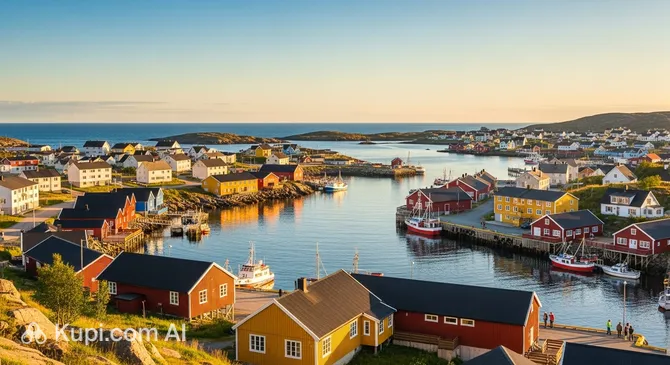
Welcome to Batsfjord, a lively fishing village situated on the northern coast of the Varanger Peninsula in Norway. Despite its remote location deep within the Arctic Circle, this town pulses with energy and industry, serving as a vital hub for the region. With a population of approximately 2,300 residents, it offers a unique blend of modern infrastructure and raw, untamed wilderness.

Batsfjord. Source: Kupi.Binoculars

The town is nestled in a sheltered fjord, which protects it from the harshest weather of the Barents Sea. The local climate is surprisingly mild for the latitude, thanks to the Gulf Stream, keeping the harbor ice-free year-round. This geographic advantage has shaped the history of Batsfjord, establishing it as one of the country's largest and most active fishing ports.

Travelers are drawn here not just for the maritime culture but for the spectacular natural surroundings. The area is a paradise for birdwatchers, particularly those hoping to spot rare species like the King Eider or Steller's Eider. Outdoor enthusiasts can explore the rugged terrain through various hiking trails that offer breathtaking views of the Arctic landscape. In winter, the skies often dance with the Northern Lights, while the summer months provide the endless daylight of the Midnight Sun.

Whether you are interested in witnessing the daily life of a busy Arctic harbor or seeking solitude in the vast nature of Finnmark, Batsfjord is a destination that promises an unforgettable journey. It is an ideal base for exploring the wild beauty of the north.

Weather Overview

Batsfjord experiences a subarctic climate typical of the Finnmark region, characterized by long, cold winters and short, cool summers. Due to its coastal location, the temperatures are somewhat moderated compared to inland areas, though it remains chilly throughout the year. For travelers planning a visit, checking the current weather in Batsfjord is essential for packing the right gear.

The winter months of January and February are the coldest, with average temperatures hovering around -7.3°C and lows frequently dipping to -9.6°C. In contrast, the summer season brings milder conditions, particularly in July, which is the warmest month with an average temperature of 11.3°C and highs reaching up to 14.0°C. Precipitation is a constant feature year-round, with rain or snow occurring on approximately 14 to 20 days each month, so waterproof clothing is highly recommended regardless of when you visit.

Interesting Facts

Beyond its reputation as a bustling industrial hub, Batsfjord holds several fascinating secrets and unique characteristics that often surprise visitors. This remote settlement on the Varanger Peninsula offers more than just scenic views; it possesses a history and nature that set it apart from its neighbors.

  • A WWII Survivor: Unlike most towns in the Finnmark region, which were devastated by "scorched earth" tactics during World War II, Batsfjord largely escaped destruction. As a result, it remains one of the few places in the north where you can still find authentic architecture dating back to before the war, offering a rare glimpse into the region's past.

  • A Birdwatcher's Paradise: The harbor of Batsfjord is world-renowned among ornithologists, particularly in winter. It is considered one of the best places on the planet to observe and photograph the spectacular King Eider and Steller's Eider, which gather here in large flocks, often visible right from the waterfront.

  • The Fishing Capital: Despite its modest population, this town is frequently cited as the largest fishing village in Norway in terms of the value of fish landed. The local economy is powered by a state-of-the-art fishing fleet and processing plants that operate year-round, making it a vital engine for the country's seafood industry.

How to Get There

Reaching the remote and picturesque fishing village of Batsfjord is an adventure in itself, offering travelers a chance to witness the rugged beauty of the Varanger Peninsula. While the journey may seem long, the destination is well worth the effort. For a complete guide on logistics and routes, you can read more about how to get to Batsfjord to plan your trip effectively.

The most convenient and direct way to arrive is by air. The town is served by its own local airfield, Batsfjord Airport (IATA: BJF), located just 3.7 km from the town center. It is a regional airport handling smaller aircraft, typically connecting from larger hubs in Northern Norway. A taxi or shuttle from the airport to the center takes only about 10 minutes, making it an extremely accessible entry point.

Alternatively, travelers can fly into Kirkenes Airport, Høybuktmoen (IATA: KKN), which is situated in the city of Kirkenes, approximately 101.6 km away from Batsfjord in a straight line. As a larger regional hub with higher passenger traffic, it offers more frequent connections. However, the overland journey from Kirkenes to Batsfjord is significant due to the winding fjord roads, taking approximately 3 hours by car or bus. Another nearby option is Vardoe Airport (IATA: VAW) in Vardo, located roughly 58.5 km away, which also serves the region.

For clarity, here is a summary of the main airports:

Airport Name City Passenger Traffic Km from City
Kirkenes Airport, HøybuktmoenKirkenesMedium101.6
Banak AirportLakselvSmall188.9
Vardoe AirportVardoSmall58.5
Batsfjord AirportBatsfjordSmall3.7
Valan AirportHonningsvagSmall143.4

Traveling by train is not a viable direct option for reaching Batsfjord, as the Norwegian railway network does not extend this far north. The geographically closest railway stations are actually located across the border in Russia. For instance, the Murmansk Railway Station in Murmansk is approximately 225.9 km away. Due to the distance and border crossing logistics, tourists almost exclusively rely on air travel, coastal ferries (Hurtigruten), or road transport to reach Batsfjord.

Below are the nearest railway stations based on geographic proximity:

Station City Passenger Traffic Km to Center
Murmansk Railway StationMurmansk225.9
Kola Railway StationKola233.4

Main Attractions

Although Batsfjord is primarily known as a resilient fishing village, it offers a selection of unique sights that reflect its Arctic heritage and dramatic natural surroundings. Visitors here can explore architectural gems, witness spectacular wildlife, and immerse themselves in the rugged history of the coast.

Båtsfjord Church is the town's most prominent architectural landmark and a must-visit for those interested in local culture. Built in 1971, this modern concrete structure stands out against the harsh landscape. It is particularly famous for its magnificent stained-glass window, which covers 85 square meters and is widely considered one of the largest and most impressive of its kind in Norway. The church serves as a warm, colorful beacon during the long, dark polar nights.

For nature enthusiasts, a boat trip to Syltefjordstauran is an unforgettable experience. Located just along the coast, this massive bird cliff rises majestically from the sea and is home to a thriving colony of Northern Gannets, as well as Kittiwakes and White-tailed Eagles. The sheer scale of the cliff and the cacophony of thousands of seabirds create a mesmerizing natural spectacle that draws photographers and birdwatchers from around the world.

Another fascinating destination for the adventurous traveler is the Makkaur Lighthouse. Situated on the wild outer coast of the Varanger Peninsula, this lighthouse has guided mariners through treacherous waters since the 1920s. During World War II, the site was occupied and fortified, and remnants of this history can still be seen today. Whether reached by a boat excursion or a demanding hike, Makkaur offers a powerful sense of isolation and beauty at the edge of the Barents Sea.

Local Cuisine

The culinary landscape of Batsfjord is defined almost entirely by its location on the edge of the Barents Sea. As a major fishing hub, the town offers seafood that is incredibly fresh, often prepared just hours after being landed at the harbor. The undisputed king of the local kitchen is the Atlantic Cod. Whether served poached, fried, or as the traditional mølje (a seasonal dish consisting of cod meat, liver, and roe), it is a staple that connects the locals to their heritage.

Beyond cod, the region is famous for the Red King Crab. These massive crustaceans thrive in the cold northern waters and are a must-try delicacy for any visitor. In Batsfjord, you can enjoy huge, succulent crab legs served simply with bread and mayonnaise to let the sweet flavor shine. For those preferring meat, Finnbiff is a classic dish of the Finnmark region. This hearty reindeer stew, typically cooked with cream, mushrooms, and juniper berries, is served with mashed potatoes and lingonberry jam, providing a warming comfort against the Arctic chill.

When it comes to beverages, the local culture runs on hot coffee, which is consumed socially and frequently throughout the day to combat the cold climate. For a traditional alcoholic accompaniment, especially with festive meals or heavy fish dishes, Aquavit is the drink of choice. This caraway-flavored potato spirit is deeply rooted in Norwegian tradition and is believed to help digest rich foods.

The dining scene in Batsfjord is relaxed and unpretentious, reflecting the pragmatic nature of a working fishing village. You will not find large street food markets or international fast-food chains here. Instead, the best meals are usually found in the restaurants attached to local hotels or in small, cozy guesthouses. The focus is always on the quality of the raw ingredients rather than elaborate presentation, offering tourists an authentic and rustic gastronomic experience.

Travel Tips

Visiting Batsfjord offers a unique glimpse into life in the High North, but the Arctic environment and remote location require some thoughtful preparation. To help you make the most of your journey to this resilient fishing village, here are some essential practical tips to keep in mind.

  1. Clothing and Gear: The weather in Finnmark can be unpredictable and harsh, regardless of the season. The key to comfort is layering. Bring high-quality wool base layers, a warm mid-layer, and a windproof and waterproof outer shell. Sturdy, waterproof boots with good grip are essential, especially in winter when streets can be icy. If you plan to visit during the dark season, packing a reflective vest or bands is crucial for visibility.

  2. Transportation: The town center is compact and easily navigable on foot. There is no public metro or tram system here. For exploring the wider Varanger Peninsula, renting a car is the most practical option, though you should be comfortable driving in winter conditions if visiting between October and May. Taxis are available but limited; it is advisable to book them in advance rather than expecting to hail one on the street.

  3. Finances: The local currency is the Norwegian Krone (NOK). Norway is rapidly becoming a cashless society, and credit or debit cards (Visa and Mastercard) are accepted almost everywhere, from supermarkets to small cafes. While finding an ATM (Minibank) is possible, you will rarely need physical cash. Be aware that prices in the Arctic can be higher than on the mainland due to transport costs.

  4. Health and Safety: Batsfjord is an extremely safe community with virtually no violent crime. The main risks are environmental; never underestimate the wind or changing weather conditions. There is a local health station (Helsestasjon) and a pharmacy (Apotek), but they operate during standard business hours and are closed on Sundays. For emergencies, dial 113 for medical assistance.

  5. Communication: The primary language is Norwegian, but the level of English proficiency is very high. You will have no trouble communicating with locals in English. Mobile coverage is generally good in the town center (4G/5G), but signals can be spotty in remote hiking areas. If you are from the EU/EEA, your "roam like at home" data plan will likely work here.

  6. Local Etiquette: Norwegians value personal space and quiet politeness. A simple handshake or a verbal "Hei" is the standard greeting. It is customary to remove your shoes when entering a private home and sometimes even in certain accommodations or lodges. Being loud in public spaces is generally frowned upon.

  7. What to Avoid: Do not walk on the working piers or approach fishing vessels without permission. This is a busy industrial harbor with heavy machinery, cranes, and forklifts operating around the clock. Interfering with the work or getting in the way is considered disrespectful and dangerous.

  8. Shopping Hours: Be mindful that shops, including grocery stores, are strictly closed on Sundays. Alcohol stronger than beer can only be purchased at the state-run Vinmonopolet, which has very limited opening hours and closes early on Saturdays. Plan your supplies accordingly.

By packing the right gear and respecting the local rhythm of life, you will find Batsfjord to be a welcoming and fascinating destination. These small preparations will allow you to focus entirely on the stunning Arctic scenery and the vibrant culture of this northern outpost.

Entertainment & Nightlife

Entertainment and nightlife in Batsfjord reflect the town's character: intimate, authentic, and centered around warm social gatherings rather than high-energy clubbing. In a community of this size, you will not find sprawling nightlife districts or neon-lit avenues. Instead, the evening scene is concentrated in a few cozy venues where locals and visitors mix freely, sharing stories against the backdrop of the Arctic harbor.

The atmosphere is distinctly relaxed and informal. There is no strict dress code; jeans and a warm sweater are standard attire, and it is not maximizing to see patrons arriving in outdoor gear, especially during the winter months. The crowd is a friendly blend of local fishermen, industry workers, and travelers, creating a welcoming environment where it is easy to strike up a conversation. Most social activity peaks on Friday and Saturday nights, though venues can be quieter during the week.

The heart of the town's social life is undoubtedly Bryggekanten Pub, located within the Båtsfjord Brygge complex. Situated right on the waterfront, this venue offers large windows with views of the harbor, allowing you to watch the fishing boats while enjoying a drink. It is the go-to spot for entertainment, frequently hosting quiz nights on Thursdays, live music events, and occasional "open microphone" evenings. The interior features maritime decor that complements the rugged surroundings, making it a perfect place to sample local life.

Another key venue is the bar at Båtsfjord Hotell. This spot offers a more traditional hotel lounge vibe, ideal for a quiet evening with a glass of wine or a local beer. It serves as a comfortable retreat for guests and locals alike who prefer a lower-key environment to relax after a day of exploring the Varanger Peninsula. For those seeking a simple, no-frills local pub experience, Skuta is another option within walking distance of the main hotels, known for its straightforward service and local patronage.

Practical advice for a night out includes being mindful of closing times. unlike in major cities, venues may close earlier, often around 01:00 or 02:00 on weekends, and even earlier on weekdays. Alcohol prices are standard for Norway, which can be high compared to other countries; expect to pay a premium for cocktails and spirits. Getting around is safe and simple; the town center is compact enough to walk, but be cautious of icy roads in winter. Taxis are available but limited, so it is wise to ask your bartender to call one for you in advance if you need a ride back to your accommodation.

For daytime and cultural entertainment, the town offers the Båtsfjord Kino (Cinema), located at the Melkarn Oppvekstsenter. This multipurpose hall serves as the cultural heart of the municipality, screening the latest movies and occasionally hosting theater productions and concerts. It is a great way to spend a stormy afternoon or experience local culture in a family-friendly setting.

Parks & Museums

In Batsfjord, the concept of "green space" is redefined by the raw, untamed wilderness of the Arctic. Rather than manicured city gardens or sprawling art galleries, the town offers a landscape where the rolling tundra serves as a park and the vibrant fishing harbor acts as a living museum of coastal heritage. Visitors here are invited to step directly into nature and history without the barriers of ticket counters or velvet ropes.

Key Parks and Natural Areas

Varangerhalvøya National Park acts as the town's magnificent backyard. While it covers a vast portion of the peninsula, the gateway to this arctic wilderness is easily accessible from Batsfjord. The park is characterized by its unique lunar-like landscapes, ancient Sami heritage sites, and herds of grazing reindeer. It is a destination for hikers seeking solitude and the chance to walk across the "roof of Finnmark," where the vegetation is sparse, and the horizons are endless.

Closer to the settlement lies Nordskogen (The North Forest), a cherished local recreation area that offers a surprising contrast to the barren coast. Situated in a sheltered valley, this area features a rare birch forest that provides protection from the harsh Arctic winds. It is a favorite spot for locals to enjoy outdoor activities year-round, from berry picking and grilling in the summer to cross-country skiing on illuminated trails during the polar night.

Museums and Cultural Heritage

Batsfjord does not strictly follow the traditional model of indoor museums; instead, the culture is embedded in the community's daily life. The Cultural Heritage of the Fishing Fleet is best experienced by observing the bustling activity along the waterfront. Unlike a static exhibit, the harbor showcases the evolution of Norwegian fisheries, from traditional small boats to modern trawlers. Walking near the docks (while respecting safety zones) offers an immersive lesson in the industry that has sustained this region for centuries.

For those interested in local history, the Båtsfjord Historical Society works to preserve the town's collective memory. While there is no large permanent museum building, the society maintains collections of photographs and artifacts related to the pomor trade, World War II, and maritime life. These are often displayed in public buildings like the Town Hall or the library, offering glimpses into how this resilient community survived on the edge of the Barents Sea.

Historical and Architectural Sites

A significant highlight for architecture enthusiasts is the collection of Pre-War Wooden Houses scattered throughout the town. Because Batsfjord was one of the few places in Finnmark to escape the "scorched earth" destruction of World War II, these buildings stand as rare survivors. Exploring the streets allows you to spot these older, traditional structures, which differ markedly from the reconstruction-era architecture found elsewhere in the region, providing a tangible link to the pre-war era.

Authentic Experiences and Insider Tips

For a panoramic perspective of the town and its stunning fjord location, take the hike up to Linken, the prominent television mast overlooking the settlement. The trail is manageable for most fitness levels and rewards you with a breathtaking bird's-eye view of the harbor, the colorful houses, and the vast ocean beyond. It is the perfect spot to appreciate the isolation and beauty of this northern outpost, especially under the Midnight Sun.

Getting Around

Navigating Batsfjord requires a shift in expectations compared to larger urban centers. Due to its modest size and remote location on the Varanger Peninsula, the town does not possess a complex network of metros, trams, or trains. Instead, the public transport system is streamlined and functional, relying primarily on a regional bus network and maritime connections that serve as a lifeline for the local community.

The backbone of local transport is the bus service operated by Snelandia, the public transport authority for the Finnmark region. These buses connect the town center with the local airport and neighboring settlements. While reliable, the frequency of service is tailored to the needs of a small population, meaning departures can be limited, often with fewer connections on weekends. The buses are modern and comfortable, designed to handle the rugged Arctic conditions year-round.

A unique and essential part of the "public transport" system here is the Hurtigruten (Coastal Express) and Havila Voyages ships. These vessels call at the port daily—once on the northbound route and once southbound. For locals and tourists alike, these ships function much like a marine bus service, offering a scenic and practical way to travel to nearby coastal towns such as Vardo or Berlevåg, often bypassing the longer and more weather-dependent road routes.

For payment, the system is modernized and digital-first. The most convenient way to purchase tickets is through the Snelandia Mobilett app, which allows you to buy single tickets or passes instantly on your smartphone. Prices are zone-based but generally reasonable. Travelers can also use the Snelandia Reise app to plan journeys and check real-time schedules. While it is possible to pay with a bank card on board the bus, paying with cash is becoming increasingly rare and often incurs a surcharge, so using the app is highly recommended.

When using the bus, practical planning is key. Because routes are infrequent, it is crucial to check the timetable in advance via the app or the Snelandia website. Bus stops in the center are clearly marked, but in winter, it is advisable to arrive a few minutes early and wear a reflector so the driver can see you in the polar darkness. Tickets bought via the app should be activated just before boarding and the screen shown to the driver upon entry.

Given the compact nature of the settlement, walking is often the most efficient alternative for getting around the town center itself. Most accommodations, shops, and the harbor are within a short distance of each other. However, for those wishing to explore the surrounding wilderness or reach trailheads outside the immediate village, renting a car is the most popular option. It offers the freedom to explore at your own pace, which is particularly valuable in an area where public transport schedules may not align with sightseeing plans.

Taxis are available but operate on a much smaller scale than in big cities. There is no Uber or similar ride-sharing service. Taxis usually need to be booked by phone in advance, as you will rarely find them cruising the streets looking for fares. This is especially important if you need a ride to the airport or late at night after visiting a local pub.

Accommodation

Accommodation in Batsfjord is characteristic of a remote fishing community: practical, cozy, and intimately connected to the sea. Travelers should not expect sprawling luxury resorts or international hotel chains here. Instead, the options are primarily focused on functionality and authentic hospitality, ranging from standard full-service hotels to charming fishermen's cabins known as rorbuer. The selection is limited due to the town's size, but the quality is generally high, with a focus on warmth and comfort against the Arctic elements.

The most convenient area to stay is undoubtedly the town center, clustered around the harbor. Since Batsfjord is compact, staying near the waterfront places you within walking distance of the few shops, restaurants, and the bus stop. This location also offers the distinct advantage of waking up to the sights and sounds of the fishing fleet, providing an immersive experience of local life right from your window.

For those seeking a traditional hotel experience, Båtsfjord Hotell is the primary establishment in town. It serves as a central meeting point for both business travelers visiting the fisheries and tourists exploring the peninsula, offering standard amenities and an attached restaurant. Alternatively, for a more rustic and independent stay, Båtsfjord Brygge offers accommodation in the style of apartments or cabins directly on the quay. staying here allows visitors to feel closer to the maritime history of the region, often with facilities to cook your own meals, which can be a great advantage in a small town with limited dining hours.

Booking Tip: Because the total number of guest beds in Batsfjord is relatively low, it is highly recommended to book your accommodation well in advance. This is particularly important during the peak winter cod-fishing season (February to April) and the summer months, when the town can fill up with industry workers, birdwatchers, and adventure tourists.

Prices generally fall into the mid-range to upper-mid-range category, reflecting the higher cost of living and operations in Northern Norway. Budget hostels are scarce, so travelers should budget accordingly. Most accommodations can be booked easily via major online travel platforms or by contacting the establishments directly, which is often a good way to get the most up-to-date information on availability and seasonal rates.

Nearby Cities

For travelers planning a comprehensive tour of the High North, Batsfjord is situated relatively close to several key regional hubs. While the distances in this part of the world are significant, these cities make for excellent next stops on a longer journey through Finnmark and Troms rather than simple day trips.

The city of Alta is a compelling destination for a regional excursion. Known as the "Town of the Northern Lights," it features the stunning Northern Lights Cathedral and UNESCO-listed rock carvings that date back thousands of years, offering a deep dive into the prehistoric history of the region.

For a more extended visit, Tromsø serves as the vibrant cultural capital of the Arctic. Often called the "Paris of the North," it boasts the iconic Arctic Cathedral, a lively city center, and numerous museums such as Polaria. It is a hub for Arctic expeditions and offers a stark contrast to the quiet solitude of the Varanger Peninsula.

City Population Distance (km)
Nordre Fale61032233
Harstad50000548
Tromsø38980422
Tromsdalen16787421
Alta15342254

These destinations offer a glimpse into the diverse culture and landscapes that define this remote corner of the world.

Shopping & Souvenirs

Shopping in Batsfjord is a practical and low-key experience, reflecting the town's nature as a hardworking fishing community rather than a tourist retail destination. Visitors should not expect sprawling shopping centers or international fashion chains. Instead, the local retail scene is designed to supply the essentials for life in the Arctic, ranging from high-quality outdoor gear and warm clothing to daily groceries and maritime supplies.

The commercial heart of the town is concentrated in the compact center, primarily along the main street, Hindberggata, and the area immediately surrounding the harbor. This district is easily navigable on foot, allowing you to visit the handful of specialty stores, the pharmacy, and the post office within a short walk. It is here that you will find the pulse of the community, where locals run their errands and catch up on the day's news.

There are no shopping malls in Batsfjord. The town relies on standalone stores and larger supermarkets for its needs. Two main grocery stores, Coop Prix and Rema 1000, dominate the local market. These are not just places to buy food; they serve as general stores stocking a wide variety of goods, from fresh produce and bakery items to basic hardware and household necessities. For visitors, they are the best places to stock up on snacks or ingredients for a self-catering stay.

Unlike larger European cities, Batsfjord does not have a permanent market hall or a regular flea market. The closest equivalent to a "market" experience is connected to the town's primary industry: fishing. While there is no tourist-oriented fish market, the quality of seafood available in the local grocery stores is exceptionally high. Occasionally, local sports teams or organizations may hold small seasonal sales or bazaars, but these are sporadic events rather than permanent fixtures.

When looking for souvenirs, the best items to bring back are those that represent the region's unique resources and climate. Local seafood products are the highlight; look for vacuum-packed smoked salmon, dried fish (tørrfisk), or even King Crab if you have a way to transport it. Additionally, traditional Norwegian wool products, such as hand-knitted socks or mittens, make for excellent gifts. These can sometimes be found for sale at the hotel reception or in small local craft displays.

Standard opening hours in Batsfjord are generally from 10:00 to 16:30 or 17:00 on weekdays, with shorter hours on Saturdays (often closing by 14:00 or 15:00). However, the grocery stores have much longer operating hours, typically staying open until 21:00 or 23:00 on weekdays to accommodate shift workers. It is important to remember that most shops, including supermarkets, are strictly closed on Sundays.

Payment is almost exclusively digital. Credit and debit cards (Visa and Mastercard) are accepted everywhere, from the supermarket to the smallest kiosk. Contactless payment is the norm. While you can use cash, it is rarely necessary. Regarding tax-free shopping, while Norway offers a VAT refund scheme for tourists, the smaller shops in Batsfjord may not always have the immediate infrastructure to issue "Tax-Free" forms. It is advisable to ask the staff before making a significant purchase if this service is available.

Reached the end of the page?

That means the route is fully explored