Support

Vadso

About

Located on the southern coast of the Varanger Peninsula, Vadso is a vibrant town that serves as the administrative center of Finnmark county. Despite its location in the far north of Norway, the town offers a surprisingly mild climate for its latitude and a welcoming atmosphere, making it a fascinating destination for travelers seeking Arctic adventures.
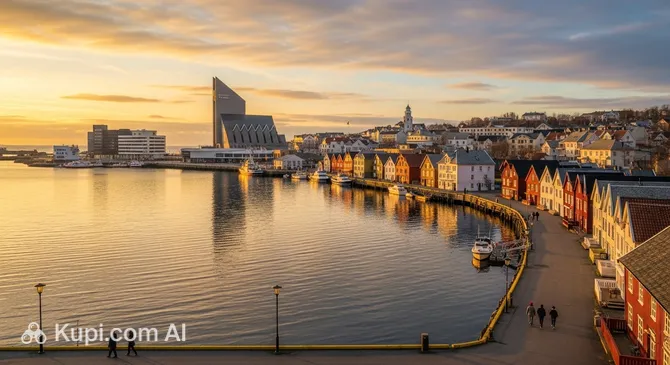
Vadso. Source: Kupi.Binoculars

With a population of approximately 5,600 inhabitants, Vadso combines the coziness of a small community with the amenities of a regional hub. The town is situated along the scenic Varangerfjord, providing stunning views of the Barents Sea. Visitors here can experience the magic of the Midnight Sun during the summer months and the mesmerizing Northern Lights in the winter, set against a backdrop of sweeping Arctic landscapes.

The town has a rich cultural heritage, heavily influenced by Finnish immigration in the 19th century, which has left a lasting mark on the local dialect and traditions. You can delve deeper into the fascinating history of Vadso by exploring local landmarks, including the famous Airship Mast. This structure is a remnant of the pioneering era of polar exploration, having served as a mooring point for airships used by Roald Amundsen and Umberto Nobile during their expeditions to the North Pole.

Nature lovers will find plenty to admire, as the surrounding area is renowned for its exceptional bird watching opportunities and the famous King Crab safaris in the fjord. Whether you are interested in polar history, unique wildlife, or simply soaking in the tranquil Arctic environment, Vadso offers an unforgettable experience at the top of the world.

Weather Overview

Vadso experiences a subarctic climate characterized by long, cold winters and short, cool summers. Before packing for your trip, it is helpful to review the detailed weather in Vadso to ensure you are prepared for the conditions. The town's coastal location helps moderate the temperature slightly compared to inland areas, but warm clothing is a must for most of the year.

Winter is the dominant season, with January typically being the coldest month. During this time, average temperatures hover around -10.0°C, often dropping to lows of -12.9°C. While the actual volume of precipitation is quite low at 1mm, the season sees frequent wet days, meaning light snow is a common occurrence.

Summer brings milder weather, particularly in July, which is the warmest month with an average temperature of 12.3°C and highs reaching 15.7°C. May is the wettest month in terms of frequency, with up to 16 wet days, though the precipitation remains light. Overall, expect mild summers with frequent light showers and cold winters with consistent freezing temperatures.

Interesting Facts

Beyond the well-known polar history and scenic landscapes, Vadso holds intriguing geographical and cultural secrets that often surprise visitors. Here are some unique aspects of this Arctic town that make it truly distinct.

  • Further East than Istanbul: Although it is located in Norway and operates on Central European Time, Vadso lies geographically further east than Istanbul, Turkey. This extreme longitude creates a unique sensation where the solar time is significantly ahead of the clock time, resulting in unusually bright mornings even during darker seasons.

  • The Kven Capital: Vadso is often referred to as the "Kven Capital of Norway" due to the massive influx of Finnish immigrants in the 19th century. This heritage is so deeply ingrained that the town has an official Finnish name, Vesisaari, and you will frequently encounter bilingual street signs highlighting this unique multicultural identity.

  • A Town That Moved: The center of Vadso was not always where it sits today. Until the 17th and 18th centuries, the main settlement was actually located on the offshore island of Vadsøya for better protection and harbor access. Today, Vadsøya is a cultural park where you can still see traces of the old settlement foundations alongside the famous airship mast.

  • Arctic Jazz Hub: Despite its remote location on the edge of the Barents Sea, the town hosts the Varanger Festival every August. It is one of the oldest and most prestigious jazz and blues festivals in Northern Norway, transforming the quiet Arctic streets into a vibrant international music venue.

How to Get There

Reaching the far north of Norway is an adventure in itself, often involving a combination of flights and scenic drives. To help you plan your journey to the Varanger region, you can read more about how to get to Vadso and the various transport options available.

The city of Vadso does not have a major international airport listed in the immediate vicinity, but it is well-served by regional connections. The most significant hub for many travelers is Kirkenes Airport, Høybuktmoen (KKN), located in the city of Kirkenes. Although it is approximately 48 km away in a straight line across the Varangerfjord, the travel time by road can take around 2 hours due to the geography of the coastline. This airport handles a substantial volume of passengers and offers connections to Oslo and other major cities.

Another option is Vardoe Airport (VAW), situated in the nearby town of Vardo, roughly 51 km from Vadso. It is a smaller regional airport but provides vital links within Finnmark. For those looking for alternative routes, Banak Airport (LKL) in Lakselv is a larger facility located about 184 km away, which might offer different flight schedules depending on your departure point.

For clarity, here is a summary of the main airports in the region:

Airport Name City Passenger Traffic Km from City
Kirkenes Airport, HøybuktmoenKirkenesLarge48.4
Banak AirportLakselvMedium184.0
Vardoe AirportVardoSmall51.4
Batsfjord AirportBatsfjordSmall49.7
Valan AirportHonningsvagSmall171.0

Regarding rail travel, it is important to note that the city of Vadso does not have a railway station, and the Norwegian railway network does not extend to this northern part of the country. While the data lists stations such as Murmansk Railway Station and Imandra Station as geographically close (within 200-300 km), these are located in Russia. Due to border regulations and the lack of direct cross-border public transport for tourists, these stations are not practical entry points for visiting Vadso. Travelers are advised to rely on air travel or the coastal ferry service.

Below is the list of the geographically closest railway stations for reference:

Station City Passenger Traffic Km to Center
Imandra StationMonchegorskMedium291.7
Murmansk Railway StationMurmansk183.3
Kola Railway StationKola189.9
Olenegorsk Railway StationOlenegorsk265.0

Main Attractions

While Vadso may appear modest in size, it serves as a gateway to some of the most unique cultural and historical experiences in the Arctic. The town's attractions offer a blend of polar exploration history, distinctive architecture, and world-class nature encounters.

One of the most iconic landmarks in the region is the Airship Mast, located on the island of Vadsøya, just a short walk from the town center. This steel structure is a silent witness to the golden age of polar exploration. It was used as a mooring point for the airship Norge during Roald Amundsen’s successful expedition over the North Pole in 1926, and later for Umberto Nobile’s airship Italia in 1928. Visiting the mast offers a tangible connection to these daring adventures and provides excellent views of the surrounding fjord.

For those interested in the region's unique heritage, the Vadsø Museum – Ruija Kven Museum is an essential stop. As the center for Kven culture in Norway, the museum showcases the history of Finnish immigration to Finnmark. The main exhibition highlights the Kven language, traditions, and way of life. The museum also encompasses several preserved historical buildings, such as the Tuomainen Farm, which offers a rare glimpse into a traditional 19th-century Kven household that survived World War II.

Dominating the town's skyline is the Vadsø Church, a striking example of post-war reconstruction architecture. Built in 1958, this concrete structure is characterized by its distinctive twin towers that rise high above the low-lying landscape. Its clean, modern lines are typical of the era's rebuilding efforts. The interior is equally impressive, featuring beautiful decorations that reflect the spiritual and cultural life of the north.

Nature enthusiasts flock to Vadso for its reputation as a premier destination for bird watching along the Varangerfjord. The area is famous for its rich birdlife, particularly Arctic species like Steller’s Eider and King Eider, which gather here in large flocks during winter and spring. The floating photo hide in the harbor and the accessible biotope shelters nearby make it easy for visitors to observe and photograph these magnificent birds in their natural habitat.

Local Cuisine

The local cuisine in Vadso is a true reflection of its Arctic surroundings, heavily reliant on the bounty of the Barents Sea and the vast Finnmark plateau. Due to the harsh climate, the food culture here focuses on fresh, wild ingredients that are harvested seasonally and prepared in hearty, warming dishes. Visitors can expect a culinary experience defined by purity, simplicity, and intense natural flavors.

Undoubtedly, the star of the local menu is the Red King Crab. Often referred to as "Arctic Gold," this massive crustacean thrives in the cold waters of the Varangerfjord. In Vadso, you can enjoy it as fresh as it gets, typically served simply—steamed or boiled—to let the sweet, succulent meat speak for itself. Another seafood staple is Arctic Cod (skrei), especially during the winter months, as well as halibut and salmon, which are often prepared pan-fried or in creamy fish soups.

On land, reindeer meat is the primary source of protein and a cornerstone of the region's culinary heritage, influenced by the indigenous Sami culture. A must-try dish is finnbiff, a rich and savory stew made from thin shavings of reindeer meat, sautéed with bacon and mushrooms, and simmered in a sauce of sour cream and goat cheese. It is traditionally served with mashed potatoes and a side of stirred lingonberries, offering a perfect balance of savory and tart flavors.

For dessert, the local diet celebrates the "berries of the north." The most prized is the cloudberry (multer), which grows in the wild marshes surrounding the town. These amber-colored berries are often served as multekrem (cloudberries mixed with whipped cream) or made into jams and sauces. You might also encounter desserts featuring blueberries and lingonberries, which are abundant in the late summer.

When it comes to drinks, coffee is central to social life in Vadso, as it is throughout Norway. You will find locals gathering in cafes to enjoy a hot cup, often accompanied by a waffle with brown cheese (brunost). For something stronger, Aquavit is the traditional Scandinavian spirit, often consumed during festive meals. In recent years, local breweries in Northern Norway have also gained popularity, producing craft beers that pair excellently with the salty and savory local fare.

The dining scene in Vadso is relaxed and unpretentious. You won't find bustling street food markets; instead, the town offers cozy cafes, local diners (kro), and hotel restaurants that take pride in using "short-traveled" (locally sourced) ingredients. Whether you are dining in a warm restaurant while the winter winds howl outside or enjoying a fresh meal under the Midnight Sun, the food in Vadso provides a genuine taste of the Arctic.

Travel Tips

Visiting Vadso is a unique experience that combines the raw beauty of the Arctic with the warmth of a close-knit community. To help you make the most of your journey to the far north of Norway, here are some practical tips to ensure your trip is comfortable, safe, and culturally respectful.

  1. Clothing and Gear: The weather in Finnmark can be unpredictable, regardless of the season. The golden rule is to dress in layers. Start with wool thermal underwear, add a fleece or wool sweater, and finish with a windproof and waterproof outer layer. In winter, insulated boots with good grip are essential, and bringing slip-on spikes (crampons) for your shoes is highly recommended due to icy streets. Even in summer, bring a hat and gloves for breezy days by the fjord.

  2. Transportation: The town center of Vadso is compact and easily navigable on foot. However, to explore the scenic Varanger region or reach bird-watching spots, renting a car is the most practical option. Public transport is available via regional buses (operated by Snelandia), but frequencies can be low, especially on weekends. Taxis are available but can be expensive; it is best to book them in advance if needed.

  3. Finances: The country is rapidly becoming a cashless society. In Vadso, credit and debit cards (Visa and Mastercard) are accepted almost everywhere, from hotels to small kiosks. You rarely need physical cash, but if you prefer to have some, the local currency is the Norwegian Krone (NOK). ATMs (minibank) are available in the town center. Be prepared for a higher price level compared to many other countries, particularly for dining out and alcohol.

  4. Health and Safety: Vadso is a very safe place with virtually no violent crime. The biggest safety concern is the environment. Be cautious of slippery ice in winter and rapid weather changes. There is a pharmacy (Apotek 1) in the town center for basic medicines, though it is not open 24/7. For medical emergencies, dial 113. Tap water is safe and delicious to drink everywhere.

  5. Communication: The official language is Norwegian, but locals speak excellent English, so you will have no trouble communicating. Free Wi-Fi is standard in most hotels and cafes. If you are from the EU/EEA, your mobile data plan likely works here at no extra cost; otherwise, you can purchase a prepaid SIM card at convenience stores like Narvesen or 7-Eleven (if available in the region) or grocery shops.

  6. Local Etiquette: Locals value privacy and calmness. A firm handshake is the standard greeting. When visiting someone's home, it is customary to remove your shoes at the door. In public spaces, avoid sitting right next to someone on a bus if other double seats are free, as residents value their personal space.

  7. What to Avoid: Do not underestimate the darkness in winter. If you are walking near roads, it is crucial to wear a reflector (reflex) so drivers can see you; walking without one is considered unsafe and irresponsible. Also, avoid being loud or boisterous in public places, as this is generally frowned upon.

  8. Shopping Hours: Be aware that most shops, including grocery stores, are closed on Sundays. If you wish to buy wine or spirits, you must go to the state-run liquor store, Vinmonopolet, which has limited opening hours and closes early on Saturdays. Plan your shopping accordingly.

By keeping these practicalities in mind, you can focus on enjoying the stunning Arctic landscapes and the rich history of Vadso. The locals are helpful and friendly, so don't hesitate to ask for advice once you arrive—enjoy your adventure at the top of the world!

Entertainment & Nightlife

Nightlife in Vadso reflects the town's small size and friendly, tight-knit community. You will not find sprawling nightclub districts or neon-lit strips here. Instead, the evening entertainment scene is centered around cozy pubs, hotel bars, and cultural venues where locals gather to unwind. The atmosphere is consistently relaxed and informal, making it easy for visitors to strike up a conversation with residents and learn more about life in the Arctic.

The main activity is concentrated in the compact town center, particularly within walking distance of the harbor and the main shopping streets. Most venues are multipurpose, serving as cafes or restaurants during the day and transitioning into bars in the evening. The dress code is almost exclusively casual; practical, warm clothing is the norm, even for a night out. On weekends, places can get livelier, but the vibe remains grounded and welcoming rather than exclusive.

For a taste of the local social scene, Kooperativet is a standout venue. It serves as the town's primary cultural stage, frequently hosting concerts, quiz nights, and local events. It is the best place to catch live music ranging from jazz to local bands. Another popular spot is Opticom, a restaurant and bar located centrally, offering a comfortable environment to enjoy a drink and a meal. Additionally, the bar at Scandic Vadsø provides a reliable option for a quiet evening drink with a view, often frequented by travelers and business guests.

Practicalities are important when planning a night out in Northern Norway. Alcohol prices are high compared to international standards, so budget accordingly. Bars typically close around 01:00 or 02:00 on weekends, with earlier closing times on weekdays. Since the town is small, you can easily walk between venues, but be mindful of the weather. In winter, temperatures drop significantly at night, so a heavy coat is essential even for short walks.

Safety is excellent in Vadso. The streets are safe to walk at night, and the risk of crime is minimal. The primary hazard is the environment—icy sidewalks and poor visibility during the dark polar nights. If you need transport, there is a local taxi service, but availability can be limited late at night, so it is wise to book in advance if you plan to stay out late or need to travel outside the immediate center.

During the daylight hours, entertainment shifts towards cultural and recreational activities. The town features a modern cinema and a library that often hosts exhibitions. For those seeking active leisure, the local swimming pool and sports hall offer indoor alternatives to the rugged outdoors. While the nightlife may be quiet, the combination of daytime nature experiences and warm evening hospitality makes for a balanced stay.

Parks & Museums

Vadso offers a fascinating blend of Arctic nature and rich cultural heritage, where open green spaces seamlessly merge with historical landmarks. The city is not only a gateway to the untamed wilderness of the Varanger Peninsula but also a custodian of the unique Kven history, making its parks and museums essential stops for any visitor.

The most prominent green space is the Vadsøya Cultural Park, located on the island just offshore from the town center. Connected by a bridge, this area is a favorite recreational spot for locals and tourists alike. It features a network of marked nature trails that wind through coastal heathlands and past the remains of the old settlement. In the summer, it is an idyllic place for a picnic or a midnight sun walk, while the surrounding waters attract a variety of bird species, offering excellent opportunities for wildlife observation in a tranquil setting.

For those seeking a true wilderness experience, the vast Varangerhalvøya National Park lies just a short distance from the city. Although it covers a massive area of the peninsula, the sections accessible from Vadso provide a taste of the rugged Arctic tundra. The landscape here is ancient and stark, characterized by stone rivers and unique geological formations. It is a perfect destination for hiking enthusiasts who want to experience the silence of the north and perhaps spot reindeer grazing in their natural habitat.

Delving into the cultural fabric of the city, the Vadsø Museum – Ruija Kven Museum is the primary institution dedicated to preserving the region's history. While the Tuomainen Farm showcases the Kven agricultural life, the museum also encompasses the Esbensen Estate. This beautifully preserved merchant's house from the mid-19th century offers a glimpse into the lives of the wealthy trading families who once thrived here. The interiors are authentically furnished, telling the story of trade, social hierarchy, and coastal life in Finnmark during that era.

Art lovers should look out for the Vadsø Art Association (Vadsø Kunstforening), which frequently organizes exhibitions featuring local and national artists. These galleries often highlight themes related to the Arctic environment and the multicultural identity of the region. The exhibitions provide a contemporary contrast to the historical museums, showcasing how modern life and traditional roots coexist in this northern community.

Among the significant historical sites, the Immigration Monument stands as a poignant tribute to the Finnish settlers who shaped the town. Located centrally, it commemorates the coexistence of the Norwegian, Kven, and Sami people. Of course, no tour of the city's landmarks is complete without visiting the Airship Mast in Vadsøya Cultural Park. Standing tall against the sky, this steel structure is a powerful symbol of the Roald Amundsen and Umberto Nobile polar expeditions, connecting the small town to world history.

For a unique and authentic experience, seek out the specialized bird-watching shelters designed by the local architectural firm Biotope. These wind sheds and hides are strategically placed around the harbor and Vadsøya. They are not just for ornithologists; they serve as architectural landmarks where you can sit comfortably, sheltered from the Arctic wind, and simply enjoy the view of the fjord and the ever-changing light.

Getting Around

Navigating Vadso is relatively straightforward due to its compact size and well-organized, though limited, public transport options. The primary mode of public transportation within the city and the surrounding region is the bus network. There are no subways, trams, or trolleybuses in this Arctic town. Instead, reliable bus services connect the various neighborhoods and provide vital links to neighboring towns across the Varanger Peninsula.

The public transport system is operated by Snelandia, the regional transport authority for Finnmark. For visitors, the most convenient way to pay for trips and check schedules is by downloading the Snelandia Mobile app. This application allows you to purchase single tickets or period passes directly on your smartphone, often at a discounted rate compared to buying them on board. While you can still pay with a bank card or cash (Norwegian Krone) when boarding the bus, using the app is smoother and more cost-effective.

Travelers should be aware that bus frequencies in Vadso are designed around the needs of the local population, meaning services are more frequent during morning and afternoon rush hours on weekdays. On weekends and during school holidays, the schedule is significantly reduced. It is highly recommended to check the timetables in advance via the app or the official website to avoid long waits, especially if you are planning excursions to outlying areas.

Given the modest scale of the town center, walking is often the most practical and enjoyable way to get around. Most hotels, shops, and attractions like the Airship Mast are within comfortable walking distance of each other. For those wanting to explore further afield at their own pace, renting a car is a popular alternative. This offers the freedom to chase the Northern Lights or visit bird-watching cliffs without being tied to bus schedules.

Taxis are available but can be quite expensive compared to public transport. There is no street-hailing culture here; you generally need to find a designated taxi rank or, more commonly, book one by phone or through a local taxi app in advance. During the summer months, cycling is also a fantastic option, with the flat terrain along the coast making for an easy ride, though you should be prepared for potential headwinds.

A unique feature of the local transport network is the daily arrival of the coastal express ships (Hurtigruten and Havila Voyages). While these are technically long-distance ferries, they serve as a crucial lifeline for coastal communities. The ships dock at the harbor in the early morning for northbound journeys and in the evening for southbound ones, effectively functioning as a "marine bus" that connects Vadso to other ports like Kirkenes and Vardo.

Accommodation

Where to Stay:

Accommodation in Vadso is relatively limited, reflecting the town's modest size, but it is well-suited to the needs of Arctic travelers. Visitors should not expect a wide array of five-star luxury resorts; instead, the town offers functional, comfortable, and cozy options. The selection primarily consists of standard mid-range hotels, smaller guesthouses, and private apartments, all characterized by the warm hospitality typical of Northern Norway.

The most convenient area to stay is the town center. Choosing accommodation here places you within easy walking distance of the few restaurants, grocery stores, and the bus terminal, as well as attractions like the Vadsø Museum. For those who prioritize nature over urban amenities, there are camping options and cabins located slightly on the outskirts or near the island of Vadsøya. These locations are ideal for bird watchers and those hoping to catch a glimpse of the Northern Lights away from streetlamps.

The most prominent establishment in the city is Scandic Vadsø. Located right in the heart of the town, it is the primary choice for most travelers, offering modern amenities and serving as a social hub for both locals and visitors. It provides a reliable standard of comfort with breakfast included, making it a safe bet for those unfamiliar with the region. Aside from the main hotel, there are smaller lodging options and apartment rentals that offer a more independent "home away from home" experience, which can be perfect for longer stays.

Booking Tip: Due to the limited number of beds in the city, it is crucial to book your accommodation well in advance. This is particularly important if you are visiting during the Varanger Festival in August or the peak bird-watching season in spring (March to May), when the town is often fully booked.

Regarding costs, prices in Vadso generally align with the national standard, which is considered mid-range to high internationally. Budget options like hostels are scarce, though camping offers a more affordable alternative during the summer months. Most accommodations can be booked easily through major online platforms, but for specific cabins or smaller guesthouses, direct booking is also a common practice.

Nearby Cities

For those looking to explore the surroundings, Vadso serves as an excellent base for day trips to several interesting nearby locations. The Varanger region is famous for its scenic drives, historical sites, and unique coastal villages that are easily accessible by car.

One of the most popular excursions is to the town of Vardø, located approximately 75 kilometers to the east. As the easternmost town in Norway, it is steeped in history and is home to the star-shaped Vardøhus Fortress, the world's northernmost fortress still in operation. Visitors should not miss the dramatic Steilneset Memorial, a monument dedicated to the victims of the 17th-century witch trials, which combines striking architecture with poignant history.

Just a short 15-minute drive east of Vadso lies the charming peninsula of Ekkerøy. This small fishing village is a favorite among nature lovers due to its accessible bird cliff, which hosts thousands of nesting Kittiwakes during the summer. The area offers gentle hiking trails, a beautiful sandy beach, and a local museum, making it a perfect spot for a relaxing half-day trip to enjoy the tranquility of the Varangerfjord.

For a spectacular scenic drive, travelers can head towards the abandoned fishing village of Hamningberg at the very end of the National Tourist Route Varanger. The road winds through a rugged, lunar-like landscape of jagged rock formations that is unlike anywhere else in the country. Although the village is mostly uninhabited in winter, it comes alive in summer, offering a glimpse into the region's resilient maritime past.

City Population Distance (km)
Nordre Fale61032244
Harstad50000540
Tromsø38980420
Tromsdalen16787418
Alta15342250

These nearby destinations offer a glimpse into the diverse culture and landscapes of the region, ranging from historic fortresses to untouched Arctic nature.

Shopping & Souvenirs

Shopping in Vadso is a relaxed and low-key experience that reflects the town's size and its location in the far north. You will not find sprawling shopping malls or high-end luxury avenues here. Instead, the town offers a selection of functional stores, small boutiques, and local businesses that cater to the daily needs of residents while offering visitors a chance to purchase unique Arctic goods. The atmosphere is friendly and personal, with shop owners often happy to chat about their products and the region.

The main shopping activity is concentrated in the compact town center. The streets surrounding the central square and the main thoroughfare, Hvistendahlsgate, are home to the majority of the town's retail establishments. Here, you can find clothing stores, sports shops specializing in outdoor gear suitable for the harsh climate, interiors boutiques, and pharmacies. The area is easily walkable, allowing you to browse the windows without needing public transport.

While Vadso does not possess large commercial complexes, there are smaller shopping centers and clusters of stores that provide a convenient "under one roof" experience. These venues typically house a mix of grocery supermarkets, pharmacies, and chain stores selling electronics or apparel. For visitors, these are good places to pick up supplies or forgotten travel essentials, such as warm socks or toiletries.

Although there is no permanent daily market, the town comes alive with trade during special events. The most notable is the market associated with the Varanger Festival in August. During this time, the streets fill with stalls selling local handicrafts, art, and regional food delicacies. It is the best time to find one-of-a-kind items directly from the artisans. In December, smaller Christmas markets may pop up, offering festive treats and handmade decorations.

When looking for souvenirs, the best purchases are those that reflect the culture and nature of Finnmark. Sami handicrafts (Duodji), such as knives with reindeer horn handles, pewter embroidery, and leather goods, are highly prized for their quality and tradition. Local food products also make excellent gifts; look for jars of cloudberry jam, dried reindeer meat, or locally smoked fish. Additionally, products made from Norwegian wool are popular for their warmth and durability.

Opening hours in Vadso follow the standard Norwegian pattern. Most shops open around 10:00 and close between 16:00 and 17:00 on weekdays, with extended hours often on Thursdays. On Saturdays, shops typically close earlier, around 14:00 or 15:00. Importantly, almost all retail stores, including grocery supermarkets, are closed on Sundays. Payment is seamless, with credit and debit cards being the preferred method everywhere; even small stalls often accept card payments, so carrying large amounts of cash is rarely necessary.

For international travelers residing outside the Nordic region, Tax-Free shopping is available in participating stores. If you spend over a certain amount in a single shop, you may be eligible for a VAT refund upon leaving Norway. Look for the "Tax Free" signage in store windows and ask the staff for a refund form at the time of purchase.

Reached the end of the page?

That means the route is fully explored