Support

Alta

About

Welcome to Alta, often celebrated as the "City of the Northern Lights." Situated in the vast and rugged county of Finnmark, this vibrant town offers a unique blend of modern amenities and raw Arctic wilderness. As the largest settlement in the northernmost part of Norway, Alta serves as a crucial hub for travelers seeking to explore the wonders of the Arctic Circle.
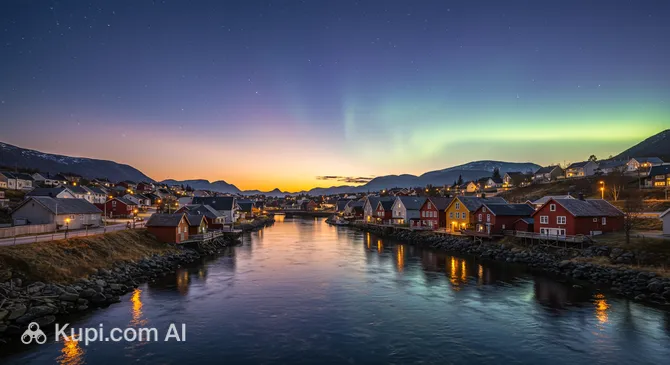
Alta. Source: Kupi.Binoculars

Geographically, the city enjoys a privileged location at the head of the Altafjord. Despite its high latitude, the climate is surprisingly mild compared to other regions at the same parallel, thanks to the shielding mountains and the Gulf Stream. With a population of approximately 15,000 residents, it provides a cozy yet lively atmosphere where nature is always just a step away.

The region is rich in cultural heritage. The history of Alta is deeply connected to the prehistoric era, most notably evidenced by the famous rock carvings at Hjemmeluft. These UNESCO World Heritage sites offer a fascinating glimpse into the lives of hunter-gatherers who inhabited the area thousands of years ago.

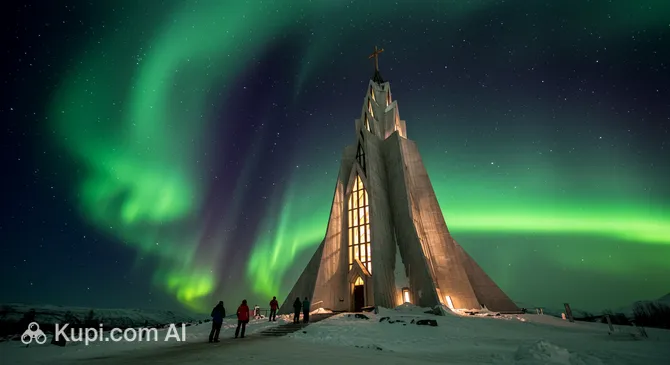
Visitors are spoiled for choice when it comes to attractions. The striking Northern Lights Cathedral, with its spiraling architecture clad in titanium, is a modern icon of the city. For those looking for winter magic, the renowned Sorrisniva Igloo Hotel provides an unforgettable accommodation experience made entirely of snow and ice. Additionally, the city is a prime destination for witnessing the Aurora Borealis in winter and the Midnight Sun in summer.

Whether you are chasing the celestial lights, interested in ancient history, or simply looking to experience the serene beauty of the Arctic, Alta is a destination that promises lasting memories. It is the perfect gateway to the wild majestic North.
Weather Overview

Alta features a subarctic climate that is somewhat modified by its coastal position, though it remains distinctly cooler than southern Norway. For travelers planning their wardrobe and activities, understanding the weather in Alta is essential. Generally, the city experiences long, cold winters and short, mild summers, with a significant number of days seeing some form of precipitation throughout the year.

Winter is the dominant season, with January being the coldest month. During this time, average temperatures hover around -10.7°C, and lows can drop to -13.3°C. It is a time for thermal layers, as the thermometer stays well below freezing from November through April. Despite the cold, the number of wet days ranges from 11 to 15 per month during winter, often manifesting as snow which creates the perfect backdrop for winter sports.

Summer brings a welcome change, particularly in July, which is the warmest month with an average temperature of 12.4°C and highs reaching up to 15.8°C. While never scorching, the weather is pleasant enough for outdoor exploration. However, visitors should be prepared for changing conditions, as wet days remain frequent even in summer, averaging about 16 to 17 days a month from June to September.

Overall, you can expect cool to mild summers with regular chances of rain and cold, snowy winters. Whether you visit for the Midnight Sun or the Northern Lights, dressing in layers is the key to staying comfortable in this Arctic environment.

Interesting Facts

Beyond the stunning landscapes and auroras, Alta boasts a collection of intriguing details that often escape the casual visitor's eye. Here are a few unique aspects that define the character of this Arctic city.
  • The Slate Capital: Alta is renowned for its high-quality quartzite slate, known locally as Altaskifer. This stone is so durable and unique that it is exported globally to pave public squares and cover roofs, appearing in prominent locations as far away as Barcelona and Tokyo.

  • A Historic Hideout: During World War II, the deep waters of the nearby Kåfjord served as a strategic hiding spot for the massive German battleship Tirpitz. The ship was stationed here to threaten Arctic convoys, leaving behind a legacy that is still explored in local museums today.

  • Europe's Longest Dog Sled Race: Every March, the city transforms into the energetic hub for the Finnmarksløpet. This is the longest dog sled race in Europe, where mushers and their teams cover up to 1,200 kilometers across the snowy wilderness, starting and ending in the city center.

  • A Titanium Landmark: The striking Northern Lights Cathedral is an architectural marvel designed to mimic the movement of the aurora. Its exterior is clad in titanium sheets specifically chosen to reflect the dancing colors of the sky during the long winter nights.

  • Exclusive Fishing Waters: The Alta River is legendary among anglers for its massive Atlantic salmon. It is so exclusive that historically it has attracted royalty and aristocracy, and today, many fishermen must win a dedicated lottery just for the chance to cast a line in its waters.

Northern Lights Cathedral. Source: Kupi.Binoculars

How to Get There

Reaching this Arctic destination is easier than one might expect, with air travel being the most efficient method for most visitors. Whether you are arriving from domestic hubs or international connections, you can find more about how to get to Alta and plan the best route for your journey.

The most convenient entry point is Alta Airport (ALF), which is located directly in the city of Alta, just 3.9 km from the center. As a regional hub, it handles a significant number of passengers annually. The commute to the city center is incredibly quick, typically taking only 5 to 10 minutes by taxi or bus, making it an extremely accessible option for travelers.

Alternatively, visitors may fly into Tromsø Airport, Langnes (TOS), situated in the city of Tromsø. While it is a larger international airport with more extensive flight connections, travelers should be aware of the logistics. Although the airport is approximately 170.6 km away from Alta in a straight line, the actual road journey involves navigating fjords and mountains. This drive covers a much greater distance and typically takes around 6 hours, significantly longer than the direct flight distance suggests.

For clarity, here is a summary of the main airports in the region:

Airport Name City Passenger Traffic Km from City
Tromsø Airport, Langnes Tromsø Large 170.6
Alta Airport Alta Medium 3.9
Hammerfest Airport Hammerfest Medium 80.8
Banak Airport Lakselv Small 65.9
Valan Airport Honningsvag Small 153.8

The city of Alta does not have a railway station, as the Norwegian railway network does not extend this far north. The nearest train services end significantly further south in Bodø or Narvik. Consequently, travelers wishing to reach Alta by land usually rely on the extensive bus network or drive via the E6 highway, which offers a scenic route through the changing landscapes of Northern Norway.

Main Attractions

Alta is a treasure trove of Arctic experiences, blending rich history, modern architecture, and stunning natural wonders. Whether you are interested in ancient culture or contemporary design, the city offers a variety of sites that capture the essence of life in Northern Norway.

One of the most iconic landmarks in the city is the Northern Lights Cathedral. This architectural masterpiece is impossible to miss, with its spiraling shape and titanium-clad facade designed to reflect the dancing aurora borealis. Inside, the cathedral is equally impressive, featuring modern artistic details and a serene atmosphere. It serves not only as a place of worship but also as a cultural venue, symbolizing the city's connection to the natural light shows of the Arctic sky.

For a journey back in time, the Alta Museum is an absolute must-see. Located at Hjemmeluft, this site is home to thousands of prehistoric rock carvings that date back as far as 4200 BC. As a UNESCO World Heritage Site, it offers visitors a unique opportunity to walk along wooden pathways viewing ancient depictions of hunters, fishermen, and animals etched into the stone. The museum also provides fascinating exhibitions about the Sami culture and the history of the region.

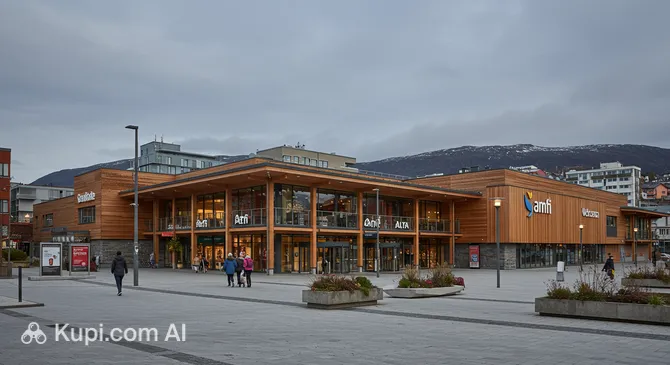
Amfi Alta. Source: Kupi.Binoculars

If you are looking to experience the modern pulse of the town, Amfi Alta is the place to go. As a central shopping mall, it offers a warm respite from the Arctic climate and a chance to explore local and international brands. It is a convenient spot for tourists to pick up outdoor gear, souvenirs, or simply enjoy a coffee while observing daily life in this northern community.

Another highlight for many visitors is the Sorrisniva Igloo Hotel, located just outside the city center. Rebuilt every winter from snow and ice, this spectacular structure features intricate ice sculptures, an ice bar, and even an ice chapel. Even if you do not stay overnight, a tour of this frozen palace provides a magical glimpse into the creativity and resilience required to thrive in the high north.

Local Cuisine

The culinary scene in Alta is a reflection of its Arctic surroundings, offering a unique taste of the wilderness where ingredients are harvested directly from the pristine ocean, rivers, and the vast Finnmark plateau. Local cuisine is characterized by its reliance on fresh, seasonal produce, with a strong emphasis on game meat and seafood that have sustained the population for centuries.

Given the city's location by the famous Alta River, it is no surprise that salmon plays a starring role on many menus. Known as one of the best salmon rivers in the world, the local catch is often served grilled, smoked, or cured (gravlaks). In addition to salmon, the cold waters of the fjords provide an abundance of cod, halibut, and the delicious King Crab, which is considered a delicacy and is often served simply to highlight its sweet, tender meat.

Meat lovers will find reindeer to be a staple of the region, deeply rooted in the Sami culture. The most traditional way to enjoy it is in a dish called finnbiff, a hearty stew made from shaved reindeer meat, mushrooms, and bacon, simmered in a rich sauce of sour cream and juniper berries. It is the perfect comfort food after a day out in the cold. Lamb from the region is also highly prized for its quality, having grazed on wild herbs during the summer months.

For something sweet, look for desserts featuring cloudberries, often referred to as "Arctic Gold." These tart, amber-colored berries grow in the wild marshes and are typically served as multekrem—cloudberries mixed with whipped cream. To accompany your meal or warm up during the winter, coffee is the drink of choice for locals, consumed in large quantities throughout the day. While alcohol is expensive, you might enjoy a glass of aquavit, a traditional Scandinavian spirit flavored with caraway or dill, often paired with festive meals.

The dining atmosphere in Alta is generally relaxed and unpretentious. You can find excellent restaurants within the city's hotels and independent eateries that focus on "short-traveled" food. For a more casual experience or to pick up local ingredients like brown cheese (brunost) and flatbread, a visit to Amfi Alta is a great option. This center offers various cafes and grocery stores where you can taste everyday Norwegian flavors or buy edible souvenirs to take home.

Travel Tips

Preparing for a trip to Alta involves more than just booking flights; it requires understanding the unique rhythm of life in the High North. To help you make the most of your Arctic adventure, here are some essential practical tips to ensure your journey is as comfortable and enjoyable as possible.

  1. Clothing and Gear: The golden rule in Finnmark is to dress in layers. Start with wool (merino is excellent) next to your skin, add a fleece or wool sweater, and finish with a windproof and waterproof outer layer. In winter, sturdy, insulated boots are a must, and bringing a pair of shoe spikes (brodder) will save you from slipping on icy streets. Don't forget a reflective band or vest, as it is crucial for visibility during the dark polar nights.
  2. Transportation: While there is a local bus service operated by Snelandia that connects the city center, the airport, and nearby neighborhoods, frequencies can be low, especially on weekends. To fully explore the surrounding fjords and wilderness at your own pace, renting a car is highly recommended. Taxis are available but can be quite expensive; it is often best to book them in advance via phone or local apps.
  3. Finances: The official currency is the Norwegian Krone (NOK). Norway is rapidly becoming a cashless society, and cards are accepted almost everywhere in Alta, from hotels to small kiosks. You likely won't need much physical cash, but having a small amount for emergency backup is fine. Tipping is not mandatory, as service charges are included in the bill, but rounding up for good service is appreciated.
  4. Health and Safety: Alta is an incredibly safe city with very low crime rates. The biggest risks are environmental—extreme cold and slippery surfaces. Pharmacies (Apotek) are well-stocked and easy to find in the city center and shopping malls like Amfi, though they are generally closed on Sundays. For emergencies, dial 113 for medical assistance.
  5. Communication: You will find that English is spoken fluently by nearly everyone, making communication effortless. Free Wi-Fi is widely available in hotels, cafes, and public buildings. If you are from the EU/EEA, your mobile plan likely works here without extra charges; otherwise, buying a prepaid SIM card from a convenience store (like Narvesen) is a quick process.
  6. Local Etiquette: Norwegians are polite but value personal space and quiet. A simple handshake is the standard greeting. A critical social rule to remember is to remove your shoes when entering a private home and often in certain cabins or lodgings. It is considered rude to walk indoors with outdoor footwear, especially given the snow and grit from outside.
  7. What to Avoid: Do not walk on groomed cross-country ski tracks (løyper). These are maintained for skiers, and walking on them ruins the tracks and annoys locals. Also, avoid underestimating the weather; conditions can change rapidly on the mountain plateaus, so never venture into the wilderness without proper preparation and letting someone know your plans.
  8. Shopping Hours: Be aware that most shops and supermarkets in Alta are closed on Sundays. If you arrive late on a Saturday or on a Sunday, your shopping options will be limited to small convenience stores or gas stations. Plan your grocery runs accordingly to avoid being caught without supplies.

By keeping these practicalities in mind, you will be well-equipped to handle the Arctic elements and blend in with the locals. Alta is a welcoming community, and a little preparation goes a long way in ensuring your visit is filled with awe rather than logistical surprises.

Entertainment & Nightlife

While Alta is far from being a bustling metropolis with a 24-hour club scene, its nightlife offers a cozy and authentic Arctic charm. The entertainment landscape here is driven by a mix of university students, locals, and travelers, creating a welcoming atmosphere where it is easy to strike up a conversation. Instead of sprawling nightclub districts, you will find a concentrated selection of pubs, bars, and cultural venues, mostly clustered in the compact city center, known locally as Sentrum.

The heart of the action lies along the main pedestrian areas and the streets surrounding the shopping centers. The vibe is distinctly casual and relaxed; there is no need for high heels or formal attire. In fact, given the climate, warm and practical clothing is the standard dress code even for a night out. On weekends, venues typically stay open until 2:00 or 3:00 AM, while weeknights are quieter, perfect for a low-key drink after a day of winter activities.

For a lively evening, Barila Pub is a local favorite located right in the pedestrian street. It serves as a social hub by day and transforms into a vibrant pub by night, often hosting live music or quizzes that attract a spirited crowd. If you prefer a combination of great food and cocktails, Du Verden Matbar is an excellent choice. Situated within the Amfi Alta complex, this venue offers a stylish yet informal setting with views of the city, making it a popular spot for both dinner and late-night drinks.

For a truly unique "nightlife" experience that you can only find in the High North, a visit to the ice bar at Sorrisniva is essential. Although it is located a short drive from the city center, sipping a drink from a glass made entirely of ice, surrounded by frozen sculptures, is a highlight for many visitors. Back in the city, the student community ensures that there are occasional events and concerts, often held at the local student house, creating a youthful energy in the town.

Practicalities are important when enjoying a night out in Norway. Alcohol prices are high compared to many other countries, so it is common for locals to enjoy drinks at home (vorspiel) before heading out. Getting around is safe and easy; the city center is walkable, but if your accommodation is further away, you should rely on Alta Taxi. It is advisable to book your ride in advance on busy weekend nights to avoid waiting in the cold.

During the daytime, entertainment shifts towards cultural and relaxing pursuits. The Aurora Kino provides a modern cinema experience for movie lovers. For those seeking cultural enrichment before the sun sets (or doesn't set, depending on the season), the city's museums and galleries offer fascinating insights into local history, while the nearby nature trails provide endless entertainment for outdoor enthusiasts.

Parks & Museums

Alta offers a seamless integration of outdoor recreation and cultural discovery, where the boundaries between nature and history often blur. The city is surrounded by accessible wilderness, while its museums provide deep insights into the Arctic way of life, ranging from ancient rock art to World War II history.

For those seeking fresh air and panoramic views, Komsa Mountain (Komsatoppen) is the most popular recreational area near the city center. This historic peak is not only a geological landmark but also gave its name to the Komsa culture, the earliest known settlers in the area. A relatively easy hike leads you to the summit, where you are rewarded with a breathtaking 360-degree view of the Altafjord and the city below. It is a favorite spot for locals to watch the Midnight Sun or hunt for the Northern Lights.

Another spectacular natural area is the Alta Canyon (Sautso), often described as the Grand Canyon of Northern Europe. Located south of the city, this dramatic landscape features the Alta River cutting through the plateau, creating a deep gorge surrounded by rugged cliffs. It is a haven for hikers and nature lovers who want to experience the raw power of the Finnmark wilderness. Closer to the coast, Lathari Beach offers a serene sandy stretch perfect for a relaxing walk or a picnic by the water's edge.

In terms of cultural institutions, the Tirpitz Museum in Kåfjord is a significant site for history enthusiasts. Located in a traditional wooden building, it houses one of the world's largest collections of artifacts and photographs related to the German battleship Tirpitz, which was anchored in the nearby fjord during World War II. The museum tells the dramatic story of the ship's presence in Alta and the resistance efforts in the region, offering a poignant look at the local wartime history.

For an interactive journey into the science and mythology of the aurora borealis, visitors should explore Borealis Alta. This modern exhibition is located inside the iconic Northern Lights Cathedral. Through digital displays and engaging storytelling, it explains the physical phenomenon of the lights while also exploring their cultural significance to the indigenous Sami people and local folklore.

A notable historical site worth the trek is the Haldde Observatory. Perched on the top of Haldde Mountain, this was the world's first permanent Northern Lights observatory, built in 1899. Although the hike up is demanding, the preserved stone buildings stand as a monument to the pioneering spirit of Arctic science and offer a glimpse into the harsh conditions researchers faced over a century ago.

Insider Tip: If you want a peaceful escape without a strenuous hike, take a walk along the Alta River promenade. It is a flat, scenic route that is beautiful in both summer and winter, and you might even spot locals fly-fishing for the river's famous salmon.

Getting Around

Navigating Alta is relatively straightforward, reflecting the city's compact size and the practical nature of life in the High North. Unlike larger European capitals, there is no metro, tram, or trolleybus system here. Instead, the public transport network relies entirely on a reliable bus service that connects the city center, residential neighborhoods, and key transit points like the airport.

The local bus service is operated under the brand Snelandia, which manages public transportation throughout the wider region. The buses are modern, comfortable, and designed to handle the harsh winter conditions. While the network is efficient for getting around the immediate city center and reaching nearby suburbs such as Bossekop and Elvebakken, frequencies can be lower than what urban travelers might expect. During weekdays, service is regular, but it significantly reduces in the evenings and on weekends, so checking the timetable in advance is essential.

For payment and route planning, the digital approach is the most convenient and cost-effective method. Travelers are strongly advised to download the dedicated mobile apps: Snelandia Reis for planning journeys and checking real-time departures, and the Snelandia Mobillett app for purchasing tickets. Buying a ticket via the app is typically cheaper than purchasing one on board from the driver. If you do buy a ticket on the bus, be prepared to pay with a card, as cash handling is becoming less common. There are options for single tickets as well as period passes (like 24-hour or 7-day tickets) which offer great value if you plan to use the bus frequently.

Tourists should be mindful of the operating hours. On Saturdays and Sundays, some routes may run only a few times a day or not at all. It is crucial to signal the driver clearly when you are waiting at a stop, as buses will not stop unless hailed. Once on board, you may need to scan the QR code from your mobile ticket or show it to the driver to validate your ride.

Given the limitations of the bus schedule, especially for exploring the surrounding wilderness or hunting for the Northern Lights late at night, many visitors opt for alternatives. Taxis are readily available and can be booked via phone or local apps, though they are quite expensive compared to international standards. For those who want maximum freedom to explore the fjords and plateaus at their own pace, renting a car is often the most popular choice. Additionally, during the warmer months, the city is very bike-friendly, and renting a bicycle can be a delightful way to see the local sights along the flat coastal paths.

Accommodation

Where to Stay:

Finding the right place to stay in Alta is a key part of the Arctic experience, with options ranging from standard modern hotels to truly unique wilderness lodgings. The accommodation scene here is well-developed, catering to everyone from business travelers and families to adventurers seeking a once-in-a-lifetime stay under the Northern Lights.

The most convenient area for most visitors is the city center, known as Sentrum. Staying here places you within walking distance of shopping centers like Amfi Alta, restaurants, and the bus terminal. This area is dominated by reliable, mid-range Scandinavian chain hotels that offer high standards of comfort, typically featuring generous breakfast buffets and modern amenities. It is the best choice if you do not have a car and want easy access to urban facilities.

For those looking to connect with nature, the areas surrounding the city offer fantastic alternatives. Along the banks of the Alta River or in the nearby forests, you can find cozy cabins, lodges, and campsites. These spots are ideal for travelers who want to step out of their door and immediately be in the wilderness. In recent years, "glamping" options such as glass igloos or domes have become increasingly popular, allowing guests to sleep comfortably while watching the night sky for the aurora borealis.

Alta is also famous for its specialized accommodation experiences. The region is home to one of the world's most renowned ice hotels, which is rebuilt every winter from snow and ice. Staying in such a place is more than just a night's sleep; it is an adventure in itself. Even if you choose a standard hotel for the majority of your trip, spending one night in an ice room or a luxury wilderness lodge is highly recommended for the memories alone.

Booking Tip: Alta is a year-round destination, but accommodation can fill up very quickly during the peak seasons: the Northern Lights winter months (December to March) and the Midnight Sun summer period (June to August). It is strongly advised to book your rooms several months in advance to secure your preferred dates and rates.

In terms of pricing, accommodation in Norway is generally on the higher side compared to the European average. Expect a price range that leans from mid-range to luxury, though budget-conscious travelers can find better deals at camping grounds or by renting simple cabins. Booking is most easily done through major online platforms or directly via the property's website, which sometimes offers special packages including activities.

Nearby Cities

For those looking to explore the surroundings, Alta serves as an excellent base for day trips to several interesting nearby locations:

Although distances in the Arctic can be significant, Tromsø is a destination well worth the journey. Often called the "Paris of the North," this vibrant city is accessible by a short flight or a scenic drive through the rugged coastline. It offers world-class attractions such as the Arctic Cathedral, the Polaria aquarium, and the Fjellheisen cable car, which provides panoramic views of the surrounding fjords and mountains.

Another fascinating option for a short visit is Narvik. Situated dramatically between mountains and fjords, it is a paradise for skiing enthusiasts and history buffs alike. The city played a pivotal role during World War II, a story vividly told at the Narvik War Museum. In summer, the Midnight Sun shines on the surrounding peaks, offering spectacular hiking opportunities.

Harstad, located on Norway’s largest island, Hinnøya, offers a blend of cultural heritage and natural beauty. Visitors can explore the historic Trondenes Church, dating back to the Middle Ages, or relax in the Grottebadet, a unique water park built inside a mountain cavern.

City Population Distance (km)
Nordre Fale 61032 68
Harstad 50000 295
Tromsø 38980 170
Tromsdalen 16787 169
Narvik 14148 288

These nearby destinations offer a glimpse into the diverse culture and landscapes of the region.

Shopping & Souvenirs

Shopping in Alta offers a mix of modern convenience and traditional Arctic culture. While you will not find endless avenues of high-end luxury boutiques, the city provides excellent opportunities to purchase high-quality outdoor equipment, warm clothing suitable for the polar climate, and unique local handicrafts. The atmosphere is laid-back, with most stores located within a compact area, making it easy to browse without the stress of large crowds.

The heart of the shopping experience lies in Alta Sentrum, the city center. Here, a pedestrian-friendly environment connects various independent shops, cafes, and service providers. This area is the commercial hub where locals and visitors alike gather to run errands or enjoy a leisurely stroll. You will find sports stores well-stocked with gear for hiking and skiing, as well as smaller boutiques offering interior design, fashion, and books.

For a comprehensive shopping experience under one roof—especially appreciated during the cold winter months—Amfi Alta is the primary destination. Located in the city center, it houses a wide range of stores, from major fashion chains and electronics retailers to grocery supermarkets and pharmacies. Just a short walk away, you can also visit Parks Senter, another shopping complex that complements the retail offerings with additional specialty shops and services.

Alta is famous for its historical trading traditions, most notably the Bossekop Market (Bossekopmarkedet). This event has roots dating back centuries and takes place twice a year, typically in March and December. During these times, the town comes alive with stalls selling everything from traditional Sami crafts and local food to clothing and jewelry. Outside of these specific event dates, permanent street markets are not a common feature, though seasonal pop-up stalls may appear during summer festivals.

When looking for gifts to take home, authenticity is key. The region is renowned for Sami handicrafts (Duodji), which include intricately designed knives, leather goods, and handmade jewelry. Silver items, often inspired by traditional designs, are also popular. For a taste of the Arctic, consider buying cloudberry jam, dried reindeer meat, or stockfish. Additionally, warm Norwegian wool sweaters and products made from the local Alta slate make for durable and meaningful keepsakes.

Standard shopping hours in Alta are generally from 10:00 AM to 5:00 PM or 8:00 PM on weekdays, with shorter hours on Saturdays, typically closing between 4:00 PM and 6:00 PM. It is important to remember that most shops, including grocery stores, are closed on Sundays, so plan your purchases accordingly. Payment is seamless, as credit and debit cards are accepted almost everywhere, even for small amounts. Contactless payment is the norm, though having a small amount of cash can be useful for sporadic market stalls.

Visitors from outside the Nordic countries (Norway, Sweden, Denmark, and Finland) may be eligible for a tax refund on purchases. Look for the "Tax Free" signage in store windows. If you spend above a certain threshold in a participating store, you can request a refund form, which can be processed at airports or border crossings upon leaving the country.

Reached the end of the page?

That means the route is fully explored