Support

Sorkjosen

About

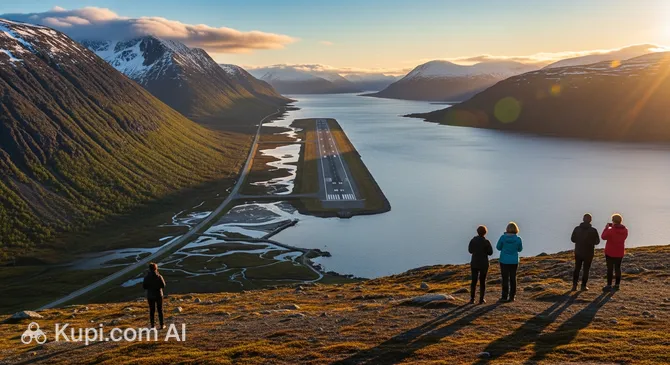
Welcome to Sorkjosen, a picturesque village located in the Nordreisa municipality within the stunning county of Troms. Nestled along the shores of the expansive Reisafjorden, this destination offers a serene escape into the heart of Northern Norway. With a population of just over 300 residents, Sorkjosen provides an intimate and authentic atmosphere, perfect for travelers seeking tranquility amidst dramatic Arctic landscapes.

Sorkjosen. Source: Kupi.Binoculars

Situated well above the Arctic Circle, the village is a gateway to some of the region's most breathtaking natural wonders. The climate here is characterized by snowy winters, ideal for spotting the Northern Lights, and mild summers where the Midnight Sun illuminates the fjord day and night. While exploring the history of Sorkjosen, visitors will discover its development as a vital transport hub, primarily due to the local airport which connects this remote gem to the rest of the country.

Despite its small size, Sorkjosen is strategically positioned for outdoor enthusiasts. It serves as an excellent base for excursions into the nearby Reisa National Park, known for its spectacular waterfalls, such as the majestic Mollisfossen, and deep canyons. Whether you are flying in for a fishing adventure on the fjord or starting a hiking expedition through the rugged terrain, Sorkjosen invites you to experience the raw beauty and quiet charm of the Norwegian north.

Weather Overview

The climate in this northern village is distinctively subarctic, shaped by its location well above the Arctic Circle. Travelers planning a trip should check the detailed weather in Sorkjosen to pack appropriately, as conditions can be quite variable. Generally, the region experiences long, cold winters and short, mild summers, with a crisp freshness in the air throughout the year.

Winter is the dominant season, with January typically being the coldest month, featuring an average temperature of -7.3°C and lows dipping to -9.2°C. Freezing temperatures often persist well into April. Conversely, the summer months offer a gentle thaw, peaking in July with average temperatures around 11.5°C and maximums reaching 14.0°C. This creates a comfortable environment for outdoor activities, though it rarely gets hot.

Precipitation is a frequent occurrence regardless of the season, with the number of wet days ranging between 14 and 20 per month. March tends to see the highest frequency of precipitation days. Expect mild summers with regular rainfall and cold winters characterized by consistent snow and freezing temperatures.

Interesting Facts

Beyond its role as a convenient transportation hub, Sorkjosen holds fascinating secrets that reveal the deep cultural and natural richness of Northern Norway. This small village is a convergence point for ancient traditions and serves as the doorstep to some of the most dramatic geology in the Arctic.

  • A Village of Three Names: Sorkjosen is situated in a unique region known as the "Meeting of Three Tribes," where Norwegian, Sami, and Kven cultures have intertwined for centuries. This multicultural heritage is reflected in the village's official names in all three languages: Sørkjosen (Norwegian), Reaššegeahči (Northern Sami), and Rässikäinen (Kven), symbolizing a shared history that is rare even in Norway.

  • The Historic Crown Store: Visitors can step back in time at the Kronebutikken, a beautifully preserved general store dating back to the early 1900s. Originally a hub for trade and gossip, this charming building now serves as a cultural center where you can find traditional local handicrafts, learn about the area's history, and taste local delicacies, acting as a living museum of coastal life.

  • Gateway to the Arctic Grand Canyon: Just a short distance from the village lies the spectacular Reisa Canyon, often compared to a narrower, greener version of the Grand Canyon. Sorkjosen is the perfect starting point for traditional riverboat excursions that take you up the Reisa River to witness towering vertical rock walls and the thundering Mollisfossen waterfall, which plunges 269 meters into the valley.

  • Home of the Little Horse: The region around Sorkjosen is a stronghold for the Lynghest (Northlands Pony), the smallest of Norway's three native horse breeds. These sturdy, gentle horses are descendants of the ponies used by Vikings and are perfectly adapted to the rugged Arctic terrain, with local stables offering opportunities to ride them through the scenic landscape.

How to Get There

Reaching the village of Sorkjosen takes you deep into the Arctic landscapes of Norway. Uniquely for a settlement of its size, the village boasts its own airport, Sørkjosen Airport (SOJ), located conveniently close to the center. This small airfield offers direct flight connections, primarily from Tromsø, making it the fastest and most seamless way to arrive. For those driving, the village is situated directly on the E6 highway. You can find more about how to get to Sorkjosen and the specific transport details to help plan your journey.

Most international travelers will first fly into a larger regional hub. The most popular option is Tromsø Airport, Langnes (TOS). While the airport is only about 80 km away in a straight line, the journey by road winds through the fjords and takes approximately 3 hours. You can rent a car or take a bus from Tromsø to enjoy the scenic coastal drive.

Another excellent alternative is Alta Airport (ALF), situated to the northeast. The drive from Alta to Sorkjosen is generally quicker, taking around 2 hours along the E6. Both airports are well-connected to the rest of the country and serve as great starting points for a road trip in the region.

Below is a list of the nearest major airports. Please note that the distances provided are straight-line (as the crow flies), and actual travel distances by road will be longer due to the mountainous terrain and fjord coastline:

Airport Name City Distance (Straight-line)
Tromsø Airport, LangnesTromsø79.4 km
Alta AirportAlta95.5 km
Bardufoss AirportBardufoss124.9 km
Hammerfest AirportHammerfest143.2 km
Banak AirportLakselv157.4 km

Sorkjosen is not connected to the national railway network, as train lines do not extend this far north. The nearest train stations are in Narvik or Bodø, which are hundreds of kilometers away. Consequently, visitors relying on public transport typically use the comprehensive long-distance bus network or domestic flights to reach this charming village.

Main Attractions

While Sorkjosen is a small village, its strategic location makes it the ultimate basecamp for exploring the wild and dramatic landscapes of Northern Norway. Rather than just being a stopover, the village offers immediate access to outdoor adventures, serving as the logistical hub for expeditions into the deep valleys and plateaus of the Nordreisa region.

The primary draw for active travelers is the vast Reisa National Park. To fully experience this wilderness, most visitors book a traditional riverboat excursion. These long, slender boats are specifically designed to navigate the shallow river waters and are the most popular way to reach the park's interior. The boat trip itself is a thrilling experience, winding through a canyon with steep rock walls rising on either side, eventually leading to the foot of the iconic waterfalls.

For those preferring to explore on foot, Sorkjosen connects to an extensive network of trails. Hikers can plan multi-day treks along the Nordkalottruta (Arctic Trail), which passes through the valley. Shorter day hikes are also available, offering routes through lush birch forests and up to vantage points that provide sweeping views of the fjord. In the winter months, these same trails are groomed for cross-country skiing, and the lack of light pollution makes the area a prime spot for hunting the Northern Lights.

A short drive from the village center brings you to Ovi Raishiin, a spectacular viewpoint and visitor point. This is an excellent first stop for tourists; not only does it offer a panoramic photo opportunity of the Reisa Valley, but it also serves as an information gateway. Here, you can gather practical details about hiking conditions, rent equipment, or simply enjoy the landscape from a comfortable vantage point before heading deeper into the wild.

After a day of outdoor activity, a visit to Kronebutikken offers a relaxing change of pace. While known for its history, for the modern tourist, it functions as the village's social heart. It is the perfect place to shop for authentic local handicrafts, such as Sami knives or knitted woolens, which make for unique souvenirs. Visitors can also settle into the cozy café section to sample local pastries, making it a warm and welcoming refuge from the Arctic weather.

Local Cuisine

The culinary experience in Sorkjosen is deeply rooted in the Arctic wilderness that surrounds it, characterized by ingredients sourced directly from the icy fjords, rivers, and mountain plateaus. In this part of Norway, the food philosophy revolves around freshness and seasonality. Visitors can expect hearty, warming meals designed to sustain locals through the cold winters, with a strong emphasis on traditional preservation methods like drying, salting, and smoking that have been passed down for generations.

Seafood is naturally the star of the menu. The cold, clean waters of the Reisafjorden provide an abundance of high-quality fish, particularly cod (torsk), halibut (kveite), and saithe. A local favorite worth trying is boknafisk, a traditional dish made from semi-dried cod that is poached and typically served with stewed peas, bacon, and boiled potatoes. For those who prefer meat, the region's strong Sami heritage ensures that reindeer features prominently. You might encounter it as bidos, a rich and savory reindeer stew traditionally served at weddings and celebrations, or as tender fillets accompanied by game sauces.

No meal in Sorkjosen is complete without a taste of the region's "Arctic Gold"—the cloudberry (multe). These tart, amber-colored berries grow in the nearby marshlands and are a prized delicacy. They are most commonly served as a dessert known as multekrem, where the berries are folded into whipped cream, often enjoyed with a crisp waffle or a krumkake cookie. For a drink, black coffee is the staple social beverage consumed throughout the day. To warm up after a day of hiking or skiing, you might also try a small glass of aquavit (akevitt), a potato-based spirit flavored with caraway and herbs that pairs excellent with traditional heavy dishes.

Given the small size of the village, the dining scene is intimate and cozy rather than vast. You won't find bustling street food markets here; instead, the food culture is centered around warm hospitality in relaxed settings. The historic Kronebutikken is a central gathering spot for both locals and tourists. Here, in the charming atmosphere of an old general store, you can enjoy homemade cakes, traditional open-faced sandwiches, and local specialties while soaking in the history of the trading post. Additionally, local hotels and guesthouses often serve dinner menus featuring the catch of the day, offering a home-cooked feel that perfectly complements the tranquil village vibe.

Travel Tips

Planning a visit to Sorkjosen requires specific preparation, as this charming village lies deep within the Arctic Circle where nature dictates the pace of life. To help you make the most of your adventure in Northern Norway, we have compiled a list of essential practical tips.

  1. Clothing and Gear: The weather here can change rapidly, so the "layering principle" is your best friend. In winter, bring thermal underwear (preferably wool), a warm mid-layer, and a windproof and waterproof outer shell, along with sturdy, insulated boots. Even in summer, temperatures can be cool, so pack a fleece and a rain jacket. If you plan to go on a riverboat excursion, bring gloves and a hat, as the wind chill on the water can be significant.

  2. Transportation: While Sorkjosen has its own airport, public transport within the region is limited to infrequent regional buses. To fully explore the surrounding areas and reach the trailheads of Reisa National Park, renting a car is highly recommended. Taxis are available but can be expensive for long distances. If you stay within the village, you can walk, but a vehicle gives you the freedom to chase the Northern Lights or visit neighboring Storslett.

  3. Finances: The local currency is the Norwegian Krone (NOK). The country is rapidly becoming a cashless society, and credit/debit cards (Visa and Mastercard) are accepted almost everywhere, including small kiosks and taxis. It is still wise to carry a small amount of cash for emergencies, but you will rarely need it. Be aware that prices in the north can be higher than the European average, so budget accordingly.

  4. Health and Safety: Sorkjosen is a very safe place with low crime rates. The nearest pharmacy and medical center are located in the neighboring town of Storslett, just a few minutes away by car. The biggest safety concern here is the natural environment; always respect weather warnings and never venture into the mountains or on the fjord without proper equipment. In winter, be cautious of icy patches on walkways and roads.

  5. Communication: The main language is Norwegian, but locals speak excellent English, so you will have no trouble communicating. Mobile coverage is generally good in the village and along main roads, but signal may drop in deep valleys or remote parts of the national park. Downloading the Yr.no app is essential for accurate local weather forecasts.

  6. Local Etiquette: Locals value personal space and quiet politeness. A simple handshake is the standard greeting. When entering a private home or certain lodgings (like cabins), it is customary to remove your shoes at the door. If you are hiking, follow the "Allemannsretten" (Right to Roam) code: you can wander freely, but you must leave no trace—take all trash with you and do not disturb wildlife.

  7. What to Avoid: Do not walk on groomed cross-country ski tracks if you are on foot; this ruins the tracks and is considered rude by locals. Also, avoid assuming that shops will be open late or on Sundays; in smaller communities like this, opening hours are often limited, especially on weekends.

  8. Alcohol Regulations: If you wish to buy wine or spirits, you cannot do so at a regular grocery store. You must visit the state-run liquor store, Vinmonopolet, which is located in nearby Storslett. Be sure to check the opening hours, as they close early on Saturdays and are closed on Sundays.

By keeping these practical tips in mind, you will be well-equipped to enjoy the tranquility and raw beauty of Sorkjosen without any hassles. Whether you are here for the Midnight Sun or the polar nights, a little preparation ensures a comfortable and unforgettable Arctic experience.

Entertainment & Nightlife

Nightlife in Sorkjosen is a tranquil and intimate affair, reflecting the village's small size and its focus on nature rather than urban partying. You will not find neon-lit nightclubs, thumping discos, or sprawling entertainment districts here. Instead, the evening entertainment is centered around cozy gatherings, warm hospitality, and the spectacular light shows provided by nature itself. For visitors, a "night out" typically involves a delicious meal followed by drinks in a relaxed hotel lounge or hunting for the Northern Lights just outside the door.

The social hub of the village is undoubtedly the Reisa Fjord Hotel. Located right by the harbor, its bar and restaurant serve as the primary meeting place for both locals and travelers. The atmosphere is casual and welcoming, often filled with the chatter of fishermen, business travelers, and tourists sharing stories of their Arctic adventures. It is the perfect spot to enjoy a local beer or a glass of wine while looking out over the Reisafjorden. On weekends, the venue occasionally hosts live music or local events, which draws a slightly livelier crowd.

For a bit more variety, visitors often make the short 5-minute drive (or taxi ride) to the neighboring town of Storslett. Here, Bios Café stands out as a local favorite. By day, it is a cafe serving excellent food, but in the evenings, it transitions into a relaxed bar setting with a great selection of drinks. It is known for its modern yet cozy interior and is a popular spot for younger locals to socialize. Another option in the area is Minibar1, a pub-style venue in Storslett that offers a more traditional bar experience with sports screenings and a friendly vibe.

When planning an evening out, timing and transport are key. Venues in this region do not stay open until dawn; most bars and restaurants close around midnight or 01:00 AM, even on weekends. The dress code is universally "Arctic casual"—warm, practical clothing is the norm, and you will fit right in wearing a wool sweater and jeans. For transportation between Sorkjosen and Storslett, relying on the local Nordreisa Taxi service is the best option, as walking along the highway at night can be cold and dark. Taxis are safe and reliable, though it is wise to book in advance on busy weekends.

Safety is rarely a concern in terms of crime; Sorkjosen is incredibly safe for night walks. The main "dangers" are environmental. In winter, roads and walkways can be slippery, and the darkness is absolute outside of streetlit areas. If you venture away from the hotel to look for the Aurora Borealis, wear reflective gear so passing cars can see you. The silence of the polar night is profound, making a simple walk under the stars a form of meditative entertainment in itself.

Regarding daytime entertainment, the focus shifts to culture and history. While there are no large amusement parks, the Nord-Troms Museum offers fascinating exhibitions scattered across the region, including the historic structures at Kronebutikken. For a unique cinematic experience, the local cinema in Storslett, Halti Kulturscene, screens modern films and also serves as a venue for theater productions and concerts, acting as the cultural heartbeat of the entire valley.

Parks & Museums

In the small village of Sorkjosen, the concept of "parks" expands beyond manicured lawns to encompass the vast, untamed wilderness of the Arctic. While the settlement itself is quaint, it serves as the doorstep to some of Norway's most dramatic natural landscapes and preserves a rich cultural heritage that blends Norwegian, Sami, and Kven traditions. Visitors here will find that the great outdoors is the ultimate museum, complemented by historic sites that tell the story of life by the fjord.

The crown jewel of the region's natural areas is undoubtedly Reisa National Park. Although the park's heart lies a bit further up the valley, Sorkjosen is a key gateway for accessing it. This protected wilderness is defined by the spectacular Reisa River, which carves through a deep canyon flanked by steep mountain walls. It is a haven for nature lovers, offering sights like the towering Mollisfossen waterfall, which cascades 269 meters down the rock face. Whether you explore by riverboat or hike the trails, the park offers a raw and immersive encounter with Arctic nature.

Closer to the village center, the shores of the Reisafjorden act as a natural recreational space for locals and visitors alike. The waterfront offers peaceful spots to walk and admire the view of the calm waters against the backdrop of snow-capped peaks. In the summer, the area is perfect for birdwatching or simply enjoying the Midnight Sun, while winter transforms the fjord-side landscape into a prime viewing platform for the Northern Lights, free from the light pollution of larger cities.

For a dive into local history, Kronebutikken is the most significant cultural landmark within Sorkjosen itself. Housed in a historic timber building from the early 20th century, this former general store has been lovingly preserved and repurposed. It functions as a living museum where you can sense the atmosphere of an old trading post. Inside, you will find exhibitions of local handicrafts, traditional Sami duodji (crafts), and historical artifacts that paint a vivid picture of the coastal trade and daily life in Nordreisa over the last century.

Just a short drive or bus ride away in the neighboring town of Storslett is the Halti National Park Centre, which houses the main exhibitions of the Nord-Troms Museum. This modern facility is an essential stop for understanding the unique "Three Tribes" culture of the region. The museum features engaging displays about the Kven people (descendants of Finnish immigrants), the indigenous Sami culture, and Norwegian settlers, alongside interactive exhibits about the geology and wildlife of the nearby national park.

For a truly authentic experience, look for the small, unmarked trails used by locals for berry picking in late summer. Wandering the hills just behind the village during cloudberry season offers not just a chance to taste "Arctic Gold" but also provides a quiet, meditative connection with the land that no formal park can replicate.

Getting Around

Given the small size of Sorkjosen, with a population of just over 300 residents, the public transport system is naturally limited compared to larger cities. There are no metros, trams, or trains in this remote part of Norway. Instead, the public transportation network relies entirely on regional bus services that connect the village to neighboring towns and major transport hubs. For most tourists, the bus is the primary way to travel if you have not rented a car, serving as a lifeline between the village, the municipal center of Storslett, and the larger cities of Tromsø and Alta.

The bus service is operated by Troms Fylkestrafikk, the county's public transport authority. The most relevant route for visitors is Line 150, which runs the long-distance coastal route between Tromsø and Alta, stopping in Sorkjosen along the way. This route is not just a means of transport but a scenic experience in itself, winding through mountain passes and along fjord shorelines. Local buses also run short distances to Storslett, where you can find shops and services, though these departures can be infrequent, especially on weekends and during school holidays.

For payment, the system is modern and digital-friendly. The most convenient way to buy tickets is through the official mobile app, Troms Billett. This app allows you to purchase single tickets or period passes instantly using a credit card. While it is possible to buy tickets on board the bus using a bank card or cash, this often incurs a surcharge, so using the app is both cheaper and faster. Ticket prices are based on a zone system, but short local trips are generally affordable.

Travelers should be aware of some practical advice when using buses in this rural area. Bus stops along the main E6 highway may not always be marked with large shelters; often, a simple signpost indicates the stop. It is customary to signal the driver clearly by waving your hand as the bus approaches, or they might drive past. Additionally, planning is crucial. You should use the travel planner app Reis or the Troms Fylkestrafikk website to check exact timetables, as missing a bus can result in a wait of several hours or even until the next day.

If the bus schedule does not align with your plans, taxis are the main alternative. The local company, Nordreisa Taxi, operates in the area and can be booked by phone. Taxis are reliable and comfortable but can be expensive, particularly for longer distances. They are, however, essential for reaching specific trailheads or accommodations that are off the main bus route. Ridesharing apps like Uber are not available in this region, so relying on the official taxi service is necessary.

While there are no historic cable cars or subway systems, a unique feature of Sorkjosen's transport network is its local airport, Sørkjosen Airport. Located practically in the center of the village, it functions almost like a bus station for the sky. Small propeller planes operated by Widerøe connect the village to the wider region, often acting as a "milk run" service that hops between small coastal communities. For many locals, flying is a standard form of public commuting to reach the hospital or university in Tromsø.

Ultimately, while the public transport options are high-quality and reliable, they are designed for local commuting rather than flexible sightseeing. For tourists wishing to explore the Reisa National Park or chase the Northern Lights at their own pace, renting a car remains the most practical recommendation. This gives you the freedom to explore the vast Arctic landscapes without being tethered to the limited bus timetable.

Accommodation

Finding a place to stay in Sorkjosen is a straightforward affair, reflecting the intimate size of the village. With a population of just over 300, the accommodation landscape is not defined by sprawling resorts or international chains, but rather by locally owned establishments that offer warm hospitality and a personal touch. Travelers can expect a limited but comfortable selection of lodgings, ranging from traditional hotels to cozy guesthouses and cabins suited for nature lovers.

The most convenient area to stay is the village center, located directly along the E6 highway and the shores of the Reisafjorden. Staying here places you within walking distance of the airport and the harbor, making it an ideal base for those relying on public transport or short stopovers. For those seeking a deeper connection with the wilderness, options extend into the nearby Reisa Valley (Reisadalen), where cabins and camping spots offer immediate access to hiking trails and the river, though a car is typically required to reach these secluded locations.

The primary establishment in the village is the Reisa Fjord Hotel (historically known as Henriksen Gjestestue). Situated right by the fjord, it serves as the community's cornerstone, offering standard hotel rooms with scenic views. It is a classic example of Northern Norwegian hospitality, providing not just a bed, but a gathering place where guests can dine and relax after a day of Arctic exploration. Visitors looking for alternative options often consider guesthouses in the neighboring town of Storslett, which is just a short drive away and offers additional amenities.

Due to the limited number of beds available in Sorkjosen and the surrounding municipality of Nordreisa, securing accommodation well in advance is highly recommended. This is particularly important during the peak summer months and the Northern Lights season, when the few available rooms can fill up quickly with tour groups and adventure seekers. Booking early ensures you have a comfortable base for your activities.

Prices in the region generally fall into the mid-range category, though costs can be higher than in other parts of Europe due to the remote location. Budget travelers might find fewer hostel-style options within the village itself and may need to look towards camping cabins in the wider area for more economical choices. Booking is typically done through major online travel platforms, but contacting establishments directly can sometimes be beneficial for specific requests regarding seasonal activities or transport.

Nearby Cities

For those looking to explore the surroundings, Sorkjosen serves as an excellent base for day trips to several interesting nearby locations:

To the southwest lies Tromsø, the vibrant capital of the Arctic. Known as the "Paris of the North," it is a bustling hub of culture and history. Visitors can explore the Polaria aquarium, wander through the historic Skansen district with its wooden houses, or take the Fjellheisen cable car for panoramic views. Just across the bridge is Tromsdalen, home to the iconic Arctic Cathedral, a masterpiece of modern architecture that dominates the skyline.

Traveling northeast brings you to Alta, often referred to as the City of the Northern Lights. This destination is famous for its UNESCO-listed rock carvings, which date back thousands of years and offer a fascinating glimpse into prehistoric life. Alta also boasts the spectacular Northern Lights Cathedral and serves as a gateway to the vast Finnmarksvidda plateau, offering a different landscape compared to the steep fjords of Troms.

City Population Distance (km)
Nordre Fale61032129
Harstad50000206
Tromsø3898079
Tromsdalen1678777
Alta1534292

These nearby destinations offer a glimpse into the diverse culture and landscapes of the region.

Shopping & Souvenirs

Shopping in Sorkjosen is a unique experience that reflects the village's small size and its deep connection to cultural heritage. You will not find bustling high streets or large commercial districts here; instead, the shopping scene is intimate, authentic, and focused on quality local craftsmanship. For visitors, the appeal lies in discovering handmade treasures and regional delicacies rather than browsing international chain stores. The atmosphere is relaxed and personal, often involving a chat with the shopkeeper who likely made the goods themselves or knows the artisan personally.

The primary destination for shopping within the village is the historic Kronebutikken. Located in a beautifully preserved timber building by the fjord, this is far more than just a store; it is a cultural institution. Here, you can browse a curated selection of local products, ranging from traditional Sami handicrafts to books about the region's history. For more practical needs, such as groceries, outdoor gear, or pharmacy items, visitors typically head to the neighboring town of Storslett, which is just a five-minute drive away. Storslett serves as the commercial hub for the municipality and offers a wider variety of shops clustered around the town center.

Given the rural nature of the area, there are no large shopping malls in Sorkjosen. The retail experience is defined by standalone shops and small service centers. In nearby Storslett, you will find a few smaller commercial centers that house supermarkets like Rema 1000 and Coop Extra, alongside sports shops, clothing boutiques, and the state-run liquor store, Vinmonopolet. These centers provide everything a traveler might need for their stay, from hiking equipment to daily provisions.

While there are no permanent open-air markets, the spirit of a local market is kept alive at Kronebutikken and during seasonal events. In the summer and leading up to Christmas, pop-up stalls and fairs in the wider Nordreisa region often feature local farmers and artisans selling fresh produce, cured meats, and handmade goods. These gatherings are excellent places to taste local flavors and mingle with the residents.

When looking for souvenirs, the best items to bring back are those that tell the story of the Arctic. Duodji, traditional Sami handicrafts, are highly prized; look for intricately carved bone knives, leather pouches, or pewter embroidery. Knitted wool products, such as socks and mittens with traditional Norwegian patterns, are both practical for the climate and beautiful keepsakes. Food items also make excellent gifts, particularly jars of cloudberry jam (the "Gold of the Arctic"), dried reindeer meat, or locally produced honey.

Opening hours in Sorkjosen and the surrounding area are generally from 10:00 AM to 5:00 PM on weekdays, with supermarkets often staying open later, until 10:00 PM or 11:00 PM. On Saturdays, shops typically close earlier, around 3:00 PM or 4:00 PM, and almost everything except essential kiosks is closed on Sundays. Payment is seamless, as Norway is a leader in cashless transactions. Credit and debit cards (Visa and Mastercard) are accepted virtually everywhere, even for small amounts, so there is rarely a need to carry large amounts of cash.

Tourists residing outside of Norway, Sweden, Denmark, and Finland may be eligible for a tax refund on purchases exceeding a certain amount at participating stores. Look for the "Tax Free" signage in shop windows, particularly in larger stores in the region or at souvenir shops. If you qualify, ask the staff for a tax refund form at the time of purchase, which you can then present at your point of departure from the country to reclaim the VAT.
Reached the end of the page?

That means the route is fully explored