Support

Stokmarknes

About

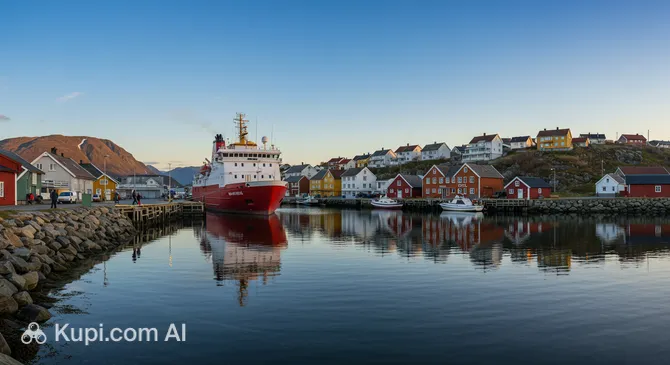
Welcome to Stokmarknes, a picturesque town situated in the heart of the Vesterålen archipelago. Often celebrated as the birthplace of the iconic Coastal Express, this destination offers a unique blend of maritime heritage and breathtaking natural beauty. Located in the northern part of Norway, on the island of Hadseløya, it serves as the administrative center of Hadsel Municipality. Despite its modest size, with a population of approximately 3,400 residents, the town pulses with life and serves as a vital hub for the surrounding region.

Stokmarknes. Source: Kupi.Binoculars

The town is deeply connected to the sea, and its significance is best understood by exploring its local legacy. It was here that Richard With founded the famous shipping line in 1893, forever changing communication along the Norwegian coast. Visitors can delve deeper into this fascinating past by exploring the history of Stokmarknes, which is inextricably linked to the development of coastal travel. The climate here is oceanic, often milder than one might expect for such a northern latitude, thanks to the warming influence of the Gulf Stream.

One of the main highlights for any visitor is the Hurtigruten Museum, a spectacular facility where you can explore the retired ship MS Finnmarken, which is preserved on land inside a striking glass building. Beyond the museum, the town offers stunning views of the surrounding alpine mountains and the majestic Hadsel Bridge. Whether you are interested in maritime culture or simply want to enjoy the serene landscapes of the north, Stokmarknes is a delightful and inspiring stop on your journey.

Weather Overview

Stokmarknes experiences a coastal climate that is surprisingly mild for its northern latitude, largely due to the influence of the Gulf Stream. Winters are generally cold, with average temperatures in January hovering around -2.8°C, while the summer season brings pleasant warmth, peaking in July with an average temperature of 12.9°C. Throughout the year, the weather can be quite changeable, and precipitation is frequent, with the number of wet days ranging from 13 to 19 per month.

For those looking to time their visit perfectly, checking the current weather in Stokmarknes is highly recommended. Expect mild summers with regular rainfall and cold winters where temperatures frequently dip below freezing. Spring and autumn are cool transition periods, with May averaging 6.1°C and October around 4.3°C, requiring layers to stay comfortable while exploring the outdoors.

Interesting Facts

Beyond the scenic harbor and mountain views, Stokmarknes holds several intriguing secrets that reveal its deep connection to maritime history and regional importance.
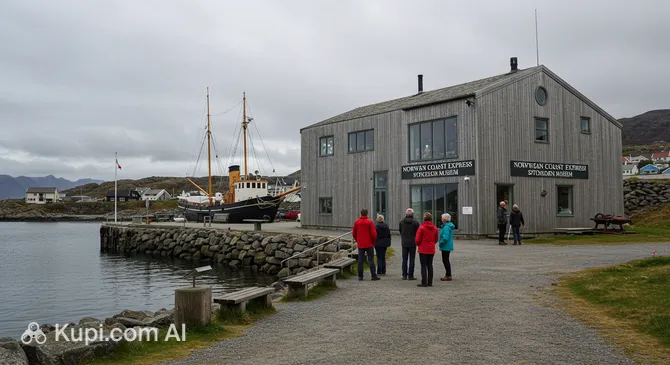
Norwegian Coastal Express Museum. Source: Kupi.Binoculars
  • The town is famous for housing a massive "ship in a bottle." The Norwegian Coastal Express Museum features the retired MS Finnmarken from 1956, which has been hauled onto land and encased in a gigantic glass structure, creating one of the world's largest indoor museum objects.

  • Although it has functioned as a vital trading post since 1776, Stokmarknes only officially received its town status in the year 2000, making it a relatively "young" town despite its centuries-old roots.

  • Despite its modest population, the town serves as the medical capital of the Vesterålen archipelago. It hosts the region's main hospital, a role that has historically made it a crucial hub for local island communities far beyond just tourism.

How to Get There

Reaching the heart of Vesterålen is an integral part of the experience, offering scenic routes through Northern Norway's dramatic landscapes. Whether you prefer flying directly into the archipelago or driving through the fjords, you can find more about how to get to Stokmarknes and the best travel logistics for your trip.

The most convenient entry point is the local Stokmarknes Skagen Airport (SKN), situated just 4.8 km from the town center. Because of its close proximity, the journey into town is very quick, typically taking a short 10-minute drive by taxi or shuttle. This regional airport handles a moderate amount of traffic and offers vital connections to other parts of the country.

For travelers seeking more international connections or flight options, the Harstad/Narvik Airport, Evenes (EVE) is a major alternative. Located in the city of Harstad, roughly 72.7 km away, it serves as a larger hub for the region. The transfer from Evenes involves a longer scenic journey, taking approximately 2.5 hours by road transport. Another nearby option is Helle Airport (SVJ) in Svolvaer, located 37.0 km away, which connects visitors to the neighboring Lofoten islands.

For clarity, here is a summary of the main airports:

Airport Name City Passenger Traffic Km from City
Harstad/Narvik Airport, Evenes Harstad High 72.7
Leknes Airport Leknes Medium 70.3
Stokmarknes Skagen Airport Stokmarknes Medium 4.8
Helle Airport Svolvaer Low 37.0
Andenes Airport Andenes Low 95.1

Main Attractions

Stokmarknes is often referred to as the birthplace of the Norwegian coastal steamer, and its attractions deeply reflect this maritime heritage. However, beyond its famous shipping history, the town offers captivating architecture, cozy meeting spots, and immediate access to the stunning nature of Vesterålen. Here are the top places to explore during your visit.

Undoubtedly the crown jewel of the town is the Norwegian Coastal Express Museum (Hurtigrutemuseet). This is not just a standard museum; it is a monumental tribute to the coastal culture of Norway. Visitors can physically walk aboard the retired MS Finnmarken, which is preserved inside a massive glass structure, protecting it from the elements. Walking through the lounges and cabins offers a nostalgic journey back to the 1950s, while modern exhibitions detail the history of the shipping line that connected the country's coast. It is an immersive experience that appeals to history buffs and maritime enthusiasts alike.

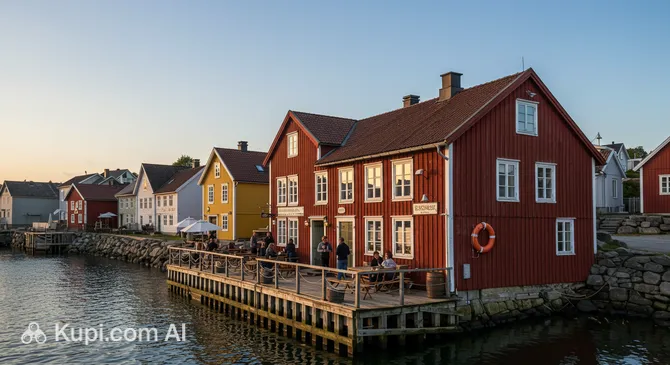
For a taste of local atmosphere and history, travelers should head to the waterfront to visit Rødbrygga. Located in a traditional red wharf building, this venue serves as a restaurant, pub, and concert stage. It is a favorite among locals and tourists for its rustic charm and views over the harbor. Whether you are looking for a hearty meal or a place to relax with a drink after a day of sightseeing, the authentic maritime setting makes it a standout location in the town center.

Rødbrygga. Source: Kupi.Binoculars

Dominating the skyline is the majestic Hadsel Bridge, which connects the island of Hadseløya to Langøya. While it serves a functional purpose as part of the road network, it is also a scenic attraction in its own right. Walking or cycling across the bridge offers some of the best panoramic views of the surrounding fjords and the alpine peaks of the Lofoten Wall in the distance. It is particularly beautiful under the midnight sun in summer or when the northern lights dance above it in winter.

Adjacent to the museum is Hurtigrutens Hus, the region's main cultural center. This modern facility serves as the living room of Stokmarknes, hosting a cinema, theater, and various conferences. For tourists, it is often the venue for local concerts and cultural events that showcase the vibrant artistic life of Vesterålen. Its architecture complements the nearby museum, creating a dedicated cultural quarter right by the sea.

Local Cuisine

The culinary scene in Stokmarknes is deeply rooted in the traditions of the Vesterålen archipelago, where the cold, clean waters of the Norwegian Sea provide world-class ingredients. Unsurprisingly, seafood is the undisputed star of the local menu. Visitors can expect fish that is as fresh as it gets, often caught just hours before being served. From delicate halibut to hearty fish soups, the flavors are authentic and reflect the town's close relationship with the ocean.

A true signature dish of the region that adventurous eaters should try is Boknafisk. This is a traditional Northern Norwegian delicacy made from cod that has been semi-dried by the wind for a few weeks. It is typically served with stewed peas, bacon, and boiled potatoes, offering a unique texture and a rich, concentrated flavor. For dessert, look for treats made with cloudberries (multe). These "Arctic gold" berries grow in the wild marshlands and are often served with whipped cream or as a tart, providing a sweet and tart finish to a meal.

When it comes to drinks, the locals enjoy a strong coffee culture, which is an essential part of daily life in the north. For something stronger, Aquavit (Akevitt) is the traditional Scandinavian spirit, often sipped alongside festive meals or fatty fish dishes to aid digestion. You may also find a selection of craft beers from Northern Norway, which has a thriving brewing scene that takes pride in using local water and ingredients.

Dining in Stokmarknes is generally a casual and cozy affair, often taking place in historic settings that celebrate the town's maritime past. A perfect example of this is Rødbrygga, a popular restaurant and pub located right on the waterfront. Housed in a traditional red wharf building, it is a favorite meeting place for both locals and tourists, serving hearty traditional meals and drinks in an atmosphere filled with rustic charm and history.

Travel Tips

Planning a trip to Stokmarknes means preparing for the unique rhythm of life in the Vesterålen archipelago, where the weather dictates the schedule and nature is always close by. To ensure your visit to this historic maritime town is as smooth and enjoyable as possible, here are some practical tips to keep in mind before you pack your bags.

  1. Master the Art of Layering. The weather in Vesterålen is notoriously unpredictable, shifting from sunshine to rain in minutes. Regardless of the season, bring a windproof and waterproof outer layer. For winter visits, thermal underwear and wool sweaters are non-negotiable, while sturdy, waterproof walking shoes are essential year-round for exploring the harbor and nearby trails.

  2. Transportation Options. The town center of Stokmarknes is compact and easily navigable on foot. However, to truly explore the surrounding islands of Hadseløya and Langøya, renting a car is highly recommended as public bus schedules can be infrequent, especially on weekends. Taxis are available but can be expensive for longer distances.

  3. Going Cashless. Norway is a leader in digital payments, and Stokmarknes is no exception. Major credit and debit cards (Visa, Mastercard) are accepted almost everywhere, from museums to small kiosks. While you can withdraw Norwegian Krone (NOK) from local ATMs, you will rarely need physical cash. Tipping is not mandatory, but rounding up the bill at restaurants is a polite gesture.

  4. Health and Safety. Stokmarknes is home to the main hospital for the Vesterålen region, ensuring excellent medical care is readily available if needed. The town is incredibly safe with very low crime rates. However, always exercise caution near the water's edge, especially during winter when icy patches can be slippery and hard to see.

  5. Communication and Connectivity. You will find that nearly everyone speaks excellent English, so communication is rarely a barrier. Free Wi-Fi is common in hotels, cafes, and public buildings like Hurtigrutens Hus. If you need mobile data, prepaid SIM cards from providers like Telenor or Telia can be purchased at convenience stores, though EU residents can often "roam like at home."

  6. Respecting Local Etiquette. Norwegians value personal space and tranquility. When greeting locals, a firm handshake and a simple "Hei" suffice. It is polite to keep your voice down in public places and on transport. If you are invited to a local's home, remember the golden rule: always remove your shoes at the door before entering.

  7. What to Avoid. Do not assume that shops and services will be open on Sundays. In Norway, most grocery stores and retail shops close entirely on Sundays, so plan your shopping for food and essentials on Saturday. Also, avoid buying bottled water; tap water in Stokmarknes is some of the purest and tastiest in the world, so bring a reusable bottle instead.

  8. Alcohol Regulations. Be aware that buying alcohol is strictly regulated. Beer can be bought in supermarkets before 8:00 PM on weekdays (and earlier on Saturdays), but stronger spirits and wine are sold exclusively at the state-run Vinmonopolet. Check the opening hours in advance, as they are quite limited.

By keeping these practicalities in mind, you can focus less on logistics and more on the stunning coastal scenery and rich history that Stokmarknes has to offer. Whether you are here to see the midnight sun or the northern lights, a little preparation goes a long way in this beautiful corner of the north.

Entertainment & Nightlife

Nightlife in Stokmarknes is characterized by a relaxed, small-town atmosphere rather than a bustling club scene. With a population of just over 3,000, the evening entertainment revolves around cozy pubs, social gatherings, and cultural events. The nightlife is concentrated primarily along the waterfront and the town center, where locals and visitors mix in an informal and friendly setting. You will not find large nightclubs or strict dress codes here; instead, the vibe is warm, welcoming, and distinctly maritime.

The undisputed social heart of the town is Rødbrygga. Located right on the harbor in a historic wharf building, this venue transforms from a restaurant during the day into a lively pub in the evenings. It is the go-to spot for everything from a casual beer to live music concerts and quiz nights. The rustic wooden interior and the terrace overlooking the sea make it the perfect place to experience the local culture. On weekends, it stays open later, often serving as the main meeting point for the town's residents.

For a more cultural evening, Hurtigrutens Hus is the primary destination. This cultural center houses a modern cinema and a theater stage that hosts concerts, stand-up comedy, and local performances throughout the year. It serves as a quieter alternative to the pub scene, offering entertainment for all ages. Additionally, the bar at the Quality Hotel Richard With offers a sophisticated lounge setting for those who prefer a quiet glass of wine or a cocktail while enjoying views of the passing ships.

When planning a night out, keep in mind that alcohol prices in Norway are high compared to many other countries. A standard beer in a bar can cost between 100 and 130 NOK. Bars typically close around 1:00 AM or 2:00 AM on weekends, and earlier on weekdays. The dress code is almost exclusively casual; practical clothing is preferred, especially in winter when the walk between venues can be chilly.

Stokmarknes is an incredibly safe town for night walks. The streets are well-lit, and the crime rate is very low, making it safe to walk back to your accommodation at any hour. However, be cautious near the water's edge, as the harbor areas can be slippery. The town is compact enough to navigate on foot, but if you need a ride, local taxis are available, though it is advisable to book one in advance on busy weekend nights.

During the daylight hours, entertainment shifts towards exploring the region's heritage and nature. The Norwegian Coastal Express Museum is the premier attraction, offering an immersive look into maritime history. Beyond the museum, the town is a gateway to outdoor activities, including sea kayaking, rib boat safaris, and hiking the nearby peaks of Hadseløya, which offer stunning panoramas of the Vesterålen archipelago.

Parks & Museums

Stokmarknes offers a seamless blend of cultural heritage and accessible outdoor recreation, making it a perfect destination for travelers who appreciate both history and nature. While the town is small, its position on the island of Hadseløya provides immediate access to stunning green spaces, while its museums reflect the deep maritime traditions that define the Vesterålen archipelago.

For those seeking fresh air and panoramic views, Storheia is the town's premier natural escape. Acting as the local "city mountain," it offers a well-marked hiking trail that is accessible to most fitness levels. Reaching the summit rewards visitors with a breathtaking 360-degree view of the Hadsel Bridge, the surrounding fjords, and the jagged peaks of the Lofoten Islands in the distance. It is an ideal spot for a picnic or simply to admire the midnight sun during the summer months.

Another significant green area is the island of Børøya, which is connected to Stokmarknes by a bridge. This area serves as a recreational haven for locals and tourists alike, featuring walking paths that wind through coastal landscapes. It is a peaceful place to observe local birdlife or enjoy a quiet stroll along the water's edge, away from the hum of the town center. The proximity to the sea means the air is always crisp and invigorating.

When it comes to culture, the town's identity is anchored by the Norwegian Coastal Express Museum. This world-class facility is the centerpiece of Stokmarknes, celebrating its status as the birthplace of the Hurtigruten coastal steamer. The museum's main attraction is the retired ship MS Finnmarken, which visitors can explore from the engine room to the bridge. The exhibitions provide a fascinating look at how these ships connected Norway's coastal communities, making it a must-visit for anyone interested in maritime history.

Just next door lies Hurtigrutens Hus, the region's dynamic cultural center. While not a traditional museum, it functions as the artistic heart of the municipality. It hosts a cinema, theater productions, and often features temporary art exhibitions or cultural displays. The architecture of the building itself is modern and impressive, designed to complement the maritime surroundings and serve as a gathering place for the community.

For history enthusiasts, a short drive from the town center leads to the Hadsel Church. This beautiful red wooden church, built in an octagonal style in 1824, is a significant architectural landmark. It stands on a site that has been a meeting place for centuries, with records of a church here dating back to the Middle Ages. The interior is richly decorated, and the surrounding grounds offer a glimpse into the region's religious history and community life over the years.

An authentic insider tip for visitors is to explore the Old Trading Post area near the waterfront. While much of the town is modern, pockets of the old coastal trading atmosphere remain. Walking along the quays gives you a sense of the bustling trade that established Stokmarknes as a key center in the 19th century. Afterward, a stop at a local venue like Rødbrygga allows you to soak in this historic ambiance while enjoying local hospitality.

Getting Around

Given the modest size of Stokmarknes, the public transport system is relatively simple and scaled to the needs of a small coastal community. There is no metro, tram, or trolleybus network here. Instead, the town and the surrounding Vesterålen archipelago are served by a reliable network of regional buses operated by Reis Nordland. These buses connect the town center with the airport, the ferry port at Melbu, and neighboring towns like Sortland. While the network is efficient, frequencies can be lower than in large cities, especially on weekends and during school holidays.

For payment and route planning, the most convenient tool for tourists is the Reis mobile app. This application allows you to purchase single tickets and travel passes digitally, often at a lower rate than buying on board. If you prefer not to use the app, you can buy tickets directly from the driver using a credit or debit card (Visa and Mastercard are widely accepted). Cash is becoming less common and may incur a surcharge. Ticket prices are zone-based; a standard single ticket for a short local journey typically costs around 44 NOK, while longer trips across zones will be higher. 24-hour passes and weekly travel cards are also available for those planning extensive exploration.

A unique and historic feature of transport in this region is the Coastal Express (Hurtigruten and Havila Voyages). Since Stokmarknes is a daily port of call for both northbound and southbound ships, these vessels function as a "coastal metro" for locals and tourists alike. You can buy a port-to-port ticket to travel to nearby destinations like Svolvær or Sortland, enjoying a scenic mini-cruise as part of your transit. Tickets for these short hops can be booked online or at the quay, but it is advisable to check the schedule in advance as the ships dock for a limited time.

Practical advice for visitors includes checking the bus timetables carefully via the Reis app or website, as some routes may only run a few times a day. When boarding a bus, you must signal the driver clearly, as stops are often by request. Validation is simple: if you have a digital ticket, just show it to the driver upon entry; if you have a physical travel card, tap it on the reader. Be aware that public transport operations wind down early in the evening, so late-night travel usually requires alternative arrangements.

For alternatives, taxis are available but can be quite expensive compared to other European destinations. It is highly recommended to book a taxi in advance, especially if you need a ride to the airport or late at night, as there is no constant stream of cabs cruising the streets. For maximum flexibility, many tourists opt for car rentals, which allow you to explore the scenic bridges and remote corners of Hadseløya at your own pace. During the summer months, bicycle rentals are also a popular and eco-friendly way to navigate the compact town center and its immediate surroundings.

Accommodation

Finding accommodation in Stokmarknes is relatively straightforward, as the options are concentrated and cater well to the needs of travelers exploring the Vesterålen archipelago. The range of places to stay is characteristic of a small Northern Norwegian town: limited in quantity but generally high in quality and comfort. Visitors can choose from standard full-service hotels, cozy guesthouses, and self-catering apartments that offer a "home away from home" experience. For a more authentic coastal vibe, there are also options to stay in cabins or "rorbu" (traditional fishermen's cottages) in the surrounding areas.

The most popular and convenient area to stay is the town center, specifically near the harbor and the main quay. Staying here places you within easy walking distance of the Norwegian Coastal Express Museum, the cultural center, and local dining spots like Rødbrygga. Being centrally located is particularly advantageous for those arriving by the Hurtigruten or Havila coastal ships, as you can often walk directly from the gangway to your hotel lobby. This area also offers lovely views of the strait and the passing maritime traffic.

While the town does not host a wide variety of international hotel chains, the local hospitality sector is robust. You will typically find a main hotel that serves as the social hub for visitors, often featuring an on-site restaurant and bar. In addition to the primary hotel, there are smaller lodging houses and camping facilities nearby for those traveling on a budget or with a camper van. These spots often provide excellent access to nature and hiking trails while remaining close to the amenities of the town.

Booking Tip: Because Stokmarknes is a small town with a limited number of beds, accommodation can fill up quickly, especially during the peak summer season (June to August) and the Northern Lights season in winter. It is highly recommended to book your stay several months in advance to secure your preferred dates and rates. During major local events or conferences, availability can become extremely scarce.

Regarding costs, travelers should be prepared for mid-range to high prices, which is standard for Norway. Budget options like hostels are rare, so planning your budget accordingly is wise. Booking is most easily done through major online travel platforms or directly via the property's website. Most accommodations offer free Wi-Fi and breakfast is frequently included in the room rate, adding value to your stay.

Nearby Cities

For those looking to explore the surroundings, Stokmarknes serves as an excellent base for nearby destinations and regional excursions. The region is well-connected by bridges and tunnels, allowing visitors to experience the diversity of Northern Norway within a reasonable distance.

One of the most popular locations is Harstad, located approximately 71 km away. Known for its rich cultural calendar and Viking history, it is home to the medieval Trondenes Church and the Grottebadet water park, which is built deep inside a mountain. For travelers willing to venture further, Tromsø—often called the "Paris of the North"—offers a vibrant urban atmosphere. While the distance makes it a significant journey best suited for an overnight stay rather than a quick day trip, iconic landmarks like the Arctic Cathedral and the lively harbor area make it a worthwhile adventure.

City Population Distance (km)
Bodo 52,803 144
Harstad 50,000 71
Tromsø 38,980 201
Mo i Rana 18,899 253
Tromsdalen 16,787 202

These nearby destinations offer a glimpse into the diverse culture and landscapes of the region, ranging from historical sites to modern Arctic cities.

Shopping & Souvenirs

Shopping in Stokmarknes is a relaxed and stress-free experience that reflects the town's small-scale charm. While it is not a major retail hub like the nearby "blue city" of Sortland, it offers everything a visitor might need for their stay, along with a few hidden gems. The retail scene focuses primarily on daily essentials, local handicrafts, and maritime-themed goods, allowing tourists to browse at a leisurely pace without the crowds found in larger cities.

The heart of the town's commercial activity is centered around Markedsgata, the main shopping street. This area serves as a meeting point for locals and features a selection of smaller boutiques, cozy cafes, and service shops. Walking along this street provides a pleasant mix of window shopping and sightseeing, with the harbor never far from view. It is the perfect place to pick up casual clothing, books, or pharmacy items while soaking in the local atmosphere.

For a more concentrated shopping experience, visitors can head to Bykuben Shopping Center. This small local mall is conveniently located in the town center and houses a grocery store, a pharmacy, and a handful of specialty shops selling clothes and interior goods. While it does not rival the massive malls of Oslo, it provides a convenient "one-stop" destination for travelers needing to restock supplies or find practical items for their journey through the archipelago.

Permanent open-air markets are not a staple of the town's daily life, but the central square occasionally comes alive during seasonal events and festivals. During the summer months or leading up to Christmas, you may find pop-up stalls selling local produce, cured meats, and handmade crafts. These temporary markets are excellent places to interact with local vendors and sample regional flavors directly from the source.

When searching for unique keepsakes, the best place to start is the gift shop at the Norwegian Coastal Express Museum. This shop offers a curated selection of high-quality maritime souvenirs, books about coastal history, and branded goods that you won't find elsewhere. Other popular items to bring home from the region include traditional Norwegian wool sweaters, which are perfect for the Arctic climate, and local culinary delicacies like stockfish or cloudberry jam.

Most shops in Stokmarknes follow standard Norwegian opening hours. You can generally expect stores to be open from 10:00 AM to 5:00 PM on weekdays, with reduced hours on Saturdays, often closing around 3:00 PM or 4:00 PM. It is important to note that, like in the rest of Norway, nearly all retail shops and supermarkets are closed on Sundays. Payment is seamless, with credit and debit cards being the preferred method everywhere; even small kiosks typically accept digital payments, so carrying large amounts of cash is unnecessary.

International tourists residing outside of Scandinavia may be eligible for a tax-free refund on purchases made in affiliated stores. Look for the "Tax Free" signage in shop windows. If you spend above a certain threshold in a single store, you can ask for a refund form, which can be redeemed at major departure points like airports or border crossings when leaving the country.
Reached the end of the page?

That means the route is fully explored