Support

Vaeroy

About

Welcome to Vaeroy, a mesmerizing island municipality that offers a unique escape into the raw beauty of the Arctic. Situated at the southern tip of the famous Lofoten archipelago, this destination is renowned for its dramatic landscapes, where rugged mountains rise directly from the sea. Although it is a small community with a population of around 760 people, the island's vibrant atmosphere and stunning natural surroundings make it a bucket-list location for travelers seeking tranquility and adventure in Norway.

Geographically, Vaeroy is distinct because it lies somewhat isolated from the rest of the Lofoten chain, accessible by ferry or helicopter. Despite its location north of the Arctic Circle, the island enjoys a surprisingly mild climate thanks to the warming influence of the Gulf Stream. This weather phenomenon prevents the sea from freezing in winter, creating a habitat that sustains both a rich marine life and a thriving local community.
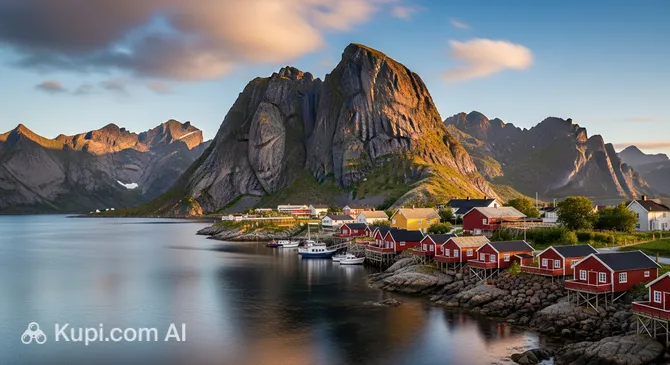
Vaeroy. Source: Kupi.Binoculars

The island has been inhabited for centuries, and the history of Vaeroy is inextricably linked to the sea and the age-old tradition of stockfish production. For generations, locals have relied on the rich fishing grounds surrounding the island. Today, visitors can still see the iconic wooden racks used for drying fish, which stand as a testament to the island's enduring cultural heritage and economic backbone.

Nature lovers will find plenty to admire here. Vaeroy is famous for its spectacular bird cliffs, particularly on the southern side of the island, which host thousands of nesting seabirds, including puffins. It is also the place of origin for the unique Norwegian Lundehund (Puffin Dog), a breed historically used for hunting these birds. For hikers, the trek up to Håen offers panoramic views that are often described as some of the best in Lofoten, overlooking the azure waters and the distant mainland.

Whether you are chasing the Midnight Sun in summer or hoping to catch a glimpse of the Northern Lights in winter, Vaeroy provides an unforgettable backdrop. We invite you to explore this hidden gem, where the power of nature and the warmth of the local hospitality create a truly magical travel experience.

Weather Overview

The weather conditions in Vaeroy are characterized by their remarkable stability and lack of extremes. Unlike many other destinations at this latitude, the island avoids deep freezes, offering a temperate environment that allows for exploration in various seasons. If you need specific forecasts or historical data to schedule your activities, checking the guide to the weather in Vaeroy is highly recommended.

Seasonal changes here are subtle compared to inland locations. During the coldest months of January and February, average temperatures generally hover between 2.1°C and 2.5°C, keeping the air cool but manageable. Summer provides a pleasant lift, with August typically being the warmest month, averaging around 12.5°C. Precipitation is a frequent occurrence, so packing waterproof gear is essential; while the total rainfall volume is often low, you can expect anywhere from 10 wet days in July to around 22 days in January.

Interesting Facts

Beyond the main attractions, Vaeroy holds many fascinating secrets and historical quirks that surprise even seasoned travelers. From unique biological marvels to dramatic local history, the island offers stories as rugged as its landscape.
  • Eagle Catching Tradition: In the past, islanders practiced a unique method of hunting eagles using their bare hands. They would hide in small stone caves known as "eagle houses," baiting the birds and grabbing them by the legs when they landed, a tradition distinct to this community.

  • A Six-Toed Dog: The island is the origin of the Norwegian Lundehund, a dog breed that evolved with six fully developed toes on each foot and extraordinary neck flexibility. These physical anomalies allowed the dogs to navigate the steep, slippery cliffs to hunt puffins, making them a zoological curiosity found nowhere else.

  • The Legendary Maelstrom: The waters just north of the island contribute to the famous Moskstraumen, one of the world's strongest tidal whirlpools. This terrifying natural phenomenon has inspired dramatic tales by renowned authors like Edgar Allan Poe and Jules Verne.

  • The Abandoned Runway: Vaeroy was once home to a uniquely dangerous airport located on the exposed northern coast. Due to severe and unpredictable wind shear, it was closed to commercial traffic in the 1990s, and the old runway has since become a scenic walking path for visitors.

How to Get There

Reaching the remote island of Vaeroy is part of the adventure, offering travelers a chance to experience the stunning logistics of the Norwegian coast. Since the island is located at the southern tip of the Lofoten archipelago, it is not connected to the mainland by bridges or tunnels. Visitors typically arrive by sea or air from the mainland city of Bodø. For a comprehensive guide on all available transport options, including ferry schedules and helicopter services, you can read more about how to get to Vaeroy.

The city of Vaeroy does not have its own airport for commercial fixed-wing aircraft; however, it is well-connected via the Bodo Airport (BOO) in the city of Bodø. This is the primary regional hub, located approximately 85 km across the Vestfjorden from Vaeroy. It handles a large volume of passenger traffic and offers numerous daily connections to Oslo and other major cities. Upon landing in Bodø, travelers can take a short taxi ride to the ferry terminal or the heliport to continue their journey to the island.

Another option for those already exploring the Lofoten region is the Leknes Airport (LKN), situated in the city of Leknes, about 67 km away. While smaller than Bodø's airport, it serves as a key entry point for the archipelago. Additionally, the Stolport Airport (RET) in the neighboring municipality of Røst is the closest facility, located just 29 km from Vaeroy. Røst and Vaeroy are connected by the same ferry route that services Bodø, making island-hopping a viable possibility.

For clarity, here is a summary of the main airports in the vicinity:

Airport Name City Passenger Traffic Km from City
Bodo Airport Bodo Large 85.2
Leknes Airport Leknes Medium 66.8
Stokmarknes Skagen Airport Stokmarknes Medium 140.9
Helle Airport Svolvaer Medium 105.4
Stolport Airport Røst Small 29.0

Main Attractions

Håen (Mount Håheia) is arguably the most iconic landmark on the island and a must-visit for any traveler. Rising 438 meters above sea level, this mountain offers a hiking experience that is accessible to most, thanks to an old paved military road that winds its way almost to the top. The summit rewards hikers with a breathtaking panoramic view of the steep bird cliffs and the abandoned village of Måstad far below. It is widely considered one of the most photogenic spots in the entire archipelago, offering a perspective where the mountains seem to rise vertically from the open ocean.

For a glimpse into the island's cultural heritage, the Old Værøy Church stands as a charming testament to history. Located in the village of Nordland, this red wooden church is the oldest of its kind in Lofoten that is still in use. Originally built in Kabelvåg around 1714, it was dismantled and moved to Værøy in 1799 to serve the local community. Its distinctive onion-shaped dome and beautifully preserved interior provide a peaceful atmosphere and a direct link to the religious traditions of the fishing community.

The abandoned village of Måstad offers a unique combination of adventure and mystery. Located on the remote southern part of the island, this settlement was once a thriving community known for its specialized puffin hunting and the origin of the unique Norwegian Lundehund dog breed. Today, it is uninhabited and accessible only by a boat trip or a scenic hike along the coast. Exploring the ruins and the surrounding rugged landscape gives visitors a profound sense of the isolation and resilience that defined life here for centuries.

Nature enthusiasts looking for tranquility should visit Breivika, a stunning bay on the island’s eastern side. This area is famous for its crystal-clear turquoise waters and pristine white sandy beach, which contrast dramatically with the dark, towering cliffs of the Nordlandsnupen mountain in the background. It is a perfect spot for a scenic walk, photography, or simply enjoying the fresh Arctic sea breeze in a setting that rivals tropical paradises in its visual beauty.

Local Cuisine

The culinary landscape of Vaeroy is deeply rooted in its maritime heritage, offering a taste of the Arctic that is both rustic and refined. Due to the island's location in the rich fishing grounds of Lofoten, fresh seafood dominates the menu. The ingredients here are sourced directly from the cold, clean waters of the Norwegian Sea, ensuring a quality and freshness that is hard to match elsewhere. Visitors can expect hearty, traditional meals that have sustained fishermen for generations, often served with a modern twist in the local guesthouses.

The undisputed star of the local cuisine is stockfish (tørrfisk). Vaeroy's unique climate, with stable temperatures and salty winds, makes it one of the world's premier locations for drying cod. You will find this delicacy served in various forms, from a healthy, jerky-like snack rich in protein to the main ingredient in lutefisk, a traditional dish served with bacon, pea stew, and potatoes. Another must-try is boknafisk, which is semi-dried cod that retains a distinct texture and intense flavor, typically accompanied by creamy stewed carrots.

For those who prefer meat, the Lofoten lamb is a culinary highlight. The sheep on Vaeroy graze freely on the steep, salty hillsides and eat seaweed along the shore, which naturally seasons the meat and gives it a tender, savory quality. This lamb is often roasted and served with root vegetables, providing a warming comfort food that contrasts perfectly with the crisp Arctic air.

To accompany these robust flavors, locals often enjoy Aquavit (Akevitt), a traditional Scandinavian spirit distilled from potatoes and flavored with herbs like caraway and dill. It is traditionally sipped slowly to aid digestion after a heavy seafood meal. For non-alcoholic options, the local tap water is exceptionally pure, but you can also find a strong coffee culture here, with hot coffee being the standard drink to warm up after a day of hiking or fishing.

The dining scene in Vaeroy is intimate and unpretentious. You won't find bustling street food markets or international fast-food chains; instead, the food culture revolves around cozy restaurants often attached to hotels or traditional rorbuer (fishermen's cabins). These venues offer a warm, hospitable atmosphere where the focus is on home-cooked style meals. Due to the small size of the community, it is common for tourists and locals to dine in the same establishments, creating a shared social experience centered around the love of good, honest food.

Travel Tips

Visiting the remote island of Vaeroy requires a bit more preparation than a standard city break, but the reward is an experience of untouched Arctic nature. To help you navigate the logistics of this isolated community in Norway, we have compiled a list of essential practicalities.

  1. Clothing and Gear: The weather here is notoriously unpredictable and often windy. You should adopt the "onion principle" by wearing multiple layers of wool or thermal synthetic materials. A high-quality windproof and waterproof outer shell is non-negotiable, even in summer. If you plan to hike up to Håen, bring sturdy, waterproof hiking boots with good ankle support, as the terrain can be slippery.

  2. Transportation: Vaeroy is small, and there is no public transport network like buses or trains on the island. While you can bring a car on the ferry from Bodø, many visitors find that a bicycle is the perfect way to get around. The distances are manageable, and the roads are quiet. There is a limited taxi service available, but booking in advance is highly recommended.

  3. Finances: The currency is the Norwegian Krone (NOK). Like the rest of the country, Vaeroy is almost entirely cashless. Credit and debit cards (Visa and Mastercard) are accepted practically everywhere, from the local grocery store to the ferry. It is wise to carry a small amount of cash for very minor purchases, but you will primarily rely on your card. Be aware that prices in remote locations can be higher due to transport costs.

  4. Health and Safety: There is a local doctor's office (legevakt) on the island for basic medical needs, but for serious emergencies, patients are transported to Bodø. A pharmacy outlet is available at the local grocery store, but the selection is limited to essentials, so bring any specific prescription medications you need with you. Always respect the weather warnings; the cliffs are dangerous during high winds.

  5. Communication: English is widely spoken and understood by almost everyone, so you will have no trouble communicating. Mobile coverage (4G/5G) is surprisingly good across the island, even on hiking trails. If you are from the EU/EEA, your mobile plan likely works here without roaming fees; otherwise, check with your provider or buy a prepaid SIM in Bodø before arriving.

  6. Local Etiquette: Norwegians value privacy and quiet enjoyment of nature. When hiking, it is polite to greet fellow trekkers with a simple "Hei." While the right to roam (allemannsretten) allows you to explore freely, you must keep a respectful distance from private homes and never leave trash behind. Camping is allowed in uncultivated areas, but always check local signage.

  7. What to Avoid: Do not disturb the wildlife, especially the nesting birds on the cliffs. Venturing too close to the edge of bird cliffs to get a photo is not only dangerous but can stress the puffin colonies. Also, avoid assuming that ferries run on a strict schedule during storms; cancellations due to weather are common, so flexibility is key.

  8. Grocery Planning: There is only one main grocery store on the island, and it is closed on Sundays and has shorter hours on Saturdays. If you are arriving on a weekend or late in the evening, make sure to bring some essential food supplies with you from the mainland to tide you over until the shop opens.

By keeping these tips in mind, you can focus less on logistics and more on the breathtaking scenery that makes Vaeroy so special. Pack warm clothes, respect the forces of nature, and get ready for an unforgettable Arctic adventure.

Entertainment & Nightlife

Entertainment and nightlife in Vaeroy are defined not by neon lights and thumping bass, but by the cozy warmth of local hospitality and the spectacular light shows provided by nature. Given the island's small population of around 760 people, you will not find sprawling nightclub districts or bustling bar streets here. Instead, the evening scene revolves around intimate gatherings in restaurant-bars and the shared appreciation of the Arctic silence. The "nightlife" is often centered in the main village area of Sørland, where visitors and locals mingle to share stories of the day's hikes or fishing expeditions.

The atmosphere in Vaeroy's venues is incredibly relaxed and informal. There is no strict dress code; wool sweaters and hiking pants are the standard attire, even for a night out. The most popular gathering spot is often the restaurant and bar at Lofoten Værøy Brygge. Located right on the waterfront, this venue offers a rustic, maritime setting where you can enjoy a pint of local beer or a glass of wine while overlooking the harbor. Another key location is Værøy Gamle Prestegård (The Old Vicarage), which provides a historic backdrop for evening dining and social events. These places typically close earlier than venues in major cities, often winding down around midnight, so it is best to start your evening early.

Practical advice for a night out involves understanding the local rhythm and costs. Alcohol in Norway is heavily taxed, so prices for drinks can be high compared to other European destinations; expect to pay a premium for cocktails or imported spirits. Since the venues are clustered in the Sørland area, getting around is usually a matter of a short walk. However, during the dark winter months, the streets can be icy and dimly lit, so wearing reflective gear and sturdy boots is essential. If you are staying further afield, taxis are limited and should be arranged in advance, as you cannot simply hail one on the street.

Safety is rarely a concern in this tight-knit community. Vaeroy is exceptionally safe for night walks, whether you are strolling along the breakwater to spot the Northern Lights or walking back to your accommodation. The primary "danger" at night comes from the elements—strong winds and changing weather—rather than crime. Visitors are encouraged to keep a flashlight handy and stay on marked paths if venturing away from streetlights.

While the nights are quiet, daytime entertainment offers a different kind of charm suited to the island's pace. There are no amusement parks or large theaters, but culture seekers can visit the local Lofoten Sjokolade (Chocolate Factory) located at the old airport for a sweet treat and a coffee, which serves as a delightful social hub during the day. The island's "entertainment" is largely extrinsic, provided by the dramatic landscape, bird watching tours, and the simple joy of exploring a community living on the edge of the open sea.

Parks & Museums

In the remote community of Vaeroy, you will not find manicured city gardens or sprawling national museums; instead, the entire island serves as a magnificent open-air park, while its rich history is preserved in intimate, historic buildings and the landscape itself. The distinction between nature and culture here is blurred, offering visitors a chance to explore heritage sites that are seamlessly integrated into the rugged Arctic scenery.

For a relaxing experience amidst nature, Punnsand serves as the island's natural recreational area. Located near the end of the road on the northern side, this spot features a secluded beach with soft sands and grassy dunes that are perfect for a picnic or a quiet afternoon. Unlike the dramatic cliffs elsewhere, this area offers a gentler landscape where locals and visitors alike come to enjoy the midnight sun or simply listen to the rhythm of the waves without the need for a strenuous hike.

Another unique "green space" is the area surrounding the Old Airport Runway on the northern coast. Since the airport's closure, the paved strip has been transformed into a popular flat walking path, ideal for families, cyclists, and joggers. It offers uninterrupted views of the open ocean and the dramatic mountain ridges, effectively functioning as the island's promenade. Walking here provides a sense of the island's exposure to the elements while keeping you on safe, level ground.

Culturally, the Værøy Old Vicarage (Værøy Gamle Prestegård) stands as a central pillar of the island's history. This restored building complex offers a glimpse into the life of the clergy and the prominent role they played in coastal communities. Today, it often serves as a venue for local events, exhibitions, and cultural gatherings, preserving the architectural style of the 19th century and providing a warm, historical atmosphere that contrasts with the harsh weather outside.

While not a traditional museum with glass cases, the Eagle Catching Caves function as an in-situ museum of Vaeroy's unique hunting heritage. Scattered along the hillsides, these stone structures tell the story of the ancient tradition where locals caught eagles with their bare hands—a practice unique to this island. Visiting these sites offers a tangible connection to the ingenuity and survival skills of the ancestors who lived here, effectively turning the mountainside into a living gallery of cultural history.

For an authentic local experience, take a moment to explore the small harbor area in Sørland. While it is a working port, the interaction between the fishing fleet and the community is the heart of Vaeroy's culture. Watching the boats come in with the day's catch offers a more genuine insight into the island's way of life than any static display could provide.

Getting Around

Due to the small size and remote nature of Vaeroy, the public transport system differs significantly from what you might expect in a typical city. There are no metros, trams, trolleybuses, or extensive bus networks operating within the island itself. The community is compact, and the infrastructure is designed primarily for private vehicles and pedestrian traffic, meaning visitors should not rely on scheduled public transit for getting from one attraction to another.

The primary form of motorized transport available for hire is the local taxi service. However, unlike in larger cities where you can hail a cab on the street, the taxi availability here is limited, often consisting of just one or two vehicles serving the entire population. It is essential to book your ride in advance, especially if you need transport from the ferry terminal or heliport to your accommodation upon arrival. Prices are generally higher than on the mainland, and meters are strictly used.

A unique and exciting feature of the transport network serving this community is the scheduled helicopter service. While primarily a link to the mainland city of Bodø, it functions as a vital part of the public transport infrastructure for locals, operating much like a bus service but in the sky. This is a rare experience for tourists and offers spectacular aerial views, though seats are limited and must be booked well in advance through the regional operator's website.

For getting around the island daily, the most popular "public" alternative is bicycle rental. The terrain on the main roads is relatively flat and traffic is light, making cycling the most efficient and enjoyable way to explore. Several local guesthouses and the tourist information center offer bike rentals. Walking is also a viable option for exploring the main village of Sørland, as distances between the store, the chocolate factory, and the harbor are short.

regarding payment, the system is almost entirely cashless. Whether you are paying for a taxi, renting a bike, or buying a ticket for the ferry connection, credit and debit cards (Visa and Mastercard) are the standard method. For regional travel planning, including ferry and helicopter schedules, the Reis app (provided by the Nordland county municipality) is an invaluable tool for checking times and potential disruptions due to weather.

Practical advice for tourists involves planning your movements carefully. Since there is no "hop-on, hop-off" transport, you should arrange your logistics before setting out for the day. If you plan to hike to remote areas like Måstad, be aware that you will need to walk the entire way or arrange a boat drop-off if available. Always have a backup plan, as the limited taxi service may be occupied with other passengers, particularly during the arrival times of the daily ferry.

Accommodation

Accommodation in Vaeroy is limited but deeply atmospheric, reflecting the island's maritime heritage rather than standard commercial tourism. You will not find sprawling luxury resorts or large international hotel chains here. Instead, the lodging landscape is dominated by traditional rorbuer (fishermen's cabins), cozy guesthouses, and small, family-run establishments. These options offer an authentic experience, allowing visitors to stay right at the water's edge, often in renovated historic buildings that have stood against the Arctic elements for decades.

The majority of accommodation is concentrated in the main village area of Sørland. This is the most convenient place to stay, as it places you within walking distance of the ferry terminal, the heliport, the island’s only grocery store, and the few dining options available. Staying in Sørland means you are at the heart of the community, with easy access to the harbor where you can watch the fishing boats come and go. For those seeking absolute solitude, there are also camping opportunities in designated areas, though amenities in the wilder parts of the island are non-existent.

One of the most popular ways to stay is at Lofoten Værøy Brygge, which serves as the island's primary hotel-style accommodation. Located directly on the quayside, it offers a mix of hotel rooms and traditional rorbuer apartments, providing stunning views of the harbor and the surrounding mountains. Another unique option is the Værøy Gamle Prestegård (The Old Vicarage), which offers a more historic and intimate guesthouse experience in a beautifully preserved 19th-century building. These establishments are not just places to sleep but serve as social hubs for the island.

Booking advice: Due to the very limited number of beds on the island and its increasing popularity, it is absolutely essential to book your accommodation well in advance. During the peak summer season (June to August), rooms can sell out months ahead of time. If you plan to visit during the winter for the Northern Lights or the fishing season, availability is better, but many places operate with reduced capacity or require prior arrangement.

In terms of pricing, Vaeroy generally falls into the mid-range to high category, consistent with the rest of Norway. Budget travelers may find options scarce aside from camping. Booking is typically done through major online travel platforms or by contacting the establishments directly via their websites. Be prepared for a self-catering style in many cabins, which often come equipped with small kitchenettes—a practical feature given the limited restaurant hours on the island.

Nearby Cities

While Vaeroy offers a peaceful retreat at the edge of the archipelago, a trip to this remote island is perfectly combined with exploring the wider Nordland region. The mainland hubs and neighboring towns provide a striking contrast to the island's isolation, serving as excellent stops on a broader itinerary through Northern Norway rather than simple day trips.

Bodø is the essential gateway to the island and the closest major city. As the regional capital, it bustles with activity and culture, hosting the impressive Norwegian Aviation Museum and providing access to Saltstraumen, the world’s strongest tidal maelstrom. It is the logistical heart of the area, where most travelers begin their ferry or helicopter journey to the Lofoten islands.

Traveling further through the province reveals other significant destinations. Narvik is renowned for its dramatic World War II history and the Narvikfjellet ski resort, which offers skiing with fjord views. Meanwhile, Harstad serves as a cultural center, famous for the medieval Trondenes Church and its rich Viking heritage. These cities offer a deeper dive into the arctic urban lifestyle.

City Population Distance (km)
Bodo 52803 86
Harstad 50000 204
Mo i Rana 18899 164
Narvik 14148 216
Lenvik 11618 296

Including these destinations in your travel plans allows for a comprehensive experience of the region, ranging from the urban energy of the mainland to the serene beauty of the islands.

Shopping & Souvenirs

Shopping in Vaeroy is a unique experience that mirrors the island's intimate and rugged character. Travelers should not expect large shopping malls or bustling high streets; instead, the retail scene here is small-scale, personal, and focused on quality over quantity. Visitors can explore a handful of charming local spots that offer essential goods and distinctive handcrafted items, making it easy to find a special memento of their Arctic adventure.

For those seeking authentic local souvenirs, Kaosheimen in the village of Sørland is a must-visit. This creative shop specializes in "redesign," transforming fabrics into unique clothing and interior decor items that capture the spirit of the island. Another highlight is Skarven Keramikk, a workshop where you can find beautiful handmade ceramics inspired by the colors and textures of the surrounding nature. Additionally, Lofoten Handcraft offers a selection of traditional goods, including warm woolen products perfect for the Norwegian climate.

A sweet treat awaits at Lofoten Sjokolade, located near the spectacular viewpoint of the old airport on the northern side of the island. This local chocolatier is renowned for producing exquisite handmade chocolates, often infusing them with distinct flavors like sea salt or berries. Visiting the shop provides not only a chance to buy delicious gifts but also an opportunity to enjoy the dramatic scenery of the abandoned runway.

Daily necessities and groceries can be purchased at Coop Prix Værøy, the island’s main supermarket located in the center of Sørland. This store serves as a community hub, stocking fresh produce, baked goods, and household essentials. It is also the only place to purchase beer, but visitors should be mindful of Norway's strict alcohol laws: beer sales stop at 8:00 PM on weekdays and 6:00 PM on Saturdays. The store is typically closed on Sundays, so it is wise to stock up on supplies if you arrive on a weekend.

Practicalities for shoppers include a reliance on card payments, which are accepted almost everywhere, from the grocery store to small craft shops. Cash is rarely needed. Be aware that prices for goods may be slightly higher than on the mainland due to the logistics of island transport. Since there is no state-run liquor store (Vinmonopolet) on Vaeroy, those wishing to purchase wine or spirits should do so in Bodø before boarding the ferry.

Reached the end of the page?

That means the route is fully explored