Support

Leknes

About

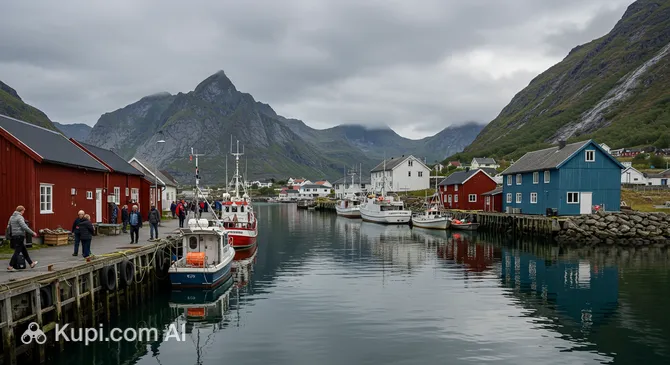
Situated in the heart of the stunning Lofoten archipelago, Leknes offers a unique blend of modern convenience and breathtaking natural beauty. As the administrative center of the Vestvågøy municipality in Norway, this lively town serves as a vital hub for trade and transportation in the region. Unlike the traditional wooden fishing villages often associated with the area, Leknes presents a more contemporary atmosphere, bustling with shops, cafes, and local activity.

Leknes. Source: Kupi.Binoculars

Geographically, the town is perfectly positioned for explorers, boasting a population of approximately 3,000 residents. While it is one of the few towns in Lofoten not directly dependent on fisheries, the history of Leknes reflects its steady growth from a farming community into a significant commercial center. Its central location makes it an ideal starting point for discovering the surrounding landscapes, where jagged mountain peaks meet the open sea.

Travelers are drawn here not just for the amenities, but for the easy access to some of the country's most spectacular sights. Just a short drive away lies the famous Haukland Beach, renowned for its white sands and crystal-clear waters. In the summer, the Midnight Sun illuminates the sky around the clock, while winter offers the magical dance of the Northern Lights. Whether you are looking to hike the rugged trails or simply soak in the Arctic ambiance, Leknes welcomes you to experience the best of Nordland.

Weather Overview

The climate in this part of the Lofoten archipelago is characterized by cool temperatures and frequent precipitation throughout the year. To help plan your outdoor activities and packing list, it is helpful to review the current weather in Leknes before you travel. Despite its location north of the Arctic Circle, the town experiences relatively mild winters, with average temperatures in January and February hovering around 1.1°C to 1.2°C, though wet days are very common, occurring up to 21 times a month.

Summer brings pleasant but modest warmth, making it the most popular time for visitors. August is typically the warmest month, with an average temperature of 12.5°C and highs reaching roughly 13.4°C. While the warmer season offers better conditions for hiking and sightseeing, rain is still a factor; even in July, which is generally the driest month, you can expect about 11 days with precipitation. Overall, travelers should anticipate cool, maritime summers with occasional showers and chilly, damp winters.

Interesting Facts

Beyond the main attractions, Leknes holds many fascinating secrets that distinguish it from the typical fishing villages of the region. This administrative center offers a different perspective on life in the archipelago, blending urban amenities with unique geographical features.
  • Unlike most towns in Lofoten that cling to rocky coastlines and rely solely on the sea, Leknes is situated inland and is surrounded by flat, green farmlands, showcasing a rare agricultural landscape amidst the dramatic mountains.

  • The town serves as the commercial heart of the islands, home to Lofotsenteret, which stands as one of the largest and most comprehensive shopping malls in this part of Northern Norway.

  • Due to its position above the Arctic Circle, the sun does not set here from approximately May 26 to July 17, providing nearly two months of continuous daylight known as the Midnight Sun.

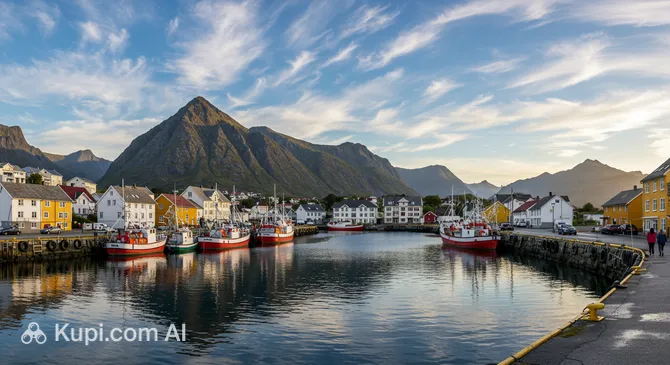
  • Despite its modest population, the town is a bustling international gateway, with Lofoten Harbour frequently hosting large cruise ships that bring thousands of visitors to explore the islands each summer.

Lofoten Harbour. Source: Kupi.Binoculars

How to Get There

Reaching this scenic destination in the Lofoten Islands is relatively straightforward, primarily due to its well-connected regional airport. While the archipelago can feel remote, modern transport links ensure that visitors can arrive comfortably. For a comprehensive overview of all travel options, including ferries and driving routes, you can read more about how to get to Leknes.

The most convenient entry point is Leknes Airport (LKN), which is situated practically within the town itself. Being a regional hub, it handles a significant number of passengers annually. Since the airport is located just 0.9 km from the city center, the transfer is incredibly quick; a taxi ride takes only a few minutes.

Alternatively, many travelers choose to fly into Bodo Airport (BOO) in the city of Bodo. This is a larger international gateway located about 102.9 km away from Leknes across the Vestfjorden. It serves as a major connection point for flights arriving from Oslo and other parts of Norway. If you were to travel from Bodo towards Leknes, be prepared for a longer journey that typically involves a ferry crossing or a connecting flight.

For clarity, here is a summary of the main airports serving the region:

Airport Name City Passenger Traffic Km from City
Bodo Airport Bodo Large 102.9
Leknes Airport Leknes Medium 0.9
Stokmarknes Skagen Airport Stokmarknes Medium 75.7
Helle Airport Svolvaer Small 45.3
Stolport Airport Røst Small 93.7

Main Attractions

Leknes serves as an excellent base for exploring the Lofoten archipelago, offering easy access to both commercial amenities and spectacular natural landscapes. While the town itself is modern and functional, its immediate surroundings boast some of Norway's most photographed scenery, making it a pivotal stop for any traveler in the region.

Just a few kilometers from the town center, Haukland Beach is widely regarded as one of Norway's most beautiful coastal spots. Visitors flock here not only for the striking visual contrast of white sand against dark mountains but also to hike the popular trail leading up to Mannen peak, which offers an unforgettable panoramic view of the bay below.

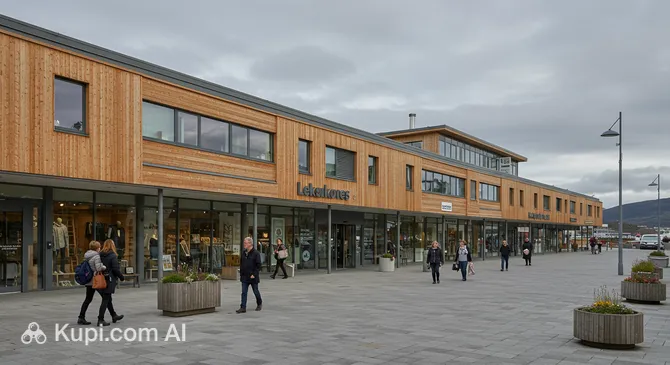
For those looking to experience the commercial heartbeat of the region, Lofotsenteret is a key destination. As one of the largest shopping malls in Lofoten, it offers a wide variety of stores, from fashion to local goods, providing a perfect refuge on rainy days or a convenient place to stock up on supplies before heading out into the wild.

Lofotsenteret. Source: Kupi.Binoculars

The town is also a major gateway for sea travelers, centered around the busy Lofoten Harbour. This port is a frequent stop for cruise ships, bringing a cosmopolitan feel to the area during the summer months. A walk along the waterfront allows visitors to watch majestic vessels dock against the dramatic backdrop of the jagged peaks that define the horizon.

Another natural gem in the vicinity is Uttakleiv Beach, often cited as one of the most romantic beaches in the world. Separated from Haukland by a tunnel, it faces the open ocean and is renowned for its smooth, round rocks and powerful surf. It is widely considered the premier location in the area to witness the Midnight Sun dipping close to the horizon or to spot the Northern Lights in winter.

Local Cuisine

The culinary scene in Leknes reflects the raw and bountiful nature of the Lofoten archipelago, offering a gastronomic experience deeply rooted in local traditions. As the commercial heart of the region, the town provides access to some of the freshest ingredients in the world, harvested directly from the cold Arctic waters and the surrounding fertile farmlands. Visitors can expect hearty, flavorful meals that prioritize quality and sustainability, with a heavy emphasis on seafood and free-range meat.

Undoubtedly, the star of the local menu is stockfish (tørrfisk), which you will see drying on wooden racks throughout the islands. In Leknes restaurants, this delicacy is often served grilled, baked, or as the main ingredient in a creamy fish soup. During the winter months, the seasonal Skrei (migratory Arctic cod) takes center stage, typically served with liver and roe in a traditional dish known as mølj. For those who prefer meat, the region is famous for Lofoten Lamb. These sheep graze on salty coastal pastures and seaweed, giving the meat a unique, tender flavor that is highly prized across Norway.

When it comes to drinks, the locals enjoy a strong coffee culture, with cozy cafes serving as popular meeting spots. To accompany a heavy traditional meal, you might be offered a glass of Aquavit, a Scandinavian spirit distilled from potatoes and flavored with herbs like caraway or dill. For a non-alcoholic treat, look for desserts or juices made from cloudberries (multer), the "Arctic gold" that grows in the wild marshes nearby and offers a distinctively tart and sweet taste.

Dining in Leknes is generally casual and relaxed, catering to both the local community and travelers. As the town is a hub for trade, you will find a variety of eateries ranging from quick bites to sit-down dinners. The bustling Lofotsenteret is a convenient stop for visitors, offering cafes and restaurants where you can sample local dishes or pick up fresh supplies. Additionally, the area around Lofoten Harbour sees a mix of activity, where the arrival of fresh catch and international visitors keeps the local food culture vibrant and dynamic.

Travel Tips

Preparing for a trip to Leknes means getting ready for an Arctic adventure where nature dictates the pace, so a little preparation goes a long way. To ensure your visit to the heart of the Lofoten Islands is as smooth and enjoyable as possible, here are some essential practical tips to keep in mind.

  1. Clothing and Gear: The weather in Leknes is famously unpredictable, often described as experiencing "four seasons in one day." Regardless of when you visit, bring layers—thermal underwear (preferably wool) is a must, topped with a waterproof and windproof jacket. Sturdy, waterproof hiking boots are essential if you plan to explore trails like Mannen or walk along Haukland Beach. If you visit in winter for the Northern Lights, pack insulated gloves, a hat, and reflective gear for walking along dark roads.
  2. Transportation: While there is a public bus system (Nordland) connecting Leknes to other parts of Lofoten, the schedules can be infrequent, especially on weekends. To truly experience the freedom of the archipelago, renting a car is highly recommended. This allows you to reach remote scenic spots at your own pace. Taxis are available but can be expensive for long distances.
  3. Finances: The local currency is the Norwegian Krone (NOK), but Norway is rapidly becoming a cashless society. You can pay with Visa or Mastercard almost everywhere in Leknes, from supermarkets to small cafes and parking meters. It is rarely necessary to carry large amounts of cash, though having a small amount of coins can be useful for older facilities. Tipping is not mandatory but rounding up the bill for good service is appreciated.
  4. Health and Safety: Leknes is a very safe town, but the primary risks are environmental. Always check the weather forecast before heading out on hikes, as conditions can change rapidly. For minor health issues, there is a pharmacy (Apotek 1) located within the Lofotsenteret shopping mall. Tap water is safe, pure, and delicious—bring a reusable bottle to fill up.
  5. Communication: The main language is Norwegian, but English is spoken fluently by nearly everyone, making communication effortless. Free Wi-Fi is widely available in hotels, cafes, and the airport. If you need mobile data, you can purchase a prepaid SIM card at convenience stores like Narvesen or grocery shops, provided your phone is unlocked.
  6. Local Etiquette: Norwegians are generally polite but value personal space and quiet. When hiking or visiting nature spots, strictly follow the "Leave No Trace" principle. If you are invited into a local home or staying in a "rorbu" (fisherman's cabin), it is customary to remove your shoes at the door. A firm handshake is the standard greeting.
  7. What to Avoid: Do not underestimate the sea or the terrain; avoid walking too close to the water's edge on beaches like Uttakleiv during storms, as "rogue waves" can be dangerous. Additionally, avoid walking on cultivated farmland or disturbing the drying racks (hjell) where stockfish hang; this is food production, not just a photo opportunity.
  8. Shopping Hours: Be aware that most shops in Leknes, including grocery stores, are closed on Sundays. If you arrive on a Sunday, you may find only small convenience stores or gas stations open. Plan your grocery shopping for Saturday to ensure you have supplies for the weekend.

By keeping these practicalities in mind, you will be well-equipped to handle the Arctic elements and local customs. Leknes is a welcoming gateway to some of the world's most dramatic scenery, and being prepared allows you to focus entirely on the breathtaking views and unique experiences that await you.

Entertainment & Nightlife

While Leknes is primarily known as a trading hub and a gateway to nature, its nightlife offers a surprisingly vibrant and cozy atmosphere for a town of its size. You will not find sprawling nightclub districts here; instead, the evening entertainment is concentrated along the main street, Storgata, where locals and travelers mingle in a relaxed setting. The vibe is informal and welcoming, often characterized by "pub-to-club" venues that transition from dining spots to lively bars as the night progresses.

For those seeking a more energetic night out, Digg Lofoten Restaurant & Bar is a standout venue in the town center. During the day, it serves hearty meals, but on weekends, it often transforms into the closest thing Leknes has to a nightclub, complete with a DJ and a dance floor. It is the go-to spot for mixing with locals and enjoying music late into the night. Another popular choice is Skjenkeriet, a traditional pub that offers a warm, rustic atmosphere perfect for enjoying local brews and conversation after a long day of hiking.

If you prefer a more cultural evening, the Meieriet Kultursenter is the architectural and social heart of the town. This modern facility houses a cinema, library, and a cafe-bar area that frequently hosts concerts and events. It is an excellent place to start your evening with a movie or a quiet drink before heading to the livelier pubs. The center's proximity to the Lofotsenteret shopping area makes the downtown district feel connected and accessible, even if the shops themselves close earlier in the evening.

For a quieter experience, a late-night stroll around Lofoten Harbour provides a serene backdrop. Although the harbor is bustling with commercial activity during the day, the evenings are often peaceful, offering a chance to see the Midnight Sun in summer or the Northern Lights in winter reflecting off the water. The area is well-lit and perfectly safe for walking, allowing you to enjoy the fresh Arctic air in solitude.

Practical advice for enjoying nightlife in Leknes includes being prepared for Norwegian prices; alcohol can be expensive, so many travelers adopt the local custom of enjoying a "vorspiel" (pre-party) before heading out. The dress code is universally casual—jeans and a warm sweater are standard, and you will fit right in wearing hiking gear at most pubs. The town is compact enough to navigate on foot, but if you need a ride, local taxis are available, though it is wise to book one in advance on busy weekends.

Parks & Museums

While Leknes is often recognized as a commercial and transport hub, it serves as a surprising gateway to some of the region's most accessible natural sanctuaries and cultural treasures. The town does not rely on manicured city parks; instead, its "green spaces" are the dramatic landscapes that begin right where the pavement ends, offering visitors an immediate connection to the raw beauty of the Lofoten archipelago.

For those seeking nature, the area surrounding the town functions as a vast, open-air park. Haukland Beach is arguably the most famous natural recreation area nearby. Just a short drive from the town center, this bay offers pristine white sands and turquoise waters that rival tropical destinations, albeit with much cooler temperatures. It is a favorite spot for locals to picnic, play volleyball, or begin the hike up to Mannen mountain. Nearby, Offersøykammen offers a more vertical "park" experience; this relatively easy hike provides one of the best panoramic views of Leknes and the Vestfjord, making it a popular afternoon escape for nature lovers.

Another significant natural area is Uttakleiv Beach, located just through the tunnel from Haukland. Often described as the most romantic spot in Lofoten, it is less about sunbathing and more about the dramatic interplay of ocean and stone. The beach is famous for its smooth, round boulders and is a designated area for watching the Midnight Sun. It serves as a communal gathering place where travelers and residents alike come to light bonfires and watch the waves crash against the shore.

Culturally, Leknes and the municipality of Vestvågøy are deeply rooted in agricultural and Viking history. The Vestvågøy Museum, located in Fygle just a couple of kilometers from the town center, is a key institution. Housed partly in an old schoolhouse dating back to 1898 and a traditional fisherman's cabin, the museum offers an intimate look at the region's transformation from a fishing and farming society to a modern community. It houses a collection of artifacts, photographs, and textiles that tell the story of everyday life in Lofoten over the last century.

Although situated a short drive (about 15 minutes) north of Leknes at Borg, the Lofotr Viking Museum is culturally inseparable from the town's identity. It features the largest Viking longhouse ever found, reconstructed to its full 83-meter length. This living museum allows visitors to smell the tar and woodsmoke, taste Viking-age food, and watch local craftspeople at work, providing a vivid immersion into the Iron Age heritage that shaped this part of Norway.

For a glimpse into the architectural and trading history of the area, Skaftnes Gård is a hidden gem located near Sennesvik. This preserved 19th-century farm and trading post offers a stark contrast to the modern bustle of Leknes. The site includes a main house, a barn, and a quay, standing as a quiet monument to the coastal culture that thrived before the age of industrial fishing.

For a truly authentic experience, take a quiet walk to Leknes Church. While not a museum, this wooden church built in 1905 is a beautiful example of local architecture and sits on a hill that offers a peaceful atmosphere and lovely views over the town. It is a perfect spot for reflection away from the busier tourist trails.

Getting Around

Given the modest size of the town, the public transport system in Leknes is relatively simple and relies entirely on a regional bus network. There are no trains, trams, or metro lines in this part of the archipelago. The town serves as a central hub for bus services connecting the western and eastern parts of the Lofoten Islands, making the local bus station a key transit point for travelers heading towards destinations like Svolvær, Å, or Stamsund.

The bus services are operated under the county's transport authority, Nordland. For payment, the most convenient and cost-effective method is to download the official mobile app, Reis. Through the app, you can purchase single tickets or period passes, and the ticket is validated by showing the screen to the driver upon boarding. While it is generally possible to pay with a credit card or cash on board, using the app is cheaper and saves time. For tourists planning to explore the region extensively over several days, the Travel Pass Nordland offers unlimited travel on buses and express boats within the county for a fixed price, providing excellent value.

When planning your journeys, it is crucial to check timetables in advance, as frequency can be low, especially on weekends and during public holidays. The national travel planner, Entur, is an invaluable tool for checking routes and schedules in real-time. Be aware that bus services often stop running relatively early in the evening, so if you are planning a late dinner or a hike to watch the Midnight Sun, you should ensure you have a return plan confirmed.

Because the bus network is designed primarily for connecting towns rather than sightseeing, many visitors find that renting a car is the most practical alternative for exploring the surrounding beaches and scenic viewpoints at their own pace. Car rental agencies are available in the town center and at the airport. Taxis are another option and can be found at designated ranks or booked by phone, though fares are significantly higher than public transport. For short trips within the town center, walking is the easiest and most pleasant option, as most shops, hotels, and restaurants are located within a compact area.

A unique feature of transport in Leknes is the proximity of the airport to the town center. Located just a 15-minute walk from the main streets, it is one of the few places where you can practically walk to your flight. Additionally, during the summer months, renting a bicycle is a popular and eco-friendly way to navigate the local area, allowing you to enjoy the fresh Arctic air while travelling between the town and nearby attractions like Haukland Beach.

Accommodation

Accommodation in Leknes is designed to suit its role as a practical administrative and commercial hub rather than a traditional resort town. Visitors will find a functional mix of lodging options ranging from modern, full-service hotels to private apartments and guesthouses. While the town center does not feature the iconic red "rorbuer" (fishermen's cabins) as prominently as the surrounding coastal villages, it offers comfortable and convenient bases for exploring the wider Lofoten archipelago. For those seeking a more rustic experience, camping grounds and cabins are available just a short drive from the main streets.

When choosing where to stay, the town center is the most strategic location for travelers relying on public transport or those who want immediate access to amenities. Staying here places you within walking distance of the bus station and the Lofotsenteret shopping mall, making it easy to stock up on supplies or dine out without needing a car. For visitors with a rental vehicle, the outskirts of Leknes offer quieter surroundings with stunning views of the mountains, providing a peaceful retreat after a day of sightseeing.

Because Leknes is a central gateway to the Lofoten Islands, accommodation is in high demand, particularly during the peak summer season (June to August) and the Northern Lights season in winter. It is highly recommended to book your stay several months in advance, as the limited number of rooms in the region fills up quickly. Last-minute availability is rare and often comes at a premium price.

Price-wise, accommodation in Leknes generally falls into the mid-range to high category, reflecting the overall cost of travel in Norway. Budget options like hostels are scarce within the town itself, so cost-conscious travelers often opt for camping or self-catering apartments to save on dining expenses. Most bookings can be made easily through major online travel platforms, though some smaller guesthouses and local rentals may offer direct booking via their own websites.

Nearby Cities

For those looking to explore the surroundings, Leknes serves as an excellent base for day trips to several interesting nearby locations. While the immediate archipelago offers stunning nature, venturing a bit further allows travelers to experience the vibrant urban life and deep history of the wider Nordland region.

Situated across the Vestfjord is the regional hub of Bodo. Accessible by a scenic ferry ride or a short flight, this city offers a distinct contrast to the quiet fishing villages of Lofoten. It is home to the Norwegian Aviation Museum and serves as the gateway to Saltstraumen, the world's strongest tidal current, providing a perfect mix of educational and natural attractions.

Another fascinating destination is Harstad, located to the northeast on Hinnøya island. Known for its rich cultural calendar and historical significance, Harstad invites visitors to explore the medieval Trondenes Church and the accompanying Historical Centre. The city blends modern amenities with beautiful coastal landscapes, making it a rewarding stop for those interested in the Viking heritage of Northern Norway.

City Population Distance (km)
Bodo 52803 102
Harstad 50000 140
Tromsø 38980 272
Mo i Rana 18899 206
Tromsdalen 16787 273

These nearby destinations offer a glimpse into the diverse culture and landscapes of the region, ranging from bustling city centers to historic coastal settlements.

Shopping & Souvenirs

As the commercial and administrative center of the region, Leknes is widely considered the shopping capital of the Lofoten Islands. Unlike the smaller, picturesque fishing villages that focus primarily on tourism and fisheries, this town offers a robust selection of retail options catering to both locals and visitors. Whether you need to restock hiking supplies, purchase warm clothing for the Arctic climate, or find unique local gifts, the town provides a convenient and modern shopping experience in the heart of the archipelago.

The primary hub for street-level shopping is Storgata, the town's main thoroughfare. A stroll down this street reveals a mix of independent boutiques, sports shops, and cozy cafes. It is here that you can find specialized outdoor gear retailers, which are essential for anyone planning to tackle the rugged mountains nearby. The atmosphere is relaxed and friendly, with stores situated within easy walking distance of each other, allowing for a pleasant afternoon of browsing.

Dominating the retail landscape is Lofotsenteret, located right in the center of town. As one of the largest shopping malls in Lofoten, it houses dozens of stores under one roof, offering a respite from the unpredictable weather. Here you will find everything from major fashion chains and electronics to a pharmacy and the state-run liquor store, Vinmonopolet. It serves as a vital meeting place for the community and is the most practical stop for travelers needing comprehensive services.

While Leknes does not have a permanent daily open-air market in the southern European style, the local trade culture is strong. Seasonal markets often pop up in the town square or near the mall, particularly during summer and before Christmas. These stalls typically feature local farmers selling fresh produce, including potatoes and strawberries, as well as artisanal products. For fresh seafood, the area around the harbor sometimes offers direct sales, though most locals buy their fish from specialized counters within the supermarkets.

When looking for keepsakes to bring home, focus on products that reflect the region's heritage and nature. Stockfish (dried cod) is the signature product of Lofoten and makes for a unique, albeit pungent, edible souvenir. Local knitwear, particularly traditional Norwegian wool sweaters, is another popular choice, known for its quality and warmth. Additionally, look for jams and preserves made from cloudberries, the "Arctic gold" that grows in the wild marshes, or handmade ceramics and glass art crafted by local artisans.

Standard shopping hours in Leknes are generally from 10:00 AM to 5:00 PM or 6:00 PM on weekdays. The shopping mall typically stays open later, often until 8:00 PM. On Saturdays, shops usually close earlier, around 3:00 PM or 4:00 PM. It is crucial to remember that nearly all shops, including grocery stores, are closed on Sundays, so plan your purchases accordingly. Payment is seamless, with credit and debit cards being the preferred method almost everywhere; even small stalls often accept digital payments, though carrying a small amount of cash is never a bad idea.

For international tourists residing outside of Norway, Sweden, Denmark, and Finland, tax-free shopping is available in many stores. Look for the "Tax Free" signage in shop windows or at the counter. If you spend above a certain threshold (usually around 315 NOK for regular goods), you can request a tax refund form. This form must be presented at the customs or refund point upon your departure from Norway to receive a partial reimbursement of the VAT paid.
Reached the end of the page?

That means the route is fully explored