Support

Mosjoen

About

Welcome to Mosjøen, a captivating destination situated in the heart of the Helgeland region in Northern Norway. Known for its unique blend of industrial heritage and small-town charm, Mosjøen serves as a vibrant hub within the province of Nordland. With a population of approximately 9,800 residents, the city offers a cozy atmosphere where modern life meets deep-rooted traditions, all set against a backdrop of dramatic mountains and the scenic Vefsnfjorden.

One of the town's most distinctive highlights is Sjøgata, the longest continuous street of 19th-century wooden houses in Northern Norway. A stroll through this picturesque area allows visitors to immerse themselves in the fascinating history of Mosjøen, which was established as a major trading post and sawmill center. Today, these beautifully preserved buildings host charming cafes, galleries, and museums, making the area a living cultural monument.
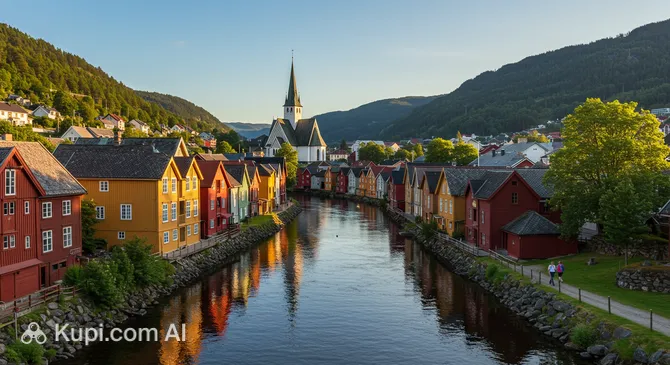
Mosjoen. Source: Kupi.Binoculars

Nature lovers will find plenty to admire here as well. The majestic Øyfjellet mountain towers over the city, offering iconic views and outdoor adventures. Visitors can climb the famous Helgelandstrappa, a spectacular stone staircase built by Sherpas that leads up the mountain, providing breathtaking panoramas of the city and the fjord below. Additionally, the Vefsna river, which runs through the area, is celebrated as one of the region's premier locations for salmon fishing.

Whether you are drawn by the allure of historic architecture or the call of the wild, Mosjøen is a delightful stop on any Norwegian itinerary. Its friendly locals, rich culture, and accessible wilderness make it an ideal place to experience the true spirit of Helgeland.
Weather Overview

Mosjøen experiences a distinct seasonal climate that varies significantly throughout the year, offering a true taste of Northern Norway. Winters are generally cold, with January often being the coldest month, featuring average temperatures around -5.9°C and lows dipping to -8.1°C. In contrast, the summer season brings milder and more pleasant conditions; July is typically the warmest month, with average highs reaching 16.2°C, making it an excellent time for exploring the outdoors.

Precipitation is a constant companion in this region, distributed fairly evenly across the calendar. Travelers should expect frequent wet days, ranging from 15 to 22 days per month, though the total rainfall volume remains moderate. For a more comprehensive overview to help plan your packing list, we recommend checking the detailed report on the weather in Mosjoen.

Interesting Facts

Beyond the picturesque facades and mountain views, Mosjøen holds many fascinating secrets and historical tidbits that often surprise visitors. This charming town is not just a transit point but a place with a deep and resilient character defined by its inhabitants and history.

  • The Oldest Hotel in the North: Mosjøen is home to Fru Haugans Hotel, which holds the title of the oldest hotel in Northern Norway. Established in 1794, this historic establishment has been welcoming guests for over two centuries and is famously known for having been run by capable women for several generations, adding a unique legacy to its hospitality.

  • Saved by the Locals: The beloved Sjøgata street, now the town's pride, was nearly lost forever. In the 1970s, urban planners proposed demolishing the 19th-century wooden houses to make way for concrete buildings and parking lots. A passionate local movement fought to preserve the area, successfully saving what is now recognized as Northern Norway's longest continuous row of wooden buildings.

  • The "Salmon Lords": In the mid-19th century, the Vefsna river attracted wealthy British aristocrats known locally as the "Salmon Lords." These elite anglers traveled specifically to Mosjøen for its world-class salmon fishing, bringing with them international habits and significant wealth that helped shape the town's early tourism industry.

  • A Flying Entrance: For those seeking an adrenaline rush, Mosjøen offers one of the most spectacular ways to enter a town center. The Mosjøen Zipline allows daredevils to fly 700 meters from the Stortuva mountain directly across the river, landing safely in the lush gardens of Fru Haugans Hotel.

How to Get There

Reaching Mosjøen is convenient thanks to its well-connected location in the Helgeland region. Whether you prefer flying or traveling by land, there are several viable options to suit your itinerary. For a comprehensive guide on planning your journey, you can read more about how to get to Mosjoen and explore all available routes.

The most direct way to arrive by air is via Kjærstad Airport (MJF), which is conveniently located within the city of Mosjøen itself, just 6.0 km from the city center. This local airport connects the town to the wider Norwegian network. A taxi or shuttle from here to the downtown area typically takes about 10 to 15 minutes. Alternatively, travelers often fly into Stokka Airport (SSJ), situated in the neighboring city of Sandnessjoen. It is approximately 35.6 km away from Mosjøen, and the transfer by road usually takes around 40 to 50 minutes.

Another option for those exploring the wider region is Bronnoysund Airport (BNN) in Bronnoysund. Although it is located about 61.4 km from Mosjøen, it handles a higher volume of passenger traffic and may offer different flight connections. The drive from Bronnoysund to Mosjøen takes roughly an hour and a half, offering a scenic route through the Nordland landscape.

For clarity, here is a summary of the main airports:

Airport Name City Passenger Traffic Km from City
Bronnoysund Airport Bronnoysund Regional 61.4
Mo i Rana Airport Mo i Rana Regional 77.2
Stokka Airport Sandnessjoen Small 35.6
Kjærstad Airport Mosjoen Small 6.0
Hemavan Airport Hemavan Small 86.5

For those considering rail travel as part of a larger Norwegian adventure, the major regional hub is Trondheim S Station (XZT). Please note that this station is located in the city of Trondheim, which is approximately 287.2 km south of Mosjøen. While it is not in the immediate vicinity, Trondheim S serves as a key gateway to Northern Norway. From there, travelers can connect to the Nordland Line (Nordlandsbanen) for a scenic train journey north towards Mosjøen, or arrange for long-distance bus or car rental to complete the trip.

Below is the information for the major railway station in the wider region:

Station City Passenger Traffic Km to Center
Trondheim S Station Trondheim Major Hub 287.2

Main Attractions

Mosjøen offers a delightful array of attractions that blend its rich cultural history with the stunning natural landscape of the Helgeland region. From climbing mountain stairs to exploring historic buildings, there is something for every traveler to enjoy in this charming town.

One of the most rewarding experiences for outdoor enthusiasts is tackling the Helgelandstrappa. This magnificent stone staircase, built by Sherpas from Nepal, winds its way up the majestic Øyfjellet mountain. With over 3,000 steps, it is one of the longest of its kind in Norway. The climb provides a vigorous workout and rewards hikers with sweeping panoramic views of the city, the fjord, and the surrounding peaks, making it a must-do activity for those seeking adventure and scenery.

For those interested in local history and architecture, Dolstad Church is a significant landmark worth visiting. Completed in 1735, this beautiful red wooden church features a distinctive octagonal design that was typical for the period. It stands as a testament to the region's religious heritage and is surrounded by an open-air museum area, offering a peaceful setting for a stroll through the past.

Located within the historic Sjøgata district, Jacobsenbrygga is a key part of the Helgeland Museum. This old wharf warehouse has been converted into an exhibition space that tells the story of Mosjøen’s development as a trade and timber hub. Visitors can explore displays regarding the town's maritime history, seeing firsthand how the river and the fjord shaped the livelihood of the local community over the centuries.

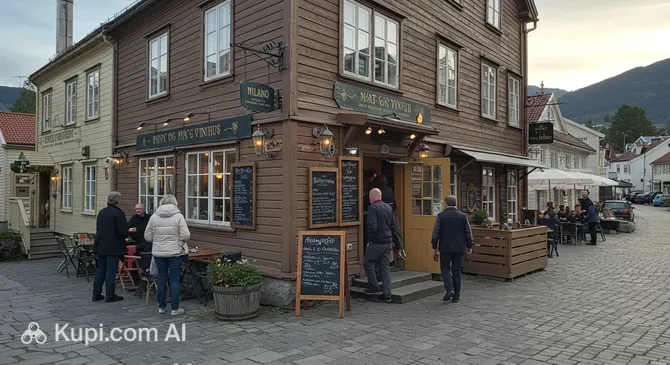
Milano Mat og Vinhus. Source: Kupi.Binoculars

After a day of exploring the mountains and museums, visitors can relax and enjoy a meal at Milano Mat og Vinhus. This establishment is a popular spot in the city, known for its welcoming atmosphere and a menu that caters to diverse tastes. It serves as a comfortable gathering place where tourists can unwind and recharge before their next adventure in Helgeland.

Local Cuisine

The culinary scene in Mosjøen is deeply rooted in the traditions of Northern Norway, where the proximity to both the fjord and the mountains dictates the menu. The food culture here is unpretentious yet high in quality, focusing on fresh, locally sourced ingredients. Visitors can expect hearty meals designed to warm the soul after a day of exploring the outdoors, with a strong emphasis on seasonal produce and traditional preparation methods.

Given the city's history with the Vefsna river, it comes as no surprise that salmon is a star ingredient on many local menus. Whether served grilled, cured as gravlaks, or in a rich, creamy soup, the fish is often as fresh as it gets. Beyond seafood, the region of Helgeland is known for its game meat. You should definitely try dishes featuring reindeer or moose, which are typically served as savory stews or tender steaks accompanied by lingonberry jam and potatoes.

When it comes to drinks, the locals share the nationwide Norwegian love affair with coffee. It is consumed throughout the day and is the perfect accompaniment to a "koselig" (cozy) break in a café. For something stronger, Aquavit is the traditional Scandinavian spirit, often enjoyed alongside festive meals or heavy meat dishes. In recent years, local microbreweries in the wider Nordland region have also gained popularity, offering craft beers that capture the essence of the north.

Dining in Mosjøen often centers around the historic Sjøgata street, where charming wooden buildings house cafes and restaurants that offer a unique atmosphere. It is common to see locals gathering here for lunch or an afternoon treat, such as waffles with brown cheese (brunost). For a substantial meal in a welcoming setting, you might visit Milano Mat og Vinhus, a popular spot that adds international flavors to the town's dining options.

Travel Tips

Traveling to Mosjøen offers a unique blend of industrial history and spectacular outdoor adventure, but being prepared for the Northern Norwegian elements is key to a smooth trip. Here are some practical insights to help you navigate the town and the surrounding Helgeland region with ease.

  1. Clothing and Gear: The weather in Nordland can be unpredictable, shifting from sunshine to rain rapidly. It is essential to dress in layers, with wool or thermal base layers being the best choice even in summer. A windproof and waterproof jacket is a must-have, regardless of the season. If you plan to climb the Helgelandstrappa or explore the historic Sjøgata street, bring sturdy, comfortable walking shoes or hiking boots.
  2. Transportation: Mosjøen is a compact town, and the historic center, including Sjøgata, is best explored on foot. For arrival and departure, the train station is conveniently located on the Nordland Line. However, if you wish to explore the wider Helgeland coast or the surrounding wilderness, renting a car is highly recommended as public bus schedules can be infrequent in rural areas. Taxis are available but can be quite expensive.
  3. Finances: The local currency is the Norwegian Krone (NOK). Norway is rapidly becoming a cashless society; credit and debit cards (Visa and Mastercard) are accepted almost everywhere, from supermarkets to small kiosks. You rarely need physical cash, but ATMs (minibank) are available if you prefer it. Tipping is not mandatory, but it is common to round up the bill in restaurants for good service.
  4. Health and Safety: Mosjøen is a very safe destination with low crime rates. Tap water is among the cleanest in the world and is perfectly safe to drink, so bring a reusable bottle. Pharmacies (Apotek) are available in the town center for basic medical supplies, but they are generally closed on Sundays. In case of an emergency, dial 112 for police or 113 for an ambulance.
  5. Communication: The official language is Norwegian, but English is widely spoken and understood by almost everyone, often at a very high level. You will have no trouble communicating in shops, hotels, or restaurants. Free Wi-Fi is standard in most cafes and hotels, and 4G/5G coverage is generally excellent, even in many outdoor areas near the town.
  6. Local Etiquette: Norwegians value privacy and personal space but are friendly and helpful when approached. Greetings are casual; a simple "Hei" works well. If you are invited to a local's home, it is customary to remove your shoes at the door. Punctuality is also highly valued, so try to be on time for any booked tours or transport.
  7. What to Avoid: Do not underestimate the weather when hiking up Øyfjellet; conditions at the top can differ significantly from the town center. Also, avoid buying bottled water, as it is unnecessary and expensive given the high quality of tap water. Finally, do not expect to buy strong alcohol in supermarkets; wine and spirits are only sold at the state-run Vinmonopolet, which closes early and is closed on Sundays.
  8. Additional Tip: Keep in mind that most shops and grocery stores are closed on Sundays in Norway. If you are arriving on a Sunday, plan your meals ahead or check which restaurants are open. However, small convenience stores (often branded as "Joker" or "Bunnpris") may remain open for essentials.

With these tips in mind, you are well-equipped to enjoy the cozy atmosphere and stunning landscapes of Mosjøen. Whether you are scaling the stone steps or enjoying a coffee in a historic wooden house, a little preparation ensures your visit will be memorable for all the right reasons.

Entertainment & Nightlife

Nightlife in Mosjøen reflects the town's friendly and intimate character. Rather than bustling mega-clubs or neon-lit districts, the evening scene here revolves around cozy pubs, historic bars, and lively restaurants where locals and visitors mingle. The atmosphere is generally relaxed and informal, embodying the Norwegian concept of "koselig," which translates to a sense of warmth and coziness. The primary hub for evening entertainment is the historic Sjøgata street, where the charm of the 19th-century wooden buildings adds a unique backdrop to a night out.

For those looking to enjoy a vibrant evening with food and drinks, Milano Mat og Vinhus is a central spot in the city. It serves as a popular gathering place that transitions smoothly from a dining establishment to a social venue as the evening progresses. Visitors can enjoy a wide selection of beverages in a setting that feels both modern and welcoming. Another cornerstone of the local social scene is Gilles Café, located right in the heart of Sjøgata. Known for its rustic interior and frequent live music events, it is the go-to place for concerts and experiencing the local culture firsthand.

If you prefer a more classic setting, the bars within the historic Fru Haugans Hotel offer a sophisticated yet comfortable environment. As the oldest hotel in Northern Norway, it provides a perfect setting for a quiet cocktail or a glass of wine by the river. The dress code in Mosjøen is typically casual to smart-casual; practical clothing is acceptable almost everywhere, though locals might dress up slightly for a Friday or Saturday night dinner.

Beyond the bars, the town offers culturally enriching entertainment. The Mosjøen Kulturhus (Culture House) is the venue for larger concerts, theater productions, and cinema screenings. It is the center of the town’s artistic life and often hosts touring acts and local performances. For daytime family entertainment, the local cinema offers current films, and the town's museums provide engaging activities before the sun goes down.

Practicalities for a night out in Mosjøen are straightforward. Most bars and pubs are busiest on Friday and Saturday nights, typically closing around 01:00 or 02:00. Prices are in line with Norwegian standards, so expect to pay a premium for alcohol compared to many other countries. Getting around is easy; the town center is compact and walkable. Mosjøen is very safe, and walking back to your accommodation at night is generally worry-free. However, if you are staying outside the immediate center or the weather is poor, you can easily call a local taxi service to get you home safely.

Parks & Museums

Mosjøen seamlessly blends its industrial energy with serene green spaces and a deep respect for its cultural heritage. For visitors, this means the opportunity to transition from a relaxing stroll in a lush park to an immersive journey through local history within minutes. The city’s commitment to preserving its past is evident in its museums and the very streets themselves, which serve as living galleries of Northern Norwegian life.

Byparken (The City Park) stands as the green heart of Mosjøen. Established in the early 20th century, this historic park is a meticulously maintained oasis featuring large, leafy trees, winding paths, and a classic pavilion that often hosts small concerts or events. It is a favorite spot for locals to enjoy a picnic or a quiet moment away from the town center's activity. Just a short walk away lies the River Promenade along the Vefsna river. This natural stretch offers scenic walking trails where you can watch the water flow towards the fjord, providing a perfect setting for a sunset stroll or morning jog with views of the surrounding mountains.

The cultural landscape is anchored by the Helgeland Museum, which operates several distinct sites within the city. A highlight for many is the Vefsn Bygdesamling (Rural Museum), an open-air museum located near the Dolstad Church. It features a collection of traditional farm buildings dating back to the 18th and 19th centuries, transported here to preserve the architectural styles and agricultural history of the Vefsn district. Walking among these timber structures offers a tangible sense of how people lived and worked in this region before the industrial era.

Another unique branch of the museum is the Old Shell Station in Skjervgata. This restored 1933 gas station is a protected cultural monument and arguably one of the most charming "mini-museums" in Norway. It has been returned to its original glory, complete with vintage pumps and period-correct signage, offering a nostalgic glimpse into the early days of motoring history. It is a quirky and photogenic stop that delights visitors with its attention to detail.

In terms of historical and architectural sites, the entire district of Sjøgata functions as a living museum. While it is a bustling area of commerce, its status as Northern Norway's longest preserved wooden house environment makes it an architectural landmark in its own right. Beyond the shops, look for the small plaques and preserved facades that tell the story of the 19th-century "Sjøgato" culture. Additionally, the Dolstad area, beyond just the church, is significant as a historic meeting place for the region, where markets and assemblies have been held for centuries.

For an authentic insider experience, seek out the Kulturverkstedet (The Culture Workshop) in Sjøgata. Often hosting art exhibitions by local painters and photographers, it provides a window into the contemporary artistic soul of Helgeland. Also, if you visit the Old Shell Station when it is open, the volunteers often have fascinating stories about the town's transformation during the 20th century that you won't find in standard guidebooks.

Getting Around

Navigating Mosjøen is straightforward and pleasant, as the city center is compact and pedestrian-friendly. The historic district of Sjøgata and the surrounding downtown area are best explored on foot, allowing visitors to soak in the atmosphere of the 19th-century wooden houses and the riverside views without the hassle of traffic. Most major hotels, museums, and restaurants are located within short walking distance of each other, making walking the primary mode of transport for most tourists.

For trips beyond the immediate center, a network of local buses connects the downtown area with the suburbs and nearby commercial zones. Operated by the regional transport authority, these buses are a reliable option for reaching points of interest that are further afield. However, frequencies can vary, so it is recommended to check the schedule in advance, particularly during weekends or school holidays when service levels may be reduced.

Taxis are readily available and offer a convenient alternative for getting around, especially for transfers to and from the train station or if you have heavy luggage. There is a designated taxi rank in the center, or you can book one by phone. For those wishing to explore the spectacular Helgeland region at their own pace, renting a car is the most practical solution. Rental agencies are located in the city and at the local airport, providing access to scenic coastal roads and mountain trailheads that public transport might not reach.

During the summer season, cycling is a popular and efficient way to move around. The terrain within the town itself is relatively flat, making it suitable for riders of all abilities. Whether you are heading to the base of the stone stairs at Øyfjellet or visiting the City Park, a bike offers the flexibility to see more of Mosjøen while enjoying the fresh Nordic air.

Accommodation

Accommodation in Mosjøen caters to a variety of preferences, ranging from historic charm to practical modern comfort. Visitors can choose from full-service hotels, cozy guesthouses, and well-equipped camping sites. The most sought-after location for tourists is undoubtedly the area surrounding the historic Sjøgata street and the Vefsna river. Staying here places you within walking distance of the town's museums, restaurants, and the picturesque wooden buildings that define Mosjøen's character.

For travelers seeking a unique experience, the city is home to Northern Norway's oldest hotel, which is a destination in itself. Located right by the river at the end of Sjøgata, it offers a distinct blend of tradition and luxury. Alternatively, for those on a road trip or seeking a more budget-friendly stay, there are popular camping and cabin facilities situated just outside the immediate center. These sites often provide excellent amenities for families and outdoor enthusiasts, serving as a convenient base for hiking trips up the nearby mountains.

The price range for accommodation in Mosjøen is generally consistent with the Norwegian standard, which can be perceived as mid-to-high by international comparisons. Budget options are available primarily in the form of campsites, cabins, or simple guesthouses, while the central hotels fall into the mid-range to premium category. It is highly recommended to book in advance, especially if you plan to visit during the summer months (June to August) or during local festivals, as the limited number of rooms in the city center fills up quickly. Most properties are easily bookable via major online platforms or directly through their websites.

Nearby Cities

For those looking to explore the surroundings, Mosjoen serves as an excellent base for day trips to several interesting nearby locations:

Located just a short drive or train ride to the north, Mo i Rana is the most accessible destination for a spontaneous day trip. Known as the "Arctic Circle City," it offers a mix of modern industrial history and cultural attractions, such as the impressive "Havmannen" statue standing in the fjord. Visitors can explore the Vitensenteret Nordland science center or use the city as a starting point for excursions to the Svartisen glacier and the region's famous limestone caves.

Further north lies Bodø, the vibrant capital of the Nordland county. While the journey is longer, it rewards travelers with world-class attractions like the Norwegian Aviation Museum and Saltstraumen, the world's strongest tidal current. As a cultural hub, Bodø offers a lively urban atmosphere with excellent dining and shopping options, making it well worth the travel time for those wanting to experience the coastal pulse of Northern Norway.

City Population Distance (km)
Bodo 52803 170
Stjørdal 24287 286
Mo i Rana 18899 68
Verdal 14986 240
Stjørdalshalsen 13032 285

These nearby destinations offer a glimpse into the diverse culture and landscapes of the region.

Shopping & Souvenirs

Shopping in Mosjøen offers a delightful contrast between the old and the new. While the city is not a sprawling metropolis with endless retail avenues, it provides a curated experience where modern convenience meets historical charm. Visitors can find everything from standard necessities and fashion staples to unique, locally crafted artisan goods that reflect the rich cultural heritage of the Helgeland region.

The crown jewel of the local shopping scene is undoubtedly the historic Sjøgata street. Walking through this area feels like stepping back in time, but the 19th-century wooden buildings are very much alive with commerce. Here, you will find a variety of independent boutiques, art galleries, and craft workshops. It is the perfect place to browse for one-of-a-kind items, antiques, and handmade products while enjoying the atmosphere of Northern Norway's longest preserved wooden house district.

For a more contemporary shopping experience, Sjøsiden Senter is the city's primary shopping mall. Located conveniently in the city center, it houses a range of popular chain stores selling clothing, interior decor, sports equipment, and electronics. It is a practical stop for travelers needing to resupply on essentials or looking for standard Norwegian fashion brands under one roof.

Markets play a significant role in the town's tradition, most notably the historic Tiendebytte. This traditional market dates back centuries and is typically held in September. It transforms the city into a bustling hub of trade, entertainment, and local culture, drawing visitors from all over the region. Stalls overflow with local produce, handicrafts, and goods, keeping an age-old trading tradition alive. During the festive season, charming Christmas markets also appear, particularly in the atmospheric Sjøgata area.

When searching for souvenirs, look for products that are distinct to the region. The artisan workshops in Sjøgata often sell beautiful glass art, ceramics, and paintings created by local artists. Additionally, food items make excellent gifts; look for locally smoked salmon, cured meats like reindeer or moose, and traditional flatbreads. Woolen products, such as socks and sweaters, are also popular choices to take a piece of Norwegian warmth home with you.

Store opening hours in Mosjøen generally follow the standard Norwegian pattern. Most shops open around 10:00 AM and close between 17:00 and 18:00 on weekdays. On Saturdays, closing times are usually earlier, often around 15:00 or 16:00. Be aware that most shops, including grocery stores, are closed on Sundays. Electronic payment is the norm, and credit or debit cards are accepted almost everywhere, even for small purchases.

Tourists residing outside of Norway, Sweden, Denmark, and Finland may be eligible for a tax refund on purchases made in affiliated stores. If you spend above a certain threshold in a single shop, ask for a Tax-Free form at the checkout. You can then claim a refund on the Value Added Tax (VAT) when departing Norway, provided you show the goods and the completed form at the point of exit.

Reached the end of the page?

That means the route is fully explored