Support

Orland

About

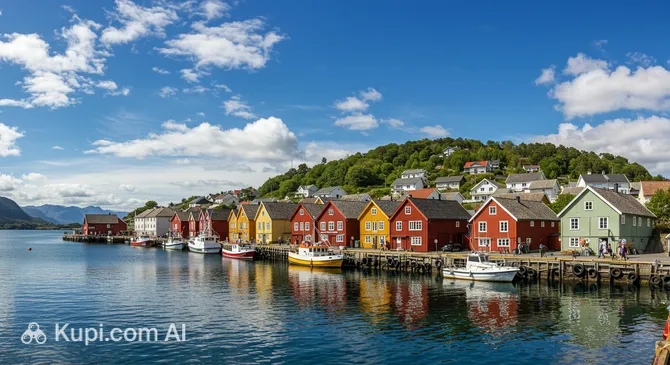
Situated at the southwestern tip of the Fosen peninsula, Orland is a captivating destination known for its expansive skies and flat, open landscapes. Unlike the steep fjords and towering mountains often associated with Norway, this municipality in the Trøndelag county offers a unique coastal charm defined by its horizon and light. With a population of approximately 5,200, it serves as a vibrant regional center while maintaining a tranquil atmosphere perfect for relaxation and exploration.

Orland. Source: Kupi.Binoculars

The region is rich in cultural heritage, making it a fascinating stop for history buffs. One of the most significant landmarks is the Austrått Manor (Austråttborgen), a renaissance palace that has played a central role in the country's past. Visitors can delve deeper into the history of Orland by exploring such sites, which stand as testaments to the area's strategic and political importance over the centuries.

Nature enthusiasts will find plenty to admire here as well. Orland is home to the Grandefjæra Nature Reserve, an internationally renowned wetland area that attracts birdwatchers from around the globe to observe its diverse avian population. Additionally, the coastline offers excellent opportunities for cycling and walking along the sea. Whether you are drawn by the historical intrigue of Austrått or the serene beauty of the wetlands, Orland invites you to discover its distinctive character.

Weather Overview

The weather in Orland is heavily influenced by its position on the Trøndelag coast, creating a maritime climate that is generally milder than inland Norway. Temperatures rarely drop to extreme lows, even in the depth of winter. January and February are the coldest months, with average temperatures hovering around 0.5°C to 0.6°C and lows dipping just below freezing to -1.0°C. These months are characterized by frequent precipitation, with approximately 19 to 20 wet days each.

Summer offers pleasant but cool conditions, ideal for exploring the outdoors without the intense heat found elsewhere in Europe. July and August are the warmest times of the year, featuring average temperatures of about 13.7°C to 13.8°C and daily highs reaching 15.5°C. Despite the warmer air, the weather remains changeable; even in summer, you can expect around 15 to 18 wet days per month, so keeping a rain jacket handy is essential.

The transition seasons show a gradual shift, with May warming up to an average of 8.4°C and October cooling down to 7.4°C. October is notably the dampest month in terms of frequency, recording up to 22 wet days. Overall, visitors should expect mild, breezy summers and cool winters with consistent precipitation throughout the year.

Interesting Facts

Beyond the main attractions, Orland holds many fascinating secrets that reveal its unique character and historical depth. From engineering marvels hidden in the mountains to literary connections that shaped Norwegian culture, this region offers more than meets the eye.
  • A Battleship in a Mountain: One of the most unusual historical sites in the region is Austrått Fort, which houses a massive triple gun turret originally from the German battleship Gneisenau. This 800-ton naval cannon is installed five stories deep into the bedrock, making it a rare example of a heavy naval battery adapted for land defense that visitors can still explore today.

  • Ibsen’s Muse: The powerful noblewoman Inger Ottesdotter Rømer, who resided at Austrått Manor in the 16th century, was the inspiration for Henrik Ibsen’s famous play Lady Inger of Ostrat. She was the wealthiest landowner in Norway during her time and a key political figure, leaving a legacy that blends local history with national literature.

  • The Flatland Anomaly: Unlike the rugged, mountainous terrain typical of the country, Orland is strikingly flat, with only 2% of the municipality rising above 160 meters. This unique "pancake" topography makes it an exceptional location for cycling and agriculture, earning it a distinct reputation among Norwegian landscapes.

  • The Red Octagon: The Kjeungskjær Lighthouse, standing on a tiny skerry off the coast, is the only red, octagonal lighthouse in Norway. Its distinctive shape and color make it a favorite subject for photographers and a navigational icon for sailors navigating the Bjugnfjorden.

How to Get There

Planning a trip to this coastal municipality involves considering a few logistics, as the route often depends on your starting point. While the region is well-connected to the rest of the country, most travelers arrive via nearby regional hubs before completing the last leg of the journey. For a complete overview of all transport options, including driving routes and boat connections, you can read more about how to get to Orland on our detailed page.

For air travelers, the primary gateway is Trondheim Airport Værnes (TRD), located in the city of Trondheim approximately 75.8 km from Orland. This international hub handles a large volume of passengers and offers excellent connections. To reach Orland from the airport, visitors can rent a car or take a bus. A highly popular and scenic option is to travel into Trondheim city center and take the fast boat (Kystekspressen), which provides a direct sea route to the municipality. Another viable alternative is Kristiansund Airport, Kvernberget (KSU), situated about 115.3 km away. While it is a smaller regional hub, it serves as a good entry point for those exploring the wider coastal area.

For clarity, here is a summary of the main airports in the vicinity:

Airport Name City Passenger Traffic Km from City
Trondheim Airport Værnes Trondheim High 75.8
Kristiansund Airport, Kvernberget Kristiansund Medium 115.3
Roros Airport Roros Small 160.8
Molde Airport, Årø Molde Medium 164.2
Ålesund Airport, Vigra Alesund Medium 221.7

If you prefer traveling by train, the nearest major rail link is Trondheim S Station (XZT), located about 76.4 km from Orland. As a significant hub connecting the region to Oslo and Bodø, it offers frequent arrivals. From the station, the most convenient onward transport is the fast boat (Kystekspressen), which departs from a nearby terminal and whisks passengers across the fjord to Orland. Alternatively, bus services and rental cars are available for the journey.

Below is the information regarding the nearest railway station:

Station City Passenger Traffic Km to Center
Trondheim S Station Trondheim High 76.4

Main Attractions

While the region is known for its serene landscapes, the specific sights in Orland offer a deep dive into Norwegian coastal history and culture. Visitors can explore a mix of architectural gems, military heritage, and well-preserved local traditions that define this part of Trøndelag.

One of the most prominent highlights is Austrått Manor (Austråttborgen). Although famous for its historical significance, the true magic lies in experiencing the estate firsthand. During the summer season, guided tours open the doors to the main hall, the chapel, and the kitchen, allowing you to walk in the footsteps of the powerful noble families who once ruled here. The courtyard, with its distinctive loggia and stone pyramid, offers a photogenic glimpse into 17th-century grandeur, while the on-site Borgstua Café provides a charming spot for a break.

Just a short distance away lies Austrått Fort, offering a completely different experience. While the massive cannon is visible from the outside, the guided tour takes you deep inside the mountain to explore the five-story bunker complex. This underground journey reveals the soldiers' living quarters, the electricity plant, and the ammunition wells, all preserved as they were decades ago. The facility also houses the Fosen War Historical Collections, which provide a poignant look at the local impact of World War II.

For a look at everyday life in a bygone era, Uthaugsgården is a must-visit. This well-preserved trading post and museum captures the essence of coastal culture from the 18th and 19th centuries. Visitors can wander through the main house, the general store, and the farm buildings, which contain thousands of original objects. It tells the story of how fish exports and trade shaped the community, serving as a "time capsule" that feels incredibly authentic.

Nature lovers should not miss the Grandefjæra Nature Reserve. As one of Norway's most important wetland areas, it is a haven for birdwatchers, especially during migration seasons. The flat landscape and shallow waters attract a vast variety of waders and ducks. Marked trails and observation points make it accessible for those who want to enjoy the peaceful scenery and observe the wildlife without disturbing the delicate ecosystem.

Local Cuisine

As part of the Trøndelag region, often hailed as Norway's food pantry, Orland offers a culinary experience deeply rooted in local traditions and fresh, coastal ingredients. The cuisine here is defined by the proximity to the sea and the fertile farmlands of the peninsula. Visitors can expect honest, hearty meals where the quality of the produce takes center stage, ranging from freshly caught seafood to tender meat dishes sourced from local farms.

One dish you simply must try when visiting this area is Sodd. This traditional soup is the pride of the Trøndelag region and is typically served at celebrations and gatherings. It consists of a clear, savory broth filled with specially made meatballs of mutton and beef, diced potatoes, and carrots. It is usually accompanied by flatbread and local beer, offering a warm and comforting taste of Norwegian heritage. Additionally, given the coastal location, seafood lovers will delight in fresh crab, mussels, and the ubiquitous fiskekaker (fish cakes), which are often eaten as a quick, savory snack or a main meal.

When it comes to drinks, the coffee culture is strong, as it is throughout Norway. Locals enjoy black coffee at all hours, often serving it as a gesture of hospitality. For something stronger, you might encounter Aquavit, a potato-based spirit flavored with herbs like caraway, which pairs excellently with traditional heavy meals. The region has also seen a rise in microbreweries, so asking for a locally brewed craft beer is a great way to taste the modern flavors of the area.

The dining scene in Orland is centered primarily around the town of Brekstad, where you will find a selection of restaurants and hotels serving both international cuisine and local specialties. The atmosphere is generally relaxed and informal. For a more historic setting, the café at Austrått Manor offers a charming spot to enjoy traditional waffles with sour cream and jam or a light lunch in surroundings that whisper of the past. Whether you are grabbing a quick bite at a street grill or sitting down for a three-course meal, the focus remains on "kortreist mat"—short-traveled, local food.

Travel Tips

Preparing for a trip to Orland means getting ready for fresh sea breezes and a relaxed pace of life on the coast. To help you navigate this charming municipality in Trøndelag and make the most of your stay, here are some essential practical tips.

  1. Clothing and Gear: Due to the region's flat and open landscape, the wind can be brisk even on sunny days. A windproof and waterproof jacket is the most important item in your suitcase, regardless of the season. Layering is key; pack wool or thermal base layers for the cooler months. Since the terrain is level, comfortable walking shoes or sneakers are perfect for exploring, and casual attire is the norm everywhere, including restaurants.

  2. Transportation: While the express boat (Kystekspressen) provides a fast link between the town of Brekstad and Trondheim, getting around the municipality itself is best done by car or bicycle. Orland is famous for being flat, making it a cyclist's paradise with easy routes for all ages. Public buses are available but may run less frequently, especially on weekends, so a rental car offers the most freedom to reach sights like Austrått Fort.

  3. Finances: The local currency is the Norwegian Krone (NOK). Norway is largely a cashless society, and you can pay by card almost everywhere in Orland, from the local ferry to small kiosks. Carrying large amounts of cash is unnecessary, though a small amount can be useful for backup. Be aware that prices can be high; a daily budget of around 800–1200 NOK per person for food and activities is a reasonable estimate.

  4. Health and Safety: This area is incredibly safe for tourists with very low crime rates. A pharmacy (Apotek) can be found in the shopping center in Brekstad for any minor medical needs. For emergencies, dial 113 for an ambulance. The main safety concern is nature; be cautious near the shoreline during storms, as waves can be unpredictable, even on the flat coast.

  5. Communication: The official language is Norwegian, but English is widely spoken and understood fluently by almost everyone. You will have no trouble communicating in shops, hotels, or museums. Free Wi-Fi is common in cafes and public buildings. If you need mobile data, prepaid SIM cards are available at convenience stores, though travelers with EU/EEA subscriptions can usually roam without extra fees.

  6. Local Etiquette: Locals are generally informal, friendly, and helpful. When entering a private home, it is customary to remove your shoes at the door. Personal space is valued, so keep a respectful distance in queues. When hiking or cycling on nature trails, it is polite to greet others with a simple "Hei" or a nod.

  7. What to Avoid: Do not assume you can buy strong alcohol at any time. Wine and spirits are exclusively sold at the state-run Vinmonopolet, which closes early on Saturdays and is closed on Sundays. Also, avoid walking in designated bike lanes; cycling is a primary mode of transport here, and blocking the path can be dangerous and frowned upon.

  8. Additional Tip: Take advantage of the unique light conditions. Because of the low horizon and expansive sky, the "blue hour" and sunsets here are spectacular for photography. If you visit in late autumn or winter, keep an eye on the aurora forecast apps, as the lack of light pollution outside Brekstad makes it a good spot to potentially see the Northern Lights.

By keeping these practicalities in mind, you can focus on enjoying the wide horizons and rich history of the region without worry. A little preparation ensures your visit to this unique part of the Norwegian coast is as smooth and memorable as possible.

Entertainment & Nightlife

Nightlife in Orland is characterized by a relaxed and cozy atmosphere rather than a pulsing club scene. As a relatively small municipality with a population of around 5,200, the evening entertainment is concentrated almost exclusively in the regional center of Brekstad. Here, the vibe is welcoming and informal, serving as a social hub where locals and visitors mingle over drinks and conversation. Travelers should expect a laid-back experience that revolves around hotel bars, pubs, and cultural events rather than large discotheques or neon-lit nightlife districts.

The most popular venues are often found within the local hotels, which act as the primary gathering spots on weekends. Ørland Kysthotell is a central fixture in the local social scene, offering a bar and lounge area that frequently hosts events, dances, or live music. It is an excellent place to enjoy a cocktail while looking out over the fjord. Another notable spot is Brekstad Gjestegård, which offers a more traditional and rustic setting. For those seeking a casual pub atmosphere to watch sports or enjoy a beer with friends, these establishments are the go-to choices. The dress code is generally smart-casual; practical and comfortable clothing is acceptable almost everywhere, though people often dress up slightly for Friday and Saturday nights.

For those interested in cultural entertainment, the Ørland Kultursenter is the heart of the community's artistic life. This modern facility houses a cinema, a library, and a stage for theater productions and concerts. It is the perfect destination for a calmer evening, offering the chance to catch a movie or see a local performance. During the day, the center and the nearby Libra Shopping Center offer varied diversions, from browsing shops to enjoying coffee and pastries in local cafes. The area also offers opportunities for bowling and other family-friendly activities during daylight hours.

From a practical standpoint, nightlife in Orland typically winds down earlier than in major cities like Oslo. Bars generally close around 1:00 AM or 2:00 AM on weekends. Alcohol prices follow the standard Norwegian rates, which can be quite high compared to other countries, so budgeting accordingly is wise. Getting around Brekstad at night is safe and easy on foot due to the compact nature of the town. However, if your accommodation is further afield, it is essential to plan your transport in advance. Taxis are available but limited in number; using a local service like Trøndertaxi and booking ahead is highly recommended to ensure you have a ride home.

Safety is rarely a concern in this peaceful coastal community. The streets of Brekstad are well-lit and secure for evening walks. Whether you are returning from a dinner or a night out, the environment feels secure. The main precaution is simply to dress warmly, as the coastal wind can be chilly even on summer nights.

Parks & Museums

The cultural and natural landscape of Orland offers a refreshing mix of historic estates, protected woodlands, and curated collections. While the municipality is famous for its flat, open horizons, it also boasts specific green spaces and museums that provide deep insight into the region's heritage. Visitors can easily transition from a quiet walk among ancient trees to an immersive tour through centuries of Norwegian history.

One of the most scenic outdoor areas is Austråttlunden, a protected landscape park situated just south of the historic manor. This lush, green oasis is rare for the coastal Trøndelag region, featuring a rich deciduous forest with majestic oaks and diverse birdlife. A network of well-maintained walking paths winds through the woods, making it a favorite spot for locals to enjoy a peaceful stroll or a picnic. The park has a serene atmosphere that contrasts beautifully with the windswept coast nearby, offering a sheltered retreat for nature lovers.

For those who prefer recreation with a view, the area around Rusasetvatnet is a popular destination. Located a short distance from the town center, this freshwater lake is surrounded by hiking trails that are accessible to most fitness levels. The main loop is perfect for a relaxing walk, and the area is equipped with rest spots and a gapahuk (traditional lean-to shelter) where hikers can take a break. It serves as a fantastic recreational space where the community connects with nature year-round.

In terms of museums, Austrått Manor (Austråttborgen) is the crown jewel, functioning not just as a historic site but as a comprehensive museum experience. Inside, guided tours reveal the grandeur of the Renaissance era, showcasing the Great Hall, the intricate chapel, and the estate's kitchen. The museum preserves the stories of the powerful women who shaped its history, most notably Lady Inger. The surrounding courtyard and the distinctive stone pyramid add to the architectural intrigue, making it an essential stop for anyone interested in cultural history.

Art enthusiasts should visit Galleri Hans, located within the modern Ørland Kultursenter in Brekstad. This gallery is a vital part of the local art scene, hosting a rotating schedule of exhibitions that feature both regional and national artists. The gallery focuses on contemporary art, ranging from paintings and photography to sculpture. Its integration into the larger cultural center means visitors can combine an art tour with a visit to the library or a cinema screening, making it a lively hub of creativity.

Another key institution is Uthaugsgården, which operates as a museum dedicated to coastal culture and trade. unlike many static displays, this preserved trading post feels incredibly alive, with its interiors left largely intact from the 19th and early 20th centuries. The museum collection includes thousands of artifacts, from household items to maritime equipment, offering a tangible connection to the daily lives of the fishermen and merchants who built the community's prosperity.

For a truly unique experience, look out for the Yrjar Heimbygdslag collections. This local history society maintains several smaller sites and exhibitions throughout the municipality, often focusing on specific aspects of rural life, such as old agricultural machinery or traditional crafts. Exploring these smaller, often volunteer-run exhibits can provide a more intimate and detailed look at the grassroots history of the Fosen peninsula.

Getting Around

Navigating the public transport system in Orland is relatively straightforward, though it differs significantly from the networks found in large metropolitan areas. As a rural municipality with the town of Brekstad as its central hub, there is no metro, tram, or train service within the city limits. Instead, the local transport infrastructure relies heavily on a combination of buses, ferries, and express boats that connect the peninsula to the wider region. The system is efficient and reliable, designed to serve both the local population and visitors, but it requires some planning due to lower frequencies compared to big cities.

The most important "lifeline" for travelers is the express boat (Hurtigbåt), which functions almost like a coastal metro. These high-speed catamarans dock at the terminal in Brekstad and provide a fast, scenic link to Trondheim and Kristiansund. For getting around the municipality itself, the local bus network is operated by AtB, the regional transport authority. Bus routes connect the main residential areas, the airport, and key attractions with the town center. Additionally, a frequent car ferry service runs between Brekstad and Valset, acting as a moving bridge across the fjord for both vehicles and foot passengers.

The payment system is fully integrated under the AtB umbrella, making it convenient for tourists. The most practical way to purchase tickets is through the AtB app, available for smartphones. This app allows you to buy single tickets, 24-hour passes, or longer-term cards that are valid on both buses and the express boat (though boat fares are higher and zone-dependent). Physical travel cards (t:kort) exist but are less convenient for short-term visitors. It is important to note that paying with cash on board is often more expensive or sometimes not possible, so digital payment is highly recommended.

For a smooth experience, travelers should download the transport app before arriving. Tickets must be purchased before boarding and are usually validated by showing them to the driver or deckhand upon entry. While the express boats and ferries run frequently, local bus services can be limited, particularly in the evenings and on weekends. It is crucial to check the timetables in advance, as some rural routes may only operate a few times a day to align with school schedules or ferry departures.

If you need more flexibility, taxis are available, typically stationed near the express boat terminal or bookable via phone through local operators like Trøndertaxi. However, taxis can be expensive, and availability may be scarce late at night without a prior reservation. For those wishing to explore the more remote corners of the peninsula, renting a car is often the most practical solution, giving you the freedom to travel at your own pace without relying on bus schedules.

A special feature of transport in Orland is the immense popularity of bicycles. Thanks to the exceptionally flat terrain, the municipality is often referred to as a "bicycle municipality." Bike rentals are commonly available at hotels or the tourist information center in Brekstad. Cycling is not just a leisure activity here but a genuine mode of transport used by locals to commute, shop, and visit friends. For a tourist, renting a bike is arguably the best way to see the sights, offering a perfect blend of mobility and immersion in the landscape.

Accommodation

Finding a place to stay in Orland is generally straightforward, with options that cater to both comfort-seekers and nature enthusiasts. The accommodation landscape here is not vast, but it is varied enough to suit different needs. Visitors can choose from modern, full-service hotels that offer all the standard amenities, to charming guesthouses and cabins that provide a more intimate connection with the coastal environment. For those traveling on a budget or seeking an outdoor experience, there are also well-equipped camping sites that allow you to sleep close to the region's expansive nature.

The majority of accommodation is concentrated in and around the town of Brekstad. Staying here is the most convenient option for most travelers, especially those arriving by the express boat from Trondheim, as the terminal is within walking distance of the main hotels. Being based in Brekstad places you in the heart of the municipality, with easy access to restaurants, the cultural center, and shopping facilities. It serves as an excellent base camp for exploring the surrounding sights, offering a blend of urban convenience and small-town tranquility.

For those who prefer a quieter retreat away from the town center, the surrounding areas offer scenic alternatives. Along the coastline, you may find traditional cabins or "rorbuer" (fishermen's cabins) available for rent. These spots are perfect for visitors who want to wake up to the sound of the waves and enjoy immediate access to hiking trails or fishing spots. The flat landscape of the peninsula also makes these rural locations easily accessible by bicycle, allowing for a peaceful stay without feeling too isolated.

When planning your trip, it is wise to book your accommodation well in advance. Orland is a popular destination in the summer months, and local hotels can fill up quickly due to conferences, weddings, or regional events. If you are visiting during the peak season of June to August, securing your room or cabin a few months ahead is recommended to ensure you get your preferred choice.

Price levels in the region generally reflect the standard Norwegian rates, which can be higher than in many other parts of Europe. Travelers should expect a mid-to-high price range for hotel stays, while camping and simple cabin rentals offer more budget-friendly alternatives. Most establishments accept bookings through major online travel platforms, but for smaller guesthouses or specific camping spots, contacting them directly or checking their specific websites can sometimes yield better availability or rates.

Nearby Cities

For those looking to explore the surroundings, Orland serves as an excellent base for day trips to several interesting nearby locations:

The most popular destination for a day trip is undoubtedly Trondheim, the regional capital of Trøndelag. Just a comfortable fast-boat ride across the fjord, this historic city offers a wealth of attractions, including the majestic Nidaros Cathedral, the charming wooden wharves of Bakklandet, and a vibrant culinary scene. It is the perfect place to combine shopping and urban culture with a deep dive into Norway's medieval history.

Another fascinating option is Kristiansund, located further down the coast. Known as the "Opera City" and famous for its clipfish heritage, it is spread across four islands connected by bridges and a small passenger ferry called the Sundbåt. The town offers a unique architectural character and serves as a gateway to the spectacular Atlantic Ocean Road. Closer to the mainland, Stjørdal offers interesting historical sites such as the Hegra Fortress and ancient rock carvings, making it a rewarding stop for history enthusiasts.

City Population Distance (km)
Trondheim 194860 56
Molde 32002 167
Stjørdal 24287 75
Kristiansund 18273 119
Verdal 14986 115

These nearby destinations offer a glimpse into the diverse culture and landscapes of the region.

Shopping & Souvenirs

Shopping in Orland is a relaxed and stress-free experience, primarily concentrated in the municipal center of Brekstad. While the area is not known as a major fashion capital, it serves as the commercial hub for the Fosen peninsula, offering a well-rounded selection of stores that cater to both daily needs and leisure. Visitors will find a mix of modern retail chains, sporting goods stores perfect for equipping yourself for the outdoors, and smaller specialty shops that reflect the local coastal lifestyle.

The main shopping activity is clustered in the heart of Brekstad, particularly in the pedestrian-friendly areas near the harbor and the cultural center. Unlike larger cities with sprawling boulevards, the commercial district here is compact and accessible. A stroll through the town center allows you to browse independent boutiques selling interior design items, flowers, and books, all within easy walking distance of the waterfront and the express boat terminal.

For a more comprehensive shopping experience under one roof, the Libra Shopping Center (Libra Kjøpesenter) is the primary destination. Located centrally in Brekstad, this modern mall houses approximately 30 stores, including popular Norwegian fashion chains, electronics retailers, a pharmacy, and grocery supermarkets. It is a convenient stop for travelers needing to restock supplies, buy warm clothing for the windy weather, or simply enjoy a coffee in one of the center's cafes.

While Orland does not have a permanent daily market hall, the region has a strong tradition of local food production. Seasonal markets and pop-up events often take place in the town square or outside the shopping center, especially during summer and the pre-Christmas period. On these occasions, local farmers sell fresh produce, including strawberries, honey, and cured meats. It is worth keeping an eye out for the "Bondens Marked" (Farmers' Market) banner, which signals the arrival of high-quality regional goods.

When looking for souvenirs to bring home, focus on items that represent the Trøndelag region's culture and climate. Woolen knitwear is a practical and popular purchase, given the breezy coastal weather. For a taste of the local cuisine, look for buckets or cans of Sodd, the traditional meatball soup that is the pride of the region. Locally produced jams made from cloudberries or strawberries, as well as handicrafts from local artisans often found in smaller gift shops, also make for authentic keepsakes.

Store opening hours in Orland generally follow standard Norwegian customs. Most shops in the street are open from 10:00 AM to 5:00 PM on weekdays, while the Libra Shopping Center typically stays open later, often until 8:00 PM. On Saturdays, shops usually close earlier, around 3:00 PM or 6:00 PM, and almost all retail outlets are closed on Sundays, with the exception of small convenience stores or garden centers. Planning your shopping trips for weekdays or Saturday mornings is highly recommended.

Payment is seamless and modern, with credit and debit cards (Visa and Mastercard) being the preferred method of transaction everywhere, from the shopping mall to small kiosks. Norway is rapidly becoming a cashless society, so you rarely need physical money. For international tourists residing outside the Nordic region, many larger stores offer Tax-Free shopping. Look for the "Global Blue" signage in the window; if you spend above a certain threshold, you can ask for a refund form to claim back the VAT upon leaving the country.
Reached the end of the page?

That means the route is fully explored