Support

Molde

About

Molde is a captivating destination often referred to as the "Town of Roses" due to its surprisingly mild climate and fertile soil, which allow lush rose gardens to flourish despite its northern latitude. Nestled along the northern shore of the Romsdalsfjord, this administrative center of Møre og Romsdal county offers a perfect blend of urban life and breathtaking natural scenery. It is a place where travelers can experience the authentic charm of Norway while enjoying the comforts of a modern and welcoming city.

With a population of approximately 32,000 residents, Molde maintains a cozy, community-focused atmosphere while serving as a significant regional hub. The city is renowned for its spectacular surroundings, particularly the famous Molde Panorama, a view that encompasses 222 partly snow-clad mountain peaks. This stunning backdrop makes it a favorite spot for photographers and nature enthusiasts alike.
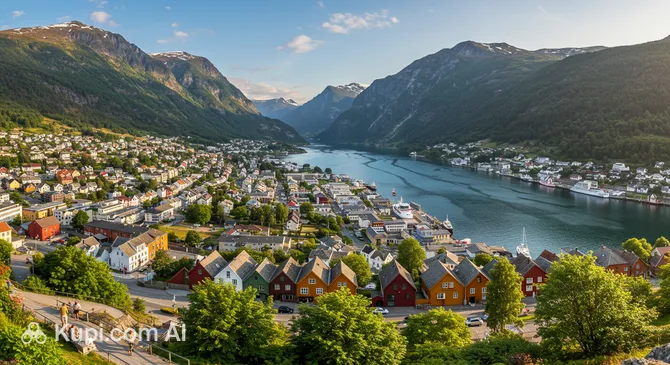
Molde. Source: Kupi.Binoculars

The city has undergone significant transformation over the years. Visitors interested in the past can explore the history of Molde, which reveals a resilient community that rebuilt itself with distinct post-war architecture after being heavily damaged during World War II. Today, the clean lines of its buildings contrast beautifully with the rugged mountains and the deep blue fjord waters.

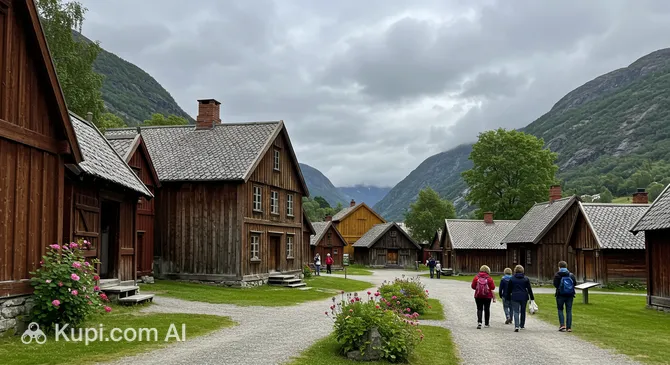
Culture and nature go hand in hand here. Molde is internationally famous for hosting MoldeJazz, one of the oldest jazz festivals in Europe, which fills the streets with music and energy every July. For those seeking tranquility and heritage, the Romsdal Museum offers a fascinating open-air experience with traditional wooden houses that showcase the region's folk culture. A trip to the Varden viewpoint is also essential to fully appreciate the majestic scale of the surrounding landscape.

Whether you are here to hike the nearby trails, enjoy world-class music, or simply admire the blooming gardens, Molde promises an unforgettable experience. It is a gateway to the dramatic fjords and a delightful destination in its own right, inviting you to relax and take in the view.
Weather Overview

Molde benefits from a temperate oceanic climate, which is surprisingly mild for its latitude and allows its famous rose gardens to thrive. However, the weather can be quite changeable, so it is wise to be prepared for various conditions. For a more detailed breakdown of what to expect during your visit, you can consult the guide to the weather in Molde.

Summers in the city are generally cool and comfortable rather than hot. From June to August, average temperatures range from 12.0°C to 13.3°C, with July seeing daily highs of around 16.1°C. Despite the milder temperatures, rain is quite common even in the warmest months, with precipitation occurring on approximately 17 to 21 days each month.

Winters are cold but typically avoid extreme freezing temperatures due to the coastal influence. During December and January, average temperatures sit around -1.2°C to -1.4°C, with minimums rarely dropping below -3.3°C. Precipitation remains frequent throughout the year, with October being particularly wet, recording rain on 22 days. Expect cool, mild summers and cold, wet winters, making waterproof clothing and layers essential packing items.

Interesting Facts

Beyond the famous panoramic views and rose gardens, Molde holds several fascinating secrets that surprise many visitors. From its role in royal history to its sporting prestige, there is much more to this coastal town than meets the eye.
  • The Symbol of Resistance: One of Norway's most enduring symbols of World War II is located here. The "Royal Birch" (Kongebjørka) marks the spot where King Haakon VII and the Crown Prince sought shelter from German bombers in April 1940, an event immortalized in a famous photograph that inspired the nation.

  • A Literary Giant's Home: The Nobel Prize laureate Bjørnstjerne Bjørnson, who wrote the lyrics to the Norwegian national anthem, spent his formative school years in Molde. The dramatic landscape of the region is said to have heavily influenced his writing and his deep appreciation for nature.

  • Preserving Lost History: While much of the old city was destroyed by fire in 1916 and bombing in 1940, the Romsdal Museum has preserved the past in a unique way. It features a recreated city street called "Bygata," comprised of authentic buildings moved from the town center, allowing visitors to walk through the architectural history of pre-war Molde.

  • A Football Powerhouse: Despite its modest population, the city is a giant in the sports world. It is the home of Molde FK, one of Norway's most successful football clubs, which served as a launching pad for international stars and was managed by the legendary Ole Gunnar Solskjær.

Romsdal Museum. Source: Kupi.Binoculars

How to Get There

Reaching this scenic fjord town is part of the adventure, offering travelers a chance to witness the dramatic landscapes of the region. Whether you prefer flying directly into the local hub or taking a scenic route through neighboring cities, there are several options available. For a detailed guide on all transport methods, you can read more about how to get to Molde.

The most direct and convenient entry point is Molde Airport, Årø (IATA: MOL). Situated just 4.2 km from the city center, it allows you to start your visit almost immediately upon landing. The short commute by taxi or shuttle bus typically takes around 25 minutes. For travelers finding better connections elsewhere, Ålesund Airport, Vigra (IATA: AES) in the city of Ålesund is a viable alternative. Located approximately 58.4 km away, the transfer to Molde takes about 1 hour and 50 minutes. Additionally, Kristiansund Airport, Kvernberget (IATA: KSU) in Kristiansund is about 52.8 km away, with a travel time of roughly 1 hour and 40 minutes.

For clarity, here is a summary of the main airports:

Airport Name City Passenger Traffic Km from City
Ålesund Airport, Vigra Alesund High 58.4
Molde Airport, Årø Molde Medium 4.2
Kristiansund Airport, Kvernberget Kristiansund Medium 52.8
Hovden Airport Ørsta Small 84.7
Bringeland Airport Førde Small 167.5

The city of Molde does not have a railway station, so train travel involves arriving at a major regional hub and transferring to a bus or renting a car. You can arrive at Trondheim S Station in the city of Trondheim, which is about 205.2 km from Molde. From there, you can get a taxi or bus, which takes about 5.5 hours. Alternatively, Bergen Railway Station in Bergen is located approximately 291.3 km away, requiring a longer onward journey of roughly 7.5 hours by road.

Below is the information for the nearest major railway stations:

Station City Passenger Traffic Km to Center
Bergen Railway Station Bergen High 291.3
Trondheim S Station Trondheim High 205.2

Main Attractions

Molde offers a delightful mix of natural beauty, cultural heritage, and modern leisure, making it a versatile destination for all types of travelers. From sweeping mountain vistas to engaging museums and family-friendly activities, the city’s highlights are easily accessible and provide a deep dive into the region's charm.

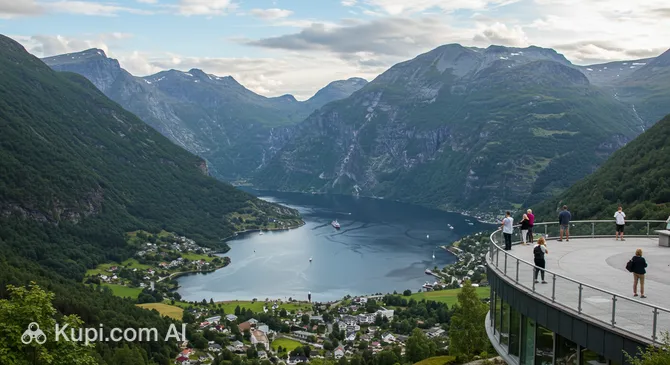
One of the absolute must-see sights is the famous Molde Panorama. Best viewed from the Varden viewpoint, located 407 meters above sea level, this spectacular attraction offers a breathtaking view of the Molde Fjord, the islands, and the renowned chain of 222 partly snow-clad peaks. It is an iconic spot that captures the essence of the region's dramatic landscape, accessible by a short drive or a refreshing hike from the city center.

Molde Panorama. Source: Kupi.Binoculars

For a journey into the past, the Romsdal Museum stands out as one of the largest and most comprehensive folk museums in Norway. This open-air museum features a collection of traditional buildings that have been relocated here to preserve the architectural and cultural history of the region. Visitors can wander through historic farmsteads and townhouses, experiencing how locals lived in centuries past, often accompanied by folk dancing displays during the summer season.

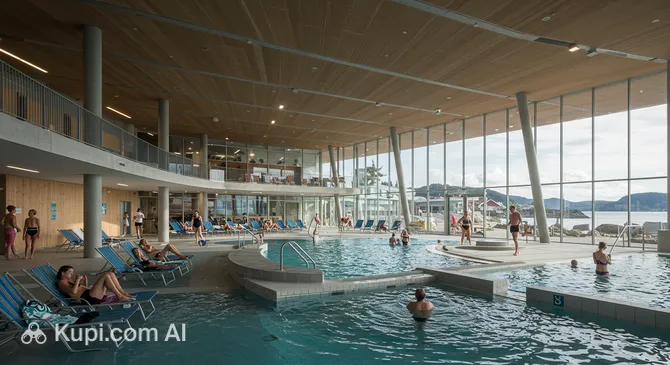
Travelers looking for fun and relaxation should visit Moldebadet, a modern indoor water park located in the heart of the city. With various pools, slides, and wellness facilities, it is a fantastic destination for families and anyone wanting to unwind after a day of sightseeing. Its glass facade offers views of the fjord, allowing you to enjoy the scenery while swimming in comfort.

Moldebadet. Source: Kupi.Binoculars

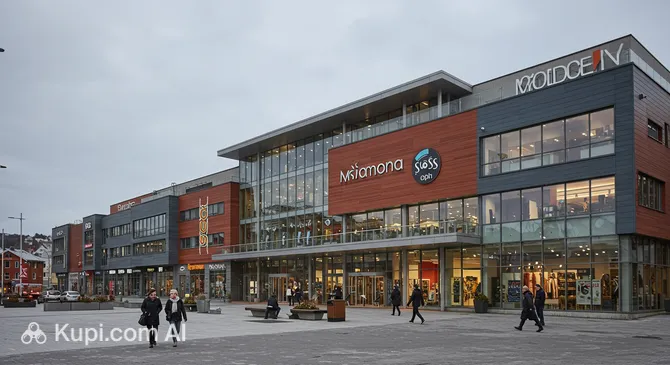
If you are in the mood for some retail therapy, the Roseby Shopping Centre is the regional hub for shopping. As one of the largest malls in the area, it offers a wide variety of stores, cafes, and services. It provides a perfect break from outdoor activities, where you can browse for local goods, fashion, and souvenirs in a modern and convenient setting.

Roseby Shopping Centre. Source: Kupi.Binoculars

Local Cuisine

The culinary landscape of Molde is deeply influenced by its proximity to the Romsdalsfjord and the open sea. As with many coastal towns in Norway, fresh seafood is the cornerstone of the local diet. Visitors can expect high-quality ingredients, particularly cod, salmon, and herring, often prepared simply to highlight their natural flavors. A warming bowl of creamy fish soup (fiskesuppe), filled with chunks of fresh fish, root vegetables, and herbs, is a staple dish that provides comfort on cooler days.

One regional specialty that is absolutely essential to try while in Møre og Romsdal is svele. This thick, crescent-shaped pancake is a beloved tradition, particularly associated with the ferry rides that connect the communities along the fjords. Served with buttercream and sugar or a slice of sweet brown cheese (brunost), it is a favorite snack among locals and a delightful treat for tourists. For those seeking a hearty dinner, traditional meat dishes like fårikål (lamb and cabbage stew) are popular, especially during the autumn months.

The beverage culture in Molde mirrors the rest of the country, with a strong emphasis on coffee. Norwegians are among the world's top coffee consumers, and you will find excellent brews in cafes throughout the town. For something stronger, Aquavit (Akevitt) is the traditional Scandinavian spirit, distilled from potatoes and flavored with caraway or dill. It is often enjoyed during festive meals to complement rich meat dishes. Locally brewed craft beers have also gained popularity, offering a taste of the region's modern palate.

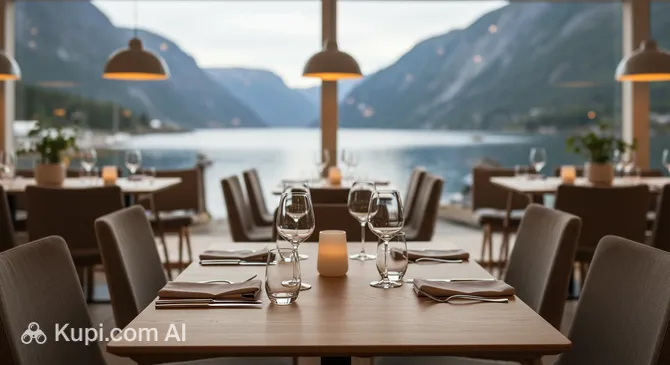
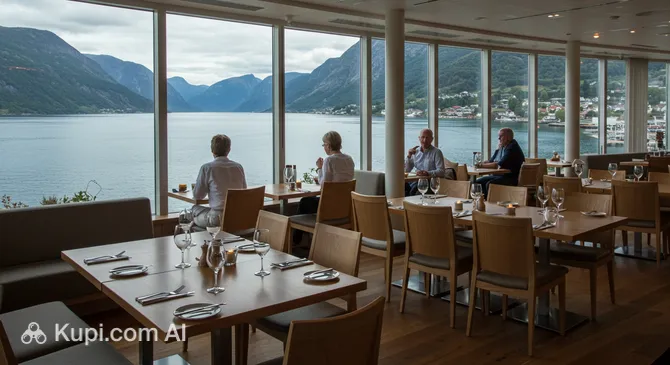
Dining in Molde often comes with a view. Many establishments take advantage of the stunning fjord scenery to enhance the gastronomic experience. For a meal that combines local flavors with a scenic setting, the restaurant at the Molde Fjord Hotel is a notable destination. It is a place where you can enjoy traditional Norwegian cuisine while gazing out at the water, making it a favorite for both special occasions and relaxing dinners.

Glass Restaurant & Bar. Source: Kupi.Binoculars

For a more casual atmosphere or a lively evening out, the Glass Restaurant & Bar is a popular meeting point. It offers a varied menu ranging from burgers and steaks to lighter bites, accompanied by a good selection of drinks. If you are looking for quick bites, cafes, or everyday shopping needs, the Moldetorget shopping center in the heart of the city provides several convenient options where you can grab a coffee or a fresh pastry between sightseeing stops.

Travel Tips

Planning a trip to Molde is the start of an exciting adventure, but a little local knowledge goes a long way in this region of shifting weather and dramatic landscapes. To help you make the most of your time in the "Town of Roses," here is a collection of practical advice to ensure your journey is as smooth as it is memorable.

  1. Dress for Four Seasons in One Day: The weather in Molde can be unpredictable, even in summer. The golden rule is to dress in layers (wool or fleece are excellent) and always carry a windproof and waterproof jacket. Comfortable, water-resistant walking shoes are essential, especially if you plan to hike up to the Varden viewpoint or explore the cobblestone streets.

  2. Getting Around: The city center is compact and easily navigated on foot. For trips further afield, the local public transport system, operated by Fram, offers reliable bus and ferry connections. If you intend to explore the famous Atlantic Road or the Trollstigen pass, renting a car is highly recommended for the flexibility it provides. Remember that ferries are an integral part of the road network here, so always check the timetables.

  3. Money Matters: The currency is the Norwegian Krone (NOK). Norway is rapidly becoming a cashless society, and you can pay by card (Visa and Mastercard) almost everywhere in Molde, from hotels to small kiosks. Carrying large amounts of cash is unnecessary. Tipping is not mandatory, but rounding up the bill or leaving a 5-10% tip for exceptional service is appreciated.

  4. Health and Safety: Molde is a very safe city for tourists. Pharmacies (Apotek) are well-stocked, but be aware that they generally close early on Saturdays and are closed on Sundays. A top health tip is to drink the tap water; it is pure, fresh, and often better quality than bottled water, so bring a reusable bottle to save money and plastic.

  5. Communication: You will find that nearly everyone speaks excellent English, so communication is rarely a barrier. However, learning a few basic Norwegian words like Takk (Thank you) or Hei (Hello) is a nice gesture that locals appreciate. Free Wi-Fi is widely available in hotels, cafes, and public areas, and EU/EEA residents can usually use their mobile data plans without extra roaming charges.

  6. Local Etiquette: Norwegians value modesty, punctuality, and personal space. When using public transport, it is polite to give up your seat to the elderly and to keep conversations at a moderate volume. If you are invited to a local's home, it is customary to remove your shoes at the door.

  7. What to Avoid: Do not expect to buy wine or spirits in regular supermarkets. Grocery stores only sell beer and light ciders, and sales stop early (usually 8 PM on weekdays, 6 PM on Saturdays). For anything stronger, you must visit the state-run liquor store, Vinmonopolet, which has limited opening hours.

  8. Festival Awareness: If you plan to visit in mid-July during the MoldeJazz festival, be prepared for the city to be transformed. The population swells, and the atmosphere is electric, but accommodation and restaurants are booked out months in advance. If you are traveling during this peak week, secure your reservations as early as possible.

By keeping these practical tips in mind, you will be well-equipped to navigate the city like a local and focus on enjoying the breathtaking views. Molde is a welcoming gateway to the fjords, ready to offer you a safe and unforgettable Norwegian experience.

Entertainment & Nightlife

While Molde is widely known for its tranquil gardens and breathtaking panoramas, the city also offers a vibrant and welcoming nightlife scene that surprises many visitors. The evening atmosphere here is characterized by a relaxed sophistication rather than raucous partying, making it perfect for those who enjoy good conversation, high-quality drinks, and scenic views. The nightlife is concentrated primarily around the waterfront and the main street, Storgata, where you can easily walk between venues.

For a lively start to the evening, Glass Restaurant & Bar is a favorite among locals and tourists alike. Located right on the harbor front, this venue transforms from a restaurant into a bustling bar as the night progresses. It is famous for its extensive cocktail menu and a heated outdoor terrace that allows you to enjoy the fresh fjord air even on cooler nights. The crowd here is diverse, ranging from friends catching up to visitors soaking in the lively ambiance.

If you prefer a more wine-focused experience, the Molde Fjord Hotel offers an elegant setting. Its wine bar is renowned for an impressive selection and a knowledgeable staff who can guide you through their list. The hotel’s terrace is arguably one of the best spots in town to watch the sunset over the Romsdal Alps with a glass of vintage wine in hand. For those seeking late-night dancing, the city has a few nightclubs, such as Kompagniet, which typically open their doors on weekends and stay active until the early morning hours.

Molde Fjord Hotel. Source: Kupi.Binoculars

Practicalities for a night out in Molde are straightforward. The dress code is generally "smart casual"—Norwegians appreciate neat attire, but there is rarely a need for formal wear. As in the rest of Norway, alcohol prices can be high, so it is common for locals to enjoy a drink at home before heading out (a custom known as vorspiel). The city is incredibly safe, and walking back to your accommodation is usually fine, though Molde Taxi is readily available if you are staying further from the center.

Beyond the nightlife, Molde offers charming daytime entertainment options. Culture enthusiasts should visit Plassen, the city's modern cultural center, which houses the regional theater, Teatret Vårt, and hosts various performances throughout the year. For a more laid-back afternoon, you can catch a movie at the local cinema or explore Moldetorget, a central shopping hub where you can enjoy a coffee and watch the daily life of the town unfold.

Parks & Museums

Molde is a city where culture and nature are inextricably linked, offering visitors a seamless transition from manicured gardens to historical treasures. Known as the "Town of Roses," the city prides itself on its green urban spaces and institutions that preserve the rich heritage of the Romsdal region.

For those seeking tranquility within the city limits, Reknesparken is a standout green space. Located on a gentle slope near the city center, this park offers winding paths, lush vegetation, and the charming Reknes Pavilion. It is a favorite spot for locals to take a stroll while enjoying commanding views of the fjord and the mountains beyond. Another natural gem is the island of Hjertøya, situated just a 10-minute ferry ride from the harbor. It functions as a large recreational park with nature trails, bathing spots, and idyllic picnic areas, making it a perfect escape on a sunny day.

The cultural anchor of the city is undoubtedly the Romsdal Museum. As one of the largest folk museums in Norway, it offers an immersive journey into the region's past. The museum grounds feature "Bygata," a reconstructed street of townhouses that illustrates life in Molde before the fires and wars of the 20th century. Inside the modern main building, "Krona," visitors can explore exhibitions on local costumes (bunad), art, and cultural history. For art enthusiasts, the Møre og Romsdal Art Center (Kunstsenter) serves as a vital venue for contemporary art, showcasing works by regional and national artists in changing exhibitions.

Molde's architecture tells a story of resilience and rebirth. The Molde Cathedral (Molde Domkirke), completed in 1957, is a significant landmark with its distinctive double-nave design and a detached bell tower. Its simple yet powerful interior features beautiful stained glass and rose motifs, reflecting the city's identity. Nearby, the Royal Birch (Kongebjørka) stands as a historic monument. This site marks the location where King Haakon VII and the Crown Prince sought shelter during the bombings of 1940, symbolizing the nation's endurance during challenging times.

For a truly authentic experience, take the time to explore the Fisheries Museum located on Hjertøya island. Often overlooked by visitors who stay on the mainland, this open-air extension of the Romsdal Museum displays traditional fishing gear, boats, and coastal buildings, offering a quiet and fascinating glimpse into the maritime culture that sustained the region for centuries.

Getting Around

Public transport in Molde is efficient and primarily relies on a comprehensive network of buses and ferries. Given the city's relatively small size and compact layout, there is no metro, tram, or train system within the urban area. The local bus service connects the city center with residential suburbs, the airport, and nearby commercial areas. For travelers, the most distinct aspect of transit here is the integration of ferries and express boats, which are essential for crossing the fjords and reaching the surrounding islands and municipalities.

The public transport authority for the region is known as Fram. The most convenient and cost-effective way to pay for travel is by using the official Fram app, which is available for smartphones. Through the app, you can purchase single tickets, 24-hour passes, or weekly cards. While it is possible to buy tickets directly from the driver using a bank card or cash, this typically incurs a surcharge, so digital purchase is highly recommended. Fares are calculated based on a zone system, meaning the price will vary depending on the distance of your journey.

For tourists, navigating the system is generally straightforward. The main bus terminal is located in the city center, making it an easy hub for starting your journeys. It is advisable to download the Fram app not only for purchasing tickets but also for real-time route planning and up-to-date timetables. Visitors should be aware that while services are frequent during weekdays, the frequency drops significantly on weekends and public holidays. If you plan to travel late in the evening, always check the schedule in advance to ensure you have a ride back.

While the bus network is reliable, many visitors find that walking is the best way to explore the immediate town center and harbor area. For excursions further afield, such as to the Atlantic Road or the Varden viewpoint, renting a car is a popular alternative that offers the freedom to stop at scenic points along the way. Taxis are available and can be booked via Molde Taxi, but they tend to be quite expensive compared to other transport options. During the warmer months, renting a bicycle is also a pleasant way to navigate the waterfront and flatter parts of the city.

A unique feature of the local transport scene is the small passenger ferry that runs to the nearby island of Hjertøya. Operating primarily during the summer season, this boat departs from the city harbor and serves as both a practical link to the recreational areas and a scenic mini-cruise. It provides a charming way to access the Fisheries Museum and nature trails, offering passengers beautiful views of the cityscape from the water.

Accommodation

Where to Stay:

Finding the perfect place to stay in Molde is generally straightforward, as the city offers a concentrated selection of accommodation options that cater to various preferences. The range typically spans from modern, full-service hotels in the city center to cozy guesthouses and scenic camping spots on the outskirts. While the city does not have a vast number of luxury resorts, visitors can expect high standards of comfort, cleanliness, and hospitality, consistent with what is found throughout Norway.

For most travelers, the City Center is the most convenient area to base yourself. Staying here places you within walking distance of the main street, Storgata, as well as the bus terminal and the ferry quay. This location is ideal for those who want easy access to restaurants, shopping centers, and cultural attractions like the cathedral. Hotels in this area often provide modern amenities and are perfect for business travelers or tourists relying on public transport.

If a room with a view is a priority, look for accommodation located along the waterfront. Properties situated near the harbor often offer spectacular vistas of the Romsdalsfjord and the famous Molde Panorama. Waking up to the sight of the snow-capped peaks across the water is a highlight for many visitors. For those traveling on a budget or seeking a closer connection to nature, there are camping sites and cabin rentals located a short drive or bus ride from the center, often offering direct access to hiking trails and swimming spots.

Booking Tips: The most critical factor when planning a trip to Molde is the timing. If you intend to visit during the MoldeJazz festival in mid-July, it is absolutely essential to book your accommodation several months—or even a year—in advance. During this week, the city's population swells, and every available bed, from hotels to private rentals, is usually occupied. Outside of the festival season, summer (June to August) is still busy, so reserving ahead is recommended.

Price Range: Accommodation prices in Molde are generally in the mid-to-high range, reflecting the standard cost of living in Norway. Budget options like hostels or cabins are available but limited. Most bookings can be made easily via major online platforms or directly through hotel websites. During the shoulder seasons of spring and autumn, you may find more competitive rates and greater availability.

Nearby Cities

For those looking to explore the surroundings, Molde serves as an excellent base for day trips to several interesting nearby locations:

Just a short journey away lies the coastal gem of Alesund, renowned worldwide for its unique Art Nouveau architecture. After a devastating fire in 1904, the city was rebuilt in a distinct, fairytale-like style with turrets and ornamentation. Visitors can climb the steps to Mount Aksla for an iconic view of the archipelago or visit the Atlantic Sea-Park, one of the largest saltwater aquariums in Northern Europe.

Another captivating destination is Kristiansund, a city uniquely spread across four islands at the edge of the open sea. Steeped in maritime history, it is famous for its production of dried cod (clipfish) and boasts a surprisingly vibrant cultural scene, including an annual opera festival. The drive between Molde and Kristiansund is an attraction in itself, often including the spectacular Atlantic Ocean Road, which bridges the islets and skerries in dramatic fashion.

For those willing to travel a bit further, the historic city of Trondheim offers a deep dive into Norway's past. As the nation's first capital, it is home to the majestic Nidaros Cathedral, the site of royal coronations. While it is a longer trip, the city's charming old town, Bakklandet, with its colorful wooden wharves along the river, makes for a memorable visit.

City Population Distance (km)
Trondheim 194860 180
Alesund 52163 61
Kristiansund 18273 50
Sogndal 12097 169
Ørsta 10833 70

These nearby destinations offer a glimpse into the diverse culture and landscapes of the region.

Shopping & Souvenirs

General Overview: Shopping in Molde is a relaxed and pleasant experience, offering a mix of modern convenience and small-town charm. While it may not have the vast selection of a major metropolis, the city serves as the commercial hub for the Romsdal region, meaning you will find everything from international fashion chains to unique local boutiques. Whether you are looking for outdoor gear to tackle the fjords, high-quality Norwegian design, or simple daily necessities, the city’s compact center and larger shopping complexes cover all needs.

Main Shopping Areas/Streets: The heart of the shopping district is Storgata, the city's main pedestrian street. Running parallel to the fjord, this lively avenue is lined with a variety of independent shops, cafes, and service providers. It is the perfect place for a leisurely stroll, allowing you to browse for clothes, books, and home décor while enjoying the fresh sea air. The street is particularly atmospheric during the summer months when local vendors often set up small stands outside.

Shopping Malls: For a more concentrated retail experience, the city boasts two primary destinations. Located right in the city center is Moldetorget. This shopping center is integrated into the urban fabric and offers a good selection of fashion stores, interior design shops, and a grocery store, making it a convenient stop for visitors exploring the downtown area.

Moldetorget. Source: Kupi.Binoculars

Just a short distance west of the city center lies Roseby Shopping Centre, which holds the title of the largest shopping mall in the county. It is a comprehensive retail hub featuring dozens of stores, including large electronics retailers, sports outlets, and major clothing brands. With ample parking and a wide variety of services, it is the go-to destination for extensive shopping trips.

Markets: The central Market Square (Torget), located near the waterfront and the bus terminal, is a traditional gathering point. While not a permanent daily market in the southern European sense, it frequently hosts stalls selling fresh seasonal produce, such as local strawberries in summer, as well as flowers and handcrafted goods. During festivals and the Christmas season, the square becomes more active with vendors offering regional specialties.

Souvenirs: When looking for gifts to take home, focus on high-quality Norwegian craftsmanship. Traditional knitted wool sweaters (such as the famous Marius pattern) are both practical for the climate and iconic. Other popular items include trolls, pewterware, and cheese slicers (a Norwegian invention). Given Molde's nickname as the "Town of Roses," you might also find rose-themed decorative items or locally produced rose jelly. Shops along Storgata and the museum gift shop at the Romsdal Museum are excellent places to hunt for these treasures.

Opening Hours and Payment: Most shops in Molde open around 10:00 AM and close between 5:00 PM and 8:00 PM on weekdays, with shorter hours on Saturdays (often closing by 4:00 PM or 6:00 PM). Shopping centers like Roseby typically stay open later, until 8:00 PM. It is important to note that nearly all shops are closed on Sundays, except for small convenience stores and garden centers. Norway is a leader in cashless payments; you can use credit and debit cards (Visa and Mastercard) for almost all purchases, no matter how small.

Tax-Free: Tourists residing outside of Norway, Sweden, Denmark, and Finland are often eligible for a VAT refund on purchases exceeding a certain amount (usually around 315 NOK) in a single store. Look for the "Tax Free" logo in shop windows. If you ask for a tax refund form at the checkout, you can claim a percentage of the purchase price back at the airport or border crossing when leaving the country.

Reached the end of the page?

That means the route is fully explored