Support

Bergen

About

Bergen is a city that effortlessly combines the charm of a small town with the cultural richness of a major urban center. Often referred to as the "Gateway to the Fjords," it is renowned for its spectacular natural setting and vibrant atmosphere. As the second-largest city in Norway, it serves as a vital hub for the Vestland region, boasting a population of approximately 267,000 residents.
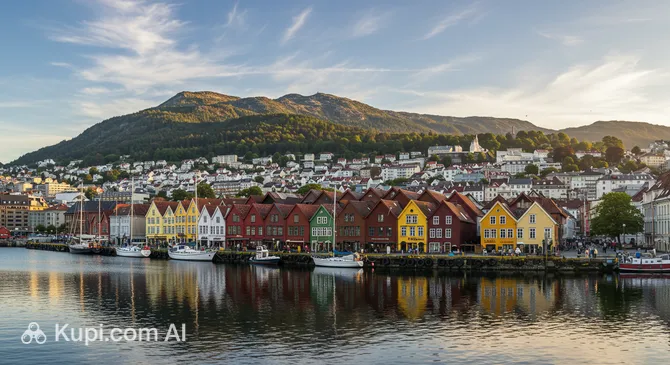
Bergen. Source: Kupi.Binoculars

Geographically, the city is nestled on the country's southwestern coast, famously surrounded by "The Seven Mountains." This unique location provides a stunning backdrop of peaks and water, though it also brings a mild, maritime climate known for its frequent rainfall. Despite the weather, the city remains lively year-round, with the rain contributing to the lush, green landscapes that define the area.

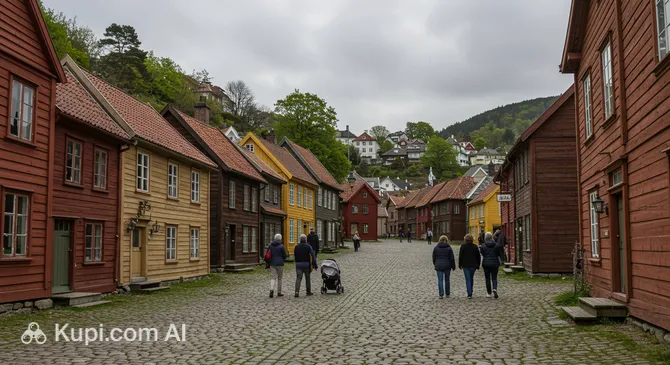
The history of Bergen is deeply intertwined with maritime trade and the Hanseatic League. This heritage is most visible at Bryggen, the iconic wharf characterized by its colorful wooden buildings and narrow alleyways, which is now a UNESCO World Heritage site. Walking through this area feels like stepping back in time to the height of the city's trading power.

Beyond its historical streets, Bergen offers fantastic attractions for modern travelers. You can take the Fløibanen funicular to the top of Mount Fløyen for panoramic views of the city and the surrounding fjords, or visit the bustling Fish Market to sample fresh local seafood. Whether you are starting a fjord tour or exploring the city's art museums, Bergen is an inviting destination that promises a memorable Nordic experience.
Weather Overview

Bergen features a temperate oceanic climate, heavily influenced by its coastal location and the surrounding mountains. The city is known for its mild temperatures and high humidity, avoiding extreme heat or bitter cold. For a more detailed breakdown of seasonal conditions, you can consult the guide to weather in Bergen to help plan your packing list.

Summer is generally the most pleasant time to visit, particularly in July and August, when average temperatures reach around 13.8°C and daily highs peak at approximately 16.3°C. Despite the warmer air, precipitation remains frequent, with these months seeing between 18 and 21 wet days. April tends to be the driest month, though it still records about 13 days with rainfall.

Winters are surprisingly moderate for the latitude, thanks to the warming effects of the Gulf Stream. In January, the average temperature is about 0.4°C, with lows dipping to just -1.5°C. Rainfall is consistent throughout the year, with October often being the dampest month, featuring up to 23 wet days. Expect mild, breezy summers and cool, wet winters as the standard pattern for this region.

Interesting Facts

Beyond the main attractions and famous fjords, Bergen holds many fascinating secrets and quirky details that define its unique character. From historical oddities embedded in stone to the realities of its climate, here are some intriguing facts about the city.
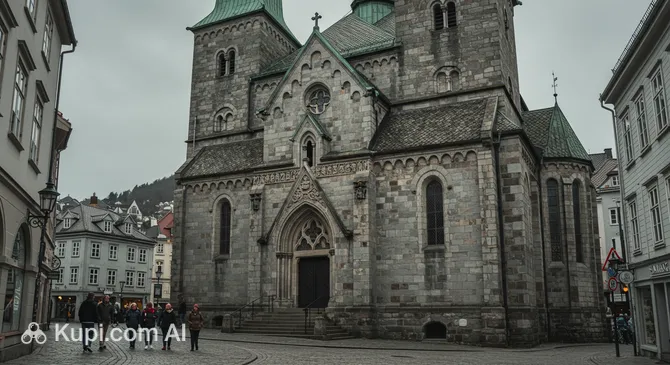
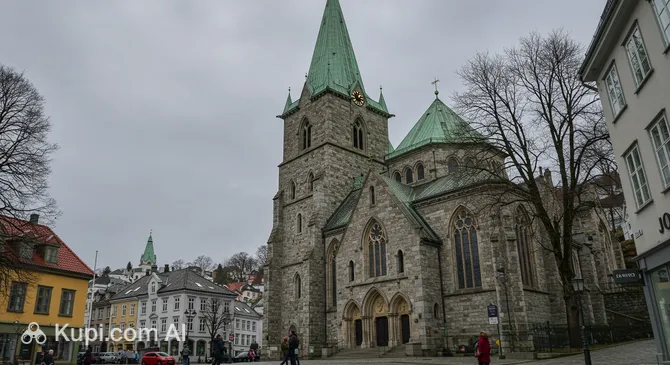
Bergen Cathedral. Source: Kupi.Binoculars
  • If you look closely at the exterior wall of the tower at Bergen Cathedral, you can spot a cannonball still embedded in the masonry. It has remained lodged there since 1665, a relic from the naval Battle of Vågen between English and Dutch fleets in the harbor.

  • The city is famously surrounded by "The Seven Mountains," but this number was actually a poetic choice inspired by the Seven Hills of Rome rather than geography. There are technically more peaks, but the Ulriken Cable Car transports visitors to the summit of the highest one officially included in the count.

  • Bergen is renowned as one of the wettest cities in Europe, a reputation that once led to the installation of the world's first umbrella vending machines. The local weather is so legendary that a record was set in late 2006 with 85 consecutive days of rain.

  • The charming wooden buildings of Bryggen are not just historical monuments; they are constantly moving. Due to the decay of the medieval timber foundations in the wet ground, parts of the wharf are slowly sinking, requiring continuous and complex restoration work to keep them standing.

  • Modern medicine has deep roots here, as the bacteria responsible for leprosy was discovered in the city by physician Gerhard Armauer Hansen in 1873. This breakthrough is commemorated at St. Jørgen’s Hospital, which stands as a significant monument to medical history.

How to Get There

Reaching the "Gateway to the Fjords" is straightforward thanks to its well-connected transport network. Whether you prefer flying directly into the region or taking a scenic train ride across the mountains, there are several convenient options. For a detailed breakdown of routes and tips, you can read more about how to get to Bergen to plan your journey effectively.

The most direct way to arrive is via Bergen Airport (BGO), which is located within the city limits, approximately 12.3 km from the center. It is a major international hub handling significant passenger traffic. A taxi to the downtown area typically takes around 40 minutes, while airport buses offer a reliable alternative. If you are exploring the broader Vestland region, you might also consider flying into Haugesund Airport (HAU) in Haugesund, situated about 116.7 km away, or Flora Airport (FRO) in Florø, which is roughly 133.8 km from Bergen.

For clarity, here is a summary of the main airports:

Airport Name City Passenger Traffic Km from City
Bergen Airport Bergen High 12.3
Haugesund Airport Haugesund Medium 116.7
Flora Airport Florø Small 133.8
Sogndal Airport Sogndal Small 130.0
Bringeland Airport Førde Small 114.1

Travelers can also arrive by rail, often experiencing one of the world's most beautiful train journeys on the way. The primary hub is Bergen Railway Station (QFV), located in the city of Bergen, approximately 11.7 km from the specific city coordinates. The station serves as the terminus for the famous Bergen Line from Oslo. For those traveling from the south, Kristiansand Railway Station (XKR) in Kristiansand is another major node, though it is located about 292.7 km away, requiring a longer transfer to reach the fjords.

Here is an overview of the nearest railway stations:

Station City Passenger Traffic Km to Center
Bergen Railway Station Bergen High 11.7
Kristiansand Railway Station Kristiansand 292.7

Main Attractions

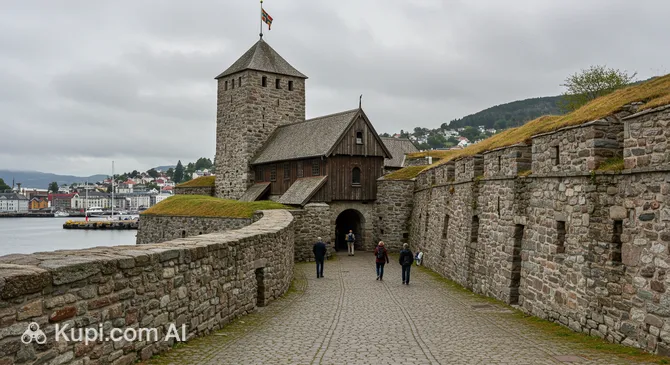
Located near the harbor entrance, Bergenhus Fortress is one of the oldest and best-preserved stone fortifications in Norway. With a history dating back to the 13th century, it was once a royal residence and a center of political power. Visitors can explore the grounds to see the medieval Haakon’s Hall and the Rosenkrantz Tower, both of which stand as impressive reminders of the city's historical importance.

Bergenhus Fortress. Source: Kupi.Binoculars

For those seeking spectacular views, the Ulriken Cable Car offers a scenic ride to the top of the highest of the seven mountains surrounding the city. The summit provides a breathtaking panorama of the fjords, islands, and the cityscape below. It is also a perfect starting point for hiking enthusiasts who want to explore the rugged high-mountain terrain.

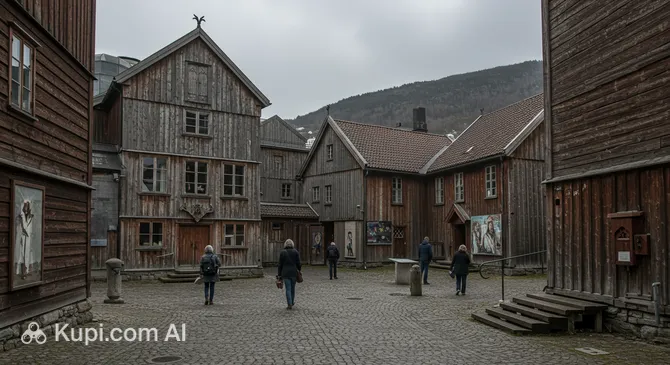
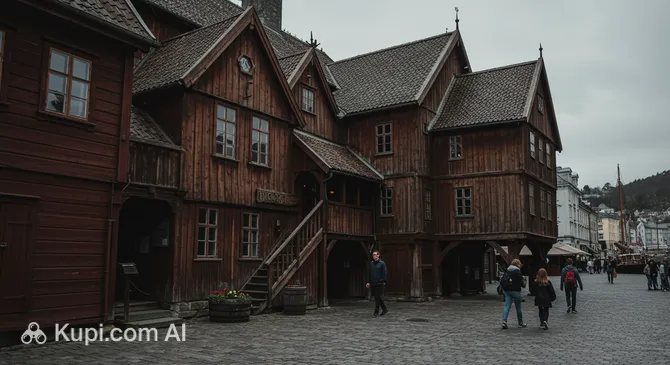
To experience the city as it was centuries ago, a visit to the Old Bergen Museum is essential. This open-air museum features a charming collection of reconstructed wooden houses from the 18th and 19th centuries. Walking through its cobblestone streets and interacting with actors in period costumes offers a vivid glimpse into the life of this bustling merchant town in the past.

Old Bergen Museum. Source: Kupi.Binoculars

Families and nature lovers will find plenty to discover at the Bergen Aquarium, situated at the tip of the Nordnes peninsula. It is home to a diverse range of marine life, from the creatures of the local fjords to tropical species. The aquarium is particularly famous for its penguin and seal colonies, where daily feeding shows provide entertainment and insight into these fascinating animals.

Art enthusiasts should make time for the Rasmus Meyer Collection, part of the KODE art museums. This gallery houses one of the most significant collections of Edvard Munch’s work in the world, alongside masterpieces from the Golden Age of Norwegian art. It offers a deep dive into the country's cultural heritage through an exquisite array of paintings and interiors.

Rasmus Meyer Collection. Source: Kupi.Binoculars

Local Cuisine

Bergen holds the prestigious title of a UNESCO City of Gastronomy, a recognition that highlights its deep connection to the ocean and sustainable food practices. The local cuisine is naturally dominated by fresh seafood harvested from the cold, clear waters of the nearby fjords. A definitive dish to try is Bergensk fiskesuppe, a rich and creamy fish soup that typically includes fish dumplings, vegetables, and a unique touch of vinegar for balance. Another culinary staple is Persetorsk, a traditional steamed cod dish made with sugar-salted fish, which has been a cherished Sunday dinner for local families for centuries.

For a quick and iconic taste of the city, you must visit Trekroneren. This legendary hot dog stand has been serving hungry locals and travelers for decades. Their menu features a variety of sausages, but the reindeer hot dog topped with lingonberry jam, mustard, and crispy onions is the standout choice. It offers a perfect blend of savory and sweet flavors that captures the essence of Norwegian comfort food in a simple, handheld meal.

Trekroneren. Source: Kupi.Binoculars

Those with a sweet tooth should look for Skillingsbolle, Bergen’s famous version of the cinnamon bun. These large, soft spirals are generously dusted with sugar and cinnamon, making them the ideal accompaniment to a cup of coffee. To experience the local drinking culture, you can explore the city's thriving craft beer scene. Apollon Bar is a fantastic spot to start; it is a unique hybrid of a rock pub and a record store where you can sample a wide selection of Norwegian brews. For a more traditional spirit, try Akevitt (Aquavit), a potent potato-based liquor flavored with caraway and herbs.

The dining atmosphere in Bergen is relaxed and unpretentious, ranging from the lively outdoor stalls of the Fish Market to intimate, modern eateries. If you are looking for a healthy and warming meal, especially on one of the city's frequent rainy days, Daily Pot serves excellent soups and stews focused on fresh, wholesome ingredients. Whether you are dining at a high-end seafood restaurant or grabbing a snack on the go, the food scene here is defined by high-quality local produce and a welcoming vibe.

Travel Tips

Visiting Bergen is a delightful experience, but a little local know-how can make your trip significantly smoother and more enjoyable. These practical tips are designed to help you navigate the city's unique climate and culture, ensuring you feel right at home from the moment you arrive.

  1. Dress for the Weather: Bergen is famous for its rain, so packing a high-quality waterproof and windproof jacket is essential regardless of the season. The local saying is "there is no such thing as bad weather, only bad clothes," so think in layers: wool or thermal base layers are great for the cooler months, and comfortable, water-resistant walking shoes are a must for navigating the cobblestone streets.
  2. Mastering Public Transport: The city center is compact and best explored on foot, but for longer distances, the public transport system is excellent. The Bybanen (Light Rail) and local buses are efficient and clean; download the Skyss Billett app to buy tickets easily on your phone, as buying them on board is often more expensive or not possible.
  3. Money Matters: The currency is the Norwegian Krone (NOK), but Norway is rapidly becoming a cashless society. Credit and debit cards are accepted almost everywhere, from high-end restaurants to tiny kiosks, so you rarely need to carry large amounts of cash. Tipping is not mandatory, but it is common to round up the bill or leave 5-10% for exceptional service.
  4. Health and Safety: Bergen is a very safe city for travelers, with low crime rates and high standards of hygiene. Pharmacies are marked with a green cross and the word Apotek; for after-hours emergencies, there is usually a designated duty pharmacy open. Tap water here is some of the cleanest and tastiest in the world, so drink freely from the faucet.
  5. Staying Connected: You will find that English is spoken fluently by almost everyone, making communication effortless. Free Wi-Fi is available in many cafes, hotels, and on the Airport Express bus. If you need mobile data, prepaid SIM cards are available at convenience stores like Narvesen or 7-Eleven, though EU residents can often "roam like at home."
  6. Social Etiquette: Norwegians are polite but value their personal space and privacy. When using public transport, it is customary to sit in an empty row rather than next to someone else if space allows. A simple handshake is the standard greeting, and being loud or boisterous in public places is generally frowned upon.
  7. What to Avoid: Do not waste money buying bottled water in stores unless you prefer sparkling water; the tap water is glacier-fed and pristine. Also, avoid trying to haggle in shops or markets, as prices are fixed and bargaining is not part of the local shopping culture.
  8. Sunday Closures: Keep in mind that most grocery stores and shopping centers are closed on Sundays. If you need essentials, look for small convenience stores or "Brustadbu" (small grocery sections) which are allowed to stay open, but plan your main shopping for Saturday.

With these tips in hand, you are well-prepared to embrace everything Bergen has to offer, from its misty mountains to its cozy cafes. Pack your rain gear, bring your sense of adventure, and get ready for an unforgettable journey in the fjord capital of Norway.

Entertainment & Nightlife

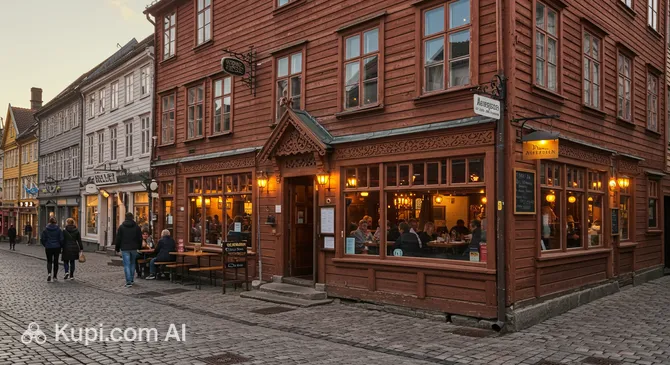
Despite its relatively small size, Bergen boasts a vibrant and diverse nightlife scene, largely fueled by its significant student population and thriving cultural sector. The atmosphere is generally relaxed and inclusive, avoiding the pretension found in larger European capitals. Most of the evening action is concentrated in the city center, making it easy to hop from one venue to another on foot. The area around Skostredet is particularly popular, known for its charming, narrow street lined with quirky bars, pubs, and restaurants that spill out onto the pavement in good weather.

For those seeking a laid-back vibe with exceptional drinks, No Stress Bergen is a standout destination. Recently recognized as one of the best cocktail bars in Norway, it offers a cozy interior where you can enjoy creative concoctions and even play video games. It captures the essence of the city's nightlife: high quality but unpretentious. The dress code throughout the city is typically "Norwegian casual"—smart jeans and a nice sweater will get you in almost anywhere.

No Stress Bergen. Source: Kupi.Binoculars

If you prefer a venue that has stood the test of time, Café Opera is a legendary institution near the National Theatre. By day, it serves as a bustling café, but as the evening progresses, it transforms into a lively club and bar hosting DJs and events. It draws a mixed crowd of students, artists, and locals, making it a great place to socialize. Nightlife in Bergen usually kicks off late, with bars filling up around 11:00 PM and clubs staying open until 3:00 AM on weekends.

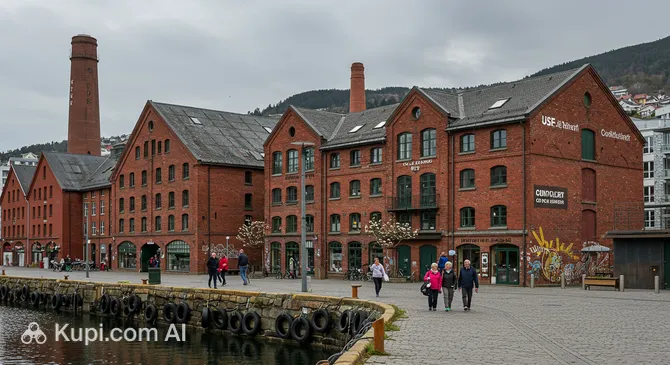
Music and culture enthusiasts should not miss USF Verftet, located in a converted sardine factory by the waterfront. This major cultural arena hosts everything from jazz concerts and rock gigs to art exhibitions and film screenings. It is slightly removed from the main city core but offers a stunning location to enjoy a drink by the fjord before catching a show. The venue is a testament to how the city repurposes its maritime heritage for modern entertainment.

USF Verftet. Source: Kupi.Binoculars

Travelers should be aware that alcohol prices in Norway are among the highest in the world, so it is common for locals to enjoy a "vorspiel" (pre-party) at home before heading out. Fridays and Saturdays are the busiest nights, though Thursdays are also lively due to the student crowd. The city is very safe for night walks, even in the late hours. Public transport runs late on weekends, but if you need a taxi, it is best to use a booking app or call 07000, as flagging one down can be difficult and expensive.

During the daylight hours, the entertainment options are equally engaging. Families will love the VilVite Science Center, an interactive museum full of experiments and technology displays that make learning fun. For art lovers, the Kode Art Museum – Lysverket offers world-class exhibitions ranging from classical to contemporary works. Whether you are exploring science, art, or the buzzing bar scene, the city offers a rich tapestry of experiences day and night.

Parks & Museums

Bergen offers a seamless blend of urban greenery and rich historical narratives, making it a city where nature and culture are inextricably linked. Visitors can easily transition from exploring ancient archaeological sites to relaxing by a tranquil lake or hiking up a mountain trail, all within the same afternoon.

For a relaxing break in the heart of the city, Festplassen is the natural gathering point. Situated by the Lille Lungegårdsvannet pond, this open plaza and park area is surrounded by museums and lush gardens, serving as a venue for celebrations and a peaceful spot for a stroll. For those seeking a more active nature experience, the Stoltzekleiven Trailhead marks the beginning of one of the most popular local hikes. This steep, stone-stair trail leads up to Sandviksfjellet, rewarding those who conquer its roughly 900 steps with spectacular views over the harbor and islands.

To understand the medieval origins of the city, a visit to Bryggens Museum is essential. Built directly over the remains of the first settlement at Bryggen, this archaeological museum displays findings from the excavations, including runic inscriptions and ceramics that tell the story of daily life in the Middle Ages. It provides a fascinating context to the wooden structures seen outside.

Bryggens Museum. Source: Kupi.Binoculars

Given the city's dependence on the sea, the Bergen Maritime Museum offers crucial insight into its development. The exhibitions cover thousands of years of seafaring history, featuring impressive collections of ship models, paintings, and artifacts that illustrate the evolution of Norwegian shipping. Another venue highlighting the coastal heritage is the Norwegian Fisheries Museum, located in authentic 18th-century wharfside warehouses, which explores the country's most important export industry through interactive displays.

Among the city's most significant architectural landmarks is St. Mary's Church. Dating back to the 12th century, it is the oldest existing building in Bergen and the only remaining church from the twelve that once stood in the city during the Middle Ages. Its Romanesque style and richly decorated baroque pulpit make it a standout historical site. In contrast, the neo-Gothic St. John's Church dominates the Nygårdshøyden hill with its red brick facade and towering copper spire, visible from many parts of the town.

St. Mary's Church. Source: Kupi.Binoculars

For a truly authentic experience, take a walk through the narrow, cobblestone alleys (known locally as "smau") on the Nordnes peninsula. This area is often quieter than the main tourist districts and features beautiful white wooden houses, secret gardens, and a park at the tip of the peninsula where locals go to swim in the fjord during summer.

Getting Around

Navigating Bergen is remarkably easy thanks to an efficient and integrated public transport system operated by Skyss. The network is clean, punctual, and covers the city center as well as the surrounding suburbs. The backbone of local transit is the Bybanen (Light Rail), which is the most popular option for visitors. It runs frequently and connects the city center with key locations, including the airport and the Fyllingsdalen district. The light rail is distinctive for its bright orange carriages and is often the fastest way to travel between major hubs.

Complementing the light rail is an extensive bus network that reaches areas where the tracks do not go. Buses are modern and comfortable, with digital displays announcing the next stop. For travel within the main tourist areas, you will likely remain in Zone A, which covers the entire city center and the airport. This simplifies the ticketing process significantly, as you rarely need to calculate fare differences for short trips.

The most convenient way to pay for travel is by downloading the Skyss Billett app, which allows you to purchase single tickets and passes directly on your smartphone. If you prefer physical tickets, you can buy them at ticket machines located at all Light Rail stops or at kiosks like Narvesen and 7-Eleven. It is important to note that buying a ticket on board a bus is often much more expensive and requires cash, so pre-purchasing is highly recommended. For tourists planning extensive sightseeing, the Bergen Card is a fantastic investment, as it includes free unlimited travel on buses and the light rail within the city limits.

Validation is a key part of the system. If you use the app, your ticket activates immediately upon purchase or at a set time, and a countdown timer serves as your proof of payment. If you have a paper ticket or a travel card, you must validate it on the card readers when you board. Ticket inspections are frequent, and fines for traveling without a valid pass are steep. The transport services generally operate from early morning until just after midnight, with dedicated night buses running on weekends to help late-night revelers get home safely.

For a more scenic and historic mode of transport, look for the charming Beffen ferry. This small, heritage vessel has been ferrying passengers across the Vågen harbor for over a century, offering a delightful short cut between the Bryggen wharf and the Nykirken side. Additionally, the famous Fløibanen funicular serves as both a tourist attraction and a daily commute for locals living on the mountainside. It is fully integrated into the city's rhythm, though it requires a separate ticket from the standard Skyss system.

While public transport is excellent, alternatives are available. Taxis are reliable and safe but can be quite expensive compared to other European cities. You can find them at designated ranks or book them via apps and phone, with 07000 being a major operator. During the warmer months, Bergen Bysykkel (City Bikes) offers a great way to see the streets at your own pace. Stations are located throughout the center, allowing you to unlock a bike with an app for a small fee. However, given the compact nature of the downtown area, walking remains one of the best ways to soak in the atmosphere.

Accommodation

Where to Stay:

Finding the right place to stay in Bergen is easy, as the city offers a wide variety of accommodation options to suit different tastes and budgets. The selection ranges from charming, historic guesthouses and budget-friendly hostels to modern chain hotels and high-end waterfront resorts. For those seeking more independence, there are also numerous apartment rentals available, which can be a great option for families or longer stays.

The most popular area for tourists is undoubtedly the City Center (Sentrum), particularly near the Vågen harbor. Staying here places you within walking distance of the main attractions, including the UNESCO-listed wharf and the funicular station. The area around the train station is also a convenient choice, offering easy access to public transport while remaining close to the museums and shopping districts surrounding the central lake.

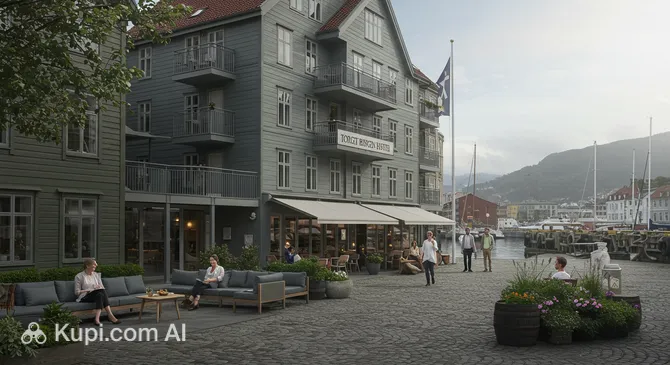
For a location that puts you right in the heart of the bustling activity, Torget Bergen Hotel is an excellent example of a centrally located establishment. Situated directly by the famous Fish Market and the harbor, it offers guests immediate access to the waterfront promenade and stunning views of the city's historic facades.

Torget Bergen Hotel. Source: Kupi.Binoculars

When planning your trip, it is important to book your accommodation well in advance, especially if you are visiting during the peak summer season (May to September). Hotels in the city center fill up quickly during these months, and prices can rise significantly. To secure the best rates and availability, try to make your reservation at least a few months before your arrival.

In terms of cost, accommodation in Bergen generally reflects the higher price levels found throughout Norway. While budget options do exist, most mid-range and luxury hotels are priced at a premium compared to other European cities. Booking is most commonly done through major online travel platforms, though booking directly with the hotel can sometimes offer better cancellation terms or special packages.

Nearby Cities

For those looking to explore the surroundings, Bergen serves as an excellent base for day trips to several interesting nearby locations:

City Population Distance (km)
Stavanger 237369 160
Haugesund 37444 109
Askøy 29816 15
Sand 24898 114
Os 19742 21

Just a stone's throw from the city limits, Askøy offers a quick and refreshing escape into nature. Accessible via a short ferry ride from the Strandkaien terminal or by driving across the Askøy Bridge, this island community is known as a green oasis. It features excellent hiking trails, such as the trek up to Kolbeinsvarden, which rewards walkers with panoramic views of the surrounding archipelago and the city in the distance.

Located to the south, Os is a cultural gem situated on the edge of the Bjørnafjord. It is famous for the Oseana Art and Cultural Centre, a stunning venue hosting concerts and art exhibitions right by the water. The town also preserves the tradition of building the Oselvar boat, a UNESCO-recognized craft. A visit here offers a perfect blend of artistic inspiration and serene fjord landscapes, making it an ideal spot for a relaxing afternoon.

For travelers interested in Viking history, Haugesund presents a fascinating option for a longer day trip. Known as the homeland of the Viking kings, it is the site where King Harald Fairhair is said to be buried. Visitors can explore the Haraldshaugen national monument or walk along the vibrant indre kai (inner quay). Although it requires a bit more travel time, the coastal drive offers beautiful scenery and a chance to experience the rich heritage of the region.

These nearby destinations offer a glimpse into the diverse culture and landscapes of the region.

Shopping & Souvenirs

Shopping in Bergen offers a delightful mix of experiences, ranging from browsing through historic wooden stalls to exploring modern, multi-story centers. The city’s retail landscape is compact and pedestrian-friendly, making it easy to navigate between different districts. Whether you are looking for authentic Norwegian handicrafts, high-end fashion, or fresh local produce, the city provides a diverse scene set against a picturesque backdrop.

The most iconic place to start is Bryggen. Walking through the narrow alleyways of this UNESCO World Heritage site feels like stepping back in time. The tilted wooden buildings, which once housed Hanseatic merchants, are now home to artists' studios, boutiques, and souvenir shops. Here, you can find high-quality traditional items such as hand-knitted woolen sweaters, silverware, and intricate wood carvings. It is the perfect spot to pick up a unique memento that captures the spirit of the region.

[IMAGE entity="attraction" id="136483"]

Just a short walk away lies the famous Fish Market (Fisketorget), located right at the inner harbor. While primarily known for its fresh seafood, the market also features stalls selling fruit, vegetables, and flowers. In the summer months, it bustles with activity, offering not just ingredients but also ready-to-eat delicacies like fish cakes and caviar. It is a vibrant meeting place where the scents of the sea mix with the lively chatter of traders and tourists.

For a more contemporary shopping experience, head to Torgallmenningen, the city's main square and meeting point. This broad avenue is lined with department stores and fashion chains. One of the highlights here is Galleriet, a stylish shopping mall that houses over 70 stores. It features a mix of international brands and Scandinavian design shops, along with several cafes where you can take a break.

[IMAGE entity="shopping_mall" id="127482"]

If you prefer a larger selection under one roof, Bergen Storsenter is the place to go. Located near the bus and train stations, it is the largest shopping center in the city center. With a vast array of shops selling everything from electronics and interior decor to clothing and beauty products, it serves as a convenient hub for all your shopping needs.

[IMAGE entity="shopping_mall" id="127648"]

Beyond the malls, the pedestrian street Strandgaten offers a different vibe. Known as the "shopping street" for locals, it stretches along the harbor and is filled with smaller, independent boutiques, interior design stores, and cozy cafes. It is an excellent destination for finding unique gifts and exploring Norwegian trends away from the main tourist crowds.

Travelers should also take note of the "Tax-Free" shopping opportunities. Many stores in Bergen participate in the Global Blue refund scheme. If you live outside of Scandinavia, you can save a significant amount on VAT for purchases over a certain value. Look for the Tax-Free logo in shop windows and remember to ask for a refund form at the checkout to cash in at the airport.

Reached the end of the page?

That means the route is fully explored