Support

Haugesund

About

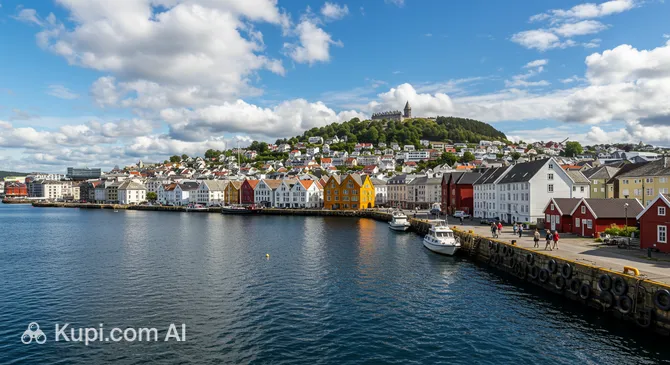
Haugesund is a captivating coastal city located in the county of Rogaland, often referred to as the homeland of the Viking kings. Situated on the southwestern coast of Norway, this vibrant town offers a perfect blend of historical significance and modern cultural life. With a population of approximately 37,000 residents, it serves as a regional center for trade and services, boasting a lively atmosphere that welcomes visitors from around the globe.

Haugesund. Source: Kupi.Binoculars

The city is inextricably linked to the sea and the unification of the country. Deeply rooted in the history of Haugesund is the legacy of King Harald Fairhair, who is said to be buried at the famous Haraldshaugen national monument. This site commemorates the unification of the kingdom and is a must-visit for anyone interested in the Viking Age. Beyond its ancient roots, the city flourished on the herring industry, which has shaped its charming architecture and distinct maritime character.

Today, Haugesund is renowned as a cultural hub, hosting major events like the Sildajazz (Herring Jazz Festival) and the prestigious Norwegian International Film Festival. Its strategic location makes it an excellent gateway to the breathtaking fjords and islands of the North Sea. Whether you are strolling along the picturesque harbor or exploring the nearby rugged landscapes, Haugesund promises an unforgettable Nordic experience.

Weather Overview

Haugesund features a temperate coastal climate, heavily influenced by its proximity to the North Sea. This location ensures that extreme temperatures are rare, providing a generally mild environment year-round. Travelers looking for detailed forecasts should check the weather in Haugesund before packing, as conditions can be quite changeable.

Summers in the region are cool and comfortable rather than hot. During the warmest months of July and August, average temperatures hover around 14.5°C to 14.8°C, with highs occasionally reaching 17°C. Winters are relatively mild for this latitude, with average temperatures in January and February staying above freezing at approximately 2.5°C to 2.7°C.

Precipitation is a common occurrence throughout the year, contributing to the lush green landscapes of Rogaland. October is typically the wettest month, seeing rain on about 23 days, while late spring offers the driest spells, particularly in April and May. Expect mild temperatures with frequent showers, so bringing a waterproof jacket and warm layers is highly recommended.

Interesting Facts

Beyond the main attractions, Haugesund holds many fascinating secrets that range from ancient Viking legends to surprising Hollywood connections. Here are some unique insights into the city's rich heritage and local lore.

  • The Origin of "Norway": The strait known as Karmsundet, which separates the city from the island of Karmøy, was historically referred to as "Nordvegen" or "The Northern Way." Many historians believe that this vital shipping lane is the actual etymological origin of the country's name.

  • A Hollywood Connection: Visitors strolling along the harbor might be surprised to find a statue of the legendary Marilyn Monroe. The monument stands here to honor the actress's local roots, as her father, Martin Edward Mortensen, was born in the Haugesund region before emigrating to America.

  • A Monument to Unification: The city is the site of Haraldshaugen, a national monument erected in 1872 to celebrate the unification of Norway. It marks the location where the first King of Norway, Harald Fairhair, is believed to have been buried more than a thousand years ago.

  • The Pink City Hall: Haugesund’s City Hall is immediately recognizable due to its vibrant pink facade. Donated by a wealthy local shipowner in 1931, this striking neoclassical building was fully funded by private means, a testament to the city's maritime prosperity.

Haraldshaugen. Source: Kupi.Binoculars

How to Get There

Reaching this coastal destination is quite convenient, with options ranging from direct flights to scenic drives. For a detailed guide on planning your journey, you can read more about how to get to Haugesund and choose the route that suits you best.

The most direct way to arrive is via Haugesund Airport (HAU), situated on the island of Karmøy. It is the primary gateway to the region, located just 8.3 km from the city center. A trip by taxi or airport bus typically takes about 30 minutes. While smaller than the major national hubs, it handles a significant number of passengers and offers good connections.

The city of Haugesund does not have its own large international airport for long-haul flights, but you can fly into Stavanger Airport Sola (SVG) in the city of Stavanger, which is approximately 63.4 km away. The travel time from there, often involving a ferry or bus connection, is around 2 hours. Another excellent option is Bergen Airport (BGO) in Bergen, located about 98.1 km north of Haugesund. The journey from Bergen takes roughly 3 hours and offers beautiful coastal views.

For clarity, here is a summary of the main airports:

Airport Name City Passenger Traffic Km from City
Bergen AirportBergenLarge98.1
Stavanger Airport SolaStavangerLarge63.4
Kristiansand AirportKristiansandMedium211.3
Haugesund AirportHaugesundMedium8.3
Sogndal AirportSogndalSmall219.2

The city of Haugesund does not have a railway station, as the train lines do not extend to this part of the coast. However, you can arrive at the Bergen Railway Station in the city of Bergen, which is about 98.8 km from Haugesund. From there, you can get a taxi, bus, or express boat, which takes about 3 hours to reach your final destination. This route is popular for those combining a rail journey across Norway with a coastal visit.

Below are the nearest railway stations that can serve as transit points:

Station City Passenger Traffic Km to Center
Stockholm Central StationStockholmVery Large282.6
Bergen Railway StationBergenLarge98.8
Kristiansand Railway StationKristiansandUnknown211.4

Main Attractions

Haugesund offers a delightful mix of historical landmarks, architectural gems, and lively modern spots. While the city is compact, its attractions are rich in character, ranging from monuments celebrating Norway's unification to vibrant centers of daily life.

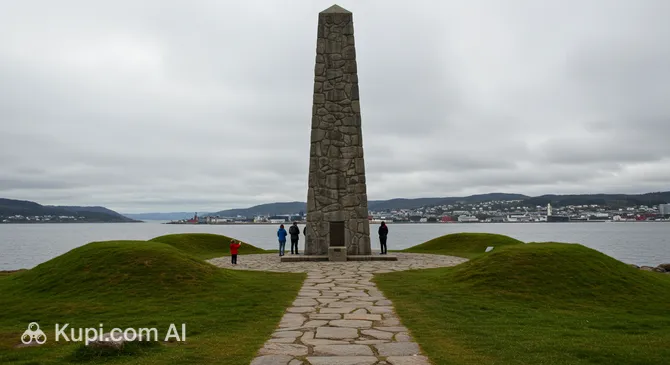
One of the most significant sites in the entire country is Haraldshaugen, Norway's national monument. Located just north of the city center, this impressive obelisk stands on the site where King Harald Fairhair is believed to have been buried. It was erected in 1872 to commemorate the 1,000th anniversary of the unification of Norway. Visitors can enjoy a scenic walk along the coast to reach the monument, offering panoramic views of the sea and the surrounding landscape.

Haraldshaugen. Source: Kupi.Binoculars

Another architectural highlight that commands attention is the Haugesund City Hall. Known for its distinct pink facade and neoclassical style, it is widely considered one of the most beautiful city halls in Norway. The building was a gift from a local shipowner and was inaugurated in 1931. Its richly decorated interior and the surrounding park make it a popular stop for architecture enthusiasts and photographers alike.

For those interested in the region's maritime history, the Dokken Outdoor Museum on Hasseløy island provides a fascinating glimpse into the past. This open-air museum features restored buildings from the herring fishing era, showcasing how people lived and worked during the city's golden age. It offers a peaceful atmosphere where you can wander among wooden houses, boathouses, and old piers.

If you are looking to experience the modern pulse of the city, a visit to Markedet Shopping Center is recommended. Situated right in the heart of Haugesund, it serves as a central meeting point for locals and tourists. Beyond its variety of stores, the center is a great place to take a break, enjoy a coffee, and observe the lively street life of this charming coastal town.

Markedet Shopping Center. Source: Kupi.Binoculars

Local Cuisine

The culinary landscape of Haugesund is defined by its proximity to the North Sea, making it a paradise for seafood lovers. Fresh catch is the cornerstone of the local diet, with restaurants along the harbor serving high-quality fish delivered daily by local fishermen. The city's history is built on the herring industry, and this legacy continues on the plate. Visitors should definitely try pickled herring, often served on rye bread, or fresh cod and halibut prepared with seasonal vegetables.

A true regional specialty that you must experience in Rogaland is Komle (also known as raspeballer or kompe). These are hearty potato dumplings typically served with salted mutton, sausages, and bacon fat. It is a traditional comfort food, so popular that many local restaurants have a dedicated "Komle Thursday" where this dish takes center stage on the menu. It is a heavy, satisfying meal perfect for refueling after a day of exploring the windy coast.

When it comes to beverages, coffee plays a significant role in the daily life of locals, often enjoyed with a sweet treat like a waffle topped with brown cheese. For something stronger, Norwegian Aquavit (Akevitt) is the traditional spirit of choice, often consumed during festive meals. The region has also seen a rise in craft beer culture, with local breweries producing excellent varieties that pair well with the hearty coastal cuisine.

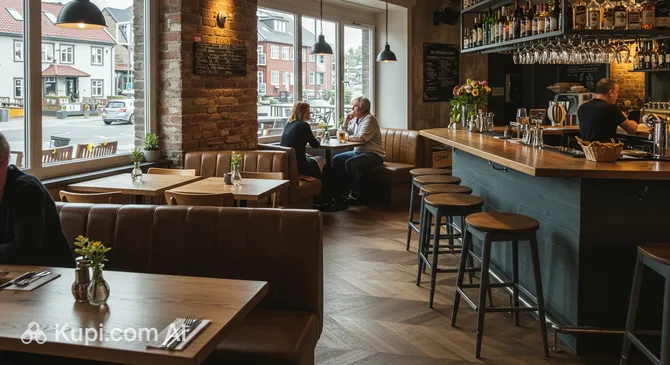
The dining culture in Haugesund is relaxed and centers largely around the picturesque Smedasundet strait. The waterfront promenade is lined with eateries ranging from cozy cafes to upscale dining establishments, offering views of passing boats while you eat. For a delicious meal in a friendly setting, you can visit Oxe Burger, a popular spot known for its quality ingredients and welcoming atmosphere.

Oxe Burger. Source: Kupi.Binoculars

Street food and casual dining are also gaining traction, particularly during the summer festivals when food stalls pop up offering everything from fish soup to international flavors. Whether you are looking for a fine dining experience with a view of the sunset or a quick, tasty bite, Haugesund's food scene offers a delightful mix of maritime tradition and modern culinary trends.

Travel Tips

Preparing for a trip to the Viking homeland requires some local know-how to ensure a seamless experience. Here are some practical tips to help you navigate Haugesund like a pro, covering everything from packing essentials to local customs.

  1. Clothing and Gear: The coastal weather in Rogaland can be quite changeable, often experiencing "four seasons in one day." A high-quality windproof and waterproof jacket is essential, regardless of when you visit. Dress in layers to adapt to shifting temperatures. Comfortable walking shoes are a must for exploring the city streets and nearby rocky coastlines. For electronics, bring a standard European two-pin adapter (Type C or F) as the voltage is 230V.
  2. Transportation: The city center is compact and best explored on foot. For trips further afield, the local bus system, operated by Kolumbus, is reliable and efficient; download their app for tickets and schedules. Taxis are available but can be quite expensive, so check the estimated price beforehand. While you don't need a car for the city itself, renting one is highly recommended if you plan to explore the scenic island of Karmøy or the surrounding fjords.
  3. Finances: The local currency is the Norwegian Krone (NOK). Norway is rapidly becoming a cashless society, and credit or debit cards (Visa and Mastercard) are accepted almost everywhere, even for small purchases like a coffee. ATMs are available but rarely needed. Note that Norway is a high-cost destination, so plan your daily budget accordingly. Tipping is not mandatory, but rounding up the bill or leaving a 5-10% tip for exceptional service is appreciated.
  4. Health and Safety: Haugesund is a very safe city for tourists with low crime rates. Pharmacies, marked as Apotek, are widely available for over-the-counter medicines. Tap water is exceptionally pure and safe to drink, so bring a reusable bottle to save money and plastic. For emergencies, dial 112 for police or 113 for an ambulance.
  5. Communication: English is widely spoken and understood at a high level, so you will have no trouble communicating. However, locals appreciate it if you know a few basic Norwegian words like Takk (Thank you) and Hei (Hello). Free Wi-Fi is common in hotels, cafes, and public areas. If you need mobile data, you can purchase a prepaid SIM card at convenience stores like Narvesen or 7-Eleven (ID is usually required for registration).
  6. Local Etiquette: Norwegians are friendly but value personal space and privacy. A firm handshake is the standard greeting. Punctuality is highly respected, so try to be on time for tours or appointments. If you are invited to a local's home, it is customary to remove your shoes at the door.
  7. What to Avoid: Do not expect to buy wine or spirits in regular supermarkets. Beer can be bought in grocery stores before 8:00 PM on weekdays (and 6:00 PM on Saturdays), but stronger alcohol is sold exclusively at the state-run Vinmonopolet, which closes early and is closed on Sundays. Also, avoid walking in designated bicycle lanes, as this is frowned upon by locals.
  8. Sunday Closures: Be aware that most shops, including grocery stores and malls like Markedet, are closed on Sundays. Only small convenience stores and souvenir shops may remain open. It is wise to do your shopping on Saturday to avoid being caught without supplies.

With these tips in hand, you are fully prepared to enjoy the maritime charm and historical depth of Haugesund without any hassles. Have a wonderful journey exploring this beautiful corner of the Norwegian coast!

Entertainment & Nightlife

While Haugesund is often celebrated for its Viking history, the city also boasts a surprisingly vibrant and diverse nightlife scene that rivals larger Norwegian towns. As the sun sets over the North Sea, the atmosphere shifts from laid-back maritime charm to an energetic buzz, particularly on weekends. The heart of the action is undoubtedly the Smedasundet strait (Indre Kai), where a picturesque waterfront promenade is lined with an array of bars, pubs, and restaurants.

For those looking to start their evening with a hearty meal before hitting the town, Oxe Burger is a fantastic choice. Located centrally, it offers a relaxed setting perfect for fueling up with gourmet burgers and drinks. After dinner, the short walk along the quay reveals the city's nightlife variety. You can find everything from sophisticated cocktail lounges to rowdy pubs where locals and visitors mingle freely.

If you enjoy live music and a traditional pub atmosphere, Mackkjelleren is a local favorite. Known as one of the oldest pubs in the city, it often features troubadours playing classic hits, creating a sing-along vibe that is incredibly welcoming. For a more high-energy experience, Heidi's Bier Bar brings the afterski spirit to the coast, complete with dancing on tables and large steins of beer. Alternatively, Rabalder Bar offers a "grandma's living room" feel by day that transforms into a lively club with a DJ by night, making it ideal for those who want to dance until the early hours.

The nightlife in Haugesund is generally safe and walkable. Most popular venues are clustered within a few hundred meters of each other along the harbor, so there is rarely a need for transport between bars. However, if you are staying outside the city center, taxis are readily available at designated stands, though they can be pricey. The dress code is typically smart-casual; Norwegians like to dress up a bit for a night out, but the vibe remains unpretentious and friendly.

For a more culturally inclined evening, the city offers excellent alternatives to the bar scene. Festiviteten, the city's main concert hall and theatre, hosts a wide range of performances from national touring acts to local productions. Movie lovers can visit Edda Kino, a modern cinema complex that screens the latest international releases, often in their original language with subtitles.

Parks & Museums

Haugesund is not only defined by its Viking legacy and maritime hustle but also by its refreshing green spaces and rich cultural institutions. For visitors seeking a break from the city streets or a deeper dive into local history, the town offers a delightful array of parks, nature trails, and museums that showcase the region's artistic and historical depth.

For nature lovers, Djupadalen is an absolute gem located just a short walk from the city center. This recreational area is a favorite among locals for its lush forests and well-maintained hiking trails that surround the serene Eivindsvannet lake. It is the perfect spot for a relaxing picnic, a refreshing swim in the summer, or a peaceful walk amidst the trees. The area connects to the wider hiking network of Steinsfjellet, offering panoramic views for those willing to trek a bit higher.

In the heart of the city lies Byparken (The City Park), a classic green lung that provides a tranquil escape from the urban buzz. Established in the late 19th century, this beautifully landscaped park features a charming music pavilion, old majestic trees, and flower beds that bloom vibrantly in spring and summer. It is an ideal place to sit on a bench with a coffee and watch the world go by, surrounded by some of the city's finest architecture.

Another significant outdoor area is the parkland surrounding Haraldshaugen. While famous for its national monument, the site itself is a wonderful open space facing the sea. The coastal path (Kyststien) that runs past it offers a rugged and scenic route where you can experience the fresh North Sea breeze and watch the waves crash against the shore. It combines historical sightseeing with the raw beauty of the Norwegian coast.

When it comes to museums, the Karmsund Folkemuseum offers a comprehensive look into the region's past. Situated in the city center, this museum explores the cultural history of Haugesund and the surrounding districts. Exhibits cover everything from the rich herring fishing era and maritime traditions to agriculture and daily life in the old days. It is an excellent starting point for understanding how the sea has shaped the local community over centuries.

Art enthusiasts should not miss the Haugesund Billedgalleri (Art Gallery), located near Byparken. This gallery houses an impressive collection of Norwegian art, with a special focus on artists from the western region. The museum hosts both permanent collections and changing contemporary exhibitions, making it a dynamic venue for visual arts. The building itself is an architectural highlight, and the gallery shop offers unique design items.

For a truly unique authentic experience, consider taking a short trip to the nearby Visnes Mining Museum on Karmøy. This lesser-known spot reveals a fascinating connection to the world stage: the copper used to build the Statue of Liberty in New York was mined right here. Walking through the old mining area and seeing the "Little Statue of Liberty" replica provides a surprising and memorable historical twist.

Getting Around

Public transport in Haugesund is efficient and reliable, primarily revolving around a comprehensive bus network operated by the regional authority, Kolumbus. Since the city does not have a metro, tram, or train system, buses serve as the main lifeline for locals and visitors, connecting the city center with residential neighborhoods and the neighboring island of Karmøy. For those wishing to explore the scenic archipelago, express boats (known locally as hurtigbåt) are an essential mode of travel, departing regularly from the city harbor to idyllic islands such as Røvær, Feøy, and Utsira.

The payment system is modern and largely digital. The most convenient and cost-effective way to purchase tickets is through the Kolumbus mobile app, which is available for both iOS and Android. Through the app, you can buy single tickets, 24-hour passes, or even 7-day tickets if you plan a longer stay. While it is technically possible to buy tickets on board the bus using cash or a bank card, this usually incurs an additional surcharge. Therefore, tourists are strongly advised to use the app to save money and avoid the hassle of carrying exact change.

Navigating the system is straightforward, but keeping a few practical tips in mind will ensure a smoother experience. Tickets purchased via the app must be activated before boarding and are typically valid for a specific time window (often one hour), allowing for free transfers between buses within the same zone. Bus schedules vary, with frequent service during peak hours on weekdays, but frequencies drop significantly in the evenings and on Sundays. On weekends, specifically Friday and Saturday nights, special night buses operate to transport people home from the city center, though these often follow different routes and schedules.

For alternatives to the bus, the compact city center is incredibly walkable, with most major hotels, restaurants, and the waterfront promenade located within a short distance of each other. Taxis are available and can be found at designated stands or booked via apps like Haugesund Taxi, but be aware that fares can be quite high compared to international standards. Cycling is another popular option during the warmer months; the terrain in the city center is relatively flat, making it an enjoyable way to sightsee at your own pace.

A distinct feature of the local transport network is the seamless integration of sea travel. The express boat terminal is centrally located at the Indre Kai, making it easy to transition from a city stroll to an island adventure. These passenger ferries function much like buses on water, providing a quick and scenic way to experience the coastal environment without the need for a private boat charter. Whether you are commuting or sightseeing, the combination of buses and boats covers all the necessary ground for a complete visit.

Accommodation

Finding the perfect place to stay in Haugesund is relatively straightforward, as the city offers a focused but high-quality selection of accommodation options. The range typically spans from modern, full-service hotels belonging to well-known Nordic chains to smaller, independent guesthouses that offer a more intimate atmosphere. For budget-conscious travelers, there are camping sites and cabins located just outside the city center, while those seeking more space and independence can find a good variety of rental apartments.

The most popular and convenient area for tourists to base themselves is undoubtedly the city center, particularly near the Smedasundet strait. Staying here places you within walking distance of the picturesque harbor promenade, the main shopping streets, and the majority of restaurants and nightlife venues. Being in the heart of the town means you can easily enjoy the maritime atmosphere and access public transport without the need for a car.

A crucial tip for booking accommodation in Haugesund is to plan well ahead if you intend to visit during the summer. The city hosts several major festivals, such as the Sildajazz (Herring Jazz Festival) in August and the Norwegian International Film Festival. During these events, the city fills up quickly, and finding a room at the last minute can be extremely difficult and expensive. Booking several months in advance is highly recommended for these peak periods.

Regarding costs, the price range for accommodation generally reflects the standard Norwegian cost of living, which can be higher than in many other European countries. Budget options are available but limited, while mid-range hotels offer comfortable amenities at a standard price point. Luxury resorts are less common, but high-end rooms with harbor views are available. Booking is most commonly done through major online travel platforms or directly via hotel websites, which is often the best way to secure specific room requests or package deals.

Nearby Cities

For those looking to explore the surroundings, Haugesund serves as an excellent base for day trips to several interesting nearby locations:

A popular choice for a day excursion is Stavanger, located to the south. Known as the energy capital of Norway, it offers a fascinating mix of modern industry and history, most notably in Gamle Stavanger, a preserved area of white wooden houses. It also serves as a gateway to the iconic Pulpit Rock (Preikestolen), attracting nature lovers from around the world.

Traveling north, you can visit Bergen, a city famous for its cultural heritage and the colorful Hanseatic wharf, Bryggen, which is a UNESCO World Heritage site. Surrounded by seven mountains, Bergen offers a lively fish market, a vibrant art scene, and the scenic Fløibanen funicular, providing breathtaking views of the city and fjords.

Just a short distance from Stavanger lies Sandnes, often called the "Bicycle City" due to its extensive network of cycling paths. It is a dynamic city that combines urban shopping and dining with easy access to the majestic Lysefjord, making it an excellent stop for those exploring the southern part of the region.

City Population Distance (km)
Bergen 267117 109
Sandnes 237369 68
Stavanger 237369 56
Askøy 29816 117
Sola 27568 62

These nearby destinations offer a glimpse into the diverse culture and landscapes of the region.

Shopping & Souvenirs

Shopping in Haugesund offers a delightful mix of modern convenience and small-town charm, serving as the primary commercial hub for the entire Haugalandet region. The city center is compact and pedestrian-friendly, allowing visitors to browse through a variety of stores without the need for transportation. Whether you are looking for the latest Nordic fashion trends, unique local crafts, or standard travel essentials, the city provides a relaxed atmosphere where retail therapy can be easily combined with sightseeing.

The heart of the shopping district is undoubtedly Haraldsgata, which is famous for being one of the longest pedestrian streets in Norway. This vibrant artery runs through the city center and is lined with a diverse array of shops, ranging from well-known international chains to independent boutiques. Strolling down Haraldsgata is a social experience in itself, where you can pop into cozy interior design shops, fashion outlets, and bookstores, all while enjoying the lively street atmosphere.

For those who prefer everything under one roof, the Markedet Shopping Center is the premier destination located right in the city center. It houses a wide selection of stores including fashion retailers, electronics, and home goods, making it a convenient stop for tourists. Just a short drive south of the center, you can also find Oasen Storsenter, a larger mall that serves as a major regional shopping destination with an even broader range of services and supermarkets.

While Haugesund does not have a permanent daily market hall, the city comes alive with market stalls during festivals and special events. During the summer months and the Christmas season, temporary markets often pop up in the town squares, selling local handicrafts, artwork, and regional food delicacies. These are excellent places to chat with locals and discover artisanal products that you won't find in standard shops.

When it comes to souvenirs, Haugesund's status as the homeland of the Viking kings makes Viking-themed memorabilia a popular choice. You can find high-quality replicas of jewelry, drinking horns, and wood carvings in specialized gift shops. Additionally, traditional Norwegian goods such as wool sweaters (strikkegenser), pewter items, and cheese slicers remain timeless classics. For a taste of the region, look for locally produced jams or canned herring, celebrating the city's maritime heritage.

Store opening hours in Haugesund generally follow standard Norwegian customs. Most shops open around 10:00 AM and close at 17:00 or 18:00 on weekdays, with extended hours on Thursdays often until 19:00 or 20:00. On Saturdays, shops typically close earlier, around 16:00. It is important to remember that nearly all retail stores, including malls, are closed on Sundays. Payment is seamless, with debit and credit cards (Visa and Mastercard) being accepted almost everywhere, even for small transactions.

Tourists residing outside of Norway, Sweden, Denmark, and Finland may be eligible for a Tax-Free refund on purchases. Many shops in Haugesund participate in the Global Blue tax refund scheme. If you spend above a certain threshold (usually around 315 NOK) in a single store, ask for a Tax-Free form at the checkout. You can then claim a refund on the Value Added Tax (VAT) at the airport or border when leaving the country.
Reached the end of the page?

That means the route is fully explored