Support

Stord

About

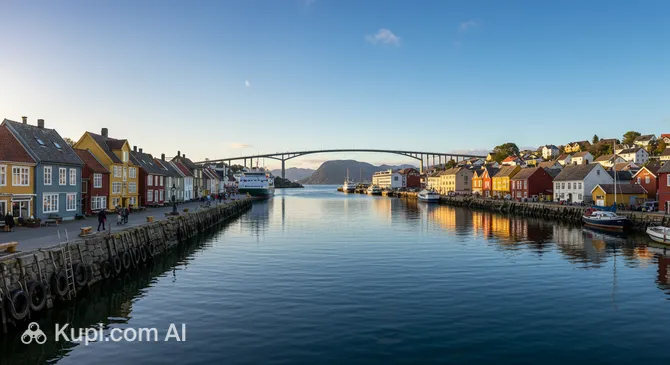
Welcome to Stord, a vibrant island municipality located in the heart of the Sunnhordland region in Vestland county. Often described as "Norway in miniature," this destination offers a stunning cross-section of the nation's diverse landscapes, ranging from rugged mountains and deep fjords to gentle coastlines. With a population of approximately 19,000 residents, it serves as a lively regional center while maintaining a close and harmonious connection to nature.

Stord. Source: Kupi.Binoculars

Strategically positioned between the major cities of Bergen and Stavanger, the island is easily accessible and enjoys a mild coastal climate typical of the west coast. The town of Leirvik acts as the administrative center and a bustling hub for visitors, offering a charming harbor atmosphere. Those interested in the past can explore the fascinating history of Stord, which is deeply rooted in maritime traditions, mining, and industrial development.

Travelers are particularly drawn to the area's outdoor opportunities, such as the popular hiking trails leading up to Kattnakken, where you can enjoy breathtaking panoramic views of the Sunnhordland basin and the Folgefonna glacier in the distance. The Sunnhordland Museum is another cultural highlight, featuring historic buildings and exhibitions near the waterfront. Whether you are seeking scenic adventures or a relaxing coastal getaway, Stord invites you to discover its unique charm.

Weather Overview

The climate in Stord is typical of Western Norway, characterized by mild winters and cool, pleasant summers. Due to its coastal location, the weather can be changeable, and visitors should be prepared for frequent precipitation throughout the year. For detailed forecasts and planning, checking the current weather in Stord is highly recommended.

Summer is generally the most comfortable time to visit, with average temperatures in July and August hovering around 14°C and daily highs reaching approximately 16°C. While these months are warmer, they still experience a fair amount of rainfall, with about 19 to 21 wet days per month. Spring offers a slightly drier alternative; April and May are statistically the driest months, with fewer rainy days and temperatures gradually rising from 5°C to 9°C.

Winters are cool but rarely freezing, with average temperatures in January and February staying just above 0°C, typically around 1°C to 2°C. However, this season is marked by frequent rainfall, with January seeing up to 22 wet days. October is often the dampest month of the year in terms of frequency, recording around 23 wet days, so waterproof clothing is essential if you are traveling during the autumn or winter seasons.

Interesting Facts

Interesting Facts:
  • Shared Island: The municipality of Stord occupies only the southern half of the island of Stord, while the northern section belongs to the neighboring municipality of Fitjar. This division has historically fostered a unique local identity and friendly competition between the two communities sharing the same landmass.
  • Industrial Heavyweight: The town of Leirvik is home to a massive shipyard that has been a cornerstone of the offshore industry in Norway for decades. It is renowned for constructing some of the world's largest oil and gas platforms, and the sight of these gigantic structures in the harbor is a defining feature of the local seascape.
  • Underground Adventure: At Litlabø, visitors can explore the historic pyrite mines which operated from 1865 to 1968. The site has been transformed into a museum where you can take a guided train ride into the mountain to experience the working conditions of the miners firsthand.
  • Ancient Heritage: The Hystadmarkjo Nature Reserve is not only significant for its biology, featuring a rare black alder swamp forest, but also for its archaeology. The area contains a high concentration of burial mounds dating from the Bronze Age to the Viking Age, located scenically along the coast.
  • Engineering Connection: Stord is linked to the mainland and the island of Bømlo via the Triangle Link (Trekantsambandet), a complex of bridges and tunnels opened in 2001. This includes the Bømlafjord Tunnel, which reaches a depth of over 260 meters below sea level, making it one of the deepest undersea tunnels in Europe.

How to Get There

Reaching this island municipality is relatively straightforward thanks to its location between two major Norwegian cities. Whether you prefer flying or traveling by land, there are several options to suit your itinerary. For a comprehensive overview of all travel methods, you can read more about how to get to Stord to plan your journey effectively.

The city of Stord does not have its own major international airport, but it is conveniently served by nearby hubs. One of the closest options is Haugesund Airport (IATA: HAU), located in the city of Haugesund. It is situated approximately 53 km from Stord, and the journey by taxi or rental car typically takes around 1 hour and 40 minutes via the bridge and tunnel connections. Another excellent entry point is Bergen Airport (IATA: BGO) in Bergen. This large international airport is about 58 km away. A trip from there to Stord generally takes around 1 hour and 50 minutes by road, often involving a scenic ferry crossing or a drive through the region's impressive infrastructure.

For clarity, here is a summary of the main airports:

Airport Name City Passenger Traffic Km from City
Bergen Airport Bergen High 57.8
Stavanger Airport Sola Stavanger High 102.6
Haugesund Airport Haugesund Medium 52.9
Sogndal Airport Sogndal Low 175.4
Bringeland Airport Førde Low 178.5

If you prefer traveling by train, please note that the city of Stord does not have a railway station, as it is an island community. However, you can arrive at Bergen Railway Station in the city of Bergen, which is a major terminus for the scenic railway lines crossing the country. The station is located about 59 km from Stord. From Bergen, you can continue your journey by express boat or bus, which takes approximately 1 hour and 50 minutes depending on the connection.

Below is a list of the nearest and most significant railway stations:

Station City Passenger Traffic Km to Center
Stockholm Central Station Stockholm Very High 299.1
Nationaltheatret Station Oslo High 294.2
Bergen Railway Station Bergen Medium 58.5
Kristiansand Railway Station Kristiansand 232.6

Main Attractions

Stord offers a delightful mix of cultural heritage, industrial history, and spectacular nature, making it a rewarding destination for varied interests. From open-air museums to panoramic mountain peaks, the island provides memorable experiences for travelers seeking both relaxation and adventure.

One of the top cultural sites is the Sunnhordland Museum, located just a short walk from the center of Leirvik. This open-air museum is situated in the beautiful Vidsteen Park and features a collection of historic buildings that offer a glimpse into the region's past. Visitors can explore traditional farmhouses, a smokehouse, and old workshops that demonstrate how people in Sunnhordland lived and worked in centuries gone by. The museum also hosts exhibitions on maritime history and local folklore, making it an excellent starting point for understanding the local identity.

For a unique journey into the island's industrial heritage, the Mining Museum at Litlabø (Gruvemuséet) is a must-visit attraction. Located at the site of the former Stordø Kisgruber, where pyrite was mined for over a century, this museum preserves the machinery, buildings, and stories of the mining community. A highlight for many tourists is the opportunity to take a ride on the old mine train, which transports you into the mountain tunnels, providing an authentic and immersive experience of the miners' working conditions.

Nature lovers should not miss a trip to Kattnakken, often referred to as the "roof of Stord." Rising 724 meters above sea level, this mountain is accessible via a gravel road that leads almost to the top, making it a popular destination for hikers and cyclists. Once you reach the summit, you are rewarded with breathtaking 360-degree views over the Sunnhordland basin, the endless fjords, and, on clear days, the majestic Folgefonna glacier in the distance. It is the perfect spot for a picnic with a view.

Another gem for outdoor enthusiasts is the Hystadmarkjo Nature Reserve, located on the eastern coast of the island. This protected area is renowned for its rare black alder swamp forest and scenic walking paths that wind along the shoreline. Beyond its botanical value, Hystadmarkjo is historically significant, housing several burial mounds from the Bronze and Iron Ages. It is a peaceful place where history and nature blend seamlessly, offering a tranquil escape near the sea.

Local Cuisine

The culinary scene in Stord is deeply influenced by its coastal location in the Sunnhordland region, where the connection between the sea and the table is evident in almost every meal. As an island municipality, the local cuisine naturally revolves around fresh seafood caught daily in the surrounding fjords. Visitors can expect to find high-quality ingredients ranging from cod and halibut to shellfish, often prepared simply to highlight their natural flavors. A warm, creamy fish soup (fiskesuppe), typically loaded with chunks of fresh fish, root vegetables, and herbs, is a comforting staple that serves as a perfect lunch on a breezy day.

For those looking to taste a truly traditional Western Norwegian dish, raspeballer is a must-try experience. These hearty potato dumplings, also known as komle or potetball depending on the dialect, are a beloved regional comfort food. In Stord, they are traditionally served on Thursdays, accompanied by salted mutton, vossakorv (a local smoked sausage), bacon butter, and mashed rutabaga. It is a heavy, savory meal that offers a genuine taste of the local farmhouse heritage.

When it comes to beverages, the region benefits from its proximity to the fruit-growing areas of Hardanger. Locally produced apple cider and apple juice are popular non-alcoholic and alcoholic choices, celebrated for their crisp and tart flavor profiles. For something stronger, Norwegian aquavit is the traditional accompaniment to festive meals, particularly during Christmas or when enjoying heavy meat dishes. The local coffee culture is also strong, with residents frequently enjoying a hot cup alongside a sweet treat like a cinnamon bun (kanelbolle) or a custard-filled bun (skolebrød).

The dining atmosphere in Stord is relaxed and welcoming, centered primarily around the town of Leirvik. Here, you will find a selection of restaurants and cafes situated near the harbor, allowing diners to enjoy views of the water while they eat. The food culture here is less about fine dining and more about honest, homemade flavors. Whether you are grabbing a quick bite at a local bakery or sitting down for a seafood dinner at a quayside restaurant, the focus remains on fresh, locally sourced ingredients and warm hospitality.

Travel Tips

Planning a trip to the heart of Sunnhordland requires a bit of preparation to fully enjoy the island's distinct coastal charm. Here are some practical tips to help you navigate Stord like a local, covering everything from packing for the weather to getting around efficiently.

  1. Clothing and Gear: The weather in Vestland is known for being changeable, so packing a high-quality waterproof and windproof jacket is essential regardless of the season. Dress in layers—wool is excellent for this climate—to adapt to shifting temperatures, and bring sturdy, water-resistant hiking boots if you plan to trek up Kattnakken or explore the nature reserves.
  2. Transportation: While the local bus network (operated by Skyss) connects main areas like Leirvik and Heiane, renting a car offers the most freedom to explore the northern parts of the island and remote trailheads. Taxis are available in the town center but can be pricey; for regional travel, the express boat to Bergen is a scenic and comfortable alternative to driving.
  3. Finances: The official currency is the Norwegian Krone (NOK), but Stord is part of a largely cashless society. International credit and debit cards are accepted almost everywhere, from supermarkets to small cafes, so you rarely need to carry large amounts of cash; tipping is not mandatory, but rounding up the bill is a common way to show appreciation for good service.
  4. Health and Safety: Stord is a very safe destination with low crime rates, but you should always exercise caution when hiking on slippery rocks or near the water. Pharmacies, marked as Apotek, are easily found in the shopping centers in Leirvik and Heiane; for immediate medical emergencies, the number to dial is 113.
  5. Communication: English is widely spoken and understood by almost everyone, so you will have no trouble communicating in shops, hotels, and restaurants. However, using basic Norwegian words like Takk (Thank you) and Hei (Hello) is a polite gesture; free Wi-Fi is common in public areas, and you can purchase prepaid SIM cards at convenience stores or kiosks.
  6. Local Etiquette: Norwegians generally appreciate peace and personal space, so it is polite to keep your voice down in public transport and quiet places. If you are lucky enough to be invited into a local's home, remember that it is customary to remove your shoes in the hallway before entering the living area.
  7. What to Avoid: Do not assume you can buy wine or spirits in regular supermarkets; anything stronger than beer must be purchased at the state-run Vinmonopolet, which has limited opening hours and closes early on Saturdays. Also, avoid hiking in the mountains without checking the forecast, as fog and rain can roll in quickly.
  8. Useful App: To make your travel smoother, download the Skyss app before you arrive. It is the most reliable tool for planning journeys, checking real-time bus and boat schedules in the region, and purchasing tickets directly on your phone.

With these practical tips in mind, you are well-prepared for a smooth and memorable adventure in Stord. Embrace the fresh coastal air, respect the stunning natural surroundings, and enjoy the warm hospitality of this unique island community.

Entertainment & Nightlife

While Stord is not known for a pulsating nightclub scene comparable to larger European cities, it offers a cozy and sociable nightlife centered primarily in the town of Leirvik. The evening atmosphere here is relaxed and welcoming, revolving around the picturesque harbor area where locals gather to unwind. The nightlife is most active on weekends, particularly Friday and Saturday nights, when the waterfront venues fill up with a mix of students, locals, and visitors enjoying the maritime setting.

For a taste of the local social scene, the harbor promenade is the place to be. Osvald Pub is a popular institution in Leirvik, known for its traditional pub atmosphere, live music events, and a wide selection of beverages. It is a great spot to meet locals and enjoy a casual evening. Another key venue is Frugård, which serves as a restaurant during the day and transitions into a lively bar in the evening. It offers a stylish yet comfortable environment where you can enjoy a glass of wine or a cocktail on the terrace overlooking the fjord. For those interested in cultural entertainment, Stord Kulturhus (the cultural center) is the main venue for concerts, theater performances, and cinema screenings, hosting both local talent and touring acts.

Practicalities are important when planning a night out in Stord. The dress code is generally casual to smart-casual; you will fit in perfectly with jeans and a nice sweater or shirt. Alcohol prices follow the standard Norwegian level, which can be high compared to other countries, so budget accordingly. As for getting around, the town center is compact and walkable, but if you are staying further out or it is late, it is best to book a taxi. Taxis are safe and reliable, though they can be expensive; you can usually find them at the taxi rank in the center or book one by phone.

Stord is a very safe place for night walks, and the harbor area remains well-lit and secure throughout the evening. Beyond the nightlife, the town offers plenty of daytime entertainment options. The cultural center houses a modern cinema and a swimming pool, which are perfect for rainy days. Additionally, the town center features a variety of shops and cafes, and for a dose of history, the museums mentioned earlier provide engaging activities before the sun goes down.

Parks & Museums

Stord seamlessly blends its rich industrial heritage with lush green spaces, offering visitors a variety of parks, nature reserves, and cultural institutions to explore. The city and its surroundings are designed for those who appreciate the outdoors, while its museums provide deep insight into the maritime and mining history that shaped the region.

For a relaxing escape into nature without leaving the historical atmosphere, Vidsteen Park in Leirvik is a perfect choice. Surrounding the Sunnhordland Museum, this park is laid out in a classic English landscape style, featuring winding paths, majestic trees, and well-kept lawns. It serves as a tranquil green lung in the town center, ideal for a leisurely stroll or a quiet picnic. Just a short distance away lies the Hystadmarkjo Nature Reserve, a coastal gem renowned for its rare black alder swamp forest and sheltered bathing coves. It is a favorite among locals for Sunday walks, offering a mix of botanical diversity and archaeological sites, including ancient burial mounds that date back to the Bronze Age.

Those seeking a more active nature experience should head to Landåsen, the most popular recreational area in Stord. Located conveniently close to Leirvik, it offers a network of well-marked gravel roads and trails suitable for walking, running, and cycling. The area features idyllic lakes like Ådlandsvatnet, where visitors can enjoy the peaceful scenery or stop for a break at one of the many benches along the route. It is an accessible slice of wilderness that connects the town to the mountains.

To understand the cultural fabric of the island, a visit to the Sunnhordland Museum is essential. Located within the museum courtyard in Leirvik, this open-air attraction showcases a collection of historic buildings, including a medieval smokehouse and traditional farm dwellings. The exhibitions focus on the everyday life of the region's ancestors, from agriculture to fishing, providing a tangible link to the past. It serves not just as a museum, but as a cultural venue that frequently hosts events and educational programs.

Art enthusiasts will find a haven at Galleri Giga, located in the heart of Leirvik. This contemporary art gallery is one of the most significant in the region, hosting changing exhibitions by both renowned Norwegian artists and exciting local talents. The gallery covers a wide range of expressions, from paintings and sculptures to ceramics and glass art. It is a vibrant space that reflects the modern creative pulse of Stord, offering a contrast to the historical museums.

Another cornerstone of local history is the Stord Maritime Museum, situated right on the quay in Leirvik. Given the island's deep connection to the sea, this small but informative museum highlights the evolution of maritime industries, from the era of herring fishing to modern shipbuilding. It features models of ships, maritime artifacts, and photographs that tell the story of how the ocean has sustained the community for generations.

For a truly unique experience, consider visiting the Mining Museum at Litlabø during one of their "Worker's Day" events or guided tours. While the train ride is the main attraction, exploring the restored worker's housing and the massive elevator tower offers an intimate look into the social history of the mining community, often referred to as a "society within a society."

Getting Around

Navigating the island municipality of Stord is relatively straightforward, though the options differ significantly from those found in large metropolises. As a community without a metro, tram, or train network, the public transport system relies entirely on a well-organized network of buses and express boats. The local bus service, operated by the regional transport authority Skyss, connects the administrative center of Leirvik with key neighborhoods such as Sagvåg and the commercial hub at Heiane. These buses are modern, comfortable, and reliable, serving as the primary lifeline for residents and visitors moving across the island.

For travel beyond the immediate town center or to neighboring islands, the express boat (hurtigbåt) is a vital and scenic mode of transport. The terminal is conveniently located at the harbor in Leirvik. These high-speed catamarans provide a fast connection to the mainland and other coastal communities, offering a travel experience that feels more like a sightseeing tour than a commute. It is a unique feature of the region's infrastructure, allowing you to glide through the fjords while traveling to your next destination.

The payment system is unified under the Skyss network, which covers the entire county. The most convenient and cost-effective way to purchase tickets is through the Skyss Billett app, available for download on smartphones. Through the app, you can buy single tickets or 24-hour passes, which are often cheaper than paying on board. If you prefer a physical card, a travel card (Skysskort) can be purchased and topped up, though this is less common for short-term visitors. Prices are determined by zones, but most trips within the municipality fall into a single zone. Be aware that paying with cash on the bus is possible but usually incurs a surcharge, so using the app or a card is highly recommended.

Tourists should keep a few practical tips in mind to ensure a smooth journey. Always buy your ticket before boarding or as you step onto the bus to avoid fines during inspections. While services are frequent during peak hours on weekdays, the schedule is significantly reduced in the evenings and on weekends. It is wise to check the timetables in advance using the Skyss travel planner app or website. Additionally, remember to signal the driver clearly when you are waiting at a bus stop, as buses will not stop unless hailed.

For those seeking alternatives to public transport, taxis are available and can be found at the rank in Leirvik or booked by phone. However, taxi fares can be quite high, so they are best reserved for times when the bus schedule does not match your itinerary. Car rental is another popular option and arguably the best way to explore the island's hidden gems and trailheads at your own pace. For shorter distances, the town center is very walkable, and renting a bicycle is a pleasant way to see the coastline during the warmer months.

Accommodation

Accommodation in Stord is characterized by a modest but high-quality selection that caters effectively to both leisure tourists and business travelers. While the island does not feature vast luxury resorts, visitors can expect comfortable, well-maintained facilities typical of Western Norway. The options generally range from full-service hotels offering modern amenities to cozy guesthouses and scenic camping sites. For those seeking a more independent stay, there are also opportunities to rent cabins or apartments, which are particularly popular among families and outdoor enthusiasts.

The most convenient and popular area to stay is undoubtedly Leirvik, the island's administrative center and primary hub. Choosing accommodation in Leirvik places you right at the heart of the action, with easy walking access to the harbor promenade, the express boat terminal, and the main bus station. This location is ideal for travelers relying on public transport, as it serves as the connecting point for trips to Bergen and the surrounding islands. Additionally, staying in the town center ensures you are never far from local restaurants, cafes, and cultural attractions like the Sunnhordland Museum.

For travelers who prefer a quieter environment closer to nature, looking outside the immediate town center is a good strategy. There are camping grounds and cabin rentals located along the coast and near the hiking trails, offering a peaceful retreat with stunning views of the fjords. These spots are excellent for those with a rental car who wish to combine the convenience of the town with the tranquility of the Sunnhordland landscape.

A crucial tip for booking accommodation in Stord is to plan ahead. As the municipality is a significant hub for the maritime and offshore industries, hotels can often be fully booked during the workweek due to business travel. Consequently, availability might be tighter Monday through Thursday compared to weekends. To secure the best rates and ensure you have a place to stay, it is highly recommended to book well in advance, especially if your visit coincides with the peak summer season or major local events.

Price-wise, accommodation in Stord generally falls into the mid-range category. Budget travelers may find options limited compared to larger cities, with camping cabins often serving as the most affordable alternative. Booking is straightforward, with most properties listed on major international booking platforms as well as offering direct reservations through their own websites. Payment is almost exclusively digital, so you can expect a smooth and cashless check-in process at most establishments.

Nearby Cities

For those looking to explore the surroundings, Stord serves as an excellent base for day trips to several interesting nearby locations:

Located just a short drive to the south, Haugesund is a vibrant coastal town known as the homeland of the Viking kings. Visitors can explore its rich history at the national monument of Haraldshaugen or enjoy a walk along the charming Smedasundet strait, which is lined with lively restaurants and cafes facing the water.

To the north lies Bergen, the second-largest city in Norway and a UNESCO World Heritage City. It is famous for the historic Hanseatic wharf at Bryggen, the bustling Fish Market, and the funicular ride up to Mount Fløyen, offering spectacular views of the city and the surrounding seven mountains.

Further south, Stavanger combines modern urban life with historical charm as the energy capital of Norway. The city is renowned for its well-preserved white wooden houses in Old Stavanger (Gamle Stavanger) and serves as a gateway to natural wonders like the Lysefjord, making it a diverse destination for a day trip.

City Population Distance (km)
Bergen 267117 67
Stavanger 237369 93
Sandnes 237369 106
Haugesund 37444 45
Askøy 29816 78

These nearby destinations offer a glimpse into the diverse culture and landscapes of the region.

Shopping & Souvenirs

Shopping in Stord offers a convenient mix of small-town charm and modern retail facilities, serving as the commercial hub for the surrounding Sunnhordland region. Visitors can enjoy everything from leisurely strolls down pedestrian streets to efficient trips to larger shopping centers. Whether you are looking for daily necessities, fashion, or local handicrafts, the municipality provides a variety of options to suit your needs.

The heart of the local shopping scene is found in the town center of Leirvik. Here, the pedestrian street Borggata invites you to browse through independent boutiques, interior design shops, and cozy cafes in a relaxed atmosphere. Leirvik is also home to Amfi Stord, a shopping mall centrally located near the harbor. The mall houses approximately 35 stores, offering a compact yet comprehensive selection of clothing, cosmetics, and specialty items, making it a convenient stop for those exploring the town center.

For a wider selection of larger retailers, travelers should head to the commercial area of Heiane, located just a short drive or bus ride from Leirvik. This district is known for Heiane Storsenter and numerous big-box stores. It is the primary destination for electronics, sports equipment, furniture, and extensive grocery shopping. While Leirvik offers charm, Heiane provides the practical breadth of major chains and larger commercial outlets.

Those seeking fresh local flavors should visit the Market Square (Torget) in Leirvik. Although there is no permanent daily market, the square often bustles with activity on weekends and during festivals. Local farmers and fishermen frequently set up stalls to sell seasonal berries, vegetables, and the catch of the day. During December, the Christmas market transforms the square into a festive venue filled with local foods and handmade crafts.

When searching for souvenirs, look for items that embody the Norwegian coastal lifestyle. Traditional wool sweaters are a timeless choice, keeping you warm and stylish. Food items also make excellent gifts; look for locally produced apple cider, jams, and honey from the nearby Hardanger district. Art lovers will appreciate the galleries in Leirvik, which often feature ceramics, glass art, and paintings by regional artists inspired by the fjord landscape.

Opening hours in Stord generally align with the national standard. Shops in the town center and malls typically open at 10:00 and close between 17:00 and 20:00 on weekdays, with the shopping centers usually staying open later than street-side boutiques. On Saturdays, closing times are earlier, often around 16:00 or 18:00. It is important to remember that most shops, including grocery stores and malls, are closed on Sundays.

Payment is straightforward, with credit and debit cards being widely accepted at virtually all locations, from large centers to small market stalls. There is rarely a need to carry significant amounts of cash. Visitors residing outside the Nordic countries should look for "Tax Free" signage in participating stores. By asking for a refund form at checkout, you can claim a percentage of the VAT back upon departure, making your shopping experience even more rewarding.
Reached the end of the page?

That means the route is fully explored