Support

Ørsta

About

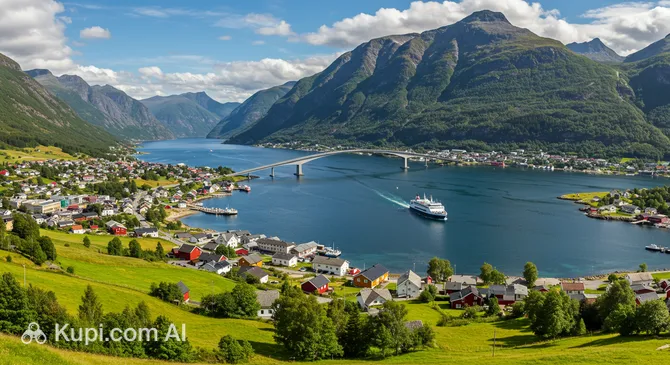
Welcome to Ørsta, a picturesque destination nestled in the breathtaking landscapes of the Sunnmøre region. Located in the Møre og Romsdal county of Norway, this municipality is renowned for its dramatic scenery where jagged peaks rise majestically from the deep fjords. With a population of approximately 10,800 residents, Ørsta offers a perfect blend of small-town charm and grand natural beauty, serving as a gateway to some of the country's most spectacular outdoor adventures.

Ørsta. Source: Kupi.Binoculars

The area is most famous for being the heart of the Sunnmøre Alps (Sunnmørsalpane), a mountain range that attracts hikers, climbers, and skiers from around the world. The rugged terrain provides endless opportunities for exploration, from challenging summit hikes to scenic fjord cruises. Beyond its natural wonders, the history of Ørsta holds significant cultural importance. It is the birthplace of Ivar Aasen, the linguist and poet who formulated Nynorsk, one of the two official written standards of the Norwegian language. Visitors can explore this heritage at the Ivar Aasen Centre, a key cultural landmark.

Travelers are drawn to Ørsta not only for its alpine challenges, such as the famous Saudehornet peak, but also for the serene beauty of the Ørstafjorden. Whether you are seeking an adrenaline-filled ski trip in the winter or a peaceful hiking vacation in the summer, Ørsta provides an unforgettable backdrop. The town's vibrant local culture and stunning surroundings make it a must-visit destination for anyone looking to experience the true essence of the Norwegian fjords.

Weather Overview

Understanding the local climate is essential for enjoying the outdoor activities this region is famous for, from hiking the peaks to cruising the fjords. For a more detailed breakdown of conditions during your specific travel dates, you can consult the guide to the weather in Ørsta. Generally, the region experiences mild, comfortable summers and cold winters, with a consistent pattern of precipitation throughout the year.

The summer season, particularly July and August, brings the warmest weather with average temperatures around 12.5°C and highs occasionally reaching 15°C. While this is the best time for exploring the outdoors, rain is frequent, with approximately 20 to 21 wet days per month. Winter transforms the landscape with colder temperatures; January is typically the coldest month, averaging -1.8°C with lows down to -3.5°C. Travelers should be prepared for snowy or wet conditions, as December and January also see over 20 days with precipitation.

Spring and autumn serve as transitional periods with varying conditions. May begins to feel milder with an average of 7.2°C, while October cools down to around 5.7°C. Precipitation remains a constant factor, with October seeing high rainfall intensity and about 22 wet days. Regardless of when you visit, packing waterproof clothing and layers is highly recommended to stay comfortable.

Interesting Facts

Beyond the scenic fjords and alpine peaks, Ørsta holds several fascinating secrets that often surprise visitors. From unexpected Hollywood connections to prestigious architectural landmarks, this municipality offers much more than just outdoor recreation.

  • A Hollywood Backdrop: The dramatic landscape of Ørsta made its mark on the silver screen when scenes for the Marvel blockbuster Black Widow were filmed in the village of Sæbø. Hollywood star Scarlett Johansson filmed amidst the stunning scenery of the Hjørundfjord, which served as a secluded hideout in the movie.

  • Architectural Prestige: The Ivar Aasen Centre is not merely a museum but a masterpiece designed by Sverre Fehn, the only Norwegian architect to receive the Pritzker Architecture Prize. The building is celebrated for its unique concrete structure that harmoniously integrates with the surrounding hillside, symbolizing the deep connection between the Nynorsk language and the local landscape.

  • Europe's Proudest View: The iconic Mount Slogen, rising sharply from the fjord within the municipality, was famously described by British mountaineering pioneer William Cecil Slingsby as one of the proudest views in Europe. Despite its intimidating pyramid shape, the summit is accessible to experienced hikers without the need for technical climbing gear.

  • A Cultural Capital: Ørsta is often considered a cultural stronghold for "Nynorsk," one of Norway's official written languages. Every year, the town hosts Dei Nynorske Festspela, a lively festival celebrating literature, music, and art, which draws cultural enthusiasts from across the country.

How to Get There

Reaching the heart of the Sunnmøre Alps is an adventure in itself, offering scenic routes through some of Norway's most dramatic landscapes. Whether you prefer flying directly into the region or taking a scenic drive from a major transport hub, there are several options available. For detailed logistics and specific route planning, you can read more about how to get to Ørsta.

The most convenient way to arrive is by air, as the area is well-connected by regional and international flights. The municipality is served by its own local hub, Hovden Airport (IATA: HOV), located just 14.6 km from the center of Ørsta. This small regional airport offers the quickest access, placing you right in the middle of the mountains upon arrival. A taxi or shuttle from here is very short, typically taking around 40 minutes.

For a wider range of international connections, many travelers choose Ålesund Airport, Vigra (IATA: AES), located in the city of Ålesund. It is a larger international airport situated approximately 34.7 km from Ørsta. The transfer involves a scenic drive, often including a ferry crossing or tunnel, and takes about 70 minutes by car or airport bus. Another alternative is Molde Airport, Årø (IATA: MOL) in Molde, which is about 73.5 km away. While further afield, it serves as an additional entry point to the region, with a transfer time of roughly 2 hours.

For clarity, here is a summary of the main airports serving the region:

Airport Name City Passenger Traffic Km from City
Ålesund Airport, Vigra Alesund Large 34.7
Molde Airport, Årø Molde Medium 73.5
Flora Airport Florø Small 100.7
Hovden Airport Ørsta Small 14.6
Bringeland Airport Førde Small 100.8

The city of Ørsta does not have a railway station, as the Norwegian train network does not extend directly into the Sunnmøre fjords. However, you can arrive at major national hubs and continue your journey by bus or rental car. The Bergen Railway Station (IATA: QFV) in Bergen is a significant hub located about 226 km away. From there, the journey to Ørsta involves a long but beautiful drive or bus ride, taking approximately 6 hours. Alternatively, travelers can use Trondheim S Station (IATA: XZT) in Trondheim, which is about 270.7 km away. The transfer from Trondheim typically takes around 7 hours.

Below is an overview of the nearest major railway stations:

Station City Passenger Traffic Km to Center
Bergen Railway Station Bergen High 226.0
Trondheim S Station Trondheim High 270.7

Main Attractions

Visitors to Ørsta will find a compelling mix of dramatic natural landscapes and deep-rooted cultural heritage. The municipality is not only the heart of the Sunnmøre Alps but also a center for Norwegian literary history, offering diverse experiences ranging from steep mountain hikes to peaceful visits at historic farmsteads.

One of the most significant cultural landmarks in the region is the Ivar Aasen Centre (Ivar Aasen-tunet). Dedicated to Ivar Aasen, the linguist who formulated the Nynorsk written language, this institution is much more than a traditional museum. The main building, designed by the renowned architect Sverre Fehn, is an architectural attraction in itself, celebrated for its use of concrete, wood, and light. Inside, interactive exhibits explore the history of language and literature, while the outdoor area features an amphitheater that hosts various cultural events throughout the year.

For a glimpse into the region's agricultural past, Brudavolltunet offers a charming and authentic experience. This preserved farmstead dates back to the 17th century and provides a unique window into the daily life of historic Sunnmøre. The site includes a collection of traditional buildings, including a farmhouse, a barn, and a smokehouse, all situated in a beautiful cultural landscape. Visitors can stroll through the old garden, which features historical plant varieties, and learn about the traditions of the people who once lived and worked on these steep hillsides.

Nature lovers should not miss the Hjørundfjord, often described as one of the most beautiful fjords in the world. Unlike the wider and more commercialized fjords elsewhere in Norway, the Hjørundfjord is narrower and surrounded by towering, jagged peaks that rise directly from the water. It is a paradise for kayaking, fishing, and scenic cruises. The fjord's dramatic setting has made it a favorite among photographers and those seeking solitude amidst grand nature.

Dominating the skyline above the town center is Saudehornet, a majestic peak rising 1,303 meters above sea level. It is one of the most popular hiking destinations in the area, known for the "Saudehornet Rett Opp" uphill race. The hike to the summit is steep and demanding, but those who make the journey are rewarded with panoramic views of the fjord, the town of Ørsta, and the endless sea of alpine peaks that define this spectacular region.

Local Cuisine

The culinary scene in Ørsta is deeply rooted in the traditions of the Sunnmøre region, where the dramatic contrast between the fjords and the alpine mountains dictates the menu. The local cuisine is characterized by honest, hearty fare that relies heavily on fresh, locally sourced ingredients. Visitors can expect a gastronomic experience that ranges from fresh seafood caught in the deep fjords to tender lamb raised on the steep, grassy slopes of the Sunnmøre Alps.

One dish you absolutely cannot miss while visiting this region is the svele. Often referred to as the "national dish" of the ferries in Western Norway, this thick, crescent-shaped pancake is a cultural icon in Møre og Romsdal. Unlike a crepe or an American pancake, the svele has a unique fluffy texture, traditionally achieved by using "horn salt" (ammonium bicarbonate) as a raising agent. It is typically served folded in half with a slice of brunost (Norwegian brown cheese) or a generous spread of buttercream and sugar. You will find these at local cafes, bakeries, and certainly on any ferry crossing in the area.

For a more substantial meal, look for the traditional potato dumplings known locally as potetball or simply "ball." This is the ultimate comfort food for the locals, so popular that many restaurants and cafeterias have a dedicated "Ball Day," usually on Thursdays. These dense dumplings are made from grated potatoes and barley flour, often stuffed with pieces of salted meat. They are traditionally served with sides of salted mutton, sausages, bacon fat, and mashed rutabaga. It is a heavy, savory feast designed to fuel people working in the rugged outdoors.

Given Ørsta's location by the fjord, seafood naturally plays a central role in the diet. Fresh cod, pollock, and salmon are staples, often prepared simply to highlight their freshness. You may also encounter klippfisk (dried and salted cod), which has a long history in the region. While it is often associated with the nearby coastal cities, it is a beloved ingredient in Ørsta as well, typically used to make bacalao, a flavorful tomato-based stew that warms you up after a day in the mountains.

When it comes to drinks, the locals take their coffee very seriously. A cup of black coffee, or "kaffi," is the social glue of the community, enjoyed throughout the day at cozy cafes and bakeries. For something stronger, Aquavit (Akevitt) is the traditional Norwegian spirit, distilled from potatoes and flavored with caraway and other herbs. It is the perfect accompaniment to heavy meat dishes like traditional lamb ribs (pinnekjøtt) or potetball, as it is believed to help with digestion. In recent years, the region has also seen a growing interest in local craft beers, often brewed with pure glacial water.

The food culture in Ørsta is relaxed and informal. You won't find many pretentious fine-dining establishments; instead, the town offers welcoming inns (kro), casual pizzerias, and bakeries where the atmosphere is friendly and down-to-earth. It is common for locals to gather for a late lunch or early dinner, enjoying the slow pace of life. For tourists, purchasing fresh strawberries or local produce from market stalls during the summer season is a delightful way to taste the pure flavors of the Norwegian countryside.

Travel Tips

To ensure your adventure in Ørsta is as seamless as it is spectacular, a little preparation goes a long way given the region's unique geography and climate. These practical tips will help you navigate the heart of the Sunnmøre Alps with confidence and ease.

  1. Clothing and Gear: The weather in Western Norway is notoriously unpredictable, often shifting from sunshine to rain within the hour. A high-quality, waterproof and windproof shell is absolutely essential, regardless of the season. If you plan to hike the Sunnmøre Alps, bring sturdy, broken-in hiking boots with good ankle support. Layering is key; pack wool (merino is popular) rather than cotton, as it keeps you warm even when wet.

  2. Transportation: While there are local buses connecting Ørsta to Ålesund and neighboring towns (operated by FRAM), they can be infrequent, especially on weekends. To truly explore the hidden trailheads and remote fjord corners, renting a car is highly recommended. Be prepared for ferry crossings, which are an integral part of the road network here; most ferries scan your license plate automatically for payment, so register for an account like FerryPay in advance.

  3. Finances: The currency is the Norwegian Krone (NOK), but Ørsta, like the rest of Norway, is nearly a cashless society. You can pay with credit or debit cards (Visa and Mastercard are standard) almost everywhere, from supermarkets to small mountain kiosks. Tipping is not mandatory as service is included in the bill, but it is common practice to round up the amount or leave 5-10% for exceptional service at restaurants.

  4. Health and Safety: Ørsta is very safe, but the primary risk involves outdoor activities. Never underestimate the mountains; weather conditions at the summit of peaks like Saudehornet can be drastically different from the valley floor. Always check the forecast and trail conditions on ut.no before heading out. For non-emergency medical needs, look for a pharmacy marked Apotek; for emergencies, dial 113 for an ambulance.

  5. Communication: You will find that nearly everyone speaks excellent English, making communication effortless. However, Ørsta is a stronghold for Nynorsk (New Norwegian), so written signs might look slightly different than standard Bokmål found in Oslo. Learning a few words like Tusen takk (Thank you very much) or Hei (Hello) is always appreciated by the locals.

  6. Local Etiquette: Norwegians value personal space and tranquility. When using public transport, it is polite to choose an empty double seat rather than sitting next to someone if space allows. If you are invited to a local's home, the golden rule is to remove your shoes in the hallway before entering the living area.

  7. What to Avoid: Do not attempt to hike challenging peaks without proper experience or gear, just for a photo opportunity. The terrain here is steep and unforgiving. Also, avoid haggling in shops or markets; prices are fixed, and bargaining is not part of the local culture and may be considered rude.

  8. Shopping Hours: Be aware that most shops, including grocery stores, are closed on Sundays. If you are arriving on a weekend, plan your shopping for Saturday, keeping in mind that many stores close earlier (often around 16:00 or 18:00) than on weekdays. Alcohol sales in supermarkets are even more restricted, stopping at 20:00 on weekdays and usually 18:00 on Saturdays.

By keeping these practicalities in mind, you can focus less on logistics and more on the breathtaking views and warm hospitality that define this corner of Norway. Enjoy your journey through the stunning landscapes of Ørsta!

Entertainment & Nightlife

While Ørsta is primarily known for its stunning alpine scenery and outdoor adventures rather than a pulsating club scene, the town still offers a cozy and welcoming nightlife for those looking to unwind after a day in the mountains. The nightlife here is concentrated in the town center (Sentrum), where a few key establishments serve as social hubs for locals and visitors alike. You won't find sprawling nightlife districts or all-night raves; instead, the atmosphere is characterized by intimate pubs, live music venues, and relaxed hotel bars where the conversation is as important as the drinks.

The most prominent venue for evening entertainment is Rust Club & Scene. Located in the heart of the town, this is the go-to spot for concerts, stand-up comedy, and weekend parties. It functions as a cultural melting pot where you might catch a local rock band one night and a DJ set the next. The vibe is unpretentious and energetic, attracting a mix of young locals and hikers passing through. Another popular option is the bar and lounge area at Hotell Ivar Aasen. This venue offers a more sophisticated yet laid-back setting, perfect for enjoying a glass of wine or a local craft beer while discussing the day's trek. It is a common meeting point for tourists and business travelers.

The nightlife in Ørsta generally picks up on Friday and Saturday nights. During the week, the town is quite quiet, with most venues closing relatively early. The dress code is distinctly Norwegian: casual and practical. You are just as likely to see people in smart-casual attire as you are to see them in clean hiking gear, especially during the peak trekking season. Prices for alcohol are standard for Norway, which means they can be quite high compared to other parts of Europe; expect to pay a premium for cocktails and imported spirits.

For daytime entertainment that doesn't involve hiking boots, the town offers a few cultural diversions. The Ørsta Kulturhus (Culture House) is the centerpiece of local civic life, hosting a modern cinema, theater productions, and art exhibitions. It is an excellent place to catch a movie on a rainy afternoon. Additionally, the Amfi Ørsta shopping center provides a place to browse local shops and cafes, offering a leisurely break from the elements.

Safety is rarely a concern in Ørsta. The town is small, well-lit, and very safe for walking at night. However, if your accommodation is outside the immediate town center, walking distances can be deceptively long. Public transport is limited late at night, so it is advisable to rely on Ørsta Taxi for getting around after hours. It is recommended to book your ride in advance on weekends, as availability can be limited during peak times.

Parks & Museums

In Ørsta, the boundary between manicured urban parks and untamed wilderness is beautifully blurred. While the municipality is defined by its towering alps and deep fjords, it also offers curated green spaces and rich cultural institutions that allow visitors to explore the region's heritage and artistic spirit at a more leisurely pace.

Mosmarka is the town's premier recreational area, serving as a "central park" for locals who want to enjoy nature without embarking on a strenuous mountain climb. Located just a short distance from the town center, this extensive network of trails winds through lush forests and open terrain. It is popular year-round, offering well-maintained gravel paths for walking and cycling in the summer, and groomed cross-country ski tracks in the winter. The area is equipped with lighting, making it a safe and accessible spot for an evening stroll under the stars or the midnight sun.

For a more coastal experience, the Sæbø Waterfront offers a serene park-like setting by the edge of the Hjørundfjord. Sæbø, a charming village within the municipality, features grassy areas and benches right along the water, providing front-row seats to the dramatic peaks on the opposite shore. It is an idyllic spot for a picnic, watching the ferries glide by, or simply breathing in the fresh fjord air. In the warmer months, the small beach areas here become popular gathering spots for families and sunbathers.

Kunsthuset Ørsta serves as a vibrant hub for the visual arts in the region. Run by the local art association, this gallery hosts a rotating schedule of exhibitions featuring both local talent and nationally recognized artists. The venue is dedicated to making art accessible to the community, often showcasing paintings, sculptures, and photography that draw inspiration from the dramatic Sunnmøre landscape. It provides a quiet, contemplative indoor activity, perfect for days when the weather turns moody.

While previously mentioned as a major attraction, the Ivar Aasen Centre (Ivar Aasen-tunet) deserves specific recognition as a museum of national importance. Beyond its architectural beauty, the museum houses a comprehensive collection dedicated to the Nynorsk language and Norwegian written culture. Visitors can explore the extensive library, view original manuscripts, and engage with interactive exhibits that bring linguistic history to life. The center also preserves the old birthplace of Ivar Aasen, allowing you to step back in time and see the humble conditions that produced one of Norway's greatest intellects.

Brudavolltunet operates as an evocative open-air museum, transporting guests to the 17th century. The site is unique because the buildings remain in their original location rather than being moved from elsewhere. Visitors can wander through the "tun" (farmyard) and enter the historic farmhouse, which is furnished with authentic artifacts from the period. The museum garden is also noteworthy, preserving old local plant varieties and offering a peaceful green space that tells the story of agricultural life on these steep hillsides.

Among the significant historical sites is Ørsta Church, a wooden long church dating back to 1864. Standing prominently in the town center, its white spire is a recognizable landmark. The interior features beautiful craftsmanship typical of Norwegian church architecture from that era. Another architectural gem in the wider municipality is the Hotel Union Øye in Norangsfjorden. Although a functioning hotel, it is a living museum of 19th-century luxury. Known as a favorite retreat for royalty and adventurers like Kaiser Wilhelm II and Sir Arthur Conan Doyle, the building has been meticulously restored to its original splendor.

For a truly unique authentic experience, take the ferry or a boat to the tiny, roadless village of Trandal. Here you will find Christian Gaard Bygdetun, a legendary local pub and venue that feels like it sits at the edge of the world. It is famous for its "Instagram swing"—a simple wooden swing that hangs from a tree frame, offering a dizzying and spectacular view straight down into the fjord and across to the mountains. It is a hidden gem that captures the quirky and welcoming soul of the Sunnmøre fjords.

Getting Around

The public transport system in Ørsta is primarily based on a reliable network of buses operated by FRAM, the transport authority for the Møre og Romsdal region. Given the town's modest size and population, there are no metros, trams, or trolleybuses. The bus service connects the town center with residential neighborhoods, the nearby airport, and neighboring towns like Volda and Ålesund. While the network is efficient, frequencies can vary significantly, with regular departures during peak weekday hours and a reduced service in the evenings and on weekends.

For navigating the system and paying for rides, the digital approach is highly recommended. The most convenient option for tourists is to download the FRAM app, which serves as both a journey planner and a ticket machine. through the app, you can purchase single tickets or 24-hour passes, often at a lower rate than buying on board. If you prefer not to use the app, you can usually pay with a bank card (contactless) directly on the bus, but be aware that cash is increasingly less common and may incur a surcharge.

A unique and essential feature of transport in this coastal region is the extensive use of ferries. While not a "metro" in the traditional sense, the local ferries function as a vital extension of the road network, crossing the fjords to connect different parts of the municipality and the wider area. For foot passengers, many of these ferry crossings are free or very affordable. If you are traveling by bus, the ferry cost is typically included in your ticket. If you rent a car, ferry payments are automated via license plate scanning (AutoPASS or FerryPay).

For those who require more flexibility, Ørsta Taxi provides service throughout the town and to the airport. Taxis are reliable but can be quite expensive compared to public transit, so it is advisable to book in advance, especially late at night or on weekends when availability may be lower. Ride-sharing apps like Uber are generally not available in this area. Car rental remains a popular alternative for tourists who wish to explore the remote trailheads and scenic viewpoints of the Sunnmøre Alps at their own pace.

Travelers should also note that the town center itself is compact and very walkable. Most shops, hotels, and cultural sites in the central area are within easy walking distance of the main bus terminal. However, for excursions outside the immediate center, careful planning is required. Always check the latest timetables on the FRAM app or the national travel planner Entur before heading out, as missing the last bus of the day can result in a long wait or an expensive taxi ride.

Accommodation

Finding a place to stay in Ørsta allows you to choose between modern convenience in the town center and historic charm deep in the fjords. The accommodation landscape is diverse, ranging from full-service hotels and historic guesthouses to well-equipped campsites and self-catering cabins (hytter). While you won't find large international resort chains here, the local hospitality is warm and the standards are generally high, catering primarily to outdoor enthusiasts and nature lovers seeking a comfortable base for their adventures.

For those relying on public transport or seeking easy access to shops and services, the town center (Sentrum) is the most practical area to stay. Here, you will find modern hotels that serve as comfortable hubs for business travelers and hikers alike. Staying centrally places you close to the bus station and the local airport, making logistics effortless. Conversely, if you are looking for the quintessential fjord experience, the villages of Sæbø and Øye along the Hjørundfjord are particularly popular. These areas offer spectacular views right from your window and immediate access to ferry connections and fjord cruises.

The region is home to some distinctive properties that are attractions in themselves. Travelers often seek out the historic "Swiss-style" wooden hotels located by the fjord, particularly in the Norangsfjorden area, which have hosted royalty and mountaineers since the late 19th century. These establishments offer a luxurious and atmospheric dive into the past. For a more relaxed and immersive nature experience, many visitors opt for cabins or campsites nestled in the valleys, such as those in Foljestaddalen, which provide a perfect starting point for summit hikes like Saudehornet.

Booking Tip: As Ørsta is a gateway to the popular Sunnmøre Alps, accommodation can fill up quickly during the peak summer season (June to August). If you plan to stay in one of the famous historic hotels or smaller fjord-side guesthouses, it is highly recommended to book several months in advance to secure your preferred dates.

Regarding costs, prices in Ørsta align with the general Norwegian standard, which is typically mid-range to high. Budget options are somewhat limited but can be found in the form of camping cabins or simple hostels. Most accommodations can be booked easily via major online platforms, though some smaller cabins and family-run campsites may prefer direct booking through their websites or by phone.

Nearby Cities

For those looking to explore the surroundings, Ørsta serves as an excellent base for day trips to several interesting nearby locations:

The most popular destination for a day trip is undoubtedly Ålesund. Known worldwide for its distinctive Art Nouveau architecture, the city was rebuilt in this unique style after a fire in 1904. Visitors can wander through streets lined with turrets and ornamented facades or climb the 418 steps to the Fjellstua viewpoint on Mount Aksla for a breathtaking panoramic view of the archipelago and the Sunnmøre Alps. It is also home to the Atlantic Sea-Park, one of Northern Europe's largest saltwater aquariums.

Another excellent option is Molde, often referred to as the "Town of Roses" due to its lush gardens and mild climate. Famous for hosting one of the oldest jazz festivals in Europe, Molde offers cultural depth alongside natural beauty. The Molde Panorama is a must-see highlight, offering a spectacular view of 222 snow-capped mountain peaks across the fjord. It provides a slightly different coastal atmosphere compared to the inner fjords of Ørsta.

For those willing to venture a bit further, Kristiansund offers a glimpse into Norway's maritime history. Spread across four islands, the town is the capital of "klippfisk" (dried and salted cod) and serves as the starting point for the world-famous Atlantic Ocean Road. While a longer drive, the journey itself through the coastal landscape is part of the experience.

City Population Distance (km)
Ålesund 52163 25
Molde 32002 70
Kristiansund 18273 120
Voss 15875 174
Lindas 15607 180

These nearby destinations offer a glimpse into the diverse culture and landscapes of the region.

Shopping & Souvenirs

Shopping in Ørsta offers a relaxed and convenient experience that contrasts with the hustle and bustle of larger cities. While you will not find high-end luxury avenues, the town provides a good selection of stores that cater to both daily needs and the active lifestyle of the region. The shopping scene is compact and easily accessible, allowing visitors to find everything from high-quality outdoor equipment to cozy local crafts without traveling far from the town center.

The heart of the commercial activity is located in the town center, particularly along the main street, Vikegata. This area serves as the primary thoroughfare for local commerce, lined with a variety of smaller specialty shops, pharmacies, and service providers. Strolling down this street gives you a sense of the local community, and it is where you will find independent retailers offering clothing, interior design items, and sporting goods essential for exploring the nearby Sunnmøre Alps.

For a more concentrated shopping experience, Amfi Ørsta is the region's main shopping mall and a central meeting point for locals. Located conveniently in the center of town, this indoor mall houses approximately 30 stores under one roof. Here, you can browse through popular Norwegian fashion chains, bookstores, and electronics shops. It also features several cafes where you can take a break and enjoy a warm drink, making it a perfect refuge on rainy days.

While Ørsta does not have a permanent traditional market hall, the region has a strong connection to agriculture and local food production. Seasonal markets and "Bondens Marked" (Farmers' Market) events occasionally take place, offering fresh produce, cured meats, and cheeses directly from local farms. During the summer season, it is not uncommon to find stalls selling fresh strawberries and other seasonal berries, which are renowned in this part of Norway for their sweetness.

When looking for souvenirs, the best items to bring home reflect the local culture and landscape. Given Ørsta's status as a hiking capital, high-quality Norwegian wool sweaters and outdoor gear are excellent practical keepsakes. For something more culturally unique, the museum shop at the Ivar Aasen Centre offers distinct design products, books, and gifts related to the Nynorsk language and Norwegian heritage. Local food items, such as cured sausages or brunost (brown cheese), also make for popular and tasty gifts.

Opening hours in Ørsta follow the standard Norwegian pattern. Most shops in the town center and the mall open around 10:00 AM and close between 17:00 and 20:00 on weekdays. On Saturdays, closing times are typically earlier, often around 15:00 or 18:00. It is important to remember that nearly all shops, including grocery stores and the shopping mall, are closed on Sundays. Payment is seamless, as cards are widely accepted everywhere, even for small amounts; carrying large amounts of cash is generally unnecessary.

Tourists residing outside of Norway, Sweden, Denmark, and Finland may be eligible for tax-free shopping on purchases exceeding a certain amount. Many stores in Ørsta, particularly those selling clothing, glass, and souvenirs, participate in the Global Blue tax refund scheme. Look for the "Tax Free" signage in shop windows, and be sure to ask for a refund form at the checkout to claim a portion of the VAT back when leaving the country.
Reached the end of the page?

That means the route is fully explored