Support

Førde

About

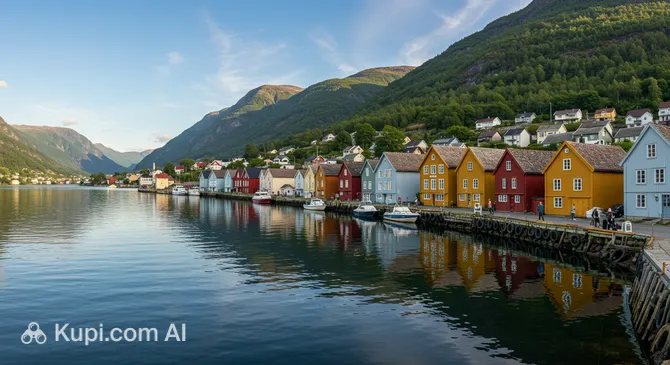
Nestled at the eastern end of the Førdefjorden, Førde stands as a vibrant commercial and cultural hub within the Sunnfjord region of Norway. Surrounded by majestic mountains and intersected by the rushing Jølstra River, this town offers a unique blend of urban amenities and immediate access to the breathtaking nature of Vestland county. With a population of approximately 10,000 residents, it serves as an important center for trade, health services, and education in the area, creating a lively atmosphere throughout the year.

Førde. Source: Kupi.Binoculars

The town is beautifully situated in a valley framed by peaks such as the popular Hafstadfjellet, which provides panoramic views of the fjord and the city below. The climate here is typical of Western Norway, characterized by mild winters and lush, green summers fueled by ample rainfall. Visitors interested in the history of Førde will find that the town has evolved significantly from a traditional agricultural settlement into a modern regional center, while still preserving its deep connection to the land and local traditions.

Travelers are often drawn to the Sunnfjord Museum, an open-air museum located just outside the town center, which showcases historical buildings and offers a glimpse into the rural life of the past. Additionally, the town is internationally renowned for hosting the annual Førde International Folk Music Festival, the largest of its kind in Scandinavia. Whether you are looking to hike scenic trails, explore cultural heritage, or simply enjoy the tranquil fjord atmosphere, Førde welcomes you to experience the heart of the Sunnfjord region.

Weather Overview

The climate in this part of Vestland is characterized by cool summers and cold winters, heavily influenced by the surrounding mountains and fjord landscape. During the warmer months, visitors can expect mild conditions, with July seeing average temperatures of around 12.4°C and highs reaching up to 15.8°C. In contrast, the winter season brings freezing temperatures, with the average in January dropping to -3.3°C.

Precipitation is a constant feature throughout the year, so it is advisable to pack waterproof clothing regardless of the season. October is particularly frequent for rainfall, recording approximately 23 wet days, while April tends to be the driest month with about 14 wet days. For a more comprehensive overview to help you pack, you can view the detailed weather in Førde. Overall, expect cool, moist summers and cold winters with frequent precipitation.

Interesting Facts

Beyond its scenic fjord location and cultural festivals, Førde holds several intriguing details that define its unique character and daily life. This lively town offers a surprising mix of natural wonders and architectural curiosities that often go unnoticed by the casual observer.
  • The Jølstra River, which flows directly through the city center, is renowned as one of the best rivers for sea trout fishing in all of Europe. It is a rare urban privilege to be able to cast a line for world-class catch just steps away from the main streets and city amenities.

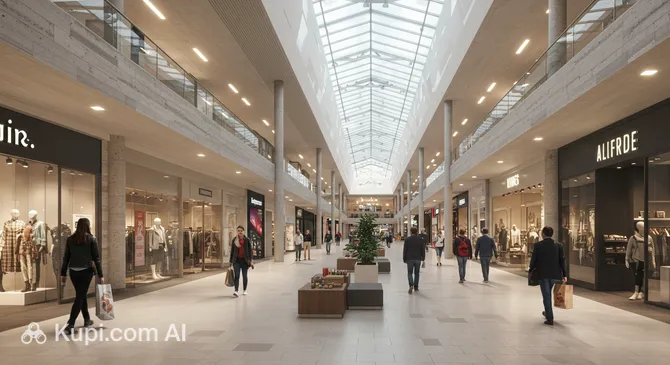
  • Førde serves as the undisputed commercial heart of the entire Sunnfjord region, attracting visitors from distant valleys for its retail options. The Alti Førde shopping center stands as a testament to this status, functioning as a major meeting point and trading hub for the local community.

  • The Sogn og Fjordane Art Museum is housed in a building with a very distinct design intended to resemble a block of ice. The architecture was inspired by the famous Jostedalsbreen glacier, symbolizing the powerful natural forces that have shaped the surrounding landscape.

  • Locals maintain their fitness on "Hafstadkleiva," a popular gravel road winding up the Hafstadfjellet mountain. This route is not just a hiking trail but a social hotspot where residents exercise year-round, regardless of the weather, to enjoy the commanding views from the top.

Alti Førde. Source: Kupi.Binoculars

How to Get There

Reaching the heart of the Sunnfjord region is a scenic journey, whether you choose to fly or drive through the dramatic landscapes of Western Norway. For those planning their itinerary, you can read more about how to get to Førde on our dedicated transport page. The town is well-connected by regional flights and road networks, making it accessible despite its rugged surroundings.

The most convenient entry point is Bringeland Airport (IATA: FDE), located directly in Førde. It is a regional hub that connects the town with major Norwegian cities. Since the airport is situated just 8.3 km from the city center, the transfer is quick and easy; a taxi or bus ride takes only a short time to reach the downtown area. This airport handles a modest volume of travelers, ensuring a swift and stress-free arrival process close to your final destination.

Another nearby option is Flora Airport (IATA: FRO), situated in the coastal city of Florø. Although it is not located in Førde itself, it serves as a viable alternative for travelers to the region. The airport is about 46.3 km away from Førde. The journey from Florø to Førde by road allows travelers to see more of the coastal landscape along the way.

For clarity, here is a summary of the main airports serving the area:

Airport Name City Passenger Traffic Km from City
Ålesund Airport, Vigra Alesund Large 124.1
Flora Airport Florø Medium 46.3
Hovden Airport Ørsta Small 81.8
Sogndal Airport Sogndal Small 76.6
Bringeland Airport Førde Small 8.3

The city of Førde does not have its own railway station, as the mountainous terrain of the Sunnfjord region is not served by the national rail network. However, you can arrive at the Bergen Railway Station (IATA: QFV) in the city of Bergen, which is a major transport hub about 133 km from Førde. From Bergen, travelers can rent a car or take a long-distance bus to reach Førde, enjoying a drive through the spectacular scenery of Vestland.

Below is the information for the nearest major railway connection:

Station City Passenger Traffic Km to Center
Bergen Railway Station Bergen Large 133.0

Main Attractions

While Førde is often recognized as a commercial hub, it possesses a variety of cultural and natural sights that make it a worthwhile destination for travelers. The town serves as a gateway to the Sunnfjord region, offering attractions that range from modern art galleries and shopping centers to historic open-air museums and spectacular waterfalls.

One of the cultural pillars of the area is the Sunnfjord Museum. Located in a scenic spot by the water just outside the town center, this open-air museum offers a fascinating journey back in time. It features a collection of traditional antiquarian houses and buildings that illustrate how people in the Sunnfjord district lived and worked in the 18th and 19th centuries. Visitors can wander among the timber structures, learning about the region’s agricultural heritage and social history in a peaceful, natural setting.

For those interested in contemporary culture, the Sogn og Fjordane Art Museum is a key highlight. The building itself is an architectural landmark, designed to resemble a block of ice sliding down from the mountains, which is a nod to the nearby glaciers. Inside, the museum hosts rotating exhibitions of visual art, focusing on both regional artists and national works. It is a vibrant space that contrasts beautifully with the traditional rural surroundings.

In the heart of the town lies Alti Førde, which serves as the primary shopping and social venue for the entire area. As the largest shopping center in Sunnfjord, it offers a wide array of stores, cafes, and services. It is a convenient place for tourists to pick up supplies, enjoy a warm meal, or simply observe the daily life of the locals who gather here from the surrounding valleys to socialize and trade.

Nature lovers should not miss the opportunity to visit Huldefossen, located just a short distance from Førde near Mo. Often regarded as one of the most beautiful waterfalls in the region, it plunges approximately 90 meters into the river below. The sight of the water cascading over the rocks is mesmerizing, and the area is easily accessible, making it a perfect spot for a quick photo stop or a relaxing picnic amidst the sound of rushing water.

Finally, for the best views of the fjord and the city, a hike up Hafstadfjellet is highly recommended. The mountain is accessible via a well-maintained gravel path known as "Hafstadkleiva," which is popular with hikers and cyclists alike. Reaching the summit rewards visitors with a sweeping panorama of the Førdefjord and the town nestled in the valley, providing a perfect perspective on the dramatic landscape of Western Norway.

Local Cuisine

The culinary landscape of Førde is deeply rooted in the traditions of Western Norway, offering a taste of the region's rugged nature. The local cuisine relies heavily on fresh, locally sourced ingredients, with a particular emphasis on seafood caught in the nearby fjords and rivers. A standout delicacy here is the trout from the Jølstra River, which flows right through the town; it is often served pan-fried or smoked. Visitors should also look for raspeballer (also known as komle), traditional potato dumplings typically served with salted lamb, sausages, and bacon butter. This hearty dish is a staple of the Vestland region, traditionally enjoyed on Thursdays at local diners and homes alike.

When it comes to beverages, the locals share the Norwegian love for high-quality coffee, which is enjoyed throughout the day in cozy cafes. For something cold and refreshing, the apple juice and ciders produced in the wider Vestland county are exceptional, known for their crisp and sweet-tart flavor profile. On festive occasions or alongside heavy meat dishes like pinnekjøtt (cured lamb ribs), you might be offered a glass of aquavit, a potato-based spirit flavored with caraway and other herbs that aids digestion and warms the soul during colder months.

The dining scene in Førde is relaxed and centers largely around social hubs such as hotel restaurants and the town's main commercial areas. While you will find international options ranging from Italian pizza to Asian cuisine, the most authentic experiences are often found in establishments that champion local produce. For a casual bite or a relaxing cup of coffee, many tourists and residents head to Alti Førde. As the region's largest shopping center, it offers a variety of eateries where you can sample everything from fresh baked goods to quick, savory meals while observing the daily rhythm of the town.

Travel Tips

To ensure your visit to the heart of the Sunnfjord region is as smooth and enjoyable as possible, we have compiled a list of essential practical advice. Whether you are here to hike the mountains or explore the cultural sights, these tips will help you navigate local customs and logistics with ease.

  1. Clothing and Gear: Given the location in Western Norway, the weather can be unpredictable and wet. A high-quality waterproof and windproof jacket is an absolute must, regardless of the season. Layering is key; bring wool or fleece mid-layers to adapt to changing temperatures. If you plan to hike up Hafstadfjellet, sturdy, waterproof hiking boots are essential. For casual dining or visiting museums, the dress code is generally casual and practical ("sporty casual" is very common here).
  2. Transportation: While Førde is a regional hub, the most convenient way to explore the surrounding fjords and valleys is by rental car. This gives you the freedom to reach remote sights like Huldefossen at your own pace. Within the town and the wider Vestland county, the public bus network is reliable and can be navigated using the local transport app (Skyss). Taxis are available but can be quite expensive, so they are best reserved for short, necessary trips or when carrying heavy luggage.
  3. Finances: The local currency is the Norwegian Krone (NOK). Norway is rapidly becoming a cashless society, and cards are accepted almost everywhere in Førde, from supermarkets to small kiosks. It is rarely necessary to carry large amounts of cash. Tipping is not mandatory, as service charges are included, but it is polite to round up the bill or leave a small amount (5-10%) for exceptional service at restaurants.
  4. Health and Safety: Førde is a very safe city for tourists. Pharmacies (called Apotek) are readily available, often located within shopping centers like Alti Førde, and carry standard over-the-counter medications. The tap water is clean and safe to drink, so bring a reusable bottle. In case of emergencies, dial 113 for medical assistance or 112 for police. Be cautious when hiking in wet conditions, as rocks and trails can become slippery.
  5. Communication: The official language is Norwegian, and the local dialect is distinct, but English is widely spoken and understood by almost everyone. You will have no trouble communicating in shops, hotels, or restaurants. Free Wi-Fi is standard in most hotels and cafes. If you need mobile data, prepaid SIM cards can be purchased at convenience stores (like Narvesen or 7-Eleven) or grocery shops, though you may need to show ID to register them.
  6. Local Etiquette: Norwegians value personal space and tranquility. A firm handshake is the standard greeting. When entering a private home, it is customary to remove your shoes at the door. In public, keep your voice down and respect the queue—cutting in line is considered very rude. If you are hiking, the unwritten rule is to greet fellow hikers with a simple "Hei" or nod as you pass.
  7. What to Avoid: Do not underestimate the weather changes; heading out on a long hike without checking the forecast or bringing proper gear is frowned upon and dangerous. Also, avoid walking in designated bicycle lanes, as locals use bikes frequently for commuting. Finally, never litter in nature—preserving the pristine environment is a matter of national pride.
  8. Shopping Hours: Be aware that most shops, including grocery stores, are closed on Sundays. Plan your supplies accordingly if you arrive on a weekend. On Saturdays, shops often close earlier (around 4:00 PM or 6:00 PM) than on weekdays. Gas stations and small convenience kiosks usually remain open but have higher prices.

By keeping these practicalities in mind, you will be well-prepared to embrace the relaxed pace and stunning nature of Førde. We hope these tips help you feel right at home as you discover everything this unique corner of Vestland has to offer.

Entertainment & Nightlife

Nightlife in Førde is characterized by a relaxed and intimate atmosphere, typical of smaller Norwegian towns. While you will not find a sprawling district of mega-clubs, the town serves as a regional gathering point, meaning the weekends can be surprisingly lively. The evening entertainment scene is concentrated compactly within the town center, particularly around the main street, Hafstadvegen, and the areas adjacent to the Jølstra River. The vibe is casual and welcoming, often filled with a mix of local residents, students from the nearby college, and tourists returning from their nature treks.

For a pleasant evening out, many locals start their night at Pikant, a popular restaurant and bar located right on the riverbank. It offers a cozy setting for enjoying a drink with a view of the water and is a great spot to socialize before the night progresses. Another cornerstone of Førde's nightlife is the Scandic Sunnfjord Hotel, which houses extensive facilities including bars and event spaces. It is often the heart of the action on Friday and Saturday nights, frequently hosting live music, dancing, or local events that draw a crowd from the entire Sunnfjord region.

If you are looking for a place to start your evening with a meal or some casual shopping, Alti Førde is a central hub that remains bustling into the early evening. While primarily a shopping destination, it offers dining options that are perfect for a relaxed dinner before heading to the bars. For those interested in cultural entertainment, Førdehuset is the town's main cultural center, featuring a cinema, a swimming pool, and a theater stage that hosts concerts and performances throughout the year.

Practicalities for a night out in Førde are straightforward. The dress code is generally smart-casual; practical attire is accepted everywhere, but locals tend to dress up a bit for dancing at the hotel on weekends. Be prepared for Norwegian price levels, especially when it comes to alcohol, so checking menu prices beforehand is a good idea. Most venues are within walking distance of each other, making it easy to hop from a restaurant to a bar without needing transport.

Safety is rarely a concern in Førde, and the town center is well-lit and secure for walking at night. However, if you are staying outside the immediate center or the weather turns bad, it is best to book a taxi. Førde Taxi is the local service provider, and it is advisable to call them in advance on busy weekend nights as demand can peak quickly after closing time. Daytime entertainment complements the nightlife with options like the Sunnfjord Museum for history buffs or the various hiking trails for outdoor enthusiasts.

Parks & Museums

Førde offers a refreshing mix of well-maintained urban green spaces and rich cultural institutions that celebrate the region's heritage. The city seamlessly integrates its natural surroundings with artistic venues, providing visitors with ample opportunities to enjoy both the outdoors and the local history.

For a relaxing break within the city center, Byparken (The City Park) is a favorite among locals. Situated near the river, it serves as a green lung where people gather for picnics, leisurely strolls, and outdoor events during the summer. Another significant area is Hafstadparken, a large activity park that caters to families and sports enthusiasts. It features wide lawns, walking paths, and facilities for various activities, making it a lively spot to experience the local community spirit against a backdrop of towering mountains.

When it comes to culture, the Sogn og Fjordane Art Museum (Sogn og Fjordane Kunstmuseum) is a must-visit. Housed in a striking building designed to resemble a block of glacier ice, the museum is a landmark in itself. Inside, it hosts a diverse collection of contemporary art and crafts, with a special focus on artists connected to the region. It is an excellent place to understand the modern artistic expression of Western Norway.

To delve deeper into the past, the Sunnfjord Museum offers an immersive historical experience. Located by the idyllic Movatnet lake, this open-air museum features a collection of traditional timber houses moved from various parts of the district. Walking among these preserved farmsteads gives tourists a vivid picture of rural life in the 18th and 19th centuries, complete with exhibitions on agriculture, crafts, and daily survival in the fjord landscape.

Architecture enthusiasts should also take note of Førde Church. While the current structure dates back to 1885, the site has been a place of worship since the Middle Ages. The church is known for its spacious interior and stands as a serene monument to the town's religious history. Additionally, the townscape is dotted with distinctive sculptures, many created by the renowned local artist Oddvar Torsheim, adding a layer of whimsical creativity to the streets.

For an authentic local experience, take a walk along the Jølstra River promenade. It is not just a scenic route but an open-air gallery of sorts, where you can admire the changing colors of the water and spot various art installations hidden along the path.

Getting Around

Public transport in Førde is reliable and efficient, though it is scaled to fit the needs of a compact town rather than a sprawling metropolis. Visitors will not find subways, trams, or trolleybuses here; the system relies entirely on a well-organized network of buses. These buses connect the city center with residential neighborhoods, the hospital, and the surrounding commercial areas. The main hub for all local and regional connections is the bus terminal, known as Førde rutebilstasjon, located conveniently in the heart of the town.

The transport network is integrated into the wider Vestland county system, operated by the public transport authority known as Skyss. For the most convenient travel experience, it is highly recommended to download the official mobile apps. The "Skyss Billett" app is used for purchasing tickets, while the "Skyss Reise" app helps with route planning and real-time schedules. Fares are based on a zone system, but trips within the immediate Førde area generally fall under a single zone. While single tickets and 24-hour passes are available, buying them via the app is significantly cheaper than paying on board.

For tourists, the best advice is to purchase tickets digitally before boarding. Drivers can accept cash, but this usually incurs a surcharge, and they may not always have change for large bills. It is also important to be mindful of operating hours. While service is frequent during weekdays, especially during rush hours, the frequency drops significantly in the evenings and on weekends. On Sundays, some local routes may have very limited departures, so checking the timetable in advance is essential to avoid long waits.

If you require more flexible transport, taxis are a readily available alternative. Førde Taxi is the local provider, operating 24 hours a day. Taxis can be found at designated stands, particularly near the bus terminal and shopping centers, or booked via phone. However, taxi fares in this region can be quite high compared to international standards, so they are best reserved for times when the bus schedule does not align with your plans or when you are carrying heavy luggage.

Given the town's modest size, many visitors find that walking or cycling are the most pleasant ways to get around. The city center is flat and pedestrian-friendly, with most major hotels, shops, and attractions located within a short distance of each other. Bicycle rentals are occasionally available during the summer season, allowing you to explore the scenic paths along the river or the routes leading towards the mountains at your own pace.

Accommodation

Accommodation in Førde is designed to cater to a mix of business travelers, regional visitors, and tourists exploring the fjords. The options generally range from reliable mid-range hotels to more budget-friendly camping grounds and cabins situated on the outskirts. While you will not find ultra-luxury resorts here, the standard of quality is high, with a focus on comfort, cleanliness, and practicality. For those seeking a more independent stay, there are also opportunities to rent apartments or traditional holiday homes in the surrounding valley.

The most convenient area to stay is undoubtedly the city center. Choosing a hotel near the Jølstra River or the main street places you within walking distance of the bus terminal, the Alti Førde shopping center, and local cultural attractions. Staying in the downtown area allows for easy access to restaurants and transport links, making it an ideal base for those without a car. Alternatively, visitors looking for a closer connection to nature might prefer camping sites located just a short drive from the center, often offering scenic views of the mountains and river.

The larger hotels in Førde often serve as social hubs for the entire community, hosting events, conferences, and weekend gatherings. These establishments typically offer full amenities, including on-site restaurants, bars, and fitness facilities. They are well-equipped to handle the influx of summer tourists as well as the steady stream of business travelers throughout the year. For budget-conscious travelers, the local camping grounds provide a cost-effective alternative, often featuring cabins that range from basic to fully equipped.

Booking Tip: Førde is a key stopover point in Western Norway, and accommodation can fill up quickly during the peak summer months (June to August). It is highly recommended to book your room well in advance if you plan to visit during this period. Prices in the region tend to be in the mid-to-high range, reflecting the general cost of living in Norway. Most accommodations can be easily booked via major online platforms or directly through their websites, which is often the best way to secure specific requests or seasonal packages.

Nearby Cities

For those looking to explore the surroundings, Førde serves as an excellent base for day trips to several interesting nearby locations:

One of the most popular destinations for a longer day trip or a weekend getaway is Bergen. Known as the "Capital of the Fjords," this historic city offers a rich mix of culture and history, including the famous UNESCO-listed Bryggen wharf, the bustling Fish Market, and the funicular ride up to Mount Fløyen for spectacular views. Although the drive takes some time, the route through the scenic landscape of Vestland makes the journey itself an experience.

Another captivating option is Ålesund, renowned worldwide for its unique Art Nouveau architecture. After a devastating fire in 1904, the town was rebuilt in a distinctive style with turrets, spires, and ornamentation that sets it apart from other Norwegian towns. Visitors can climb the steps to Mount Aksla for a panoramic view of the archipelago and the Sunnmøre Alps, offering a sharp contrast to the inland valleys around Førde.

City Population Distance (km)
Bergen 267117 122
Alesund 52163 115
Molde 32002 159
Askøy 29816 118
Os 19742 140

These nearby destinations offer a glimpse into the diverse culture and landscapes of the region, ranging from bustling historic ports to architectural gems on the coast.

Shopping & Souvenirs

As the commercial heartbeat of the Sunnfjord region, Førde offers a shopping experience that far exceeds what one might expect from a town of its size. It serves as the primary trading hub for the surrounding valleys and coastal areas, meaning visitors will find a comprehensive selection of goods ranging from high-street fashion to local handicrafts. The shopping atmosphere here is relaxed and compact, allowing you to easily browse through the town center on foot without the stress of large crowds.

The main retail activity is concentrated along Hafstadvegen, the principal street running through the city center. A stroll down this avenue reveals a mix of independent boutiques, sporting goods stores, and cozy cafes perfect for a break between purchases. This area is pedestrian-friendly and offers a pleasant outdoor shopping environment where you can enjoy the fresh fjord air while window shopping for clothes, interior design items, or outdoor gear suited for the rugged Norwegian nature.

For a more concentrated shopping experience, Alti Førde stands out as the dominant retail destination in the region. Located conveniently in the town center, this large shopping mall houses dozens of stores under one roof, covering everything from electronics and groceries to fashion and pharmacy needs. It is a modern facility that acts as a social meeting point for locals, providing a comfortable place to shop regardless of the weather outside.

While Førde does not have a permanent daily market in the southern European style, the town frequently hosts seasonal market days and the popular Bondens marked (Farmers' Market). On these specific dates, local producers from the Vestland region gather to sell fresh produce, including cured meats, artisanal cheeses, and seasonal fruits like strawberries or cloudberries. These events are an excellent opportunity to taste the authentic flavors of the district and chat with the farmers themselves.

When looking for souvenirs to take home, consider items that reflect the Norwegian lifestyle. High-quality wool knitwear is a classic choice, perfect for keeping warm in the Nordic climate. You might also find unique ceramic pieces, pewter goods, or the iconic cheese slicer, which is a Norwegian invention. For edible gifts, look for brunost (brown cheese) or locally produced jams made from wild berries, which can be found in the larger supermarkets or specialty shops.

Store opening hours in Førde generally follow the standard Norwegian pattern. Most shops open around 10:00 AM and close at 17:00 or 18:00 on weekdays, with extended hours on Thursdays in some cases. On Saturdays, shops typically close earlier, often by 16:00. It is important to note that nearly all retail stores, including grocery supermarkets and malls, are closed on Sundays. Payment is seamless, with credit and debit cards (Visa and Mastercard) being the preferred method almost everywhere; in fact, some smaller establishments may even prefer card payments over cash.

Tourists residing outside of Norway, Sweden, Denmark, and Finland may be eligible for a tax refund on purchases made in affiliated stores. Look for the "Global Blue" or "Tax Free" signage in shop windows. If you spend above a certain threshold in a single store, you can ask for a tax refund form, which allows you to claim back a portion of the VAT upon departure from Norway.
Reached the end of the page?

That means the route is fully explored