Support

Stavanger

About

Stavanger is a captivating destination that perfectly balances small-town charm with the vibrancy of a modern metropolitan area. Located on the southwestern coast of Norway in the county of Rogaland, it is often referred to as the country's "Oil Capital" due to its significance in the offshore energy industry. Despite this industrial importance, the city maintains a cozy atmosphere, surrounded by dramatic landscapes and coastal beauty.
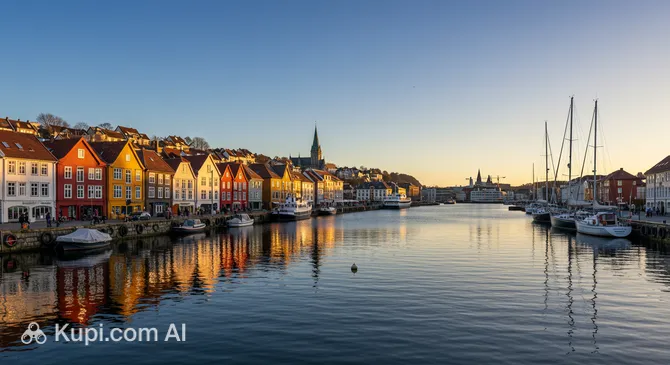
Stavanger. Source: Kupi.Binoculars

With a population of approximately 237,000 residents, Stavanger is the fourth-largest city in the country, offering a lively cultural scene and a diverse culinary environment. Visitors interested in the past will find the history of Stavanger particularly fascinating, as the city has transformed from a humble canning center to a wealthy international hub while preserving its heritage.

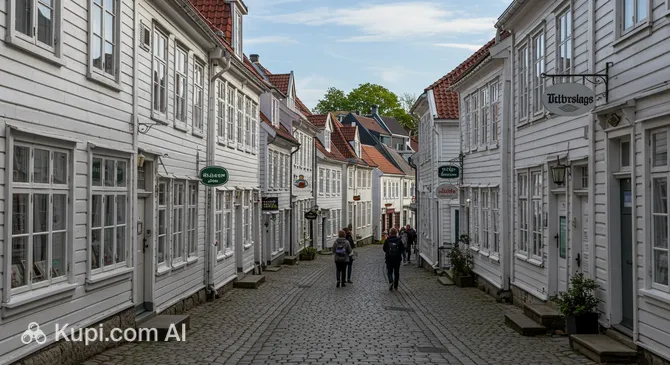
One of the city's most beloved attractions is Gamle Stavanger (Old Stavanger), which boasts Europe's best-preserved settlement of white wooden houses from the 18th and 19th centuries. For those seeking adventure, the city serves as the ideal gateway to the famous Lysefjord and the iconic Preikestolen (Pulpit Rock). Additionally, the unique Norwegian Petroleum Museum offers an interactive look into the industry that shaped modern Norway.

Whether you are looking to explore breathtaking fjords, wander through historic cobblestone streets, or enjoy world-class dining, Stavanger welcomes you with open arms. It is a must-visit destination for anyone wishing to experience the true essence of the Norwegian coast.

Weather Overview

Stavanger experiences a temperate maritime climate, heavily influenced by the Gulf Stream, which keeps the city relatively mild compared to other locations at the same latitude. To help you pack efficiently for your trip, it is advisable to consult the detailed forecast for the weather in Stavanger before you travel.

The summer months offer cool and pleasant conditions, with average temperatures rising to about 14.6°C in August and maximum highs reaching nearly 17°C. Winters are surprisingly mild for Norway, with average temperatures generally staying between 2.0°C and 3.0°C from December through February. However, visitors should expect frequent rainfall throughout the year, with wet days ranging from roughly 13 days in late spring to as many as 24 days in October.

Expect mild, comfortable summers and cool, wet winters with a high chance of precipitation regardless of the season. Spring tends to be the driest period, though rain remains common, so a good waterproof jacket is an essential item for any visit to this coastal city.

Interesting Facts

Beyond the main attractions, Stavanger holds many fascinating secrets that reveal its evolution from a maritime hub to a cultural innovator. Here are some intriguing details that often escape the casual visitor.
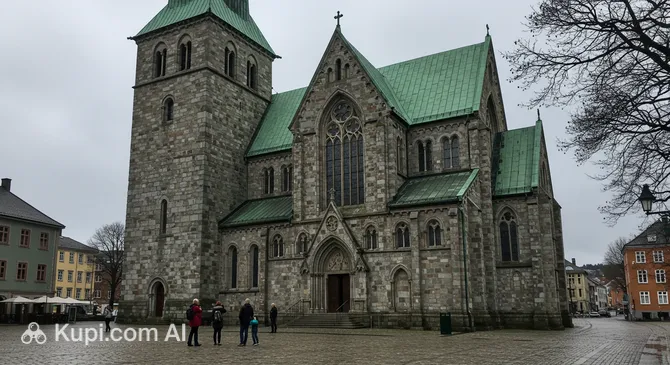
Stavanger Cathedral. Source: Kupi.Binoculars
  • Stavanger Cathedral holds a unique title in Norwegian history. It is the only cathedral in the country that has been in continuous use since the Middle Ages, having survived fires and reformations while retaining its original 12th-century architecture.

  • Long before it became known as the "Oil Capital," the city was the "Canned Food Capital of Norway." In the early 20th century, the local economy relied heavily on sardines, with over 50 canneries operating in the area; you can still see the machinery used for this trade at the Norwegian Canning Museum.

  • While the city is famous for its preserved white wooden houses, it also features a striking counterpoint known as Fargegaten (The Street of Colours). This vibrant street was created when a local hairdresser proposed painting the buildings in bold pinks, greens, and purples to revitalize the area, turning a quiet lane into one of the most photographed spots in town.

  • Stavanger is recognized globally as a premier destination for street art. Thanks to the annual Nuart Festival, the city's walls serve as a canvas for international graffiti artists, creating a fascinating visual dialogue between modern murals and the historic wooden structures of Old Stavanger.

How to Get There

Stavanger is well-connected and accessible, making it a convenient destination for travelers. The most direct way to arrive is by air, but the region is also served by various transport networks. For a detailed overview of all travel options, you can read more about how to get to Stavanger and plan your journey accordingly.

The primary gateway to the city is Stavanger Airport Sola (IATA: SVG), which is located just 11.7 km from the city center. It is a busy international hub with significant passenger traffic. The short commute into town typically takes around 38 minutes by taxi or airport bus. Alternatively, visitors can fly into Haugesund Airport (IATA: HAU) in the neighboring city of Haugesund. This airport is approximately 51.5 km away, and the transfer to Stavanger takes about 97 minutes by road.

For clarity, here is a summary of the main airports:

Airport Name City Passenger Traffic Km from City
Bergen AirportBergenHigh150.3
Stavanger Airport SolaStavangerHigh11.7
Kristiansand AirportKristiansandMedium161.2
Haugesund AirportHaugesundMedium51.5
Sogndal AirportSogndalLow255.1

Travelers exploring the wider region by train may also consider major rail hubs in nearby cities. Bergen Railway Station (IATA: QFV) is located in Bergen, approximately 151.0 km from Stavanger. From there, a transfer by road would take around 247 minutes. Another option is Kristiansand Railway Station (IATA: XKR) in Kristiansand, situated 160.2 km away, with a travel time of roughly 260 minutes by car or bus.

Here are the railway stations available in the wider region:

Station City Passenger Traffic Km to Center
Bergen Railway StationBergenHigh151.0
Kristiansand Railway StationKristiansand160.2

Main Attractions

While the well-known wooden houses and the cathedral are highlights of the city center, Stavanger offers a wealth of other fascinating sites that delve deeper into its rich culture and history. Exploring these attractions provides a more comprehensive understanding of the region's heritage and natural beauty.

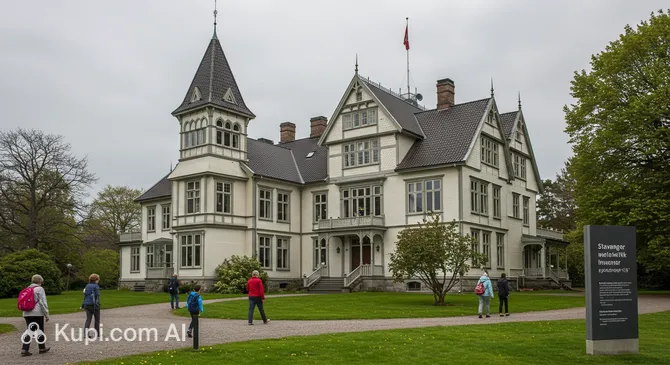
For art enthusiasts, the Stavanger Art Museum is a significant cultural landmark located by the scenic Lake Mosvatnet. The museum houses an impressive collection of Norwegian art, with a special emphasis on the works of Lars Hertervig, a local landscape painter whose romantic depictions of the region are highly acclaimed. The building itself is an architectural gem, surrounded by a lush park that invites leisurely walks.

Stavanger Art Museum. Source: Kupi.Binoculars

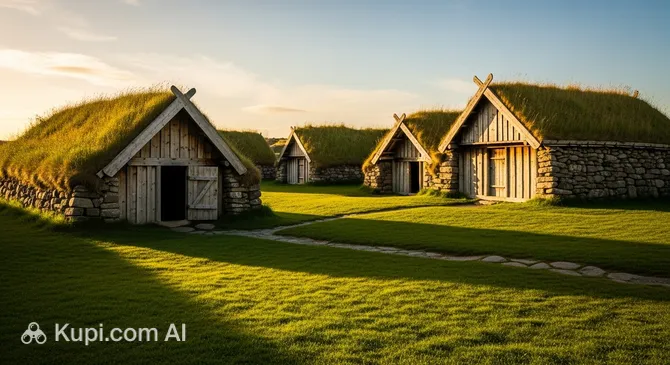
History comes alive at the Iron Age Farm (Jernaldergården), a unique open-air museum situated at Ullandhaug. This reconstructed farmstead stands on the original archaeological site of a settlement from the Migration Period (350–550 AD). Visitors can step into the traditional longhouses to see how people lived, worked, and gathered around the fire centuries ago, offering an immersive experience of the past.

Iron Age Farm. Source: Kupi.Binoculars

To understand the city's deep connection to the sea, a visit to the Stavanger Maritime Museum is essential. Located in authentic wharf houses along the harbor, the exhibitions showcase the region's maritime history over the last 200 years. From the era of sailing ships to the development of steam power and modern shipping, the museum illustrates how the ocean has shaped the local way of life.

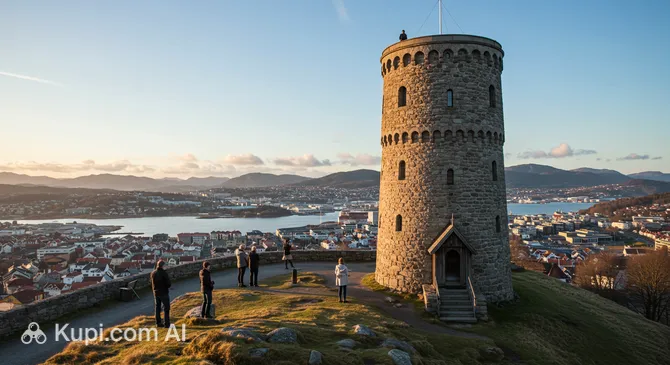
For the best panoramic views of the city and the surrounding fjords, make your way to the Våland Tower. Situated at the highest point of the Våland district, this historic tower was originally built as a vantage point for the city's first water basin manager. Today, it serves as a popular destination for locals and tourists alike, offering a quiet spot to admire the sweeping landscape.

Våland Tower. Source: Kupi.Binoculars

Local Cuisine

Stavanger has firmly established itself as a culinary powerhouse in Norway, drawing on the rich bounty of the North Sea and the fertile farmlands of the Rogaland region. The local food culture is characterized by a deep respect for fresh, high-quality ingredients, offering everything from traditional coastal fare to modern international dining. Whether you are looking for a gourmet experience or a hearty meal, the city's diverse gastronomy is sure to impress.

Given its location, seafood is the cornerstone of the local diet. A must-try dish is the creamy fish soup (fiskesuppe), often packed with chunks of fresh cod, salmon, and root vegetables. For a truly authentic local experience, head to the harbor where you can buy bags of fresh shrimps directly from the fishing boats. It is a popular tradition to sit by the quayside, peeling and eating the shrimps with a loaf of white bread and mayonnaise. Another traditional favorite is raspeballer, hearty potato dumplings typically served with salted lamb, sausages, and mashed swede.

Lervig Local. Source: Kupi.Binoculars

The city is also renowned for its thriving craft beer scene, which has gained international acclaim. Beer enthusiasts should make a point to visit Lervig Local, a stylish venue associated with the famous local brewery. Here, visitors can sample a wide array of innovative brews, ranging from juicy IPAs to rich stouts, often paired with delicious bar snacks that highlight local flavors.

For those seeking a cozy atmosphere to enjoy a drink, the city offers plenty of unique spots. Cardinal Pub is a legendary establishment among beer lovers, boasting one of the most extensive beer menus in the country. Alternatively, if you prefer a more bohemian vibe, Bøker og Børst (Books and Booze) is a perfect choice. Located in the vibrant Fargegaten (The Street of Colours), this charming cafe and bar is surrounded by colorful wooden houses and offers a relaxed setting for coffee or cocktails.

Bøker og Børst. Source: Kupi.Binoculars

While traditional Norwegian food is a highlight, Stavanger also excels in high-quality comfort food. Døgnvill Burger is a popular destination for both locals and tourists, serving mouthwatering burgers made from Norwegian cattle and topped with creative ingredients. From Michelin-starred restaurants to casual street food markets, the city provides a gastronomic journey that caters to every palate.

Travel Tips

Visiting Stavanger is a delightful experience, but a little preparation goes a long way in ensuring your trip to this coastal gem is smooth and enjoyable. To help you navigate local customs and practicalities, here are some essential tips for your journey.

  1. Dress for the Weather: The climate in Norway can be unpredictable, and Stavanger is known for its frequent rainfall. A high-quality windproof and waterproof jacket is the most important item in your suitcase, regardless of the season. Dress in layers so you can adapt to changing temperatures, and bring comfortable, sturdy walking shoes for exploring the cobblestone streets of the city center or hiking to Pulpit Rock.

  2. Getting Around: The city center is compact and best explored on foot. For longer distances, the local public transport system, operated by Kolumbus, offers reliable buses and local trains; downloading their app is the easiest way to buy tickets. Taxis are available but can be quite expensive, so they are best reserved for when you have heavy luggage. Unless you plan to tour the wider region extensively, a rental car is usually unnecessary within the city itself.

  3. Money Matters: The local currency is the Norwegian Krone (NOK). Stavanger, like the rest of the country, is a nearly cashless society. Credit and debit cards are accepted almost everywhere, from high-end restaurants to small kiosks, so you rarely need to carry large amounts of cash. Tipping is not mandatory, as service charges are included, but it is common practice to round up the bill or leave a small amount (5-10%) for exceptional service.

  4. Health and Safety: Stavanger is an incredibly safe city with very low crime rates, making it comfortable for solo travelers and families. Pharmacies, known as Apotek, are easily found in the city center for minor health needs. In case of an emergency, dial 112 for police or 113 for an ambulance. Tap water is extremely clean and safe to drink, so bring a reusable bottle to save money and reduce plastic waste.

  5. Communication: English is widely spoken and understood by almost everyone, so you will have no trouble communicating. However, learning a few basic Norwegian phrases like Takk (Thank you) or Hei (Hello) is always appreciated by locals. Free Wi-Fi is common in cafes, hotels, and public areas, and EU/EEA citizens can typically use their mobile data plans without roaming charges.

  6. Local Etiquette: Norwegians value personal space and modesty. Greetings are usually a firm handshake, and the atmosphere is generally informal. If you are invited to a local's home, it is customary to remove your shoes at the door. When queuing for buses or services, always wait your turn patiently, as cutting in line is considered very rude.

  7. What to Avoid: Do not try to haggle over prices in shops or markets; items have fixed prices, and bargaining is not part of the culture. Additionally, avoid assuming you can buy wine or spirits in regular supermarkets. Grocery stores only sell beer and cider (up to 4.7% ABV) and stop selling alcohol early in the evening (usually 8 PM on weekdays and 6 PM on Saturdays).

  8. Sunday Closures: Be aware that most shops, including grocery stores and malls, are closed on Sundays. Only small convenience stores (often branded as "Joker" or "Bunnpris") and souvenir shops may remain open. Plan your shopping accordingly, especially if you need food or supplies for the day.

By keeping these practical tips in mind, you will be well-equipped to embrace the laid-back lifestyle and stunning surroundings of Stavanger. Relax, respect the local rhythm, and enjoy every moment of your Norwegian adventure.

Entertainment & Nightlife

Beyond its scenic fjords and historic streets, Stavanger boasts a vibrant entertainment scene that caters to shoppers, culture seekers, and those looking for a fun night out. From modern malls to repurposed industrial spaces, the city offers diverse ways to spend your leisure time.

Shopping enthusiasts will find plenty to explore. One of the premier destinations is AMFI Madla, a large shopping center located just outside the city center. It houses numerous fashion brands, cafes, and specialty stores, providing a complete retail experience under one roof. Another excellent option is Kilden Senter in Hillevåg, which offers a wide selection of shops and daily services.

AMFI Madla. Source: Kupi.Binoculars

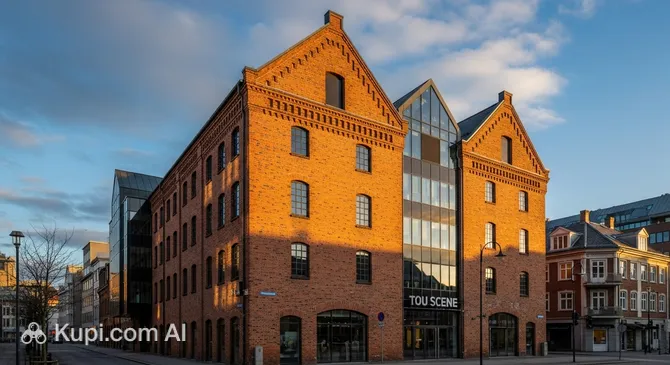
For a taste of the city's alternative and artistic side, a visit to Tou is highly recommended. Located in a renovated brewery complex in the eastern part of the city, this cultural hub is famous for its contemporary art exhibitions, concerts, and performing arts productions. It is a gathering place for the creative community and a great spot to experience the local cultural pulse.

Tou. Source: Kupi.Binoculars

If you are in the mood for some active fun, Lucky Bowl & Lounge offers a classic entertainment experience. With high-quality bowling lanes and a relaxed lounge area serving food and drinks, it is an ideal venue for families or groups of friends. For something different, check out Matsaya Bobas & BBQ, a trendy spot that combines delicious bubble tea with barbecue flavors, adding a unique twist to the city's dining and social options.

Lucky Bowl & Lounge. Source: Kupi.Binoculars

Those interested in diving deeper into the region's past can explore the Museum of Archaeology, University of Stavanger. This institution features extensive collections from Rogaland's prehistory, including Viking treasures. After a museum visit, you can head to the nearby Ullandhaug Tower. From the top of this telecommunications tower, you can enjoy sweeping panoramic views of the city, the fjords, and the North Sea, making it a perfect excursion for a clear day.

Parks & Museums

Stavanger is a city where urban life seamlessly blends with nature and rich heritage, offering visitors a delightful mix of lush green spaces and world-class cultural institutions. Whether you wish to take a relaxing stroll by a lake or dive deep into the industrial and social history of the region, the city provides ample opportunities for exploration.

For a breath of fresh air right in the city center, Breiavatnet is the perfect spot. This small, charming lake is surrounded by a park that serves as a popular meeting place for locals. It is known for its resident swans and ducks, making it a peaceful retreat amidst the bustling streets. Just a short distance away lies Mosvatnet, a larger lake that functions as a nature reserve. It is a favorite destination for joggers and birdwatchers, offering a scenic walking trail that circles the water and provides a quiet escape from urban noise.

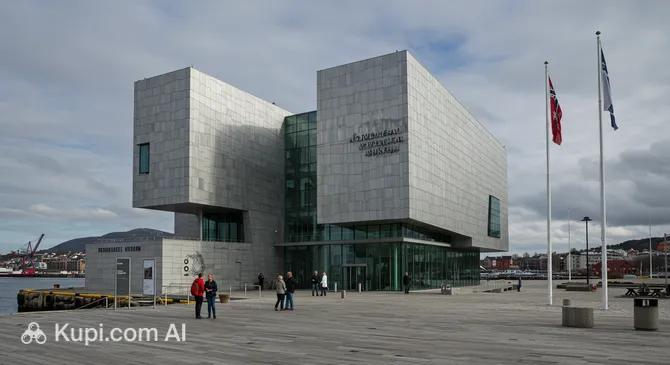
Stavanger's cultural landscape is dominated by its unique industrial history. The Norwegian Petroleum Museum is arguably the most distinctive attraction in the city. Located at the harbor, its architecture resembles an oil platform, and the exhibits provide a fascinating, interactive insight into how offshore oil and gas operations have shaped modern Norway. It is an engaging experience for all ages, featuring everything from drill bits to escape chute slides.

Norwegian Petroleum Museum. Source: Kupi.Binoculars

To understand the local culture before the oil era, a visit to the Stavanger City Museum is highly recommended. Housed in a beautiful building from 1893, this museum offers exhibitions that trace the city's transformation from a maritime settlement to a canning capital and finally to an energy hub. It also includes a dedicated children's museum, making it a family-friendly stop that brings history to life in an accessible way.

Stavanger City Museum. Source: Kupi.Binoculars

No visit to the city is complete without wandering through Old Stavanger (Gamle Stavanger). This historic area features Europe's largest surviving settlement of wooden houses, comprising over 170 white cottages from the 18th and 19th centuries. Walking through these narrow, cobblestone streets feels like stepping back in time, with beautifully maintained gardens and gas lamps adding to the romantic atmosphere.

Old Stavanger. Source: Kupi.Binoculars

For a truly authentic experience, look out for the Norwegian Canning Museum located within Old Stavanger. Housed in a former cannery, it offers a quirky and interesting look at the sardine industry that once powered the city's economy. As an insider tip, try to visit on days when they fire up the old ovens to smoke fresh sprats—the delicious aroma fills the street and offers a tasty sample of the past.

Getting Around

Navigating Stavanger is straightforward and efficient, thanks to a well-integrated public transport system operated by Kolumbus. While the city does not have a metro or tram network, it relies on a comprehensive web of buses, local trains, and express boats that connect the city center with the suburbs and surrounding islands. The buses are easily recognizable by their green color and serve as the primary mode of transit for most locals and visitors.

For travel further afield or to neighboring towns like Sandnes, the local train service, known as Jærbanen, is an excellent option. Trains run frequently throughout the day, offering a fast and scenic route along the fjord. Additionally, given the region's coastal geography, express boats and ferries are a vital part of the infrastructure. These vessels not only serve as practical transport to the Ryfylke islands but also provide a mini-cruise experience with stunning views of the water and landscapes.

The payment system is unified and user-friendly, operating on a zone-based model. The most convenient way to purchase tickets is through the official Kolumbus Billett app, which allows you to buy single tickets, 24-hour passes, or weekly cards directly on your smartphone. A single ticket typically remains valid for one hour and includes unlimited transfers between buses and trains within the zone. Physical travel cards, known as Kolumbus Cards, are also available, but the app is generally preferred for its ease of use.

Tourists should be aware that paying with cash on board is becoming increasingly difficult and usually incurs a surcharge. It is highly recommended to purchase your ticket before boarding. If you use the app, simply have the active ticket screen ready for inspection; if you have a physical card, you must validate it against the card readers upon entry. Buses and trains run frequently from early morning until midnight, with a limited "Night Bus" service available on weekends for late-night revelers.

For short distances within the compact city center, walking is often the best choice, as many attractions are clustered close together. However, if you prefer to cycle, the city offers an electric city bike scheme that is integrated with the public transport system. These bikes can be unlocked using the same app or a valid transport ticket, making them a fun and eco-friendly alternative for exploring the waterfront.

Taxis are available but can be quite expensive compared to other European cities. They are best reserved for situations where public transport is not a viable option or if you are carrying heavy luggage. Apps like Stavanger Taxi can be used to book rides, but for general sightseeing, the reliable bus and train network offers a much more economical and authentic way to experience the city.

Accommodation

Where to Stay:

Finding the perfect place to stay in Stavanger is relatively straightforward, as the city offers a high standard of accommodation to suit various needs and budgets. While the options range from modern business hotels to charming guesthouses, the overall quality is excellent, reflecting the Norwegian focus on comfort and design. Visitors can choose from full-service international hotel chains, cozy bed and breakfasts, or well-equipped apartments that provide a "home away from home" experience.

The most popular area for tourists is undoubtedly the city center, particularly near the Vågen harbor. Staying here places you within easy walking distance of major attractions like Old Stavanger, the cathedral, and the bustling nightlife of the waterfront. For those seeking a quieter atmosphere while remaining central, the neighborhoods surrounding Lake Breiavatnet offer a peaceful retreat just steps away from the main shopping streets. Travelers planning to explore the nearby fjords or beaches might also consider campsites and cabins located on the outskirts, which are especially popular during the summer months.

Booking accommodation in advance is highly recommended, especially if your visit coincides with the peak summer season (June to August) or major industry events. As the "Energy Capital of Europe," Stavanger hosts large biennial oil and gas conferences that can cause hotel availability to plummet and prices to spike significantly. It is wise to check the local events calendar and secure your room well ahead of time to avoid limited options.

In terms of pricing, accommodation in Stavanger generally aligns with the higher cost of living in Norway. While budget options like hostels and simple guesthouses are available, they are fewer in number compared to mid-range and luxury establishments. Most bookings can be easily made via major online platforms or directly through hotel websites. Regardless of where you choose to stay, you can expect clean, safe, and modern facilities, often including a generous Scandinavian-style breakfast buffet to start your day.

Nearby Cities

For those looking to explore the surroundings, Stavanger serves as an excellent base for day trips to several interesting nearby locations:

City Population Distance (km)
Sandnes237,36913
Haugesund37,44456
Sola27,56833
Sand24,89865
Helleland24,17354

Sandnes, located just a short drive south, is often considered a twin city to Stavanger. Known as Norway's "Bicycle City," it is a haven for outdoor enthusiasts, offering access to the popular Dalsnuten hike which provides spectacular panoramic views of the region. The city also boasts a lively center with the longest shopping street in Norway, Langgata, and the interactive Vitenfabrikken science center.

For those interested in coastal beauty and aviation history, Sola is a perfect destination. It is home to Solastranden, one of the country's finest sandy beaches, popular for surfing and leisurely walks by the North Sea. Meanwhile, Haugesund offers a deep dive into the Viking Age; situated near the historic site of Avaldsnes, the homeland of Viking kings, it combines rich heritage with a charming maritime atmosphere.

These nearby destinations offer a glimpse into the diverse culture and landscapes of the region, providing memorable experiences just a short distance from the city.

Shopping & Souvenirs

Shopping:

Stavanger offers a delightful shopping experience that ranges from charming pedestrian streets to modern retail centers. The heart of the shopping district is located in the compact city center, where you can stroll along Kirkegata, the main pedestrian thoroughfare lined with fashion chains, interior design shops, and cozy cafes. For a more unique atmosphere, make sure to visit Fargegaten (The Street of Colours). This vibrant street is famous for its painted wooden houses and hosts a variety of independent boutiques, art outlets, and vintage stores perfect for finding one-of-a-kind items.

If you are searching for authentic Norwegian souvenirs, the historic area of Old Stavanger is an excellent place to explore. Amidst the white wooden cottages, you will find small workshops and galleries offering local handicrafts, such as traditional wool sweaters, ceramics, and glass art. Classic keepsakes like trolls, pewter figurines, and cheese slicers are also widely available. For a taste of the region, look for locally produced goods like craft chocolate or canned fish, which pay homage to the city's industrial heritage.

For those who prefer a comprehensive retail experience under one roof, the city features several large shopping malls. AMFI Madla is one of the region's largest centers, located a short distance from the downtown area, offering a vast selection of international brands and services. Another convenient option is Kilden Senter in the Hillevåg district, which provides a wide range of fashion stores, electronics, and daily necessities.

Practical information is useful for planning your shopping spree. Most shops in Stavanger open around 10:00 AM and close between 6:00 PM and 8:00 PM on weekdays, with shorter operating hours on Saturdays. Travelers should note that, consistent with the custom in Norway, the majority of shops and malls are closed on Sundays. Visitors residing outside the Nordic countries can take advantage of the Tax-Free shopping scheme; simply look for the "Tax Free" logo in store windows and request a refund form at checkout to claim back the VAT upon departure.

Reached the end of the page?

That means the route is fully explored