Support

Florø

About

Welcome to Florø, a captivating coastal destination that holds the unique title of the westernmost town in Norway. Nestled in the scenic province of Vestland, this charming town is renowned for its vibrant maritime atmosphere and stunning natural surroundings. With a population of approximately 9,000 residents, Florø offers the perfect balance of a cozy, small-town feel with the lively energy of a regional center, making it a delightful stop for travelers exploring the coast.

The town's location places it right at the edge of the open sea, surrounded by a magnificent archipelago that defines its character. The local climate is typically oceanic, with mild winters and cool summers, shaped by the waters that have sustained the community for generations. To truly appreciate how this settlement grew from a seasonal fishing station into a thriving town, one should explore the fascinating history of Florø, which is deeply rooted in the herring fisheries of the 19th century.
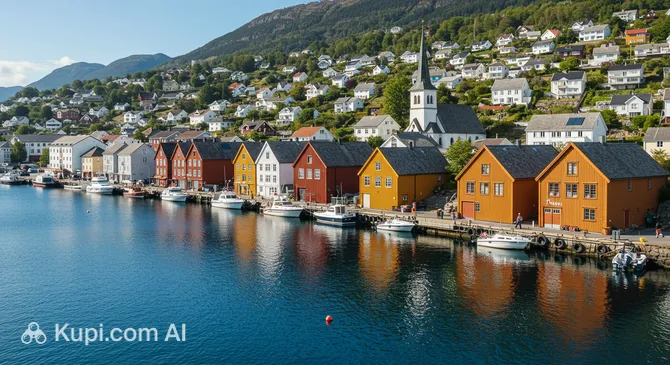
Florø. Source: Kupi.Binoculars

Florø is a paradise for nature lovers and outdoor enthusiasts. One of the main highlights is the Kystmuseet (The Coastal Museum), which offers an immersive look into the region's maritime heritage and daily life along the fjords. The town also serves as the gateway to the legendary island of Kinn, home to a medieval stone church and dramatic cliffs that attract hikers and history buffs alike. For those who prefer staying on the mainland, the local mountains offer hiking trails with breathtaking panoramic views of the islands and the vast North Sea.

Whether you are looking to embark on an island-hopping adventure, enjoy fresh local seafood by the harbor, or simply breathe in the fresh sea air, Florø welcomes you with open arms. It is an ideal destination for those seeking an authentic Norwegian coastal experience off the beaten path.
Weather Overview

The climate in this coastal town is distinctly maritime, heavily influenced by its proximity to the open North Sea. To help you pack appropriately for your trip, it is helpful to check the current weather in Florø before you depart. Generally, the ocean ensures that the area avoids extreme temperature fluctuations, resulting in relatively mild winters and cool, pleasant summers.

During the warmest months of July and August, average temperatures hover around 12°C to 13°C, creating ideal conditions for hiking without the sweltering heat found elsewhere. Winters are cold but rarely severe, with average temperatures in January and February staying close to 0.6°C. However, visitors should be prepared for frequent precipitation, as months like January and October can see up to 24 wet days.

Spring tends to be the driest period, particularly in April and May, though rain showers are still possible. Expect cool, mild summers and cold, damp winters with frequent precipitation throughout the year. Regardless of when you visit, bringing waterproof clothing and warm layers is highly recommended to stay comfortable while exploring the beautiful archipelago.

Interesting Facts

Beyond the main attractions, Florø holds many fascinating secrets that reveal its unique character and history. This coastal gem is not just a scenic stop but a place defined by specific geographical and cultural milestones that surprise many visitors.

  • The seaward approach to the town is guarded by the spectacular Stabben Lighthouse, a favorite subject for photographers and maritime enthusiasts. Perched on a skerry so small that the building covers almost the entire rock surface, this architectural marvel has guided sailors through the archipelago since 1867 and stands as a protected cultural heritage site.

  • Unlike many towns in Norway that evolved organically over centuries, Florø was a planned city established by a royal decree in 1860. It was founded specifically to capitalize on the booming herring fisheries of the 19th century, making it a rare example of a purpose-built maritime center from that era.

  • The town is home to a rather quirky world record attempt associated with its annual Sildefestival (Herring Festival). Locals and visitors gather to create the world's longest herring table, a celebration that honors the "silver of the sea" which brought prosperity to the region.

  • Just offshore on the island of Kinn, a natural amphitheater formed by a massive cleft in the mountain serves as the stage for Kinnaspelet. This historical play is performed outdoors, using the dramatic scenery of the cliff and the medieval church to retell the saga of Saint Sunniva and the island's religious heritage.

How to Get There

Planning a trip to the westernmost town in Norway requires some logistical preparation, as its coastal location makes it a unique destination to reach. While the journey offers scenic views of fjords and islands, you can find more detailed information about routes and transport options on our dedicated page about how to get to Florø.

The most convenient way to arrive is by air, as the town is served by its own regional hub, Flora Airport (IATA: FRO). Located just 1.9 km from the city center, it allows travelers to land practically on the doorstep of their destination. A taxi or shuttle from here takes only a few minutes, making it an exceptionally stress-free arrival point. This regional airport handles a moderate amount of traffic and connects the town with major Norwegian cities.

Alternatively, you can fly into Bringeland Airport (IATA: FDE), located in the neighboring city of Førde, approximately 45 km away. The transfer from Førde to Florø typically takes around 1 hour and 30 minutes by road. For those seeking more international connections, Ålesund Airport, Vigra (IATA: AES) is a larger option situated in Alesund, about 121 km from Florø. While it offers more flight routes, the travel time from Ålesund is significantly longer, taking roughly 3.5 hours by car or bus.

For clarity, here is a summary of the main airports in the region:

Airport Name City Passenger Traffic Km from City
Ålesund Airport, Vigra Alesund High 120.9
Flora Airport Florø Medium 1.9
Hovden Airport Ørsta Medium 84.6
Sogndal Airport Sogndal Small 122.9
Bringeland Airport Førde Small 45.1

Traveling by train is another option, though it requires a transfer to other modes of transport for the final leg of the journey. The city of Florø does not have its own railway station; the nearest major rail hub is Bergen Railway Station in the city of Bergen, which is approximately 145 km away. From Bergen, travelers often take a scenic express boat or a bus to reach Florø, a journey that can take around 4 hours depending on the connection.

Below is the information for the nearest major railway station:

Station City Passenger Traffic Km to Center
Bergen Railway Station Bergen Very High 145.2

Main Attractions

Florø offers a delightful mix of coastal culture, history, and natural beauty. While the town center is charmingly compact, the true magic of the region lies in its surrounding archipelago and the unique heritage sites scattered across the islands and mainland. Visitors can easily spend several days island-hopping, hiking, and immersing themselves in the maritime lifestyle.

One of the most iconic destinations is the island of Kinn, located a short boat ride from the town. This legendary island is famous for its dramatic landscape, particularly the massive cleft in the mountain known as Kinnaklova, which has served as a sailing landmark for centuries. The island is also home to a beautiful 12th-century stone church, one of the oldest in the country. Walking across Kinn feels like stepping back in time, offering a peaceful retreat and spectacular photographic opportunities.

For those interested in the region's rich maritime history, the Coastal Museum (Kystmuseet) is an essential stop. Located within Florø, this large museum complex provides a fascinating insight into the evolution of coastal life, from traditional fishing practices to the modern oil and gas industry. The exhibitions are interactive and varied, often featuring historic boats and open-air displays that showcase how locals have lived in harmony with the sea for generations.

Another gem in the archipelago is the island of Svanøy, often referred to as the "Pearl of Sunnfjord." Known for its lush vegetation and historical significance, the island houses the impressive Svanøy Manor (Svanøy Hovedgård), which was once a seat of power in the region. Visitors can explore the manor, visit the local deer center, or simply enjoy hiking through the unusually fertile landscapes that distinguish this island from its rockier neighbors.

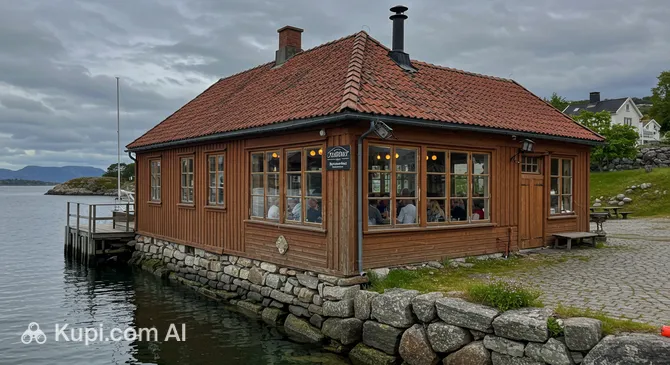
Florø Restaurant. Source: Kupi.Binoculars

After a day of fresh sea air and exploration, experiencing the local dining scene is a must. Florø Restaurant provides a welcoming atmosphere for tourists looking to unwind. Situated in a town renowned for its high-quality seafood, this establishment is a great place to sample local flavors and enjoy a meal in the heart of the community. Whether you are looking for a hearty dinner or a casual bite, it stands as a popular choice for both locals and visitors.

For outdoor enthusiasts, a hike up Brandsøyåsen offers the best panoramic views of Florø and the surrounding islands. The trail is accessible and rewarding, leading to a viewpoint where you can see the intricate network of fjords and the open ocean meeting the coast. It is a perfect spot to watch the sunset and appreciate the unique geography of Norway's westernmost town.

Local Cuisine

As the westernmost town in Norway with a history deeply intertwined with the fishing industry, the local cuisine in Florø is unmistakably defined by the ocean. The town is often referred to as a herring capital, and seafood lovers will find themselves in a gastronomic paradise. Freshness is the key ingredient here, with restaurants serving catches that often come straight from the local boats to the kitchen. The culinary style is honest and rustic, focusing on highlighting the natural high quality of the ingredients rather than overcomplicating the flavors.

The undisputed star of the local menu is herring, or "sild," prepared in a multitude of ways. Visitors should try a traditional herring platter, where the fish is served pickled, curried, or in creamy mustard sauces, typically accompanied by dark rye bread, potatoes, and onions. Beyond herring, the cold waters of the North Sea provide exceptional cod, monkfish, and halibut. A warming bowl of creamy fiskesuppe (Norwegian fish soup), packed with root vegetables and chunks of the day's catch, is the perfect comfort food after a windy day exploring the archipelago.

To accompany these maritime feasts, locals often turn to traditional Norwegian drinks. Aquavit, a potato-based spirit flavored with caraway and herbs, is the classic pairing for herring and rich fish dishes, known for helping with digestion. Florø also boasts a strong local brewing culture. The town is home to a renowned craft brewery that draws inspiration from the Belgian brewing tradition and the rugged Norwegian coast, producing distinct ales and stouts that are widely available in local pubs and eateries.

The dining atmosphere in Florø is relaxed and informal, reflecting the town's friendly coastal vibe. Most dining establishments are located near the harbor, allowing guests to enjoy their meals with views of the sea and the boat traffic. Whether you are grabbing a quick bite at a street stall during a food festival or sitting down for a full dinner at a place like Florø Restaurant, you can expect a warm welcome and a hearty meal. The food culture here is less about fine dining pretension and more about the joy of sharing fresh, locally sourced food in good company.

Travel Tips

To ensure your visit to Norway’s westernmost town is as smooth and enjoyable as possible, we have compiled a list of essential practical advice. Being well-prepared for the unique coastal climate and local customs will help you focus on the stunning scenery and maritime charm of Florø.

  1. Clothing and Gear: The weather on the coast can change rapidly, so the key to comfort is layering. Bring a windproof and waterproof outer shell, as rain and sea breezes are common throughout the year. Comfortable, sturdy walking shoes are essential for exploring the cobbled streets and rocky island trails. If you plan to visit churches or upscale restaurants, casual but neat attire is perfectly acceptable.
  2. Transportation: The town center of Florø is compact and best explored on foot. For trips to the surrounding islands like Kinn or Svanøy, the local express boats (hurtigbåt) are the lifeline of the community and a scenic way to travel. Taxis are available but can be expensive; if you wish to explore the mainland fjords further afield, renting a car is recommended, though not strictly necessary for the town itself.
  3. Finances: The local currency is the Norwegian Krone (NOK). Norway is rapidly becoming a cashless society, and cards (Visa and Mastercard) are accepted almost everywhere, from supermarkets to small kiosks. While ATMs are available in the town center, you will rarely need physical cash. Tipping is not mandatory, but rounding up the bill for good service is a common and appreciated gesture.
  4. Health and Safety: Florø is a very safe destination with low crime rates. For minor health concerns, look for a pharmacy, marked as Apotek; check opening hours as they are usually closed on Sundays. The general emergency number is 112. Be cautious when hiking near the coast, as wet rocks can be slippery and waves can be unpredictable.
  5. Communication: English is widely spoken and understood by almost everyone, so you will have no trouble communicating. Learning a few basic Norwegian words like Takk (Thank you) and Hei (Hello) is a nice way to show respect. Wi-Fi is readily available in most hotels, cafes, and public areas, and European roaming rules usually apply for SIM cards.
  6. Local Etiquette: Norwegians value personal space and tranquility. A simple nod or a "Hei" is a polite greeting. When using public transport or waiting in lines, avoid standing too close to others. Punctuality is highly valued, so try to be on time for any booked tours or transport departures.
  7. What to Avoid: Do not underestimate the weather conditions when planning a hike; setting off into the mountains or out to sea without checking the forecast can be dangerous. Additionally, avoid being loud or boisterous in public places, as locals appreciate a calm and modest demeanor.
  8. Sunday Closures: Be aware that most shops and grocery stores in Florø are closed on Sundays. If you are arriving on a weekend, make sure to buy any necessary supplies or snacks on Saturday. Restaurants and convenience stores (kiosks) generally remain open.

By keeping these tips in mind, you will be well-equipped to navigate local life and enjoy the authentic atmosphere of this coastal gem. Florø is a welcoming town where common sense and a respect for nature go a long way, ensuring your stay is both safe and memorable.

Entertainment & Nightlife

Nightlife in Florø is defined by its intimate, maritime charm rather than high-octane clubbing. As a regional hub, the town punches above its weight in terms of social atmosphere, but the vibe is decidedly laid-back and centered around cozy pubs, gastropubs, and waterfront terraces. The action is conveniently concentrated along the harbor and the main street, Strandgata, allowing visitors to easily drift between venues without the need for transportation.

The local scene is heavily influenced by the town's brewing heritage. A standout venue for any visitor is Vesle Kinn, a dedicated beer café and test brewery operated by the famous Kinn Brewery. It is the perfect place to immerse yourself in local culture, offering a wide selection of craft beers in a rustic, English-pub-style setting. For a venue that offers a blend of culinary delight and evening relaxation, Florø Restaurant remains a favorite. It serves as a central meeting point where a dinner atmosphere gradually shifts into a lively social hub as the night wears on. Another staple of the nightlife is Hjørnevikbua, located in a historic sea house, known for its authentic coastal interior and vibrant weekends.

The atmosphere in Florø's venues is welcoming and informal. There is no need for fancy attire; "smart casual" is the standard, and it is not uncommon to see patrons enjoying a pint in their hiking gear after a day on the mountains. The crowds are a friendly mix of locals, offshore workers, and tourists. Most bars stay open until around 2:00 AM on weekends, which is when the town is liveliest. Be prepared for Norwegian price levels, where a beer or glass of wine can be relatively expensive compared to other parts of Europe.

Safety is one of Florø's strongest assets. The town is exceptionally safe, and walking alone at night in the harbor area or city center poses no significant risk. Since the entertainment district is compact, you will likely be within walking distance of your accommodation. However, if you require transport, Florø Taxi is reliable and can be hailed from the rank near the transport terminal or booked by phone.

When the sun is up, entertainment shifts towards relaxation and culture. The Havhesten aquatic center is a major attraction, offering pools, diving boards, and a wellness area that provides fun for all ages. For those interested in the arts, the Florø Kulturhus (Cultural Center) and the local cinema, Florø Kino, offer a rotating schedule of movies, concerts, and theater performances, ensuring there is something to do even when the weather drives everyone indoors.

Parks & Museums

While Florø is defined by its dramatic coastline, the city and its surroundings also offer lush green spaces and rich cultural institutions that preserve the region's heritage. Visitors will find that the town provides a perfect mix of outdoor recreation areas and educational venues, allowing for a deeper understanding of life at the edge of the North Sea.

Sørstrand Folkepark is the town's most beloved recreational area, located just a short distance from the center. This scenic spot serves as both a beach and a green oasis, featuring sandy shores, grassy lawns for picnicking, and well-maintained walking paths. It is a favorite gathering place for locals on sunny days, offering facilities for barbecues and volleyball, making it an excellent location for families to relax and enjoy the fresh sea air in a sheltered environment.

For those seeking a nature escape with a view, Storåsen acts as the town's green lung. This accessible hill offers a network of trails that are easy enough for a casual stroll but rewarding enough to provide sweeping panoramas of the archipelago. It is an ideal spot for observing the interplay between the city, the fjords, and the open ocean, surrounded by local flora and birdlife.

The cultural heart of the city is undoubtedly the Coastal Museum (Kystmuseet). This extensive museum complex goes beyond typical displays, offering a comprehensive look at the forces that have shaped the region: fisheries and the petroleum industry. The exhibitions are diverse, featuring a large collection of historical boats, an insight into the "herring era" that built the town, and a modern section dedicated to the offshore oil and gas activities that sustain it today. The museum also includes an open-air section with traditional buildings, allowing visitors to walk through history.

Another significant cultural landmark is Svanøy Manor (Svanøy Hovedgård), situated on the fertile island of Svanøy. While it requires a boat trip to reach, it functions as a living museum of aristocracy and agriculture. The manor has a history dating back to the 17th century and was once the administrative center for a large part of the coast. Today, visitors can admire the main building's architecture, explore the surrounding gardens, and learn about the island's unique history, which stands in contrast to the simpler fisherman's life found elsewhere in the region.

In terms of historical architecture, the Old Fire Station in the town center is a charming wooden building that stands as a testament to the town's development in the 19th century. Although small, it adds to the historic character of the streets running parallel to the harbor. Additionally, the entire layout of Florø reflects its planned origin in 1860, with straight streets designed to facilitate the transport of herring, a feature that history enthusiasts will appreciate while walking through the town.

For a truly authentic experience, look for the North Sea Trail (Nordsjøløypa) markers. These trails connect various parts of the coast and often lead through lesser-known cultural landscapes where you might stumble upon ancient stone walls or remnants of old coastal defenses, offering a quiet and contemplative way to experience the history of the land.

Getting Around

Navigating Florø is remarkably straightforward, primarily because the town center is compact and pedestrian-friendly. For most visitors, the best way to explore the immediate harbor area and the main shopping streets is simply on foot. There is no metro, tram, or trolleybus system here; instead, the public transport network consists of buses and, most importantly, a comprehensive system of express boats and ferries that connect the mainland to the surrounding archipelago.

The public transport authority for the region is called Skyss. Their network integrates both bus and boat services, making travel seamless across the province. For tourists, the most convenient way to pay for trips is by downloading the Skyss Billett app, which allows you to purchase single tickets or passes directly on your smartphone. Prices are determined by zones, and buying your ticket in advance via the app is generally cheaper than purchasing it on board, where a cash surcharge often applies.

Since this is a coastal community, the "blue highway" is just as important as the asphalt roads. Express boats (hurtigbåt) and local ferries are the lifelines of the area, transporting locals and visitors to islands like Kinn, Svanøy, and Askrova. The boat terminal, located right in the center of the harbor, serves as the main transit hub. These boat trips are not just a means of transport but a scenic experience in themselves, offering stunning views of the fjords and mountains.

Local buses operate within the town and connect to nearby residential areas and the airport, though frequencies can be lower than in larger cities, especially on evenings and weekends. It is highly recommended to check timetables in advance using the Skyss Reise app or their website. Be aware that bus services may be limited on Sundays, so planning your return journey ahead of time is essential if you venture out of the town center.

For destinations not covered by the bus or boat network, Florø Taxi offers a reliable alternative, with a rank situated near the transport terminal. While taxis provide comfort and door-to-door service, they can be relatively expensive compared to public transit. Given the town's small size, car sharing services are not widely established, but the flat terrain along the harbor makes cycling a pleasant option if you can secure a bike from your accommodation.

Accommodation

Accommodation in Florø is characterized by quality rather than quantity, reflecting the town's size and its focus on maritime industries. The range of options is well-suited to the needs of both business travelers and tourists, primarily consisting of mid-range hotels, charming guesthouses, and traditional coastal cabins. For those seeking a more immersive experience with nature, camping sites and "rorbuer" (fishermen's cabins) are available in the surrounding areas, offering a unique stay close to the water.

The most convenient area to stay is undoubtedly the city center, particularly along the harbor and the main street, Strandgata. Staying here places you within walking distance of the express boat terminal, the bus station, and the town's best dining and shopping venues. This central location is ideal for travelers without a car, as it serves as the perfect base for island-hopping excursions to Kinn or Svanøy. Alternatively, visitors looking for tranquility might prefer accommodations located slightly on the outskirts or on the nearby islands, where the focus is on scenic views and hiking opportunities.

While the town does not have a vast number of large resorts, it is home to professional and well-equipped hotels that often sit right on the waterfront. These establishments typically offer modern amenities and stunning views of the fjord and boat traffic. In addition to standard hotel rooms, there is a growing market for vacation rentals and apartments, which are a great choice for families or groups planning a longer stay to explore the archipelago at their own pace.

Booking Tips and Prices: As with most destinations in Norway, accommodation prices in Florø tend to be in the mid-to-high range. Budget options like hostels are less common, so camping or cabins can be a wallet-friendly alternative. It is highly recommended to book in advance, especially if you plan to visit during the summer months (June to August) or during major local events like the Herring Festival (Sildefestivalen), when the town fills up quickly. Most properties are listed on major online booking platforms, making it easy to secure your stay before arrival.

Nearby Cities

For those looking to explore the surroundings, Florø serves as an excellent base for day trips to several interesting nearby locations:

One of the most popular destinations in the region is Bergen, often referred to as the gateway to the fjords. As Norway's second-largest city, it offers a rich mix of history and culture, most notably the UNESCO-listed Bryggen wharf with its colorful wooden buildings. Visitors can explore the bustling Fish Market, take the Fløibanen funicular for panoramic views, or wander through the charming cobblestone streets. Although the journey requires some travel time, the scenic route along the coast makes it a rewarding experience.

To the north lies the picturesque city of Alesund, renowned worldwide for its unique Art Nouveau architecture. After a devastating fire in 1904, the town was rebuilt in a distinct architectural style featuring turrets, spires, and intricate ornamentation. It is also home to the Atlantic Sea Park, one of Northern Europe's largest saltwater aquariums, and offers spectacular views from the Mount Aksla viewpoint. The city's location, spread across several islands, provides a stunning backdrop for a day of exploration.

Another interesting option is Molde, known as the "Town of Roses" due to its lush gardens and mild climate. Famous for its annual international jazz festival, Molde offers a relaxed atmosphere and the incredible Varden viewpoint, which boasts a panorama of 222 snowy mountain peaks. It serves as a great contrast to the coastal ruggedness of Florø, offering a glimpse into the fjord landscapes further north.

City Population Distance (km)
Bergen 267117 136
Alesund 52163 113
Molde 32002 169
Askøy 29816 127
Os 19742 156

These nearby destinations offer a glimpse into the diverse culture and landscapes of the region, allowing travelers to experience the broader charm of Western Norway.

Shopping & Souvenirs

Shopping in Florø is a relaxed and pleasant experience that mirrors the town's laid-back coastal atmosphere. While you will not find endless avenues of high-end fashion boutiques, the town provides a charming selection of stores that cover daily necessities, outdoor gear, and unique local items. The compact city center allows you to easily combine a shopping trip with a coffee break or a stroll along the harbor, making it a stress-free activity rather than a hectic chore.

The heart of the local retail scene is Strandgata, the main shopping street that runs parallel to the waterfront. This pedestrian-friendly thoroughfare is lined with a mix of independent shops, cozy cafes, and interior design stores. It is the perfect place to browse for clothing, home decor, and gifts while enjoying the historic architecture and the fresh sea breeze. Walking here gives you a sense of the local community, as it serves as a central meeting point for residents.

For a more concentrated shopping experience, the town is home to the Amfi Florø shopping center. Located conveniently in the city center, this mall houses a variety of chain stores, fashion retailers, a pharmacy, and a supermarket. It is also where you will find Vinmonopolet, the state-owned liquor store, which is the only place to purchase wine and spirits in Norway. The center is a practical stop for travelers needing to restock on supplies or pick up items they might have forgotten to pack.

While Florø does not have a permanent daily market, the town square and harbor area often come alive with stalls during local festivals, such as the annual Herring Festival. During these events, you can find local artisans selling handcrafted goods and farmers offering regional produce. For authentic local flavors, keep an eye out for small specialty shops selling locally produced jams, cured meats, and fresh seafood products that reflect the region's culinary heritage.

When looking for souvenirs to take home, traditional Norwegian items are always a popular choice. Look for high-quality wool sweaters and knitwear, which are essential for the Norwegian climate and make for lasting gifts. given Florø's maritime history, nautical-themed decor and books about the local coastal culture are also meaningful keepsakes. Additionally, local handicrafts made from glass or ceramics can often be found in the smaller boutiques along Strandgata.

Standard opening hours in Florø are generally from 10:00 AM to 5:00 PM on weekdays, with some shopping centers staying open until 7:00 PM or 8:00 PM. On Saturdays, shops typically close earlier, often around 3:00 PM or 4:00 PM. It is important to remember that, like in the rest of Norway, most shops and grocery stores are closed on Sundays. Payment is seamless, as the town is very card-friendly; major credit and debit cards are accepted almost everywhere, even for small amounts, and carrying large amounts of cash is rarely necessary.

Tourists residing outside of Norway, Sweden, Denmark, and Finland may be eligible for a tax refund on purchases made in affiliated stores. Look for the "Tax Free" signage in shop windows. If you spend above a certain threshold in a single store, you can ask for a tax refund form, which can be redeemed at major departure points like international airports when leaving the country.

Reached the end of the page?

That means the route is fully explored