Support

Alesund

About

Alesund is widely regarded as one of the most beautiful port towns in Scandinavia, celebrated for its unique architectural character and stunning natural setting. Stretching across several islands into the Atlantic Ocean, this vibrant city offers a perfect blend of cultural heritage and breathtaking scenery, making it a top destination for travelers seeking both relaxation and adventure.

Located in the Møre og Romsdal county of Norway, Alesund serves as a gateway to the iconic northwestern fjords and the alpine mountains of Sunnmøre. Despite its island geography, the city is well-connected and bustling with life, home to a population of approximately 52,000 residents. The maritime climate here is typically mild for the latitude, though visitors should always be prepared for the changing coastal weather that adds to the region's dramatic atmosphere.
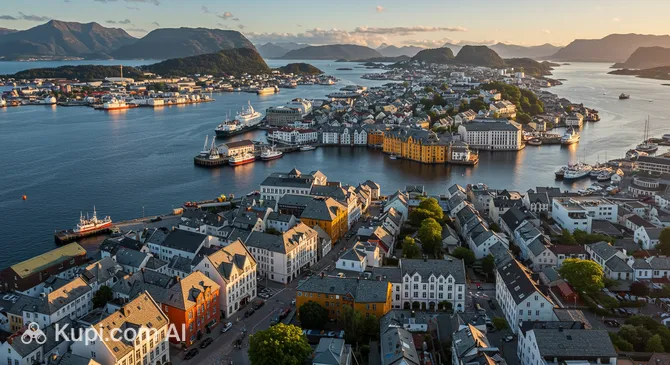
Alesund. Source: Kupi.Binoculars

The city's most distinctive feature is its consistent Art Nouveau (Jugendstil) architecture. Following a devastating fire in 1904 that destroyed much of the wooden town center, the history of Alesund was forever changed as it was rebuilt in stone and brick with characteristic turrets, spires, and medieval ornaments. Walking through the streets today feels like stepping into a fairy tale, with colorful buildings reflecting in the waters of the canal.

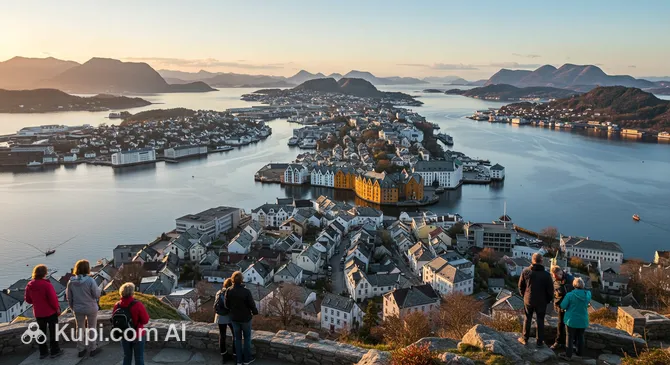
Beyond its architecture, Alesund is famous for the spectacular view from Mount Aksla. Visitors can climb the 418 steps from the Town Park to the Fjellstua viewpoint to enjoy a panoramic vista of the archipelago, the town center, and the majestic Sunnmøre Alps. The city is also a prime starting point for exploring the UNESCO-listed Geirangerfjord and the bird sanctuary island of Runde.

Whether you are wandering through its ornate streets, enjoying fresh seafood at the harbor, or embarking on a fjord excursion, Alesund promises an unforgettable experience. It is a destination that captures the essence of coastal charm and invites you to discover the magic of the north.
Weather Overview

Alesund experiences a temperate oceanic climate, heavily influenced by the Gulf Stream, which keeps conditions surprisingly mild given its northern latitude. The weather in Alesund is known for being changeable, often shifting between sunshine and showers within the same day. Visitors should generally expect cool summers with frequent clouds and mild, wet winters.

During the summer months, temperatures are pleasant but rarely hot. August is typically the warmest month, with an average temperature of 13.2°C and highs reaching around 15.0°C. Despite the milder air, rain remains common, with June through August seeing between 17 and 21 wet days per month. May is often the driest month, recording just 3mm of precipitation and slightly fewer wet days compared to the rest of the year.

Winters in Alesund are not as harsh as in inland Norway. From December to February, average temperatures hover between 0.1°C and 0.6°C, with minimums rarely dropping below -1.4°C. However, this season is quite damp, with January and December experiencing up to 22 wet days each. Autumn brings the highest precipitation levels, particularly in September and October, so packing a waterproof jacket and sturdy shoes is essential for comfort.

Interesting Facts

Beyond the main attractions and the famous panoramic views, Alesund holds many fascinating stories that define its unique character. From royal interventions to culinary distinctions, the city's history is full of surprising details that often go unnoticed by the casual visitor.
Art Nouveau Town Ålesund. Source: Kupi.Binoculars
  • Although the devastating fire of 1904 destroyed 850 houses and left 10,000 people homeless, it is a miraculous fact that only one person lost their life during the catastrophe. This incredible survival rate is often attributed to the fire starting during a stormy night when most people were already awake and alert to the weather conditions.

  • The rapid reconstruction of the Art Nouveau Town Ålesund was heavily supported by the German Emperor, Kaiser Wilhelm II, who was a frequent visitor to Norway. Immediately after the fire, he sent four ships loaded with food, medicine, and building materials to the city, a gesture that is still remembered today with a street named in his honor.

  • Alesund is often called the "Klipfish Capital" of Norway, playing a pivotal role in the global export of dried and salted cod. The city's strong historical trade ties with southern Europe and South America have made the local dish bacalao a surprising culinary staple in this Nordic region.

  • The Atlantic Sea Park is not just a standard aquarium; it is one of the few in the world built directly into the coastal landscape. It draws fresh seawater directly from the ocean to fill its tanks, creating an authentic ecosystem for the marine life, including a colony of penguins.

How to Get There

Reaching this coastal gem is relatively straightforward, thanks to its well-connected airport and various transport links. Whether you prefer flying directly into the region or taking a scenic route through the fjords, you can find more about how to get to Alesund and choose the option that best suits your travel plans.

The most convenient entry point is Ålesund Airport, Vigra (AES), located approximately 10 km from the city center. It is an international airport offering frequent domestic flights as well as direct connections to several European cities. The airport is situated on the island of Vigra, and a trip to downtown Alesund typically takes around 35 minutes by bus or taxi. For travelers looking for alternatives, Molde Airport, Årø (MOL) in the city of Molde is another option, though it is located about 65 km away. The journey from Molde to Alesund involves a longer drive, taking approximately 2 hours, often including a scenic ferry crossing.

For clarity, here is a summary of the main airports:

Airport Name City Passenger Traffic Km from City
Ålesund Airport, Vigra Alesund Large 10.0
Molde Airport, Årø Molde Medium 64.7
Kristiansund Airport, Kvernberget Kristiansund Medium 111.3
Flora Airport Florø Small 115.2
Hovden Airport Ørsta Small 32.8

It is important to note that the city of Alesund does not have its own railway station, as the difficult terrain of the fjords limits rail expansion in this specific area. Travelers wishing to arrive by train usually travel to major hubs such as Bergen Railway Station in Bergen or Trondheim S Station in Trondheim. Both cities are significant distances away—approximately 247 km and 266 km respectively—so continuing the journey to Alesund requires a transfer to a long-distance bus or a coastal express boat. The road trip from these hubs can take roughly 6 to 7 hours, offering spectacular views along the way.

Below are the nearest major railway hubs listed for reference:

Station City Passenger Traffic Km to Center
Bergen Railway Station Bergen Large 247.1
Trondheim S Station Trondheim Large 265.8

Main Attractions

One of the most essential experiences in the city is visiting the Aksla Viewpoint. Towering high above the town, this observation deck offers the iconic panoramic view of the archipelago, the town center, and the Sunnmøre Alps that is featured on almost every postcard. Visitors can reach the top by climbing the famous 418 steps from the Town Park or by driving up to the Fjellstua facility to enjoy the breathtaking scenery.

Aksla Viewpoint. Source: Kupi.Binoculars

For those making the climb on foot, the Byrampen Viewpoint is a perfect place to catch your breath and snap a photo. Located halfway up the stairs to Mount Aksla, this "Town Ramp" provides a spectacular perspective of the rooftops and the canal below. It allows you to enjoy an impressive vantage point of the city's unique layout without necessarily completing the entire ascent to the summit.

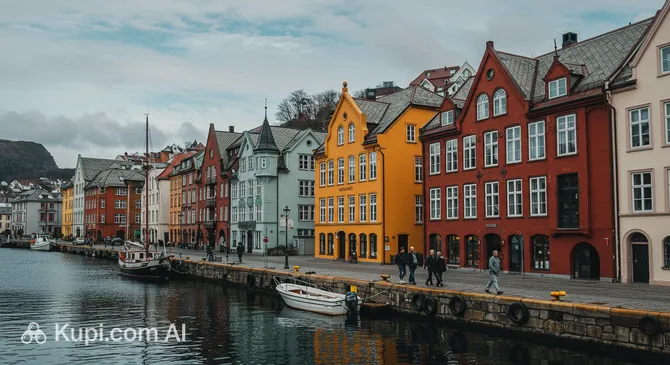
The heart of the city itself serves as a magnificent open-air museum, known as the Art Nouveau Town Ålesund. Following the tragic fire of 1904, the center was rebuilt in the Jugendstil style, characterized by towers, spires, and imaginative ornamentation. A stroll along the Brosundet canal and through the streets of Apotekergata allows tourists to admire the colorful facades and unique architectural details that make this town so distinct in Norway.

Art Nouveau Town Ålesund. Source: Kupi.Binoculars

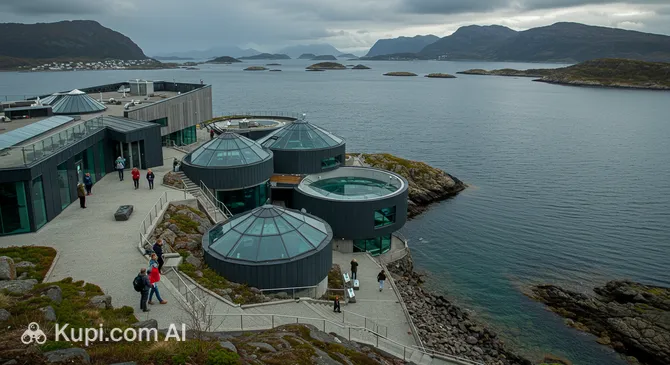
Just a short drive from the center lies the Atlantic Sea Park, one of the largest saltwater aquariums in Northern Europe. Built directly into the coastal landscape at Tueneset, it focuses on life in the Atlantic Ocean. It is a favorite destination for families, offering large landscape tanks, a seal bay, and an outdoor area where you can watch penguins and observe marine life in its natural element.

Atlantic Sea Park. Source: Kupi.Binoculars

Local Cuisine

As Norway's fishing capital, the culinary scene in Alesund is inextricably linked to the ocean. The city is world-renowned for its high-quality seafood, with fresh catches arriving daily at the harbor. For any visitor, the local gastronomy offers a genuine taste of the coast, ranging from rustic traditional fare to modern Nordic cuisine that highlights the purity of local ingredients.

The absolute must-try dish in this region is Bacalao. While often associated with Mediterranean cuisine, Alesund is actually the world's largest exporter of klipfish (dried and salted cod). This historical trade connection has deeply influenced local cooking, and you will find excellent versions of Bacalao stew—typically made with tomato, onion, potatoes, and olive oil—served in many restaurants throughout the city. It is a warming, flavorful dish that perfectly complements the fresh, salty sea air.

Another regional specialty that you simply cannot miss is svele. This thick, crescent-shaped pancake is a staple of the Møre og Romsdal region, famous for being served on the local ferries. Unlike traditional thin crêpes, sveler are fluffy and usually topped with a sweet buttercream and sugar mix or a slice of distinctively Norwegian brown cheese (brunost). It is the ultimate comfort food and a beloved snack among locals.

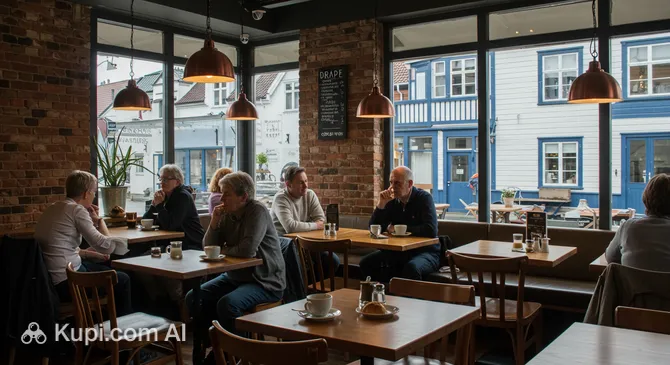
When it comes to beverages, the locals take their coffee very seriously. Norway has one of the highest coffee consumption rates per capita in the world, and Alesund is no exception. You will find cozy cafes scattered around the town center where you can enjoy a high-quality roast while escaping the coastal breeze. A great place to experience this relaxing atmosphere is Drape Alesund Coffee House, known for its inviting interior and excellent brews.

Drape Alesund Coffee House. Source: Kupi.Binoculars

For something stronger, Aquavit (Akevitt) is the traditional Scandinavian spirit, distilled from potatoes and flavored with caraway or dill. It is often enjoyed alongside festive meals or hearty seafood dishes. Additionally, the region has seen a rise in local microbreweries, producing craft beers that pair wonderfully with the salty and savory flavors of the local cuisine.

Dining in Alesund is often an experience with a view. Many of the best eateries are located along the waterfront of Brosundet, allowing you to watch the fishing boats while you eat. Whether you are grabbing a quick fish soup at a market stall or sitting down for a multi-course meal featuring fresh halibut and monkfish, the food here is honest, fresh, and deeply rooted in maritime tradition.

Travel Tips

To help you make the most of your journey to the Art Nouveau capital of the fjords, we have compiled a list of essential travel advice. Being well-prepared for the coastal climate and understanding local customs will ensure your visit to Alesund is as smooth and enjoyable as possible.

  1. Clothing and Gear: The weather on the coast changes rapidly, so the "onion principle" of dressing in layers is your best strategy. Even in summer, bring a windproof and waterproof jacket, as rain showers can occur unexpectedly. Since exploring Alesund often involves walking on cobblestones or climbing the 418 steps to Mount Aksla, sturdy and comfortable walking shoes are a must. If you visit in winter, thermal underwear and shoes with good grip are essential to handle icy streets.

  2. Transportation: The city center is compact and best explored on foot. For trips to the aquarium or surrounding islands, the local bus network, operated by Fram, is reliable and efficient; you can plan journeys and buy tickets via their mobile app. Taxis are safe but very expensive, so use them sparingly. While you do not need a car for the town itself, renting one is highly recommended if you plan to explore the magnificent Sunnmøre Alps or nearby fjords at your own pace.

  3. Finances: The currency is the Norwegian Krone (NOK). Norway is a nearly cashless society, and credit or debit cards (Visa and Mastercard) are accepted almost everywhere, including small kiosks and buses. You might not need to withdraw cash at all, but ATMs (minibank) are available if you prefer carrying a small amount. Be prepared for higher prices compared to many other European countries, and note that tipping is not mandatory, though rounding up the bill for good service is appreciated.

  4. Health and Safety: Alesund is an incredibly safe city with very low crime rates, but general common sense regarding personal belongings applies. Pharmacies are marked as Apotek and are generally open during regular shopping hours; for emergencies, dial 113 for an ambulance or 112 for police. The tap water is pure, safe, and delicious, so bring a reusable bottle to refill instead of buying bottled water.

  5. Communication: You will find that nearly everyone speaks excellent English, so communication is rarely a barrier. Learning a simple "Takk" (Thank you) or "Hei" (Hello) is a nice gesture that locals appreciate. Free Wi-Fi is widely available in hotels, cafes, and public areas. If you have a SIM card from an EU/EEA country, you can typically use your data plan here without extra roaming charges.

  6. Local Etiquette: Norwegians are polite but value personal space and quiet. It is customary to greet people with a simple nod or a smile. If you are invited to someone's home, the golden rule is to always remove your shoes at the door. In public transport, avoid sitting next to someone if there are plenty of empty double seats available, as this is considered socially awkward.

  7. What to Avoid: Do not try to buy wine or spirits in regular supermarkets. In Norway, alcohol stronger than 4.7% is sold exclusively in state-run stores called Vinmonopolet, which close early on Saturdays and are closed on Sundays. Also, avoid haggling in shops or markets; prices are fixed, and bargaining is not part of the local culture.

  8. Sunday Closures: Keep in mind that Sunday is a quiet day in Norway. Most shops, including grocery stores and shopping malls, are closed. However, many restaurants, museums, and smaller convenience stores (often branded as "Brustadbu") remain open, so plan your shopping needs for Saturday.

With these practical tips in hand, you are ready to navigate the charming streets of Alesund with confidence. Embrace the fresh sea breeze, enjoy the stunning architecture, and have a wonderful time exploring this jewel of the Norwegian coast!

Entertainment & Nightlife

Entertainment:

While the dramatic landscapes often steal the show, the city itself offers a lively variety of entertainment options, ranging from modern shopping centers to cozy dining spots and cultural venues. Whether you are looking to indulge in some retail therapy or enjoy a night out, the town center has plenty to keep you occupied.

For those interested in shopping, the city boasts two major shopping malls located right in the heart of the downtown area. Ålesund Storsenter is a popular destination, housing a wide array of stores that cover everything from fashion and interior design to electronics. It is an excellent place to find both international brands and local Norwegian products.

Another key spot for shoppers is Kremmergaarden. Situated conveniently near the Town Hall, this shopping center offers a relaxed atmosphere with a good selection of shops and cafes. It is directly connected to the city's parking tunnel, making it easily accessible for visitors driving into the center.

The culinary scene in Alesund also provides great entertainment, especially for those who appreciate a casual yet high-quality meal. If you are in the mood for something other than traditional seafood, Cinque Minuti is a local favorite. This restaurant is renowned for serving authentic Italian pizza and pasta in a warm, welcoming setting, making it a perfect spot for a relaxed dinner with friends or family.

For larger cultural events, sports competitions, and fairs, the Møre Arena is the region's main venue. Located just outside the immediate city center, this multi-purpose hall hosts everything from major concerts to trade shows, contributing significantly to the cultural pulse of the Møre og Romsdal region. Checking their schedule is recommended if you are interested in catching a live performance or event during your stay.

Parks & Museums

Alesund offers a delightful balance between manicured green spaces and institutions that preserve its rich maritime and architectural heritage. For visitors, exploring the city's parks and museums provides a deeper understanding of how nature and history have shaped this unique coastal community.

The most prominent green space in the city center is the Town Park (Byparken). Located at the foot of Mount Aksla, this park serves as the lush, green lung of the city and the starting point for the famous ascent to the viewpoints above. It features statues commemorating historical figures, including Kaiser Wilhelm II and the Viking leader Rollo, set amidst winding paths and mature trees. As you begin the climb up the steps from the park, you will reach the Byrampen Viewpoint. This platform offers a fantastic resting spot with sweeping views over the rooftops, allowing you to appreciate the city's geography from a slightly lower, more intimate perspective than the summit.

Another significant natural area is Tueneset, located on the western tip of Hessa island. This coastal recreational area is perfect for hiking, fishing, and enjoying the raw power of the Atlantic Ocean. It is also the setting for the Atlantic Sea Park, which functions as both a premier aquarium and a marine science center. While often categorized as an attraction, it is a vital educational institution where visitors can learn about the ecosystems of the Norwegian coast through interactive exhibits and open-air pools.

To truly understand the city's aesthetic, a visit to the Jugendstilsenteret (Art Nouveau Centre) is essential. Housed in the historic Swan Pharmacy building, this museum documents the tragic fire of 1904 and the subsequent rebuilding that created the Art Nouveau Town Ålesund. The exhibits showcase authentic interiors and multimedia presentations that bring the craftsmanship and optimism of the early 20th century to life.

For a broader look at the region's cultural history, the Sunnmøre Museum offers an immersive experience. This open-air folk museum features a collection of over 50 traditional houses and buildings relocated from various parts of the district. It also houses an impressive collection of historical boats, including replicas of Viking ships, providing insight into the maritime traditions that have sustained the local population for centuries.

Insider Tip: If you are interested in World War II history, seek out the Alesund War Museum (Krigsmuseum), located in a bunker on Mount Aksla. It is a smaller, volunteer-run collection that offers a fascinating, albeit darker, perspective on the city's strategic importance during the occupation.

Getting Around

Navigating Alesund is remarkably convenient, as the city center is compact and best explored on foot. For most visitors, walking is the primary mode of transport, allowing you to easily move between the Art Nouveau buildings, the harbor, and the main hotels. However, if you plan to visit attractions further afield, such as the Atlantic Sea Park or the surrounding islands, the city offers a reliable and efficient public transport network.

The public transport system in the region is operated by FRAM. Since Alesund is a relatively small city with a population of around 52,000, there are no metros, trams, or trolleybuses. Instead, the backbone of the local transport network consists of a comprehensive bus service. The blue and white buses connect the city center with suburbs and neighboring islands, utilizing the area's impressive system of undersea tunnels and bridges.

Given the city's coastal geography, water transport plays a vital role. Express boats (hurtigbåt) and ferries are an integral part of the public transport system, connecting the mainland to the many inhabited islands in the archipelago. These boats operate much like buses, with scheduled departures from the Skateflukaia terminal in the city center. They offer a scenic and practical way to travel to destinations like Valderøya or Hareid.

For payment, the most convenient option for tourists is the FRAM app, available for smartphones. Through the app, you can purchase single tickets, 24-hour passes, or weekly cards. Buying a ticket via the app is typically cheaper than purchasing it on board. If you do not have the app, you can buy tickets from the driver using a credit card (Visa or Mastercard) or cash (Norwegian Krone), though paying with cash may incur a surcharge. Tickets are valid for a specific time window, usually allowing for transfers within the same zone.

Travelers should note that bus frequencies can vary significantly. While routes within the city center and to major suburbs run frequently during weekdays, service is often reduced in the evenings and on weekends, especially on Sundays. It is highly recommended to check the timetables in advance using the FRAM app or their website to avoid long waits.

Taxis are available but are known for being quite expensive compared to other European cities. You can find taxi ranks in the city center, particularly near the bus terminal and the shopping centers, or book one via phone or local taxi apps. Due to the high cost, taxis are generally used for shorter, specific trips or when carrying heavy luggage, rather than for general sightseeing.

While there is no historical rail network, a popular "special feature" for tourists during the summer season is the Bytoget (City Train). This is not a train on rails but a motorized sightseeing vehicle that drives through the streets. It offers a guided tour of the city's most famous spots, including a drive up to the Fjellstua viewpoint, making it an excellent alternative for those who wish to see the sights without the steep climb.

Accommodation

Where to Stay:

Alesund offers a diverse range of accommodation options that cater to various preferences, though travelers should be aware of the generally higher price point typical of Norway. The city is well-equipped for tourism, featuring everything from historic boutique hotels housed in renovated Art Nouveau buildings to efficient modern chain hotels. For those seeking more independence, there is a good selection of serviced apartments and guesthouses, while budget travelers can find hostels and camping sites located slightly outside the main urban area.

The most popular area to stay is undoubtedly the city center, particularly around the Brosundet canal and Apotekergata. Staying here places you within walking distance of the main attractions, restaurants, and transport terminals. Many hotels in this area offer stunning waterfront views, allowing guests to wake up to the sight of fishing boats and the unique architecture that defines the town. For a quieter experience, some visitors choose accommodations on the nearby islands, which offer a more secluded atmosphere while remaining accessible by tunnel or boat.

Booking accommodation in Alesund requires some planning, especially if you are visiting during the peak summer season (June to August). The city is a popular gateway to the fjords, and the best rooms often sell out months in advance. It is highly recommended to secure your reservation as early as possible to ensure availability and better rates. During the shoulder seasons, availability is generally better, and you might find more competitive pricing.

In terms of cost, prices range from mid-range to luxury, with true budget options being somewhat scarce compared to other European destinations. Standard double rooms in hotels are the norm, often including a generous breakfast buffet, which is a staple of Norwegian hospitality. Booking is most conveniently done through major online travel platforms or directly via hotel websites. Whether you choose a luxury suite with a fjord view or a cozy room in a family-run guesthouse, the standard of cleanliness and comfort is typically very high throughout the city.

Nearby Cities

For those looking to explore the surroundings, Alesund serves as an excellent base for day trips to several interesting nearby locations:

Molde is one of the most popular destinations for a day trip, located just a scenic drive and ferry ride away. Known as the "Town of Roses" for its lush gardens and relatively mild climate, it is famous for the breathtaking Molde Panorama, which offers a view of 222 partly snow-clad mountain peaks. The city also hosts an internationally renowned annual jazz festival, adding a vibrant cultural atmosphere to its stunning natural backdrop.

Further north lies Kristiansund, a unique city spread across four islands at the edge of the ocean. It has a rich history deeply connected to the production of clipfish (dried and salted cod), a heritage that can be explored in its local museums and restaurants. A visit here often includes a ride on the "Sundbåt," one of the world's oldest public transport ferry services, and a drive along the spectacular Atlantic Ocean Road, which connects the islands with dramatic bridges.

City Population Distance (km)
Molde 32002 61
Kristiansund 18273 107
Voss 15875 199
Lindas 15607 201
Sogndal 12097 147

These nearby destinations offer a glimpse into the diverse culture and landscapes of the region, making them well worth the journey for travelers wishing to see more of the Norwegian coast.

Shopping & Souvenirs

Shopping in Alesund offers a relaxed and scenic experience, quite unlike the rush of larger metropolitan cities. Instead of vast, impersonal districts, visitors will find a charming mix of modern retail centers and independent boutiques set within the city's historic Art Nouveau buildings. While the city is not primarily known as a shopping capital, it excels in offering high-quality Norwegian design, outdoor gear, and unique local craftsmanship.

The heart of the shopping district is located in the compact city center, particularly along the pedestrian streets and the area surrounding the Brosundet canal. A stroll down Kongens gate and the nearby side streets reveals a variety of niche stores selling clothing, interior design items, and jewelry. Walking through these streets allows you to admire the intricate architectural details of Art Nouveau Town Ålesund while browsing for hidden gems.

For those who prefer having everything under one roof, the city boasts two main shopping centers situated conveniently in the downtown area. Ålesund Storsenter is the larger of the two, located on the northern side of the city center, offering a wide range of fashion chains, electronics, and specialty shops. Just a short walk away, near the Town Hall, lies Kremmergaarden. This mall provides a cozy atmosphere with a good selection of stores and cafes, making it a popular meeting place for locals.

Outdoor markets are a seasonal delight in Alesund. The main market square, Kiperviktorget, comes alive especially during the summer months and on Saturdays. Here, you can find stalls selling fresh local produce, flowers, and sometimes handicrafts. It is a great place to mingle with the locals and perhaps pick up some fresh strawberries or vegetables grown in the nearby fjords.

When looking for souvenirs to bring back home, traditional Norwegian items are the most popular choice. High-quality wool sweaters with classic Nordic patterns are a practical and stylish keepsake given the local climate. Other favorites include artisan glass, pewter items, and the iconic cheese slicer (ostehøvel), which is a Norwegian invention. For a taste of the region, look for edible souvenirs like locally produced jams, cured meats, or the famous dried cod (klippfisk) that the city is historically known for.

Store opening hours in Alesund generally follow the standard Norwegian pattern. Most shops open around 10:00 AM and close between 5:00 PM and 8:00 PM on weekdays, with shorter hours on Saturdays, typically closing by 4:00 PM or 6:00 PM. It is important to remember that nearly all shops, including the shopping malls, are closed on Sundays. Payment is seamless, as cards (Visa and Mastercard) are accepted almost everywhere, even for small amounts, and contactless payment is the norm.

International tourists residing outside of Norway, Sweden, Denmark, and Finland can take advantage of the Tax-Free shopping scheme. Many shops in Alesund are affiliated with Global Blue or similar tax refund services. If you spend over a certain amount in a single store, ask for a Tax-Free form at the checkout. You can then claim a refund on the VAT (moms) when departing from Norway, provided you show the goods and the form at the airport or border crossing.

Reached the end of the page?

That means the route is fully explored