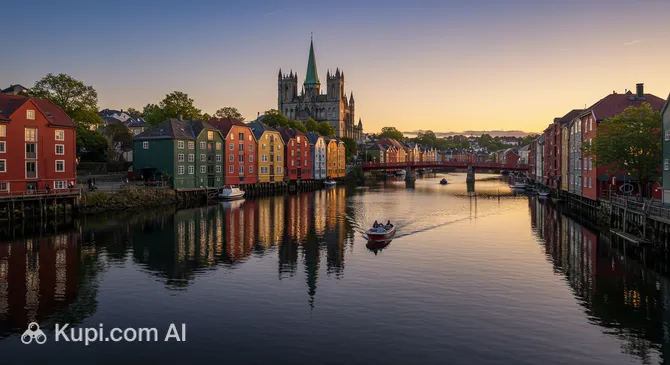
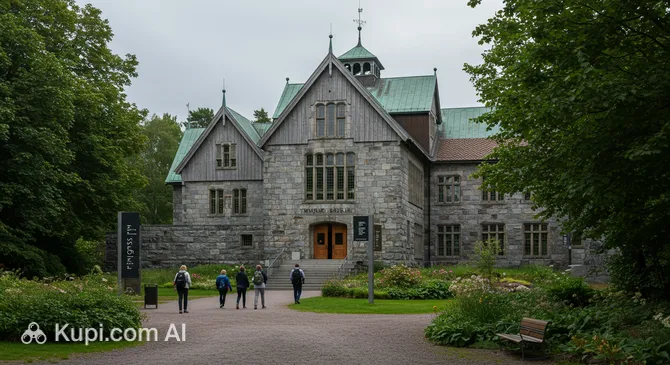
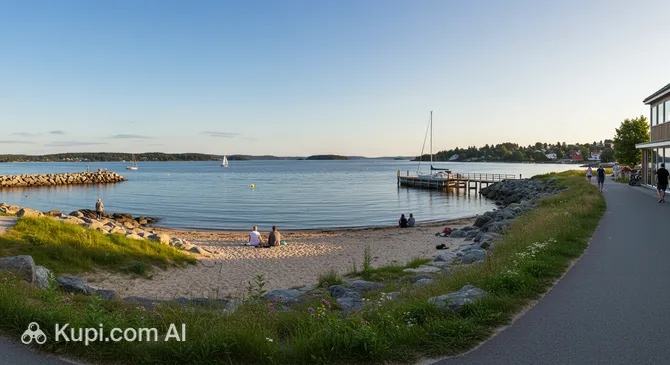
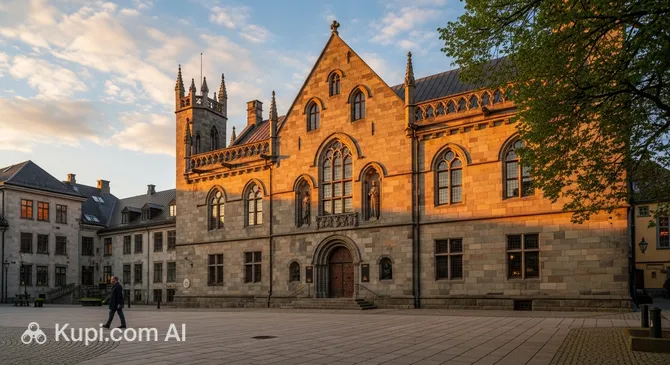
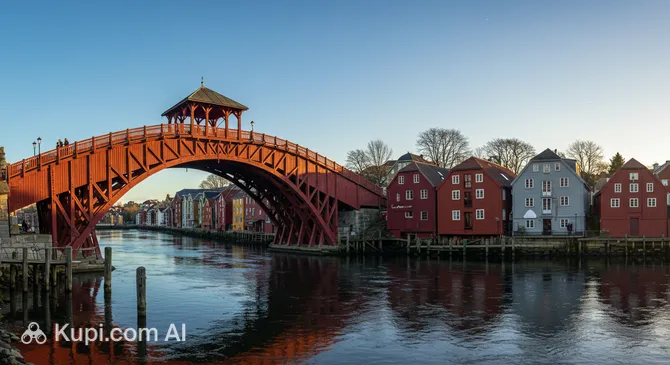
Trondheim is a captivating blend of ancient heritage and modern vitality, standing as a cultural and technological hub in central Scandinavia. As the third-largest city in Norway, it serves as the administrative center of the Trøndelag county. With a population of approximately 195,000, the city offers the lively amenities of a major urban center while retaining a cozy, welcoming atmosphere that makes visitors feel right at home.
Trondheim. Illustration.
Source: Kupi.com AI
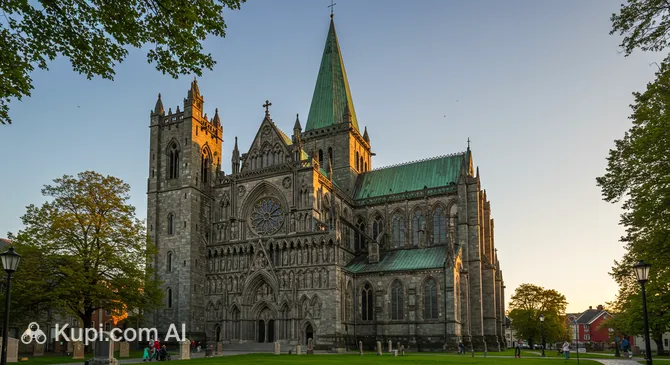
Situated where the winding Nidelva River meets the Trondheimsfjord, the city is defined by its picturesque waterfront and lush surroundings. The region's deep roots are evident at every turn; exploring the history of Trondheim reveals its prestigious past as the nation's first capital during the Viking Age. Today, this legacy is most visibly preserved in the magnificent Nidaros Cathedral, the northernmost medieval cathedral in the world and a historic pilgrimage site for kings and travelers alike.
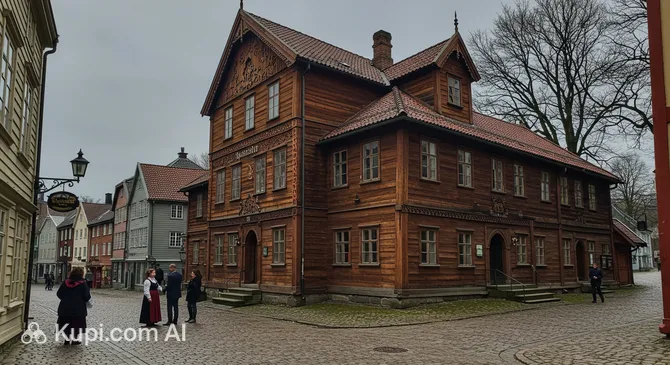
Beyond its historical landmarks, the city is known for the charming Bakklandet district, characterized by cobblestone streets and colorful wooden houses that host quaint cafes and boutiques. A walk across the iconic Old Town Bridge, often called the "Portal of Happiness," provides stunning views of the old wharves reflecting in the river. Whether you are drawn by its rich culture, vibrant student life, or proximity to nature, Trondheim is a delightful destination worth exploring.
Weather Overview
Trondheim experiences a climate that is milder than many other locations at similar latitudes, thanks to the tempering influence of the Gulf Stream. Winters are generally cold but not extreme, with average temperatures in January hovering around -3.4°C. In contrast, the summer months bring pleasant warmth, with July being the warmest month, featuring average highs of roughly 18.1°C. For a more comprehensive breakdown of seasonal trends and what to pack, you can consult the detailed guide on the weather in Trondheim.
Precipitation is a common feature throughout the year, with a significant number of wet days recorded annually. October is typically the dampest month in terms of frequency, seeing precipitation on about 21 days. Expect mild, comfortable summers with frequent showers and cold winters where temperatures often drop below freezing.
Average monthly temperature
Average monthly precipitation
Interesting Facts
Beyond the well-trodden paths and historic streets, Trondheim holds a treasure trove of fascinating secrets and quirks that surprise many visitors. From unique urban inventions to whimsical architectural details, the city offers much more than meets the eye.
Trondheim is home to the world's first bicycle lift, originally known as "Trampe" and now upgraded as the CycloCable. Located at Brubakken, this ingenious mechanism pushes cyclists up the steep hill, making the city's hilly terrain accessible to everyone.
While admiring the majestic Nidaros Cathedral, take a closer look at the sculptures adorning the West Front. It is a popular local fact that during the restoration, a sculptor modeled the face of the Archangel Michael after the legendary musician Bob Dylan.
The city boasts the largest wooden palace in Scandinavia, known as Stiftsgården. With approximately 140 rooms, this grand 18th-century building serves as the official royal residence when the Norwegian King and Queen visit the city.
Just a short train ride away lies the village of Hell. It has become a bucket-list destination for travelers who want to claim they have been to "Hell and back," especially in winter when the village literally freezes over.
Nidaros Cathedral. Illustration.
Source: Kupi.com AI
Traveler photos:
How to Get There
Reaching this vibrant Norwegian city is quite convenient, thanks to its status as a major regional hub. Whether you prefer flying or taking a scenic train ride, there are several options available. For a detailed breakdown of routes and transport tips, you can read more about how to get to Trondheim in our dedicated guide.
The most direct way to arrive is via Trondheim Airport Værnes (TRD). It is the region's primary international gateway, handling a large volume of passengers annually. Located approximately 26.6 km from the city center, the journey to downtown is quick and efficient. You can expect a travel time of around 60 minutes if you take a taxi or use the airport bus service, which coordinates well with flight arrivals.
Alternatively, travelers might consider Roros Airport (RRS), situated in the historic town of Roros. However, please note that this airport is about 106.4 km away from Trondheim. The transfer from Roros would take significantly longer, estimated at around 3 hours by road, making it a less common choice unless you plan to visit the UNESCO-listed mining town first.
For clarity, here is a summary of the main airports:
If you prefer traveling by rail, the city is served by Trondheim S Station (XZT). This is the main railway station, located centrally within Trondheim, making it an excellent arrival point for those coming from Oslo or Bodø. It handles a significant number of passengers and offers easy access to local transport and city attractions immediately upon arrival.
Trondheim offers a wealth of sights that range from historic fortifications to engaging cultural museums. While the cathedral is the city's crown jewel, there are several other fascinating places that provide a deeper understanding of the region's heritage and lifestyle.
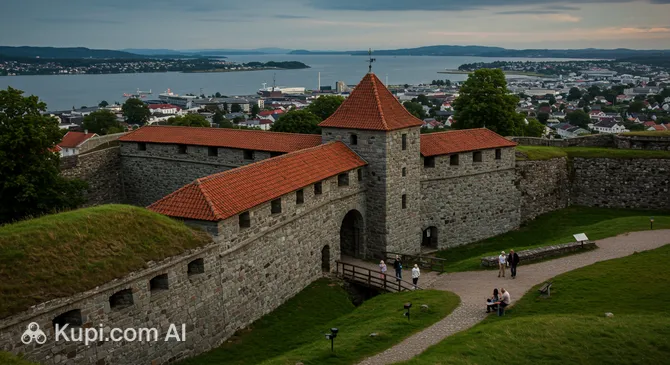
Perched on a hill overlooking the city, Kristiansten Fortress is a favorite destination for both history buffs and those seeking the best views in town. Built in the late 17th century, it played a crucial role in defending Trondheim against invading forces. Today, visitors can explore the well-preserved dungeon and museum, or simply enjoy a picnic on the grassy ramparts while taking in the panoramic sweep of the city and the fjord.
Kristiansten Fortress. Illustration.
Source: Kupi.com AI
Traveler photos:
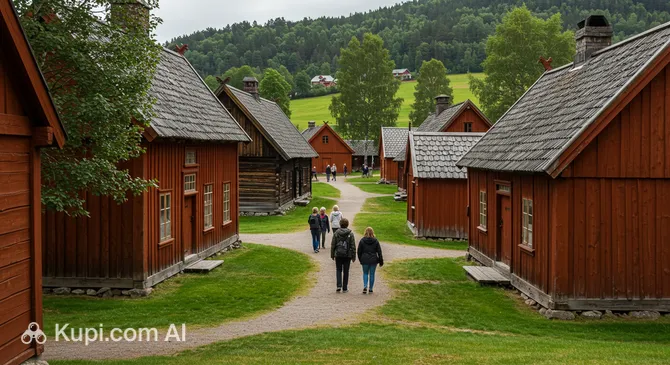
For a journey back in time, the Sverresborg Trøndelag Folk Museum is an essential stop. This expansive open-air museum is built around the ruins of King Sverre’s medieval castle and features more than 80 historical buildings relocated from across the region. It is particularly interesting for its immersive displays, which showcase everything from grand city mansions to humble rural farmsteads, offering a vivid picture of life in Trøndelag through the centuries.
Sverresborg Trøndelag Folk Museum. Illustration.
Source: Kupi.com AI
Traveler photos:
Music lovers should not miss the Ringve Music Museum, Norway’s national museum for musical instruments. Housed in a charming manor on the Lade peninsula, the museum is renowned for its enthusiastic guides who demonstrate the instruments on display, filling the historic rooms with sound. The estate is also home to the lush Ringve Botanical Garden, making it a perfect spot for a cultural and scenic outing.
Ringve Music Museum. Illustration.
Source: Kupi.com AI
Traveler photos:
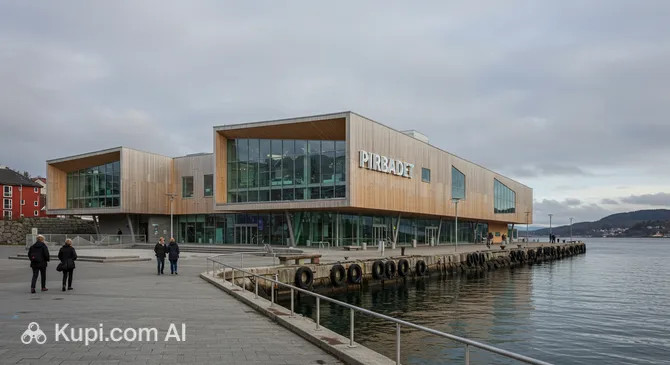
If you are looking for relaxation or family fun, Pirbadet is located right on the waterfront and stands as Norway's largest indoor water park. The facility is designed with large glass windows that offer stunning views of the Trondheimsfjord while you swim. With a variety of pools, slides, and wellness areas, it is a popular attraction for travelers wanting to unwind after a day of sightseeing.
Pirbadet. Illustration.
Source: Kupi.com AI
Traveler photos:
Local Cuisine
Trondheim has earned a reputation as one of the most exciting food destinations in the Nordic countries, recently celebrating its status as a European Region of Gastronomy. The city serves as the culinary heart of the Trøndelag region, which is famous for its exceptional local produce. Menus here are often highlighted by fresh seafood from the nearby fjords, including langoustines, crab, and scallops, as well as game meat like moose and reindeer sourced from the surrounding forests and mountains.
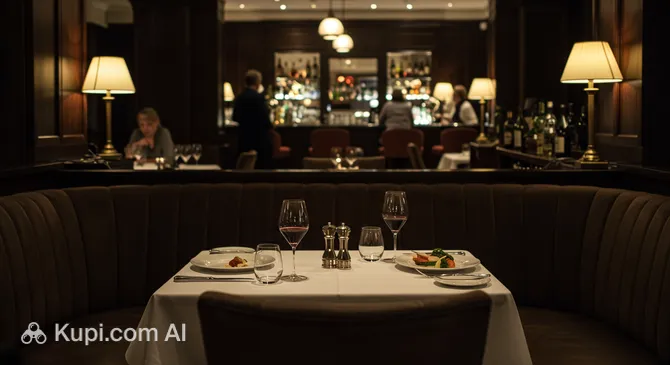
For a dining experience steeped in elegance and history, the Britannia Hotel is the undisputed highlight. This landmark establishment offers a variety of culinary options, ranging from fine dining to sophisticated afternoon tea, all set within a beautifully restored interior that exudes old-world charm. If you are in the mood for authentic Italian flavors, Grano Midtbyen is a fantastic choice, known for its artisanal pizzas and warm atmosphere in the city center.
Britannia Hotel. Illustration.
Source: Kupi.com AI
Traveler photos:
Those wishing to enjoy a meal with a view should head to Sponhuset. Situated along the scenic Ladestien coastal path, this historic wooden building operates as a charming cafe. It is the perfect place to savor traditional Norwegian waffles with jam and sour cream while gazing out at the fjord.
Sponhuset. Illustration.
Source: Kupi.com AI
Traveler photos:
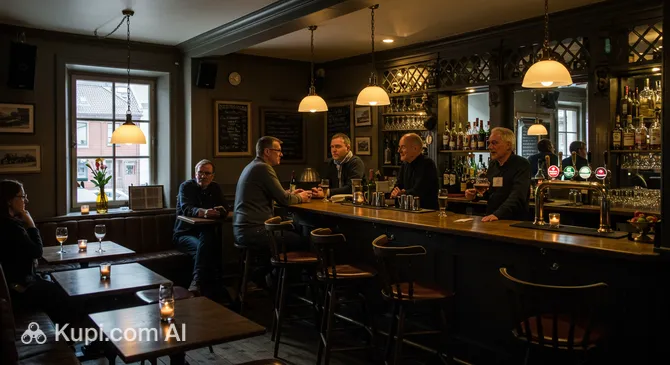
Trondheim's nightlife is equally diverse, catering to both relaxed socializers and party-goers. Beer aficionados will appreciate Den Gode Nabo, a pub located in a historic warehouse on the Nidelva River. Its outdoor seating provides a stunning backdrop of the old town bridge and colorful wharves. For a more energetic evening, TAG Restaurant and Club offers a vibrant mix of food, drinks, and music, while Work-Work provides a unique twist with its combination of craft beer, shuffleboard, and pinball machines.
Den Gode Nabo. Illustration.
Source: Kupi.com AI
Traveler photos:
Travel Tips
To ensure your visit to this charming Nordic city is as smooth as it is memorable, we have gathered some essential advice to help you navigate local customs and logistics. A little preparation goes a long way in Trondheim, allowing you to focus on the stunning architecture and vibrant atmosphere rather than worrying about practicalities.
Clothing and Gear: The weather in Trøndelag can be quite changeable, often shifting from sunshine to rain within the same hour. The golden rule is to dress in layers; bring a waterproof and windproof jacket, and pack wool underlayers even in summer. Comfortable walking shoes are a must, as the charming cobblestone streets of Bakklandet and the city center can be tough on heels or thin soles. If you plan to visit the Nidaros Cathedral, casual attire is acceptable, but it is respectful to remove hats and avoid overly revealing clothing.
Transportation: Trondheim is a very walkable city, and most major sights are within easy reach on foot. For longer distances, the public transport system, operated by AtB, is efficient and includes buses and the world’s northernmost tram line, Gråkallbanen. You should download the AtB app to buy tickets, as paying with cash on board is often not possible or more expensive. Unless you plan to explore the wider region, a rental car is unnecessary and can be a hassle due to expensive parking and toll rings.
Finances: The local currency is the Norwegian Krone (NOK). Norway is rapidly becoming a cashless society; credit and debit cards (Visa and Mastercard) are accepted almost everywhere, from high-end restaurants to small kiosks. In fact, some establishments are "card only." Tipping is not mandatory, but it is common to round up the bill or leave 5-10% for exceptional service. Be prepared for Scandinavian prices; budgeting roughly 800–1200 NOK per day per person (excluding accommodation) is a realistic baseline.
Health and Safety: Trondheim is an incredibly safe city with low crime rates. Pharmacies, marked as Apotek, are readily available for over-the-counter needs; the one at the central station usually has extended hours. If you are visiting in winter, the streets can become icy. It is highly recommended to buy a pair of removable shoe spikes (brodder), which are sold in pharmacies and sports shops, to prevent slipping.
Communication: English is widely spoken and understood by almost everyone, so you will have no trouble communicating. However, learning a few words like "Hei" (Hello) and "Takk" (Thank you) is always appreciated by locals. Free Wi-Fi is common in cafes, hotels, and public buildings. If you need mobile data, prepaid SIM cards can be purchased at convenience stores like Narvesen or 7-Eleven, though you may need to show ID.
Local Etiquette: Norwegians are friendly but value their personal space and privacy. It is polite to greet shop staff when entering, but otherwise, people tend to keep to themselves in public. On public transport, avoid sitting immediately next to someone if there are other double seats available. If you are invited to a local's home, it is customary to remove your shoes at the door.
What to Avoid: Do not walk in the dedicated bicycle lanes. Trondheim is a biking city with many cyclists who commute quickly, and blocking their path can be dangerous and is considered rude. Additionally, avoid trying to buy wine or spirits in regular supermarkets; these are only sold in the state-run liquor stores called Vinmonopolet, which close early on Saturdays and are closed on Sundays.
Sunday Closures: Be aware that Sunday is a quiet day in Norway. Most grocery stores, shopping malls, and boutiques in Trondheim are closed. Only small convenience stores (often called "Brustad-bua"), souvenir shops, and restaurants remain open. Plan your shopping for Saturday to avoid being caught without supplies.
Armed with these tips, you are ready to embrace the unique rhythm of life in Trondheim, from its cozy cafes to its historic streetscapes. Enjoy the blend of urban energy and small-town hospitality that makes this city such a special destination in the heart of Norway.
Entertainment & Nightlife
Trondheim may be rich in history, but its energy is decidedly youthful, largely thanks to the city's massive student population. As night falls, the city transforms into a vibrant hub of social activity, offering everything from cozy microbreweries to pulsing dance floors. The nightlife scene here is compact yet diverse, making it easy to hop from one venue to another without the need for long taxi rides.
The epicenter of Trondheim’s evening social life is undoubtedly the Solsiden district. Located on the site of a former shipyard, this area perfectly marries industrial heritage with modern chic. The old brick workshops have been converted into a row of trendy bars and restaurants that spill out onto the waterfront. Even in cooler weather, the outdoor seating areas are bustling, kept warm by heat lamps and blankets. It is the perfect place to start your evening with a drink while watching the lights reflect off the Nidelva River.
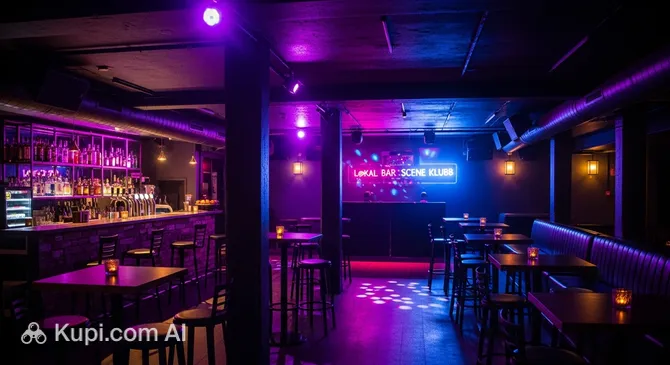
For those seeking a more energetic atmosphere, the city center, or Midtbyen, hosts a variety of clubs and late-night venues. A popular spot for locals and visitors alike is Lokal Bar Scene Klubb. This venue offers a multi-faceted experience, functioning as a cocktail bar, a concert stage, and a club. It is known for its stylish interior and a curated selection of drinks, attracting a crowd that appreciates both good conversation and good music.
Lokal Bar Scene Klubb. Illustration.
Source: Kupi.com AI
Traveler photos:
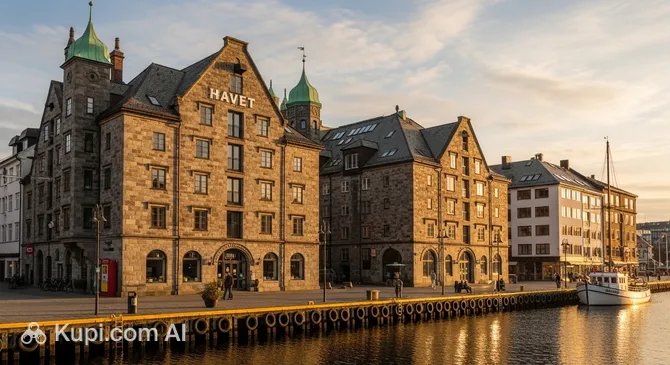
If you are looking for an experience that combines relaxation with culture, you should head to the waterfront to visit Havet. This unique arena is a sauna village, cultural hub, and social meeting place all rolled into one. It frequently hosts DJ sets and events, allowing you to enjoy a sauna session followed by a refreshing dip in the fjord and drinks by the water. It represents the modern, quirky side of Trondheim's nightlife.
Havet. Illustration.
Source: Kupi.com AI
Traveler photos:
The atmosphere in Trondheim is generally casual and inclusive. While some high-end clubs might have a "smart casual" dress code, jeans and a nice shirt are acceptable almost everywhere. Be aware that alcohol prices in Norway are high compared to many other countries, so it is common for locals to enjoy a "vorspiel" (pre-party) at home before heading out around 11:00 PM. Bars typically close around 2:00 AM, while nightclubs may stay open until 3:00 AM. Always carry a valid ID, as age limits can be strict, often set at 20 or even 23 for certain venues.
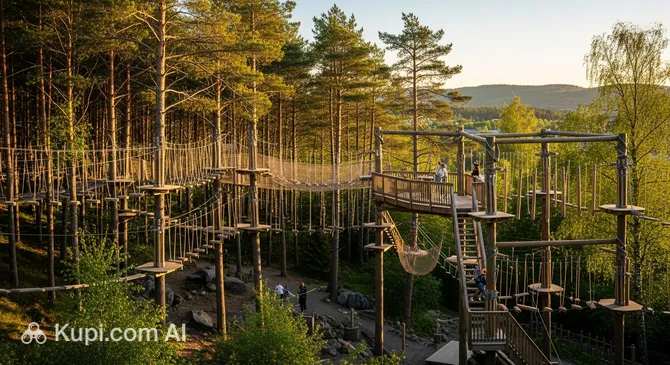
While the nights are lively, the city also offers engaging entertainment during the daylight hours. Adventure seekers can challenge themselves at High & Low Trondheim, a climbing park that offers fun for all ages amidst the treetops. For a dose of history, The Armoury (Rustkammeret) provides a fascinating look at the region's military past. Shoppers can explore the central Trondheim Torg or take a short trip to City Lade for a wider selection of stores.
High & Low Trondheim. Illustration.
Source: Kupi.com AI
Traveler photos:
Safety is rarely a concern in Trondheim, even at night. The city center is well-lit and safe to walk in, though winter paths can be slippery. Public transport, including night buses, runs on weekends to help you get home safely. If you prefer a taxi, it is best to book one via an app or call a local company like Trøndertaxi (07373), as hailing one on the street can be difficult during peak hours. Whether you are sipping cocktails at Solsiden or enjoying a concert in Midtbyen, Trondheim offers a warm and welcoming nightlife experience.
Parks & Museums
Trondheim is a city where urban life is seamlessly integrated with nature, offering visitors easy access to lush green spaces and a rich tapestry of cultural heritage. Whether you are looking to explore the great outdoors or delve into the region's artistic and military history, the city provides a diverse array of parks and museums that cater to every interest.
One of the most beloved natural escapes within the city limits is Korsvika. Located on the scenic Lade peninsula, this area serves as a popular recreational spot for locals, featuring sandy beaches, smooth rocky outcrops, and grassy knolls perfect for picnics. It is an idyllic place to watch the sunset over the fjord or take a refreshing dip in the water during the summer months. The area is also a key stop along the Ladestien, a coastal trail that offers miles of walking paths with breathtaking views.
Korsvika. Illustration.
Source: Kupi.com AI
Traveler photos:
For those seeking a more immersive wilderness experience, Bymarka is the city's main hiking ground, situated just west of the center. This vast nature reserve is a year-round playground, offering a network of trails for hiking in summer and cross-country skiing in winter. A hike to the top of Gråkallen, the area's second-highest peak, rewards adventurers with panoramic views of Trondheim and the distant mountains. It is the perfect spot to disconnect and enjoy the tranquility of the Norwegian forest.
Trondheim's cultural scene is equally compelling, with museums that showcase everything from pop culture to medieval warfare. A modern icon in the city is Rockheim, the national museum for popular music. Housed in a striking building with a cantilevered "box of light" on the roof, it offers an interactive journey through Norwegian music history from the 1950s to the present day. Visitors can mix their own tracks, explore memorabilia, and enjoy the Hall of Fame, making it a hit for music lovers of all ages.
To understand the strategic importance of the region, a visit to The Armoury (Rustkammeret) is essential. Located within the historic Archbishop's Palace complex, this museum displays an extensive collection of weapons, uniforms, and military artifacts dating back to Viking times. A particularly moving section is dedicated to the Norwegian resistance movement during World War II, providing a poignant insight into the local struggle against occupation.
The Armoury. Illustration.
Source: Kupi.com AI
Traveler photos:
In terms of historical architecture, Stiftsgården stands out as a monumental highlight. This grand yellow building is the largest wooden palace in Scandinavia and serves as the official royal residence in Trondheim. Built in the late 18th century, it is a masterpiece of Baroque architecture. Guided tours in the summer allow visitors to step inside and admire the lavishly decorated rooms, which have hosted royalty and dignitaries for centuries.
For a truly authentic local experience, take a walk along the Ladestien trail mentioned earlier, but stop at one of the secluded coves like Djupvika. While many flock to the main beaches, these smaller spots offer a quieter atmosphere where you can enjoy a thermos of coffee and a "kvikk lunsj" chocolate bar, just like a true Norwegian on a Sunday tour.
Getting Around
Navigating Trondheim is both efficient and scenic, thanks to a well-integrated public transport system managed by the local authority, AtB. The network is designed to connect the city center with suburban areas and popular recreational spots seamlessly. For most tourists, the distinctive "Metrobus" lines—long, high-capacity buses that run frequently on main routes—will be the primary mode of travel. These buses are easily recognizable and form the backbone of the city's transit infrastructure, operating from early morning until around midnight.
A true highlight of the city's transport system is the Gråkallbanen, which holds the title of the world's northernmost tram line. This historic route is not just a means of getting from point A to point B; it is a tourist attraction in itself. The tram winds its way from the city center up to the recreational area of Lian in the hills of Bymarka. The journey offers spectacular views of the city and the fjord, making it a must-do activity for visitors. Additionally, local trains stop at several stations within the city, such as Skansen and Heimdal, providing a quick link to the outskirts.
When it comes to paying for your journey, Trondheim is largely cashless. The most convenient way to buy tickets is through the official AtB mobile app, available for both iOS and Android. Through the app, you can purchase single tickets, 24-hour passes, or weekly cards. The city is covered by "Zone A," and a single ticket is valid for a set period (usually 90 minutes), allowing for unlimited transfers between buses, the tram, and trains within that zone. If you cannot use the app, you can buy tickets at select kiosks like Narvesen or 7-Eleven, or at ticket machines at major stops, but buying a ticket on board with cash is generally not possible or incurs a significant surcharge.
For practical planning, it is important to know that you must have a valid ticket before boarding. On the large Metrobuses and the tram, you can typically board through any door, but you should be ready to show your valid ticket in the app if inspected. On the smaller, green regional buses, you usually board at the front and show your ticket to the driver. On weekends, specifically Friday and Saturday nights, a night bus service operates to help party-goers get home safely, though these routes may require a separate or higher fare depending on the specific ticket rules at the time.
If you prefer more active transport, Trondheim offers an excellent city bike scheme known as Trondheim Bysykkel. These bikes are available from spring to late autumn and can be picked up and dropped off at numerous stations throughout the city center and university areas. It is a fantastic way to see the sights at your own pace, provided you are comfortable with a few hills. Taxis are also available and can be hailed via apps or by phone, but be aware that taxi fares in Norway can be quite high compared to other European destinations. For short distances within the compact city center, walking is often the most pleasant option.
Accommodation
Where to Stay:
Finding the perfect place to stay in Trondheim is straightforward, as the city offers a wide spectrum of accommodation options to suit various tastes and budgets. The standard of hospitality is generally very high, ensuring a comfortable experience whether you choose a luxury suite or a simple bunk. Visitors can choose from historic grand hotels that have hosted royalty, modern chain hotels with extensive amenities, cozy guesthouses, and efficient hostels designed for backpackers.
For most travelers, the most convenient area to base yourself is Midtbyen, the city center. Staying here puts you within walking distance of the main train station, the Nidaros Cathedral, and the primary shopping streets. It is the heart of the action and offers the easiest access to public transport hubs. If you prefer a more picturesque and atmospheric setting, consider looking for accommodation near Bakklandet. This historic district, famous for its colorful wooden warehouses and cobblestone streets, offers a quieter, small-town vibe while still being just a short walk across the Old Town Bridge from the center.
Old Town Bridge. Illustration.
Source: Kupi.com AI
Traveler photos:
Another popular area is Solsiden, known as the "sunny side." This former shipyard has been transformed into a trendy district filled with restaurants and bars. Hotels in this area are modern and offer beautiful waterfront views, making it an excellent choice for those who want to be close to the city's nightlife and dining scene. For those on a tighter budget or traveling with a vehicle, there are also camping grounds and cabins located on the outskirts of the city, often well-connected by bus.
Booking Tips and Prices: As with most destinations in Norway, accommodation prices in Trondheim can be relatively high compared to other parts of Europe. "Budget" options are limited, so it is wise to adjust your financial expectations accordingly. The city is a popular destination for conferences and festivals, particularly during the summer months and the St. Olav Festival in late July. During these peak times, hotels fill up rapidly. It is highly recommended to book your room well in advance to secure the best rates and availability. Online booking platforms are widely used and offer the most competitive prices.
Nearby Cities
For those looking to explore the surroundings, Trondheim serves as an excellent base for day trips to several interesting nearby locations:
Just a short distance east of the city lies Stjørdal, a vibrant transport hub that offers more than just the regional airport. It is home to the world-famous village of Hell, which attracts visitors eager to snap a photo under the "Hell Gods Expedition" sign at the train station. Beyond this quirky attraction, the area features the historic Hegra Fortress, a significant site from World War II, and excellent opportunities for salmon fishing in the Stjørdalselva river.
For history enthusiasts, a trip north to Verdal is highly recommended. This municipality is most famous for Stiklestad, the battlefield where King Olav Haraldsson fell in 1030, an event that played a pivotal role in the Christianization of Norway. The Stiklestad National Cultural Centre offers engaging exhibitions, an open-air museum, and the annual Saint Olav Drama, providing a deep dive into the Viking Age and medieval history.
If you prefer a coastal atmosphere, Kristiansund offers a unique experience spread across four islands at the edge of the ocean. Known as the clipfish (dried cod) capital of Norway, the town has a rich maritime heritage and distinctive colorful architecture. Visitors can take the traditional Sundbåt ferry between the islands or drive along the spectacular Atlantic Ocean Road nearby, which is often cited as one of the world's most scenic drives.
City
Population
Distance
Heimdal
—
9 km
Malvik
14 425
18 km
Stjørdal
24 287
26 km
Stjørdalshalsen
13 032
27 km
Storen
4 396
44 km
These nearby destinations offer a glimpse into the diverse culture and landscapes of the region, ranging from deep historical roots to the rugged beauty of the Norwegian coast.
Shopping & Souvenirs
Shopping in Trondheim offers a delightful mix of modern convenience and traditional charm, reflecting the city's status as a regional center with deep historical roots. Visitors can explore everything from high-end international fashion brands to quaint independent boutiques selling local handicrafts. The city center is compact and pedestrian-friendly, making it easy to stroll between shops, cafes, and historic sites without the need for transportation.
The heart of the city's shopping scene is the pedestrianized street known as Nordre gate. This vibrant thoroughfare is lined with major fashion chains, electronics stores, and stylish department stores. Adjacent streets like Thomas Angells gate and Olav Tryggvasons gate expand the selection with specialty shops and jewelers. For a more unique and atmospheric experience, head across the river to the Bakklandet district. Here, amidst the colorful wooden houses, you will find small, independent boutiques offering art, design goods, and second-hand treasures that you won't find anywhere else.
If you prefer having everything under one roof, the city boasts several excellent shopping centers. Right in the middle of the main square stands Trondheim Torg, a convenient mall with a wide variety of stores ranging from clothing to pharmacies. It is a popular meeting point for locals and serves as a perfect shelter on rainy days.
Trondheim Torg. Illustration.
Source: Kupi.com AI
Traveler photos:
For a more extensive shopping spree, you can visit City Lade, located a short bus ride from the center in the Lade district. This large complex offers a vast selection of shops, including sports equipment, interior design, and groceries, along with ample parking. Another notable mention is the shopping area at Solsiden, where modern shops are housed in renovated industrial brick buildings, surrounded by a lively selection of restaurants.
City Lade. Illustration.
Source: Kupi.com AI
Traveler photos:
Markets play a significant role in Trondheim's local culture, particularly when it comes to food. Ravnkloa, located at the bottom of Munkegata facing the harbor, is the city’s historic fish market. It is the best place to find fresh seafood, including locally caught crab and salmon. Periodically, the city hosts Bondens marked (Farmers' Market), where producers from the Trøndelag region sell fresh vegetables, cheeses, and meats directly to consumers.
When looking for souvenirs to bring back home, focus on items that reflect Norwegian heritage and the local region. Norwegian wool products, such as sweaters with traditional patterns, are both practical and beautiful gifts. Local delicacies like brown cheese (brunost), cured meats of elk or reindeer, and cloudberry jam are also popular choices. For design enthusiasts, look for Scandinavian home decor or locally made ceramics and glass art found in the smaller galleries around Bakklandet.
Standard opening hours for most shops in the city center are from 10:00 AM to 6:00 PM (or 8:00 PM for malls) on weekdays, and 10:00 AM to 4:00 PM (or 6:00 PM) on Saturdays. Be aware that nearly all shops, including grocery stores and malls, are closed on Sundays, with the exception of small convenience stores and souvenir shops. Payment is almost exclusively done by card; Visa and Mastercard are accepted everywhere, even for small amounts, and some places may not accept cash at all.
Tourists residing outside of Norway, Sweden, Denmark, and Finland may be eligible for a tax refund on purchases. Look for stores displaying the "Global Blue" or "Tax Free" signage. If you spend above a certain threshold in a single store, you can ask for a tax refund form, which can be redeemed at the airport or border crossing when leaving the country, provided you have the goods and your passport with you.