Support

Rørvik

About

Rørvik is a picturesque port town located in the Vikna archipelago of central **Trøndelag**. As a vibrant hub in Norway, this coastal community offers a unique blend of modern aquaculture and traditional maritime life. With a population of just over 3,000 residents, it serves as an important administrative and commercial center for the region, surrounded by thousands of islands, islets, and reefs that define its rugged and beautiful landscape.

The town has deep roots in fishing and seafaring, which have been the lifeblood of the community for centuries. The strategic location along the shipping lane has shaped the rich history of Rørvik, transforming it into a bustling meeting point for sailors and traders alike. Today, the climate is typically maritime, with mild winters and cool summers, making it an ideal spot for those who appreciate the raw beauty of the coast.
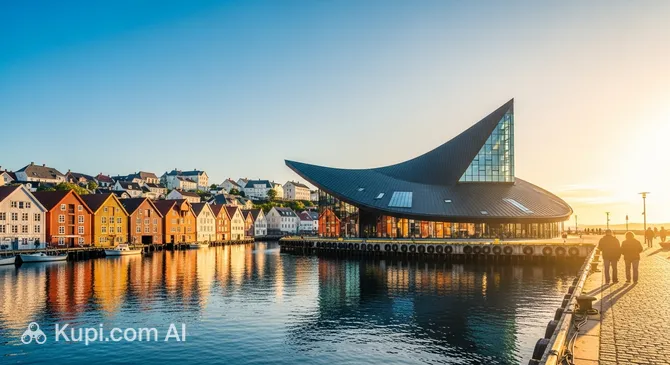
Rørvik. Source: Kupi.Binoculars

Visitors are often drawn to the **Norveg Coastal Museum**, a striking architectural landmark that resembles a sailing ship and offers fascinating exhibitions on 10,000 years of coastal culture. Rørvik is also famous for being the location where the northbound and southbound **Hurtigruten** coastal steamers meet every evening, creating a lively atmosphere at the quay. Additionally, the town is a major center for salmon farming, and tourists can learn about this vital industry at the local aquaculture viewing centers.

Whether you are interested in exploring the myriad of islands by boat or simply enjoying the fresh sea breeze from the harbor, Rørvik offers an authentic taste of the Norwegian coast. It is a perfect destination for travelers seeking a genuine maritime atmosphere and scenic beauty.

Weather Overview

Due to its coastal location in Trøndelag, the climate here is heavily influenced by the sea, resulting in moderate temperatures year-round. The weather in Rørvik is typical of the Norwegian coast, characterized by cool summers and winters that are mild for the latitude. Extreme cold is rare, but the ocean breeze often adds a chill to the air, so layers are recommended regardless of when you visit.

Summer offers the most pleasant conditions, with July and August seeing average temperatures of around 13.7°C and daily highs reaching approximately 15.4°C. In contrast, the winter months of January and February are colder, with average temperatures hovering near 0°C and minimums dipping slightly below freezing to about -1.5°C. Precipitation is a frequent occurrence throughout the year; travelers should expect frequent wet days, peaking in October with around 23 rainy days, while spring tends to be slightly drier.

Interesting Facts

Beyond the main attractions, Rørvik holds many fascinating secrets that reveal its deep connection to the ocean and history. Here are some intriguing facts about this coastal town that often go unnoticed by the casual visitor.

  • A Mosaic of Islands: While the town itself is compact, it serves as the gateway to the Vikna archipelago, which consists of approximately 6,000 islands, islets, and reefs. This incredible density of landmasses makes it one of the most complex and scenic coastal landscapes in the region, offering endless opportunities for kayaking and exploration.

  • A Historic Fishing Capital: Just a short boat trip from Rørvik lies Sør-Gjæslingan, a protected cultural environment that was once one of the largest fishing villages south of Lofoten. Today, it stands as a preserved "living museum," allowing visitors to step back in time and experience the authentic atmosphere of a traditional seasonal fishing station.

  • A Pioneer in Communication: The town is home to Rørvik Radio, a coastal radio station that has played a vital role in maritime safety for decades. Historically, this station was a crucial lifeline for the thousands of fishermen working in these treacherous waters, serving as a primary communication link between the ships and the mainland.

How to Get There

Reaching this charming coastal town in the Vikna archipelago requires a bit of planning, as it is situated on islands off the mainland. While the journey involves navigating the scenic landscapes of Trøndelag, the destination is well worth the effort. For a comprehensive guide on all travel options, including boat routes and driving directions, you can read more about how to get to Rørvik.

The most direct way to arrive by air is via the local Rørvik Airport, Ryum, which serves regional flights and connects the town to the wider Norwegian network, typically via Trondheim. However, travelers often utilize larger nearby hubs for more flight options. Bronnoysund Airport is a significant regional alternative located approximately 81 km away. For those seeking broader international connections, Trondheim Airport Værnes is situated about 157 km from Rørvik and serves as a major gateway to the region.

Airport Name City Passenger Traffic Km from City
Trondheim Airport Værnes Trondheim Large 157.3
Bronnoysund Airport Bronnoysund Medium 81.1
Stokka Airport Sandnessjoen Small 134.8
Kjærstad Airport Mosjoen Small 138.0
Hemavan Airport Hemavan Small 207.7

Regarding rail travel, the town does not have its own railway station. Visitors preferring trains can arrive at Trondheim S Station, which is approximately 158 km away. This station acts as a vital transport node, connecting passengers from various parts of the country. From Trondheim, the journey to Rørvik can be completed by bus, rental car, or the popular coastal express boat.

Station City Passenger Traffic Km to Center
Trondheim S Station Trondheim Large 158.1

Main Attractions

Norveg - Centre for Coastal Culture and Coastal Industry is undoubtedly the most prominent landmark in Rørvik. This striking museum is housed in a building designed to resemble a ship with wind-filled sails, making it an architectural gem on the waterfront. Inside, visitors can explore exhibitions that span 10,000 years of maritime history, from the Stone Age to the modern high-tech aquaculture industry. It is an ideal starting point for understanding the region's deep connection to the sea, and it also serves as a viewing center for salmon farming, offering boat trips to active fish farms during the summer season.

Just a short walk from the modern museum lies Berggården Old Trading Post, offering a delightful contrast with its 19th-century charm. This well-preserved trading complex allows tourists to step back in time and experience the atmosphere of a bustling coastal hub from the 1800s. The site includes a main building, a storehouse, and an authentic shop that looks much as it did over a century ago. It provides a fascinating glimpse into the lives of the merchants and fishermen who shaped the town's early economy.

For those willing to venture a bit further, a trip to Sør-Gjæslingan is an unforgettable experience. Once one of the largest fishing villages south of Lofoten, this protected cultural environment is located on a group of islands in the open ocean. Today, it serves as a unique "living museum" where visitors can wander among preserved fishermen's cabins (rorbuer), drying racks, and historic buildings. The boat journey to the islands is an attraction in itself, offering spectacular views of the Vikna archipelago's thousands of islets.

Rørvik Church stands as a symbol of resilience and modern design in the heart of the town. Consecrated in 2019 to replace the old wooden church that was lost to fire, this contemporary structure is known for its distinctive architecture involving glass and concrete. The building's light-filled interior and unique form have made it a point of interest not just for worshipers but also for architecture enthusiasts visiting the region.

Local Cuisine

The culinary identity of Rørvik is inextricably linked to the surrounding ocean and the Vikna archipelago. As a major fishing and aquaculture hub in Trøndelag, the town offers some of the freshest seafood in Norway. The local gastronomy focuses on high-quality ingredients caught or harvested just offshore, with a particular emphasis on cod and salmon. For visitors, dining here is an opportunity to taste the authentic flavors of the Norwegian coast, prepared simply to highlight their natural freshness.

The undisputed king of the local table is the Skrei, or migratory Arctic cod, which arrives in the winter months. During the season, usually from February to April, you must try the traditional dish known as mølje. This rustic and hearty feast consists of poached cod served with its liver and roe, often accompanied by boiled potatoes. It is a cultural institution in Rørvik, celebrated annually during the popular Skreifestivalen (Cod Festival), where food stalls and local restaurants showcase cod in every imaginable form.

Beyond cod, Rørvik is a center for the salmon industry, ensuring that Norwegian salmon is a staple on most menus. You can enjoy it grilled, cured (gravlaks), or smoked. For a lighter meal, look for a warming bowl of creamy fiskesuppe (fish soup), typically brimming with chunks of fish, shrimp, and root vegetables. Another local favorite for a quick bite is fiskekaker, traditional heart-shaped fish cakes that are often eaten on bread or just by hand as a savory snack.

The drink culture in Rørvik mirrors the rest of the country, with a strong affinity for coffee, which is enjoyed throughout the day. To accompany a heavy seafood meal, especially during festive occasions or the cod season, locals often sip aquavit. This potato-based spirit, flavored with caraway and other herbs, is believed to help digest rich fish dishes. Local craft beers from the wider Trøndelag region are also increasingly available in bars and restaurants.

The dining scene is concentrated around the harbor area, where you can enjoy meals with a view of the boat traffic and the sea. The atmosphere is generally casual and relaxed, catering to both locals and the daily influx of travelers from the coastal steamers. Whether you are visiting a hotel restaurant or a small quay-side eatery, the focus remains on honest, maritime cooking that celebrates the town's deep connection to the ocean.

Travel Tips

Welcome to Rørvik! To help you make the most of your visit to this charming coastal community and the surrounding Vikna archipelago, we have compiled a set of essential travel insights. These practical tips are designed to ensure your journey is comfortable, safe, and culturally enriching.

  1. Dress for the Elements: The weather in this part of Norway is famously unpredictable and often windy due to its exposure to the open ocean. Pack layers, including wool, and ensure you have a high-quality windproof and waterproof jacket. Comfortable, water-resistant walking shoes are a must for exploring the harbor and rocky shorelines.

  2. Getting Around: Rørvik’s town center is compact and easily navigable on foot. However, if you plan to explore the thousands of islands in the Vikna municipality, renting a car is highly recommended as public bus schedules can be infrequent, especially on weekends. Taxis are available but can be quite expensive for longer distances.

  3. Money Matters: The local currency is the Norwegian Krone (NOK). Like the rest of the country, Rørvik is largely a cashless society. Credit and debit cards (Visa and Mastercard) are accepted almost everywhere, from supermarkets to small kiosks, so there is rarely a need to carry large amounts of cash.

  4. Health and Safety: The town is incredibly safe with very low crime rates. The primary risks are environmental; be cautious on slippery docks and wet rocks near the sea. There is a local pharmacy (Apotek) for minor health needs, and for medical emergencies, the number to dial is 113.

  5. Communication: You will find that nearly everyone speaks excellent English, so communication is rarely a barrier. Learning a few basic words like "Hei" (Hello) and "Takk" (Thank you) is a nice gesture. Free Wi-Fi is commonly available in hotels and cafes, and 4G/5G coverage is generally good even in the archipelago.

  6. Local Etiquette: Norwegians are generally polite but value their personal space. When using public transport or waiting in lines, keep a respectful distance. It is also customary to greet shopkeepers when entering a store, and punctuality is highly valued if you have booked a tour or a table.

  7. What to Avoid: Do not underestimate the weather conditions if you decide to rent a boat for fishing; the sea can change quickly. Additionally, avoid raising your voice in public places, as loud behavior is often frowned upon in this quiet, reserved culture.

  8. A Local Highlight: A unique daily event in Rørvik is the evening meeting of the northbound and southbound Hurtigruten (Coastal Express) ships. They typically dock simultaneously around 20:30, creating a bustling atmosphere at the quay that is fun to witness.

By keeping these tips in mind, you will be well-prepared to enjoy the rugged beauty and maritime heritage of Rørvik. Embrace the fresh sea air, respect the local customs, and have a wonderful time exploring the heart of the Norwegian coast.

Entertainment & Nightlife

Entertainment and nightlife in Rørvik reflect the town's cozy, maritime character. While you will not find sprawling nightclubs or neon-lit districts, the evening scene is vibrant in its own welcoming way. The nightlife is concentrated primarily around the harbor area and the main streets in the town center, where locals and visitors mingle. The arrival of the northbound and southbound coastal steamers each evening adds a pulse of energy to the quay, making the waterfront the natural heart of social activity after dark.

For a lively night out, HENRYS as is a popular choice among locals. This pub often serves as the town's main social hub on weekends, frequently hosting live music events, quizzes, and concerts that draw a cheerful crowd. If you prefer a more relaxed setting with a focus on good food and drinks, 64° Nord is an excellent venue. Located in the harbor center, it transitions from a café by day to a restaurant and bar by night, offering a perfect spot to enjoy a glass of wine or a local beer while overlooking the sea. Another notable mention is Kork Vinbar & Scene, which caters to those looking for a sophisticated wine bar atmosphere.

The atmosphere in Rørvik is distinctly casual and unpretentious. There is no strict dress code; jeans and a nice sweater are perfectly acceptable everywhere, even on Friday and Saturday nights. Venues typically stay open later on weekends, with some pubs welcoming guests until 02:00, though weeknights are generally quieter. Prices for alcohol are consistent with the rest of Norway, so expect to pay a premium for cocktails and spirits compared to many other countries.

Safety is rarely a concern in this peaceful coastal community. The town center is compact and well-lit, making it safe to walk between venues or back to your accommodation at night. Taxis are available if you need a ride, but since most hotels and popular spots are within walking distance of the harbor, you will likely find that getting around on foot is the easiest option. If you do need a taxi, it is wise to book one in advance, especially on busy weekend nights.

During the day, entertainment shifts towards cultural and outdoor experiences. The Norveg Coastal Museum is the centerpiece of daytime activity, offering interactive exhibits and a café with panoramic views. For a more laid-back afternoon, you can explore the local shops in the center or catch a movie at the town's cinema. The blend of daytime culture and evening socialzing makes Rørvik a delightful stop for travelers seeking an authentic Norwegian coastal experience.

Parks & Museums

In Rørvik, the line between urban life and the untamed outdoors is delightfully blurred. While you won't find large, manicured city parks in the traditional sense, the town is surrounded by accessible natural areas that serve as green lungs for locals and visitors alike. The cultural scene is equally impressive for a town of its size, with institutions that deeply explore the region's maritime identity and history.

For those seeking fresh air and panoramic views, a hike up Vettafjellet is the most rewarding outdoor experience in the immediate vicinity. Standing at 165 meters, this hill offers a relatively easy ascent that is suitable for most fitness levels. The summit provides a breathtaking 360-degree perspective of the Vikna archipelago, allowing you to gaze out over the thousands of islands and reefs that characterize this unique landscape. It is the perfect spot for a picnic or simply to appreciate the vastness of the Atlantic Ocean meeting the coast.

Another popular area for recreation is the Rørvik Harbor Promenade and the surrounding waterfront. While not a park with grass and trees, this area functions as the town's primary outdoor social space. Visitors can stroll along the quays, watch the fishing boats unload their catch, and enjoy the fresh sea breeze. In the summer, the area comes alive with activity, serving as a gateway to the sea where you can find spots to sit and watch the Hurtigruten ships dock.

When it comes to museums, the Norveg Centre for Coastal Culture is the undisputed highlight, functioning as both a museum and a cultural gallery. Beyond its stunning architecture, the center hosts temporary art exhibitions and comprehensive displays on the evolution of Norwegian fisheries. A key feature for technology enthusiasts is the section dedicated to the high-tech aquaculture industry, which includes interactive simulators that offer a glimpse into modern fish farming operations.

To understand the vital role of communication at sea, a visit to the exhibitions related to Rørvik Radio is essential. Located within the coastal museum complex, this attraction delves into the history of maritime telecommunications. It tells the gripping stories of how radio operators served as lifelines for fishermen in peril, showcasing vintage equipment and photographs that document the technological shifts from Morse code to modern satellite systems.

For a more immersive historical experience, Berggården offers a look into the domestic and commercial life of the 19th century. This open-air museum component allows you to walk through a preserved trading post environment. The site often features guided tours during the summer season, where the stories of the merchants and families who lived there are brought to life, complementing the maritime focus of the nearby Norveg center.

Insider Tip: If you have access to a car or bike, take a short trip to Valøya, located at the very end of the road west of Rørvik. It is a bit further out, but the rugged terrain and the view of the open ocean crashing against the rocks provide a raw and powerful nature experience that feels worlds away from the town center.

Getting Around

The public transport system in Rørvik is relatively modest, reflecting the town's small size and island setting. There is no metro, tram, or trolleybus network here. Instead, the local infrastructure relies primarily on a bus network and maritime connections, which are essential for linking the community with the surrounding Vikna archipelago and the mainland. For most visitors, the town center itself is compact enough to navigate comfortably on foot.

Bus services in the region are managed by the transport authority AtB. The local buses connect the town center with residential areas and neighboring islands, as well as providing routes to the nearby Rørvik Airport, Ryum. However, tourists should be aware that departures can be infrequent, particularly on weekends and during school holidays. It is highly advisable to check the timetables in advance, as this is not a "turn up and go" high-frequency urban system.

Given the coastal location, travel by sea is a major component of the transport network. Express boats (Hurtigbåt) provide fast and scenic connections to destinations such as Namsos and Leka. Additionally, Rørvik is a key port of call for the famous coastal route ships (Hurtigruten and Havila), which dock daily. These ships function not just as cruise vessels but as vital public transport for locals traveling north or south along the coast.

For payment, the most convenient method is to use the AtB app, which is available for both iOS and Android. This app allows you to plan your journey, view real-time schedules, and purchase single tickets or day passes instantly. Fares are based on a zone system. While it is sometimes possible to buy tickets on board using a credit card, paying with cash is becoming increasingly rare and may incur a surcharge, so using the mobile app is the most practical advice for tourists.

If you prefer more flexibility, taxis are available, though they can be quite expensive compared to public transit. There is a taxi rank in the center, but booking by phone or via a local app is recommended, especially for early morning trips to the airport. For those wishing to explore the thousands of islands in the Vikna municipality at their own pace, renting a car is often the best alternative, as it frees you from the constraints of the limited bus schedule.

Accommodation

Accommodation options in Rørvik are relatively limited but well-suited to the needs of coastal travelers, ranging from standard hotels to charming maritime rentals. The selection is primarily mid-range, offering comfortable and clean facilities rather than ultra-luxury resorts. Visitors can choose between a modern hotel experience with full amenities or self-catering apartments that provide a bit more independence. A highlight of the region is the opportunity to stay in traditional rorbuer (fishermen's cabins), which offer an authentic taste of life by the sea.

The most convenient area to stay is undoubtedly the harbor district in the town center. Staying here places you within easy walking distance of the main attractions, such as the Norveg Coastal Museum, and the local restaurants. This location is particularly advantageous for those arriving by the Hurtigruten coastal steamer, as the hotels are situated just a short stroll from the quay. Being in the center also means you are close to the grocery stores and the bus stop, making logistics simple even without a car.

For a truly unique overnight experience, many tourists look beyond the town center to the surrounding islands. The historic fishing village of Sør-Gjæslingan offers the chance to sleep in preserved historic houses and cabins, allowing guests to wake up to the sound of waves crashing against the islets. While this requires a boat trip and some planning, it is widely considered one of the most memorable ways to spend a night in the Vikna archipelago.

Prices in Rørvik generally reflect the standard Norwegian rate, meaning budget options are scarce, and travelers should expect mid-range to higher pricing. It is highly recommended to book accommodation in advance, especially if you plan to visit during the summer months (June to August) or during the annual Skrei Festival in late winter, when the town fills up with visitors. Most properties can be booked via major online platforms, but contacting smaller guesthouses or cabin rentals directly can sometimes yield better availability.

Nearby Cities

For those looking to explore the surroundings, Rørvik serves as an excellent base for day trips to several interesting nearby locations:

Trondheim is the undisputed cultural and historical capital of the Trøndelag region. Although it requires a bit of travel time, the city rewards visitors with the magnificent Nidaros Cathedral, the northernmost medieval cathedral in the world. You can wander through the charming Bakklandet district with its colorful wooden houses, explore world-class museums, or enjoy the vibrant food scene that has earned the region the title of European Region of Gastronomy.

Verdal offers a deep dive into Norwegian history, primarily known for Stiklestad, the site of the famous battle in 1030 where King Olav Haraldsson (St. Olav) fell. The Stiklestad National Cultural Centre is a must-visit for history enthusiasts, featuring exhibitions, an open-air museum, and events that bring the Viking Age and medieval history to life. It provides a fascinating contrast to the coastal culture of Rørvik.

City Population Distance (km)
Trondheim 194860 165
Stjørdal 24287 156
Mo i Rana 18899 210
Kristiansund 18273 260
Verdal 14986 128

These nearby destinations offer a glimpse into the diverse culture and landscapes of the region.

Shopping & Souvenirs

Shopping in Rørvik offers a relaxed and convenient experience that reflects the town's role as a regional hub for the Vikna archipelago. While you will not find extensive boulevards of luxury fashion houses, the town provides a well-rounded selection of stores that cater to both daily needs and visitors looking for local keepsakes. The retail atmosphere is friendly and unhurried, with most shops located within easy walking distance of the harbor.

The primary destination for retail therapy is Amfi Rørvik, a modern shopping center situated in the heart of the town. This mall houses a variety of popular Norwegian chain stores offering clothing, sports equipment, electronics, and home goods. It is also the location of the Vinmonopolet, the state-owned outlet which is the only place to purchase wine and spirits in Norway. The center serves as a social meeting point and is the best place to stock up on supplies or find travel essentials.

For those seeking souvenirs with a distinct local flavor, the gift shop at the Norveg Centre for Coastal Culture is an excellent stop. Here, you can find high-quality maritime-themed items, books on coastal history, and traditional knitwear. Given Rørvik's status as a major fishing port, culinary gifts are also popular; keep an eye out for locally produced smoked salmon or dried fish snacks available in the larger supermarkets, which make for tasty edible mementos.

Travelers should be mindful of local opening hours, which may be shorter than in larger cities. Most shops are open from 10:00 to 17:00 or 18:00 on weekdays and close earlier, typically around 15:00 or 16:00, on Saturdays. On Sundays, the shopping center and most other retail businesses are closed. Payment is seamless, as cards are accepted almost everywhere, making the shopping experience hassle-free without the need for large amounts of cash.

Reached the end of the page?

That means the route is fully explored