Support

Sandnessjoen

About

Sandnessjoen is a picturesque town located on the island of Alsten, serving as a vital hub for the stunning Helgeland coast. With a population of approximately 7,500 residents, this coastal community offers a perfect blend of small-town charm and dramatic natural scenery. It is a gateway to some of the most spectacular landscapes in Norway, making it a favored destination for travelers seeking outdoor adventures and maritime atmosphere.
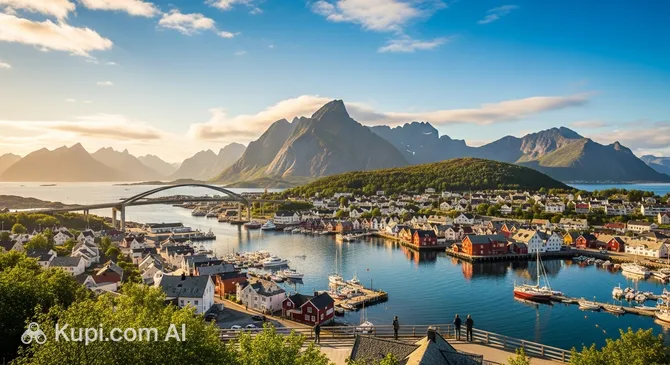
Sandnessjoen. Source: Kupi.Binoculars

The town is perhaps best known for the majestic Seven Sisters (De Syv Søstre) mountain range, which rises steeply from the sea just south of the city center. These seven distinct peaks form a legendary backdrop and are a paradise for hikers and nature photographers. The local climate is typical of the coastal region, characterized by mild winters and cool, refreshing summers, thanks to the warming influence of the Gulf Stream.

Beyond its natural beauty, the area holds significant cultural importance. The history of Sandnessjoen is deeply rooted in the Viking Age, having been the home of powerful chieftains like Torolv Kveldulvsson. Visitors can explore this rich heritage while admiring modern engineering marvels like the elegant Helgeland Bridge, which connects the island to the mainland and offers breathtaking panoramic views of the fjord.

Whether you are planning to conquer the mountain peaks, explore the surrounding archipelago by boat, or simply enjoy fresh seafood by the waterfront, Sandnessjoen is an excellent base for your journey. It provides a unique opportunity to experience the authentic lifestyle and raw beauty of the Northern Norwegian coast.
Weather Overview

Sandnessjoen features a coastal climate heavily influenced by the sea, resulting in moderate temperature variations throughout the year. The weather in Sandnessjoen is characterized by cool, breezy summers and winters that are cold but usually lack the extreme chill found further inland.

During the warmest months of July and August, average temperatures sit comfortably around 13°C, with highs reaching approximately 15°C. Conversely, the winter season sees average temperatures dropping to between -2°C and -3°C in January and February. Precipitation is a constant companion here, with significant frequency throughout the year; October is notably damp with up to 22 wet days, while spring months like April offer slightly drier conditions.

Visitors should be prepared for frequent changes in conditions regardless of the season. Expect cool summers with regular rainfall and cold winters where snow and rain are common occurrences, making a waterproof jacket an essential item for any trip.

Interesting Facts

Beyond the main attractions, Sandnessjoen holds fascinating secrets and local tales that enrich its coastal charm. This town is not just a gateway to nature but a place where ancient folklore and modern industry coexist in unexpected ways.
  • The Legend of the Seven Sisters: While the mountain range is famous for its beauty, local folklore tells a more mystical story. Legend has it that these seven peaks were once troll sisters who were turned to stone by the rising sun while fleeing from a persistent suitor, the Horseman (Hestmannen), forever freezing their silhouettes against the sky.

  • Home of a Poet-Priest: The town serves as the administrative center of Alstahaug municipality, which was the home of Norway’s most beloved baroque poet and priest, Petter Dass. Living here in the 17th century, his writings about life in Northern Norway are still celebrated today, and his legacy is honored throughout the region.

  • A Modern Industrial Hub: Despite its idyllic appearance, Sandnessjoen plays a critical role in the Norwegian energy sector. It serves as the primary supply base for the Skarv oil field in the Norwegian Sea, making it a bustling center for maritime logistics and offshore technology.

  • Young City Status: Although the area has been inhabited since the Viking Age and served as a chieftain's seat, Sandnessjoen only officially received city status in 1999. This recent designation reflects its growth from a traditional trading post into a modern regional center.

How to Get There

Reaching this scenic part of the Helgeland coast involves a journey through some of Northern Norway's most beautiful landscapes. For a detailed breakdown of routes and travel advice, you can read more about how to get to Sandnessjoen on our dedicated page. Whether you prefer flying or driving, planning ahead ensures a smooth arrival.

The most convenient way to arrive by air is via Stokka Airport (IATA: SSJ), which is located directly in Sandnessjoen. It is a regional hub situated just 10.3 km from the city center. A trip from the airport to downtown by taxi or shuttle bus typically takes about 35 minutes. Alternatively, you can fly into Kjærstad Airport (IATA: MJF) in the neighboring city of Mosjoen. This airport is approximately 37.5 km away from Sandnessjoen, and the transfer by road usually takes around 1 hour and 15 minutes.

For clarity, here is a summary of the main airports:

Airport Name City Passenger Traffic Km from City
Bronnoysund Airport Bronnoysund Medium 65.3
Mo i Rana Airport Mo i Rana Medium 84.4
Stokka Airport Sandnessjoen Small 10.3
Kjærstad Airport Mosjoen Small 37.5
Hemavan Airport Hemavan Small 114.2

While the city of Sandnessjoen does not have its own railway station, travelers can utilize the rail network to reach the wider region. The closest major rail hub listed is Trondheim S Station (IATA: XZT) in the city of Trondheim, which is about 297.9 km from Sandnessjoen. From there, you would need to arrange significant onward transport, such as a long-distance bus or rental car, with the drive taking approximately 7 hours and 45 minutes.

Below is the available information for the nearest major railway connection:

Station City Passenger Traffic Km to Center
Trondheim S Station Trondheim Large 297.9

Main Attractions

Sandnessjoen is a destination where nature and culture intertwine seamlessly, offering visitors a variety of experiences ranging from challenging mountain hikes to deep dives into Norwegian heritage. The city serves as the perfect starting point for exploring the Helgeland coast, with several key landmarks located just a short distance from the town center.

The most iconic attraction in the region is undoubtedly The Seven Sisters (De Syv Søstre). This impressive mountain range consists of seven peaks that rise majestically from the shoreline, creating a skyline known throughout Norway. It is a paradise for hikers, offering marked trails for all levels of experience. You can choose to climb a single peak for a rewarding view or, for the truly adventurous, attempt to conquer all seven in a single day. The contrast between the jagged granite summits and the scattered islands below makes it a photographer's dream.

A short drive south of the city leads to the Petter Dass Museum, located at the historical site of Alstahaug. Dedicated to the famous 17th-century priest and poet Petter Dass, the museum is an architectural gem designed by the renowned firm Snøhetta. The building itself is cut into the bedrock, symbolizing the poet's strong connection to the rugged landscape. Inside, exhibitions provide a fascinating look into his life and the cultural history of Northern Norway, making it an essential stop for anyone interested in the region's past.

Adjacent to the museum stands Alstahaug Church, one of the few remaining medieval stone churches in Northern Norway. Dating back to the 12th century, this protected site was once the home parish of Petter Dass himself. The church is distinctive for its onion-shaped dome and thick stone walls, which have withstood the harsh coastal weather for centuries. A walk through the surrounding churchyard offers a peaceful atmosphere and a sense of stepping back in time.

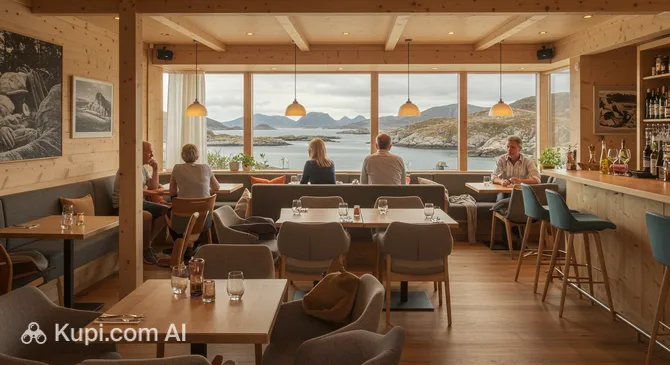
After a day of exploring the mountains and museums, visitors can enjoy the local hospitality back in the city center. For a taste of international and local flavors, Soprano Mat og Vinhus is a popular choice among locals and tourists alike. It offers a relaxed atmosphere where you can unwind with a good meal.

Soprano Mat og Vinhus. Source: Kupi.Binoculars

Another well-known establishment is the Napoli Restaurant and Hotel, which serves as both a dining spot and a meeting place in the heart of the town. Whether you are looking for a hearty dinner or a comfortable place to rest, it remains a staple of the Sandnessjoen social scene.

Local Cuisine

The culinary landscape of Sandnessjoen is deeply connected to its location on the Helgeland coast, where the cold, nutrient-rich waters provide some of the best seafood in the world. For food lovers, this means an abundance of fresh ingredients caught just off the shore. The local diet is hearty and traditional, focusing on preserving the natural flavors of high-quality produce rather than overcomplicating dishes with heavy spices.

A true regional specialty that visitors should not miss is Boknafisk. particularly common in Northern Norway. This dish consists of cod that has been semi-dried on outdoor racks by the ocean wind, giving it a unique texture that is firm yet tender, quite different from the fully dried stockfish. It is traditionally served with stewed peas, boiled potatoes, and a generous topping of crispy bacon cubes. Another comforting classic is the creamy fish soup (fiskesuppe), often packed with chunks of fresh fish, shrimp, and root vegetables, making it the perfect meal to warm up after a day of exploring.

When it comes to drinks, the locals share the general Norwegian love for strong, black coffee, which is enjoyed socially at all hours of the day. For a more celebratory beverage, Aquavit is the traditional spirit of choice. This potato-based liquor, flavored with caraway and other herbs, is typically sipped slowly alongside festive meals or heavy meat dishes to aid digestion.

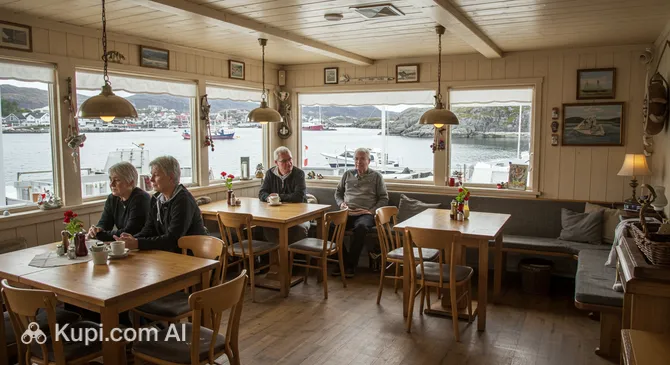
The dining scene in Sandnessjoen is casual and welcoming, reflecting the town's laid-back maritime atmosphere. You will find a mix of establishments ranging from quick street food kiosks to sit-down restaurants. A staple in the local community is the Napoli Restaurant and Hotel, which offers a diverse menu that caters to both families and groups of friends looking for a reliable and tasty meal.

Napoli Restaurant and Hotel. Source: Kupi.Binoculars

For those seeking a blend of international cuisine and local ingredients, Soprano Mat og Vinhus is another popular venue. Here, the focus is on providing a relaxed dining experience where you can enjoy everything from tender steaks to fresh seafood dishes, accompanied by a glass of wine. Whether you choose a traditional fish dinner or a modern fusion dish, the food culture here is defined by warm hospitality and a deep respect for local resources.

Travel Tips

Welcome to Sandnessjoen, the gateway to the magnificent Helgeland coast and the legendary Seven Sisters mountain range. To help you make the most of your adventure in this ruggedly beautiful part of Northern Norway, we have compiled a list of practical tips to ensure a smooth and enjoyable journey.

  1. Clothing and Gear: The weather in Nordland can be unpredictable, shifting from sunshine to rain in minutes. The key is layering; bring wool base layers, a warm sweater, and a high-quality windproof and waterproof jacket, even in summer. If you plan to hike the mountains, sturdy, waterproof hiking boots are mandatory. Dress codes are generally casual and practical, prioritizing comfort over style.
  2. Transportation: While the town center is compact and walkable, renting a car is highly recommended to freely explore the surrounding attractions like Alstahaug and the trailheads for the Seven Sisters. For island hopping, the region relies on an extensive network of ferries and express boats (hurtigbåt); downloading the regional transport app Reis can help you track schedules in real-time.
  3. Finances: The currency is the Norwegian Krone (NOK). Norway is rapidly becoming a cashless society, and credit or debit cards (Visa and Mastercard) are accepted almost everywhere, including small kiosks and taxis. You will rarely need physical cash, though keeping a small amount of coins can be useful for older parking meters or small purchases. Tipping is not mandatory, but rounding up the bill is common for good service.
  4. Health and Safety: Sandnessjoen is a safe destination with low crime rates. The primary risks are related to nature; always check the weather forecast on Yr.no before hiking. Pharmacies (Apotek) are available in the town center but typically close in the late afternoon and on Sundays. For immediate medical emergencies, dial 113.
  5. Communication: The main language is Norwegian, but English is widely spoken and understood by almost everyone. You will have no trouble communicating in hotels, restaurants, or shops. Free Wi-Fi is standard in most accommodations and cafes, and mobile coverage is generally excellent, even in many hiking areas.
  6. Local Etiquette: Norwegians value modesty and equality. A firm handshake is the standard greeting. It is customary to remove your shoes when entering a private home. In public, respect personal space and keep noise levels down, especially in nature, to maintain the peaceful atmosphere everyone enjoys.
  7. What to Avoid: Avoid underestimating the terrain; do not attempt challenging hikes without proper experience or gear, as rescue operations are frequent. Additionally, never try to haggle in shops or markets, as prices are fixed and bargaining is considered rude.
  8. Sunday Closures: Be aware that most supermarkets and retail shops are closed on Sundays. If you are arriving on a weekend, plan your grocery shopping for Saturday to ensure you have supplies, though some gas stations and small convenience kiosks may remain open.

With these practical tips in hand, you are well-prepared to embrace the wild beauty and warm hospitality of Sandnessjoen. Pack your raincoat, charge your camera, and get ready for an unforgettable experience along the stunning Helgeland coast.

Entertainment & Nightlife

Entertainment in Sandnessjoen reflects the town's laid-back coastal character. You will not find sprawling nightclub districts or neon-lit boulevards here; instead, the nightlife is intimate, social, and centered around a few key establishments in the heart of the city. The atmosphere is defined by "kos"—the Norwegian concept of coziness—where locals and visitors gather in warm, welcoming pubs and restaurants to enjoy conversation, drinks, and occasional live music.

The main activity is concentrated along the waterfront and the central street, Torolv Kveldulvssons gate. On weekends, this compact area comes alive as residents head out for dinner and drinks. The dress code is generally casual and practical, suitable for the unpredictable coastal weather, though people tend to dress up slightly for Friday and Saturday evenings. Opening hours typically extend until 1:00 AM or 2:00 AM on weekends for bars, while weekdays are much quieter with earlier closing times.

For a relaxed evening with a glass of wine or a cocktail, Soprano Mat og Vinhus is a favorite destination. It offers a sophisticated yet comfortable setting where you can transition seamlessly from a late dinner to evening drinks. It is a popular spot for couples and small groups looking for a quieter ambiance to chat and unwind after a day of hiking.

Another cornerstone of the local social scene is the Napoli Restaurant and Hotel. While it serves as a dining venue during the day, in the evenings, particularly on weekends, it often becomes a bustling meeting place for locals. It provides a friendly environment where you can mix with the community and experience the authentic small-town vibe of Northern Norway.

Safety is rarely a concern in Sandnessjoen. The town is small and very safe for walking at night, even for solo travelers. The streets are well-lit, and the crime rate is negligible. However, if you are staying outside the immediate center or the weather turns bad, it is advisable to book a taxi in advance, as availability can be limited late at night compared to larger cities.

Regarding daytime entertainment, the town offers more than just outdoor adventures. The cultural heart of the city is Kulturbadet (The Culture Bath), a modern facility located by the harbor. It houses a cinema, a public library, and a swimming pool complex, making it the perfect refuge on rainy days. For those interested in history beyond the museums, a walk around the harbor to watch the Hurtigruten coastal steamer dock is a popular daily pastime.

Parks & Museums

Sandnessjoen offers a unique blend of manicured green spaces and untamed wilderness, where the boundaries between the city and the surrounding nature are delightfully blurred. While the town center is compact, visitors are never more than a few minutes away from refreshing forest trails, scenic viewpoints, or significant cultural sites that celebrate the region's rich maritime and literary heritage.

One of the most accessible natural areas for visitors is Åsen, a hill located just behind the town center. It functions as the city's primary "green lung" and recreational hub, featuring a network of well-marked trails suitable for all ages. A hike here rewards you with panoramic views of the fjord and the iconic Seven Sisters mountain range without requiring a strenuous climb. The area is equipped with a "gapahuk" (a traditional wooden shelter) and picnic spots, making it a favorite local destination for afternoon walks and enjoying the midnight sun during summer.

For those who enjoy water-based recreation, the Botn area is a popular spot located a short distance from the center. This recreational area features a freshwater lake that serves as a swimming spot in the summer and transforms into a hub for cross-country skiing and ice skating during the winter months. Surrounded by forest, it offers a peaceful retreat for nature lovers who want to experience the local outdoor lifestyle without venturing too far into the rugged mountains.

The cultural jewel of the region is the Petter Dass Museum at Alstahaug. While often visited for its spectacular architecture designed by Snøhetta, the museum's interior offers a deep dive into the life of Norway’s famous baroque poet-priest. The permanent exhibitions provide insight into 17th-century life in Northern Norway, the church's role in society, and the fishing culture of the time. The museum also hosts temporary art exhibitions and concerts, serving as a vibrant cultural center for the entire Helgeland coast.

Art enthusiasts should seek out the sculpture Vindenes Hus (The House of the Winds), which is part of the renowned Artscape Nordland (Skulpturlandskap Nordland) project. Located near the Alstahaug church, this installation by artist Sissel Tolaas explores the relationship between the wind and the landscape. It is a thought-provoking site where modern art meets ancient geography, offering a distinct cultural experience compared to traditional museums.

A significant historical site located a short drive south of Sandnessjoen is the Tjøtta International War Cemetery. It stands as a solemn memorial to the victims of the Rigel disaster and other World War II tragedies in Northern Norway. The beautifully maintained grounds offer a quiet place for reflection and provide an important perspective on the region's wartime history, housing thousands of graves of Soviet POWs and the crew of the Rigel.

For a truly authentic local experience, take a walk along the Sandnessjoen breakwater in the evening. It is a lesser-known spot where you can watch the Hurtigruten coastal steamer arrive and depart, offering an unfiltered view of the town's maritime soul away from the main tourist trails.

Getting Around

Navigating Sandnessjoen is straightforward and stress-free, largely due to the town's compact size. The city center is small enough that most major hotels, restaurants, and shops are easily accessible on foot. Walking is often the most efficient way to get around the downtown area and the harbor. However, for those looking to explore the residential outskirts, the airport, or the surrounding archipelago, the public transport system—comprising buses and boats—is essential.

The primary mode of land transport is the bus network. As a small coastal town, Sandnessjoen does not have a metro, tram, or trolleybus system. Local buses connect the center with nearby neighborhoods and the airport. It is important to note that while service is reliable during weekdays, the frequency drops significantly in the evenings and on weekends. Tourists should always plan their return journeys in advance, particularly on Sundays when departures can be sparse.

Given the region's geography, maritime transport plays a crucial role. Express boats (hurtigbåt) and ferries serve as the main link between the town and the many islands scattered along the Helgeland coast. The boat terminal is centrally located at the harbor, making island hopping convenient. Additionally, the iconic coastal ships, such as Hurtigruten and Havila Voyages, dock here twice daily—once northbound and once southbound. These ships are not just for cruising; they function as a practical intercity transit option for locals and visitors alike.

The payment system is integrated across the Nordland region. The most practical way to pay for fares and check timetables is by using the official Reis mobile app. Through the app, you can purchase single tickets or travel passes instantly on your phone. While it is usually possible to pay with a credit or debit card on board buses and ferries, buying tickets via the app is often cheaper and faster. Cash is accepted less frequently and may incur a surcharge.

For greater flexibility, taxis are available and can typically be found at the rank near the bus terminal or booked by phone. They are a good option for reaching the airport if your flight time does not align with the bus schedule, though fares can be relatively high. For those planning to hike the Seven Sisters or explore remote areas at their own pace, renting a car is highly recommended, as it provides the freedom to travel without being constrained by public transport schedules.

In the summer months, cycling becomes a popular alternative. The terrain along the immediate coast is relatively flat and scenic, making it an enjoyable way to see the area. Bike rentals are often available through the tourist information center or local hotels, offering a green and healthy way to experience the town and its surroundings.

Accommodation

Accommodation options in Sandnessjoen are relatively limited but offer good standards of comfort and hospitality. The range typically consists of mid-range hotels, guesthouses, and apartments suitable for independent travelers. There are no sprawling luxury resorts here; instead, visitors will find functional and cozy establishments that serve as excellent bases for exploring the Helgeland coast. For those traveling on a budget or seeking a closer connection to nature, there are also camping facilities and cabins located just a short distance from the urban area.

The most convenient area for tourists to stay is undoubtedly the town center. Staying here places you within walking distance of the Hurtigruten quay, the bus terminal, and the express boat harbor, making it incredibly easy to navigate the region without a car. This central location also offers immediate access to the town’s restaurants, shops, and the cultural center, allowing for a relaxing evening after a day of hiking the Seven Sisters.

Booking Tip: Because Sandnessjoen is a small town with a limited number of beds, accommodation can fill up very quickly, especially during the peak summer season (June to August). It is highly recommended to book your room several months in advance if you plan to visit during this period, as last-minute availability is rare and often expensive.

Regarding costs, prices in Sandnessjoen generally reflect the standard Norwegian rates, which are considered mid-range to high by international standards. Travelers should expect to pay a premium during the summer. Most accommodations can be easily booked via major online platforms, though contacting smaller guesthouses or campsites directly can sometimes yield better availability or specific information about amenities like parking or pet policies.

Nearby Cities

For those looking to explore the surroundings, Sandnessjoen serves as an excellent base for day trips to several interesting nearby locations:

Mo i Rana is situated just a short distance inland and offers a fascinating mix of industrial history and natural wonders. Known as the "Arctic Circle City," it is the gateway to the magnificent Svartisen glacier and the famous Grønligrotta caves, which are the only illuminated tourist caves in Scandinavia. A visit here provides a perfect opportunity to experience the geological diversity of the region.

Further north lies the coastal hub of Bodo. While the journey requires a bit more time, the city is a vibrant destination known for its rich cultural scene and the Norwegian Aviation Museum. Just outside the city, you can witness Saltstraumen, the world's strongest tidal current, a mesmerizing natural phenomenon that attracts visitors from all over the globe.

City Population Distance (km)
Bodo 52803 161
Stjørdal 24287 296
Mo i Rana 18899 76
Verdal 14986 255
Stjørdalshalsen 13032 296

These nearby destinations offer a glimpse into the diverse culture and landscapes of the region, ranging from deep caves and glaciers to bustling coastal centers.

Shopping & Souvenirs

Shopping in Sandnessjoen offers a relaxed and stress-free experience typical of Northern Norwegian coastal towns. While it is not a destination for high-end luxury fashion, the city provides a good selection of stores that cater to both locals and visitors. You will find everything from essential daily goods and high-quality outdoor clothing to charming local handicrafts that reflect the region's maritime heritage.

The main commercial activity is concentrated around the pedestrian-friendly streets in the town center, particularly along Torolv Kveldulvssons gate. This central thoroughfare serves as the heart of the community, lined with a mix of independent boutiques, cozy cafes, and service shops. A stroll down this street allows you to browse for clothes, books, and interior décor while enjoying the small-town atmosphere.

For a more comprehensive shopping experience under one roof, the Amfi Skansen shopping center is the primary destination. Located conveniently in the city center, this mall houses a variety of popular Norwegian chain stores selling fashion, electronics, and sports equipment. It is also home to the local Vinmonopolet, the state-run liquor store, which is the only place to purchase wine and spirits in the town.

While Sandnessjoen does not have a permanent daily market hall, the town square (Torget) often comes alive with temporary stalls, especially during summer festivals or the holiday season. Here, you might find local farmers selling seasonal produce, fresh berries, or flowers. It is a great place to interact with locals and see what is in season in the Helgeland region.

When looking for souvenirs to bring back home, focus on items that are practical for the Northern Norwegian climate or edible treats unique to the area. Norwegian wool products, such as sweaters and socks, are popular choices due to their quality and warmth. Additionally, local delicacies like cloudberry jam, dried fish snacks, or artisanal chocolates make for excellent gifts that capture the flavor of the coast.

Opening hours in Sandnessjoen generally follow the standard Norwegian pattern. Most street-level shops open around 10:00 AM and close between 4:00 PM and 5:00 PM on weekdays, with extended hours on Thursdays. The shopping mall, Amfi Skansen, typically stays open later, often until 8:00 PM on weekdays and 6:00 PM on Saturdays. Be aware that nearly all shops, including supermarkets, are closed on Sundays.

Payment is seamless, as cards are widely accepted everywhere, from large grocery stores to small kiosks. Visa and Mastercard are the standard, and contactless payment is the norm. For tourists residing outside of Scandinavia (Sweden, Denmark, and Finland), many larger stores offer Tax-Free shopping. Look for the "Tax Free" signage in the window, and ask for a refund form at the checkout if you spend over a certain amount in a single store.

Reached the end of the page?

That means the route is fully explored