Support

Mo i Rana

About

Welcome to Mo i Rana, a vibrant city often referred to as the "Arctic Circle City" due to its proximity to the polar circle. Located at the head of the Ranfjorden, it serves as a significant cultural and commercial hub in the Nordland county of Norway. With a population of approximately 18,900 people, the city offers a unique blend of urban amenities and immediate access to the raw, untouched wilderness of the north.

The city has undergone a remarkable transformation over the years. Originally a humble trading post, it grew into a major industrial powerhouse. Visitors interested in the history of Mo i Rana will discover a fascinating narrative of iron and steel production that once earned it the nickname "Ruhr City." Today, it has evolved into a modern center for technology and services while preserving its proud industrial heritage.
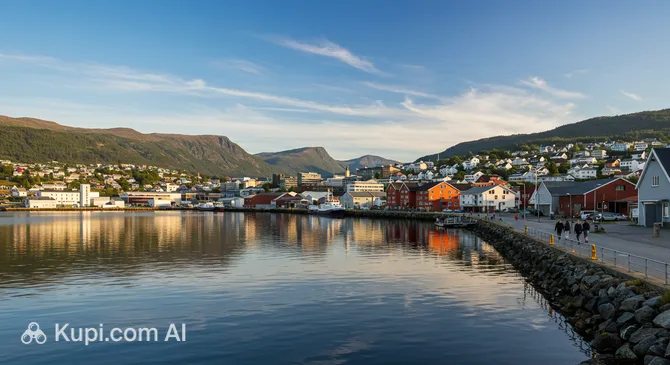
Mo i Rana. Source: Kupi.Binoculars

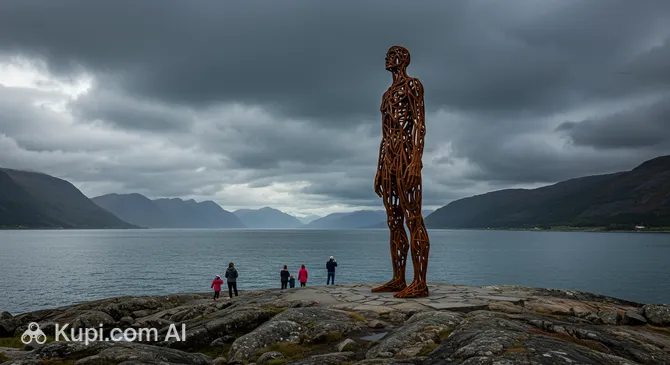
Travelers are drawn to Mo i Rana for its stunning natural surroundings and unique landmarks. One of the most iconic sights is the massive granite sculpture Havmannen (The Man from the Sea), which stands in the fjord waters, permanently gazing out towards the horizon. The city is also the perfect base for exploring the spectacular Svartisen glacier, the second-largest glacier on the Norwegian mainland, and the adventurous limestone caves like Grønligrotta, which are accessible to tourists.

Whether you are chasing the Midnight Sun in summer or hunting for the Northern Lights in winter, Mo i Rana offers an unforgettable experience. We invite you to explore its friendly streets, visit the local museums, and immerse yourself in the breathtaking landscapes that surround this northern gem.
Weather Overview

Located just south of the Arctic Circle, the climate here is subarctic, bringing long, cold winters and short, mild summers. During the coldest months of January and February, average temperatures sit around -7.7°C, often dipping to lows of -9.9°C. Travelers planning a winter visit should be prepared for consistent freezing conditions suitable for winter sports.

Summers offer a pleasant contrast, with July being the warmest month, averaging 12.4°C and reaching highs of 15.7°C. While the accumulated precipitation volume is generally low—rarely exceeding 8mm per month—the frequency of wet days is high, with precipitation occurring on 15 to 22 days each month. For more specific forecasts and monthly averages, viewing the detailed weather in Mo i Rana guide is recommended.

Overall, expect mild summers with frequent light showers and cold winters with consistent sub-zero temperatures.

Interesting Facts

Beyond its well-known industrial history and scenic location, Mo i Rana holds several intriguing secrets that often surprise visitors. From subterranean vaults to record-breaking facilities, the city is defined by hidden depths that go far beyond the ordinary.

The Man from the Sea. Source: Kupi.Binoculars
  • Mo i Rana is widely known as the "Cave Capital of Norway." The surrounding region contains roughly 200 limestone caves, including the extensive Grønligrotta and Setergrotta, creating a massive underground network that attracts speleologists and divers from all over the globe.

  • The city serves as the guardian of the nation's memory. The National Library of Norway operates a colossal storage facility here, where copies of nearly all Norwegian books, newspapers, and media are preserved in a high-security, climate-controlled vault blasted deep inside a mountain.

  • Motorsport enthusiasts might be surprised to find the Arctic Circle Raceway just a short drive away. It is the longest asphalt racing track in Norway and the northernmost circuit of its kind in the world, hosting races under the Midnight Sun during the summer months.

  • The granite sculpture known as The Man from the Sea is a key piece of the Artscape Nordland project. Standing 10 meters tall in the fjord, the figure famously turns its back to the city to gaze eternally at the horizon, symbolizing the deep connection between the locals and the ocean.

How to Get There

Reaching this northern destination is an adventure in itself, with several convenient options available for travelers. Whether you prefer flying into a nearby hub or taking a scenic route through the Norwegian landscape, you can read more about how to get to Mo i Rana to plan the perfect itinerary. The city is well-connected, serving as a gateway to the Arctic Circle region.

The most direct way to arrive is via the local Mo i Rana Airport (MQN), located just 9.1 km from the city center. This regional airport handles regular domestic traffic, making it a time-saving choice for visitors. A taxi or bus ride from the terminal to the city center is quick, typically taking approximately 20 to 30 minutes.

For more extensive flight connections, many tourists opt to fly into Bodo Airport (BOO) in the city of Bodo. Located about 107 km from Mo i Rana, this is a larger international hub with significantly higher passenger traffic. From Bodo, the onward journey to Mo i Rana is a spectacular experience, taking around 3 hours by road transport, allowing you to witness the stunning coastal scenery of Nordland.

For clarity, here is a summary of the main airports serving the region:

Airport Name City Passenger Traffic Km from City
Bodo Airport Bodo Large 107.0
Mo i Rana Airport Mo i Rana Medium 9.1
Stokka Airport Sandnessjoen Small 85.4
Kjærstad Airport Mosjoen Small 72.5
Hemavan Airport Hemavan Small 70.9

In addition to air travel, Mo i Rana is a key station on the scenic Nordland Railway line, which runs between Trondheim and Bodo. The train offers a comfortable and environmentally friendly way to arrive, crossing the Arctic Circle along the way. For those driving, the main E6 highway passes directly through the city, providing excellent road access from both the south and the north.

Main Attractions

Mo i Rana offers a delightful mix of cultural landmarks and lively local establishments that showcase the city's modern character. While the surrounding nature is wild and dramatic, the city center provides several inviting spots for visitors to relax, dine, and appreciate the local art scene.

One of the most defining symbols of the city is The Man from the Sea. This striking granite sculpture stands permanently knee-deep in the waters of the Ranfjord, turning its back to the town to gaze out at the horizon. Created by the English artist Antony Gormley, it is part of the renowned Artscape Nordland collection. Visitors often take a stroll along the waterfront promenade to view the figure, which changes character with the shifting tides and light of the Arctic seasons.

The Man from the Sea. Source: Kupi.Binoculars

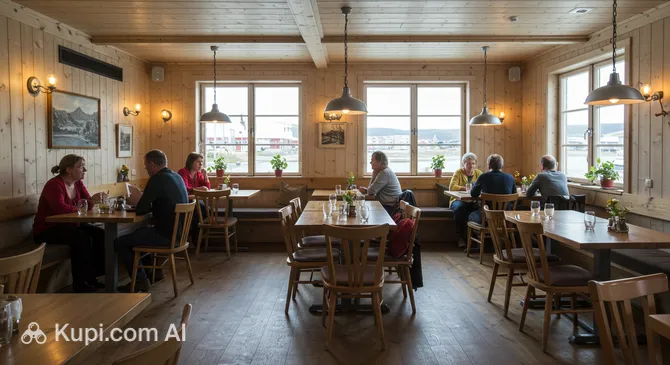
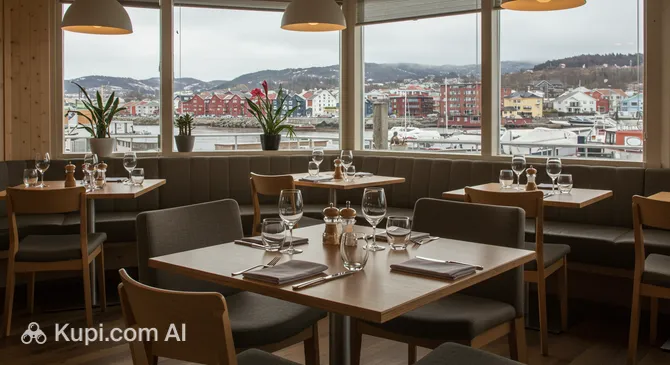
For those looking to experience the local culinary scene, Helma Restaurant is a fantastic choice. Known for its welcoming atmosphere and delicious menu, this establishment is a favorite among both locals and tourists. It offers a great opportunity to taste dishes prepared with care, making it a perfect stop for a relaxing dinner after a day of exploring the nearby caves or glaciers.

Helma Restaurant. Source: Kupi.Binoculars

Another popular dining destination is Mama Rosa, a restaurant that has established itself as a staple in the city's food landscape. Whether you are in the mood for a hearty meal with family or a casual dining experience with friends, this spot provides a comfortable setting and a varied menu that caters to diverse tastes.

Mama Rosa. Source: Kupi.Binoculars

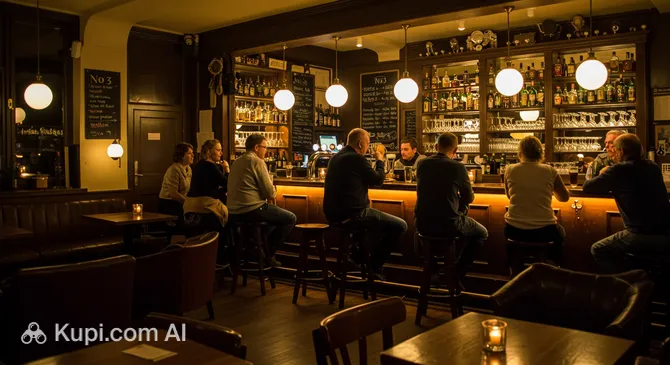
As the evening sets in, visitors seeking a vibrant social atmosphere should head to No3. This bar is a central hub for nightlife in Mo i Rana, offering a stylish environment to enjoy refreshing drinks and music. It is an excellent place to unwind, meet friendly locals, and soak up the energetic vibe of this northern city.

No3. Source: Kupi.Binoculars

Local Cuisine

The culinary landscape of Mo i Rana reflects its location in the heart of Northern Norway, where the cold waters of the fjord and the wild mountains provide exceptional ingredients. The local cuisine is heavily centered on fresh seafood, with cod, coalfish, and halibut being staples in many households. In addition to the bounty of the sea, the region is known for game meat, particularly reindeer and moose (elk), which are often served as hearty stews or tender steaks accompanied by lingonberries and creamy sauces.

For a taste of tradition, visitors should look for kamkaka, a specialty unique to the Helgeland region. This savory pastry is a type of soft flatbread, often enjoyed with butter and local cured meats. Another regional favorite is the sweet and savory møsbrømlefse, a warm flatbread filled with a rich sauce made from brown cheese, sour cream, and syrup. These dishes offer a comforting and authentic glimpse into the food culture of Nordland.

Beverages also play a significant role in the local lifestyle. Coffee is central to daily life, enjoyed frequently throughout the day in cozy settings. For evening refreshments, the city offers a chance to sample Norwegian craft beers or the traditional potato-based spirit, aquavit. The dining atmosphere in Mo i Rana is generally relaxed and welcoming, perfect for unwinding after a day of Arctic adventures.

Travel Tips

Traveling to Mo i Rana offers a unique Arctic experience, but being prepared for the northern conditions is key to a successful trip. Here are some practical tips to help you navigate the city and its surroundings with ease, ensuring you can focus on the stunning nature and local culture.

  1. Clothing and Gear: Since the weather in Nordland can be unpredictable, the layer system is your best friend. Even in summer, bring a windproof and waterproof jacket, as rain is frequent. For winter visits, thermal underwear, wool layers, and sturdy, insulated boots are essential to handle temperatures that often drop below freezing. If you plan to explore the caves, pack clothes you don't mind getting dirty.

  2. Transportation: The city center is compact and easily navigable on foot. However, public transport, consisting mainly of buses, can be infrequent, especially on weekends. To fully explore the surrounding attractions like the Svartisen glacier or the limestone caves, renting a car is highly recommended. Taxis are available but can be quite expensive for longer distances.

  3. Finances: The local currency is the Norwegian Krone (NOK). Norway is rapidly becoming a cashless society, and credit or debit cards are accepted almost everywhere, from supermarkets to small kiosks. You likely won't need to withdraw large amounts of cash. Be aware that prices for food and services are generally high, so plan your daily budget accordingly.

  4. Health and Safety: Mo i Rana is a very safe city with low crime rates. For minor health issues, look for a pharmacy, marked as Apotek; note that they are usually closed on Sundays. The tap water is safe to drink and of excellent quality, so bring a reusable bottle to stay hydrated.

  5. Communication: Most locals speak excellent English, so you will have no trouble communicating. A simple "Hei" (Hi) is a standard greeting, and "Takk" (Thank you) is always appreciated. Free Wi-Fi is common in hotels and cafes, and EU/EEA citizens can typically use their mobile data plans without roaming charges.

  6. Local Etiquette: Norwegians value personal space and privacy. When using public transport, it is polite to sit in an empty row rather than next to someone if space permits. Punctuality is also important here, so try to be on time for any booked tours or reservations.

  7. What to Avoid: Do not try to haggle in shops or markets; prices are fixed, and bargaining is not part of the culture. Additionally, avoid underestimating the nature; never venture onto the glacier or into deep caves without a certified guide, as these environments can be dangerous for the inexperienced.

  8. Shopping Hours: Keep in mind that most shops, including grocery stores, are closed on Sundays. If you need to buy wine or spirits, they are sold exclusively at the state-run Vinmonopolet, which has limited opening hours and closes early on Saturdays.

By keeping these practicalities in mind, you will be well-equipped to enjoy everything this industrial and natural gem has to offer. Whether you are here for the midnight sun or the northern lights, a little preparation goes a long way in Mo i Rana.

Entertainment & Nightlife

While Mo i Rana is primarily known for its industrial history and natural wonders, the city offers a welcoming and cozy nightlife scene that surprises many visitors. The entertainment landscape here is compact but lively, concentrated mainly in the city center (Sentrum). Unlike the sprawling nightlife districts of larger capitals, the evening vibe in Mo i Rana is intimate, where locals and tourists often mingle in the same popular establishments along the pedestrian streets and near the waterfront.

For a classic night out, the evening often begins with a meal at one of the central eateries. Helma Restaurant is a popular starting point, offering a social atmosphere that transitions well into the later hours. Similarly, Mama Rosa remains a steadfast favorite for those looking to enjoy a relaxed dinner before heading out. As the night progresses, the crowd typically moves towards the city's bars. One of the standout venues is No3, which serves as a modern meeting place for enjoying cocktails, music, and the company of friends. It is widely considered one of the best spots to experience the local social pulse after dark.

The atmosphere in Mo i Rana is generally casual and laid-back. There is rarely a strict dress code, though "smart casual" is the norm for Friday and Saturday nights. Visitors should be aware that nightlife here peaks on weekends. On weekdays, the town is quieter, with venues closing earlier. Prices for alcohol follow standard Norwegian rates, which can be higher than in many other countries, so budget accordingly. Bars typically stop serving around 2:00 AM or 3:00 AM, but it is wise to check specific opening hours as they can vary by season.

Beyond the bars, the city offers wholesome daytime and evening entertainment options. The Kinoteatret (Cinema Theatre) is a cultural hub hosting movies and occasional performances, while the local museums provide engaging diversions during the day. For those interested in shopping and strolling, the pedestrian areas in the center frequently host small markets and events, especially during the summer months and the festive Christmas season.

Safety is a strong point in Mo i Rana. The city center is well-lit and safe for walking at night. However, given the Arctic climate, the main concern is often the cold rather than crime; always dress warmly if you plan to walk between venues. Taxis are readily available at designated stands in the center or can be booked by phone. They are the most convenient way to return to your accommodation, especially during the snowy winter months.

Parks & Museums

While Mo i Rana is famous for its industrial roots, the city also prides itself on its accessible green spaces and a cultural scene that honors its heritage. Visitors will find that the rugged nature of Nordland is never far away, blending seamlessly with the urban environment to create a unique atmosphere for exploration.

One of the most pleasant outdoor areas in the city is the Fjord Promenade (Sjøfronten). This landscaped waterfront stretch is perfect for a relaxing stroll, offering sweeping views of the Ranfjord and the surrounding mountains. It is here that you will find the city's most famous landmark, The Man from the Sea. The park area around the sculpture is a favorite spot for locals to gather, watch the sunset, or simply enjoy the fresh sea breeze.

For a more immersive natural experience without leaving the city limits, Revelfosen is a fantastic destination. Located just a short distance from the center, this recreational area features a scenic waterfall and a network of easy walking trails. It is a lush, green oasis that provides a peaceful escape from the bustling town streets, making it popular among families and joggers.

To understand the soul of the region, a visit to the Rana Museum is essential. Part of the Helgeland Museum network, it is situated in the city center and offers fascinating exhibitions that chronicle the dramatic transformation of Mo i Rana from a quiet trading post to an industrial giant. The museum also covers the rich Sami culture of the area and the natural history of the Arctic Circle.

Travelers with children or a curiosity for technology should not miss Vitensenteret Nordland (The Science Center). This interactive museum focuses on mathematics, natural sciences, and technology, encouraging visitors to touch, play, and experiment. It is an engaging educational venue that reflects the city's modern identity as a hub of knowledge and industry.

History enthusiasts will appreciate Mo Church (Mo kirke), the oldest building in the city. Completed in 1724, this beautiful wooden cruciform church stands as a testament to the community's resilience and faith over the centuries. Nearby, you can explore Moholmen, the historic district where a cluster of traditional wooden houses from the 18th and 19th centuries still stands, offering a glimpse into what the town looked like before the industrial boom.

For a truly authentic experience, take a short drive to the Stenneset Open-Air Museum. Located about 8 kilometers from the center, this tranquil site features a collection of historic farm buildings dating back to the 18th century. It is a quiet, lesser-known gem where you can wander among the old timber structures and imagine the rural life of the past, often with very few other tourists around.

Getting Around

The public transport system in Mo i Rana is reliable but tailored to the scale of a smaller urban center. The city relies exclusively on a bus network coordinated by Reis Nordland, as there are no trams, metros, or trolleybuses. These buses connect the city center (Sentrum) with residential suburbs and key commercial areas, providing a practical way for visitors to navigate the immediate surroundings without a private vehicle.

For payment, the most convenient and cost-effective method is to use the official mobile app, Reis. This app allows you to purchase single tickets or period passes instantly on your phone. While it is possible to buy tickets from the driver using cash or a bank card, this usually incurs a surcharge, so using the app is highly recommended. Fares are generally zone-based, and a single ticket is valid for a set period, allowing for transfers within that time.

Travelers should be aware that bus schedules vary significantly depending on the day of the week. While service is frequent during rush hours on weekdays, it drops off considerably in the evenings and on weekends. On Sundays, bus departures can be very limited. It is essential to check the timetables in advance via the Reis app or website to avoid long waits. Remember to signal the driver clearly when you are waiting at a stop, as buses will not stop automatically unless flagged down.

Given the compact nature of the city center, walking is often the best alternative for getting between hotels, restaurants, and shops. Taxis are readily available and can be found at designated stands or booked by phone, but they are relatively expensive compared to public transit. They are, however, a dependable option for late-night travel or for reaching the airport quickly.

For those planning to visit the major attractions outside the city, such as the Svartisen glacier or the limestone caves, renting a car is the most practical solution. Public transport to these remote natural sites is infrequent or non-existent. Additionally, the city is served by a train station on the Nordland Line; while this is primarily for regional travel rather than local commuting, it serves as a vital hub for arriving from or departing to other parts of the province.

Accommodation

Accommodation in Mo i Rana is practical and comfortable, catering primarily to travelers passing through on the E6 highway, business visitors, and tourists exploring the Arctic Circle region. The city offers a straightforward range of options, from standard full-service hotels to cozy guesthouses and camping sites. While you will not find ultra-luxury resorts here, the available lodgings are known for their high standards of cleanliness, warmth, and typically Norwegian hospitality.

For most visitors, the city center is the most convenient area to stay. Choosing a hotel in the heart of town places you within walking distance of the train station and the main bus terminal, making it ideal for those arriving by public transport. Staying centrally also means you are just steps away from local restaurants, the waterfront promenade, and cultural attractions like the science center. This area is perfect for travelers who want easy access to urban amenities after a day of excursions.

Travelers seeking a more rustic experience or those on a road trip often prefer the outskirts of the city. There are several camping grounds and cabin rentals located just a short drive from the center, often situated near the river or nestled against the backdrop of the mountains. These options are particularly popular in the summer, offering a closer connection to nature and often providing more space for families or groups with vehicles.

Booking Tips: Mo i Rana is a busy regional hub, and accommodation can fill up quickly, especially during the summer peak season (June to August) and during major local events or conferences. It is highly recommended to book your room well in advance if you plan to visit during these times. In the winter, availability is generally better, but securing a spot early is still wise if you are chasing the Northern Lights.

Prices and Booking: Accommodation prices in Mo i Rana reflect the general cost of living in Norway, which is relatively high. Most hotels fall into the mid-range category, while budget travelers may find camping cabins or hostels to be the most affordable solutions. Booking is easily done through major online travel platforms or directly via hotel websites, which is often the best way to secure specific room requests.

Nearby Cities

For those looking to explore the surroundings, Mo i Rana serves as an excellent base for day trips to several interesting nearby locations:

One of the most prominent destinations is Bodo, the regional capital of Nordland located to the north. As a coastal hub, it offers a vibrant city atmosphere combined with spectacular nature. Visitors can explore the Norwegian Aviation Museum or witness the powerful tidal currents of Saltstraumen nearby. The city is accessible via the scenic Nordland Railway, making for a memorable journey across the Arctic landscape.

Heading south, the charming town of Mosjøen is a favorite for cultural day trips. It is famous for Sjøgata, a historic street lined with 19th-century wooden houses, galleries, and cafes that create a unique old-world atmosphere. For the adventurous, Mosjøen also offers the popular Via Ferrata and the Helgeland Stairs, providing breathtaking views from the Øyfjellet mountain.

Closer to the coast, the area around Sandnessjøen and the smaller community of Hemnesberget offers a deep dive into maritime history and local arts. This region is the gateway to the legendary Seven Sisters mountain range and is known for its annual jazz festival and boat-building traditions, perfect for travelers seeking a mix of nature and local heritage.

City Population Distance (km)
Bodo 52803 109
Harstad 50000 295
Verdal 14986 304
Narvik 14148 276
Steinkjer 12985 285

These nearby destinations offer a glimpse into the diverse culture and landscapes of the region.

Shopping & Souvenirs

Shopping:

As the commercial center of the Helgeland region, Mo i Rana offers the most extensive shopping opportunities in the area. Visitors will find a convenient mix of large indoor shopping centers and smaller, independent stores concentrated in the city center. Whether you are looking for practical outdoor gear to handle the Arctic weather or searching for unique local souvenirs, the city provides plenty of options.

The main shopping activity revolves around the large malls located in the heart of the town. Amfi Mo i Rana and the Meyer center are the primary destinations, housing dozens of stores under one roof. Here, travelers can find major Scandinavian fashion chains, electronics, pharmacies, and bookstores. These centers are particularly popular during the winter, offering a warm and comfortable environment to browse for everything from daily necessities to high-quality winter clothing.

For a more traditional experience, a walk along the pedestrian streets (Gågata) reveals a selection of niche boutiques and specialty shops. This area is excellent for finding Norwegian design items, interior décor, and local handicrafts. Given the region's focus on nature, there are several excellent sports shops staffed by knowledgeable locals who can assist with equipment for hiking, fishing, and skiing.

Visitors interested in culinary souvenirs should explore the local grocery stores. Popular items to take home include brunost (traditional brown cheese), cured meats like reindeer or elk, and cloudberry jams. It is important to note that the sale of alcohol is strictly regulated in Norway. Wine and spirits can only be purchased at the state-run Vinmonopolet, which has limited opening hours and closes early on Saturdays.

General opening hours in Mo i Rana are typically from 10:00 AM to 8:00 PM on weekdays, with malls closing earlier on Saturdays, usually around 6:00 PM. Most shops are closed on Sundays, so it is wise to plan your shopping trips accordingly.

Reached the end of the page?

That means the route is fully explored