Support

Ivalo

About

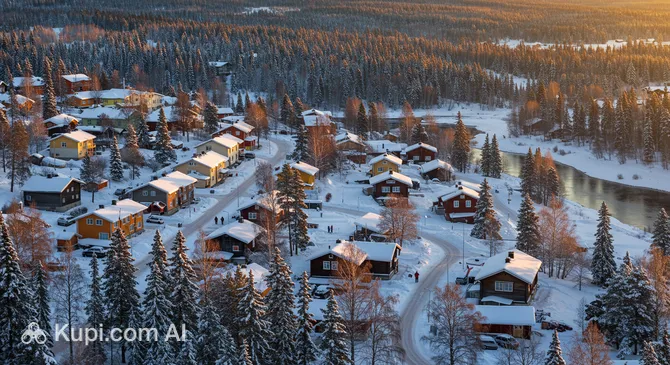
Ivalo is the vibrant heart of the Inari municipality and serves as a crucial gateway to the enchanting landscapes of Northern Lapland. As the administrative and commercial center of the region, this lively village offers a perfect blend of modern convenience and raw Arctic beauty. For many adventurers landing at the northernmost airport in Finland, Ivalo is the starting point of an unforgettable journey into the wilderness.

Ivalo. Source: Kupi.Binoculars

Situated on the meandering banks of the Ivalo River, just south of the vast Lake Inari, the village is surrounded by pristine nature. Despite its modest population of approximately 3,900 residents, it bustles with activity, especially during the winter months. The area is renowned for its extreme seasonal contrasts, ranging from the endless daylight of the Midnight Sun to the mystical twilight of the Polar Night. Those interested in how this remote settlement developed into a key logistical hub can delve deeper into the history of Ivalo, which reflects the resilience of life in the Arctic.

Travelers are drawn here not only for the services but for the spectacular natural phenomena. Ivalo is a prime location for witnessing the dancing Northern Lights (Aurora Borealis), often visible right from the village center on clear winter nights. The frozen Ivalo River serves as a playground for winter sports, while in summer, the sandy riverbanks, locally known as "Ivalo's Riviera," offer a surprising spot for relaxation. Whether you are heading to the nearby Saariselkä ski resort or exploring the local culture, Ivalo provides a warm and welcoming base for your Arctic expedition.

Weather Overview

Ivalo experiences a distinct subarctic climate defined by long, snowy winters and short, pleasant summers. The weather in Ivalo transforms the landscape dramatically across the seasons, from the frozen beauty of the Polar Night to the lush greenery under the Midnight Sun.

The winter months are rigorously cold, with January seeing average temperatures of -10.4°C and lows frequently dipping to -12.8°C. By contrast, summer offers much milder conditions; July is typically the warmest month, reaching average highs of 18.3°C. Precipitation volume is generally low, rarely exceeding 3mm per month, though rain showers can be frequent in late summer, with August recording about 17 wet days. Expect mild summers with occasional rain and cold, dry winters ideal for Arctic exploration.

Interesting Facts

Beyond the main attractions, Ivalo holds fascinating secrets that reveal its unique character as a frontier of the Arctic.
  • Secret Testing Grounds: While the village seems quiet, the surrounding forests are a hive of high-tech activity during winter. Ivalo is a global capital for cold-weather automotive testing, where major international car and tire manufacturers push prototypes to their limits on hidden tracks, often referred to as "White Hell" by industry insiders.

  • A River of Gold: Long before it became a tourist destination, the Ivalo River was the site of a legendary gold rush in the 1870s. Known as the "Finnish Klondike," the river still attracts hopeful prospectors, and gold panning remains a vibrant local tradition during the summer months.

  • A Multilingual Meeting Point: Ivalo is part of the Inari municipality, which holds a unique cultural status in Finland. It is the only municipality in the country with four official languages: Finnish, North Sámi, Inari Sámi, and Skolt Sámi, reflecting the deep and diverse indigenous heritage of the region.

  • Reindeer Rule the Roads: In this part of Lapland, the reindeer population significantly outnumbers the human residents. These semi-domesticated animals roam freely and often claim the right of way on local roads, serving as a constant reminder of the region's strong connection to nature and traditional livelihoods.

How to Get There

Reaching the heart of Northern Lapland is an adventure that immerses travelers in the Arctic wilderness. While the region feels remote, it is accessible through a network of air and road connections. For a detailed guide on planning your trip, you can read more about how to get to Ivalo and explore the transport options suited to your itinerary.

The most direct way to arrive is by flying to Ivalo Airport (IATA: IVL), located just 7.8 km from the village center. As Finland's northernmost airport, it serves as the primary gateway for visitors. For those considering alternative routes, Kirkenes Airport, Høybuktmoen (IATA: KKN) in Norway is situated approximately 151.3 km away. A drive from Kirkenes offers a scenic cross-border journey into Finland. Another viable option is Kittila Airport (IATA: KTT), located roughly 154.5 km from Ivalo, allowing travelers to combine destinations within Lapland.

Below is a summary of the main airports facilitating travel to the region:

Airport Name City Passenger Traffic Km from City
Ivalo Airport Ivalo Medium 7.8
Kirkenes Airport, Høybuktmoen Kirkenes Medium 151.3
Kittila Airport Kittila Medium 154.5
Banak Airport Lakselv Small 187.0

Ivalo does not have its own railway station, as the Finnish rail network terminates further south. Travelers preferring trains typically journey to the city of Rovaniemi, which serves as the main rail hub for Lapland. From Rovaniemi, regular bus connections transport visitors north to Ivalo, completing the journey through the stunning landscapes of the Arctic.

Main Attractions

While Ivalo is primarily known as a logistical gateway to the wilderness, the village itself possesses a quiet charm and several points of interest that offer insight into life in the Far North. Visitors can explore a mix of natural wonders, local architecture, and authentic dining spots that reflect the spirit of Finnish Lapland.

One of the most prominent landmarks in the village is the Ivalo Church (Ivalon kirkko). Built in 1966 to replace a former church destroyed during World War II, this Lutheran church is notable for its distinctive modern architecture. Its angular, tent-like shape and high copper roof are designed to shed heavy winter snows, while the interior features beautiful stained glass and a serene atmosphere, making it a peaceful stop for those interested in local culture and history.

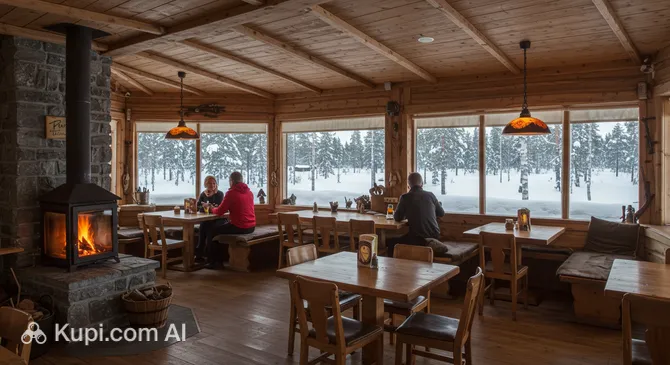
For those looking to experience the local social scene and hearty cuisine, Pubi is a well-known establishment in the center of town. Operating as both a restaurant and a bar, it serves as a gathering place for residents and travelers alike. It is an excellent spot to enjoy a casual meal, sample Finnish beverages, and soak in the authentic atmosphere of a Lappish village evening.

Pubi. Source: Kupi.Binoculars

Nature lovers should not miss the Ivalo River, which flows right through the heart of the settlement. In the summer, the sandy banks, humorously dubbed "Ivalo's Riviera," are a popular spot for locals to sunbathe and swim in the refreshing Arctic waters. In winter, the frozen river transforms into a vast thoroughfare for snowmobiles and cross-country skiers, as well as a prime, light-pollution-free location for viewing the Northern Lights just a short walk from most hotels.

Just a short distance from the village center lies Wild Spirit Park, a small adventure park and animal sanctuary that delights families and animal enthusiasts. The park offers visitors the chance to get close to Arctic animals, including huskies, reindeer, and arctic foxes, in a controlled and educational environment. It provides a more intimate and hands-on experience compared to larger commercial resorts, allowing for memorable interactions with the fauna of the region.

Local Cuisine

The local cuisine in Ivalo is a direct reflection of the surrounding Lappish wilderness, characterized by pure, distinct flavors and hearty ingredients designed to sustain people through the cold Arctic winters. The food culture here relies heavily on what nature provides, with a strong emphasis on seasonal hunting, fishing, and foraging. For visitors, dining in Ivalo is an opportunity to taste the freshness of the north, from game meat to wild berries picked from the nearby bogs.

The undisputed king of the table is reindeer. You cannot leave Lapland without trying poronkäristys (sautéed reindeer), the region's signature dish. Thinly sliced reindeer meat is slowly cooked in butter and beer or stock until tender, then traditionally served over a mound of creamy mashed potatoes with a side of tart lingonberries and pickled cucumbers. Another staple is fresh fish caught in the pristine waters of Lake Inari and the Ivalo River. Whitefish, arctic char, and salmon are commonly prepared smoked, grilled, or served in a creamy soup known as lohikeitto, often accompanied by dark rye bread.

Desserts and drinks also feature local treasures. The most famous sweet treat is leipäjuusto, often called "squeaky cheese," which is warmed and served with rich cloudberry jam. When it comes to beverages, coffee is an essential part of daily life, consumed in large quantities to keep warm. For something stronger, visitors should try the iconic Finnish Long Drink (or "lonkero"), a refreshing mix of gin and grapefruit soda, or sample liqueurs made from wild berries like sea buckthorn and cloudberry.

The dining atmosphere in Ivalo is relaxed and unpretentious. You won't find strict dress codes here; instead, you will find warm, welcoming spots where locals and tourists mix. Many travelers enjoy lunch buffets, which are a common and affordable way to sample home-style Finnish cooking. For a casual evening out, Pubi is a popular choice in the village center, offering a straightforward menu and a glimpse into the local way of life. Whether you are eating in a hotel restaurant or grilling sausages over an open fire in a "laavu" (lean-to) shelter, the food in Ivalo is sure to warm your spirit.

Travel Tips

Preparing for a trip to Ivalo means getting ready for an authentic Arctic experience where nature dictates the pace of life. To help you make the most of your visit to this northern frontier, here are some practical tips to ensure your journey is comfortable, safe, and culturally respectful.

  1. Master the Art of Layering: The weather in Lapland can be unpredictable and harsh. In winter, thermal underwear, wool mid-layers, and a windproof, insulated outer layer are essential; temperatures can drop below -30°C. Don't forget sturdy, insulated boots with good grip. In summer, bring lighter layers and, most importantly, high-quality insect repellent, as mosquitoes can be plentiful in the forests during June and July.

  2. Transportation Options: While there are bus connections to Rovaniemi and nearby Saariselkä, public transport within Ivalo itself is limited. To truly explore the surrounding wilderness and hunt for the Northern Lights at your own pace, renting a car is highly recommended. If you drive in winter, be prepared for snowy roads; rental cars come equipped with studded tires, but cautious driving is a must.

  3. Money Matters: The currency is the Euro (€). Finland is a leader in cashless transactions, and you can pay with credit or debit cards almost everywhere in Ivalo, including small cafes and taxis. It is still wise to carry a small amount of cash for emergency situations, but you likely won't need much. Tipping is not mandatory, as service charges are included in the bill, but rounding up is appreciated.

  4. Health and Safety: Ivalo is an extremely safe destination with very low crime rates. The biggest risks are environmental: frostbite in winter and reindeer on the roads year-round. There is a pharmacy (apteekki) and a health center in the village, but for serious emergencies, dial 112. If you plan to hike, always inform someone of your route, as mobile signal can be spotty in deep wilderness areas.

  5. Staying Connected: English is spoken fluently by almost everyone in the tourism and service sectors, so you will have no trouble communicating. Learning a simple "Kiitos" (Thank you) or "Hei" (Hello) is a nice gesture. Wi-Fi is standard in hotels and restaurants, and 4G/5G coverage is generally excellent, even in many remote spots, though it may fade in deep canyons or dense forests.

  6. Local Etiquette: Finns value personal space and silence, so avoid speaking loudly in public places. When entering a private home, or even a rented holiday cabin, it is customary to remove your shoes at the door. If you are invited to a sauna, remember that it is a place of physical and mental cleansing; it is often enjoyed without clothes, though wearing a swimsuit is acceptable in mixed public saunas.

  7. What to Avoid: Never walk on groomed cross-country ski tracks without skis; it ruins the tracks and is considered very rude. Also, avoid approaching or feeding reindeer; while they may seem tame, they are semi-wild animals that should be respected from a distance.

  8. Grocery Shopping Tip: If you are staying in self-catering accommodation, note that while regular supermarkets are open late (often until 9 PM), the state-owned liquor store, Alko, has strictly limited hours and is closed on Sundays. Plan your shopping accordingly if you want to enjoy a glass of wine by the fireplace.

By keeping these practicalities in mind, you can focus on what really matters: soaking in the silence of the wilderness and enjoying the unique magic of Lapland. Ivalo is a welcoming community, and a little preparation goes a long way in ensuring a smooth and memorable adventure.

Entertainment & Nightlife

Entertainment and nightlife in Ivalo reflect the village's character: intimate, relaxed, and deeply connected to the local way of life. Unlike the bustling club scenes of larger cities, the evening atmosphere here is centered around cozy gatherings where locals and visitors unwind after a day in the Arctic wilderness. The nightlife is concentrated primarily along the main thoroughfare, Ivalontie, making it easy to navigate the few but welcoming spots available.

The vibe is casual and unpretentious, with no strict dress codes required; jeans and a warm sweater are suitable for almost any venue. Evenings often involve enjoying a drink while sharing stories of the day's adventures, watching sports, or participating in the beloved Finnish pastime of karaoke. On weekends, the energy picks up, and you might find live music or a more spirited crowd, but the overall tone remains friendly and safe.

For a genuine taste of local culture, Pubi is a central hub for evening entertainment. This establishment serves as a classic meeting point where you can enjoy a pint of Finnish lager and mingle with residents. It captures the essence of a Lappish local bar—straightforward, warm, and lively. Another key venue in the nightlife scene is Hotel Kultahippu, which houses a popular bar and nightclub area often referred to as "Clubi." It is the go-to spot for late-night dancing and karaoke, drawing a mix of tourists and locals looking for a fun night out. Additionally, the bar at Hotel Ivalo offers a more laid-back setting, perfect for a quiet cocktail by the fireplace.

When planning a night out, keep in mind that alcohol can be expensive in Finland, and serving hours are strictly regulated, with most bars closing between 2:00 AM and 4:00 AM. Walking around Ivalo at night is generally very safe, but due to low temperatures and limited street lighting on the outskirts, it is advisable to wear a reflector and dress warmly. For transport, local taxis are reliable and can be ordered by phone or found at the taxi rank in the village center; ride-hailing apps are not commonly used here.

During the daylight hours, entertainment shifts towards cultural and leisurely pursuits. While Ivalo does not have large amusement parks, it is home to Elokuvateatteri Aslak, a modern cinema that screens the latest international and Finnish films, offering a cozy indoor escape. Visitors can also explore local handicraft shops or take a short trip to nearby museums in Inari to deepen their understanding of Sámi culture before returning to Ivalo for the evening.

Parks & Museums

Ivalo serves as a gateway to the wild rather than a city of manicured gardens, where the concept of a "park" expands to encompass vast national wilderness areas and river valleys. While the village itself is compact, it is the logistical heart for exploring some of Northern Lapland's most significant natural and cultural sites, with world-class museums and pristine nature just a short journey away.

Urho Kekkonen National Park is the premier natural attraction in the region, with its northern trails accessible just a short drive south of Ivalo. It is one of Finland's largest protected areas, offering a diverse landscape of treeless fells, crystal-clear streams, and ancient pine forests. For tourists staying in Ivalo, the park provides endless opportunities for day hikes, cross-country skiing, and snowshoeing. The marked trails cater to all skill levels, allowing visitors to experience the profound silence of the Arctic wilderness and potentially spot herds of roaming reindeer in their natural habitat.

Closer to the village center, the banks of the Ivalo River function as the community's primary recreational green space. In summer, the sandy shoreline, affectionately known as the "Riviera," becomes a popular spot for sunbathing and picnicking. A walking path follows the river, offering a peaceful route for an evening stroll under the Midnight Sun. This area is not a formal botanical garden but a natural corridor that connects the village to the surrounding landscape, providing easy access to nature without leaving the settlement.

Although Ivalo does not house major museums within its immediate village limits, it is the perfect base for visiting the Sámi Museum and Nature Center Siida, located approximately 30 minutes away in the village of Inari. Siida is an award-winning institution that offers a deep dive into the indigenous Sámi culture and the ecology of the northern region. Its exhibitions showcase traditional costumes, livelihoods, and the cycle of the Arctic year. The open-air museum section, available in summer, features historic timber buildings that illustrate how the Sámi people have adapted to the harsh climate over centuries.

Another significant cultural venue within reach is the Gold Prospector Museum in Tankavaara, situated south of Ivalo. This unique museum chronicles the fascinating history of gold rushes in Lapland and around the world. It is the only international museum in the world dedicated to gold prospecting. Visitors can try their hand at panning for real gold in the museum's troughs, making it an interactive and educational experience that highlights the adventurous spirit that shaped the region's history.

For those interested in historical sites, the Raja-Jooseppi Homestead offers a glimpse into life on the Finnish-Russian border in the early 20th century. Located within the Urho Kekkonen National Park near the border crossing, this protected heritage farmstead tells the story of the hardy people who lived in this remote frontier. The site includes restored buildings and provides a poignant look at the resilience required to survive in such an isolated location.

For a truly authentic local experience, take a drive to the small village of Koppelo, located at the end of the road along the Ivalo River. It is a quiet, scenic spot where the river widens into Lake Inari. Few tourists venture here, making it an excellent place to enjoy the tranquility of the lake, watch locals head out for fishing, or simply admire the reflection of the sky on the water away from any light pollution.
Getting Around

Public transport in Ivalo is quite different from what you might expect in a large metropolitan area. As a small village in the heart of the wilderness, Ivalo does not have a metro, tram, or local city bus network. Instead, the area relies on a combination of long-distance coaches, airport shuttles, and private transport. For most visitors, the village center is compact enough to navigate on foot, with most shops, hotels, and restaurants located within walking distance of the main road, Ivalontie.

The primary form of public transportation connecting Ivalo to the surrounding region is the bus service. These coaches are part of the extensive Finnish national network, typically coordinated by Matkahuolto. Buses stop in Ivalo on their way to other northern destinations like Inari, Utsjoki, or south towards Rovaniemi and Saariselkä. While these are technically long-distance routes, they can be used for shorter hops between villages. Additionally, a dedicated Airportbus connects Ivalo Airport to the village center and the nearby resort area of Saariselkä, timed specifically to coincide with scheduled flight arrivals and departures.

When it comes to paying for your ride, the system is modern and user-friendly. You can purchase bus tickets in advance through the Matkahuolto Reitit ja Liput mobile app or their website, which is often slightly cheaper and guarantees a seat. Alternatively, you can buy tickets directly from the driver when boarding. Card payments are widely accepted and preferred, though carrying a small amount of cash is a good backup plan. Prices depend on the distance traveled; a short trip to a neighboring village might cost around €7–€15, while the airport shuttle has a fixed rate typically between €10 and €15 per person.

For tourists, the most important practical advice is to check schedules carefully in advance. Bus services in this sparsely populated region are reliable but infrequent, often running only a few times a day. There is no central bus terminal building with a waiting hall in Ivalo; the main bus stop is located centrally along the main road, often near a local supermarket or gas station. Make sure to wave at the driver as the bus approaches to signal that you want to board, and keep your ticket or phone screen ready for inspection.

Given the limited public transport schedules, taxis are a vital alternative, especially for evening outings or hunting for the Northern Lights. Taxis here are safe, high-quality, and regulated, but they can be expensive compared to southern Europe. You generally cannot hail a taxi on the street; you must book one by phone or find one at the designated taxi rank in the village center. It is advisable to book your ride in advance if you have a tight schedule, such as catching an early morning flight.

For those who want complete freedom to explore the Arctic landscapes, renting a car is the most popular option. Several international rental agencies operate at the airport. Driving allows you to visit remote trailheads and attractions that are inaccessible by bus. In the summer, renting a bicycle is a pleasant way to see the riverbanks, while in winter, you might see locals using traditional kick-sleds (potkukelkka) to get around the icy village streets—a fun and uniquely Nordic way to travel short distances.

Accommodation

Accommodation in Ivalo caters to a wide spectrum of travelers, ranging from those seeking a convenient stopover to adventurers looking for a unique Arctic experience. As the administrative center of the region, the village offers a selection of standard hotels, family-run guesthouses, and fully equipped holiday apartments. For those wanting to immerse themselves in nature, the surrounding wilderness is dotted with traditional Finnish log cabins and cottages, often featuring private saunas and fireplaces.

The most convenient area to stay is the village center, particularly along the main road, Ivalontie. Staying here places you within walking distance of supermarkets, restaurants, and the main bus stop, making it an ideal choice for travelers relying on public transport. Alternatively, accommodations located along the banks of the Ivalo River offer scenic water views and easy access to the frozen river for winter walks or Northern Lights viewing, all while remaining close to local amenities. For a more secluded experience, many visitors choose cabins located a few kilometers outside the village, where the lack of light pollution provides a prime setting for aurora hunting.

A distinctive feature of tourism in this part of Lapland is the availability of experience-based accommodation. While many famous glass igloos are located in the nearby Saariselkä resort area, the Ivalo region also offers opportunities to stay in specialized structures designed for watching the night sky. These premium options are highly sought after and provide a magical way to sleep under the stars (or the Northern Lights) in the comfort of a warm bed.

Booking Tip: The winter season, especially from December to March, is the peak time for tourism in Lapland. Accommodation can sell out months in advance, particularly around Christmas and the February ski holidays. It is highly recommended to book your stay as early as possible to secure your preferred dates and rates. Conversely, traveling during the summer or autumn "ruska" season often allows for more spontaneous planning and lower prices.

Price ranges vary significantly depending on the season. During the winter peak, prices for hotels and cabins are generally in the mid-to-high range, while specialized glass igloos fall into the luxury category. In summer, rates are considerably more affordable. Booking is typically done through major online travel platforms or directly via hotel websites. Most accommodations, including smaller guesthouses, accept credit cards and offer modern amenities like Wi-Fi, ensuring a comfortable stay even in the heart of the wilderness.

Nearby Cities

For those looking to explore the surroundings, Ivalo serves as an excellent base for day trips to several interesting nearby locations. While the vast distances of Lapland mean that major cities are few and far between, the region offers unique destinations that showcase the culture and nature of the Arctic.

Inari is the cultural heart of the indigenous Sámi people in Finland and is located just a short drive north of Ivalo. It is home to the renowned Siida Sámi Museum and Nature Center, which offers a deep dive into the history and ecology of the region. Visitors can also take boat trips on the sacred Lake Inari, experiencing the rugged beauty of the archipelago. It is an essential stop for anyone wanting to understand the heritage of Northern Lapland.

To the south lies Saariselkä, a popular tourist resort known for its accessibility to the Urho Kekkonen National Park. Unlike a traditional town, it functions as a hub for outdoor activities, offering magnificent fell scenery, spa hotels, and the famous Kaunispää peak, which can be reached by car for panoramic views. It is the perfect destination for hiking in summer or skiing and tobogganing during the winter months.

For a longer excursion, travelers can head to Rovaniemi, the capital of Lapland. Although it requires a few hours of driving, it is a major attraction as the official hometown of Santa Claus. Here, visitors can cross the Arctic Circle, meet Santa at his village, and explore the Arktikum science center. It offers a more urban atmosphere compared to the wilderness focus of Ivalo.

City Population Distance (km)
Oulu 208939 417
Rovaniemi 62420 252
Kajaani 37622 495
Raahe 25165 463
Tornio 21928 346

These nearby destinations offer a glimpse into the diverse culture and landscapes of the region, ranging from remote wilderness hubs to larger regional centers.

Shopping & Souvenirs

Shopping in Ivalo is a practical and authentic experience rather than a spree of high-end fashion. As the commercial hub of Northern Lapland, the village focuses on providing essential services, outdoor gear, and genuine local handicrafts. Visitors will find everything needed for a stay in the wilderness, alongside unique Lappish souvenirs that reflect the region's rich cultural heritage.

The main shopping activity is concentrated along the central thoroughfare, Ivalontie. This road runs through the heart of the village and is lined with various specialty shops, pharmacies, and service providers. A stroll down Ivalontie allows you to visit sports shops stocking high-quality winter clothing and equipment, which are essential for the Arctic climate. It is also where you will find smaller boutiques selling local design items and gifts.

Ivalo does not have massive shopping malls in the traditional sense. Instead, the retail scene is dominated by large, well-stocked supermarkets such as K-Supermarket and S-market. These are not just grocery stores; they function as mini-department stores where you can purchase clothing, household goods, and a surprisingly wide selection of Finnish design products like Iittala glassware and Fiskars tools. They are the most convenient stops for travelers needing to stock up on food and supplies for a cottage holiday.

While there is no permanent daily market hall, the village occasionally hosts seasonal market events, particularly in the summer and around Christmas. During these times, local artisans and food producers gather to sell fresh berries, fish, and handmade crafts directly to the public. These events are a great way to meet locals and buy products that you won't find on regular supermarket shelves.

When it comes to souvenirs, Ivalo offers excellent opportunities to buy authentic Lappish handicrafts. Look for the "Sámi Duodji" label to ensure you are buying genuine indigenous crafts. Popular items include the kuksa (a traditional wooden cup carved from birch burl), reindeer hides, and handmade jewelry featuring spectralrolite or silver. A traditional Finnish puukko knife is another prized possession for outdoor enthusiasts. For edible gifts, jars of cloudberry jam, dried reindeer meat, and local herbal teas are favorites to take home.

Shops in Ivalo generally follow standard Finnish opening hours. Smaller boutiques and specialty stores are typically open from 10:00 AM to 5:00 PM or 6:00 PM on weekdays, with shorter hours on Saturdays, and are often closed on Sundays. However, the main supermarkets serve customers until 9:00 PM or even later, every day of the week. Payment is seamless, with debit and credit cards accepted almost everywhere, even for small purchases. Contactless payment is the norm.

Travelers residing outside the European Union and Norway can take advantage of Tax-Free shopping in many stores in Ivalo. Look for the "Tax Free Shopping" signage in windows or at the checkout. If you spend above a certain threshold (usually 40 euros) in a single store, you can ask for a tax refund form, which allows you to claim back a portion of the VAT upon leaving the EU.

Reached the end of the page?

That means the route is fully explored