Support

Kirovsk

About

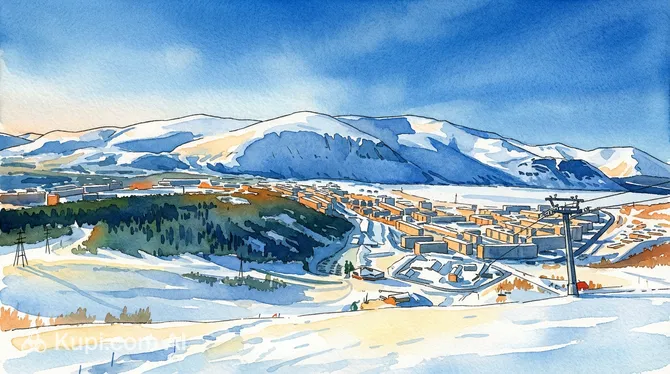
Nestled in the breathtaking Khibiny Mountains, Kirovsk is a premier destination for those seeking Arctic adventures and stunning natural landscapes. Located in the Murmansk Oblast of the Russian Federation, this city offers a unique blend of industrial heritage and world-class winter sports facilities. Despite its modest population of around 26,000 residents, it serves as a vibrant hub for tourism on the Kola Peninsula, situated well north of the Arctic Circle.

Kirovsk. Source: Kupi.Binoculars

The city is renowned for its long, snowy winters, making it a paradise for skiers and snowboarders. The famous Big Wood ski resort attracts athletes and enthusiasts from all over with its well-groomed slopes and modern infrastructure. Beyond the adrenaline of the slopes, visitors can explore the fascinating history of Kirovsk, which traces its origins to the discovery of vast apatite deposits and the subsequent development of the mining industry in the early 20th century.

For a truly magical experience, tourists should visit the Snow Village, a massive structure built entirely of snow and ice featuring intricate carvings and sculptures. Another must-see is the Polar-Alpine Botanical Garden-Institute, the northernmost botanical garden in the country, showcasing flora that thrives in the harsh northern climate. Whether you are chasing the spectacular Northern Lights or exploring the rugged mountain terrain, Kirovsk promises an unforgettable journey into the Arctic.

Weather Overview

Kirovsk experiences a subarctic climate characterized by long, cold winters and short, cool summers, typical for its location north of the Arctic Circle. Because the weather can be quite challenging, it is essential to be well-prepared with appropriate clothing. For a more detailed forecast and seasonal breakdown, you can consult the weather in Kirovsk to help plan your activities.

The winter months are the longest part of the year, with January and February being the coldest. During this time, average temperatures hover around -12.2°C, often dropping to lows of -14.4°C. While the actual volume of precipitation is low (about 2mm), there are typically 12 to 13 wet days per month, ensuring plenty of snow for the region's famous ski slopes.

Summer brings milder conditions, although it remains relatively cool. July is generally the warmest month, with an average temperature of 14.0°C and daily highs reaching up to 17.8°C. Interestingly, summer is also quite damp in terms of frequency, with August seeing up to 16 wet days, despite the precipitation volume remaining low at around 3mm.

Overall, expect cool summers with frequent light precipitation and cold, snowy winters that define the region's character.

Interesting Facts

Beyond the main slopes and industrial landscapes, Kirovsk holds fascinating secrets that surprise even seasoned travelers. From record-breaking structures to unique Arctic flora, the city offers plenty of intriguing details for the curious visitor.

  • Kirovsk is home to the Polar-Alpine Botanical Garden-Institute, which holds the title of the northernmost botanical garden in Russia and is one of the few in the world located above the Arctic Circle. It features a unique greenhouse where tropical plants thrive despite the harsh polar night outside.

  • The city is often referred to as "Hollywood beyond the Arctic Circle." Its dramatic mountain scenery and reliable snow cover have made it a favorite filming location for numerous Russian movies and TV series, serving as a backdrop for stories set in rugged, remote landscapes.

  • The Apatit Museum and Exhibition Center is housed in one of the city's most recognizable buildings, featuring a distinctive clock tower. It is dedicated to the "stone of fertility" (apatite), and the museum's collection includes over 850 mineral varieties, making it one of the most comprehensive geological displays in the region.

  • Every winter, local artists construct the "Snow Village" (Snezhnaya Derevnya), a massive labyrinth of snow and ice corridors filled with intricate sculptures. This ephemeral structure has previously been recognized by the Russian Book of Records as the largest closed building made entirely of snow.

Apatit Museum and Exhibition Center. Source: Kupi.Binoculars

How to Get There

Reaching this Arctic destination is an adventure in itself, with convenient options available by air and rail. Whether you prefer a direct flight or a scenic train ride through the snowy landscapes of the Kola Peninsula, you can find all ways to reach the city and plan your journey accordingly.

The most convenient gateway is Khibiny (IATA: KVK), also known as Khibiny Airport. It is located directly in the Kirovsk area, just 17.2 km from the city center. A taxi or shuttle from here typically takes approximately 45 minutes. For a wider range of flight connections, many travelers choose Murmansk Airport (IATA: MMK). It is situated in the city of Murmansk, about 135.5 km away. The journey from Murmansk to Kirovsk by road usually takes around 3 to 4 hours, offering stunning views of the northern wilderness along the way.

For clarity, here is a summary of the main airports:

Airport Name City Passenger Traffic Km from City
Murmansk AirportMurmanskLarge135.5
Kirkenes Airport, HøybuktmoenKirkenesMedium280.7
Ivalo AirportIvaloMedium282.8
KhibinyKirovskMedium17.2
Kuusamo AirportKuusamoSmall265.9

Traveling by train is another popular option, especially for those who enjoy the romance of the rails. The closest major railway hub is Apatity-1 Station, located approximately 13.6 km from the center of Kirovsk. From there, frequent buses and taxis connect passengers to the city in about 40 minutes. You can also arrive at Khibiny Station, which is located in the neighboring city of Apatity, roughly 20.1 km away. Both stations serve as key entry points for tourists heading to the ski slopes and mountains.

Below is a list of the nearest railway stations:

Station City Passenger Traffic Km to Center
Khibiny StationApatityMedium20.1
Polyarnye Zori Railway StationPolyarnye ZoriMedium56.9
Imandra StationMonchegorskSmall31.5
Apatity-1 StationKirovsk13.6
Olenegorsk Railway StationOlenegorsk59.9

Main Attractions

Kirovsk offers a compelling mix of natural beauty and vibrant local culture. While the city is famous for its ski slopes, there are several specific landmarks and venues that define the visitor experience, ranging from scenic lakes to welcoming restaurants and cozy gathering spots.

One of the most picturesque natural sites in the area is Bolshoy Vudyavr Lake. Surrounded by the majestic Khibiny Mountains, this lake offers breathtaking views year-round. In winter, it becomes a snowy wonderland often serving as a stunning backdrop for winter sports, while summer reveals its calm waters reflecting the rugged peaks. It is an ideal spot for photographers and nature lovers looking to immerse themselves in the serene Arctic landscape.

Bolshoy Vudyavr Lake. Source: Kupi.Binoculars

For those seeking a memorable dining experience, Gamardzhoba Georgian Cuisine is a standout destination. This restaurant is celebrated for bringing the rich and savory flavors of the south to the far north. With its warm hospitality and authentic dishes, it provides a comforting retreat where travelers can refuel and enjoy a delicious meal in a friendly setting.

After a day on the slopes or hiking trails, visitors often head to Bar Barevich to unwind. This venue is more than just a place to eat; it is a central hub for the local social scene and apres-ski culture. Known for its lively atmosphere, hearty food, and selection of drinks, it provides a cozy environment to relax and share stories of Arctic adventures with fellow travelers.

Local Cuisine

The local cuisine in Kirovsk is deeply influenced by its Arctic location, offering hearty and warming dishes designed to sustain travelers in the cold climate. A true staple of the region is reindeer meat (venison), which is known for its lean texture and rich flavor. You will often find it served as a tender steak or in a stroganoff style, typically accompanied by mashed potatoes and a generous helping of sweet-and-sour lingonberry sauce to balance the savory taste.

Thanks to the proximity of the Barents Sea, seafood also plays a major role in the local diet. Murmansk cod and halibut are fresh and widely available, often prepared on the grill or in creamy fish soups. For a special treat, visitors should try King Crab, a regional delicacy that is prized for its sweet, succulent meat. To finish your meal, look for desserts made with cloudberries, the "gold of the swamps," which are a vitamin-rich berry unique to the northern tundra.

To stay warm, locals and tourists alike enjoy traditional beverages like mors, a non-alcoholic fruit drink made from cranberries or lingonberries. Hot herbal teas, especially those brewed with Ivan-chai (fireweed), are also a popular way to defrost after a day in the snow. For those seeking a place to relax with a cocktail or a glass of wine, In Your Element provides a stylish and welcoming bar atmosphere perfect for evening socialization.

The dining scene in Kirovsk has a distinct "après-ski" character, with many establishments focusing on comfort and a cozy ambiance. Whether you are looking for a quick bite or a full dinner, you will find a range of options from casual cafes to established restaurants. Perec Restaurant is one such venue where you can enjoy a diverse menu and a friendly environment, making it a great spot to refuel after exploring the Khibiny Mountains.

Perec Restaurant. Source: Kupi.Binoculars

Travel Tips

Welcome to Kirovsk, the heart of the Khibiny Mountains! To ensure your Arctic adventure is as comfortable and seamless as possible, we have compiled a list of essential recommendations. Whether you are here for the world-class skiing or the Northern Lights, these practical tips will help you navigate the local environment like a pro.

  1. Clothing and Gear: Since Kirovsk is located above the Arctic Circle, proper layering is non-negotiable. In winter, bring high-quality thermal underwear, a windproof down jacket, and insulated, non-slip boots to handle the icy streets. If you visit in summer, the weather can still be cool and damp, so a waterproof jacket and sturdy hiking shoes are recommended. Don't forget an eye mask if you are visiting during the Midnight Sun (summer) to help you sleep, and sunglasses are a must year-round due to the glare from snow or continuous daylight.

  2. Transportation: The city is relatively compact, and the city center is walkable, but the terrain can be hilly and slippery. Taxis are the most convenient way to get around, especially with ski gear. Ride-hailing apps like Yandex Go are widely used, reliable, and overcome language barriers since you input the destination digitally. Public buses exist but may be less frequent and harder to navigate for non-Russian speakers.

  3. Finances: The local currency is the Russian Ruble (RUB). While credit card payments are standard for locals, international cards issued abroad generally do not work within the country. It is critically important to bring sufficient cash in Rubles or exchange major currencies (USD or EUR) at banks upon arrival. ATMs are plentiful, but they will likely not accept foreign cards, so cash is your safest option for restaurants, shops, and transport.

  4. Health and Safety: Kirovsk is generally a safe city for tourists. The biggest hazard is often the environment itself—beware of falling icicles from roofs and slippery sidewalks in winter. Pharmacies are marked with a green cross (sign says "Apteka"); some are open 24/7. In case of any emergency, dial 112, which is the universal emergency number.

  5. Communication: The primary language is Russian. English is not widely spoken outside of major hotels and tourist-focused ski resorts. It is highly recommended to download an offline translation app and offline maps (like Yandex Maps or 2GIS) before you arrive. Buying a local SIM card is easy at mobile shops (MTS, MegaFon, Beeline, Tele2) with your passport, ensuring you have internet access throughout your trip.

  6. Local Etiquette: Russians value hospitality but can appear reserved initially. A firm handshake is a common greeting for men. When entering a private home (and even some hostels or guesthouses), it is mandatory to remove your shoes at the door; hosts will often provide slippers. Be polite and patient in service interactions, and a simple "Spasibo" (Thank you) goes a long way.

  7. What to Avoid: Do not walk on groomed cross-country ski tracks or alpine slopes if you are just a pedestrian; this is considered rude and dangerous. Also, avoid drinking alcohol in public streets or parks, as it is prohibited by law and can attract police attention.

  8. Seasonal Insight: If you are visiting in summer (June to August), be prepared for the "mosquito season" in the tundra. High-quality insect repellent is absolutely essential if you plan to hike in the mountains or visit the botanical garden. In winter, the Polar Night means very limited daylight, so plan your outdoor sightseeing for the brief window of twilight around noon.

By keeping these tips in mind, you will be well-prepared to embrace the rugged beauty and unique culture of the Russian North. Kirovsk is a place that rewards preparation with unforgettable experiences, from the snowy peaks of the Khibiny to the warmth of local hospitality.

Entertainment & Nightlife

Kirovsk may be a small town, but its status as a premier ski destination ensures a vibrant and welcoming nightlife scene. The entertainment here is distinctively "après-ski," focusing on cozy gatherings, hearty food, and warming drinks rather than large, thumping nightclubs. The atmosphere is relaxed and friendly, with locals and tourists mingling in venues that often stay open late, especially during the peak winter season. The dress code is almost universally casual; warm sweaters and even ski pants are a common sight in local bars.

The heart of the action is concentrated around the city center, particularly along Lenin Avenue (Prospekt Lenina) and the areas surrounding the ski resort bases. For a lively evening, Bar Barevich is the undisputed local favorite. It serves as a cultural hub where skiers and snowboarders gather to discuss their day on the mountain over craft beers and burgers. The venue frequently hosts live music and DJ sets, creating a buzzing energy that defines the Kirovsk night out.

Bar Barevich. Source: Kupi.Binoculars

If you prefer a more sophisticated setting for cocktails and conversation, In Your Element is an excellent choice. This bar offers a stylish interior and a creative drink menu, making it perfect for a date night or a relaxed evening with friends. For those looking to combine a late dinner with spirited hospitality, Gamardzhoba Georgian Cuisine provides a festive atmosphere. With its generous portions and Georgian wines, it is a place where dinners often turn into long, cheerful social gatherings.

Practical advice for a night out in Kirovsk revolves largely around the weather. Evenings can be extremely cold, so dress warmly; coat checks are standard in almost every venue. The city is very safe for night walks, though icy sidewalks are a common hazard, so wear boots with good grip. Public transport stops running relatively early, so the best way to get around at night is by taxi. Apps like Yandex Go work well here, are reliable, and typically cost just a few hundred rubles for a trip across town.

While nightlife is a highlight, daytime entertainment in Kirovsk is equally engaging and diverse. Before the sun sets, visitors can explore cultural sites like the Apatit Museum and Exhibition Center, which offers fascinating interactive exhibits on the region's geology. Families and nature lovers can also enjoy the scenic beauty of Bolshoy Vudyavr Lake, or spend the day at the local ski slopes which are the town's primary attraction.

Parks & Museums

Kirovsk is not just a ski resort; it is a city with a rich scientific and industrial soul, reflected in its unique museums and green spaces. Despite the harsh climate, the city maintains beautiful botanical areas and cultural institutions that tell the story of the exploration of the Khibiny Mountains and the resilience of life in the Arctic.

The crown jewel of the city's green spaces is the Polar-Alpine Botanical Garden-Institute. As the northernmost botanical garden in Russia, it is a true scientific marvel. Visitors can explore diverse zones, including a park area near the administrative building and greenhouses filled with tropical and subtropical plants—a stark and delightful contrast to the snowy exterior in winter. The garden also encompasses a reserved territory in the mountains, offering a rare chance to see how flora adapts to the rigorous Arctic environment.

Another key natural area is the promenade and parkland surrounding Bolshoy Vudyavr Lake. While the lake is a major scenic attraction, its shores serve as a tranquil recreational park for walking, especially during the summer months when the Midnight Sun illuminates the surrounding peaks. It is the perfect spot for a leisurely stroll to admire the reflection of the mountains in the water or to enjoy a picnic with a view of the city skyline.

The most prominent cultural institution is the Apatit Museum and Exhibition Center. Housed in a landmark building with a distinctive clock tower in the city center, this modern museum is world-class. It details the geological history of the Khibiny Mountains and the development of the local mining industry. The collection of minerals is extensive and beautifully illuminated, while interactive exhibits make the complex chemistry and history accessible and engaging for visitors of all ages.

For a deeper dive into local heritage, the Kirovsk Historical and Local Lore Museum is worth a visit. It preserves the memory of the city's construction in the 1930s, the hardships of the war years, and the everyday life of the first settlers who built a city in the tundra. The exhibits include personal belongings, photographs, and dioramas that provide a human perspective on the industrial feats achieved in this remote region.

Architecturally, Kirovsk features impressive examples of Stalinist Empire style, particularly along Lenin Avenue. These grand buildings stand as monuments to the Soviet ambition of conquering the North. A more unusual historical site is the Abandoned Kirovsk Railway Station. Once a grand transport hub, it now stands as a hauntingly beautiful ruin. Its imposing columns and decaying halls attract photographers and urban explorers fascinated by the atmospheric contrast between the grand architecture and the reclaiming nature.

For an authentic cultural experience, literature lovers should note that Kirovsk was the childhood home of the famous writer Venedikt Yerofeyev. Although he was born in the nearby Kandalaksha district, he grew up in this snowy city. The local central library hosts a small museum corner dedicated to his life and works, offering a quiet and intellectual escape from the outdoor adventures.

Getting Around

Public transport in Kirovsk is relatively simple and compact, reflecting the city's small size. Since there is no metro, tram, or trolleybus system, the primary way to get around is by bus and minibus (marshrutka). These vehicles connect the city center with key residential areas, the outlying district of Kukisvumchorr (often referred to as the "25th km"), and the neighboring city of Apatity. For most tourists, the bus network is sufficient for reaching the main ski slopes, museums, and hotels.

The payment system is straightforward and traditional. While some modern buses may accept contactless bank cards, it is highly recommended to carry cash in small denominations. You typically purchase your ticket directly from a conductor on board or pay the driver upon entering or exiting, depending on the specific route. Fares are quite affordable, usually costing a modest amount for a trip within the city limits. There are no complex zone systems or travel cards specifically for tourists, so "pay-as-you-go" is the standard method.

Taxis are an extremely popular alternative and are often the most convenient choice for travelers carrying ski gear or luggage. Ride-hailing apps like Yandex Go operate reliably in Kirovsk, allowing you to book a car without needing to speak the local language. Prices are generally reasonable, and cars arrive quickly. This is especially useful in the evenings, as public transport frequency drops significantly after 9:00 PM.

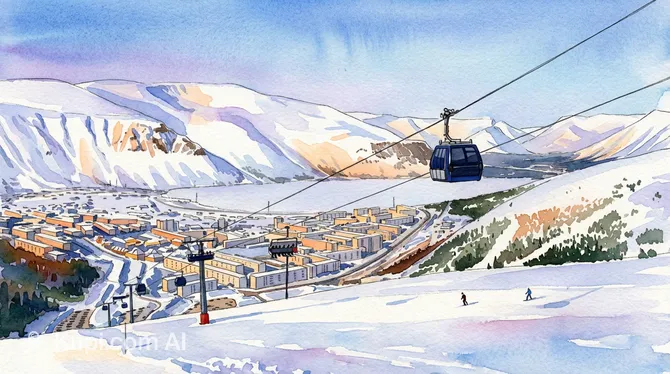
A unique feature of Kirovsk's transport infrastructure is the gondola cable car at the Big Wood ski resort. While primarily designed for skiers and snowboarders, it also serves as a scenic transportation link connecting the northern and southern slopes of the Aikuaiyechorr mountain. Riding the gondola offers a spectacular aerial view of the city and the surrounding Khibiny Mountains, making it a functional attraction for sightseers as well.

For practical planning, tourists should be aware that buses generally operate from early morning until late evening, but intervals can be long during off-peak hours. Schedules are often posted at major bus stops, and online maps (like Yandex Maps or 2GIS) are excellent tools for tracking routes and arrival times in real-time. If you plan to travel between Kirovsk and the railway station in Apatity, look for intercity buses (such as route No. 131 or 102), which run frequently throughout the day.

Accommodation

Accommodation in Kirovsk is primarily designed to cater to outdoor enthusiasts, particularly skiers and snowboarders visiting the Khibiny Mountains. The city does not boast large international luxury chains; instead, it offers a cozy selection of local hotels, Soviet-style sanatoriums, modern hostels, and a vast market of short-term rental apartments. The focus here is often on practicality, warmth, and proximity to the slopes rather than opulence.

Popular Areas to Stay

When choosing where to stay, location is key depending on your transport plans and interests. The City Center is the most convenient area for first-time visitors. Staying here puts you within walking distance of grocery stores, cafes, and cultural sights like the Apatit Museum and Exhibition Center. It is also located very close to the "North" slope of the Big Wood ski resort, making it easy to access the lifts.

Another distinct area is the Kukisvumchorr district (often referred to as the "25th km"). Located a bit further from the main center, this neighborhood is ideal for freeriders and travelers looking for a quieter, more budget-friendly experience. It has its own ski slope and a laid-back atmosphere, though you will generally need to take a bus or taxi to reach the main city restaurants. For those seeking scenic views, looking for accommodation near Bolshoy Vudyavr Lake is a great option, offering beautiful vistas of the water and the surrounding mountain peaks.

Booking Tips and Prices

Demand for accommodation skyrockets during the peak winter season, particularly around the New Year holidays (late December to mid-January) and the spring ski season (March and April). It is highly recommended to book at least two to three months in advance to secure good quality lodging at a reasonable price. If you plan to visit during these times without a reservation, finding a place to stay can be extremely difficult.

Prices are generally mid-range, though they vary significantly by season. Hostels and older apartments offer the most affordable rates for budget travelers. Standard local hotels and renovated rental apartments fall into the mid-range category. Since many international booking platforms may not list all local options, travelers often rely on local booking sites or rent private apartments directly from owners, which is a very common and comfortable practice in the region.

Nearby Cities

For those looking to explore the surroundings, Kirovsk serves as an excellent base for day trips to several interesting nearby locations. The region offers a mix of industrial history, scientific significance, and breathtaking natural beauty within a reasonable driving distance.

Apatity is the closest neighbor, located just 13 km away. As the scientific center of the Kola Peninsula, it offers a quieter atmosphere and serves as the main transport gateway to the Khibiny Mountains. Further afield, Monchegorsk (49 km) is known as the "City of Beautiful Lakes." It is situated on the shores of Lake Imandra and is a great spot for those who appreciate scenic waterfronts and parks. For a more urban experience, the regional capital, Murmansk, lies about 153 km to the north. As the largest city north of the Arctic Circle, it features major landmarks such as the nuclear icebreaker "Lenin" and the impressive Alyosha monument.

City Population Distance (km)
Murmansk 298,096 153
Apatity 55,713 13
Severomorsk 51,209 163
Chkalovsky 42,600 147
Monchegorsk 42,099 49

These nearby destinations offer a glimpse into the diverse culture and landscapes of the region, allowing travelers to broaden their Arctic experience beyond the ski slopes.

Shopping & Souvenirs

Shopping in Kirovsk is a low-key but rewarding experience, primarily focused on unique local souvenirs and practical necessities rather than high-end fashion or sprawling retail complexes. As a small industrial and resort town, the retail scene is functional and compact. Visitors will mostly find small specialized stores, supermarkets, and souvenir shops that highlight the region’s geological treasures and Arctic location. The best purchases here are those that reflect the character of the Kola Peninsula, from rare minerals to delicious northern delicacies.

The city's main commercial artery is Lenin Avenue (Prospekt Lenina). A stroll along this central street reveals a variety of small shops selling clothing, sports equipment, and electronics. It is the most convenient place to find pharmacies, banks, and grocery stores. For winter sports enthusiasts, there are several specialized retailers offering ski and snowboard gear, which is particularly useful if you need to replace equipment or buy warm accessories for the slopes.

While Kirovsk does not have massive megamalls, it does feature smaller shopping centers that serve the local community. The most prominent is the Olimp Shopping Center, located on Olimpiyskaya Street. It houses a mix of clothing boutiques, a supermarket, and stores selling household goods. It provides a warm and convenient refuge where you can pick up daily essentials or browse for simple gifts without venturing too far from the main accommodation areas.

The most iconic souvenirs from Kirovsk are undoubtedly minerals and stones. Given the city's mining heritage, stones like apatite and the rare, vibrant red eudialyte (often called "Sami blood") are popular keepsakes. One of the best places to purchase authentic stone carvings, jewelry, and raw mineral samples is the gift shop at the Apatit Museum and Exhibition Center. Here, you can be assured of the quality and origin of the stones, making for a meaningful memento of the Khibiny Mountains.

Food lovers should look for edible souvenirs that capture the flavors of the North. Local grocery stores and specialty shops often stock cloudberry products, such as jams and sauces, which are rich in vitamins and have a unique sweet-tart taste. Reindeer meat snacks, including dried chips or sausages, are another regional specialty worth trying. Additionally, due to the proximity to the Barents Sea, you can find excellent smoked or dried fish, such as halibut and ersh, which travel well and make for great gifts.

Most shops in Kirovsk operate daily, typically opening around 10:00 AM and closing by 9:00 PM or 10:00 PM. Major grocery chains often stay open later, sometimes until 11:00 PM or even 24/7. Payment is generally straightforward; the national currency is the Russian Ruble (RUB). While credit cards are widely accepted in supermarkets and larger stores, it is advisable to carry some cash for smaller souvenir stalls or local markets. Tax-free shopping is generally not available or widely practiced in this region, so tourists should not expect VAT refunds on their purchases.
Reached the end of the page?

That means the route is fully explored