Support

Murmansk

About

Murmansk is a destination that truly defines the spirit of the North, offering a unique travel experience as the largest city in the world located north of the Arctic Circle. Often referred to as the "Gateway to the Arctic," this city possesses a rugged beauty and a distinct atmosphere that captivates adventurers looking for something beyond the ordinary. It serves as a vital port and a cultural hub on the rocky shores of the Kola Bay, surrounded by the stark landscapes of the tundra.

Geographically, the city is situated in the far northwest of the Russian Federation, on the Kola Peninsula. Despite its high latitude, the climate is moderated by the warm currents of the Gulf Stream, which keeps the port ice-free year-round—a feature that has defined its existence. With a population of approximately 300,000 people, it is a bustling urban center where modern life coexists with the extreme natural phenomena of the polar regions, including the mesmerizing Northern Lights in winter and the endless daylight of the Midnight Sun in summer.

Although it is a relatively young city founded in the early 20th century, the history of Murmansk is rich and resilient, deeply intertwined with maritime exploration and heroic endurance. The city's layout and monuments reflect its strategic importance and the determination of its inhabitants living in such a challenging environment.
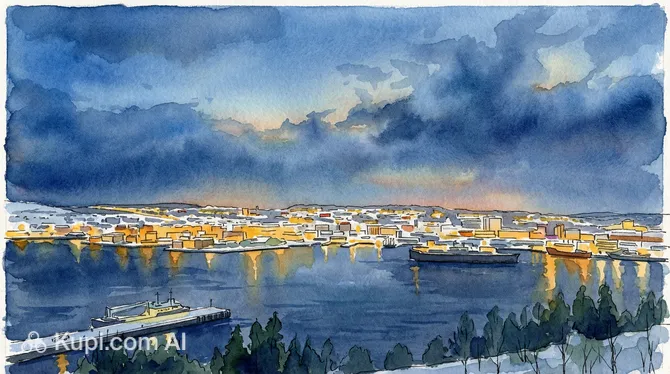
Murmansk. Source: Kupi.Binoculars

Visitors are drawn to several iconic landmarks that highlight the city's character. The Nuclear Icebreaker "Lenin", the world's first surface vessel powered by nuclear energy, is now permanently docked here as a fascinating museum. Another must-see is the towering Alyosha Monument, dedicated to the Defenders of the Soviet Arctic, which stands on a high hill offering panoramic views of the city and the bay. Additionally, the surrounding region offers incredible opportunities for nature tourism, from chasing the Aurora Borealis to exploring the stark beauty of the nearby Teriberka coast.

Whether you are fascinated by naval engineering, eager to witness the dance of the polar lights, or simply wish to stand at the edge of the vast Arctic Ocean, Murmansk offers a warm welcome in a cold climate. It is a place where the grandeur of nature meets human ingenuity, inviting you to discover the magic of the polar north.
Weather Overview

Murmansk experiences a subarctic climate that is characteristically cold, though often moderated by the nearby ice-free waters. Travelers should be prepared for long, freezing winters where average temperatures in January hover around -10.5°C, with minimums dipping to -13.2°C. The city transforms during the short summer season, particularly in July, when the average temperature rises to a pleasant 14.4°C, with daily highs reaching up to 18.4°C.

Precipitation is a constant companion throughout the year, characterized by frequent but often light rainfall or snow. May tends to be the wettest month in terms of frequency, seeing up to 16 wet days, although the overall accumulation remains quite low. To help you pack the right gear for your trip, it is recommended to check the detailed forecast for the weather in Murmansk before you depart. Generally, you can expect cool summers with regular cloudy intervals and cold winters that require warm thermal clothing.

Interesting Facts

Beyond the famous northern lights and snow-covered hills, Murmansk holds many fascinating secrets and unique records that surprise even seasoned travelers. Here are some intriguing details about the largest city north of the Arctic Circle.
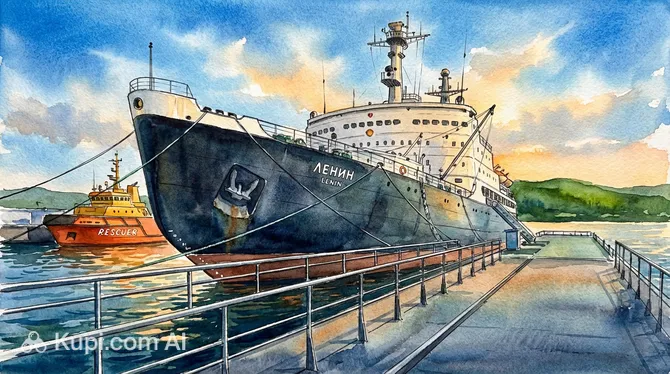
Lenin Nuclear Icebreaker. Source: Kupi.Binoculars
  • The city is the final resting place of a technological marvel, the Lenin Nuclear Icebreaker. Launched in 1957, it was the world's first surface vessel powered by nuclear energy and served for 30 years before being converted into a captivating museum docked permanently in the port.

  • Local urban legends are celebrated here, most notably with the Monument to the Cat Semion. The bronze statue honors a Siamese cat who, according to local stories, walked over 2,000 kilometers from Moscow back to Murmansk to reunite with his owners, a journey that reportedly took more than six years.

  • The city skyline features the Hotel Arktika, which dominates Five Corners Square. Standing at 72 meters tall, it holds the title of the tallest building north of the Arctic Circle, symbolizing urban resilience in the far north.

  • Residents have a deep appreciation for maritime life, best exemplified by the Monument to the Codfish. This humble fish is credited with saving the city from starvation during harsh times, and the sculpture weighs exactly 32 kilograms—representing the weight of the largest cod ever caught in the region.

How to Get There

Reaching the largest city in the Arctic Circle is an adventure in itself, with several convenient transport options available for travelers. For a comprehensive guide on planning your journey, you can read more about how to get to Murmansk and choose the route that best suits your itinerary. The city is well-connected by air and rail, serving as a major transport hub for the region.

The primary entry point for most visitors is Murmansk Airport (IATA: MMK), located approximately 25 km from the city center. It is a busy regional hub handling over 1.4 million passengers annually, with regular flights connecting to Moscow, St. Petersburg, and other major cities. A trip from the airport to downtown by taxi or bus typically takes around 60 minutes. For travelers approaching from the Norwegian side of the border, Kirkenes Airport, Høybuktmoen (IATA: KKN) in the city of Kirkenes is a significant option, situated about 151 km away. Another alternative within the region is Khibiny (IATA: KVK) in Kirovsk, located roughly 170 km to the south, which is particularly popular during the ski season.

For clarity, here is a summary of the main airports serving the area:

Airport Name City Passenger Traffic Km from City
Murmansk Airport Murmansk High 25.3
Kirkenes Airport, Høybuktmoen Kirkenes Medium 151.2
Khibiny Kirovsk Medium 169.7
Vardoe Airport Vardo Low 173.3
Batsfjord Airport Batsfjord Low 223.8

For those who prefer a scenic journey through the northern landscapes, traveling by train is a classic choice. The Murmansk Railway Station is the northernmost passenger railway station in the world and is conveniently located just 0.7 km from the city center, making it incredibly accessible. Trains arrive here daily from central Russia, offering a unique view of the changing terrain. Alternatively, you can arrive at the Kola Railway Station in the nearby town of Kola, which is about 9.5 km away. From Kola, a short taxi or bus ride of approximately 35 minutes will bring you into the heart of Murmansk.

Below is a list of the nearest railway stations:

Station City Passenger Traffic Km to Center
Khibiny Station Apatity Medium 145.1
Imandra Station Monchegorsk Small 125.2
Murmansk Railway Station Murmansk 0.7
Kola Railway Station Kola 9.5
Olenegorsk Railway Station Olenegorsk 93.8

Main Attractions

Murmansk offers a compelling mix of Soviet-era grandeur, maritime history, and Arctic nature. As the largest city north of the Arctic Circle, its landmarks tell stories of resilience and exploration. Here are some of the key places that define the character of this unique destination.

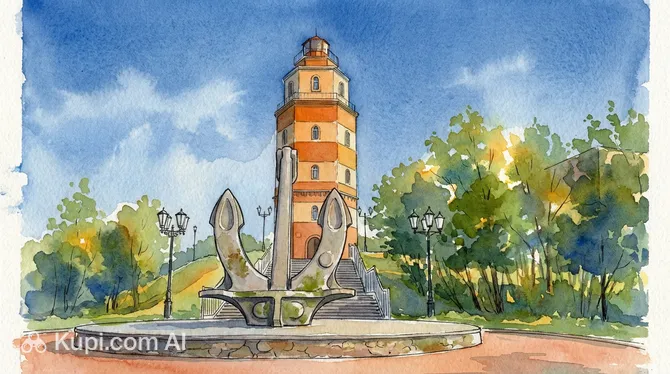
One of the most iconic symbols of the region is the Alyosha Monument. Standing tall on a hill overlooking the Kola Bay, this 35.5-meter concrete statue is dedicated to the Defenders of the Soviet Arctic during the Second World War. It is the second-tallest statue in Russia and serves as a solemn memorial. Tourists flock here not only to pay their respects but also to enjoy one of the best panoramic views of the city, the busy port, and the surrounding fjords, especially under the Midnight Sun or the Northern Lights.

Alyosha Monument. Source: Kupi.Binoculars

For a deeper dive into the region's heritage, the Murmansk Regional Museum of Local Lore is an essential stop. Founded in 1926, it is the oldest museum in the area and offers extensive exhibits ranging from the unique geology of the Kola Peninsula to the rich culture of the indigenous Sami people. Visitors are particularly fascinated by the dioramas of Arctic wildlife and the displays chronicling the heroic history of the polar convoys and icebreaker fleets.

Murmansk Regional Museum of Local Lore. Source: Kupi.Binoculars

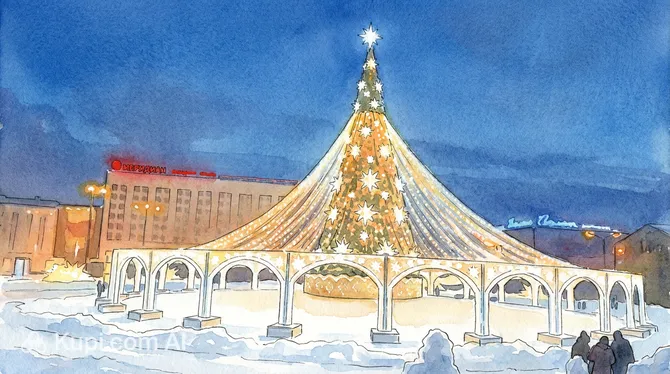
The heart of urban life in Murmansk is Five Corners Square. This central plaza is the city's main gathering place, surrounded by significant architectural landmarks, including the imposing Hotel Arktika, which is the tallest building north of the Arctic Circle. It is a vibrant spot where major holidays are celebrated, and it serves as a perfect starting point for walking tours. In winter, the square is beautifully illuminated, creating a festive atmosphere amidst the polar night.

Five Corners Square. Source: Kupi.Binoculars

A poignant tribute to modern maritime history can be found at the Conning Tower of the Nuclear Submarine Kursk. Located near the Church of the Savior on Waters, this memorial features the actual deck cabin of the submarine that was tragically lost in the Barents Sea. It is part of a larger complex dedicated to sailors who died in peacetime. The site offers a quiet place for reflection and honors the bravery of those who serve in the harsh conditions of the northern seas.

Conning Tower of the Nuclear Submarine Kursk. Source: Kupi.Binoculars

Local Cuisine

The culinary scene in Murmansk is a fascinating reflection of its harsh yet bountiful environment, giving rise to a style often referred to as Arctic Cuisine. Located on the shores of the Barents Sea, the city is a paradise for seafood lovers. The cold, deep waters yield some of the freshest catch imaginable, with cod being a local staple that is so revered it has its own monument in the city. However, the true star of the local menu is the Kamchatka crab (King crab), which thrives in these northern waters. Visitors can enjoy delicate crab meat served in various forms, from simple boiled legs to sophisticated salads and creamy soups. Other marine delicacies like sea urchins, scallops, and halibut are also widely available and prized for their quality.

Beyond seafood, the region's gastronomy is heavily influenced by the traditions of the indigenous Sami people. Reindeer meat (venison) is a must-try specialty, celebrated for its lean texture and rich flavor. It is prepared in numerous ways, including tender steaks, hearty stews, or dried jerky (chips) which makes for a great snack. To complement these savory dishes, locals rely on the "gold of the swamps"—cloudberries. These tart, amber-colored berries are packed with vitamins and are typically served as jams, sauces for meat, or in desserts.

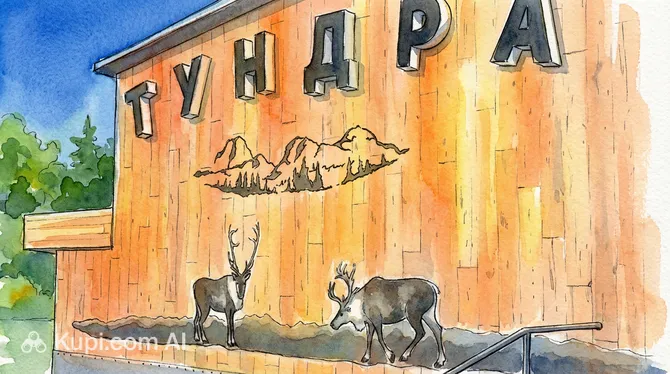
To experience the authentic flavors of the north, many travelers head to Tundra Grill & Bar. This popular establishment is known for its open kitchen and a menu that highlights regional ingredients, allowing you to taste everything from grilled venison to fresh seafood in a stylish, rustic setting.

Tundra Grill & Bar. Source: Kupi.Binoculars

When it comes to drinks, the focus is often on warming up. Hot teas brewed with local herbs, lingonberries, or cloudberries are perfect for combating the Arctic chill. For something stronger, you might encounter local berry tinctures or craft beers. The city has a vibrant pub culture that provides a cozy refuge from the polar weather. Places like Harat's Irish Pub and the Bulldog Pub offer a lively atmosphere where tourists can mingle with locals over a pint and hearty European or Russian snacks.

Travel Tips

Visiting the largest city north of the Arctic Circle is an unforgettable adventure, but the extreme environment requires a bit of extra preparation. To help you make the most of your journey to Murmansk, here are some practical tips to ensure your trip is safe, comfortable, and full of great memories.

  1. Dress in Layers for the Arctic Climate. The weather in Murmansk can change rapidly, and the wind chill often makes it feel colder than the thermometer reads. Your best strategy is the "layering system": start with thermal underwear, add a fleece or wool middle layer, and top it off with a windproof and waterproof down jacket. Accessories are just as important—bring a warm hat, scarf, and insulated gloves. Since sidewalks can be icy, especially in winter and spring, wear sturdy boots with non-slip soles or buy attachable ice cleats (crampons) for better traction.

  2. Navigate with Public Transport and Taxi Apps. Getting around the city is quite easy and affordable. Murmansk has a reliable network of trolleybuses and buses that cover most districts, as well as "marshrutkas" (minibuses) for faster travel. For convenience, especially in cold weather, ride-hailing apps like Yandex Go are widely used and often easier than hailing a cab on the street. If you plan to visit remote areas like Teriberka, hiring a local driver or joining a tour is safer than renting a car, as winter road conditions can be treacherous for inexperienced drivers.

  3. Manage Your Finances Wisely. The official currency is the Russian Ruble (RUB). While card payments are widespread in shops and restaurants, cards issued by foreign banks may not work due to international payment network restrictions. It is highly recommended to bring sufficient cash in US Dollars or Euros to exchange at local banks upon arrival, or check if your card provider supports transactions in the Russian Federation. Always carry some cash for small purchases, public transport, or tips.

  4. Prioritize Safety on Icy Streets. Murmansk is generally a safe city for tourists, but the biggest hazard is often the environment itself. In winter, snow and ice falling from roofs can be dangerous, so pay attention to warning signs and barriers on sidewalks. Pharmacies, marked with a green cross and the word "Apteka" (Аптека), are common, and many operate 24/7. If you visit during the Polar Night (December to January), consider taking Vitamin D supplements to keep your energy levels up.

  5. Overcome the Language Barrier. While staff in major hotels and tour agencies often speak English, it is not widely spoken by the general public or taxi drivers. It is very helpful to learn the Cyrillic alphabet to read street names and bus signs. Download an offline translation app and an offline map (like 2GIS or Maps.me) before you arrive. Learning a few basic phrases like "Privet" (Hello) and "Spasibo" (Thank you) will also go a long way in breaking the ice with locals.

  6. Respect Local Customs and History. When entering someone's home, always remove your shoes; hosts will usually provide slippers. In public, Russians can appear reserved, but they are generally warm and helpful once you engage with them. Murmansk is a "Hero City" with a proud military history, so show respect when visiting war memorials like the Alyosha monument—avoid loud behavior or climbing on the structures.

  7. Be Careful with Photography. As a strategic port and border region, Murmansk has strict regulations regarding photography in certain areas. Avoid taking pictures of military personnel, border checkpoints, naval vessels, or secure port facilities. If you are unsure whether a building or object is restricted, it is safer to ask for permission or keep your camera away to avoid any misunderstandings with authorities.

  8. Chase the Northern Lights with an App. If your main goal is to see the Aurora Borealis, don't rely solely on luck. Download an aurora forecast app to track solar activity and cloud cover in real-time. Additionally, keep in mind that the lights are best seen away from the city's light pollution, so plan to book a "hunting" tour where experienced guides will drive you to the clearest skies in the region.

By keeping these practical tips in mind, you will be well-equipped to handle the unique challenges of the North while enjoying its incredible beauty. Murmansk is a place that rewards the prepared traveler, offering a warm and hospitable experience despite the frosty latitude.

Entertainment & Nightlife

Despite its location in the far north, Murmansk boasts a vibrant and warming entertainment scene that defies the freezing temperatures outside. The city's nightlife is heavily influenced by its unique seasonal cycles. During the "White Nights" of summer, when the sun never sets, the energy in the streets remains high well into the early morning hours. Conversely, during the long Polar Night, the city's bars, clubs, and lounges become cozy sanctuaries where locals and travelers gather to socialize and escape the dark, icy winter.

The epicenter of evening activity is concentrated in the city center, particularly around Lenin Avenue (Prospekt Lenina) and the area surrounding Five Corners Square. This district is walkable and illuminated, making it easy to hop from one venue to another. The atmosphere is generally casual and unpretentious; you won't need a strict formal dress code for most places, though "smart casual" is always a safe bet. The crowd is a mix of friendly locals, sailors, and tourists, creating a welcoming vibe for visitors.

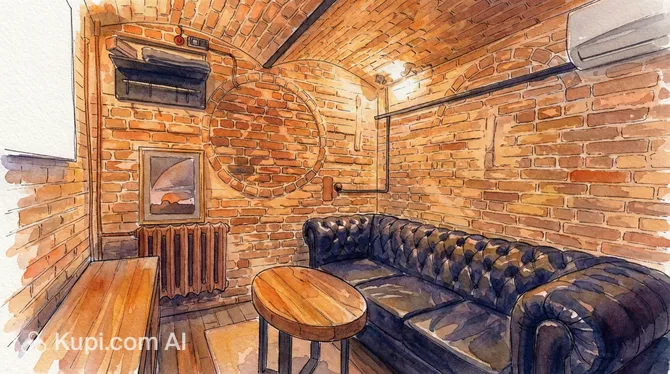
For those looking to unwind in a relaxed setting, Hookah 1916 is a popular choice. It offers a laid-back lounge atmosphere perfect for conversation and relaxation after a day of Arctic exploration. The venue is known for its comfortable seating and extensive menu of teas and blends, making it a great spot to warm up.

Hookah 1916. Source: Kupi.Binoculars

If you are in the mood for something more energetic and festive, Amigos Bar & Grill brings a touch of Latin American heat to the Arctic. This venue is well-regarded for its lively music, hearty portions of Tex-Mex cuisine, and a wide selection of drinks. It is a fantastic place to start a night out with friends, offering a stark and fun contrast to the snowy streets outside.

Amigos Bar & Grill. Source: Kupi.Binoculars

Practical Tips for Nightlife: Most bars and clubs are open until late, with weekends seeing action until 4:00 AM or later. Prices in Murmansk are generally lower than in Moscow or St. Petersburg, offering good value for money. In terms of safety, the central districts are well-patrolled and safe for walking, but due to the icy conditions and cold, it is highly recommended to use taxi apps like Yandex Go to move between venues rather than walking long distances at night.

Beyond the nightlife, Murmansk offers engaging daytime entertainment options. For families or those seeking outdoor fun, the Naidenov Cultural and Park Complex is a delightful destination. It features amusement rides and walking paths, providing a cheerful atmosphere that is particularly enjoyable during the milder months or snowy winter holidays.

Naidenov Cultural and Park Complex. Source: Kupi.Binoculars

Animal lovers should not miss the unique Enotopolis, a specialized zoo where visitors can interact with raccoons, offering a heartwarming experience that is quite distinct from typical wildlife viewing. Additionally, the Murmansk Oceanarium remains a notable landmark for marine life enthusiasts. For a more modern urban experience, the Murmansk Mall serves as a comprehensive entertainment hub, housing a cinema, food court, and various shops, making it a perfect refuge on particularly cold days.

Parks & Museums

While Murmansk is famous for its industrial might and icy waters, the city also offers serene green spaces and profound cultural institutions that preserve the memory of the Arctic. Beyond the bustling port, visitors can find quiet areas for reflection, scenic walks, and galleries that showcase the artistic and historical depth of the Kola Peninsula.

One of the most beloved recreational areas for locals is Lake Semyonovskoye. Located in the heart of the city, this natural freshwater lake serves as a central hub for outdoor leisure year-round. In the summer, the lake is perfect for boating and leisurely strolls along the promenade, while winter transforms it into a snowy wonderland for ice skating and cross-country skiing. The surrounding area is a mix of manicured paths and rugged northern nature, offering a breath of fresh air without leaving the urban limits.

Overlooking the Kola Bay, not far from the lake, stands the poignant Waiting Woman Sculpture. This emotive monument is dedicated to the wives and families of sailors, symbolizing patience, love, and the anxiety of those who wait on the shore. It is a touching site that resonates deeply in a city defined by the sea, and the location offers a sweeping view of the harbor where ships return home.

Waiting Woman Sculpture. Source: Kupi.Binoculars

For those interested in the artistic heritage of the region, the Murmansk Regional Art Museum is a key cultural venue. Housed in one of the city's oldest stone buildings, it features an impressive collection of paintings, graphics, and sculptures, with a special focus on works by northern artists who capture the unique light and landscapes of the Arctic. Another essential stop for history buffs is the Naval Museum of the Northern Fleet. Although technically a military museum, it provides a fascinating look into the maritime defense of the region, featuring exhibits on submarines, naval aviation, and the heroic convoys of World War II.

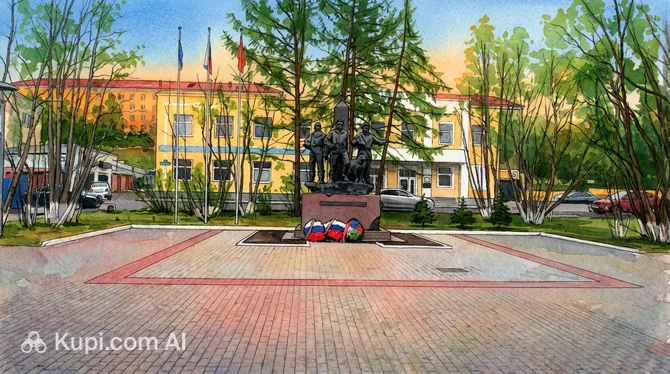
Scattered throughout the city are monuments that tell the story of the region's resilience. The Monument to the Border Guards of the Arctic is a striking tribute to the soldiers who protected the northern frontiers. The composition, which includes figures of border guards and a faithful service dog, honors the bravery required to secure such an unforgiving landscape. It is a place of remembrance that highlights the strategic importance of the Kola Peninsula.

Monument to the Border Guards of the Arctic. Source: Kupi.Binoculars

Insider Tip: To experience the raw nature of the tundra without traveling far, take a short hike up the hills (sopkas) surrounding the city, such as the area near the Solnechnaya Gorka district. From here, you can enjoy wild blueberries in late summer and witness a stunning, unobstructed view of the city and the bay, which is particularly magical during the Golden Hour or under the Midnight Sun.

Getting Around

Public transport in Murmansk is well-developed and reliable, serving as a vital lifeline for residents and visitors alike, especially during the harsh winter months. While the city does not have a metro system, it boasts an extensive network of trolleybuses and buses that connect the city center with outlying districts. A unique feature of the local infrastructure is that Murmansk is home to the northernmost trolleybus system in the world. These electric vehicles are the backbone of the city's transit, running frequently along the main avenues. Supplementing the large municipal vehicles are marshrutkas (minibuses), which are generally faster and stop on demand, offering a convenient way to reach specific destinations quickly.

The payment system is designed to be simple and user-friendly. In most large buses and trolleybuses, a conductor will approach you shortly after you board to collect the fare. You can pay using cash or a contactless bank card. If you take a minibus (marshrutka), you typically pay the driver directly upon entering or exiting, depending on the specific route's custom. The cost of a single trip is quite affordable, usually around 40 RUB. While travel passes like the ARTA transport card exist for locals, for short-term tourists, paying per ride with cash or a card is the most practical option. It is highly recommended to carry some small cash, as card terminals in smaller minibuses may occasionally be offline.

Public transport generally operates from approximately 6:00 AM to midnight. During peak hours, intervals between vehicles on main routes are short, often just 5 to 10 minutes, though waiting times can increase late in the evening. For tourists, navigating the system is made easier by using mobile map applications like 2GIS or Yandex Maps, which allow you to track vehicle locations in real-time and plan the best route. Since stop announcements and signs are predominantly in the local language, following your progress on a GPS-enabled map is the best way to ensure you get off at the right stop.

For those who prefer more comfort or need to travel late at night, taxis are a very popular and inexpensive alternative. Ride-hailing apps like Yandex Go are widely used and convenient, as they remove the language barrier by allowing you to set your destination digitally. While car-sharing services are available, driving in Murmansk requires experience with steep hills and icy roads, so a taxi is often the safer choice for visitors. Additionally, the city center is compact and walkable, allowing you to explore key sights on foot, provided you have sturdy, non-slip footwear.

Accommodation

Finding the right place to stay in Murmansk is an essential part of planning your Arctic adventure. The city offers a diverse range of accommodation options that cater to various budgets and travel styles. While you won't find an abundance of ultra-luxury international chains, there is a solid selection of reliable mid-range hotels, many of which are housed in renovated Soviet-era buildings that offer modern comfort. For budget-conscious travelers and backpackers, the city has a growing number of friendly hostels. Additionally, renting private apartments has become an increasingly popular and convenient choice, providing a "home away from home" experience with kitchen facilities.

When it comes to choosing a location, the most convenient area for tourists is undoubtedly the city center, particularly the Oktyabrsky District. Staying near the central Lenin Avenue or the iconic Five Corners Square places you within walking distance of major transport hubs, museums, and the best restaurants. This area is the heartbeat of the city, making it easy to catch a bus to the port or arrange a pickup for a Northern Lights tour. The proximity to the railway station is also a significant advantage for those arriving by train.

Booking Tip: Murmansk is a seasonal destination with two distinct peaks. The winter months (December to March) attract crowds chasing the Aurora Borealis, while the summer months (June and July) draw visitors for the Midnight Sun. During these periods, the best hotels and apartments fill up very quickly. It is highly recommended to book your accommodation at least two to three months in advance to secure your preferred spot and avoid inflated last-minute prices.

In terms of pricing, accommodation in Murmansk is generally more affordable than in Moscow or St. Petersburg, though rates can spike during the New Year holidays. A standard double room in a mid-range hotel is typically reasonably priced, while hostels offer excellent value for solo travelers. Most properties can be easily booked through major online travel platforms or Russian booking aggregators. Whether you choose a hotel with a panoramic view of the port or a cozy downtown apartment, you will find a warm welcome in the cold north.

Nearby Cities

For those looking to explore the surroundings, Murmansk serves as an excellent base for day trips to several interesting nearby locations.

Severomorsk, located just a short distance along the bay, is widely known as the main administrative base of the Russian Northern Fleet. While it is a closed city that typically requires a special pass for entry, it remains a significant neighbor rich in naval history and maritime heritage, defining much of the area's character.

Further south lies Monchegorsk, a scenic town often referred to as the "City of Beautiful Lakes." Nestled on the shores of Lake Imandra and surrounded by rolling hills, it offers a picturesque setting for nature walks and is a gateway to the Lapland Biosphere Reserve, making it a refreshing contrast to the rugged coast.

Apatity is another key destination, serving as the primary transport hub for the Khibiny Mountains. It attracts outdoor enthusiasts year-round, offering access to world-class skiing in the winter and breathtaking hiking trails during the summer months, providing a perfect introduction to the Arctic's mountainous terrain.

City Population Distance (km)
Apatity 55713 157
Severomorsk 51209 17
Chkalovsky 42600 299
Monchegorsk 42099 115
Kandalaksha 31329 205

These nearby destinations offer a glimpse into the diverse culture and landscapes of the region.

Shopping & Souvenirs

Shopping in Murmansk offers a unique blend of modern convenience and authentic northern flavor. While the city may not be a global fashion capital, it is an excellent place to purchase high-quality winter gear, outdoor equipment, and distinct regional products that you won't find anywhere else. Visitors can explore everything from large, contemporary shopping centers to small specialty boutiques that highlight the richness of the Arctic environment, particularly its culinary treasures and mineral wealth.

The main artery for shopping and strolling is Lenin Avenue (Prospekt Lenina). This central street runs through the heart of the city and is lined with a variety of shops, banks, and souvenir stores. Walking along this avenue allows you to soak in the city's architecture while browsing for local handicrafts, books, and jewelry. It is a convenient starting point for any shopping expedition, connecting several key districts and offering easy access to cafes where you can take a warm break.

For a comprehensive modern shopping experience, the Murmansk Mall is the premier destination. As the northernmost world-class shopping and entertainment center, it houses a wide array of international and Russian brands, a cinema, and a food court. It is the perfect place to find clothing suitable for the harsh climate or simply to enjoy a comfortable indoor environment on a cold day.

Murmansk Mall. Source: Kupi.Binoculars

To truly understand the local lifestyle, a visit to the city's markets is essential. The Central Market is a favorite among locals, especially for food. Here, the bounty of the Barents Sea is on full display. You can find an impressive selection of fresh, smoked, and dried fish, including the famous Murmansk halibut and cod liver. It is also a great spot to buy fresh berries and other seasonal produce directly from regional vendors.

When it comes to souvenirs, Murmansk offers items that reflect its rugged nature and indigenous heritage. The most popular edible gifts are cloudberry jam, often called "Arctic gold," and dried reindeer meat (venison chips), which make for unique and tasty snacks. For lasting keepsakes, look for handicrafts made from reindeer antlers or leather, often crafted in the traditional style of the indigenous Sami people. Additionally, the Kola Peninsula is rich in minerals, so jewelry made from local stones like amethyst and apatite is both beautiful and meaningful.

Most major shops and shopping centers operate daily, typically opening around 10:00 AM and closing at 10:00 PM. Smaller boutiques and street shops may close earlier, usually around 7:00 PM or 8:00 PM. Payment by credit or debit card is widely accepted in malls, supermarkets, and restaurants. However, if you plan to visit outdoor markets or small souvenir kiosks, it is advisable to carry some cash in Russian Rubles.

Tourists visiting from abroad may be eligible for a Tax-Free refund on purchases made at authorized retailers. Look for the "Tax Free" signage in store windows, which indicates participation in the VAT refund scheme for international travelers. To claim this, you will need to spend a minimum amount and present your passport at the checkout to receive the necessary forms for customs validation upon your departure.

Reached the end of the page?

That means the route is fully explored