Support

Kirkenes

About

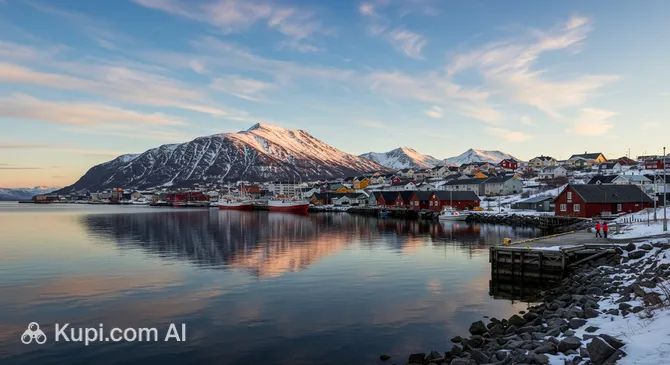
Situated roughly 400 kilometers north of the Arctic Circle, Kirkenes offers a truly distinct travel experience in the northeastern corner of Norway. Despite its modest population of around 3,500 residents, this town in the Finnmark region serves as a vibrant crossroads of cultures, located geographically close to both the Russian and Finnish borders. It is often referred to as the gateway to the Barents Sea, celebrated for its rugged landscapes and unique arctic atmosphere.

Kirkenes. Source: Kupi.Binoculars

The climate here defines the lifestyle, shifting between the magical Midnight Sun in summer, where the sun never sets for two months, and the mysterious Polar Night in winter, which provides a perfect backdrop for hunting the Northern Lights. To fully appreciate how this remote outpost evolved from a simple mining community into a modern destination, exploring the history of Kirkenes is highly recommended. The town's heritage is deeply intertwined with the iron ore industry and its resilience through turbulent times.

Travelers are drawn to Kirkenes for its exceptional nature-based activities. The famous Snowhotel Kirkenes is a highlight, allowing guests to sleep in rooms intricately carved from ice and snow. Another signature experience is the King Crab Safari, where visitors can head out onto the fjord to catch and feast on these giant delicacies. Whether you are seeking winter adventures or a peaceful summer retreat, Kirkenes invites you to discover life at the top of the world.

Weather Overview

Located in the far north, the town experiences a subarctic climate defined by distinct seasonal contrasts. To pack appropriately for your trip, it is helpful to review the current weather in Kirkenes, as conditions can shift rapidly. Generally, the region sees long, freezing winters and short, mild summers.

January is typically the coldest month, with average temperatures dropping to -9.9°C and minimums reaching -12.7°C. As the seasons change, May brings a thaw with averages climbing to 4.2°C. Summer peaks in July, which is the warmest time of year, offering an average temperature of 13.5°C and maximum highs around 17.0°C. By November, the cold returns, with averages falling back to -3.8°C.

Expect cool summers with frequent wet days and cold, crisp winters. While precipitation volumes are recorded as low throughout the year, the number of wet days remains consistent, ranging from about 9 days in November to 15 days in May and August.

Interesting Facts

Beyond the main attractions, Kirkenes holds many fascinating secrets related to its extreme location and resilient history. Here are some surprising facts about this unique Arctic outpost:

  • A Geographical Anomaly: Although it is part of Norway, Kirkenes is located further east than most of Finland and even further east than Istanbul, Turkey.

  • Time Zone Quirks: Because of its longitude, the town is geographically situated to the east of most Finnish territory, yet it operates on Norwegian time. This creates a curious situation where traveling west into Finland actually requires setting your clock forward by one hour.

  • Bilingual Identity: Reflecting its position as a border town, Kirkenes is one of the few places in the country where you will commonly see street signs and shop displays written in both the Latin and Cyrillic alphabets.

  • Rebuilt from Ashes: During World War II, the town was among the most heavily bombed places in Europe. As a result, almost no pre-war wooden architecture remains, and the town was completely rebuilt in a distinct post-war style.

How to Get There

Reaching this unique Arctic destination is an adventure in itself, with air travel being the most efficient method for most visitors. For a comprehensive overview of all travel options, including road and sea routes, you can read more about how to get to Kirkenes on our detailed page.

The primary entry point is Kirkenes Airport, Høybuktmoen (KKN), which is conveniently located within the municipality. This regional hub handles daily flights and is situated just 5.9 km from the town center. A transfer by taxi or airport bus is quick and typically takes around 20 minutes to reach downtown hotels.

Travelers exploring the wider Lapland region might also consider flying into Ivalo Airport (IVL) in Finland. Although it is located across the border, it serves as a significant gateway for those touring the north. The journey from Ivalo to Kirkenes by road takes approximately 3.5 to 4 hours via a scenic route that winds through the wilderness. Shuttle buses and rental cars are commonly used for this transfer.

For clarity, here is a summary of the airports in the wider region:

Airport Name City Passenger Traffic Km from City
Kirkenes Airport, HøybuktmoenKirkenesMedium5.9
Ivalo AirportIvaloMedium163.0
Vardoe AirportVardoSmall79.8
Batsfjord AirportBatsfjordSmall98.5
Murmansk AirportMurmanskLarge150.2

It is important to note that Kirkenes is not connected to the Norwegian national railway network. There are no passenger train stations in the town or the immediate vicinity, so visitors should plan to arrive by air, road, or sea via the coastal steamer.

Main Attractions

While Kirkenes is often viewed as a jumping-off point for Arctic expeditions, the town itself possesses a collection of compelling landmarks that reflect its dramatic history and unique geographical position. From underground bunkers to year-round winter wonderlands, the local sights offer deep insights into life on the border between East and West.

One of the most significant cultural institutions is the Grenselandmuseet (The Borderland Museum). Situated just outside the town center, this museum provides a comprehensive look at the region's complex history, focusing on the distinct culture that has evolved along the Norwegian-Russian border. Exhibits cover the development of the local mining industry, the diverse history of the indigenous Sami people, and the devastating impact of World War II on the area. It is an essential stop for anyone wanting to understand the resilience of the local community.

For a more immersive dive into wartime history, a visit to Andersgrotta is highly recommended. This vast underground air-raid shelter was constructed during World War II to protect the civilian population from relentless bombing raids. Today, it serves as a museum where visitors can walk through the tunnels and watch a documentary film about the war in Kirkenes. The experience is both moving and educational, highlighting the strategic importance of the town during the conflict.

Kirkenes is also home to the world-famous Snowhotel 365, which holds the distinction of being the first hotel made completely of snow and ice to remain open year-round. Even in the height of summer, tourists can step inside to marvel at intricate ice sculptures and enjoy a drink at the ice bar. The park surrounding the hotel is also a hub for meeting huskies and reindeer, making it a favorite attraction for families and animal lovers regardless of the season.

A prominent landmark within the town is the Russemonumentet (The Russian Monument), strictly known as the Monument to the Liberation. Erected in memory of the Soviet soldiers who liberated the town from German occupation in October 1944, the statue stands as a symbol of the historical bond and shared wartime sacrifices between the neighbors. Located on a hill, the site also offers a panoramic view of the town and the surrounding fjord.

Local Cuisine

The culinary scene in Kirkenes is strictly defined by its Arctic location, offering a taste of the wilderness that is as rugged as the landscape itself. The food culture here revolves around fresh, locally sourced ingredients harvested from the cold waters of the Barents Sea and the vast Finnmark plateau. Visitors can expect hearty, warming meals that blend traditional Norwegian recipes with Sami influences and a touch of Russian flavor due to the town's proximity to the border.

Without a doubt, the most famous delicacy in Kirkenes is the Red King Crab. These giant crustaceans thrive in the local fjords and are caught year-round. In local restaurants, the crab is often served in the purest way possible—steamed or boiled—accompanied simply by fresh bread, butter, and mayonnaise. This minimalist approach allows the natural sweetness and tender texture of the meat to shine, making it a world-class gastronomic experience that attracts food lovers from across the globe.

Meat lovers will find plenty to enjoy with the region's focus on game, particularly reindeer. A classic dish to try is finnbiff, a savory stew made from thin slices of reindeer meat sautéed in a rich, creamy sauce, often flavored with juniper berries and brown cheese. It is typically served with mashed potatoes and a side of stirred lingonberries, providing a perfect balance of savory and tart flavors that warms you up after a day in the cold.

For dessert, the "gold of the plateau" takes center stage. Cloudberries are a highly prized local treasure, ripening in the marshlands during the short summer. These tart, amber-colored berries are usually served as a decadent dessert known as multekrem, where they are mixed with whipped cream and sugar. It is a simple yet luxurious treat that perfectly encapsulates the flavors of the northern summer.

When it comes to drinks, coffee is the fuel that keeps the town running, consumed in large quantities throughout the day. For something stronger, you might encounter Aquavit, a traditional Scandinavian potato-based spirit flavored with herbs like caraway or dill. It is often sipped slowly alongside heavy meals or during festive gatherings. The dining atmosphere in Kirkenes is generally relaxed and informal, with many of the best eateries located within the town's hotels or as cozy, family-run establishments where the focus is always on the quality of the raw ingredients.

Travel Tips

Visiting Kirkenes is a bucket-list adventure for many, but the extreme Arctic environment and unique border location require a bit of extra preparation. To help you navigate the local customs and stay comfortable in the far north, here are some essential practical tips for your journey.

  1. Clothing and Gear: The golden rule in the Arctic is layering. Start with wool base layers, add a fleece or wool sweater, and finish with a windproof and waterproof down jacket. In winter, the streets can be incredibly slippery, so bringing or buying crampons (spikes that attach to your shoes) is highly recommended. The dress code is generally casual and practical; you will fit in better wearing hiking boots than high heels, even in restaurants.

  2. Transportation: The town center is compact and easily navigable on foot. For arrival and departure, the airport bus is the most convenient and cost-effective option, timed to coincide with flight schedules. Taxis are available but can be quite expensive. If you plan to explore the surrounding wilderness, renting a car is a good option, provided you are comfortable driving on snow and ice during the winter months.

  3. Finances: The local currency is the Norwegian Krone (NOK). However, Norway is a nearly cashless society. Credit and debit cards are accepted almost everywhere, from hotels to small kiosks, so you will rarely need physical cash. Tipping is not mandatory, but it is polite to round up the bill to the nearest ten or hundred kroner if you are happy with the service.

  4. Health and Safety: Kirkenes is a very safe town with low crime rates. The primary safety concerns are weather-related, such as frostbite or slipping on icy pavements. There is a local hospital and a pharmacy (Apotek) in the town center, but be aware that the pharmacy is typically closed on Sundays. Always carry travel insurance that covers winter activities.

  5. Communication: You will find that English is spoken fluently by almost everyone, making communication effortless. Free Wi-Fi is widely available in hotels, cafes, and public areas. If you need mobile data, prepaid SIM cards can be purchased at convenience stores like Narvesen, though EU/EEA citizens can usually use their home data plans without extra roaming charges.

  6. Local Etiquette: Norwegians generally value personal space and quiet politeness. When entering a private home or certain tourist accommodations (like cabins), it is customary to remove your shoes at the door to avoid tracking in snow and gravel. Punctuality is also highly valued, so try to be on time for guided tours and appointments.

  7. What to Avoid: Exercise caution near the border areas. Do not take photographs of military personnel or specific border installations where signs prohibit it. Never attempt to cross the border into Russia outside of the official Storskog checkpoint, and do not throw objects across the border line; these are strictly enforced laws that carry heavy fines.

  8. Shopping Hours: Be mindful that most shops and supermarkets are closed on Sundays. Additionally, the sale of alcohol is strictly regulated; beer can be bought in supermarkets before 8:00 PM (6:00 PM on Saturdays), but wine and spirits are exclusively sold at the state-run Vinmonopolet, which has shorter opening hours and closes early on weekends.

By keeping these practicalities in mind, you can focus on enjoying the spectacular nature and warm hospitality that define this remote corner of the world. Whether you are here for the King Crab or the Northern Lights, a little preparation ensures your Arctic expedition is as smooth as it is memorable.

Entertainment & Nightlife

Given the modest size of Kirkenes, the nightlife scene is compact, intimate, and surprisingly lively for a town located so far north. You will not find sprawling nightclub districts here; instead, the evening entertainment is concentrated within a few blocks in the town center, primarily along the main street, Dr. Wessels gate, and the central square. The atmosphere is typically relaxed and informal, serving as a melting pot where tourists, local miners, and fishermen mingle in a friendly environment.

For a night out, Ritz is widely considered the heartbeat of the town's social life. By day, it functions as a popular pizzeria, but as the evening progresses, it transforms into a bustling pub where locals gather to enjoy music and drinks. It is often the go-to spot for meeting people and experiencing the local vibe. Another key venue is the bar at Scandic Kirkenes, which offers a more subdued atmosphere perfect for a quiet cocktail or a glass of wine after a day of arctic adventures. For those seeking a mix of good food and a pub atmosphere, Surf & Turf is another central establishment that stays lively well into the evening.

The nightlife culture in Kirkenes is casual. There is no strict dress code; jeans and a warm sweater are perfectly acceptable, and you will often see people still wearing their outdoor gear. Bars generally stay open until 2:00 AM on weekends, though things wind down earlier on weekdays. Be prepared for Norwegian prices, which can be high compared to other parts of Europe; a pint of beer can cost significantly more than you might expect.

Safety is rarely a concern in Kirkenes, making it one of the safest places to enjoy a night out. The town center is small enough to navigate entirely on foot, even in winter, provided you have good grip on your shoes. If you are staying outside the immediate center or simply want to avoid the cold, taxis are readily available at the taxi stand near the central square, or you can call Kirkenes Taxi to arrange a ride.

During the day, entertainment options shift towards culture and shopping. The Samovarteateret (Samovar Theatre) is a professional performing arts company based in the town, known for productions that reflect the borderland culture and contemporary issues. For shopping enthusiasts, Amfi Kirkenes is the main shopping mall, offering a variety of stores, cafes, and a warm place to socialize during the cold winter days. While the town lacks large amusement parks, the surrounding nature serves as the ultimate playground for visitors.

Parks & Museums

In Kirkenes, the line between urban life and the wilderness is beautifully blurred. Unlike cities with manicured botanical gardens, this Arctic town regards the surrounding tundra, lakes, and hills as its primary recreational space. However, within the town center and its immediate vicinity, visitors can find distinct cultural venues and green pockets that celebrate the region's unique heritage and artistic spirit.

For those seeking fresh air and local scenery, Førstevannet is the closest natural escape. Located just a short walk from the town center, this lake is encircled by a gravel path that serves as a popular promenade for locals year-round. It is an ideal spot for a leisurely stroll, offering peaceful water views in summer and a perfect track for seeing the Northern Lights in winter. For a more elevated experience, the hike up to Prestefjellet acts as the town's "roof." The trail is accessible directly from the residential area and rewards hikers with panoramic views over the town, the fjord, and the vast Barents region.

While the Borderland Museum covers general history, art lovers should specifically seek out the Savio Museum. Housed within the same complex, this gallery is dedicated to John Savio, a renowned Sami artist born in the area. His powerful woodcuts provide a unique visual storytelling of Sami life, reindeer herding, and the dramatic nature of Finnmark. It is a poignant cultural stop that offers insight into the indigenous soul of the North.

In the heart of the pedestrian street, Terminal B stands out as a vibrant hub for contemporary culture. Run by the curator collective Pikene på Broen, this venue is part gallery, part project space, and part meeting point. It frequently hosts exhibitions, debates, and concerts that explore the complexities of living in the border zone. It is the place to go to understand the modern, cross-border identity of Kirkenes beyond the history books.

Among the town's historical landmarks, the War Mothers Monument (Krigsmodremonumentet) in the town square is particularly moving. Unlike traditional monuments that honor soldiers, this sculpture pays tribute to the mothers who struggled to keep their families alive during the hardships of World War II. Nearby, the Kirkenes Church stands as a symbol of the town's resurrection. Built in 1959 to replace the original church destroyed during the bombing raids, its clean, white architecture represents the post-war rebuilding effort that defines the town's modern appearance.

An insider tip for cultural explorers is to visit during the Barents Spektakel festival in February. During this time, the entire town transforms into a stage for art, music, and political performance, and venues like Terminal B become the epicenter of one of the most intriguing cultural festivals in the High North.

Getting Around

Given the compact size of Kirkenes, the public transport system is relatively simple compared to larger European cities. There are no metros, trams, or trains operating within the town. For most visitors, the town center is easily navigable on foot, with hotels, shops, and attractions located within walking distance of each other. However, a reliable bus network connects the downtown area with the airport and surrounding neighborhoods like Hesseng and Bjørnevatn, serving as the primary mode of motorized public transit for locals and tourists alike.

The local bus service is operated by the regional transport authority, Snelandia. These buses are modern and comfortable, designed to handle the arctic conditions. While the frequency of departures is sufficient for daily commuting, it is important to note that services can be limited in the evenings and on weekends. Travelers planning to visit areas outside the immediate town center should consult the timetables in advance to avoid long waits in the cold.

For payment and ticketing, the system is digital-friendly. The most convenient way to purchase tickets and check schedules is by downloading the dedicated mobile apps, typically named "Snelandia Reis" for planning and "Snelandia Mobilett" for purchasing tickets. Single tickets can also be bought directly from the driver using a credit or debit card. Cash is generally accepted but less common, and paying with a card or app is often slightly cheaper and much smoother.

A specific service of high importance to tourists is the airport shuttle bus. This bus is synchronized with the arrival and departure times of scheduled flights at the local airport. It picks up passengers from major hotels and the town center, providing a hassle-free transfer. Tickets for the airport shuttle can be purchased online in advance or directly from the driver, and it is widely considered the most cost-effective way to start and end your visit.

If you require more flexibility or need to travel at times when buses are not running, taxis are a readily available alternative. There is a taxi rank in the center of town, and cabs can also be booked by phone. Be aware that taxi fares can be quite high, consistent with the general cost of living in the region. For those wishing to explore the vast wilderness surrounding the town at their own pace, renting a car is a popular option, though winter driving requires caution and experience.

A unique and charming "transport" feature found here during the winter months is the traditional kick-sled, known locally as a "spark." While not a formal part of the public transit system, it is a common sight to see locals using them to glide along the icy sidewalks for errands. Many hotels offer these kick-sleds for rent or even for free to their guests, offering a fun, practical, and authentically Arctic way to move around the snowy streets.

Accommodation

Accommodation in Kirkenes caters to both adventure seekers and those looking for comfort in the High North. While the town does not feature a vast array of budget hostels or sprawling luxury resorts, it offers a curated selection of high-quality lodgings ranging from standard full-service hotels to extraordinary wilderness experiences. The options are generally divided between convenient city-center locations and immersive nature stays on the outskirts.

For most travelers, the town center is the most practical area to stay. Choosing a hotel here places you within easy walking distance of the Hurtigruten terminal, the airport bus stop, and the main shopping street. This area is ideal for those who want quick access to local restaurants, museums, and tour operators without the need for additional transport. The central hotels are typically modern and reliable, serving as warm, comfortable bases for daily expeditions.

For a truly memorable experience, many visitors look beyond the town center to the surrounding wilderness. The region is famous for its unique "experience accommodation." This includes the renowned Snowhotel, where guests can brave the night in artistically carved ice suites maintained at sub-zero temperatures. For those who prefer to stay warm while enjoying nature, there are also "Gamme" cabins available nearby. These wooden huts, inspired by traditional Sami hunting lodges, often feature large panoramic windows designed for watching the Northern Lights directly from your bed.

Booking Tip: Due to the limited number of beds and the destination's popularity during the peak winter season (December to March) and the Midnight Sun summer months, it is highly recommended to book well in advance. Unique lodging options, in particular, can sell out months ahead of time.

Travelers should be prepared for the general price level of Norway, which is relatively high. Accommodation in Kirkenes falls mostly into the mid-range to upper price brackets. Budget options are scarce, though some guesthouses may offer slightly lower rates. Booking is typically done via major online platforms or directly through hotel websites, which is often the best way to secure specific room types or package deals that include transfers.

Nearby Cities

For those looking to explore the surroundings, Kirkenes serves as an excellent base for day trips to several interesting nearby locations:

One of the most unique excursions is a visit to the fishing village of Bugøynes. Located approximately 100 kilometers away, this charming settlement is often referred to as "Little Finland" due to its strong historical and cultural ties to its neighbor. It is one of the few places in Finnmark that survived World War II without being burned down, preserving its old wooden houses. Today, it is famous for the invigorating experience of taking a hot sauna followed by a swim in the icy Arctic Ocean.

For a journey into history and dramatic nature, a trip to Grense Jakobselv is highly recommended. Situated about 60 kilometers east of the town, this remote outpost marks the physical border with Russia. The area is home to the beautiful stone King Oscar II Chapel, built in 1869 to assert Norwegian sovereignty. The drive offers rugged coastal views where the river meets the Barents Sea, making it a peaceful spot for sightseeing and photography.

Another option for nature lovers is the Pasvik Valley, a narrow strip of land wedged between Finland and Russia. This area is known for its primeval pine forests and serves as the westernmost edge of the Siberian taiga. It is a fantastic destination for hiking and birdwatching, and it boasts one of the densest populations of brown bears in the country. The trilateral border point, where the three nations meet, is a significant geographical landmark in the valley.

City Population Distance (km)
Nordre Fale 61032 268
Harstad 50000 543
Tromsø 38980 429
Tromsdalen 16787 428
Alta 15342 262

These nearby destinations offer a glimpse into the diverse culture and landscapes of the region.

Shopping & Souvenirs

Shopping in Kirkenes is a relaxed and intimate experience that reflects the town's position as a cultural crossroads in the High North. While you will not find endless avenues of high-end fashion boutiques, the town offers a distinct selection of shops that cater to both the practical needs of life in the Arctic and the curiosity of visitors. The retail scene is a mix of modern Norwegian convenience and traditional craftsmanship, with a unique flair influenced by the proximity to the Russian and Finnish borders.

The main hub for retail therapy is located in the compact town center, particularly along the pedestrian-friendly Dr. Wessels gate and the streets radiating from the central square. This area is easily walkable and hosts a variety of smaller specialty shops, sports stores outfitted with high-quality winter gear, and local boutiques. It is the perfect place to stroll, window shop, and soak in the small-town atmosphere without the crowds found in larger cities.

For a more concentrated shopping experience, Amfi Kirkenes serves as the primary shopping mall in the region. Situated right in the center of town, this mall provides a warm refuge from the cold and houses a wide range of stores under one roof. Here, visitors can find everything from pharmacies and liquor stores (Vinmonopolet) to fashion chains, electronics, and a supermarket. It is also a social meeting place for locals, featuring cafes where you can take a break with a cup of coffee.

Markets play an interesting role in the local commerce, particularly the monthly markets held at the central square, Torget. These gatherings are a tradition in the borderland, where vendors set up stalls selling a diverse array of goods. Depending on the season, you might find locally produced handicrafts, knitted woolens, and fresh produce. In the lead-up to Christmas, the square transforms into a festive venue offering seasonal treats and handmade gifts.

When it comes to souvenirs, Kirkenes offers items that are truly representative of the region. Authentic Sami handicrafts, known as duodji, are highly prized; look for intricate knives with reindeer horn handles, silver jewelry, and leather goods. Norwegian wool products, such as the iconic Marius pattern sweaters, are both stylish and practical for the climate. Additionally, due to the cross-border history, you can often find Russian items like matryoshka dolls, linen, and crystal. For a taste of the Arctic to take home, jars of cloudberry jam, dried reindeer meat, or locally produced chocolate are excellent choices.

Standard opening hours in Kirkenes are generally from 10:00 AM to 5:00 PM on weekdays, with some shopping centers staying open until 6:00 PM or 8:00 PM. On Saturdays, shops typically close earlier, often around 3:00 PM or 4:00 PM, and nearly everything is closed on Sundays. Payment is seamless, as Norway is a leader in cashless transactions; credit and debit cards are accepted almost everywhere, even for small purchases at market stalls.

Tourists residing outside of Norway, Sweden, Denmark, and Finland may be eligible for a Tax-Free refund on purchases. Many shops in Kirkenes participate in the Global Blue Tax Free Shopping network. If you spend above a certain threshold in a single store, ask for a Tax-Free form at the checkout. You can then claim your refund at the airport or border crossing when leaving the country, provided you have the goods, the form, and your passport ready for inspection.
Reached the end of the page?

That means the route is fully explored