Support

Hammerfest

About

Welcome to Hammerfest, a captivating destination that often claims the title of the northernmost town in the world. Located on the island of Kvaløya, this resilient settlement offers a unique blend of urban life and raw Arctic wilderness. Visitors are drawn here to experience the extreme variations of light, from the endless days of the Midnight Sun to the dancing colors of the Northern Lights during the polar nights.

Geographically situated in the county of Troms og Finnmark in Northern Norway, Hammerfest is surrounded by rugged mountains and the open sea. Despite its latitude, the town has an ice-free port thanks to the Gulf Stream, making it an important maritime hub. With a population of approximately 8,000 residents, it maintains a cozy, tight-knit community feel while providing essential services and modern amenities for travelers venturing into the deep north.

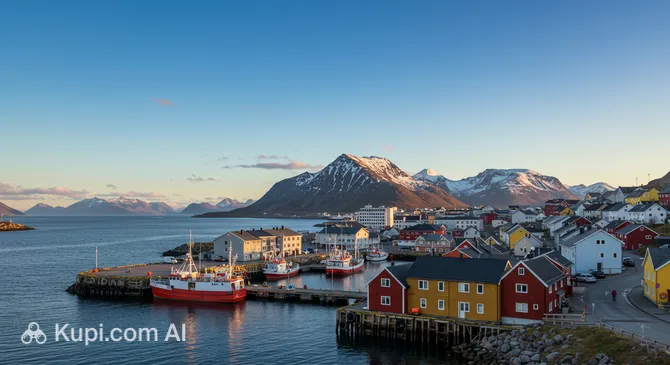
Hammerfest. Source: Kupi.Binoculars

The history of Hammerfest is truly fascinating, marked by its status as a pioneer in modernization; it was actually the first town in Northern Europe to introduce electric street lighting in 1891. Today, visitors can explore this heritage at the Museum of Reconstruction, which tells the story of how the region was rebuilt, or visit the Royal and Ancient Polar Bear Society, a small museum dedicated to the town's proud tradition of hunting and fishing in Arctic waters.

Another significant landmark is the Meridian Column, a UNESCO World Heritage site commemorating the Struve Geodetic Arc, which was used to determine the shape and size of the Earth. For those seeking panoramic views, a hike up to Mount Salen offers a breathtaking perspective of the town and the surrounding islands. Whether you are arriving by the famous Hurtigruten coastal steamer or driving through the scenic landscape, Hammerfest serves as an unforgettable gateway to the Arctic.

Weather Overview

Hammerfest experiences a sub-Arctic climate, heavily influenced by the Gulf Stream which keeps the coastline ice-free despite the high latitude. Generally, visitors should expect cool summers and cold winters, with a consistent chance of precipitation throughout the year.

During the winter months, particularly January and February, average temperatures hover between -6.0°C and -6.3°C. While this is cold, it is not as severe as some inland Arctic regions, though lows can reach -8.3°C. Be prepared for frequent snow or moisture, as January typically sees around 18 wet days.

Summer brings milder weather, with July being the warmest month. You can anticipate average temperatures of 11.4°C, with daily highs peaking around 13.7°C. For a more detailed forecast and seasonal breakdown, you can consult the weather in Hammerfest page. Even in summer, rain is not uncommon, with July averaging about 14 wet days.

Spring and autumn are transitional and cool. March remains chilly with averages of -4.6°C and a high frequency of precipitation (up to 22 wet days), while September sees temperatures cooling down to an average of 7.2°C. Overall, the climate is characterized by frequent wet days and moderate Arctic temperatures.

Interesting Facts

Beyond the main attractions and historical landmarks, Hammerfest holds many fascinating secrets and quirky details that surprise even the most seasoned travelers. This Arctic town is defined not just by its latitude, but by the unique character of its daily life and its incredible resilience.

  • Reindeer in the Streets: If you visit during the summer months, don't be surprised to see reindeer wandering through the town center or grazing in private gardens. Thousands of these animals migrate to the island of Kvaløya for the season, and they have become such a common sight in the urban landscape that local traffic often has to yield to them.

  • A Sole Survivor: Hammerfest has been destroyed and rebuilt several times, most notably during World War II when it was razed to the ground. Amidst the devastation of 1945, only one building remained standing: the small Hauen Chapel (Gravkapellet). It became a powerful symbol of hope and resilience for the returning residents.

  • Exclusive Membership: The Royal and Ancient Polar Bear Society is one of the town's most famous institutions, but it has a very strict rule for joining. You cannot sign up online or by mail; to become a member and receive the coveted pin, you must visit the society in person in Hammerfest as proof that you have made the journey to the far north.

  • The "Northernmost" Rivalry: While Hammerfest has traditionally marketed itself as the northernmost town in the world, this title is a subject of friendly dispute. Following changes in Norwegian laws regarding city status in the late 1990s, the nearby village of Honningsvåg also declared itself a town, technically taking the geographic lead. However, Hammerfest proudly maintains its claim based on its longer history as an established municipality.

How to Get There

Reaching the northern reaches of Norway requires a bit of planning, but the journey offers spectacular Arctic views. Whether you prefer flying directly into the town or utilizing a nearby hub, there are several options available. For a detailed breakdown of routes and transport modes, you can read more about how to get to Hammerfest.

The most convenient option for travelers is Hammerfest Airport (HFT), which is located directly in the municipality. It serves as the primary local hub with an annual passenger traffic of around 155,000 people. The airport is situated approximately 17.1 km from the city center, making it the closest entry point for visitors.

Alternatively, many visitors choose to fly into Alta Airport (ALF), located in the city of Alta. This is a significant regional airport with higher traffic, handling over 300,000 passengers annually. It is situated about 62.3 km from Hammerfest. For international travelers seeking more flight connections, Tromsø Airport, Langnes (TOS) in Tromsø is the major hub of the north. Although it is about 200.5 km away, it offers the most extensive network of flights.

For clarity, here is a summary of the main airports:

Airport Name City Passenger Traffic Km from City
Tromsø Airport, Langnes Tromsø Large 200.5
Alta Airport Alta Medium 62.3
Hammerfest Airport Hammerfest Medium 17.1
Banak Airport Lakselv Small 73.8
Valan Airport Honningsvag Small 103.3

Main Attractions

Hammerfest offers a compact yet fascinating array of sights that reflect its resilience and Arctic heritage. From UNESCO World Heritage sites to museums documenting the town's dramatic history, there is plenty to explore within walking distance of the harbor.

One of the most popular stops is The Royal and Ancient Polar Bear Society. Located right on the pier, this small museum showcases the town's long tradition of Arctic hunting and fishing. It is particularly famous for its unique membership club; you can only become a member by visiting in person. Travelers love taking home the exclusive pin and certificate as proof of their journey to the far north.

For history enthusiasts, the Museum of Reconstruction is an essential visit. It tells the powerful story of the forced evacuation and the "scorched earth" tactics used during World War II, which left Hammerfest in ruins. The exhibitions focus on the incredible determination of the locals who returned to rebuild their lives and homes from the ashes, offering a moving insight into the region's modern spirit.

Just a short distance from the center stands the Meridian Column, a UNESCO World Heritage site of significant scientific importance. This monument marks the northernmost measurement point of the Struve Geodetic Arc, a 19th-century project that helped determine the exact shape and size of the Earth. Beyond its scientific value, it is situated in a scenic spot that provides a lovely backdrop for photos.

To appreciate the town's stunning location, a trip up to Mount Salen is highly recommended. You can reach the summit by a hiking trail or a zigzagging road. Once at the top, you are rewarded with panoramic views over the colorful houses of Hammerfest, the busy harbor, and the surrounding islands. It is arguably the best place in town to witness the Midnight Sun in summer or hunt for the Northern Lights in winter.

Local Cuisine

The culinary scene in Hammerfest is defined by its proximity to the Barents Sea and the rugged wilderness of Finnmark. As you might expect from a town with such a deep maritime heritage, seafood plays the starring role on almost every menu. The ingredients here are incredibly fresh, often caught just hours before arriving on your plate, offering a true taste of the Arctic.

One of the absolute must-try dishes is boknafisk, a traditional Northern Norwegian delicacy made from cod that has been semi-dried by the cold ocean wind. It is typically served with boiled potatoes, stewed peas, and crispy bacon bits, creating a hearty meal that locals have cherished for generations. For those visiting in winter, fresh Arctic cod (skrei) is a seasonal highlight, often served simply to let the delicate flavors shine. Another luxurious option is the king crab, caught in the nearby deep waters and renowned for its sweet, succulent meat.

On land, the cuisine is heavily influenced by Sami traditions, with reindeer meat being a staple. You should definitely try bidos, a rich and warming reindeer stew that is often served at weddings and special celebrations but can be found in local restaurants year-round. Sautéed reindeer with lingonberry jam and creamy game sauce is another classic that perfectly balances savory and sweet flavors, providing essential energy for the cold climate.

When it comes to drinks, the locals take their coffee very seriously. You will find that a hot cup of black coffee is the standard way to start the day or warm up after a hike. For something stronger, Aquavit (Akevitt) is the traditional Norwegian spirit, distilled from potatoes and flavored with caraway and other herbs; it is often enjoyed alongside heavy meat or fish dishes. Beer lovers will also appreciate the regional brews, with many establishments serving lagers and pilsners from Northern Norwegian breweries that pride themselves on using pure Arctic water.

The dining atmosphere in Hammerfest is relaxed and unpretentious. Most eateries are clustered around the harbor area, offering cozy interiors that provide a warm refuge from the Arctic weather. Whether you are sitting down for a fine dining experience or grabbing a quick bite at a casual grill, the focus is always on high-quality, locally sourced ingredients ("kortreist mat") rather than elaborate spices, allowing the natural flavors of the north to take center stage.

Travel Tips

Visiting the world's northernmost town is a bucket-list adventure, but the unique Arctic environment of Hammerfest requires a bit of specific preparation to ensure your trip is as enjoyable as it is memorable. These practical tips will help you navigate the local customs, climate, and daily life like a seasoned explorer.

  1. Clothing and Gear: The weather here can change rapidly, regardless of the season. The golden rule is to dress in layers. Start with wool (merino is best) next to your skin, add a warming mid-layer, and finish with a windproof and waterproof outer shell. If you are visiting in winter, sturdy boots with good grip are essential, and carrying a pair of spikes (crampons) for your shoes is highly recommended to navigate icy streets safely.

  2. Transportation: Hammerfest is compact and very walkable; you can easily reach most hotels, museums, and restaurants in the town center on foot. For trips further afield on Kvaløya island, there is a reliable local bus network run by Snelandia. Taxis are available but can be quite expensive, so check the price estimate beforehand. Renting a car is a great option if you want the freedom to chase the Northern Lights or explore the rugged coastline at your own pace.

  3. Finances: The local currency is the Norwegian Krone (NOK). Norway is rapidly becoming a cashless society, and cards are accepted almost everywhere in Hammerfest, from supermarkets to small kiosks. You likely won't need much cash, but ATMs are available in the town center if you prefer to have some. Tipping is not mandatory as service charges are included, but rounding up the bill or leaving a small amount for exceptional service is a nice gesture.

  4. Health and Safety: Hammerfest is an incredibly safe place with very low crime rates. The main hazard is usually the elements; be cautious of slippery surfaces in winter. There is a pharmacy (Apotek) in the town center for basic medical supplies. For emergencies, dial 112 for police or 113 for an ambulance. Tap water is safe to drink and is often cleaner and fresher than bottled water.

  5. Communication: You will find that English is widely spoken and understood by almost everyone, so you will have no trouble communicating. A simple "Hei" (Hi) or "Takk" (Thank you) in Norwegian is always appreciated by locals. Wi-Fi is readily available in most hotels, cafes, and public spots. If you have a European SIM card, roaming usually works at no extra cost, but check with your provider.

  6. Local Etiquette: Norwegians are generally polite, honest, and somewhat reserved until you get to know them. When entering a private home, it is customary to remove your shoes at the door. In public, respect personal space and keep your voice volume moderate. If you are driving, always stop for pedestrians at crosswalks—it is strictly observed here.

  7. What to Avoid: Do not underestimate the weather warnings. If locals say a storm is coming or a road is closed, take it seriously. Also, during the summer, you will see reindeer roaming the streets. While they are cute, they are semi-wild animals owned by Sami herders; do not chase them, try to pet them, or stress them out for a photo.

  8. Shopping Hours: Be aware that most shops, including grocery stores, are closed on Sundays. Plan your supplies accordingly, especially if you arrive on a Saturday evening. Some smaller "kiosks" or gas stations may be open, but the main supermarkets will have their doors locked.

With these tips in mind, you are all set to embrace the Arctic lifestyle and enjoy everything this resilient town has to offer. Whether you are here for the Midnight Sun or the polar nights, a little preparation goes a long way in making your stay in Hammerfest comfortable and hassle-free.

Entertainment & Nightlife

Despite its relatively small size and remote location, Hammerfest boasts a surprisingly vibrant social scene, particularly on weekends. The nightlife here is compact and intimate, concentrated primarily in the town center along the harbor and the main street, Strandgata. This proximity makes it incredibly easy to "bar hop" without the need for transportation, allowing visitors to experience the local atmosphere with ease.

The vibe in Hammerfest is distinctly casual and welcoming. You won't find strict dress codes or exclusive guest lists here; the style is "Arctic casual," where jeans and a warm sweater are perfectly acceptable for a night out. The crowd is a lively mix of local residents, students, and travelers from the coastal steamers, creating a friendly environment where it is easy to strike up a conversation with the locals.

For those looking to enjoy a drink and perhaps some live entertainment, Redrum is a local favorite. Situated right by the water, it functions as a gastropub during the evening and transitions into a lively bar at night. It is well-known for hosting concerts, quizzes, and stand-up comedy, making it a cultural hub as much as a watering hole. Another popular spot is Jernteppet, a cozy pub that offers a relaxed atmosphere perfect for enjoying a beer and chatting with friends after a day of Arctic exploration.

If you are in the mood for dancing or a later night, Fresh is the town's go-to nightclub. It typically picks up energy after midnight on Fridays and Saturdays, drawing a younger crowd ready to party until the early morning hours. For a more laid-back evening with a view, the restaurant and bar at Du Verden offers a pleasant setting to watch the boats in the harbor while enjoying a glass of wine.

Practical advice for a night out involves keeping an eye on the clock and your budget. Alcohol in Norway is expensive, and Hammerfest is no exception; expect to pay a premium for cocktails and beers. Bars generally close around 2:00 AM or 3:00 AM on weekends. Since the town center is small, walking back to your hotel is the most common way to get around. The streets are very safe at night, even during the dark winter months, though you should always be careful of icy patches. If you are staying further out or prefer a ride, Hammerfest Taxi is reliable and can be hailed or booked by phone.

For entertainment that doesn't involve nightlife, the Arctic Cultural Centre (Arktisk Kultursenter) is the architectural and cultural jewel of the town. Located on the waterfront, it hosts a cinema, theater productions, and art exhibitions throughout the year. It is a fantastic option for an evening of culture before heading out for a late-night snack or drink.

Parks & Museums

While Hammerfest may not be known for manicured botanical gardens, its "green spaces" are the spectacular, rugged landscapes that surround the town, serving as a natural playground for locals and visitors alike. The cultural venues here are equally compelling, offering deep insights into the resilience required to thrive at this latitude, from the rebuilding efforts after World War II to the centuries-old traditions of Arctic hunting.

Key Parks and Green Spaces

Mount Salen functions as the town's primary recreational area and arguably its most famous "park." Accessible directly from the town center via the "Zigzag Path" (Sikksakkveien), this plateau offers more than just panoramic views. It is a vast open area perfect for hiking in the summer and snowshoeing in the winter. Locals use it for everything from walking their dogs to picnicking under the Midnight Sun. The proximity to the city center makes it a unique urban-nature interface where you can escape the hustle of the port within minutes.

For a coastal nature experience, Kirkegårdsbukta in the nearby village of Forsøl is a stunning destination. Located about a 10-minute drive from Hammerfest, this area features a surprisingly beautiful sandy beach with turquoise waters that could almost be mistaken for the Caribbean, were it not for the temperature. It is a popular spot for camping and bonfires. The area is also historically significant, surrounded by archaeological remains of settlements dating back to the Stone Age, blending natural beauty with ancient history.

Museums and Galleries

The Museum of Reconstruction (Gjenreisningsmuseet) is perhaps the most important cultural institution in the region. It chronicles the dramatic events of World War II, specifically the forced evacuation of Finnmark and the scorched earth policy that left Hammerfest in ashes. The museum offers a moving narrative of how the local population lived in caves and makeshift huts before rebuilding their town from the ground up. It is an essential stop for understanding the modern identity of Northern Norway and the indomitable spirit of its people.

Located on the quayside, the Royal and Ancient Polar Bear Society is more than just a club for travelers; it houses a fascinating exhibition dedicated to Hammerfest's history as the "Gateway to the Barents Sea." The museum displays a collection of Arctic hunting equipment, taxidermy of polar animals, and photographs from early expeditions. It provides excellent context on how trapping and fishing sustained the town for generations, making it a must-visit for those interested in maritime history.

Historical and Architectural Sites

Hammerfest Church is a striking example of modern church architecture, consecrated in 1961. Its distinctive triangular shape was inspired by the traditional fish-drying racks used in the region, symbolizing the town's connection to the sea. Inside, the church is warm and inviting, featuring beautiful stained glass and a wooden relief of Christ. It stands as a spiritual and architectural landmark that replaced the church destroyed during the war.

The Meridian Column, located at Fuglenes, is a UNESCO World Heritage site that commemorates the first international scientific effort to determine the exact size and shape of the Earth. Erected in 1854, the column marks the northernmost point of the Struve Geodetic Arc. It is situated in a pleasant open area near the water, making it a nice spot for a walk combined with a lesson in the history of science.

Authentic Experiences/Insider Tips

For a peaceful walk that offers a different perspective of the town, try the Gammelveien (The Old Road). This was the only road into Hammerfest before the modern tunnel was built. Today, it serves as a scenic hiking trail that winds around the mountain, offering solitude and excellent views of the Sørøysundet strait, away from the more crowded tourist paths.

Getting Around

Public transport in Hammerfest is reliable and efficient, though it is scaled to fit the needs of a smaller coastal town rather than a bustling metropolis. The system is primarily composed of buses and express boats, which are essential for navigating not just the town itself, but also the surrounding islands and rugged coastline. There are no metros, trams, or trains in this region; instead, the sea often acts as the main highway for locals and visitors alike.

The local bus network is operated by Snelandia, the public transport authority for the region. Buses connect the town center with residential neighborhoods, the airport, and nearby suburbs like Rypefjord. The service is modern and comfortable, designed to handle the harsh Arctic weather. While frequencies are good during peak hours on weekdays, tourists should be aware that the schedule is significantly reduced on weekends and during holidays, so planning ahead is essential.

A unique feature of the transport system here is the express boat (hurtigbåt) service. These high-speed catamarans function almost like a "metro of the sea," connecting Hammerfest with the city of Alta and smaller island communities such as Sørøya and Seiland. This is often the fastest and most scenic way to travel regionally. The boat terminal is conveniently located right in the center of the harbor, making it easily accessible for travelers.

For payment, the system has largely moved towards digital solutions. The most convenient and cheapest way to buy tickets is through the Snelandia Billett mobile app, available for both iOS and Android. Through the app, you can purchase single tickets or travel passes. While it is possible to pay with a card or cash on board some buses and boats, this often incurs a surcharge, and drivers may not always have change for large banknotes. Therefore, downloading the app before your trip is highly recommended.

Ticket prices are zone-based. A standard single ticket within the local zone is reasonably priced, but fares increase for longer regional journeys by bus or boat. If you plan to stay for a longer period or travel extensively within the region, look for the Periodebillett (period ticket) or special travel passes that offer unlimited travel within specific zones for a set number of days, which can offer significant savings compared to buying single fares.

If you prefer a more direct route or are traveling with heavy luggage, taxis are a readily available alternative. Hammerfest Taxi operates the local fleet, and you can find a taxi rank in the town center or book one by phone. Be aware that taxi fares in this part of the world can be quite high compared to international standards, especially during evenings and weekends. Using a taxi is generally recommended only for short trips when public transport is not running.

Finally, due to the compact nature of the town center, walking is often the best way to get around for sightseeing. Most hotels, museums, and restaurants are located within a small radius near the harbor. For those wanting to explore at their own pace, car rentals are available, which can be particularly useful for reaching hiking spots or chasing the Northern Lights outside the range of the bus network.

Accommodation

Where to Stay:

Finding the perfect place to stay in Hammerfest is relatively straightforward, as the town offers a focused selection of accommodation options that cater to both Arctic explorers and business travelers. The range typically includes modern full-service hotels, efficient budget-friendly "smart" hotels, and self-catering apartments. For those seeking a closer connection to nature, there are also camping grounds and traditional cabins located just outside the urban core, offering stunning views of the surrounding wilderness.

The most convenient area for tourists is undoubtedly the town center. Due to the city's compact size, staying here puts you within easy walking distance of the harbor, the express boat terminal, and key attractions like the Museum of Reconstruction. This central zone is where the primary hotels are clustered, allowing you to step out of your lobby directly into the heart of the action. Alternatively, the area around Fuglenes offers a quieter atmosphere with beautiful sea views, ideal for those who don't mind a short walk or taxi ride into town.

If you are looking for a comfortable, full-service experience, Thon Hotel Hammerfest is a prominent choice located right by the quayside. It is well-regarded for its views over the harbor and its central location, making it a favorite for visitors who want easy access to restaurants and shops. For travelers keeping an eye on their budget without sacrificing modern comforts, Smarthotel Hammerfest provides a practical alternative. It focuses on compact, efficient rooms and self-service convenience, situated just a few streets away from the main waterfront promenade.

For a more rustic or independent stay, you might consider booking a cabin or a "rorbu" (traditional fisherman's cabin) near the water. These options often provide kitchen facilities, which can be a great way to save money on dining out. In the summer months, camping sites near lakes like Storvannet offer a fantastic way to experience the Midnight Sun, though you should be prepared for the rapidly changing Arctic weather.

Booking Tip: It is highly recommended to book your accommodation well in advance, regardless of the season. Hammerfest is not only a tourist destination but also a busy industrial hub for the energy sector, meaning hotels can fill up quickly with business travelers. Prices generally reflect the high standard of living in Norway, falling into the mid-to-high range. Most bookings can be easily made via major online platforms, but checking directly with the hotel can sometimes yield better rates or special offers.

Nearby Cities

For those looking to explore the surroundings, Hammerfest serves as an excellent base for day trips to several interesting nearby locations:

City Population Distance (km)
Nordre Fale 61032 7
Harstad 50000 334
Tromsø 38980 201
Tromsdalen 16787 200
Alta 15342 64

While the vast Arctic wilderness is the primary allure, a visit to Alta is highly recommended for a cultural day trip. Located a scenic drive across the mountain plateau, Alta is the largest town in the county and is famous for its UNESCO-listed Rock Art Centre, featuring carvings that date back thousands of years. The town is also home to the architectural marvel of the Northern Lights Cathedral. The journey itself is an experience, taking you through the dramatic landscapes of Sennalandet.

For those who prefer nature over urban sites, the nearby island of Seiland offers a spectacular escape. Accessible by a short ferry ride, it houses the Seiland National Park, which is known for its steep mountains, deep fjords, and two of Norway's northernmost glaciers. It is a paradise for hikers seeking solitude and untouched beauty. Similarly, the island of Sørøya is just a boat trip away and is renowned for its lush green hills in summer and excellent deep-sea fishing opportunities.

These nearby destinations offer a glimpse into the diverse culture and landscapes of the region.

Shopping & Souvenirs

Shopping in Hammerfest reflects the town's character: compact, practical, and deeply connected to the Arctic environment. While you will not find endless avenues of high-end fashion boutiques, the town offers a charming selection of stores that cater to both the daily needs of locals and the curiosity of visitors. The shopping experience here is relaxed and intimate, with a focus on high-quality outdoor gear, local handicrafts, and unique souvenirs that celebrate the region's polar heritage.

The heart of the town's commercial activity is located along Strandgata, the main street that runs parallel to the harbor. This is where you can enjoy a pleasant stroll while browsing through a variety of small shops. Here, you will find everything from interior design and clothing stores to sports shops stocked with equipment designed to withstand the harsh Northern Norwegian elements. The proximity to the waterfront adds a scenic backdrop to your shopping trip, allowing you to easily switch between browsing and enjoying a coffee with a sea view.

For a more concentrated shopping experience, the Nissen Hammerfest Senter is the town's primary shopping mall. Located centrally, it serves as a convenient hub for both residents and tourists. Inside, you will find a selection of chain stores, fashion retailers, a pharmacy, and casual eateries. It is also home to the local Vinmonopolet, the state-owned liquor store, which is the only place to purchase wine and spirits in town. The mall provides a warm refuge on cold days, making it a popular meeting spot.

Unlike larger European cities, Hammerfest does not have a permanent bustling market scene. However, the connection to local food sources is strong. While you might not find a daily open-air bazaar, local grocery stores and specialized counters often feature fresh catches from the Barents Sea. During special occasions or seasonal festivals, pop-up stalls may appear selling local produce, cured meats, and handmade goods, but these are event-specific rather than a daily occurrence.

When it comes to souvenirs, Hammerfest offers items that are truly unique to the location. The gift shop at the Royal and Ancient Polar Bear Society is the most famous stop; besides the exclusive membership pin, you can buy polar-themed memorabilia that proves you have visited the world's northernmost town. For authentic local craftsmanship, look for Sami handicrafts (Duodji), such as knives with reindeer horn handles, pewter embroidery, or warm reindeer fur products. Traditional Norwegian wool sweaters and jars of cloudberry jam—the "gold of the Arctic"—are also excellent gifts to take home.

Store opening hours in Hammerfest generally follow the standard Norwegian pattern. Most shops open around 10:00 AM and close by 5:00 PM or 6:00 PM on weekdays, with extended hours often available on Thursdays. On Saturdays, shops typically close earlier, around 3:00 PM or 4:00 PM. It is important to remember that nearly all shops, including grocery stores and the shopping mall, are closed on Sundays. Payment is seamless, with credit and debit cards being the preferred method almost everywhere; even small purchases can be made electronically, and cash is rarely necessary.

For international visitors, Tax-Free shopping is available in many stores throughout the town. Look for the "Tax Free" signage in shop windows or at the counter. If you are a resident outside of Norway, Sweden, Denmark, or Finland, you are eligible for a VAT refund on purchases exceeding a certain amount. Be sure to ask the staff for a tax refund form when making your purchase, which you can then present at your point of departure from the country.
Reached the end of the page?

That means the route is fully explored