Support

Berlevag

About

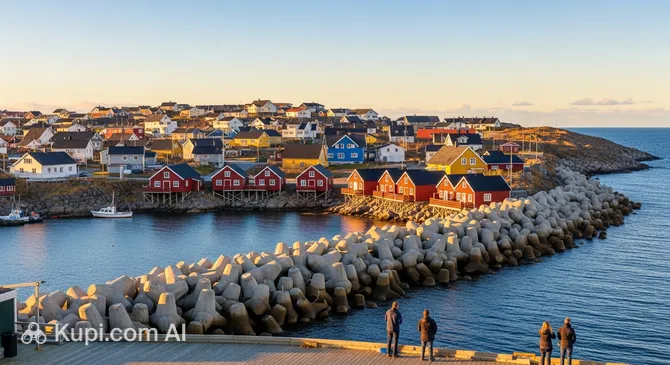
Welcome to Berlevag, a captivating fishing village situated at the northern edge of the Varanger Peninsula. Located in the far north of Norway, this destination offers a raw and authentic encounter with the Arctic wilderness. Facing the open Barents Sea, the town is renowned for its colorful harbor and the dramatic landscape that surrounds it, making it a unique spot for travelers seeking solitude and natural beauty.

Berlevag. Source: Kupi.Binoculars

Despite its remote location and a small population of approximately 1,100 residents, the town pulsates with life and character. The history of Berlevag is a testament to human resilience, marked by the community's determination to rebuild after World War II and their constant battle against the forces of nature. The climate here is truly Arctic, offering visitors the chance to experience the Midnight Sun during the summer months and the spectacular Northern Lights in the winter.

The town is famous for its massive breakwaters, reinforced with four-legged concrete structures called tetrapods, which protect the port from the powerful ocean waves. Key attractions include the striking Kjølnes Lighthouse and the fascinating Harbour Museum. Culturally, the village gained international fame through the documentary Cool and Crazy, which featured the charming local male choir. Whether you arrive by the Hurtigruten coastal steamer or by road, Berlevag invites you to experience life at the edge of the world.

Weather Overview

Located on the coast of the Barents Sea, the climate in this region is maritime Arctic, characterized by cool summers and cold, snowy winters. Due to the moderating influence of the ocean, temperatures are not as severe as one might expect for such a high latitude. During the coldest months of January and February, the average temperature hovers around -5.5°C, with lows dipping to approximately -7.5°C. Travelers should be prepared for frequent precipitation, as the winter months can see up to 22 wet days, often in the form of snow.

Summer offers milder but still crisp weather, perfect for exploring the rugged coastline. July and August are typically the warmest months, with average temperatures of 10.8°C and daily highs reaching about 13°C. Even in summer, the weather can be changeable, with 13 to 15 wet days per month. For a more comprehensive breakdown of seasonal trends, you can visit the page dedicated to the weather in Berlevag. Overall, expect cool summers with frequent light rain and cold winters with regular snowfall.

Interesting Facts

Beyond its famous breakwaters and Arctic charm, Berlevag holds several fascinating secrets that surprise many visitors. From literary fame to engineering marvels, this small fishing village has a story far larger than its size suggests.

  • The Setting of a Masterpiece: While the Oscar-winning film Babette's Feast was filmed in Denmark, the original story by Karen Blixen (Isak Dinesen) is actually set right here in Berlevag. In the book, the yellow-painted wooden houses and the stark community described by the author are placed in this very village at the edge of the fjord, unlike the movie's Jutland setting.

  • A Norwegian First in Engineering: The iconic tetrapods that protect the harbor are not just concrete blocks; they represent a desperate and innovative solution. After the massive "Black Bull" (Svartoksen) breakwater was destroyed by a violent storm in 1959, Berlevag became the first place in Norway to use this French-patented technology. Today, thousands of these four-legged giants interlock to dissipate wave energy, standing as the village's primary defense against the Barents Sea.

  • The Singing Fishermen: The local male choir, Berlevåg Mannsangforening, achieved unlikely global stardom following the 2001 documentary Cool and Crazy (Heftig og begeistret). The film, which depicted the raw and humorous lives of the singing fishermen, became one of the country's most successful documentaries ever, propelling the choir to perform in concert halls as far away as the United States and Japan.

  • The "Toy" Locomotive: Before the era of modern machinery, the first breakwaters were painstakingly built using a narrow-gauge railway. A tiny steam locomotive, used to transport rocks from the quarry to the sea during the early 20th century, has been preserved. Visitors can see this charming piece of industrial history, which looks almost like a toy compared to the massive forces of nature it helped fight, at the Harbour Museum.

  • A Village Reborn from Ash: Like much of Finnmark, Berlevag was completely burned to the ground by retreating forces during World War II in 1944. Consequently, the village lacks older historical buildings; the entire settlement was planned and rebuilt in the post-war era, featuring distinct, colorful reconstruction architecture designed to defy the dark polar winters.

How to Get There

Reaching the remote fishing village of Berlevag is an adventure that takes you to the very edge of the European continent. While the journey requires some planning, the scenic route through the Arctic landscape is part of the experience. For a detailed breakdown of all transport options and routes, you can read more about how to get to Berlevag to help plan your trip.

The most direct way to arrive is by flying into the local Berlevåg Airport, which is situated just outside the village. This regional airfield connects the community to the wider Norwegian flight network, typically offering short-haul flights from hubs like Tromsø, often with stops in other nearby towns. Choosing this option saves significant travel time on the ground.

If you prefer alternative routes or larger hubs, you can utilize Batsfjord Airport (BJF). It is the closest facility on the list of neighboring airports, located in the town of Batsfjord, roughly 36 km away. The transfer from Batsfjord to Berlevag takes about 1 hour and 15 minutes by road, offering a scenic drive across the peninsula.

Another significant option is Kirkenes Airport, Høybuktmoen (KKN), situated about 130 km from Berlevag. As a major hub with medium passenger traffic, it connects Northern Norway to the rest of the country and international destinations. From Kirkenes, the journey by taxi or bus takes approximately 3 hours and 35 minutes.

For clarity, here is a summary of other airports in the wider region:

Airport Name City Passenger Traffic Km from City
Batsfjord Airport Batsfjord Small 36.3
Vardoe Airport Vardo Small 91.8
Valan Airport Honningsvag Small 114.6
Kirkenes Airport, Høybuktmoen Kirkenes Medium 129.9
Banak Airport Lakselv Small 176.9

Rail travel is not a feasible method for reaching this part of the Arctic, as the Norwegian railway network does not extend this far north. The city of Berlevag does not have a railway station. The geographically closest rail head is the Murmansk Railway Station in the city of Murmansk, which is about 260 km away. However, this route involves crossing an international border and is generally not used for tourism logistics in this region.

Below is the data for the nearest railway stations:

Station City Passenger Traffic Km to Center
Murmansk Railway Station Murmansk 259.9
Kola Railway Station Kola 267.2

Main Attractions

One of the most essential stops in the village is the Berlevåg Harbour Museum. Housed in a restored warehouse by the waterfront, this museum offers a deep dive into the community's dramatic history of battling the Barents Sea. Tourists are particularly fascinated by the exhibition dedicated to the massive breakwater construction projects, which features a restored steam locomotive that was once used to transport heavy rocks. It is a compelling place to understand the sheer resilience required to maintain a port on this exposed coastline.

Just a short drive along the coast, you will find the striking Kjølnes Lighthouse. Situated on a rugged promontory, this distinctive square tower stands as a beacon guiding ships through the rough Arctic waters. It is an excellent spot for photography, especially when the waves crash against the cliffs or under the glow of the Midnight Sun. The lighthouse station is also known for offering unique accommodation, allowing guests to sleep at the very edge of the world.

For nature enthusiasts, a hike to Tanahorn is a highly recommended activity. This mountain rises steeply from the sea and has long been considered a sacred site by the indigenous Sami people. The trail is accessible to most walkers and rewards them with breathtaking panoramic views over the vast ocean and the jagged coastline of the Varanger Peninsula. It is a perfect location to experience the raw power of Arctic nature and enjoy the profound silence of the wilderness.

Finally, a walk along the famous Berlevåg Breakwaters provides a close-up look at the village's primary defense system. These massive barriers, reinforced with thousands of interlocking concrete tetrapods, are an engineering marvel designed to withstand extreme storms. Walking here offers a unique perspective of the harbor and the open sea, allowing visitors to feel the fresh sea breeze and witness the forces of nature that shape daily life in this northern outpost.

Local Cuisine

The culinary experience in Berlevag is defined by its proximity to the Barents Sea, offering some of the freshest seafood in the world. The local cuisine is honest, hearty, and deeply rooted in the Arctic environment, where the catch of the day is often served just hours after being pulled from the cold waters. For visitors, this means a unique opportunity to taste ingredients that are considered luxury items elsewhere, prepared with authentic Northern Norwegian simplicity.

The undisputed king of the local table is the Red King Crab. This massive crustacean thrives in the deep fjords surrounding the Varanger Peninsula, and Berlevag is a key hub for its processing. You can enjoy it in its purest form—boiled in seawater and served with fresh bread, mayonnaise, and a squeeze of lemon—or as the centerpiece of a rich seafood platter. Another staple is cod, particularly the migratory skrei available in winter. Locals also prize boknafisk, semi-dried cod that is hung on outdoor racks by the sea; it has a distinct, intense flavor and is typically served with creamy stewed peas and bacon.

Beyond seafood, the region's Sami heritage influences the menu with dishes featuring reindeer meat. Lean and flavorful, reindeer is often served as a savory stew (bidos) or as tender fillets accompanied by wild berries, such as the tart lingonberry or the sweet, amber-colored cloudberry. These "Arctic gold" berries are a favorite local dessert topping, usually served with whipped cream or krumkake waffles.

The dining scene in Berlevag is small but full of character. The main gathering spot for a sit-down meal is Restaurant Oliver, located right on the harbor front. Here, you can enjoy a warming bowl of creamy fish soup while watching the fishing boats navigate the breakwaters. For a more casual atmosphere, the Neptun Pub serves as the village's social heart, offering simple pub grub and occasionally traditional specialties like whale steak (hvalbiff). In these establishments, the vibe is informal and welcoming, reflecting the close-knit community spirit famously portrayed in the documentary Cool and Crazy.

When it comes to drinks, the locals follow the Norwegian tradition of consuming plenty of strong, black coffee, which is the standard accompaniment to any social visit or break. For something stronger, a glass of aquavit is the traditional choice to pair with fatty fish dishes or festive meals. This potato-based spirit, flavored with caraway and herbs, is believed to aid digestion and warm you up during the cold Arctic evenings.

Travel Tips

Visiting Berlevag is a journey into the raw and beautiful Arctic, and while the community is incredibly welcoming, the remote environment demands a bit of extra preparation. To help you make the most of your adventure at the edge of the Barents Sea, here is a collection of practical advice to ensure your trip is smooth and comfortable.

  1. Clothing and Gear: The weather in Finnmark is unpredictable and can change rapidly, regardless of the season. The golden rule here is the layering principle. Bring thermal underwear (preferably wool), a warm mid-layer, and a high-quality windproof and waterproof outer shell. Since Berlevag is exposed to the open ocean, the wind can be piercing. Sturdy, waterproof hiking boots are essential for exploring the breakwaters or the terrain, and if you visit in winter, crampons (spikes for shoes) are highly recommended for walking on icy streets.

  2. Transportation: Within the village itself, everything is within walking distance. There are no metros, trams, or local city buses circulating the town. For exploring the wider Varanger Peninsula or reaching the Kjølnes Lighthouse comfortably, renting a car is the best option, though availability may be limited, so book in advance. Taxis are available but can be expensive and may require pre-booking, especially for airport transfers.

  3. Finances: Norway is rapidly becoming a cashless society. The local currency is the Norwegian Krone (NOK), but you will find that credit and debit cards (Visa and Mastercard) are accepted almost everywhere, from the local grocery store to the pub. It is still wise to carry a small amount of cash for very small purchases, but you can rely on your card for the majority of your trip. Be aware that prices in Northern Norway can be high, so budget accordingly for food and accommodation.

  4. Health and Safety: Berlevag is an extremely safe place regarding crime, but nature poses the real risks. Never underestimate the power of the sea, especially near the breakwaters during storms. For medical needs, there is a local health center (Helsesenter), but for serious emergencies, you would likely be transported to a larger hospital in Kirkenes or Hammerfest. Dial 113 for medical emergencies. Pharmacies might not be open late, but basic non-prescription meds can often be found in grocery stores.

  5. Communication: The official language is Norwegian, but English is widely spoken and understood by almost everyone, so you will have no trouble communicating. Mobile coverage is generally excellent, even in this remote area, as Norway has extensive 4G/5G networks. If you need a SIM card, they can be purchased at convenience stores (like Narvesen) or grocery shops, though you may need an unlocked phone and ID to register.

  6. Local Etiquette: Norwegians are generally polite but value their personal space and privacy. A simple handshake is the standard greeting. When entering a private home, it is customary to remove your shoes at the door. Tipping at restaurants is not mandatory as service charges are included, but it is common practice to round up the bill or leave a small tip (5-10%) for good service.

  7. What to Avoid: Do not walk on the tetrapods (the concrete structures of the breakwater) if the waves are high or the rocks are icy; the sea here is powerful and unpredictable. Additionally, avoid driving off-road; it is illegal and damages the fragile Arctic tundra ecosystem, which takes decades to recover.

  8. Shopping Hours: Be mindful that opening hours in small villages are shorter than in big cities. Grocery stores usually close earlier on Saturdays and are often closed on Sundays. If you plan to buy wine or spirits, note that the state-run liquor store, Vinmonopolet, has very restricted hours and closes early, especially on weekends, so plan your purchases ahead.

By keeping these tips in mind, you will be well-equipped to embrace the unique rhythm of life in Berlevag. Whether you are watching the Hurtigruten ship dock under the Midnight Sun or braving the winter winds to see the Northern Lights, a little preparation goes a long way in this spectacular corner of the world.

Entertainment & Nightlife

In a remote fishing village like Berlevag, the concept of nightlife is distinct from the bustling club scenes of larger cities. Here, evening entertainment is intimate, community-focused, and deeply connected to the Arctic surroundings. Instead of neon-lit dance floors, you will find cozy gathering spots where locals and visitors mingle over drinks, sharing stories against the backdrop of the Barents Sea. The atmosphere is authentically Norwegian: warm, informal, and welcoming, offering a chance to experience the true social fabric of a community living at the edge of the world.

The center of social life in the evenings is undoubtedly the harbor area. This is where the pulse of the village beats strongest, particularly at the Neptun Pub. As the primary watering hole in town, it serves as the living room for local fishermen and residents. The vibe is unpretentious and lively, often filled with laughter and conversation. It is the perfect place to enjoy a cold beer, play a round of billiards, and perhaps even hear an impromptu song, keeping in spirit with the village's famous choral tradition. On weekends, the pub can get quite busy, transforming into a vibrant hub where the lines between tourists and locals blur.

For a slightly more relaxed evening, Restaurant Oliver offers a pleasant setting to unwind. While primarily a dining establishment, it is also a popular spot to sit with a glass of wine or a hot drink while gazing out at the harbor. The venue occasionally hosts local events or quizzes, adding a bit of organized entertainment to the mix. During the summer months, the "nightlife" often moves outdoors. Under the Midnight Sun, the concept of night disappears, and it is common to see people enjoying drinks on terraces or having late-night barbecues on the beach, basking in the surreal daylight that lasts 24 hours.

Practicalities for a night out in Berlevag are simple. The dress code is universally casual and practical; wool sweaters and jeans are far more common than high heels or dress shirts, especially given the unpredictable weather. Prices for alcohol are standard for Norway, which can be relatively high compared to other countries, so budget accordingly. Since the village is compact, you can easily walk between venues and your accommodation. The streets are perfectly safe for night walks, though you should always be cautious near the water's edge and the breakwaters. Taxis are available but limited, so if you need a ride, it is best to ask the bar staff to call one for you.

Before the sun (or the moon) takes over, daytime entertainment in Berlevag offers its own cultural charm. The Berlevåg Harbour Museum is a must-visit for history buffs, showcasing the town's maritime heritage and the struggle to build the breakwaters. For art lovers, the Arctic Glasstudio provides a colorful escape, where you can watch glassblowers create exquisite pieces inspired by the northern nature. While there are no large amusement parks or grand theaters, the drama of the landscape and the creativity of the locals provide more than enough to captivate visitors during the day.

Parks & Museums

In Berlevag, the concept of a "park" is redefined by the vast, untamed wilderness of the Arctic. Instead of manicured lawns and flowerbeds, the village offers boundless access to the raw tundra, pristine beaches, and dramatic coastlines that serve as the community's recreational spaces. The cultural scene is equally compelling, deeply rooted in the maritime history and the creative spirit that flourishes at 70 degrees north.

For those seeking natural beauty, Sandfjorden is a remarkable highlight located just a few kilometers east of the village. Unlike the typical rocky shores of the region, this area features a long, beautiful sandy beach that feels almost out of place in the Arctic. It is a favorite spot for locals to enjoy a picnic, take a bracing walk along the water's edge, or simply admire the rolling waves of the Barents Sea. The surrounding terrain offers easy hiking opportunities, allowing visitors to explore the unique coastal flora that survives in this harsh climate.

Another significant natural area is the route to Store Molvik, an abandoned settlement located on the Tanafjord side of the peninsula. The drive or hike to this secluded bay takes you through a dramatic landscape of steep cliffs and open plateaus. It is a place of profound silence and solitude, where the remains of the old fishing community stand as a poignant reminder of the past. The area is excellent for birdwatching and experiencing the Midnight Sun in a setting completely void of light pollution.

In terms of cultural institutions, the Berlevåg Harbour Museum (Havnemuseet) is the custodian of the village's identity. Part of the regional Varanger Museum network, it goes beyond just the technical history of the breakwaters. The museum offers insights into the coastal culture, the daily lives of the fisherfolk, and the massive reconstruction efforts following World War II. Visitors can explore a restored "lighter" (a type of barge) and gain a deeper appreciation for the sheer tenacity required to thrive in this environment.

Art enthusiasts will find a hidden gem in the Arctic Glasstudio. This gallery and workshop is run by artists who draw inspiration from the shifting light and colors of the Arctic seasons. Here, you can observe the glassblowing process and view a collection of exquisite glass art that captures the blues of the ocean and the transparency of the ice. It serves as a vibrant cultural venue where traditional craftsmanship meets modern artistic expression.

Architecturally, the Berlevåg Church stands as a significant landmark. Consecrated in 1960, this white concrete structure was designed by architect Hans Magnus to withstand the fierce winter storms. Its clean, simple lines are characteristic of the "reconstruction architecture" that defines Finnmark's post-war identity. Inside, the church is warm and welcoming, featuring an altarpiece that reflects the community's deep connection to the sea and the Christian faith.

For a truly authentic experience, take a stroll through the village streets to observe the Reconstruction Houses. These colorful, box-shaped homes were built rapidly after the war and are distinct to Northern Norway. A keen observer will notice that the entrances are often placed on the leeward side to protect against the prevailing wind. Walking among these houses offers a living history lesson and a glimpse into the practical design solutions developed by those who call this windswept peninsula home.

Getting Around

Given the compact size of Berlevag, the public transport system operates differently than in larger metropolitan areas. There are no metros, trams, or city buses circulating within the village limits, as the settlement is small enough to be navigated entirely on foot. The "public transport" available here is primarily designed for regional connectivity, linking the municipality with neighboring towns and the wider Finnmark region.

The main form of overland public transportation is the regional bus service operated by Snelandia. These buses connect the village to nearby communities such as Batsfjord and Tana, where passengers can transfer to routes heading further inland. Bus stops are located centrally, often near the harbor or key public buildings. It is important to note that frequencies are low, often limited to one or two departures a day, and schedules can be adjusted based on the season and school holidays.

A unique and vital component of the local transport network is the coastal steamer service, known as the Hurtigruten and Havila Voyages. These ships serve as a "marine bus" for the coast, docking at the port daily—once on the northbound journey and once on the southbound. For many locals and tourists, this is a reliable way to travel to nearby coastal towns like Vardo or Hammerfest, offering a scenic and comfortable alternative to the winding roads, especially during winter.

For payment, the region is highly digitized. The most convenient way to pay for bus travel is through the Snelandia Mobilett app, which allows you to purchase single tickets or period passes directly on your smartphone. Tickets can also be bought on board using a credit or debit card, but cash is increasingly rarely used. Prices are zone-based; shorter regional trips are relatively affordable, while longer journeys across the peninsula will cost more. The coastal steamers require a separate ticket booking, which can be done online or at the quay if space permits.

Travelers looking for more flexibility often rely on taxis or rental cars. There is a local taxi service available, but because the fleet is small, it is strongly recommended to book your ride in advance, especially if you need a transfer to the airport or a specific attraction outside the village center. Car sharing is not established here, but renting a car is a popular choice for tourists who wish to explore the scenic roads of the Varanger Peninsula at their own pace.

Practical advice for visitors includes checking the weather forecast before planning any trip, as road closures (convoy driving) can occur during heavy winter storms. Always consult the Snelandia website or app for the most up-to-date timetables, as printed schedules at stops may be outdated. If you plan to walk within the village during winter, be aware that locals often use "spark" (kick-sleds) as a practical and fun alternative to walking on icy streets.

Accommodation

Finding accommodation in Berlevag is an exercise in cozy, small-scale hospitality rather than luxury hotel hunting. Due to the village's modest size, there are no sprawling resorts or international hotel chains. Instead, the accommodation landscape is defined by charming guesthouses, self-catering apartments, and camping facilities that bring you close to the Arctic nature. These options offer a warm, personal touch, often run by locals who are eager to share stories about life on the Varanger Peninsula.

The most convenient area to stay is undoubtedly the village center, clustered around the harbor. Staying here places you within walking distance of the grocery store, the local pub, and the museum, making it an ideal base for those without a car. For travelers seeking a more dramatic setting, the area around Kjølnes offers a spectacular alternative. Located a few kilometers from the center, this spot is famous for its lighthouse, where guests can stay in the keeper's cottage right on the edge of the Barents Sea, falling asleep to the sound of crashing waves.

For those traveling on a budget or with a camper van, the local camping site is a popular choice. Situated near the shore, it typically offers designated spots for caravans as well as simple cabins for rent. These sites are particularly favored during the summer months by visitors who want to experience the Midnight Sun from their doorstep. Renting a private room or an apartment is also a common practice here, providing a "home away from home" experience that is perfect for longer stays or for those who prefer to cook their own meals using fresh local seafood.

Booking Tip: Because the number of beds in Berlevag is limited, accommodation can fill up quickly, especially during the peak summer season and the cod fishing season in late winter. It is highly recommended to book your stay well in advance. If you plan to visit during a local festival or when the choir is performing, securing a room months ahead is essential to avoid disappointment.

Regarding costs, prices in Berlevag generally align with the mid-range to higher end of the spectrum, typical for Northern Norway. While camping offers a budget-friendly alternative, guesthouses and unique stays like the lighthouse command higher rates due to their exclusivity and location. Most providers accept bookings through major online travel platforms, but for smaller cabins or specific local rentals, contacting the establishment directly via email or phone can sometimes yield better availability or specific arrangements.

Nearby Cities

For those looking to explore the surroundings, Berlevag serves as an excellent base for day trips to several interesting nearby locations. While the vast distances of Finnmark mean that major cities are quite far away, they are accessible for those willing to embark on a longer journey:

City Population Distance (km)
Nordre Fale 61032 211
Harstad 50000 534
Tromsø 38980 405
Tromsdalen 16787 403
Alta 15342 239

While the table above lists various regional destinations, the most practical and rewarding day trips are found closer to home on the Varanger Peninsula. A highly recommended visit is to the historic fishing village of Kongsfjord, located approximately 34 kilometers away. This charming hamlet is famous for its well-preserved 19th-century architecture, particularly the Kongsfjord Landhandel, a historic general store that offers a nostalgic glimpse into the past. Nearby, visitors can also explore the Veines coastal fortress, a remnant from World War II that offers sweeping views of the ocean.

Another excellent option is a drive to Batsfjord, situated approximately 106 kilometers away by road. The journey itself is an attraction, taking you across the high mountain plateau of the peninsula, which transforms into a snowy wonderland in winter and a moon-like landscape in summer. As one of Norway’s largest fishing villages, Batsfjord offers a bustling harbor atmosphere and is a premier destination for birdwatchers, especially those hoping to spot Steller’s eiders and king eiders in the harbor.

These nearby destinations offer a glimpse into the diverse culture and landscapes of the region, allowing visitors to experience the unique charm of the Arctic coast beyond Berlevag.

Shopping & Souvenirs

Shopping in Berlevag is a reflection of the village’s character: small-scale, authentic, and deeply connected to the local environment. Visitors should not expect bustling high streets or large fashion chains. Instead, the shopping experience here is focused on essential goods and unique, locally crafted items that tell a story of life in the Arctic. It is the perfect place to find high-quality handicrafts and local delicacies rather than mass-produced souvenirs.

The main commercial activity is concentrated in the village center, particularly around the harbor and the main streets that run through the settlement. Everything is within easy walking distance. Here, you will find the essential grocery stores, a few service providers, and the specialty shops that cater to both locals and tourists. The atmosphere is relaxed, and shop owners are often the artists or producers themselves, happy to have a chat about their wares.

Travelers should be aware that there are no shopping malls or department stores in Berlevag. The retail scene is comprised entirely of independent, standalone shops. The closest thing to a "center" for daily needs are the local grocery stores (such as Coop or Spar), which serve as the community hubs selling everything from fresh food to basic household items and sometimes even fishing gear.

While there are no permanent market halls, the village occasionally hosts small sales or seasonal events, particularly around Christmas or during local festivals. In these temporary setups, you might find locals selling homemade goods, knitted wool items, or freshly baked cakes. However, these are not a daily occurrence, so it is best to check local notice boards or ask at your accommodation for any upcoming events.

When it comes to souvenirs, the undisputed highlight is the Arctic Glasstudio. This renowned workshop offers exquisite, hand-blown glass art inspired by the colors of the Barents Sea and the Northern Lights. Taking home a piece of "Arctic glass" is a popular choice for many visitors. Additionally, edible souvenirs are highly recommended. Look for jars of cloudberry jam, known as "Arctic Gold," or dried fish (tørrfisk), which is a staple of the region. Local knitwear, made from warm Norwegian wool, is also a practical and cherished memento.

Opening hours in Berlevag are typical for rural Norway. Specialty shops and the glass studio usually open around 10:00 AM and close by 4:00 PM or 5:00 PM on weekdays, with shorter hours on Saturdays. Grocery stores generally have longer operating hours, often staying open until 8:00 PM or later on weekdays. Be mindful that almost all shops, including many grocery stores, are closed on Sundays.

Payment is seamless, as Norway is a leader in cashless transactions. Credit and debit cards (Visa and Mastercard) are accepted almost everywhere, even for small purchases. While carrying a small amount of cash can be useful for very minor transactions, it is rarely necessary. Regarding Tax-Free shopping, look for the "Global Blue" signage in specialty stores like the glass studio; if available, non-EU/EEA residents can request a tax refund form for purchases exceeding a certain amount.
Reached the end of the page?

That means the route is fully explored