Support

Vardo

About

Vardø is a truly unique destination, standing as the easternmost town in Norway—geographically located even further east than Istanbul or Saint Petersburg. This fascinating Arctic outpost offers an atmosphere unlike anywhere else, blending raw natural beauty with a resilient local culture. Perched on the island of Vardøya in the region of Finnmark, the town serves as a gateway to the Barents Sea and is traditionally known as the "Pomor Capital" due to its historical trade connections.

Despite its remote location and a modest population of approximately 2,100 inhabitants, the town is vibrant and welcoming. The climate here is distinctly Arctic, yet the port remains ice-free year-round thanks to the Gulf Stream. Visitors can experience the magical Midnight Sun during the summer months and the dancing Northern Lights in the winter, making every season a spectacular visual experience.
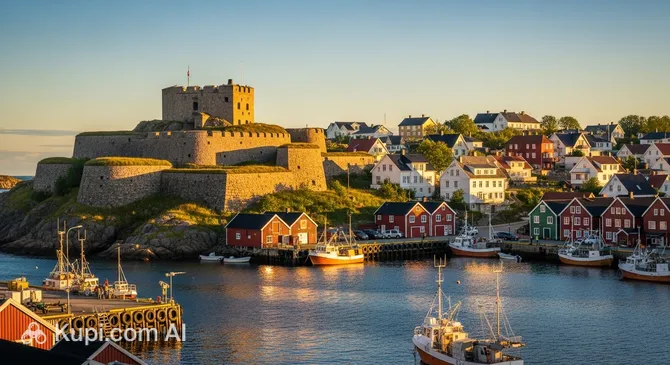
Vardo. Source: Kupi.Binoculars

As the oldest town in Northern Norway, the history of Vardø is rich with tales of survival, trade, and defense. One of the most prominent landmarks is the Vardøhus Fortress, a star-shaped fortification that claims the title of the world's northernmost fortress. It remains a symbol of the town's strategic importance and long-standing heritage.

Beyond its historical fortifications, the town is home to the striking Steilneset Memorial, a monument dedicated to the victims of the 17th-century witch trials in Finnmark. Designed by architect Peter Zumthor and artist Louise Bourgeois, it is a moving blend of architecture and history. For nature lovers, the nearby island of Hornøya offers world-class bird watching, bustling with puffins and guillemots. Whether you are interested in deep history or Arctic nature, Vardø invites you to explore life at the edge of the world.

Weather Overview

Due to its location in the high Arctic, the climate here is subarctic and heavily influenced by the sea, which prevents extreme temperature drops but keeps the air cool year-round. For travelers planning their wardrobe, checking the current weather in Vardø is essential, as conditions can change rapidly. The town experiences a relatively narrow temperature range compared to inland areas, staying cool in summer and moderately cold in winter.

The warmest period occurs in July and August, where average temperatures reach approximately 10.8°C, with highs occasionally climbing to around 12.5°C. In contrast, the winter months of January and February are the coldest, with average temperatures dropping to about -4.7°C and lows reaching -6.4°C. Despite the latitude, the ocean keeps the port ice-free, although the air remains crisp and chilly.

Precipitation is a constant companion throughout the year, with frequent wet or snowy days. March is typically the dampest month in terms of frequency, seeing up to 21 wet days, while June is slightly drier with around 12 wet days. Expect cool, breezy summers with frequent cloud cover and cold, snowy winters where warm layers are a necessity.

Interesting Facts

Beyond the historic fortress and scenic views, Vardø holds several intriguing secrets that add to its unique Arctic charm. This small island community is full of surprises, ranging from quirky local traditions to pioneering engineering feats.

  • The Nordic Capital of Snowball Fighting: Vardø takes winter fun to a professional level by hosting the annual Yukigassen competition. This organized snowball fighting championship, inspired by Japanese tradition, draws teams from all over to battle it out with helmets and strict rules, turning a childhood pastime into a serious spectator sport.

  • A Salute to the Sun: Living through the dark polar night creates a deep appreciation for daylight. When the sun finally peeks above the horizon for the first time after the long winter darkness, the event is officially marked by a traditional gun salute fired from the cannons of the Vardøhus Fortress, welcoming the light back to the town.

  • An Open-Air Art Gallery: Despite its remote location, the town features an impressive collection of urban art. The "Komafest" project transformed many of the town's older, abandoned buildings into canvases for international street artists, creating a striking contrast between colorful murals and the stark, rugged Arctic landscape.

  • Engineering History: Reaching the island was once a challenge, but Vardø holds a record in infrastructure. The Vardø Tunnel, which connects the town to the mainland, was opened in 1982 as the very first subsea road tunnel ever built in Norway, paving the way for future underwater connections across the country.

How to Get There

Reaching the easternmost point of Norway requires some planning, as the town is located on an island in the Barents Sea. However, the journey offers a scenic introduction to the Arctic environment. You can read more about how to get to Vardo and the specific transport routes available to help organize your trip.

The most direct way to arrive is by flying into Vardoe Airport (VAW). This local airport is situated in Vardo itself, just 3.0 km from the town center. It primarily handles regional flights, often connecting through other hubs in Finnmark. Due to the short distance, a taxi ride to the center takes only about 10 to 15 minutes.

Alternatively, many visitors fly into Kirkenes Airport, Høybuktmoen (KKN) in the city of Kirkenes. This is a larger regional hub with more frequent connections. It is located approximately 85.6 km from Vardo (in a straight line), though the road distance is longer due to the geography of the fjords. The transfer by bus or rental car allows you to experience the rugged coastline, with a travel time of roughly 2.5 to 3 hours.

For clarity, here is a summary of the main airports:

Airport Name City Passenger Traffic Km from City
Murmansk AirportMurmanskLarge188.4
Kirkenes Airport, HøybuktmoenKirkenesMedium85.6
Vardoe AirportVardoSmall3.0
Batsfjord AirportBatsfjordSmall58.8
Valan AirportHonningsvagSmall202.4

The city of Vardo does not have a railway station, as the Norwegian railway network does not extend to this part of Finnmark. The closest rail connections are located across the border. You can arrive at the Murmansk Railway Station in the city of Murmansk (Russia), which is about 173.5 km from Vardo. From there, travelers would need to arrange road transport to cross the border, a journey that can take several hours depending on customs and road conditions.

Below is the information regarding the nearest railway stations:

Station City Passenger Traffic Km to Center
Imandra StationMonchegorskSmall293.6
Murmansk Railway StationMurmansk173.5
Kola Railway StationKola181.7
Olenegorsk Railway StationOlenegorsk264.0

Main Attractions

One of the most significant historic sites in the region is the Vardøhus Fortress. As the northernmost fortress in the world, it is shaped in a distinctive eight-pointed star and has guarded the area since the 18th century. While it is a military facility, it acts largely as a museum and a park for locals. Tourists are often charmed by the fortress's unique "Rowan Tree," which is famously wrapped and protected every winter to survive the harsh Arctic climate, symbolizing the resilience of life in the north.

A short walk along the coast reveals the hauntingly beautiful Steilneset Memorial, often called the Witch Monument. This architectural masterpiece is a collaboration between architect Peter Zumthor and artist Louise Bourgeois, dedicated to the 91 victims of the 17th-century witch trials in Finnmark. The memorial consists of a long pine corridor containing historical texts and a glass pavilion housing a burning chair within a mirror. It is a deeply moving place that offers a powerful contrast between the dark history it commemorates and the stunning natural surroundings.

For those seeking a connection with nature, a boat trip to the island of Hornøya is an unforgettable experience. Located just a short distance from the harbor, this is the easternmost point of Norway and a premier destination for birdwatching. During the summer, the cliffs are teeming with thousands of puffins, guillemots, and kittiwakes. A hike up to the lighthouse provides panoramic views of the Barents Sea, where visitors can truly feel the vastness of the Arctic Ocean.

Adding to the town's artistic landscape is the Drakkar-Leviathan, a striking wooden sculpture situated on the hills near the memorial. Created by the Taibola Assemble team, this large-scale installation merges the shapes of a Viking ship and a mythical sea creature. It serves as an excellent viewpoint for admiring the town and the sea, especially under the Midnight Sun or the Northern Lights, and stands as a modern tribute to the legends and maritime heritage of the north.

Local Cuisine

The local cuisine in Vardø is defined by its proximity to the Barents Sea, acting as a direct pantry for some of the world's freshest seafood. In this Arctic climate, food is not just sustenance; it is a source of warmth and comfort. The culinary scene is unpretentious and hearty, relying heavily on ingredients caught just off the coast or harvested from the rugged tundra. Visitors can expect simple, honest flavors where the quality of the raw material takes center stage.

Undoubtedly, the star of the menu in this region is the Red King Crab. Often referred to as the monster of the Barents Sea, this delicacy is caught locally and served in generous portions. Unlike in high-end restaurants elsewhere in the world where it is a rare garnish, here you can enjoy it fresh from the pot, typically steamed and served with bread, mayonnaise, and lemon. The meat is sweet, tender, and abundant, making it a "must-try" experience for any seafood lover visiting the town.

Traditional Norwegian fish dishes are also staples of the local diet. During the winter season, skrei (migratory Arctic cod) becomes the highlight. Locals often enjoy a traditional dish called mølje, which consists of poached cod, cod liver, and roe—a vitamin-rich meal that has sustained fishermen for centuries. For those preferring something less intense, pan-fried halibut or boknafisk (semi-dried cod) served with bacon and pea stew are delicious alternatives that showcase the region's preservation methods.

Beyond seafood, the flavors of the inland tundra make their way to the tables of Vardø. Reindeer meat is a regional specialty, often served as a rich, creamy stew known as bidos or as tender fillets with game sauce. To finish a meal, look for desserts featuring cloudberries. Known as "Arctic Gold," these tart, amber-colored berries grow in the wild marshes and are typically served as a warm sauce over ice cream or mixed with whipped cream.

The dining culture in Vardø is intimate and relaxed. You won't find bustling street food markets here; instead, social life revolves around cozy guesthouses, hotel restaurants, and local pubs. Coffee is the universal drink of choice, consumed in large quantities to combat the cold. For an alcoholic beverage, a glass of aquavit (akevitt) is the traditional accompaniment to heavy fish or meat dishes. A visit to Vardø is also incomplete without stopping by Nordpol Kro, the oldest pub in Northern Norway, where locals and travelers gather to share stories over a pint in a historic, atmosphere-filled setting.

Travel Tips

Visiting Vardø is an adventure to the very edge of the map, where the Arctic elements shape daily life. To help you make the most of your journey to this resilient island community, here are some practical tips designed to keep you comfortable, safe, and prepared for the unique conditions of Northern Norway.

  1. Clothing and Gear: The weather in Vardø can be unpredictable and harsh, regardless of the season. The key is layering. Bring thermal underwear (preferably wool), a warm mid-layer, and a high-quality windproof and waterproof outer shell. The wind here can be piercing, so a hat, scarf, and gloves are essential even in summer. If visiting in winter, sturdy boots with good grip or add-on spikes (crampons) are highly recommended, as the streets can be icy.
  2. Transportation: Vardø is a compact town located on an island, making it very walkable. You can easily reach most attractions, including the fortress and the memorial, on foot. There is no public metro or tram system. For travel outside the town or to explore the scenic Varanger National Tourist Route, renting a car is the best option, though you should be comfortable driving in winter conditions if visiting between October and April. Taxis are available but can be expensive; it is wise to book them in advance if needed.
  3. Finances: The local currency is the Norwegian Krone (NOK). Norway is rapidly becoming a cashless society, and cards (Visa and Mastercard) are accepted almost everywhere in Vardø, from grocery stores to small cafes. It is still useful to have a small amount of cash for very minor purchases, but it is not strictly necessary. ATMs (minibank) are available but limited, so withdraw cash upon arrival if you prefer to have some on hand. Tipping is not mandatory but is appreciated for exceptional service; rounding up the bill is common practice.
  4. Health and Safety: Vardø is an extremely safe destination with virtually no violent crime. The main risks are environmental. Be cautious when walking near the sea edges during storms and watch your step on icy surfaces. There is a local health center for minor issues, but for serious emergencies, dial 113 for medical assistance. Pharmacies (Apotek) follow standard business hours and are generally closed on Sundays, so bring necessary prescription medications with you.
  5. Communication: The official language is Norwegian, but English is widely spoken and understood by almost everyone, often at a very high level. You will have no trouble communicating. Norway is part of the EU/EEA roaming agreements, so many European SIM cards work here without extra charges. Free Wi-Fi is commonly available in hotels, cafes, and public buildings.
  6. Local Etiquette: Norwegians value personal space and calmness. Greetings are usually a firm handshake. It is polite to say "Hei" (Hi) to shop staff and bus drivers. A crucial rule in Norway is to remove your shoes when entering a private home and sometimes even in certain guesthouses or cabins; look for a shoe rack at the entrance. Being loud in public spaces is generally frowned upon.
  7. What to Avoid: Do not underestimate the nature conservation rules. If you visit Hornøya island to see the birds, strictly stick to the marked paths. Disturbing the wildlife or venturing off-trail can harm the fragile ecosystem and is considered very disrespectful. Also, avoid complaining excessively about the weather to locals; they take pride in their resilience, and the saying "there is no bad weather, only bad clothes" is a national mantra.
  8. Additional Tip: Be mindful of Sunday closures. Like much of Norway, supermarkets and most shops in Vardø are closed on Sundays. If you are arriving on a weekend, plan your grocery shopping for Saturday. Also, buying alcohol is regulated; wine and spirits can only be purchased at the state-run "Vinmonopolet," which closes early on weekdays and is closed on Sundays.

By packing the right gear and embracing the local pace of life, your trip to Vardø will be a smooth and unforgettable experience. The town's raw beauty and friendly atmosphere are best enjoyed when you are warm, dry, and well-prepared for the Arctic environment.

Entertainment & Nightlife

Entertainment and nightlife in Vardø reflect the town's intimate size and remote Arctic location. You will not find pulsing nightclubs, neon-lit districts, or sprawling entertainment complexes here. Instead, the nightlife scene is small, authentic, and centered around social gatherings where locals and visitors mix freely. The atmosphere is defined by "koselig"—the Norwegian concept of coziness—making it a warm and welcoming experience, especially when the weather outside is fierce. Most evening activity is concentrated in the compact town center, particularly near the harbor along Kaigata and Strandgata, where the few available venues are within easy walking distance of each other.

The absolute cornerstone of the local social scene is Nordpol Kro. Established in 1864, it holds the title of the oldest pub in Northern Norway and is an essential stop for anyone visiting the town. The walls are lined with history, featuring photos of past expeditions and local memorabilia, creating a setting that feels more like a living museum than a typical bar. It is the place where fishermen, tourists, and locals gather to share stories over a pint. Another option for a quiet evening drink is the bar at the Vardø Hotel. It offers a slightly more polished atmosphere, suitable for enjoying a glass of wine or a cocktail after a dinner of local seafood.

The vibe in Vardø is decidedly casual and relaxed. There is no strict dress code; in fact, practical outdoor clothing, wool sweaters, and hiking boots are the standard attire even in the evening. The best time to experience the nightlife is on Friday and Saturday nights, though "bustling" is a relative term in a town of 2,000 people. During the summer months, the Midnight Sun energizes the town, and people stay out much later, while in winter, the focus shifts to warm conversations indoors after hunting for the Northern Lights. Prices are typical for Norway, meaning alcohol can be expensive, so budget accordingly.

Safety is rarely a concern in Vardø. The town is incredibly safe for night walks, and the greatest danger comes from icy streets rather than crime. Since the town is located on a small island, getting around is best done on foot, as almost everything is accessible within a 10 to 15-minute walk. Taxis are available if you need to travel to the airport or further outskirts, but they are limited in number, so it is advisable to call for one in advance if you have a specific schedule.

For daytime entertainment, the town offers cultural experiences that punch well above its weight class. Beyond the famous fortress and memorial, the Vardø Museum provides fascinating insights into the region's Pomor trade history and polar exploration. The town also has a local cinema and a cultural center that occasionally hosts concerts, theater productions, and community events. For those who prefer outdoor amusement, the surrounding nature serves as the ultimate playground, offering activities ranging from deep-sea fishing trips to bird safaris that occupy the daylight hours before the evening settles in.

Parks & Museums

In Vardø, the concept of a "park" is redefined by the Arctic landscape. Instead of manicured flowerbeds, visitors find rugged coastlines, historical fortress grounds used as green lungs, and vast natural reserves teeming with life. The town's cultural venues are equally compelling, preserving the deep history of polar exploration, cross-border trade, and wartime resilience.

Key Parks and Green Spaces

While the town is surrounded by the wild tundra, the grounds of the Vardøhus Fortress serve as the community's central park. Within the star-shaped ramparts, locals and visitors enjoy one of the few sheltered green spaces on the island. It is a peaceful area for walking, offering distinct views of the Barents Sea and the town's harbor. In the summer, the grassy banks of the fortifications are a popular spot for picnics under the Midnight Sun, providing a stark but beautiful contrast to the stone walls and cannons.

For a true immersion in Arctic nature, the Hornøya Nature Reserve is unparalleled. Located on an island just a 10-minute boat ride from the harbor, it is the easternmost point of Norway. This protected area is not just a bird sanctuary; it is a dramatic landscape of steep cliffs and grassy slopes. Hiking the trail to the lighthouse at the summit rewards you with sweeping panoramic views of the Varanger peninsula. It is a raw, untouched natural space where the noise of the city is replaced by the sounds of the ocean and thousands of seabirds.

Museums and Galleries

The Vardø Museum is a cornerstone of the town's cultural identity. As part of the Varanger Museum network, it offers deep insights into the region's unique heritage, particularly the "Pomor trade"—the historical barter trade between Norwegians and Russians that flourished for centuries. The exhibitions showcase maritime history, fishing traditions, and the daily life of coastal communities in the high north. It is an essential stop for understanding why this remote island became such a vital hub in Arctic history.

An unconventional but striking cultural venue is the town's Open-Air Street Art Gallery. Born from the "Komafest" project, this initiative turned the streets of Vardø into a canvas. Dozens of abandoned and historical buildings across the island feature large-scale murals by international artists. Walking through the town feels like visiting a sprawling, roofless gallery where modern urban art meets the weathered textures of Arctic architecture, breathing new life and color into the cityscape.

Historical and Architectural Sites

Beyond the fortress, the waterfront is defined by the historic Brodtkorb Wharves (Brodtkorbsjåene). These restored wooden warehouses date back to the 19th century and are remnants of the vibrant merchant activity that once dominated the harbor. Their traditional construction and location right on the water's edge provide a glimpse into the architectural style that characterized Northern Norwegian trading posts before the devastation of World War II.

Another significant landmark is the Vardø Church. Built in 1958 to replace the previous church destroyed during the war, its modern, concrete architecture stands as a symbol of the town's reconstruction and resilience. The church's distinct triangular shape and tall spire serve as a navigation mark for ships at sea and a spiritual center for the community.

Authentic Experiences

For a unique local experience, take a walk to the area known as Skagen on the northern tip of the island. It offers a rugged, open landscape perfect for hiking and is often quieter than the main tourist spots. Here, you can find solitude and uninterrupted views of the endless horizon, making it a prime location for spotting the Northern Lights away from the town's streetlights.

Getting Around

Given the compact size of the town and its location on a small island, the public transport system in Vardø is quite different from what you might expect in a larger city. There is no metro, tram, or extensive urban bus network here. Instead, the town is designed on a human scale, where the primary mode of getting around is simply walking. Most hotels, attractions, shops, and the harbor are located within a radius of just 10 to 15 minutes on foot, making a pair of comfortable walking shoes your most valuable travel tool.

For travel beyond the town center or to connect with the mainland, the regional bus service is the main option. Public transport in the Finnmark region is operated by Snelandia. Buses connect Vardø with the airport (located on the mainland side at Svartnes) and other nearby towns like Vadsø. While these buses are modern and comfortable, the frequency of service is tailored to a small population, often running only a few times a day and less frequently on weekends. It is crucial to check the timetable in advance rather than waiting at a stop.

When it comes to paying for bus rides, the system is fully digital-friendly. The most convenient and cheapest way to buy tickets is through the Snelandia Mobile app (Snelandia Mobillett), which is available for download on smartphones. You can purchase single tickets or period passes directly in the app before boarding. While it is generally possible to pay with a bank card or cash on board, using the app usually offers a discount and saves time. Fares are zone-based, but local trips within the municipality remain relatively affordable.

Taxis serve as a vital alternative, especially for trips to and from Vardoe Airport or when carrying heavy luggage through the snow. There is usually a taxi stand near the town center, but in a small community like this, you cannot always count on hailing one on the street. It is highly recommended to book a taxi by phone in advance, particularly if you have an early flight or a tight schedule. Be aware that taxi fares in this region can be quite high compared to other parts of Europe.

A unique feature of transport in Vardø is its connection to the sea. The town is a daily port of call for the famous Hurtigruten and Havila coastal steamers. These ships stop here twice a day (once northbound and once southbound) and function not just as cruise ships but as a crucial part of the public transport infrastructure, ferrying locals and goods between coastal ports. Additionally, during the summer season, a small local boat service ferries visitors from the harbor to the nearby island of Hornøya for birdwatching.

For those who prefer independence, renting a car is a popular choice, though you will likely need to arrange this at a larger hub like Kirkenes or Vadsø before arriving, as local inventory is limited. Driving here involves passing through the Vardø Tunnel, an engineering landmark that runs under the sea to connect the island to the mainland. If you choose to drive, remember that winter conditions require experience with icy roads, and parking in the town is generally free and easy to find.

Accommodation

Accommodation in Vardo is limited but offers a warm and authentic Arctic welcome. Due to the town's small size and remote location, you will not find international luxury chains or sprawling resort complexes here. Instead, the options are intimate and functional, consisting primarily of a main full-service hotel, a few guesthouses, and an increasing number of private apartment rentals or cabins. The standard is generally comfortable and cozy, designed to provide a warm refuge from the shifting weather of the Barents Sea.

Where to Stay

Because Vardo is a compact island town, location is rarely a logistical challenge for visitors. Almost all accommodation options are situated within the town center or along the harbor front. Staying anywhere in the main settlement means you are within a 10 to 15-minute walk of key attractions like the Vardøhus Fortress, the Steilneset Memorial, and the ferry terminal. This proximity allows travelers to easily return to their rooms to warm up between sightseeing excursions.

Hotel and Rental Options

The most prominent establishment in town is the Vardø Hotel. It serves as the social and logistical hub for many visitors, offering standard amenities, an in-house restaurant, and a bar. It is the traditional choice for those who prefer full service. For travelers seeking more independence or a "home away from home" feeling, there are several guesthouses and apartment rentals available, such as Wilhelmsen Romutleie. These are particularly popular among those planning longer stays or visitors who wish to buy fresh local seafood and cook their own meals.

Booking and Prices

The price range for accommodation in Vardo is typical for Northern Norway, generally falling into the mid-range category. It is not a budget destination, but it is often more affordable than the high-demand tourist hotspots in the western fjords. While the main hotel can be booked via major online platforms, some smaller guesthouses and private rentals may require direct contact or booking through specific vacation rental sites.

Important Tip: Capacity on the island is limited. It is highly recommended to book your accommodation well in advance, especially if you are visiting during the peak summer season (June to August) or during popular local events like the Yukigassen snowball festival in March. During these times, the town can reach full capacity, and finding a last-minute room can be extremely difficult.

Nearby Cities

For those looking to explore the surroundings, Vardo serves as an excellent base for day trips to several interesting nearby locations. The rugged landscape of the Varanger Peninsula offers unique historical sites and dramatic scenery within driving distance, allowing visitors to experience the diverse nature of Finnmark.

One of the most spectacular excursions is the journey to Hamningberg. Located at the very end of the road along the coast, this abandoned fishing village is famous for being one of the few places in the region that survived World War II intact. The drive itself is a major attraction, winding through a lunar-like landscape of jagged rock formations that feels almost otherworldly. Although no longer permanently inhabited, the well-preserved cottages and the wild, crashing waves of the Barents Sea make it a hauntingly beautiful spot for photography and hiking.

Heading south along the coast, the town of Vadsø offers a mix of cultural heritage and polar history. As the administrative center of the region, it is home to the historic Airship Mast, which was used by Roald Amundsen and Umberto Nobile for their expeditions over the North Pole. Vadsø is also a hub for birdwatchers and offers museums that delve into the history of the Kven people, adding a rich layer of cultural context to your visit.

For those interested in shorter trips, the nearby village of Kiberg is just a brief drive away. It is situated near the easternmost point of the Norwegian mainland, Kibergneset. The area is known for its dramatic coastal views and hiking trails that offer sweeping panoramas of the open ocean, making it a perfect spot for a morning or afternoon outing to breathe in the fresh Arctic air.

City Population Distance (km)
Nordre Fale61032287
Harstad50000592
Tromsø38980470
Tromsdalen16787469
Alta15342300

These nearby destinations offer a glimpse into the diverse culture and landscapes of the region.

Shopping & Souvenirs

Shopping in Vardo is a reflection of its size and remote location; it is functional, intimate, and devoid of the hustle found in larger cities. You will not find high-street fashion chains or sprawling department stores here. Instead, the retail experience focuses on daily essentials and unique local products that celebrate the Arctic lifestyle. For visitors, this offers a chance to discover authentic goods that are practical for the climate or deeply rooted in the region's culture and history.

The main commercial activity is concentrated in the compact town center, particularly along the streets near the harbor such as Kaigata and Kristian IVs gate. This area is easily walkable, allowing you to browse the handful of specialty shops, the local florist, and the grocery stores without needing transport. The atmosphere is relaxed, and shop owners often have time for a chat, adding a personal touch to the experience that is rare elsewhere.

There are no shopping malls in Vardo. The retail landscape consists of standalone stores and small business clusters. For daily needs, groceries, and household items, residents and tourists rely on the local supermarkets, such as Rema 1000 or Spar. These stores are well-stocked and often serve as informal meeting places for the community. If you are looking for wines or spirits, you must visit the state-run Vinmonopolet, which is also located in the town center.

While there is no permanent open-air market hall, the connection to the Barents Sea means that fresh produce is never far away. During specific seasons, it is sometimes possible to buy fresh fish or King Crab directly from the fishermen at the harbor, though this is often an informal arrangement. For those lucky enough to visit during local festivals like the Yukigassen or summer events, pop-up stalls selling local handicrafts, baked goods, and Sami products may appear, offering a glimpse into the region's artisan traditions.

When it comes to souvenirs, the best items to bring back are those that tell a story of the North. Local handicrafts made from wool are popular, providing warmth and style. You should also look for cloudberry products, such as jams or syrups; these "Arctic gold" berries are a delicacy of Finnmark. Another excellent place to find gifts is the shop at the Vardø Museum, which offers books, historical maps, and locally themed mementos. Don't forget dried fish (tørrfisk) snacks, a healthy and traditional Norwegian treat that is easy to pack.

Opening hours in Vardo follow the general Norwegian standard but can be shorter due to the small population. Specialty shops typically open around 10:00 AM and close by 4:00 PM or 5:00 PM on weekdays, with even shorter hours on Saturdays. Supermarkets have much longer operating hours, often staying open until 10:00 PM or 11:00 PM on weekdays. Be aware that nearly all shops, including grocery stores, are closed on Sundays, so plan your supplies accordingly.

Payment is almost exclusively digital. Debit and credit cards (Visa and Mastercard) are accepted everywhere, even for small amounts like a pack of gum or a coffee. Carrying large amounts of cash is unnecessary, though having a few coins might be useful for very minor transactions. Regarding tax-free shopping, while Norway offers a VAT refund scheme for tourists, few shops in Vardo may display the "Tax Free" signage compared to larger tourist hubs. It is advisable to ask the staff at the counter if they offer the Tax Free form for purchases exceeding the minimum threshold.

Reached the end of the page?

That means the route is fully explored