Support

Mora

About

Nestled in the heart of the picturesque province of Dalarna, Mora is a charming destination that captures the essence of traditional Scandinavian culture. Located between the northern shore of Lake Siljan and the southern tip of Lake Orsasjön, this town is a quintessential stop for anyone exploring Sweden. With a population of approximately 12,800 residents, it offers a cozy, small-town atmosphere while serving as a significant cultural and commercial hub for the region.

The town is perhaps best known internationally for the Vasaloppet, the world's oldest and longest cross-country ski race, which finishes in the town center every March. This event celebrates a pivotal moment in the history of Mora, tracing the path taken by Gustav Vasa in 1520 as he rallied support against Danish rule. Beyond winter sports, the town is the birthplace of the celebrated artist Anders Zorn, and visitors can explore his legacy at the dedicated Zorn Museum and his preserved home, Zorngården.

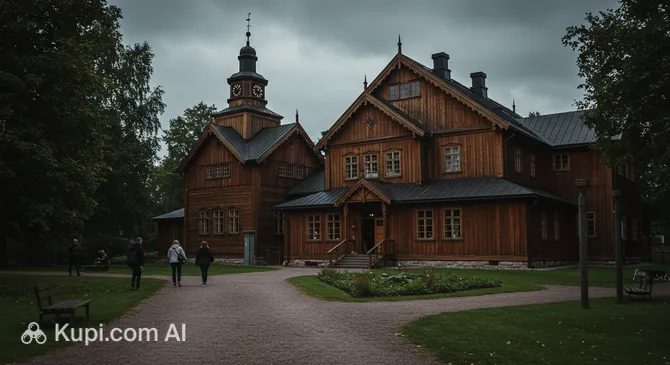
Mora. Source: Kupi.Binoculars

Nature lovers will find Mora to be an exceptional base for outdoor activities. The glimmering waters of Lake Siljan invite tourists for swimming, fishing, and boating during the warmer months, while the surrounding forests offer extensive hiking trails. Whether you are interested in diving into Sweden's artistic heritage, witnessing a legendary sporting event, or simply enjoying the serene lakeside views, Mora promises a memorable and authentic travel experience.

Weather Overview

Mora experiences distinct seasons characteristic of central Sweden, offering travelers a mix of crisp, snowy winters and pleasant summers. The weather in Mora varies significantly throughout the year, so checking the forecast before your trip is highly recommended. Winters are typically cold and stable, with January seeing average temperatures of around -5.2°C and lows often dipping to -7.7°C. This period is ideal for winter sports enthusiasts, provided you pack warm layers to handle the freezing conditions.

As the season shifts, temperatures rise comfortably, making the region lush and inviting. By July, the average temperature reaches approximately 15.5°C, with daily maximums often climbing to nearly 20°C. While these months are the warmest, they are also quite active in terms of precipitation; July and August can see up to 16 wet days each. Overall, you can expect warm summers with occasional rain and cold, relatively dry winters, ensuring a unique atmosphere regardless of when you choose to visit.

Interesting Facts

Beyond the main attractions, Mora holds many fascinating secrets and local traditions that define its unique character. From world-renowned craftsmanship to sweet sporting customs, here are some intriguing details about this Swedish town.
  • The Home of the Mora Knife: The town is globally famous for the "Morakniv," a staple belt knife used by carpenters and outdoor enthusiasts worldwide. Local smiths have been crafting these sharp, durable tools in the area since the 17th century, turning a local utility item into a national symbol of Swedish quality.

  • Fueled by Blueberries: The legendary ski race hosted here is powered by a unique culinary tradition. During the grueling 90-kilometer journey, participants consume thousands of liters of warm blueberry soup ("blåbärssoppa") at energy stations along the course, giving them the boost needed to reach the iconic Vasaloppet Finish Line.

  • Modernity in Art: Anders Zorn, the town's most famous son, was not just a painter but also a technology enthusiast. His estate, which is part of the complex including the Zorn Museum, was one of the first homes in the region to feature modern luxuries like a telephone and a stainless steel kitchen sink, showcasing his forward-thinking mindset.

  • Origins of a National Icon: Just a short drive from the town center lies the village of Nusnäs, which is the heart of Dala Horse production. It is one of the few places left where these red wooden horses—Sweden's most recognizable souvenir—are still carved and painted entirely by hand using traditional 19th-century techniques.

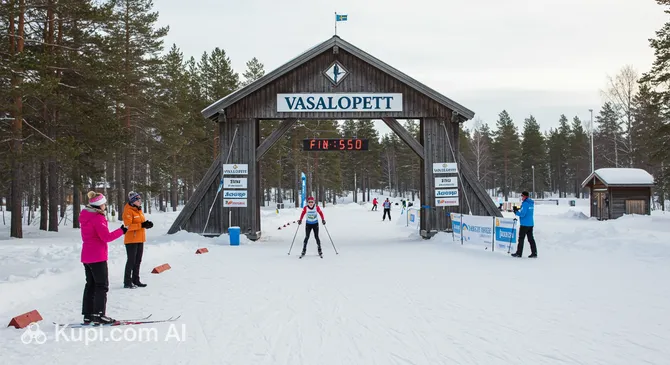
Vasaloppet Finish Line. Source: Kupi.Binoculars

How to Get There

Reaching this scenic part of Dalarna is an adventure in itself, with several travel options available depending on your starting point. Whether you prefer flying into a nearby hub or taking a scenic train ride through the Swedish countryside, you can find the best route for your journey. For a comprehensive guide on all available transport methods, you can read more about how to get to Mora.

The town does not have its own commercial airport, but travelers can fly into Scandinavian Mountains Airport (SCR) in Sälen, which is approximately 93 km away. This regional airport is the closest option, and the subsequent journey by road takes about 160 minutes. For those looking for more international connections, Oslo Airport Gardermoen (OSL) in Oslo is a major hub. Although it is located about 209 km away, it offers extensive flight options. The travel time from Oslo to Mora by road is roughly 335 minutes.

For clarity, here is a summary of the main airports:

Airport Name City Passenger Traffic Km from City
Oslo Airport Gardermoen Oslo Very Large 208.8
Sundsvall-Timra Airport Sundsvall Medium 228.8
Orebro-Bofors Airport Orebro Small 200.4
Scandinavian Mountains Airport Sälen Small 93.1
Karlstad Airport Karlstad Small 186.1

If you prefer traveling by rail, the town is well-connected to the national network, making it accessible directly by train without the need for transfers in neighboring towns. The route typically passes through scenic landscapes and key regional hubs. Borlänge Railway Station (XYB) in Borlange, located approximately 76 km away, serves as a major junction for trains heading into the region. Leksand Railway Station (XXO) is another significant stop on the line, situated about 40 km before you reach your final destination.

Below is a list of nearby railway stations that serve the region:

Station City Passenger Traffic Km to Center
Borlänge Railway Station Borlange High 75.7
Leksand Railway Station Leksand 39.5
Hedemora Station Hedemora 113.4
Avesta Krylbo Station Avesta 130.8
Falun Central Station Borlange 74.9

Main Attractions

Mora offers a delightful mix of cultural heritage and historical landmarks that reflect the soul of the Dalarna region. From world-class art collections to monuments celebrating Swedish resilience, there is plenty to discover within walking distance of the town center.

One of the most significant cultural highlights is the Zorn Museum. Dedicated to Anders Zorn, one of Sweden’s most internationally acclaimed painters, this museum houses an extensive collection of his watercolors, oil paintings, and sculptures. Visitors can admire his masterful ability to capture light and water, as well as his portraits of American presidents and European nobility. The museum also provides insight into his life in Mora and his contributions to the local community.

Zorn Museum. Source: Kupi.Binoculars

Just a stone's throw away lies the iconic Vasaloppet Finish Line. This historic portal marks the end of the world's oldest cross-country ski race and bears the famous motto "I fäders spår för framtids segrar" (In the footsteps of our fathers for the victories of the future). Even outside the winter season, tourists flock here to take photos under the landmark that symbolizes endurance and tradition, imagining the excitement that fills the street during the race week.

For those interested in architecture and history, Mora Church is a must-visit. Dating back to the 13th century, this striking building features a distinctive spire that dominates the town's skyline. The interior is equally impressive, adorned with works by Anders Zorn himself, including a statue of Gustav Vasa in the churchyard. It serves as a peaceful retreat and a testament to the town's long-standing religious and community significance.

To deepen your understanding of the local artistic legacy, a visit to Zorngården is highly recommended. Located next to the museum, this was the artist's actual home, designed with a unique blend of local timber traditions and English Arts and Crafts style. Guided tours reveal the beautifully preserved interior, which was incredibly modern for its time, featuring one of the first telephones and stainless steel sinks in the area, offering a personal glimpse into the daily life of the Zorn family.

Local Cuisine

Local Cuisine:

The culinary landscape of Mora is deeply rooted in the traditions of Dalarna, offering a hearty and authentic taste of Sweden. The region is famous for its high-quality ingredients sourced directly from the surrounding wilderness. Visitors can expect menus featuring game meat, such as elk (moose) and reindeer, often served with rich sauces and wild mushrooms. The pristine waters of Lake Siljan provide an abundance of fresh fish, particularly trout and perch, which are staples in local households and restaurants alike.

Berries play a significant role in the local diet, adding sweetness and acidity to both savory and sweet dishes. Lingonberries are the classic accompaniment to Swedish meatballs and game, while the elusive cloudberry, often called "forest gold," is a prized delicacy usually served warm with vanilla ice cream or waffles. Of course, the town's connection to skiing history makes warm blueberry soup a cultural icon here, symbolizing energy and endurance.

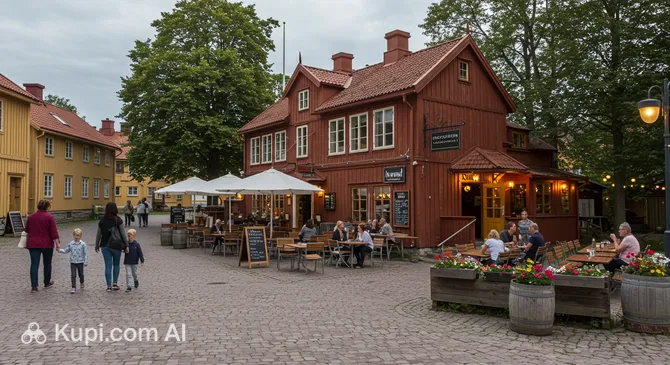
Dining out in the town offers a variety of experiences, from rustic charm to modern flavors. The Moraparken Restaurant is a well-known establishment where guests can enjoy traditional Swedish dishes prepared with seasonal local produce. Its location makes it a convenient and scenic spot to relax after a day of exploring the area.

Moraparken Restaurant. Source: Kupi.Binoculars

For those seeking a more contemporary vibe, Käk & Plock Restaurant Mora offers a diverse menu that ranges from hearty burgers to casual sharing plates, perfect for a relaxed evening with friends. Alternatively, travelers looking for a refined dining experience can visit the restaurant within the Mora Hotel & Spa. Here, the kitchen focuses on high-end preparations of regional classics, allowing diners to savor the sophisticated side of Dalarna's gastronomy.

Travel Tips

Preparing for your trip to Mora ensures you can fully enjoy its lakeside beauty and rich cultural heritage without any logistical hiccups. To help you navigate the local customs and practicalities, here is a guide to making your stay in this charming part of Sweden as smooth as possible.

  1. Dress for the Elements: The weather in Dalarna can be changeable. In winter, thermal base layers, a heavy down jacket, and insulated, non-slip boots are essential for handling the snow and freezing temperatures. If you visit in summer, pack light layers and comfortable walking shoes, but always carry a waterproof jacket or umbrella, as rain showers are common.

  2. Getting Around: The town center is compact and best explored on foot. For longer distances or to visit neighboring villages around Lake Siljan, the regional bus network, Dalitrafik, is reliable. However, renting a car is highly recommended if you want the freedom to explore the deep forests and remote nature reserves at your own pace.

  3. Money Matters: The local currency is the Swedish Krona (SEK). Be aware that Sweden is one of the most cashless societies in the world. Many shops, cafes, and even public transport options in Mora are "card-only" and do not accept cash. Ensure you have a valid credit or debit card (Visa and Mastercard are widely accepted) with a PIN code.

  4. Health and Safety: Mora is a very safe destination for tourists. Pharmacies are marked with a green cross and the word Apotek; you can find the main one in the town center. If you plan on hiking in the forests during summer, wear long trousers and check yourself for ticks afterwards, as they can be prevalent in the tall grass.

  5. Staying Connected: English is spoken fluently by almost everyone, so communication will rarely be an issue. Free Wi-Fi is available in most hotels, cafes, and on trains. If you need mobile data, you can purchase a prepaid SIM card at convenience stores like Pressbyrån or larger supermarkets.

  6. Local Etiquette: Swedes value personal space and order. Always respect queues (take a ticket if there is a machine) and never cut in line. If you are invited to a local's home or stay in a guesthouse, it is customary to remove your shoes at the door. A simple "Hej" (Hello) and "Tack" (Thank you) go a long way in showing politeness.

  7. What to Avoid: Do not walk in the cross-country ski tracks during winter. These groomed trails are strictly for skiers, and walking on them ruins the surface and is considered very rude. Also, avoid being loud or boisterous in public places, as the local culture tends to be reserved and quiet.

  8. Shopping Hours: Keep in mind that shops in smaller Swedish towns often close earlier than you might expect. On Saturdays, many businesses close around 3:00 PM or 4:00 PM, and on Sundays, they may be closed entirely or have very limited hours, so plan your grocery or souvenir shopping accordingly.

By keeping these practical tips in mind, you will be well-equipped to embrace the relaxed pace and outdoor lifestyle that defines Mora. Whether you are here for the skiing, the art, or the nature, a little preparation allows you to focus on creating unforgettable memories in the heart of Dalarna.

Entertainment & Nightlife

Nightlife in Mora reflects the town's cozy and welcoming character, offering a relaxed alternative to the high-energy club scenes of larger cities. Instead of sprawling nightlife districts, the evening entertainment is concentrated in the compact town center, particularly around the pedestrian streets and the lakefront. The atmosphere is generally laid-back and social, where locals and tourists mingle in warm, inviting pubs and hotel bars. While weeknights can be quite quiet, the town comes alive on Fridays and Saturdays, with venues staying open late and hosting a lively crowd of all ages.

For those looking to enjoy a sophisticated evening drink, the Mora Hotel & Spa is a cornerstone of the local social scene. Located right in the heart of town with views over Lake Siljan, its bar and lounge area provide a classic setting for cocktails or a glass of wine. It is a popular spot for both hotel guests and residents to start their night in a refined environment. Just a short walk away, you can find a more modern and casual vibe at Käk & Plock Restaurant Mora. This venue is well-regarded not just for its food but for its great atmosphere in the evenings, making it an excellent place to gather with friends for drinks and conversation.

Mora Hotel & Spa. Source: Kupi.Binoculars

Another key player in the town's entertainment landscape is the Moraparken Restaurant. Situated in a scenic park area by the river, this facility is often the hub for larger events, shows, and traditional Swedish dance evenings ("dansband"), which are a unique cultural experience. The dress code throughout the town is generally smart-casual; practical footwear is recommended, especially in winter when the streets can be snowy or icy.

When planning a night out, keep in mind that alcohol prices in Sweden can be higher than the European average, so budgeting accordingly is wise. Getting around is safe and easy; the town center is small enough to navigate on foot, and the streets are well-lit and secure for night walks. If you need to travel further or prefer not to walk, local taxi services are available, though it is advisable to book one in advance on busy weekends to avoid waiting.

Before the sun sets, Mora offers plenty of daytime diversions to fill your schedule. Visitors can immerse themselves in the region's rich artistic history at the various museums dedicated to Anders Zorn or enjoy the pristine nature surrounding Lake Siljan. Whether you spend your day hiking the trails or exploring cultural landmarks, the transition into a cozy evening by the fire or a lively night at a local pub is the perfect way to end the day.

Parks & Museums

Mora is a destination where cultural heritage and pristine nature are seamlessly interwoven, offering visitors a delightful mix of lush green spaces and rich historical narratives. The town's location on the shores of Lake Siljan provides a stunning backdrop for outdoor relaxation, while its museums preserve the artistic and athletic legacies that have defined the region for centuries.

For those seeking fresh air and scenic views, the area around Saxviken is a favorite gathering spot. This bay, located right in the town center, features a sandy beach and grassy slopes that are perfect for sunbathing or a refreshing swim during the warmer months. Just a short walk away lies Tingsnäs, a peaceful peninsula jutting into the lake. It serves as a tranquil park area with walking paths where you can enjoy panoramic views of the water and the distant blue hills of Dalarna. For a wilder experience, the Alderängarna nature reserve offers hiking trails through deciduous forests and river meadows, showcasing the diverse flora and fauna of the Österdalälven river delta.

The town's cultural scene is dominated by the legacy of its most famous son, Anders Zorn. The Zorn Museum is an essential stop, housing the world's largest collection of his works, including oils, watercolors, and sculptures. It provides a fascinating insight into his international career and his deep love for his hometown. Complementing the art gallery is Zorn’s Gammelgård (Old Farmstead), an open-air museum founded by the artist himself. It features a collection of around 40 historic timber buildings, some dating back to the 13th century, offering an immersive look into the traditional peasant life and architecture of the region.

History enthusiasts will also appreciate the landmarks associated with the world's oldest cross-country ski race. The Vasaloppet Museum, located in the Vasaloppet House, is dedicated to the history of the race, displaying equipment, photos, and stories of legendary skiers. Just outside, on the main street, stands the iconic Vasaloppet Finish Line. This portal is a historic monument in its own right, symbolizing the endurance and spirit of the thousands of participants who pass beneath it every year.

Among the architectural highlights is Mora Church, with its majestic spire and beautiful interior that reflects the town's prosperity and religious heritage. For a lesser-known cultural experience, take a stroll through the Moraparken area. While often associated with its camping and leisure facilities, the parklands here offer lovely riverside walks and a chance to see the Zorn statue standing proudly nearby, watching over the town he helped put on the map.

Getting Around

Public transport in Mora is efficient and reliable, primarily designed to connect the town center with the surrounding villages and the broader Dalarna region. Given the town's compact size, there is no metro, tram, or trolleybus system. Instead, the local network relies entirely on buses operated by the regional transport authority, Dalatrafik. These buses are modern, comfortable, and serve as the lifeline for locals commuting from residential areas or neighboring towns like Orsa and Älvdalen.

For visitors, the payment system is straightforward but strictly cashless. The most convenient way to purchase tickets is through the Dalatrafik mobile app, which allows you to buy single tickets or period passes directly on your phone. If you prefer not to use the app, you can pay with a contactless credit or debit card (Visa or Mastercard) directly on board the bus. It is important to note that cash is not accepted by drivers, so ensure you have your card or phone ready before boarding. Ticket prices are zone-based, but a standard single fare within the local zone is affordable and valid for a set transfer period.

Navigating the system is easy, even for first-time visitors. Bus stops are clearly marked with the Dalatrafik logo, and timetables are displayed at most shelters. Most local lines operate frequently during weekdays, with reduced service on weekends and holidays. A practical tip for tourists is to board through the front door and tap your ticket or card on the reader near the driver. If you are planning to explore the scenic areas around Lake Siljan, check the schedule in advance, as evening services can be limited in rural areas.

While buses cover the region, the town center itself is best explored on foot. Most major attractions, including the Zorn Museum and the shopping district, are located within a short walking distance of each other. For those who want more freedom, cycling is a highly popular alternative, especially in summer. Bike rentals are available at various locations, including the tourist center and some hotels, offering a pleasant way to ride along the lakefront paths.

Taxis are available but can be relatively expensive compared to public transport. There is no street-hailing culture here; instead, you must book a ride by phone or through an app, or find a car at the designated taxi rank near the railway station. If you plan to visit remote nature reserves or trails far from the main road, renting a car might be the most practical option, as it offers the flexibility that fixed bus routes cannot provide.

A unique feature of the local transport landscape is the Inlandsbanan. While not a daily commuter service, this historic railway line operates during the summer months and connects the town to the vast wilderness of the north. It offers a "hop-on, hop-off" travel experience on vintage railcars, allowing tourists to journey through forests and inland scenery at a leisurely pace. For many, arriving or departing on this scenic train is a highlight of their trip.

Accommodation

Accommodation in Mora caters to a wide range of preferences, blending traditional Swedish hospitality with the region's love for the outdoors. Visitors can choose from comfortable full-service hotels in the town center, charming bed and breakfasts, and budget-friendly hostels. Given the area's natural beauty, camping sites and rental cabins are also extremely popular, particularly for families and those wishing to stay close to the shores of Lake Siljan or the edge of the forest.

For those prioritizing convenience and accessibility, the town center is the best area to base yourself. Staying here places you within walking distance of the main shopping streets, the Zorn Museum, and the transport hubs. If you prefer a more scenic and tranquil setting, look for properties located along the lakefront or near the park areas, which often offer a resort-like atmosphere with easy access to nature trails and recreational facilities while still being close to the action.

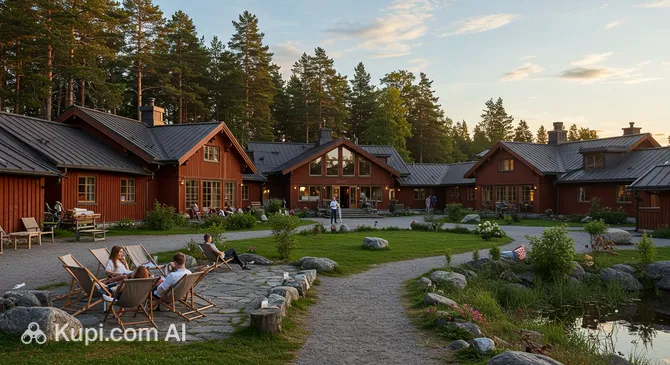
One of the most prominent establishments in the city is the Mora Hotel & Spa. Located right in the heart of town, this hotel is a favorite for travelers seeking a bit of indulgence. It offers views over the lake and provides guests with spa facilities, making it an excellent choice for relaxing after a day of hiking or skiing. Its central location also makes it a strategic starting point for exploring the local cultural attractions.

A crucial tip for booking accommodation in Mora is to plan well ahead, especially if your visit coincides with the Vasaloppet week in late February or early March. During this period, the town's population swells with thousands of skiers and spectators, and every available bed—from hotels to private guest rooms—is often booked up to a year in advance. Summer can also be busy due to the high influx of domestic tourists, so securing your reservation a few months early is advisable.

In terms of pricing, options generally range from moderate to mid-range, with fewer ultra-luxury properties compared to major cities. Budget travelers can find affordable rates at hostels and campsites, while hotels offer standard European pricing. Booking is easily done through major online travel platforms, though contacting smaller guesthouses or campsites directly can sometimes yield better availability or specific cabin options.

Nearby Cities

For those looking to explore the surroundings, Mora serves as an excellent base for day trips to several interesting nearby locations:

Located just over an hour away, Falun is a cultural treasure and a UNESCO World Heritage site. It is most famous for the Great Copper Mountain (Falu Gruva), where visitors can take underground tours to learn about the mine that once financed Sweden's great power era. The city is also the historic source of the iconic Falu Red paint that colors countless Swedish homes, making it a deeply symbolic destination for those interested in national heritage.

For a more modern experience, travelers can visit Borlänge, the commercial hub of Dalarna. It is known for excellent shopping opportunities, including the distinctive Kupolen shopping mall, and the interactive 2047 Science Centre, which is perfect for families. The city also serves as a gateway to Romme Alpin, a popular ski resort that attracts winter sports enthusiasts from across the country.

Situated on the Baltic coast, Gävle offers a scenic change of scenery with its maritime atmosphere. Visitors can wander through Gamla Gefle, the old town area filled with preserved wooden houses and cobblestone streets, or explore the Swedish Railway Museum. Although it is a bit further from Mora, the mix of coastal charm and history makes it a rewarding day trip.

City Population Distance (km)
Gävle 96969 146
Borlange 44898 76
Falun 37291 74
Sandviken 22965 129
Hudiksvall 15015 159

These nearby destinations offer a glimpse into the diverse culture and landscapes of the region.

Shopping & Souvenirs

Shopping

Shopping in Mora offers a delightful blend of small-town charm, traditional Swedish craftsmanship, and modern retail convenience. Unlike the bustling commercial centers of larger cities, the experience here is relaxed and intimate, allowing visitors to browse at their own pace. The town is particularly renowned for its high-quality local products, making it an excellent destination for those looking to take home a piece of authentic Dalarna culture, from world-famous tools to iconic wooden figures.

The heart of the local shopping scene is the pedestrian street, Gågatan (Kyrkogatan), located in the town center. This lively thoroughfare is lined with a variety of small boutiques, clothing stores, and interior design shops. It serves as the main meeting point for locals and tourists alike, offering a pleasant outdoor atmosphere where you can stroll between stores and stop for a "fika" (coffee break) at one of the cozy cafes. Here, you will find everything from outdoor gear suitable for the region's nature to unique fashion items and local delicacies.

For those seeking larger retail chains and a wider selection of everyday goods, the Noret commercial area is the place to go. Located just a short distance from the town center, this district functions as the city's main shopping hub for groceries, electronics, and home improvement supplies. While it lacks the historic charm of the pedestrian street, it provides a comprehensive shopping experience with ample parking and several large department stores, ensuring you can find any travel essentials you might have missed.

Markets and local fairs play a significant role in the town's commerce, especially during the summer months and the festive winter season. During the Vasaloppet weeks, the town center transforms into a bustling marketplace with vendors selling sports equipment, local handicrafts, and souvenirs related to the race. Additionally, keep an eye out for "Loppis" (flea market) signs as you drive around the area; Swedes love second-hand shopping, and you can often find unique vintage items, glass, and porcelain at these roadside stops.

When it comes to souvenirs, Mora is home to two of Sweden's most famous exports. The Morakniv (Mora knife) is a must-buy; these high-quality utility knives have been crafted in the area for centuries and are sold in various shops throughout the town, including a dedicated concept store. Another essential purchase is the Dala Horse. While they are sold in souvenir shops in town, the village of Nusnäs, where they are traditionally carved and painted, is just a short drive away. For art lovers, the gift shop at the Zorn Museum offers exclusive reproductions, books, and design items inspired by the work of Anders Zorn.

Store opening hours generally follow standard Swedish practice. Shops in the town center are typically open from 10:00 AM to 6:00 PM on weekdays. On Saturdays, hours are often reduced, with many businesses closing around 2:00 PM or 3:00 PM. Sundays are usually quiet, with most smaller boutiques closed, although larger stores in the Noret area may remain open. Payment is almost exclusively cashless; nearly all vendors, including market stalls, prefer or require credit/debit cards (Visa and Mastercard) or mobile payments, so there is little need to carry large amounts of cash.

Tourists residing outside the European Union (and Norway) are eligible for tax-free shopping on purchases exceeding a certain amount in participating stores. Look for the "Global Blue" signage in shop windows. If you qualify, ask the staff for a tax refund form at the checkout, which you can later present at customs upon leaving the EU to receive a refund on the VAT paid.
Reached the end of the page?

That means the route is fully explored