Support

Kärdla

About

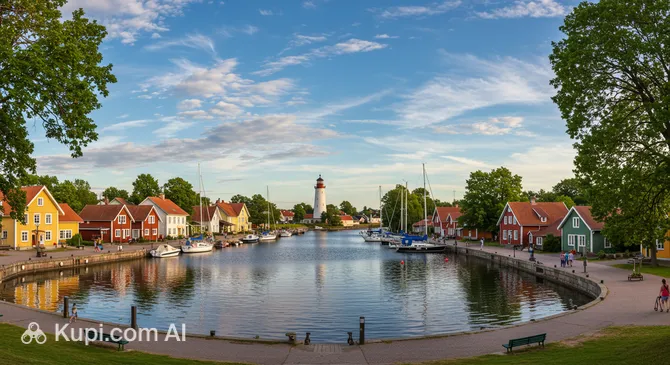
Kärdla is the administrative center and the only city on Hiiumaa, the second-largest island in Estonia. Often referred to as the "capital of Hiiumaa," this charming town is celebrated for its lush greenery and peaceful atmosphere. It is widely known as a "garden city" due to the abundance of trees, parks, and beautifully maintained private gardens that give it a unique, cozy character distinct from typical urban environments.

Kärdla. Source: Kupi.Binoculars

Located on the northeastern coast of the island by the Tareste Bay, Kärdla is home to approximately 3,230 residents. Despite its small size, it serves as the cultural and economic heart of the region. The town's development is deeply rooted in the history of Kärdla, which began to flourish with the establishment of a cloth factory in the 19th century. This industrial past has left a lasting legacy on the town's architecture and layout, making it a fascinating place to explore on foot.

Visitors are often drawn to the **Long House**, the longest wooden building in the city, which now houses the Hiiumaa Museum. Another significant landmark is the **Kärdla Church**, built in the mid-19th century and dedicated to St. John the Baptist, known for its simple yet elegant style. Whether you are interested in exploring local heritage or simply want to enjoy a quiet retreat by the sea, Kärdla offers a welcoming and serene destination for every traveler.

Weather Overview

Kärdla experiences a maritime climate typical of the Estonian islands, offering distinct seasonal changes that add to the town's charm. The summer months of June through August are generally the most pleasant time to visit, with average temperatures reaching around 18°C and highs occasionally surpassing 20°C. This period is ideal for enjoying the "garden city" atmosphere, though travelers should be prepared for moderate humidity.

Winters are chilly but not excessively harsh, with average temperatures hovering just below freezing, around -0.7°C in February. Precipitation is common throughout the year, with October and January being particularly damp, often seeing up to 16 wet days per month. For a more comprehensive breakdown of what to expect during your trip, you can view the detailed weather in Kärdla. Generally, visitors can expect mild, comfortable summers and cool, wetter conditions during the autumn and winter seasons.

Interesting Facts

Beyond its reputation as a peaceful garden city, Kärdla conceals fascinating details about its geological past and unique local traditions that often go unnoticed by casual visitors.

  • A City in a Crater: Unbeknownst to many, Kärdla is situated within a 4-kilometer-wide meteorite crater that formed approximately 455 million years ago. While the crater is largely buried under sediment today, the limestone rim is still visible at Paluküla, making the town a site of significant geological interest in Estonia.

  • Flowing Artesian Wells: One of the town's most distinctive features is its abundance of artesian wells. Due to the specific geological pressure from the crater's structure, groundwater naturally shoots up to the surface without pumps, allowing many local households to have their own "flowing pipes" in their gardens.

  • Swedish Roots: The name Kärdla is derived from the Swedish words Kärrdal, meaning "Marsh Valley," hinting at the area's landscape before it was drained and developed. This reflects the strong historical influence of the Coastal Swedes who inhabited the region for centuries before the town became an industrial hub.

  • Coffee Culture Tradition: Kärdla is the birthplace of the popular "Home Café Days" tradition in the country. Once a year, residents open their private gardens to the public, serving homemade cakes and coffee, a custom that celebrates the town's tight-knit community and hospitality.

How to Get There

Reaching the island city of Kärdla typically involves a combination of travel methods, adding a sense of adventure to the journey. Since the town is located on Hiiumaa island, visitors often arrive via ferry from the mainland or by plane. For a complete overview of routes and transport options, you can read more in our detailed guide on how to get to Kärdla.

Kärdla does not have its own major international airport, so most travelers fly into the capital of Estonia. The primary gateway is Tallinn Airport (IATA: TLL), located in Tallinn, approximately 126.5 km from Kärdla. From the airport, you can take a bus or rent a car to the port of Rohuküla, followed by a scenic ferry ride to Hiiumaa. The total journey, including the ferry crossing, generally takes around 3 to 4 hours. Another option for international arrivals is Helsinki-Vantaa Airport (IATA: HEL) in Helsinki, Finland. Although it is about 193 km away in a straight line, traveling from there requires taking a ferry across the Gulf of Finland to Tallinn before continuing to Kärdla.

For clarity, here is a summary of the main airports nearby:

Airport Name City Passenger Traffic Km from City
Helsinki-Vantaa Airport Helsinki Large 193.0
Tallinn Airport Tallinn Large 126.5
Turku Airport Turku Medium 171.0
Mariehamn Airport Mariehamn Small 203.7
Kuressaare Airport Kuressaare Small 86.7

The city of Kärdla does not have a railway station, as there is no rail network on the island of Hiiumaa. The closest major rail hub listed is Helsinki Central Station (IATA: HEC), located in Helsinki, roughly 180 km away. However, using this station requires navigating ferry connections between Finland and Estonia, followed by ground and ferry transport to the island. It is generally more practical for tourists to rely on buses or cars once they arrive in the region.

Below is the data for the nearest railway station:

Station City Passenger Traffic Km to Center
Helsinki Central Station Helsinki Large 180.4

Main Attractions

Although Kärdla is known for its peaceful atmosphere, it offers several fascinating sights that reflect its unique history and island charm. Visitors can explore a mix of well-preserved wooden architecture, lush parks, and maritime heritage sites, all within walking distance of the town center.

One of the most prominent landmarks is the Long House (Pikk Maja), which serves as the main building of the Hiiumaa Museum. Constructed in the 1830s, this impressive structure stretches over 60 meters and was originally the residence for the directors of the local cloth factory. Today, it stands as the longest wooden building in the city and hosts engaging exhibitions about the factory’s history and local island life. It is an excellent starting point for understanding how this industrial past shaped the "garden city" we see today.

Another architectural gem is the Kärdla Church, dedicated to St. John the Baptist. Built in 1863, it is celebrated for its simple yet beautiful style and its "open" bell tower, a feature that is quite rare in Estonian church architecture. The church was constructed with the help of donations from the factory workers, making it a true community monument. Its ascetic interior and peaceful surroundings offer a quiet place for reflection and appreciation of local heritage.

For nature lovers, Kärdla Beach Park (Rannapark) is a must-visit destination. This historic park was established in the 19th century by the local baron on the site of an old Swedish cemetery. Visitors can still find a cast-iron cross marking the area's past, adding a touch of mystery to the scenic walks. The park is rich in diverse tree species, including red-leafed beeches, and leads directly to the sandy shores, making it perfect for a leisurely stroll or a picnic by the sea.

The Kärdla Harbour has transformed into a modern and vibrant marina that attracts sailors and tourists alike. It is a lively hub where you can watch yachts coming and going, enjoy a meal at a seaside restaurant, or simply take in the fresh sea breeze. The harbour area often hosts summer events and provides a picturesque backdrop for sunset views, showcasing the town's enduring connection to the Baltic Sea.

Local Cuisine

The local cuisine of Kärdla is deeply rooted in the traditions of Hiiumaa island, where the menu is dictated by the seasons and the Baltic Sea. As a coastal town, the most significant staple is fresh fish. Visitors should not miss the opportunity to try smoked flounder (suitsulest), which is often sold hot straight from the smoke ovens. Another regional favorite is the garfish (tuulehaug), a seasonal delicacy available in late spring and early summer, easily recognizable by its unique green bones and delicious flavor.

Complementing the seafood is the island's famous dark rye bread (leib). Hiiumaa bread is known for being dense, aromatic, and slightly sweet, often made using traditional fermentation methods passed down through generations. It is typically served with high-quality local butter or salted fish. For meat lovers, dishes featuring Hiiumaa lamb are a must-try; the sheep graze on the salty coastal pastures, giving the meat a distinct and highly prized taste that is celebrated in local restaurants.

To wash down a hearty meal, you can explore the local beverage culture. Hiiumaa has a long history of beer brewing, and you can find excellent local craft beers ranging from crisp lagers to rich, dark porters. For a non-alcoholic alternative, try kali, a traditional fermented bread drink similar to kvass. It has a unique, slightly sour taste that is incredibly refreshing on a warm summer day, or simply enjoy fresh juices made from local apples and wild berries.

The food culture in Kärdla is uniquely defined by its "garden city" atmosphere. The dining scene is relaxed and unhurried, with many eateries emphasizing "slow food" principles and locally sourced ingredients. While there are lovely restaurants around the Kärdla Harbour offering seaside views, the town is most famous for its Home Café Days (Kohvikutepäevad). This tradition, which originated in Kärdla, sees locals opening their private gardens to the public to serve homemade cakes, sandwiches, and coffee, creating an intimate and welcoming dining experience that perfectly captures the spirit of the community.

Travel Tips

Planning a trip to Kärdla is a delightful experience, as this "garden city" on Hiiumaa island offers a relaxed pace of life and a welcoming atmosphere. To help you make the most of your visit, here are some practical tips to ensure a smooth and enjoyable journey.

  1. Clothing and Gear: Since Kärdla has a maritime climate typical of Estonia, the weather can be changeable even in summer. Bring layers, including a windproof and waterproof jacket, to handle sudden breezes or showers comfortably. Comfortable walking shoes are essential, as the town is best explored on foot, and you may want to wander through its forest trails or along the pebbly beaches.
  2. Transportation: Kärdla is small and very walkable; you can easily reach most sights, shops, and the harbor on foot. For exploring the wider Hiiumaa island, renting a car is the most convenient option, though bicycles are also a popular and eco-friendly way to get around the flat terrain. There is an affordable public bus network on the island, but schedules can be sparse, so check timetables and ticket information in advance.
  3. Finances: The official currency is the Euro (€). Credit and debit cards are widely accepted in shops, restaurants, and hotels, often including contactless payments. However, it is wise to carry some cash for small purchases at local markets, pop-up kiosks, or during special events. ATMs are available in the town center, typically located near major grocery stores.
  4. Health and Safety: Kärdla is an incredibly safe destination with very low crime rates, making it perfect for solo travelers and families. There are pharmacies (apteek) in the town center for basic medical needs, though they may not be open late at night. The general emergency number for police, ambulance, and fire is 112. If you plan to hike in the tall grass or forests, use insect repellent to protect against ticks.
  5. Communication: The official language is Estonian, but English is widely spoken, especially in the tourism sector and among younger residents. Learning a simple "Tere" (Hello) or "Aitäh" (Thank you) is greatly appreciated by locals. Free Wi-Fi is common in cafes and public areas, and you can easily purchase a prepaid SIM card at local supermarkets or kiosks if you need constant data.
  6. Local Etiquette: Estonians value personal space and quietness, so a polite and reserved demeanor fits in well. When entering a shop or meeting someone, a nod or a brief greeting is customary. Kärdla is known for its private gardens; while they are beautiful to look at from the street, always respect private property and do not enter gates unless there is a sign inviting you in.
  7. What to Avoid: Avoid being overly loud or boisterous in public spaces, as this can be seen as disrespectful in the tranquil island setting. Also, try not to compare Hiiumaa unfavorably to its neighbor Saaremaa; the residents have a friendly but proud rivalry, and they deeply cherish their unique island identity.
  8. Local Insight: If you visit in early August, you might catch the famous Kärdla Café Days. During this festival, residents open their private gardens as one-day pop-up cafes. It is a unique opportunity to taste homemade food, see the hidden beauty of local backyards, and mingle with the friendly community in a way that isn't possible at other times of the year.

By keeping these practical tips in mind, you will be well-prepared to embrace the slow, peaceful rhythm of Kärdla. Whether you are cycling through the leafy streets or enjoying a sunset at the harbor, this charming island town is sure to leave you with warm memories.

Entertainment & Nightlife

Kärdla, often celebrated for its tranquility and garden-like charm, offers a nightlife scene that is intimate, relaxed, and deeply connected to its coastal setting. While you will not find the sprawling club districts typical of large capitals, the town transforms in the evening, especially during the summer months. The nightlife here is centered around socializing in cozy atmospheres, enjoying the long "white nights," and appreciating local flavors near the water.

The heart of the evening entertainment is undoubtedly the Kärdla Harbour (Kärdla Sadam). This modern marina area has become a vibrant hub where locals and visitors gather to watch the sunset and enjoy refreshing drinks. Here, you will find Champagne Bar Kork, a sophisticated yet welcoming venue known for its extensive selection of sparkling wines and champagnes. It is an ideal spot for a romantic evening or a quiet night out with friends, often hosting tasting events and concerts. Just a short walk away in the same harbor district is Briis Bar & Resto, which brings a bit more energy to the scene. On weekends, particularly Saturdays, it often hosts house parties with DJs, making it one of the "hottest" spots for those looking to dance or enjoy a lively crowd by the sea.

For a more traditional nightclub experience, the Rannapaargu restaurant on the beach is the place to go. Known locally as "Rannakas," this legendary venue is not only a restaurant with stunning sea views but also transforms into a nightclub on weekends. It is one of the few places on the island where you can find a late-night party atmosphere complete with a DJ and a dance floor. The crowd here is a friendly mix of locals and tourists, and the dress code is generally casual to smart-casual, reflecting the laid-back island vibe.

When planning a night out, keep in mind that the rhythm of Kärdla is seasonal. The town is most active from June to August, while winter evenings are much quieter and focused on warm, indoor gatherings. Prices are generally moderate and affordable compared to larger European cities. In terms of safety, Kärdla is exceptional; walking home at night is very safe, even for solo travelers. However, taxis can be scarce late at night, so it is highly recommended to have a local taxi number handy or pre-arrange your ride if you are staying outside the town center.

Before the sun sets, Kärdla offers plenty of cultural engagement to fill your day. You can visit the Hiiumaa Museum, housed in the historic Long House, to learn about the town's industrial past, or enjoy a peaceful afternoon at the Kärdla Beach Park. Whether you are exploring the history by day or sipping champagne by the harbor at night, Kärdla provides a perfectly balanced escape.

Parks & Museums

Kärdla is widely celebrated as a "garden city," where the boundary between urban living and nature is delightfully blurred. The town offers a rich blend of verdant public spaces and cultural venues that allow visitors to dive deep into the unique heritage of Estonia's second-largest island. From lush parks planted by barons to museums preserving the legacy of local craftsmanship, the city provides a serene yet culturally stimulating environment.

Kärdla Beach Park (Rannapark) is the crown jewel of the city's green spaces. Originally established in the 19th century, this protected park serves as a bridge between the town and the sea. It is renowned for its botanical diversity, featuring exotic tree species like red-leaf beeches that were planted during the era of the local cloth factory barons. The park is not just a place for nature walks; it is steeped in history, housing an old cast-iron cross that marks the site of a former Swedish cemetery, adding a layer of mystique to the scenic trails that lead down to the water.

For those seeking a more rugged natural experience, the Paluküla Hill area, located just on the outskirts of the town, offers excellent opportunities for outdoor activities. Situated on the rim of the ancient Kärdla meteorite crater, this area features a network of health trails that wind through pine forests. It is a favorite spot for locals for jogging, cycling, and winter skiing, offering fresh air and a chance to see the geological contours that shaped the region millions of years ago.

The cultural heart of the town is the Hiiumaa Museum Long House (Pikk Maja). While the building itself is an architectural landmark, the museum inside offers a comprehensive look at the town's development. The permanent exhibition focuses on the Kärdla Cloth Factory, which was once the lifeblood of the city, and showcases the lifestyle of the factory workers and directors. Visitors can also learn about the unique "coffee drinking" culture of Kärdla and explore temporary art exhibits that frequently rotate through the museum's halls.

Art enthusiasts should visit the Nelja Nurga Galerii (Four Corners Gallery), located near the central square. This venue is dedicated to showcasing the work of artists connected to Hiiumaa. It serves as a vibrant platform for contemporary art, displaying paintings, ceramics, and textiles that reflect the island's spirit. It is an excellent place to purchase high-quality local handicrafts or simply to appreciate the creative output of the island's modern community.

Beyond the museums, the entire Factory Workers' District acts as an open-air architectural exhibit. Walking through the streets of historic wooden houses, you can observe the distinct style of homes built for the factory community in the 19th century. These well-preserved structures, often surrounded by apple trees and lilac bushes, provide a tangible connection to the past and are best explored on a leisurely stroll through the quiet neighborhoods.

For a truly authentic experience, take a walk along the banks of the Nuutri River. The river winds gently through the town and features several small bridges and weirs. It is a lesser-known route compared to the main streets but offers a picturesque and tranquil perspective of Kärdla's "garden city" charm, especially beautiful in the autumn when the foliage turns golden.

Getting Around

Navigating the public transport system in Kärdla is remarkably simple and stress-free, reflecting the town's small size and relaxed island atmosphere. Unlike bustling metropolises, Kärdla does not have a complex network of metros, trams, or trolleybuses. The primary mode of motorized public transit is the bus service, which functions more as a regional connector for the island of Hiiumaa rather than an intra-city shuttle. Since the town is compact, most visitors find that walking is the most efficient and enjoyable way to get around the city center.

The heart of the local transport network is the Kärdla Bus Station (Kärdla bussijaam), located near the central square. From here, county bus lines depart to various villages across Hiiumaa and to the ferry ports at Heltermaa and Rohuküla (via the ferry). While there are no dedicated "city buses" that loop solely within Kärdla's limits, the regional buses passing through make stops at key points. Schedules are generally aligned with ferry arrivals and departures, so it is important to plan your trips according to the timetable, as frequencies can be lower than on the mainland.

For payment, the system is integrated with the wider Estonian public transport network. While residents of Hiiumaa may travel for free on county lines, tourists are generally required to purchase a ticket. You can buy a single ticket directly from the bus driver using cash, or increasingly, with a contactless bank card. Alternatively, if you plan to travel extensively around Estonia, you can use the green Public Transport Card (Ühiskaart). You can load money onto this card and validate it at the sensors located near the bus driver upon entry. The fares are very affordable, typically costing just a few euros per journey.

Practical advice for tourists involves checking the schedules in advance. The official Estonian transport route planner, peatus.ee, is an invaluable tool for finding departure times and route options in English. It is worth noting that bus services may be less frequent on weekends and public holidays. If you are catching a bus to the ferry, arrive at the station at least 10 to 15 minutes early, as buses usually leave promptly.

Given the flat terrain and scenic streets, bicycles are a highly popular alternative to motorized transport. Kärdla is very bike-friendly, with light traffic and plenty of greenery, making cycling a delightful way to explore the "garden city." During the summer season, bike rentals are available at the tourist information center and several local guesthouses. It allows you the freedom to visit the harbor, the museum, and the beach park at your own pace without waiting for a bus.

Taxis and car services are available but operate on a much smaller scale than in larger cities. There are a few local taxi companies that you can call by phone to arrange a pickup. Ride-hailing apps like Bolt may operate, but the number of available drivers can be limited, especially late at night or during the off-season. If you need to ensure a ride for an early morning ferry or a late dinner, it is highly recommended to book a taxi in advance or ask your hotel reception for assistance.

Accommodation

Accommodation in Kärdla reflects the town's cozy, "garden city" atmosphere. You will not find massive international hotel chains or high-rise luxury resorts here. Instead, the lodging landscape is dominated by charming small hotels, family-run guesthouses, and holiday homes that blend seamlessly into the leafy neighborhoods. This intimate scale allows visitors to experience the authentic island lifestyle, often staying in wooden buildings surrounded by apple trees and blooming gardens.

Given the compact size of Kärdla, location is rarely an issue, as most places are within walking distance of each other. However, there are two main areas to consider. Staying near the Town Center places you close to the main shops, the bus station, and the Hiiumaa Museum, making it convenient for those without a car. Alternatively, the Harbor Area offers a more maritime feel. This district has developed significantly and provides a modern atmosphere with easy access to the beach, seaside restaurants, and the yacht club, making it a favorite spot for sunset watchers.

Travelers can choose from a variety of options depending on their budget. Guesthouses are the most common, offering a personal touch and often a homemade breakfast. For families or those seeking privacy, vacation rentals and apartments are widely available, many featuring private saunas and kitchens. Budget travelers can also find hostels or camping sites on the outskirts, particularly near the beach areas where pitching a tent under the pines is a popular summer activity.

Prices in Kärdla are generally moderate, falling into the budget to mid-range category. While it is often more affordable than the mainland capital, the unique island location means options are limited. Booking can be done easily through major online platforms or by contacting hosts directly.

Booking Tip: Summer on Hiiumaa, especially July and August, is the absolute peak season. During major local events like the Kärdla Café Days, accommodation can sell out months in advance. It is highly recommended to book your stay well ahead of time if you plan to visit during mid-summer to ensure you find a place that suits your needs.

Nearby Cities

While Kärdla provides a serene island escape, the regular ferry connections to the mainland allow visitors to explore the broader highlights of Estonia. Traveling beyond Hiiumaa opens up opportunities to visit the country's major urban centers, each offering a distinct atmosphere ranging from medieval history to coastal resort vibes.

Tallinn, the capital city, is often the first or last stop for travelers visiting the island. Famous for its UNESCO-listed Old Town, it blends ancient fortifications with a modern, dynamic energy. Visitors can wander through cobblestone streets, enjoy world-class dining, and experience the bustling cultural life of the nation's main hub.

Another popular destination accessible via the mainland is Pärnu, widely known as Estonia's "Summer Capital." With its long sandy beaches, historic spas, and charming wooden villas, it offers a relaxed resort atmosphere that complements the quiet nature of Hiiumaa. For those traveling further inland, Tartu serves as the intellectual heart of the country. Home to a prestigious university, the city boasts a youthful spirit, bohemian cafes, and impressive museums.

City Population Distance (km)
Tallinn 438341 125
Tartu 91407 241
Narva 53424 314
Pärnu 39605 122
Kohtla-Järve 33498 263

These cities showcase the diversity of the region, from industrial history to academic prestige, offering travelers a chance to see the many facets of life on the Estonian mainland.

Shopping & Souvenirs

Shopping in Kärdla is a relaxed and authentic experience that mirrors the town's slow-paced lifestyle. Unlike large metropolitan areas, you will not find sprawling shopping complexes or international high-street fashion chains here. Instead, the retail scene focuses on daily essentials, local craftsmanship, and unique island products. It is the perfect place to find high-quality handmade items and locally produced food that reflect the distinct culture of Hiiumaa.

The main commercial activity is concentrated around the Keskväljak (Central Square) and the streets radiating from it. This area is the heart of the town, where you can find small boutiques, flower shops, and the local post office. A stroll through the center allows you to peek into independent stores that often sell a mix of clothing, home goods, and gifts, offering a much more personal service than standard chain stores.

Kärdla does not have traditional large-scale shopping malls. The primary destinations for groceries and general goods are the larger supermarkets located along the main roads. Hiiumaa Selver, situated on the edge of the town, is the largest store on the island, offering a wide range of food, cosmetics, and household items. Another key spot is the Hiiu Konsum (Coop), located in the town center, which serves as a convenient hub for locals and tourists alike to stock up on supplies.

For a taste of local life, visit the Kärdla Market (Kärdla Turg). While it is relatively small, it is a vibrant spot, especially during the summer season and on weekends. Here, local farmers and gatherers sell seasonal produce, including fresh vegetables, berries, and mushrooms picked from the island's forests. It is also a good place to look for fresh fish, although availability can depend on the day's catch.

When it comes to souvenirs, Kärdla offers excellent options for those who appreciate handicrafts. The most popular items to bring back are woolen knitwear, such as socks and sweaters with traditional Hiiumaa patterns, and items made from juniper wood, which is prized for its aromatic scent. Food souvenirs are also a must; look for the dark, dense Hiiumaa rye bread, jars of local honey, or smoked fish. The dedicated Hiiumaa Handicraft Shop (Hiiumaa Käsitöö) near the central square is one of the best places to find certified local artisan products.

Opening hours in Kärdla are generally convenient, though they vary by store type. The major supermarkets like Selver and Coop are typically open every day from early morning until late evening, often around 9:00 AM to 10:00 PM. Smaller boutiques and specialty shops usually operate from 10:00 AM to 6:00 PM on weekdays and have shorter hours on Saturdays, often closing by 3:00 PM. Many smaller businesses remain closed on Sundays. Payment is hassle-free, with credit and debit cards being widely accepted even in small kiosks, though carrying a little cash is useful for the market.

Tourists from outside the European Union may be eligible for tax-free shopping. If you see the Tax-Free Shopping signage in a store window, you can ask for a refund form when making a purchase over a certain amount (typically around 38 EUR). Be sure to keep your receipts and forms organized to claim your VAT refund upon leaving the EU.
Reached the end of the page?

That means the route is fully explored