Support

Helsinki

About

Helsinki, the vibrant capital of Finland, is a unique seaside city that perfectly blends urban culture with coastal nature. Known as the "Daughter of the Baltic," it offers a relaxed yet dynamic atmosphere where modern design meets traditional heritage. Whether you are walking through its clean streets or taking a ferry to a nearby island, the city's connection to the sea is palpable everywhere.

Located in the Uusimaa province on the southern tip of the country, Helsinki is home to a metropolitan population of over 1.2 million people. Its geographical position ensures distinct seasons, from the midnight sun of summer to the snowy, cozy days of winter. Despite its size, the city center is compact and pedestrian-friendly, making it easy for visitors to explore the local lifestyle and the fascinating history of Helsinki at their own pace.

Helsinki. Source: Kupi.Binoculars

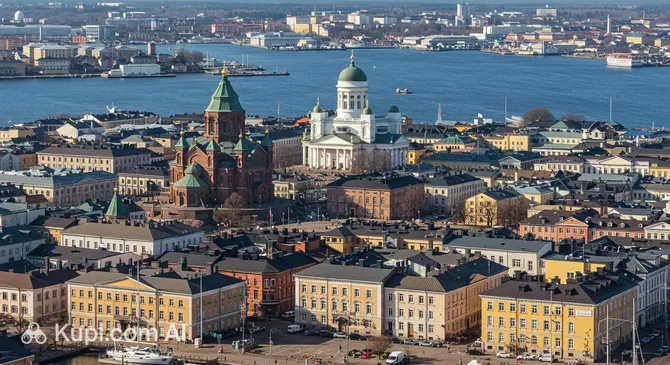
Travelers are often drawn to the city's remarkable architecture and green spaces. Key attractions include the iconic white Helsinki Cathedral that dominates the skyline and the UNESCO World Heritage site of Suomenlinna, a historic sea fortress spread across six linked islands. For design enthusiasts, the renowned Design District Helsinki offers a cluster of creative shops, galleries, and studios that showcase the nation's artistic spirit.

Whether you are interested in world-class architecture, refreshing sauna experiences, or simply enjoying the fresh Nordic air, Helsinki is a destination that welcomes everyone. It is a city where nature and urban life exist in harmony, inviting you to discover its many hidden gems.

Weather Overview

The climate in this Nordic capital is characterized by four distinct seasons, each offering a unique atmosphere for visitors. To pack appropriately for your trip, it is helpful to review the current weather in Helsinki, as conditions can shift noticeably from month to month.

Winters are typically cold and dark, creating a cozy setting for enjoying the city's cafes and saunas. January and February are the coldest months, with average temperatures hovering around -3.5°C and minimums dropping to -5.8°C. Precipitation is frequent during this time, with January seeing up to 16 wet days, often in the form of snow or slush.

Summer brings a welcome warmth and long daylight hours, making it an ideal time for outdoor exploration. July is usually the warmest month, featuring an average temperature of 17.6°C and highs reaching a comfortable 21.2°C. However, travelers should still be prepared for rain, as July and August can have between 13 and 15 wet days.

Spring and autumn act as cool transitional periods. By May, the city warms up to an average of 10.4°C, while October sees temperatures cooling down to around 6.9°C. In general, you can expect mild, pleasant summers and cold winters, with a consistent chance of precipitation throughout the year.

Interesting Facts

Beyond the main attractions, Helsinki holds many fascinating secrets that reveal the city's innovative spirit and deep connection to nature. From underground marvels to quirks of local culture, there are plenty of surprises to uncover for the curious traveler.

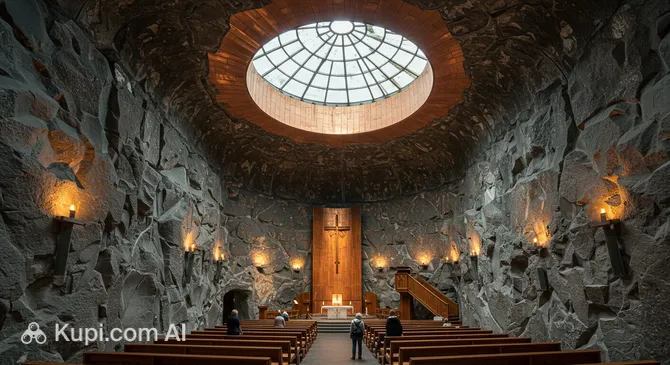
  • The city sits atop a massive "shadow world" with a comprehensive underground master plan that includes tunnels, shopping centers, and parking caverns. A stunning example of this subterranean architecture is the Temppeliaukio Church, which was blasted directly into solid rock, creating a sanctuary with incredible acoustics.

  • Finland is famous for its sauna culture, but Helsinki takes it to new heights—literally. It is home to a unique sauna cabin installed on the SkyWheel Helsinki, allowing visitors to enjoy the steam while taking in panoramic views of the harbor.

  • Although it feels like a cohesive urban area, the city is actually an archipelago consisting of around 330 distinct islands. The most famous cluster forms the Suomenlinna sea fortress, which is spread across six linked islands and serves as a district where people actually live.

  • The tap water in Helsinki is renowned for its purity and is often cited as being cleaner than bottled water. It travels over 100 kilometers through the Päijänne Water Tunnel, which is the second-longest continuous rock tunnel in the world, ensuring a fresh supply from Lake Päijänne.

Temppeliaukio Church. Source: Kupi.Binoculars

How to Get There

Reaching the Finnish capital is convenient thanks to its well-developed transport network, which connects the city to the rest of the world by air, sea, and land. Whether you are planning a direct flight or a scenic journey through neighboring regions, there are multiple options to suit your itinerary. For a detailed breakdown of routes and travel tips, you can read more about how to get to Helsinki.

The primary entry point for most international visitors is Helsinki-Vantaa Airport (IATA: HEL). Located approximately 16.5 km from the city center, it is the busiest airport in Finland, handling a large volume of passenger traffic annually. The airport offers excellent connections to the downtown area; a trip by taxi or bus typically takes around 45 minutes.

Travelers may also consider Tallinn Airport (IATA: TLL), situated in the city of Tallinn, Estonia. Although it is about 84 km away across the Gulf of Finland, the frequent and efficient ferry services between the two cities make it a popular alternative route. Another option within Finland is Turku Airport (IATA: TKU) in the city of Turku, located about 153 km from Helsinki. A drive from Turku to the capital is straightforward and typically takes around 2 hours.

For clarity, here is a summary of the main airports:

Airport Name City Passenger Traffic Km from City
Helsinki-Vantaa Airport Helsinki Very High 16.5
Tallinn Airport Tallinn High 84.3
Turku Airport Turku Medium 152.6
Tampere-Pirkkala Airport Tampere Low 156.5
Kuressaare Airport Kuressaare Low 256.8

If you prefer traveling by rail, the journey concludes right in the heart of the metropolis at Helsinki Central Station (IATA: HEC). This architectural landmark is the city's main transport hub, serving millions of passengers with commuter and long-distance connections. Located just 0.3 km from the absolute center, it offers immediate access to local transport and major attractions.

Here is a list of relevant railway stations:

Station City Passenger Traffic Km to Center
Helsinki Central Station Helsinki Very High 0.3
Vyborg Railway Station Vyborg High 218.7
Narva Railway Station Narva Medium 203.3
Kamenogorsk Station Svetogorsk Low 245.1
Kingisepp Railway Station Kingisepp 224.3

Main Attractions

Helsinki offers a diverse range of sights, from architectural marvels to lively entertainment hubs. While the famous white cathedral and sea fortress are often the first stops, the city is packed with other fascinating landmarks that showcase its culture and history.

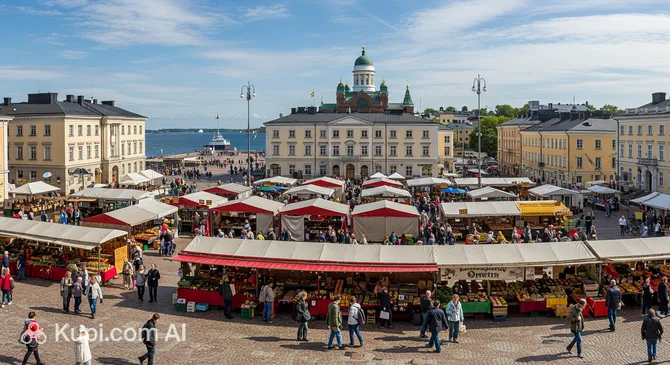
Located right by the South Harbour, Market Square (Kauppatori) is the bustling heart of the city's tourist activity. It is famous for its vibrant orange tents where vendors sell fresh local fish, seasonal berries, and handicrafts. Visitors flock here to enjoy traditional salmon soup in the open air or to catch a ferry to the nearby islands, making it a perfect starting point for any day out.

Market Square. Source: Kupi.Binoculars

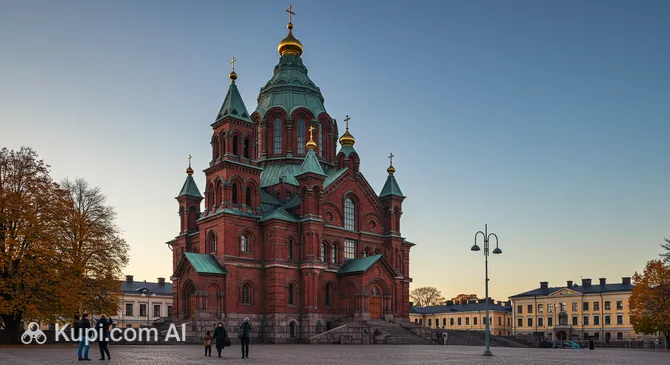
Just a short walk from the harbor, you will find the magnificent Uspenski Cathedral perched on a rocky hillside. With its striking red brick façade and thirteen golden onion domes, it stands as the largest Orthodox church in Western Europe. The cathedral is a stunning example of the Eastern influence on Finnish history and offers a colorful contrast to the city's predominantly neoclassical architecture.

Uspenski Cathedral. Source: Kupi.Binoculars

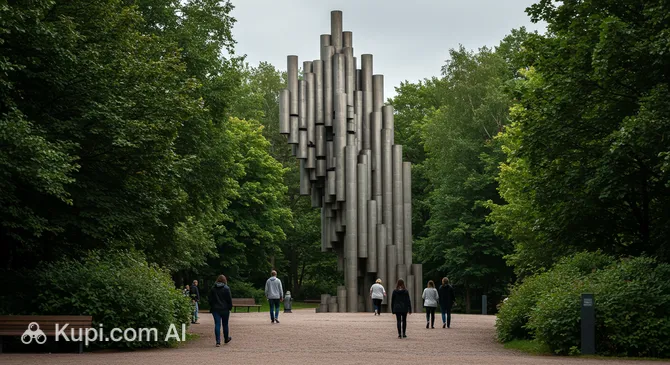
For a touch of artistic grandeur, the Sibelius Monument is a must-see landmark located in a seaside park. Dedicated to the renowned Finnish composer Jean Sibelius, this abstract sculpture is made of over 600 hollow steel pipes welded together in a wave-like pattern. It is designed to capture the essence of music and is one of the most photographed structures in the capital.

Sibelius Monument. Source: Kupi.Binoculars

Travelers looking for fun and excitement should head to Linnanmäki, the most popular amusement park in Finland. It is best known for its classic wooden rollercoaster, which has been entertaining guests since 1951. The park has a charming, nostalgic atmosphere and offers free entry to the grounds, allowing visitors to walk around and enjoy the vibe even if they choose not to ride.

Local Cuisine

The culinary scene in Helsinki is a delightful reflection of the Finnish seasons, emphasizing purity, freshness, and locally sourced ingredients. The city’s food culture strikes a balance between traditional rustic flavors and modern New Nordic innovation. Visitors can expect simple yet hearty meals that rely heavily on the treasures of the forest and the sea, such as berries, mushrooms, and fresh fish.

One of the absolute must-try dishes is lohikeitto, a creamy salmon soup flavored with plenty of dill and served with dark rye bread. It is a comforting staple found in many lunch spots and market stalls. Another iconic snack is the karjalanpiirakka (Karelian pie), a savory pastry with a thin rye crust filled with rice porridge or mashed potatoes, typically topped with egg butter. For the adventurous eater, sautéed reindeer served with mashed potatoes and lingonberry jam offers a unique taste of Lapland right in the capital.

When it comes to beverages, coffee is an integral part of daily life, with Finns being some of the world's top coffee consumers. You will find countless cozy cafes throughout the city serving high-quality roasts. On the cooler side, the "Long Drink" (known locally as lonkero) is a popular alcoholic beverage originally created for the 1952 Olympics. It is a refreshing mix of gin and grapefruit soda that can be found in almost every bar and shop.

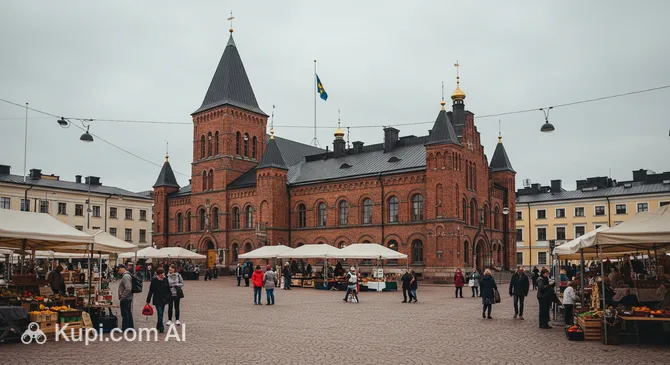
For an authentic gastronomic experience, the historic Old Market Hall near the harbor is an essential stop. Serving customers since 1889, this beautiful indoor venue is packed with vendors selling everything from smoked fish and reindeer jerky to artisan cheeses and pastries. It is the perfect place to sample a variety of local delicacies under one roof.

Old Market Hall. Source: Kupi.Binoculars

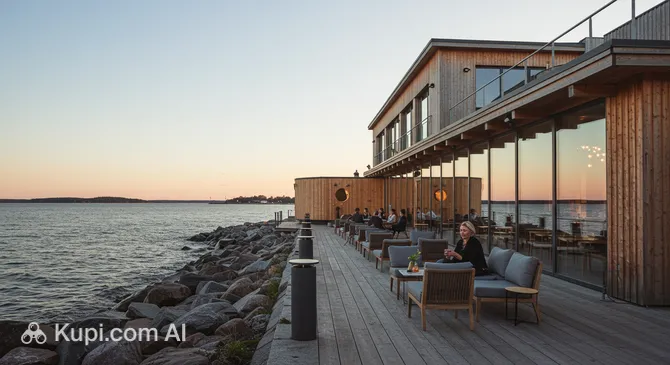
Dining in Helsinki often comes with a view or a unique twist. A prime example is Löyly, a stunning wooden complex on the waterfront that combines a public sauna with a stylish restaurant. Here, you can enjoy classic Finnish dishes like meatballs or salmon soup while gazing out at the Baltic Sea, making it a perfect spot to relax after a day of sightseeing.

Löyly. Source: Kupi.Binoculars

If you are looking for a more sophisticated atmosphere to enjoy a drink, the bar at Hotel Kämp offers a glimpse into the city's history. As one of the most legendary establishments in Finland, it has long been a meeting place for artists, politicians, and intellectuals, providing an elegant setting to sip a cocktail or a glass of champagne.

Travel Tips

Welcome to Helsinki! To help you navigate the Finnish capital like a local, we have compiled a list of essential practical tips that will ensure your trip is comfortable, efficient, and filled with memorable moments.

  1. Dress in Layers: The weather in Helsinki can be unpredictable, regardless of the season. In winter, thermal underwear, a windproof coat, and sturdy, non-slip boots are absolute necessities to handle the freezing temperatures and icy streets. In summer, while days can be warm, evenings often cool down significantly, so always carry a light jacket or sweater. A waterproof layer or umbrella is recommended year-round.
  2. Master Public Transport: The city has a world-class public transport system (HSL) consisting of trams, buses, the metro, and ferries. There is no need to rent a car if you are staying in the city. Download the HSL app to buy tickets easily on your phone. Note that the same ticket is valid for the ferry to Suomenlinna, offering a scenic ride for the price of a standard fare.
  3. Go Cashless: Finland is a leader in digital banking, and the local currency is the Euro (€). You can pay with credit or debit cards practically everywhere, from high-end restaurants to small market stalls and public toilets. Tipping is not mandatory as service charges are included in the bill, but rounding up the amount is a polite gesture if the service was exceptional.
  4. Health and Safety: Helsinki is one of the safest cities in the world, but general common sense regarding personal belongings applies. Tap water here is not just safe; it is considered some of the cleanest and best-tasting in the world, so bring a reusable bottle. Pharmacies are marked with the sign Apteekki; the University Pharmacy (Yliopiston Apteekki) in the center usually has extended opening hours.
  5. Communication and Connectivity: You will find that English is spoken fluently by almost everyone, making communication effortless. However, learning a few local words like Kiitos (Thank you) or Hei (Hello) is always appreciated. Free Wi-Fi is widely available in public spaces, cafes, and city transport. For mobile data, you can buy a prepaid SIM card at any R-kioski convenience store.
  6. Respect Personal Space: Finns value their personal space and silence. When using public transport, avoid sitting next to someone if there are other empty seats available, and keep conversations at a low volume. Punctuality is also highly valued; if you have a reservation or a meeting, arriving on time is expected.
  7. Watch the Bike Lanes: One specific behavior to avoid is walking in the bicycle lanes. Helsinki is a very bike-friendly city, and locals commute quickly on two wheels. Bike lanes are often marked on the pavement (sometimes in red or with symbols), and stepping into them can be dangerous and is considered rude by cyclists.
  8. Recycle and Save: Finland has an excellent bottle deposit system known as Pantti. Most plastic bottles and aluminum cans have a deposit value (usually 10–40 cents). Do not throw them in the trash; instead, return them to the reverse vending machines found in almost every supermarket to get a receipt that can be exchanged for cash or used for shopping.

With these practical tips in hand, you are fully prepared to enjoy the relaxed yet functional lifestyle of Helsinki. Embrace the local customs, breathe in the fresh sea air, and have a wonderful time exploring this Nordic gem!

Entertainment & Nightlife

As the sun sets, Helsinki transforms from a calm coastal capital into a lively hub of entertainment. The city's nightlife is diverse and inclusive, catering to everyone from rock music fans to cocktail connoisseurs. Whether you are visiting during the endless "white nights" of summer or the dark, atmospheric winter evenings, you will find a warm welcome in the city's many bars, clubs, and cultural venues.

The nightlife scene is concentrated in a few key districts, each with its own distinct personality. The city center, particularly around the Kamppi and Rautatientori areas, is home to mainstream nightclubs and popular Irish pubs. For a more bohemian and gritty vibe, head to the Kallio district. Formerly a working-class neighborhood, Kallio is now the hipster heart of the city, packed with laid-back bars, affordable beer, and a youthful crowd. Alternatively, the Design District and Punavuori offer chic wine bars and stylish lounges perfect for a relaxed evening.

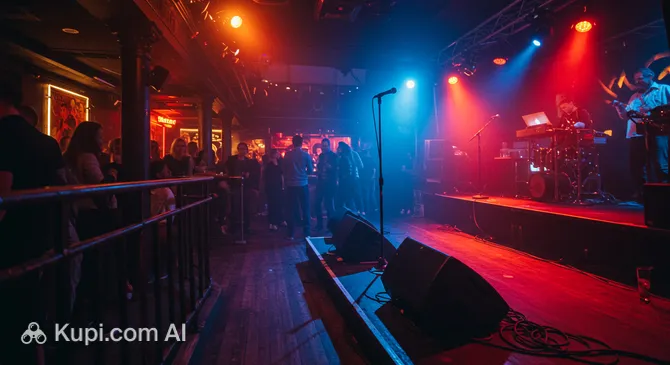
Live music is a massive part of the local culture. One of the most legendary venues in the country is Tavastia. Since opening in 1970, this rock club has hosted countless international stars and top Finnish bands. It remains a cornerstone of Helsinki's music scene, offering an intimate yet energetic setting for concert-goers.

Tavastia. Source: Kupi.Binoculars

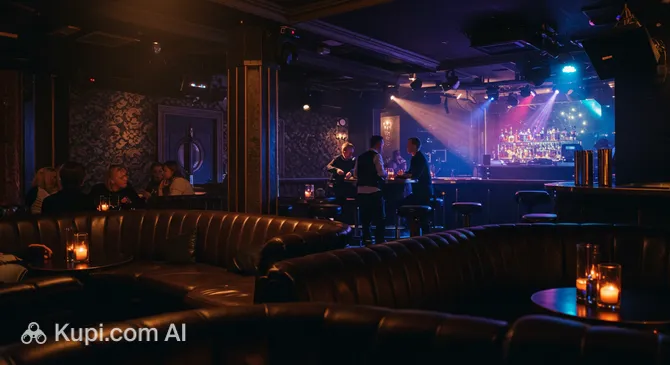
For those who prefer jazz and blues, Storyville is an institution you shouldn't miss. Located right next to the Parliament House, this brick-walled basement club offers live performances several nights a week. Its cozy atmosphere, combined with a great selection of drinks and food, makes it a favorite among locals and tourists alike.

Storyville. Source: Kupi.Binoculars

A newer addition to the city's entertainment landscape is the Konepaja area in Vallila, an industrial train factory complex turned into a cultural hub. Here, you can visit The Folks Bar Konepaja, which exemplifies the area's trendy, repurposed aesthetic. It is a great spot to enjoy local brews in a unique historical setting.

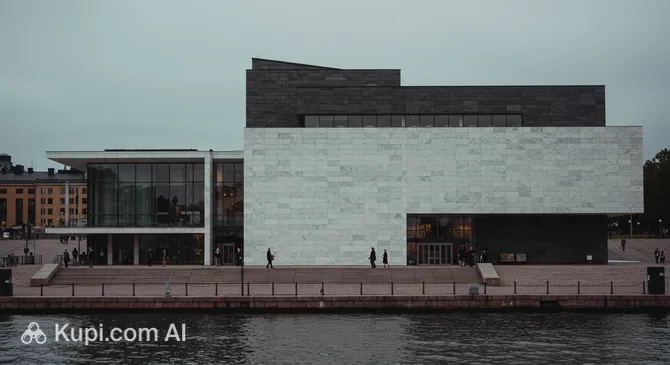
Beyond the bars, Helsinki offers rich daytime and evening cultural experiences. The Finnish National Opera and Ballet sits beautifully by the Töölönlahti bay and offers world-class performances in a stunning modern building. During the day, art lovers can explore renowned museums like Kiasma or the Ateneum, while families might enjoy the interactive exhibits at Heureka or the thrills of amusement parks.

Finnish National Opera and Ballet. Source: Kupi.Binoculars

Practicalities are important for a smooth night out. Most bars stay open until 2:00 AM or 3:00 AM, while nightclubs often continue until 4:00 AM. Be aware that age limits are strictly enforced; many nightclubs require patrons to be 20 or even 24 years old. Alcohol prices can be higher than the European average, so many locals enjoy "pre-drinks" at home before heading out.

Safety is one of Helsinki's strongest points. The city is safe to walk in at night, even in busy nightlife districts. Public transport runs late on weekends, with night buses and trains ensuring you can get home easily. If you prefer a taxi, it is best to use a reputable app or call a dispatch center like Taksi Helsinki, as hailing cabs from the street can be less predictable.

Parks & Museums

Helsinki is a city where nature and culture are inextricably linked, offering visitors a chance to step from a bustling city street directly into a peaceful forest or a world-class gallery. The capital is renowned for its abundant green spaces, which cover a third of the city, and its impressive array of museums that celebrate everything from Finnish Golden Age art to cutting-edge contemporary design.

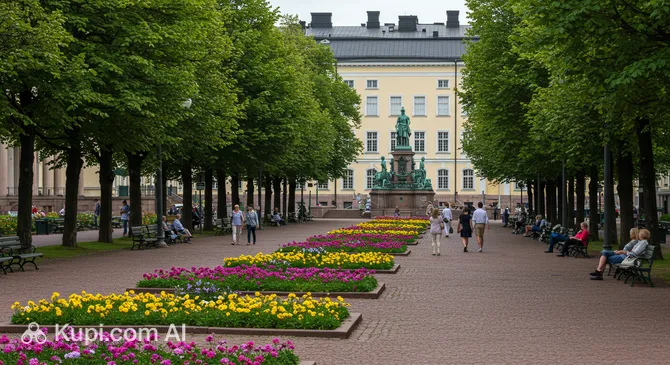
For a relaxing break in the very center of the city, Esplanadi is the place to be. Often referred to as "Espa" by locals, this lush park promenade stretches from the city center to the harbor and serves as a living room for residents during the summer months. It is lined with historic buildings and cafes, making it a perfect spot for people-watching and enjoying live music performances at the open-air stage.

Esplanadi. Source: Kupi.Binoculars

Nature lovers looking for a more immersive experience should explore Helsinki Central Park (Keskuspuisto). Despite its name, this is not a manicured garden but a massive forest that runs for 10 kilometers through the city. It offers endless trails for hiking, cycling, and, in winter, cross-country skiing, allowing you to escape into the wild without ever leaving the metropolitan area.

The city's cultural landscape is equally compelling, with the Ateneum Art Museum standing as the premier destination for art history enthusiasts. As part of the Finnish National Gallery, it houses the country's most extensive collection of classical art, including iconic works from the "Golden Age" of Finnish art that helped shape the national identity.

Ateneum Art Museum. Source: Kupi.Binoculars

Just a short walk away, the striking curved architecture of the Kiasma Museum of Contemporary Art offers a bold contrast. This museum focuses on the art of our time, presenting thought-provoking installations and diverse exhibitions that challenge perspectives. For those interested in Finland's world-famous aesthetic, the Design Museum in the Design District provides a fascinating journey through the history of Finnish industrial design, fashion, and graphic art.

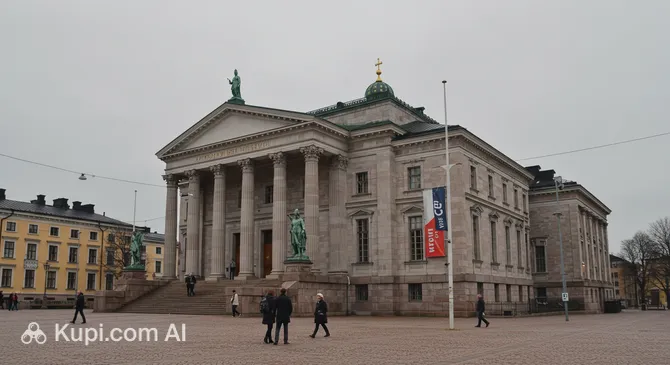
History and architecture buffs will find plenty to admire beyond the museums. The National Library of Finland is considered one of the most beautiful buildings in the country. Its stunning Empire-style interiors and frescoed ceilings make it a temple of knowledge that is open to the public. If you are visiting the sea fortress, be sure to see the King's Gate, the monumental entrance to Suomenlinna built in the 18th century, which offers picturesque views of the open sea.

For a family-friendly cultural outing, Korkeasaari Zoo is a unique attraction located on its own island. Established in 1889, it is one of the oldest zoos in the world and works extensively on biodiversity conservation, hosting animals ranging from Amur tigers to native Finnish species.

To experience the city like a true local, venture a bit further to Taivaskallio in the Käpylä district. It is the highest natural point in Helsinki, offering panoramic views and historical intrigue with its remnants of WWII anti-aircraft batteries. Alternatively, on a warm day, head to Hietaranta Beach, known as "Hietsu," where locals gather to play volleyball and swim in the Baltic Sea.

Getting Around

Navigating Helsinki is remarkably easy and efficient, thanks to a world-class public transport system managed by HSL (Helsingin seudun liikenne). The network is fully integrated, meaning a single ticket allows you to switch seamlessly between trams, buses, the metro, commuter trains, and even the municipal ferry. For most tourists, this system is the most convenient and affordable way to explore the city and its surrounding regions.

The most iconic mode of transport in the city center is the tram. Easily customizable with their green and yellow livery, the trams weave through the main streets and pass many major attractions, making them perfect for sightseeing. Routes 2 and 3 are particularly popular among visitors for a self-guided tour of the downtown area. For longer distances, the Helsinki Metro—the northernmost metro system in the world—offers a fast connection between the city center, the eastern suburbs, and the neighboring city of Espoo. The metro trains are distinctive for their bright orange color, and the network is simple to navigate as it consists of a single line that branches into two at the eastern end.

Buses complement the rail network, covering areas that trams and the metro do not reach. They are clean, punctual, and run frequently. Additionally, the commuter train network is vital for reaching destinations further afield, including the direct connection to the airport via the Ring Rail Line. A unique feature of the local transport system is the municipal ferry to the Suomenlinna sea fortress. Departing from the Market Square, this ferry accepts standard public transport tickets, offering a scenic mini-cruise at no extra cost.

The payment system is based on geographical zones (A, B, C, and D). Most tourist attractions and hotels are located within zones A and B, so an AB ticket is usually sufficient for daily exploration. However, if you are traveling to or from the airport, you will need an ABC ticket. Fares are reasonable, with a single ticket costing a few euros and remaining valid for 80 to 110 minutes depending on the zones purchased. Unlimited transfers are allowed within this time window.

For the best experience, tourists are highly advised to download the HSL app. It is the easiest way to purchase single tickets or day passes directly on your phone. Alternatively, you can buy physical tickets from blue ticket machines at stations, or from R-kioski convenience stores found throughout the city. Please note that you cannot buy tickets from drivers on trams, trains, or the metro, and cash is generally not accepted on board buses. If you use a physical travel card or a single paper ticket, you must validate it by tapping it against the card reader upon boarding or entering the platform area.

The transport system operates on an "open" basis, meaning there are no turnstiles at most metro or train stations. However, ticket inspectors patrol frequently, and traveling without a valid ticket results in a hefty penalty fare. In terms of operating hours, the metro and trams typically run from early morning until around midnight or 1:00 AM. On weekends, night buses extend the service, ensuring you can return to your accommodation safely after a night out.

If you prefer active mobility, Helsinki offers an excellent alternative in the form of city bikes. During the warmer months (typically April to October), bright yellow bikes are available at stations across the city for a very low fee. They are extremely popular with locals and visitors alike for short trips. Electric scooters are also widely available for rent via various apps. While taxis are reliable and safe, they can be quite expensive compared to public transport; it is recommended to use ride-hailing apps or official taxi stands rather than hailing them from the street.
Accommodation

Accommodation in Helsinki is diverse and generally of a very high standard, reflecting the Finnish emphasis on functionality, cleanliness, and design. The options range from luxurious international chains and charming boutique hotels to practical mid-range establishments and modern hostels. For those seeking more space or a "local" experience, serviced apartments and vacation rentals are also widely available throughout the city.

For the most convenient stay, the City Center (areas like Kluuvi and Kamppi) is the top choice. Staying here places you within walking distance of the Central Railway Station, major shopping malls, and iconic sights like the Helsinki Cathedral. If you prefer a trendier atmosphere, the Design District (Punavuori and Kaartinkaupunki) offers stylish boutique hotels surrounded by art galleries and cafes. Alternatively, the Katajanokka district provides a peaceful maritime setting that is still just a short walk from the Market Square.

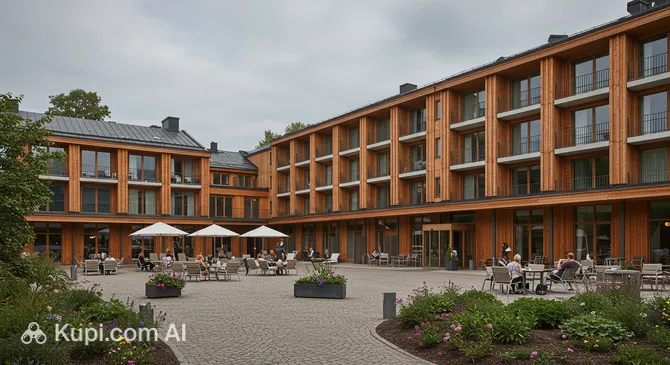
While many hotels are located right in the downtown core, there are exceptional properties slightly further out that offer unique amenities. A notable example is the Valo Hotel, located in the Ruskeasuo district. It is a versatile resort hotel known for its wellness facilities, including rooftop log saunas and pools, making it a relaxing base that is easily accessible by public transport.

Valo Hotel. Source: Kupi.Binoculars

Booking Tip: Helsinki is a popular destination for both business and leisure, especially during the summer peak season (June to August) and around the Christmas holidays. It is highly advisable to book your accommodation well in advance to ensure availability and secure better rates, as last-minute options can be limited and expensive.

In terms of pricing, accommodation in the Finnish capital is comparable to other Nordic cities, meaning it can be slightly higher than the European average. Budget options typically range from €40 to €80 per night, while mid-range hotels generally cost between €120 and €200. Luxury stays can start from €250 upwards. Booking is straightforward and is most commonly done via major online platforms or directly through hotel websites.

Nearby Cities

For those looking to explore the surroundings, Helsinki serves as an excellent base for day trips to several interesting nearby locations:

One of the most charming destinations is Porvoo, the second-oldest city in Finland. Located just under an hour away, it is renowned for its picturesque Old Town, featuring winding cobblestone streets and iconic red ochre warehouses along the riverbank. It offers a historic atmosphere that feels worlds away from the modern capital. Closer to home, Espoo provides a perfect mix of culture and nature; it is the gateway to the beautiful Nuuksio National Park and hosts the EMMA Museum of Modern Art. For families, Vantaa is a great choice, primarily for the interactive Heureka Science Centre.

City Population Distance (km)
Espoo 297132 16
Vantaa 214605 15
Porvoo 49928 47
Lohja 46785 49
Hyvinkaa 46739 51

These nearby destinations offer a glimpse into the diverse culture and landscapes of the region.

Shopping & Souvenirs

Shopping:

Helsinki is a paradise for lovers of clean lines, functional beauty, and high-quality craftsmanship. The city is world-renowned for its design heritage, seamlessly blending modern trends with timeless traditions. Shopping here is less about fast fashion and more about discovering sustainable, durable, and aesthetically pleasing items, from iconic glassware and furniture to unique textiles and jewelry.

The main shopping artery runs through the city center along Aleksanterinkatu and the parallel Esplanadi promenades. Here, you will find flagship stores of famous Finnish brands alongside international fashion labels. For those seeking something more unique, the designated Design District Helsinki covers several neighborhoods, including Punavuori and Kaartinkaupunki. This area is a cluster of over 200 independently owned design shops, antique dealers, fashion boutiques, and galleries, making it the perfect place to hunt for one-of-a-kind treasures.

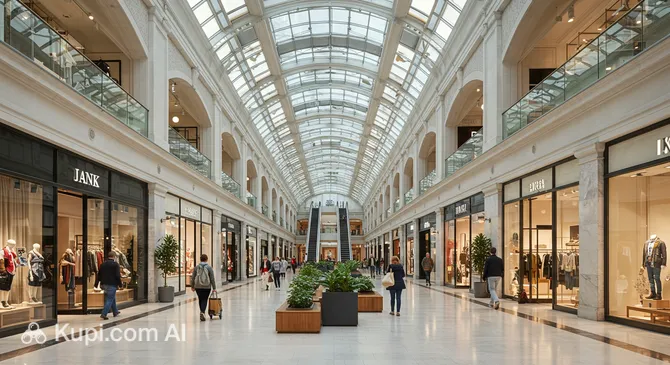
For a more concentrated shopping experience, the city center hosts several high-quality department stores and malls. A standout location for luxury brands and high-end fashion is Kämp Galleria, situated right in the heart of the city. It offers an elegant atmosphere where you can browse exclusive collections and enjoy premium services. Just a short train ride away, the Sello Shopping Centre provides a massive selection of shops, entertainment, and services, catering to every possible need under one roof.

Kämp Galleria. Source: Kupi.Binoculars

No shopping trip to Helsinki is complete without visiting its vibrant markets. The iconic Market Square, located by the South Harbour, is the best place to find authentic handicrafts, woolen hats, and seasonal local produce while enjoying the sea breeze. For a culinary treat, step inside the historic Old Market Hall, where vendors sell gourmet Finnish delicacies like smoked fish, berry jams, and artisan cheeses that make for excellent edible gifts.

When it comes to souvenirs, look for items that reflect the Finnish lifestyle. Popular choices include Moomin-themed merchandise, which is beloved across the country, and vibrant printed textiles from Marimekko. Glassware from Iittala and Artek furniture are classics for design aficionados. For smaller gifts, consider a traditional kuksa (a hand-carved wooden cup), a bag of Fazer Blue milk chocolate, or, for the brave, some salmiakki (salty licorice).

Most shops in the city center are open on weekdays from 9:00 AM or 10:00 AM until 8:00 PM or 9:00 PM. On Saturdays, hours are typically shorter, closing around 6:00 PM, and on Sundays, many larger stores and malls remain open from noon until 6:00 PM. Finland is a leader in digital payments, so credit and debit cards are accepted almost everywhere, even for small purchases at market stalls. Visitors from outside the EU and Norway can also take advantage of tax-free shopping; look for the "Tax Free Shopping" signage in store windows to request a refund form for your purchases.

Reached the end of the page?

That means the route is fully explored