Support

Kaliningrad

About

Kaliningrad is a city with a truly distinct character, offering a fascinating blend of European heritage and modern Russian culture. Separated from the main territory of the country, this unique exclave on the Baltic Sea coast attracts travelers with its intriguing atmosphere, leafy parks, and maritime spirit. It serves as a bridge between past and present, where cobbled streets and gothic architecture coexist with contemporary urban life.

Geographically, the city is situated at the mouth of the Pregolya River, making it an important port and a scenic destination. As the westernmost regional center of the Russian Federation, it enjoys a temperate maritime climate that is generally mild, though often humid. With a population of approximately 475,000 people, Kaliningrad is a bustling hub that maintains a cozy and welcoming vibe for its guests.
Kaliningrad. Source: Kupi.Binoculars

The history of Kaliningrad is rich and complex, deeply rooted in its past as the Prussian city of Königsberg. This heritage is most visible on Kant Island, home to the magnificent Königsberg Cathedral and the tomb of the famous philosopher Immanuel Kant. Another highlight is the charming Fishing Village, a stylized ethnographic complex that recreates the look of the pre-war city and offers excellent views from its lighthouse.

Often referred to as the "Amber Capital of the World," the city is also famous for its Amber Museum, housed in a historic fortress tower. Whether you are exploring its fortifications, enjoying the fresh Baltic breeze, or discovering its unique museums, Kaliningrad promises a memorable journey full of discovery.

Weather Overview

The city's location on the Baltic coast ensures a temperate maritime climate, avoiding the extreme temperature fluctuations often found further inland. If you are planning a trip, checking the current weather in Kaliningrad is recommended, as conditions can be quite changeable due to the influence of the sea.

Summers are generally comfortable and warm rather than hot, with August being the warmest month, featuring an average temperature of 19.2°C and highs reaching up to 23.2°C. Winters are relatively mild for the region, with January averages sitting near 0.4°C, though temperatures can dip slightly below freezing at night.

Rainfall is well-distributed throughout the year, meaning you might encounter showers regardless of the season. Expect pleasant, breezy summers with occasional rain and cool, damp winters with up to 17 wet days in January.

Interesting Facts

Beyond the well-trodden paths of its main landmarks, Kaliningrad holds many fascinating secrets and unique distinctions that set it apart from other destinations. Uncovering these intriguing details reveals a city where history, mathematics, and local traditions intertwine in unexpected ways.

  • The Amber Capital: This region is home to approximately 90% of the world's extractable amber reserves. The local "sun stone" is so abundant that it sometimes washes up on the beaches after storms, and the dedicated Amber Museum houses incredible specimens, including raw pieces weighing over four kilograms.

  • A Philosopher's Home: One of the most influential thinkers in modern philosophy, Immanuel Kant, lived his entire life in this city (formerly Königsberg). Astonishingly, he never traveled more than a few miles from his home. His legacy is honored at Immanuel Kant's Tomb, located beside the city's historic cathedral.

  • A Mathematical Puzzle: The city is the setting for the famous "Seven Bridges of Königsberg" problem, solved by Leonhard Euler in 1736, which laid the foundation for graph theory. While not all the original structures survived, the historic Honey Bridge remains as a charming connection to this intellectual heritage.

  • A Sweet Legend: The city has a distinct culinary history centered around Königsberg marzipan, which was historically renowned for its unique recipe using roasted almonds and rose water. You can explore this delicious tradition and even taste authentic samples at the Marzipan Museum.

Amber Museum. Source: Kupi.Binoculars

How to Get There

Reaching this unique Baltic exclave is an adventure in itself, with air travel being the most convenient method for most visitors. You can find more about how to get to Kaliningrad and explore all the available routes in detail on our dedicated page.

The primary air gateway is Khrabrovo (IATA: KGD), located directly in the region. Situated approximately 22 km from the city center, this international airport serves as the main hub for flights arriving from major Russian cities and select international destinations. A trip from the terminal to the downtown area by taxi or bus typically takes around 55 minutes. For travelers considering alternative routes through neighboring countries, Gdansk Lech Walesa Airport (IATA: GDN) in Gdansk is a significant option. It is located about 134 km away, and the journey by road generally takes roughly 3 hours and 40 minutes, depending on traffic and border procedures.

For clarity, here is a summary of the main airports in the vicinity:

Airport Name City Passenger Traffic Km from City
Gdansk Lech Walesa Airport Gdansk Large 133.6
Khrabrovo Kaliningrad Large 21.9
Kaunas Airport Kaunas Medium 235.1
Palanga International Airport Palanga Medium 146.4
Olsztyn-Mazury Airport Szczytno Small 140.2

If you prefer traveling by rail, the city is well-connected by a network of trains. The most significant arrival point is the Kaliningrad South Railway Station, which is conveniently located just 3.5 km from the heart of the city. It handles the majority of long-distance trains, including those from Moscow and St. Petersburg. Getting to the city center from this station is quick and easy, taking approximately 25 minutes by taxi. Another notable regional hub is the Chernyakhovsk Station in the town of Chernyakhovsk, situated about 89 km away, which connects the eastern part of the region.

Below is a list of the closest and most significant railway stations:

Station City Passenger Traffic Km to Center
Kaliningrad South Railway Station Kaliningrad Large 3.5
Olsztyn Główny Station Olsztyn Large 103.0
Chernyakhovsk Station Chernyakhovsk Medium 88.6
Zelenogradsk-Novy Railway Station Zelenogradsk Medium 26.7
Gvardeysk Railway Station Gvardeysk Small 40.6

Main Attractions

Standing majestically on Kant Island, the Königsberg Cathedral is widely regarded as the city's most recognizable symbol. This brick Gothic masterpiece, which dates back to the 14th century, has been beautifully restored and now serves as a vibrant cultural center. Visitors are drawn here not only by its architectural beauty but also to attend organ concerts featuring one of the largest organ complexes in Russia and to pay respects at the tomb of the philosopher Immanuel Kant.

Königsberg Cathedral. Source: Kupi.Binoculars

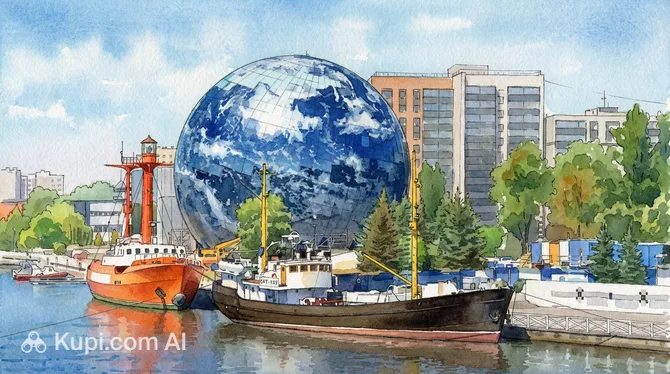
For maritime enthusiasts, the Museum of the World Ocean offers a truly immersive experience along the banks of the Pregolya River. Unlike traditional museums, this comprehensive complex features a fleet of historic vessels docked at the embankment, including the famous research ship Vityaz and the B-413 submarine. It is a fascinating place where you can explore ship cabins, learn about deep-sea exploration, and even see a hydroplane.

Museum of the World Ocean. Source: Kupi.Binoculars

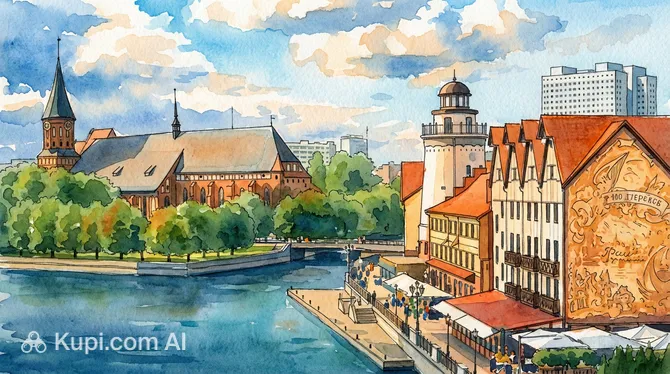
Just a short walk from the cathedral lies the picturesque Fish Village. This ethnographic and craft center is designed in the architectural style of pre-war East Prussia, featuring charming half-timbered buildings that evoke the atmosphere of the old city. It is a favorite spot for tourists to stroll, shop for amber souvenirs, or climb the lighthouse tower for a panoramic view of the river and the island.

Fish Village. Source: Kupi.Binoculars

Nature lovers and families will appreciate the historic Kaliningrad Zoo, one of the oldest and largest zoological parks in the country. Founded in 1896 as the Königsberg Tiergarten, it is as much an arboretum as it is a zoo, boasting rare plants and century-old trees alongside its animal enclosures. The zoo provides a relaxing green escape in the city center and hosts various educational programs about wildlife conservation.

Kaliningrad Zoo. Source: Kupi.Binoculars

To understand the region's military past, a visit to Fort No. 5 "King Frederick William III" is highly recommended. This hexagonal red-brick fortification was part of the massive defensive ring built around the city in the 19th century. Today, it operates as a museum where you can walk through the preserved bunkers and courtyards, offering a tangible glimpse into the scale of historical military engineering.

Local Cuisine

The culinary landscape of Kaliningrad is a delightful fusion of its East Prussian heritage, Russian traditions, and the bounty of the Baltic Sea. The city offers a unique gastronomic experience where historical recipes coexist with modern trends. One of the absolute must-try delicacies is smoked eel, a regional specialty often sold fresh at markets or served in local restaurants. Another popular appetizer is stroganina from pelamide (bonito), consisting of thin slices of frozen raw fish served with salt, pepper, onions, and rye bread.

No visit would be complete without tasting the famous Königsberger Klopse. These tender meatballs, traditionally made from a mix of minced meats and anchovies, are simmered in a creamy white sauce with capers. It is the city's most iconic historical dish and can be found on the menus of many establishments, ranging from upscale dining spots to cozy family cafes.

For those with a sweet tooth, the local marzipan is a true highlight. Distinct from other European varieties, Königsberg marzipan is typically baked, giving it a golden surface and a rich, roasted almond flavor. You can sample this historic treat and explore its legacy at the Marzipan Museum, which offers both exhibits and tastings.

The city also boasts a vibrant brewing culture, with numerous venues offering locally crafted beers and hearty accompaniments. A favorite among locals and tourists is Khmel, a restaurant and brewery situated near the central square. Here, you can enjoy freshly brewed drinks alongside traditional Siberian and Russian dishes in a lively, rustic atmosphere.

Khmel. Source: Kupi.Binoculars

If you are looking for a place that specifically focuses on regional history through food, Steindamm 99 is an excellent choice. This restaurant is known for reviving old recipes and using local farm products, allowing guests to taste the authentic flavors of the area's past in a warm and welcoming setting.

Travel Tips

To help you make the most of your visit to this unique Baltic exclave, we have compiled a list of essential travel insights. From navigating the city's changeable weather to understanding local customs, these practical tips will ensure your journey through Kaliningrad is smooth and enjoyable.

  1. Clothing and Gear: The maritime climate here is notoriously unpredictable, often shifting from sunshine to rain within hours. It is best to dress in layers and always carry a windbreaker or a sturdy umbrella, regardless of the season. Since many of the historic districts feature charming but uneven cobblestone streets, bring comfortable, flat walking shoes to explore the city without discomfort.

  2. Transportation: Getting around is easy with a well-developed network of buses, trolleybuses, and trams. For convenience, use local map apps to track routes in real-time. Taxis are affordable and reliable, with ride-hailing apps like Yandex Go being the most popular choice. If you plan to visit the Curonian Spit or coastal towns like Zelenogradsk, renting a car is a great option, though local trains are also efficient.

  3. Finances: The local currency is the Russian Ruble (RUB). It is highly advisable to bring cash (Euros or US Dollars) to exchange at official bank branches upon arrival, as credit cards issued outside the country may not be accepted due to payment system differences. ATMs are widespread, but reliance on foreign cards is risky. Tipping in restaurants is customary, usually around 5–10% of the bill.

  4. Health and Safety: Kaliningrad is generally a safe city for tourists. Pharmacies, marked by a green cross and known as Apteka, are easy to find, and many operate 24/7. Tap water is technically treated but can be hard; it is common practice to drink bottled or filtered water. The universal emergency number for police, ambulance, or fire services is 112.

  5. Communication: While staff in major hotels and tourist spots may speak English, it is not widely spoken in everyday settings. downloading an offline translation app is strongly recommended. To stay connected, you can purchase a local SIM card (e.g., MTS, Beeline, Tele2) at the airport or city shops; you will need your passport for registration. Free Wi-Fi is available in many cafes and public parks.

  6. Local Etiquette: Russians value politeness. When entering a shop or cafe, a simple greeting like "Zdravstvuyte" (Hello) goes a long way. If you are invited to a local's home, it is mandatory to remove your shoes at the door. On public transport, it is expected that you give up your seat to elderly people, pregnant women, or passengers with small children.

  7. What to Avoid: As a border region with a significant naval presence, avoid photographing any military personnel, vehicles, or restricted government facilities to prevent misunderstandings. Additionally, drinking alcohol in public places (streets, parks, or beaches) is prohibited by law and can result in a fine.

  8. Additional Tip: Keep an eye out for the Homlins! These are tiny, whimsical bronze figurines of mythological creatures scattered around the city's key landmarks, such as the Honey Bridge and the Amber Museum. Searching for all seven family members is a fun way to explore the city and has become a beloved tradition for visitors.

Armed with these practical tips, you are ready to immerse yourself in the rich culture and atmosphere of the Amber Capital. Enjoy the fresh sea breeze, the historic architecture, and the warm hospitality that defines this fascinating city.

Entertainment & Nightlife

As the sun sets over the Baltic coast, Kaliningrad transforms into a vibrant hub of evening entertainment. While it may not have the frenetic pace of a megalopolis, the city offers a diverse nightlife scene that caters to various tastes, from cozy pubs and sophisticated lounges to energetic dance clubs. The atmosphere is generally welcoming and relaxed, making it easy for visitors to mingle with locals and enjoy the unique blend of Russian and European vibes.

The heart of the city's nightlife beats strongest around Leninsky Prospekt and the area surrounding Victory Square. This central district is walkable and packed with venues, allowing you to easily hop from one place to another. On weekends, these streets are bustling with activity as locals head out to unwind. The dress code in most bars is casual, but if you plan to visit a high-end nightclub or a restaurant, a "smart casual" look is recommended to ensure smooth entry.

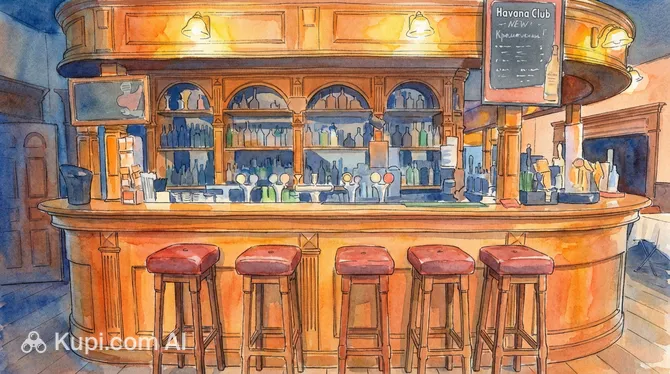
For those who appreciate a classic pub atmosphere, the city has a surprisingly strong affinity for British-style establishments. A standout venue is the Britannica Pub, known for its authentic interior, extensive selection of draft beers, and hearty steaks. It is a perfect spot to start your evening with a good meal and lively conversation before heading out to explore more of the night.

Britannica Pub. Source: Kupi.Binoculars

If you are looking to dance the night away, the city offers several popular clubs. Hercules is a well-known complex that combines a nightclub with dining options, attracting a crowd that enjoys energetic music and themed parties. Another notable mention is the Manhattan Club, which offers a mix of bowling, billiards, and a dance floor, making it a versatile choice for groups with different interests.

For a more culturally enriching evening, consider attending a performance at the Kaliningrad Regional Philharmonic Hall named after E. F. Svetlanov. Housed in a beautiful historic building with excellent acoustics, it hosts organ concerts, jazz festivals, and classical music events that provide a sophisticated alternative to the bar scene.

Practical Tips for Nightlife:

  • Timing: The peak time for nightlife is Friday and Saturday nights, usually starting around 10:00 PM. Bars often stay open until 1:00 AM or 2:00 AM, while clubs continue until dawn.
  • Prices: Entertainment here is generally more affordable than in Moscow. Expect to pay a moderate cover charge for clubs, and cocktail prices are reasonable.
  • Getting Around: Public transport stops running around midnight. The most convenient and safe way to return to your hotel is by taxi. Ride-hailing apps are widely used, reliable, and eliminate language barriers.
  • Safety: The central districts are well-lit and safe for evening walks. However, as in any city, it is wise to stay in populated areas and avoid unlit parks or outskirts late at night.

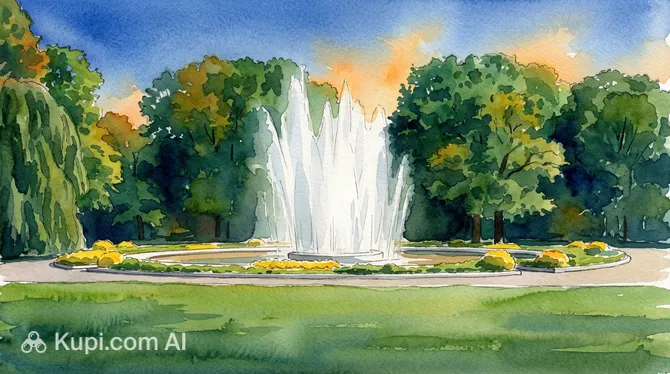
During the day, the entertainment options are just as plentiful. Families and thrill-seekers can visit Yunost Park, a popular amusement park located by the Upper Pond. It features a Ferris wheel that offers panoramic views of the city, along with various rides and an ice skating rink in the winter. Alternatively, the Central Park of Culture and Recreation offers a greener, more laid-back setting for leisure among historic trees and winding paths.

Parks & Museums

Kaliningrad is often described as a garden city, where the urban landscape is seamlessly interwoven with lush greenery and historical heritage. Beyond its famous amber and maritime history, the city offers a wealth of serene parks and unique museums that allow visitors to dive deeper into its multifaceted past and present.

One of the most beautiful natural escapes is the Botanical Garden of Immanuel Kant Baltic Federal University. Established on the grounds of a former royal nursery, this green oasis spans over 13 hectares and features a stunning collection of plants from around the globe. Visitors can stroll through themed areas, admire the blooming magnolias in spring, or explore the greenhouses filled with exotic tropical flora. It is a perfect spot for a quiet walk away from the city noise.

Botanical Garden of Immanuel Kant Baltic Federal University. Source: Kupi.Binoculars

Another significant green space is Southern Park (Yuzhny Park). Located in the former Haberberg district, this landscape park retains elements of its 1920s design, including wide alleys, ponds, and fragments of old fortifications. It is a popular place for locals to jog or relax. A unique feature located within the park is the Museum of Miniatures. This exhibition showcases incredibly detailed models of famous Russian architectural landmarks, allowing you to appreciate the intricate designs of the country's heritage on a small scale in a picturesque setting.

Southern Park. Source: Kupi.Binoculars

For those interested in history, the Bunker Museum offers a compelling glimpse into the final days of World War II. Located in a reinforced underground shelter that once served as the German command post during the Battle of Königsberg, the museum preserves the original atmosphere of 1945. The exhibits detail the storming of the city and the eventual surrender, providing a somber but educational experience.

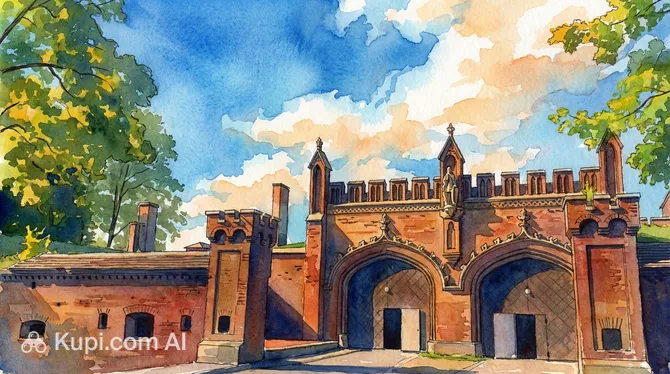
A different perspective on the city's past can be found at the Friedland Gate Museum. Housed within one of the surviving 19th-century fortification gates, this museum is dedicated to the pre-war history of Königsberg. Its "Virtual Walk" exhibition allows visitors to travel back in time and see the streets of the old city as they looked a century ago, projected onto the ancient brick walls.

Friedland Gate Museum. Source: Kupi.Binoculars

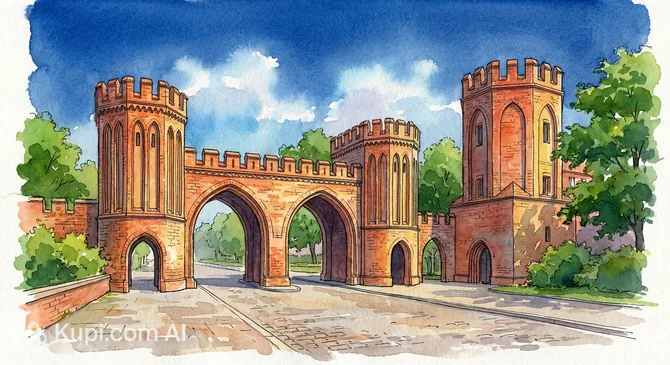
The city's architectural heritage is best exemplified by the Brandenburg Gate. Unlike other historical gates that have become museums, this neo-Gothic structure is still in use today as a thoroughfare. It is the only gate in the city that trams still pass through, creating a unique photo opportunity where modern transport meets medieval-style masonry.

Brandenburg Gate. Source: Kupi.Binoculars

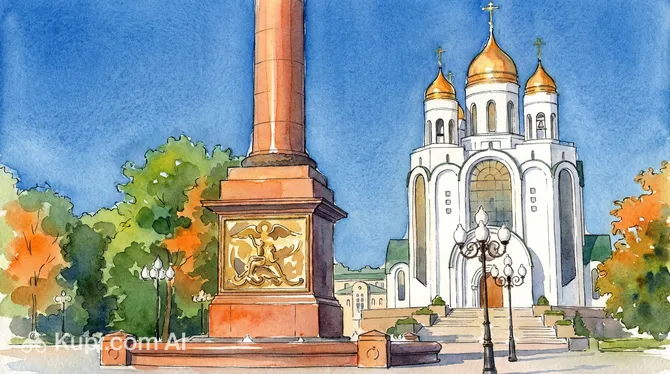
Dominating the central skyline is the impressive Cathedral of Christ the Savior. Standing tall on Victory Square, this white stone cathedral with its golden domes is a striking example of modern Orthodox architecture. While it is a relatively new addition to the city, having been consecrated in 2006, it has quickly become a major spiritual and visual landmark.

Getting Around

Getting around Kaliningrad is convenient and affordable, thanks to a well-developed public transport network that covers the entire city and its suburbs. The system primarily consists of large buses, trolleybuses, and trams, supplemented by smaller minibuses known locally as marshrutkas. While buses and trolleybuses serve the main avenues and connect major districts, the minibuses offer a faster and more flexible alternative, often stopping on demand along their designated routes.

A true highlight of the city's transit system is its tram network, which holds the distinction of being the oldest in the country, dating back to 1895. Unlike the broad-gauge tracks found in most other cities in the region, this network uses a narrow-gauge (1000 mm) system, a charming legacy of the city's pre-war history. A ride on the tram is not just a commute but a sightseeing experience, as the vintage-style cars wind through leafy streets and historic neighborhoods, offering a unique perspective on the urban landscape.

For fare payment, the city utilizes a unified electronic system. The most cost-effective and convenient method for tourists is to use a contactless bank card or the local transport card known as "Volna Baltiki" (Baltic Wave). Paying electronically is typically cheaper than paying with cash. If you prefer to use cash, you can purchase a ticket directly from the conductor after boarding the bus, tram, or trolleybus. In minibuses, fares are usually paid directly to the driver upon entry.

Public transport generally operates from 6:00 AM until approximately 11:00 PM or midnight, depending on the specific route. To navigate the system easily, it is advisable to use mobile map apps that track vehicle locations and arrival times in real-time. If you plan to stay for a longer period, "Volna Baltiki" cards can be purchased at specialized kiosks and post offices throughout the city.

For those seeking alternatives to public transit, taxis and ride-hailing apps are widely available and offer reasonable rates for getting around town quickly. During the warmer months, the city also embraces micromobility, with numerous rental stations for electric scooters and bicycles located near parks and the city center, providing a fun and independent way to explore the sights.

Accommodation

Accommodation in Kaliningrad caters to a variety of preferences and budgets, ranging from modern business hotels and cozy boutique options to affordable hostels and rental apartments. The city's hospitality sector has grown significantly in recent years, ensuring that every traveler can find a comfortable base for their adventures, whether they are looking for luxury service or a simple place to sleep.

For maximum convenience, many tourists choose to stay in the city center, particularly near Victory Square. This location serves as the main transport hub, making it easy to reach any part of the region by bus or train. It is also a lively area, situated within walking distance of major commercial centers like the Europe Shopping Mall and various dining spots.

Victory Square. Source: Kupi.Binoculars

Another sought-after location is the area around the Fish Village and Kant Island. Staying here offers scenic riverside views and immediate access to the city's most iconic historical landmarks. For a quieter, more atmospheric experience, some travelers prefer the Amalienau district, known for its preserved German villas and leafy streets, which provides a unique glimpse into the city's pre-war past.

Prices in the city are generally moderate compared to the capital, falling into the mid-range category for most standard hotels. However, during the summer season and major holidays, demand spikes significantly. It is highly recommended to book your accommodation well in advance—ideally a month or two prior—to secure the best rates and availability. Most properties can be easily booked via major online travel platforms or directly through their websites.

Nearby Cities

For those looking to explore the surroundings, Kaliningrad serves as an excellent base for day trips to several interesting nearby locations. The region is dotted with historic towns that preserve the legacy of East Prussia, offering a captivating contrast to the capital.

One of the most intriguing destinations is Chernyakhovsk (formerly Insterburg). Located approximately 90 km east of the city, it is renowned for its rich medieval heritage. Visitors can explore the atmospheric ruins of Insterburg Castle and the nearby Georgenburg Castle, which was once a stronghold of the Teutonic Knights. The town's streets, lined with pre-war architecture, provide a unique window into the area's complex past.

Another significant spot is Sovetsk (formerly Tilsit), situated on the banks of the Neman River, right on the border with Lithuania. This city is famous for the majestic Queen Louise Bridge and its historical connection to the Treaties of Tilsit, signed here in 1807. A stroll along the embankment offers beautiful views and a chance to admire the well-preserved 19th-century buildings that characterize the town center.

City Population Distance (km)
Pskov 209840 598
Velikiye Luki 91435 661
Sovetsk 40486 100
Alekseyevka 38329 16
Chernyakhovsk 35888 89

These nearby destinations offer a glimpse into the diverse culture and landscapes of the region.

Shopping & Souvenirs

Shopping:

Shopping in Kaliningrad offers a delightful mix of modern convenience and historical charm, reflecting the city's unique position between East and West. Visitors can explore everything from large, contemporary shopping centers featuring international brands to quaint boutiques and artisan workshops hidden in the city's older districts. Whether you are looking for high-end fashion, local handicrafts, or gastronomic specialties, the city provides a diverse retail experience that caters to all tastes.

The main artery for shopping enthusiasts is Leninsky Prospekt. This bustling avenue runs through the heart of the city and is lined with a variety of clothing stores, souvenir shops, and electronics retailers. Walking along this street allows you to soak in the urban atmosphere while browsing for goods. Another key area is the district surrounding Victory Square, which serves as a central hub connecting several major commercial zones and offers easy access to the city's most popular malls.

For a comprehensive shopping experience under one roof, the Europe Shopping Mall is the premier destination. Located right in the city center, its architectural design is inspired by the styles of Berlin, London, Paris, and Rome. It houses a vast array of shops, a cinema, and numerous cafes. Nearby, you can also visit Kaliningrad Plaza, another large complex that offers a good selection of fashion brands, a supermarket, and entertainment facilities.

To experience the local flavor, a visit to the Central Market is a must. It is a vibrant and bustling place where locals go to buy fresh produce, meat, and dairy. For tourists, the market is an excellent spot to find regional delicacies, including the famous smoked eel and fresh Baltic fish. While there isn't a dedicated permanent flea market in the traditional sense, antique dealers and collectors often gather near the Wrangel Tower or on the weekends near major tourist spots, offering vintage items that tell the story of the region's complex history.

When it comes to souvenirs, amber is the undisputed king. Known as the "sun stone," it is sold everywhere, from street stalls to high-end jewelry salons. You can find everything from simple unpolished stones to intricate artistic creations. Another signature gift is the traditional Königsberg Marzipan. Unlike other varieties, this local sweet is baked to perfection and often comes in beautiful gift boxes. You can purchase authentic sets at specialized shops or at the Marzipan Museum, which offers a wide selection of these tasty treats.

Most major shopping centers and supermarkets operate daily, typically from 10:00 AM to 10:00 PM. Smaller boutiques and souvenir shops may close earlier, around 7:00 PM or 8:00 PM. While credit cards are widely accepted in malls and larger stores, it is highly advisable to carry cash (rubles) when visiting markets or purchasing small items from street vendors. Regarding tax-free shopping, Russia does have a VAT refund system for foreign tourists from outside the Eurasian Economic Union, available at participating stores that display the "Tax Free" logo, though availability can vary.

Reached the end of the page?

That means the route is fully explored