Support

Siauliai

About

Welcome to Siauliai, the fourth-largest city in Lithuania and the unofficial capital of the Northern Lithuania region. Often referred to as the "City of the Sun," this vibrant urban center blends industrial heritage with a rich cultural scene, offering travelers a unique glimpse into the authentic Lithuanian lifestyle. With a population of approximately 107,000 residents, it serves as a bustling hub while maintaining a welcoming and accessible atmosphere.
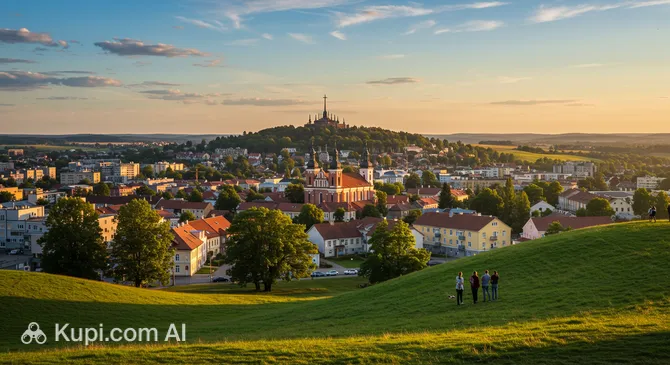
Siauliai. Source: Kupi.Binoculars

The city is strategically located in the northern part of the country, characterized by its surrounding green spaces and nearby lakes, such as Lake Rėkyva. While exploring the streets, visitors can delve into the fascinating history of Siauliai, which is famously associated with the Battle of the Sun in 1236. Despite facing challenges throughout the centuries, the city has resiliently rebuilt itself, preserving its spirit and historical memory through its architecture and institutions.

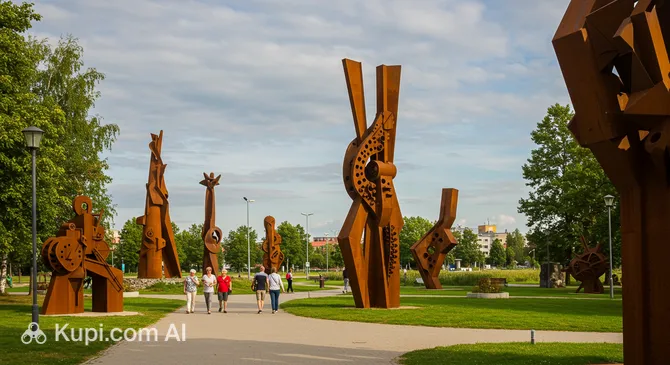
Siauliai is home to several unique attractions that draw tourists from around the world. The most iconic site, located just a short drive from the city center, is the Hill of Crosses, a breathtaking and mysterious pilgrimage site covered in hundreds of thousands of crosses. Within the city limits, the pedestrian Vilnius Street serves as the main artery for leisure, lined with cafes, artistic sculptures, and shops. Visitors are also often intrigued by the city's specialized museums, such as the Bicycle Museum and the Photography Museum, which highlight the region's creative and industrial legacy.

Whether you are passing through on a tour of the Baltics or planning a dedicated stop, Siauliai promises memorable experiences. Its blend of sacred history, quirky museums, and friendly locals makes it a destination well worth discovering.
Weather Overview

Travelers visiting the city should be prepared for a distinct seasonal climate that varies significantly throughout the year. To help plan your packing list, you can consult the detailed guide to the weather in Siauliai. The summer months of June, July, and August are generally the most pleasant, with average temperatures sitting around 17°C to 18°C and daily highs often reaching 22°C.

Winter brings a stark contrast, with temperatures frequently dropping below freezing. January is typically the coldest month, with an average temperature of -1.8°C and lows dipping to -3.9°C. Precipitation is fairly consistent year-round, with the number of wet days ranging from 10 in September to 15 in January. Expect warm summers with occasional rain and cold, damp winters, so keeping an umbrella or waterproof layer handy is recommended regardless of when you visit.

Interesting Facts

Beyond the main attractions, Siauliai holds many fascinating secrets and quirky details that often escape the casual observer. From record-breaking sculptures to sweet traditions, the city is full of surprises waiting to be discovered by curious travelers.
Iron Fox. Source: Kupi.Binoculars
  • The city is home to the Iron Fox, a massive metal sculpture located on the shores of Lake Talša. Weighing nearly 7 tons, this impressive piece of art is listed in the Lithuanian Book of Records as one of the largest animal sculptures in the country and is rumored to hold a time capsule inside.

  • Siauliai boasts the Vilniaus Street Pedestrian Boulevard, which holds a special place in urban history. Established in 1975, it was the first street in the entire region to be converted into a dedicated pedestrian zone, setting a trend that many other cities later followed.

  • For those with a sweet tooth, the city is considered the chocolate capital of Lithuania. The Rūta Chocolate Museum is located in the country's oldest operating confectionery factory, where masters have been crafting sweets continuously since 1913.

  • In Sundial Square, you will find the "Golden Boy" sculpture, officially known as "The Archer." Standing atop a tall column, this statue serves as the gnomon for the highest sundial in Lithuania, with the pavement markers indicating the precise time of day.

  • The city hosts an unusually specific collection at the Cat Museum. Originally started by a local pharmacist in her own apartment, the collection has grown to include thousands of cat-themed exhibits from all over the world, including poems, photos, and porcelain figures.

How to Get There

Reaching this northern Lithuanian city is relatively straightforward, thanks to its strategic location near several major transport hubs. While the city itself does not have a commercial airport, it is well-served by international airports in neighboring cities and even neighboring countries, making the journey convenient for travelers. For a complete overview of all travel options, you can read more about how to get to Siauliai on our detailed page.

One of the most popular entry points for visitors is Riga International Airport (IATA: RIX), located in Riga, Latvia. Although it is in a different country, it is situated just 117.3 km from Siauliai, often making it the quickest option for international arrivals. The airport serves over 7 million passengers annually, offering extensive connections. The transfer by road typically takes around 3 hours and 15 minutes.

Another excellent option within Lithuania is Kaunas Airport (IATA: KUN), located in Kaunas, approximately 118.6 km away. This airport is a significant hub for low-cost carriers and handles about 1.4 million passengers per year. A taxi or bus ride from Kaunas to Siauliai generally takes about 3 hours and 20 minutes. Palanga International Airport (IATA: PLQ) on the coast is also a viable alternative for those combining their trip with a seaside visit.

For clarity, here is a summary of the main airports:

Airport Name City Passenger Traffic Km from City
Riga International Airport Riga Large 117.3
Vilnius International Airport Vilnius Large 191.5
Khrabrovo Kaliningrad Large 207.9
Kaunas Airport Kaunas Medium 118.6
Palanga International Airport Palanga Medium 138.7

Regarding rail travel, the provided data lists stations in neighboring regions that can serve as transit points for a wider journey. For instance, travelers can arrive at Chernyakhovsk Station in the city of Chernyakhovsk, which is approximately 173.7 km from Siauliai. From there, further transport arrangements would be necessary to cross into the region, taking roughly 4 hours and 40 minutes by road. Another listed stop is Gvardeysk Railway Station in Gvardeysk, located about 203.1 km away.

Below is a list of the regional railway stations included in the dataset:

Station City Passenger Traffic Km to Center
Chernyakhovsk Station Chernyakhovsk Large 173.7
Gvardeysk Railway Station Gvardeysk Medium 203.1
Chernyshevskoye Railway Station Vilkaviskis Medium 149.1
Gusev Railway Station Gusev 166.2
Nesterov Railway Station Gusev 152.7

Main Attractions

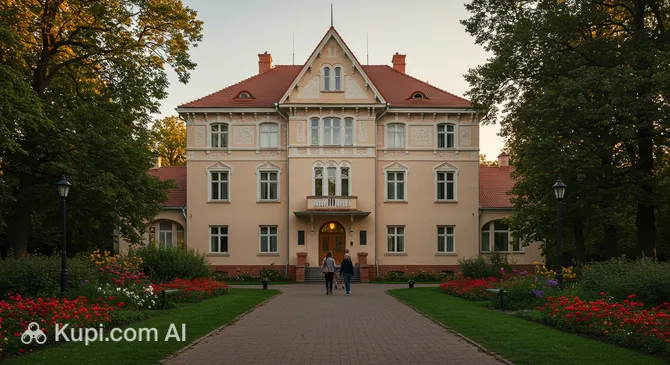
One of the most stunning architectural gems in the city is the Chaim Frenkel Villa. This Art Nouveau masterpiece was once the residence of a prominent leather manufacturer and now serves as a fascinating museum. Visitors can explore the restored interiors, which feature ornate woodwork and frescoes, and learn about the rich Jewish heritage of the region as well as the provincial lifestyle of the early 20th century.

Chaim Frenkel Villa. Source: Kupi.Binoculars

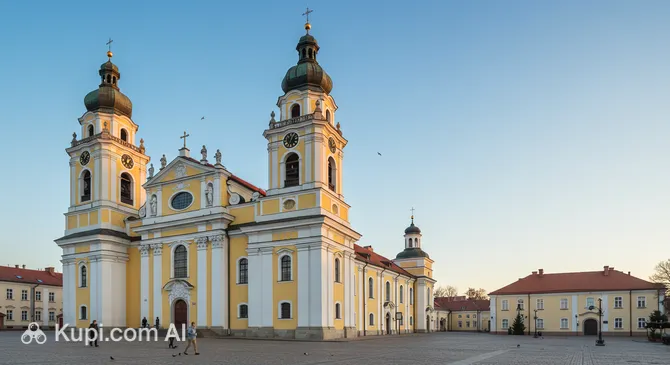
Dominating the city skyline, the Cathedral of Saints Peter and Paul is a must-see landmark visible from miles away. Built in the 17th century, this imposing white structure is a prime example of Renaissance and Mannerist architecture. Its 70-meter-tall tower not only serves as a spiritual beacon but also features a sundial on the south wall, making it a unique historical monument that has resiliently survived wars and fires.

Cathedral of Saints Peter and Paul. Source: Kupi.Binoculars

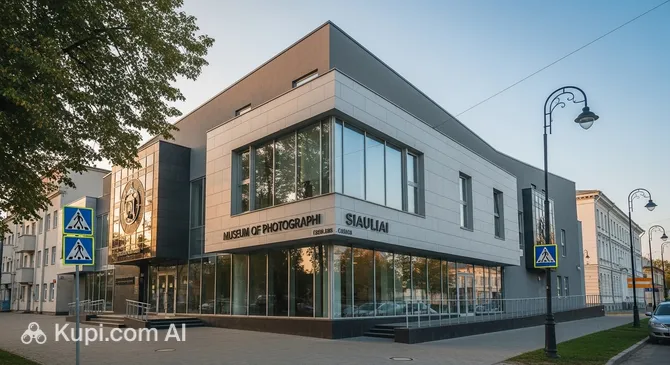
For those interested in visual arts, the Museum of Photography offers a unique experience right in the city center. It is the only specialized museum of its kind in Lithuania, dedicated to the history and evolution of photographic art and technology. Guests can admire a vast collection of antique cameras and prints, step inside a "Camera Obscura," and visit the rooftop terrace for a panoramic view of the central boulevard.

Museum of Photography. Source: Kupi.Binoculars

Nature lovers and history buffs will appreciate a trip to the Salduvė Mound, located on the eastern edge of the city. This ancient defensive fortification dates back to the first millennium and provides a scenic setting for a walk. The site is historically significant for its role in the region's defense and offers sweeping views of the surrounding landscape, making it a peaceful retreat from the urban bustle.

Local Cuisine

Travelers visiting Siauliai will discover a culinary scene that is deeply rooted in Lithuanian traditions while embracing modern gastronomic trends. The local diet is hearty and comforting, with potatoes playing a starring role in many dishes. You simply cannot leave without trying cepelinai (zeppelins), massive potato dumplings stuffed with meat, curd, or mushrooms and drenched in a rich sour cream and bacon sauce. Another staple is kugelis, a savory potato pudding that is a favorite comfort food among locals. During the warmer months, the bright pink cold beet soup known as šaltibarščiai is a refreshing must-try, typically served with hot boiled potatoes on the side.

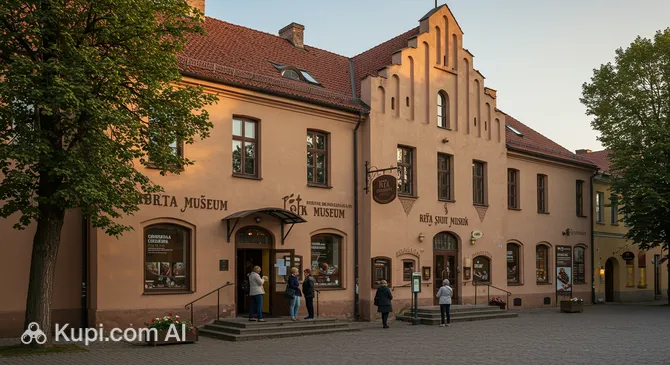
Rūta Chocolate Museum. Source: Kupi.Binoculars

For those with a sweet tooth, the city holds a special status as the chocolate capital of the country. The historic Rūta Chocolate Museum is not just an attraction but a testament to the city's long-standing confectionery heritage. Here, and in surrounding cafes, you can taste high-quality chocolates, truffles, and candies that have been produced locally for over a century. It is the perfect place to pick up edible souvenirs or indulge in a hot chocolate break.

When it comes to beverages, the local culture is equally vibrant. Lithuania is renowned for its beer, and Siauliai is no exception, offering a variety of local brews that pair perfectly with savory snacks like fried bread with garlic and cheese. For a non-alcoholic option, gira (kvass) is a beloved traditional drink made from fermented bread, offering a unique, tangy flavor. For an evening out, visitors might head to Pegasus Bar or similar establishments to enjoy a cocktail or a pint in a lively atmosphere.

The heart of the city's dining scene is concentrated around the pedestrian boulevard, where a mix of restaurants and cafes spill out onto the street. Whether you are looking for a quick bite or a fine dining experience, this area offers diverse options. You might enjoy a meal at BOHO, known for its stylish ambiance, or visit Leja for a memorable dinner. The contrast between traditional taverns serving rustic dishes and modern eateries experimenting with fusion cuisine makes exploring the food landscape here a delightful adventure.

Travel Tips

Planning a trip to Siauliai is an exciting prospect, but having a few logistical details in hand can make your experience much smoother and more enjoyable. Here is a collection of essential advice to help you navigate the "City of the Sun" with ease and confidence.

  1. Clothing and Gear: The weather in Lithuania can be changeable, so packing layers is always a smart strategy. In summer, bring a light jacket for cooler evenings, while winters require heavy coats, gloves, and scarves. Since the heart of the city features a long pedestrian boulevard, comfortable walking shoes are a must. Don't forget to bring a standard European power adapter (Type C or F) for your electronics.
  2. Transportation: Getting around the city is straightforward. The local public transport system consists of a reliable network of buses operated by Busturas; you can purchase tickets via a mobile app or at newsstands like "Narvesen." For more direct travel, ride-hailing apps like Bolt are widely used and often cheaper than hailing a street taxi. If you plan to visit the Hill of Crosses independently, a rental car or a pre-booked taxi is the most convenient option, though local buses also run from the central bus station.
  3. Finances: The official currency is the Euro (€). Credit and debit cards are accepted almost everywhere, from hotels to small cafes, so there is little need to carry large amounts of cash. However, keeping some coins is useful for small purchases or tips. ATMs are plentiful throughout the city center. Tipping is appreciated but not mandatory; leaving about 10% for good service in restaurants is the standard practice.
  4. Health and Safety: Siauliai is generally a very safe city for tourists. Pharmacies are marked with the sign "Vaistinė" and are easy to find, though not all operate 24/7. In case of any emergency, dial 112 for police, ambulance, or fire services. The tap water is generally clean and safe to drink, but many locals and tourists prefer filtered or bottled water for taste.
  5. Communication: The official language is Lithuanian, one of the oldest living languages in the world. While English is widely spoken, especially by the younger generation and in service sectors, older residents may be more fluent in other languages. Learning a simple greeting like "Laba diena" (Good afternoon) or "Ačiū" (Thank you) goes a long way. Prepaid SIM cards with data are inexpensive and can be bought at any supermarket or convenience store without registration.
  6. Local Etiquette: Lithuanians are generally polite and reserved. A handshake is the standard greeting. When visiting religious sites, such as the Cathedral or the Hill of Crosses, respectful attire is expected—avoid beachwear and remove hats when entering churches. It is also polite to maintain a moderate volume when speaking in public places or on public transport.
  7. What to Avoid: Avoid discussing sensitive historical or political topics, particularly regarding past political history, unless you are in a museum setting or asked. It is also important not to confuse the country with its neighbors; locals take great pride in their distinct national identity. Additionally, drinking alcohol in public places (streets, parks) is prohibited and can result in a fine.
  8. Tourist Center Tip: Make the Siauliai Tourism Information Centre on Vilniaus Street your first stop. The staff are incredibly helpful and can provide specific bus schedules for the Hill of Crosses, free maps, and information on current events or concerts happening in the city during your stay.

By keeping these practical tips in mind, you will be well-prepared to embrace the local culture and explore everything this northern Lithuanian gem has to offer. Enjoy your journey through the streets of Siauliai!

Entertainment & Nightlife

While Siauliai is often celebrated for its daytime cultural pursuits, the city transforms as the sun sets, offering a vibrant and welcoming nightlife scene. The heart of the action beats strongest along the pedestrianized Vilniaus Street, which serves as the main artery for evening entertainment. Here, locals and visitors alike gather to unwind, making it the perfect place to start a night out. The atmosphere is generally relaxed and unpretentious, with a mix of students, young professionals, and tourists enjoying the walkable city center.

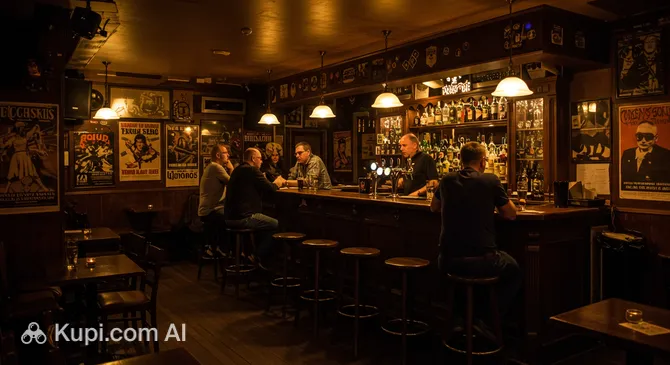
For those looking to experience the energetic side of the city, Pegasus Bar is a standout destination. Situated conveniently in the city center, it functions as a lively cocktail bar and nightclub where the music keeps playing well into the early hours. It is a popular spot for dancing and socializing, often hosting themed parties and DJ sets that draw a spirited crowd on weekends.

Pegasus Bar. Source: Kupi.Binoculars

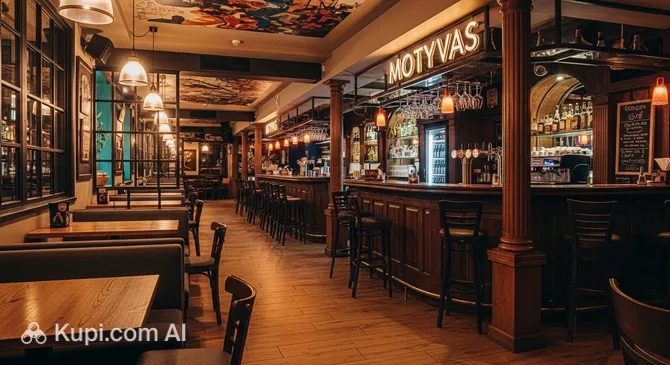
If you prefer a more laid-back environment focused on conversation and quality drinks, the city offers several excellent gastrobars and lounges. Motyvas is a favorite among locals for its stylish interior and extensive menu of cocktails and grilled dishes. It strikes a balance between a restaurant and a nightspot, making it ideal for a late dinner that turns into drinks. Nearby, Kisenė offers a cozy atmosphere where you can enjoy a wide selection of beverages in a setting that feels intimate and friendly.

Motyvas. Source: Kupi.Binoculars

Beyond bars and clubs, the city is a major hub for cultural events and live performances. The Šiauliai Arena is the largest venue in the region, regularly hosting major concerts, sports matches, and shows. Checking the arena's schedule before your trip is highly recommended, as catching a basketball game or a live concert here provides a fantastic glimpse into the local spirit and community energy.

When planning a night out, keep in mind that the peak time for nightlife is Friday and Saturday, typically starting around 9:00 PM or 10:00 PM. The dress code in most venues is smart-casual; while you don't need formal wear, looking neat is appreciated. Prices in Siauliai are generally quite affordable compared to Western European cities, with a pint of beer or a cocktail costing significantly less than in larger capitals.

Safety is rarely a concern in the central districts, and the pedestrian boulevard is well-lit and safe for walking at night. However, for getting back to your accommodation or moving between distant locations, it is best to use a ride-hailing app like Bolt or call a local taxi. This is not only convenient but also ensures a fixed price for your journey.

For daytime entertainment that spills into the evening, the city offers modern leisure centers. The Saulės Miestas shopping mall, integrated with the bus station, is not just for shopping; it houses restaurants and serves as a social hub. Families and groups can also find bowling alleys and cinemas in the city's larger commercial centers, providing plenty of options for fun before the nightlife truly kicks in.

Parks & Museums

Siauliai is a city that balances its industrial history with refreshing pockets of nature and a surprisingly eclectic array of cultural institutions. Beyond the well-trodden tourist paths, the city invites visitors to explore its lush gardens, revitalized public squares, and specialized museums that you won't find anywhere else in the country. Whether you are looking for a quiet place to stroll or want to dive into a specific slice of history, the local parks and galleries offer plenty of discoveries.

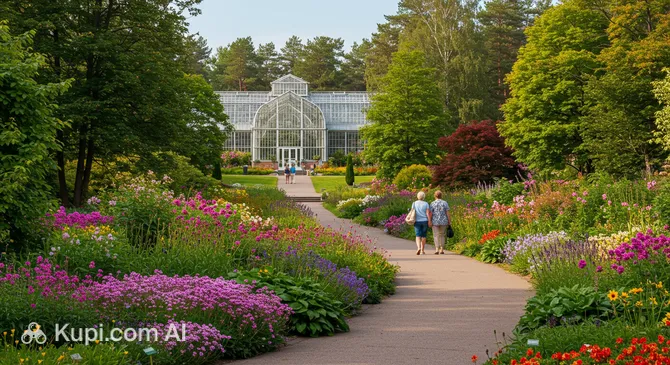
For nature enthusiasts, the Šiauliai University Botanical Garden is a serene escape from the urban environment. Covering a substantial area, this garden is a living laboratory that showcases a diverse collection of flora, including rare and endangered plant species. It is beautifully landscaped with thematic sections, such as an alpine garden and a rhododendron collection, making it a perfect spot for a leisurely walk or an educational visit about regional biodiversity.

Šiauliai University Botanical Garden. Source: Kupi.Binoculars

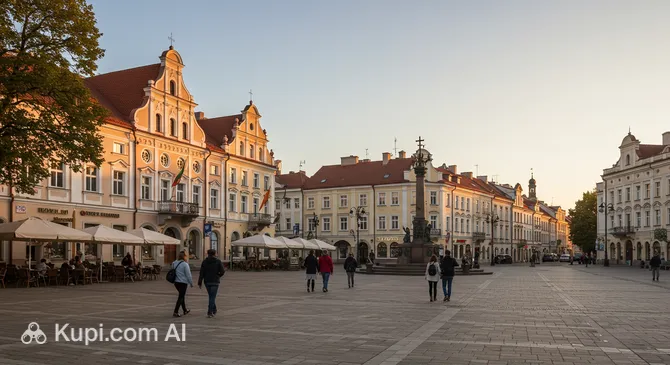
In the heart of the city lies Resurrection Square, the central plaza that serves as a primary gathering point for locals and visitors alike. Recently renovated, the square is a modern urban space featuring fountains, seating areas, and plenty of room for open-air events and concerts. It connects seamlessly with the main pedestrian boulevard, acting as a green lung in the city center where you can relax and watch the world go by.

Resurrection Square. Source: Kupi.Binoculars

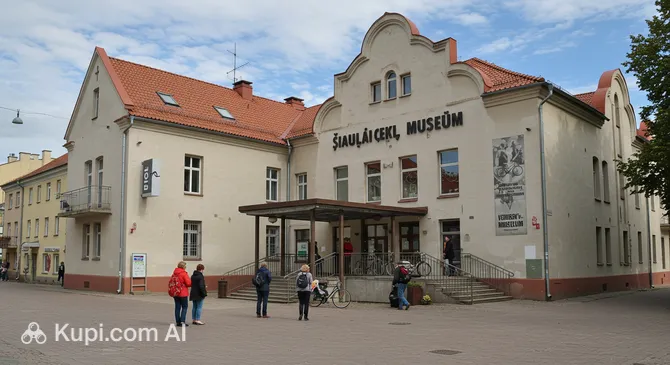
Siauliai is famously known for its unique, niche museums. One of the most distinctive is the Šiauliai Bicycle Museum, the only museum in Lithuania dedicated entirely to the history of cycling. Since the city has a long tradition of bicycle manufacturing (home to the famous "Vairas" factory), this institution fits perfectly. Exhibits range from antique wooden bikes and velvet-covered seats to modern sports models, telling the fascinating story of how two-wheeled transport evolved over the centuries.

Šiauliai Bicycle Museum. Source: Kupi.Binoculars

Another cultural gem that highlights the city's quirky character is the Cat Museum. While it may sound whimsical, this museum houses an impressive collection of thousands of cat-themed items, including porcelain, glass, amber, and books. The highlight for many visitors is meeting the "museum director"—a real cat that roams the halls. It is a charming stop that reflects the passion of local collectors and offers a lighthearted break from more traditional historical sites.

For those who enjoy combining nature with art, a walk around the shores of Lake Talša is highly recommended. The area functions as a large natural park right on the city's doorstep, featuring walking trails and the energetic "Fox Spot" near the famous iron sculpture. It is an ideal location to experience the local lifestyle, where residents come to jog, picnic, and enjoy the sunset over the water.

Getting Around

Navigating Siauliai is straightforward and convenient, primarily relying on a well-organized network of buses. As a compact city, it does not have a metro, tram, or trolleybus system. Instead, the public transport infrastructure is built around modern buses that cover all major residential districts, the city center, and key industrial areas. The system is operated by the municipal company "Busturas," ensuring reliable service and regular schedules that make getting around without a car quite easy for visitors.

For payment, the city utilizes an electronic ticketing system that is both cost-effective and user-friendly. The most convenient option for tourists is to purchase a disposable paper ticket directly from the driver, though this is the most expensive method and usually requires exact cash. A better alternative for those staying longer than a day is to acquire an electronic travel card. These cards can be purchased and topped up at local newsstands, such as "Narvesen" or "Lietuvos spauda," located throughout the city. Using the electronic card offers significantly lower fares compared to buying single tickets on board.

Modern travelers can also take advantage of mobile solutions. You can pay for your ride using dedicated mobile apps that support public transport in the city. When boarding, it is essential to validate your ticket or scan your card at the electronic validators installed near the doors immediately. If you purchase a ticket from the driver, it is considered validated upon purchase. Buses typically operate from early morning, around 5:00 AM, until approximately 11:00 PM, though frequencies may decrease in the late evening and on weekends. It is advisable to check the latest timetables online or via transport apps like "Traffi" or "Google Maps" to plan your journey accurately.

Given that Siauliai is historically known as the "City of Bicycles," two-wheeled transport is a highly popular alternative. The city boasts an extensive network of bicycle paths that connect the center with parks and outlying attractions. During the warmer months, renting a bike is a fantastic way to explore at your own pace. For those preferring a more direct and private mode of transport, ride-hailing apps like Bolt are widely available and offer quick, affordable rides. Traditional taxis can also be hailed or called by phone, but using an app generally ensures a transparent price and overcomes any language barriers.

Accommodation

Where to Stay:

Finding the perfect place to stay in Siauliai is generally a straightforward and budget-friendly experience. Unlike major tourist capitals that are saturated with luxury chains, this city offers a more intimate selection of accommodations. Visitors can expect a range of comfortable 3-star and 4-star hotels, family-run guesthouses, and a rapidly growing market of modern private apartments. The hospitality here is characterized by a cozy, personal touch, often providing excellent value for money compared to other European destinations.

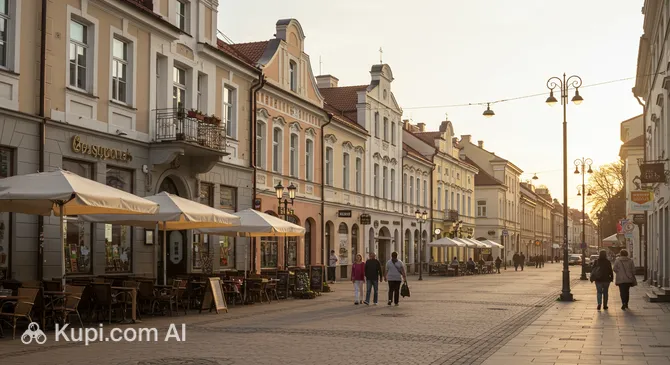
The most popular area for tourists is undoubtedly the City Center. Staying here places you within walking distance of the main cultural attractions, museums, and the vibrant dining scene. The heart of this district is the Vilniaus Street Pedestrian Boulevard, where you can step out of your hotel and immediately immerse yourself in the local atmosphere. Accommodations in this zone are ideal for those who want to explore the city on foot and enjoy the evening nightlife without worrying about transportation.

Vilniaus Street Pedestrian Boulevard. Source: Kupi.Binoculars

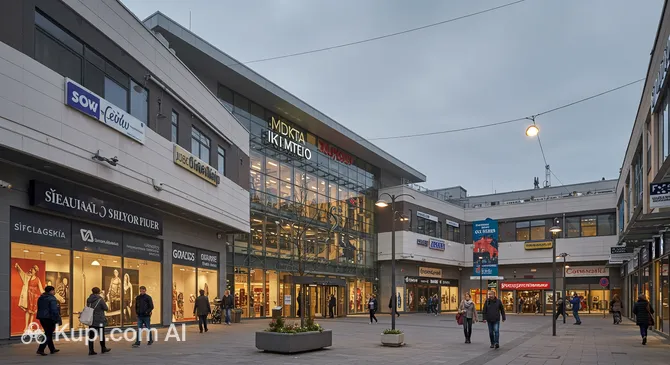
For travelers prioritizing convenience and logistics, the area surrounding the central bus station is a strategic choice. This district is anchored by the Saulės Miestas shopping and transport complex, making it incredibly easy for those arriving by bus or planning day trips to the Hill of Crosses. Staying here ensures quick access to intercity transport links while still being just a short walk from the historic center. It is particularly convenient for visitors with heavy luggage or early morning departures.

Saulės Miestas. Source: Kupi.Binoculars

Regarding costs, Siauliai is very affordable. Budget travelers can find hostels and simple rooms starting from as low as €30–€40 per night, while mid-range hotels typically charge between €50 and €80 for a double room with breakfast. While it is usually possible to find a room upon arrival, it is highly recommended to book in advance if you are visiting during the peak summer months (July and August) or when major events are taking place at the Šiauliai Arena, as the best options tend to fill up quickly.

Most accommodations can be easily booked through major online platforms, which offer the widest selection of apartments and hotels. However, contacting smaller guesthouses directly can sometimes yield a better rate or a more personalized stay. Whether you choose a modern flat or a classic hotel room, you will find that the city provides a comfortable and welcoming base for your Lithuanian adventures.

Nearby Cities

For those looking to explore the surroundings, Siauliai serves as an excellent base for day trips to several interesting nearby locations:

City Population Distance (km)
Panevezys 124,412 69
Mažeikiai 33,249 73
Kedainiai 23,447 83
Telsiai 22,261 67
Taurage 21,516 100

Among these options, a few stand out as particularly rewarding for a short visit. Telšiai, often referred to as the "Capital of Samogitia" (Žemaitija), is located just over an hour away. It is beautifully situated on seven hills surrounding Lake Mastis and is famous for its well-maintained old town, artistic bear sculptures hidden throughout the streets, and the Samogitian Museum "Alka," which offers a deep dive into the region's distinct cultural identity.

Another excellent destination is Panevėžys, the fifth-largest city in Lithuania. It is known for its industrial heritage and vibrant arts scene, including the famous Juozas Miltinis Drama Theatre. A major highlight for tourists here is the historic Narrow Gauge Railway ("Siaurukas"), which offers nostalgic rides and educational programs. The city also features pleasant parks and the modern Cido Arena.

For history enthusiasts, Kėdainiai offers one of the most charming and well-preserved old towns in the country. Historically a melting pot of cultures, it reflects the legacy of the powerful Radvila noble family. Visitors can explore 17th-century architecture, old market squares, and learn about the city's unique Scottish and Jewish heritage, or simply enjoy its reputation as the "Cucumber Capital" of Lithuania.

These nearby destinations offer a glimpse into the diverse culture and landscapes of the region.

Shopping & Souvenirs

Shopping:

Shopping in Siauliai offers a pleasant mix of modern convenience and traditional charm. While the city may not be a sprawling fashion metropolis, it provides a compact and accessible retail experience where visitors can find everything from international brands to unique local crafts. The shopping scene is easy to navigate, with most key locations situated either right in the city center or a short drive away, making it easy to combine a shopping spree with sightseeing.

The heart of the city's independent commerce is the pedestrianized Vilniaus Street. As you stroll along this historic boulevard, you will encounter a variety of boutique stores, art galleries, and souvenir shops nestled among the cafes. This is the best place to look for specialized items, books, and high-quality Lithuanian linen. The atmosphere here is relaxed, allowing for a leisurely window-shopping experience surrounded by the city's architectural heritage.

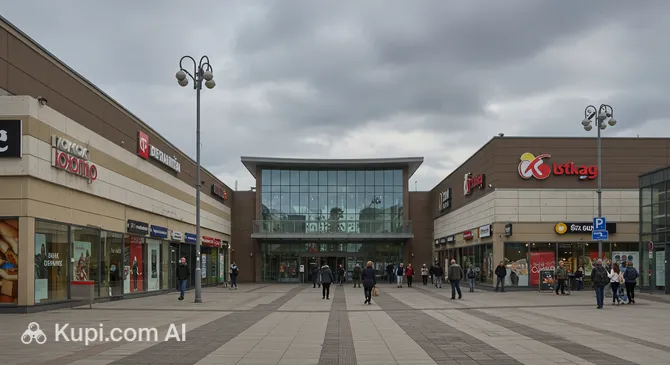
For a more comprehensive retail experience, Siauliai boasts several modern shopping centers. One of the most popular is Saulės Miestas, which is uniquely integrated with the central bus station, offering exceptional convenience for travelers. It houses a wide array of clothing stores, electronics shops, and a large supermarket. Another significant destination is Bruklinas, a shopping and entertainment center that features outlet stores, home goods, and leisure facilities. Additionally, the city is home to an Akropolis mall, a standard-bearer for shopping in Lithuania, providing a vast selection of fashion brands and entertainment options under one roof.

Bruklinas. Source: Kupi.Binoculars

To experience the local flavor, a visit to the central market (Šiaulių turgus) is highly recommended. Here, the vibe is authentically Lithuanian, with farmers selling fresh seasonal produce, smoked meats, and cheeses. It is also a great spot to find honey, dried herbs, and sometimes handmade wool or wicker items. The market offers a glimpse into the daily lives of residents and is the perfect place to pick up edible gifts that taste of the region.

When it comes to souvenirs, the undisputed king in Siauliai is chocolate. As the home of the historic Rūta confectionery factory, the city offers sweets that are famous nationwide. You can purchase beautiful gift boxes of handmade chocolates directly from the factory shop or specialized boutiques. Other popular keepsakes include amber jewelry, which is a staple of the Baltics, as well as ceramic crafts and wooden folk art that reflect the deep-rooted traditions of the Samogitia region.

Most shopping centers in the city are open daily from 10:00 AM to 9:00 PM, while supermarkets often open earlier and close later. Smaller boutiques and shops along the pedestrian street typically operate from 10:00 AM to 6:00 PM or 7:00 PM and may have shorter hours on weekends. Credit and debit cards are widely accepted in malls, restaurants, and most shops, but it is advisable to carry some cash (Euros) when visiting outdoor markets or smaller kiosks.

Travelers from outside the European Union should look for the "Tax Free Shopping" signage in store windows. Many larger retailers in Siauliai participate in the tax refund scheme, allowing eligible tourists to reclaim the VAT on their purchases upon leaving the EU. Be sure to ask for a tax-free form at the checkout if you plan to take advantage of this benefit.

Reached the end of the page?

That means the route is fully explored