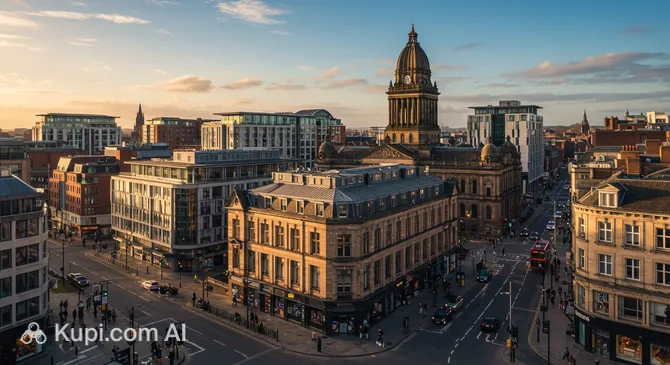
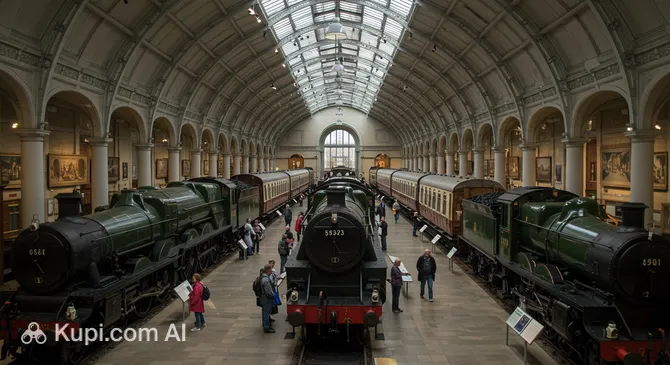
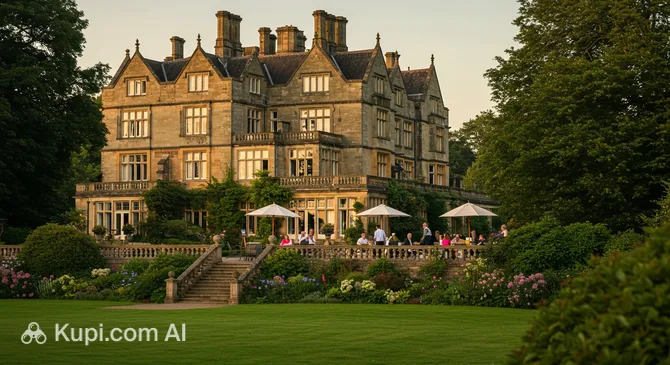
Leeds is a dynamic and culturally rich metropolis that serves as the unofficial capital of Yorkshire. Known for its friendly atmosphere and thriving arts scene, it perfectly blends Victorian architecture with modern urban living. Situated in the county of West Yorkshire, the city is a major hub in the northern part of the United Kingdom, offering visitors a unique mix of heritage and contemporary style.
With a population of approximately 790,000 residents, Leeds is a bustling center of commerce and education. The city has undergone a significant transformation from its roots as a wool-producing powerhouse to a modern destination for shopping, nightlife, and culture. Those interested in the past can delve into the fascinating history of Leeds, which is visible in its grand civic buildings and repurposed industrial spaces.
Leeds. Illustration.
Source: Kupi.com AI
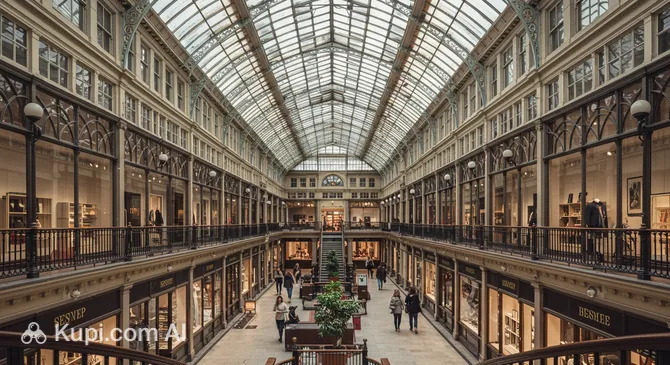
Travelers are often drawn to the city's exceptional shopping districts, such as the elegant Victoria Quarter with its stunning stained-glass roof, and the historic Kirkgate Market, one of the largest indoor markets in Europe. For culture enthusiasts, the Royal Armouries Museum offers a world-class collection of arms and armor, while the vast green expanse of Roundhay Park provides a peaceful escape just a short distance from the city center.
Whether you are visiting for the vibrant music scene, the renowned food festivals, or simply to soak up the local character, Leeds promises a memorable experience. It is a city that invites exploration, offering a warm welcome and a diverse array of activities for every type of traveler.
Weather Overview
The climate in this part of West Yorkshire is generally temperate, avoiding extreme heat or cold. For a more detailed breakdown of conditions during your specific travel dates, you can check the weather in Leeds page. The city experiences four distinct seasons, though rainfall is a common occurrence year-round.
Summers are typically mild rather than hot, with July seeing average temperatures around 15.7°C and highs reaching nearly 20°C. This is often considered the best time to visit for outdoor activities. In contrast, winters are chilly, with average temperatures in January and December dropping to around 4.0°C to 5.0°C. Nighttime lows in the colder months frequently dip below 3°C, so warm layers are essential.
Precipitation is fairly evenly distributed throughout the year, so carrying an umbrella is always a good idea regardless of when you visit. Even in the relatively drier months like April, you can expect around 12 wet days. Overall, visitors should expect mild, comfortable summers with occasional rain and cool, damp winters.
Average monthly temperature
Average monthly precipitation
Interesting Facts
Beyond the main attractions, Leeds holds many fascinating secrets and claims to fame that often surprise visitors. From pioneering cinema to inventing everyday luxuries, the city has a legacy that extends far beyond its borders.
The birthplace of cinema: Long before Hollywood, the world's first moving pictures were filmed in Leeds in 1888. Louis Le Prince captured the famous "Roundhay Garden Scene" at Roundhay Park, a historic moment that predates the work of Edison and the Lumière brothers.
Retail history: The international retail giant Marks & Spencer started life here as a tiny penny bazaar. Michael Marks opened his first stall in Leeds Kirkgate Market in 1884, adopting the simple slogan "Don't ask the price, it's a penny."
The invention of fizzy water: We have Leeds to thank for carbonated drinks. In 1767, Joseph Priestley, a clergyman and scientist living in the city, discovered a method to infuse water with carbon dioxide at a local brewery, effectively inventing soda water.
Secret agent board games: Waddingtons, the famous game manufacturer based in Leeds, played a secret role in World War II. They manufactured special Monopoly sets for prisoners of war that contained hidden maps, compasses, and real money to aid in escapes.
Ancient inhabitants: While it is hard to imagine now, hippopotamuses once roamed this part of Yorkshire. Victorian workmen discovered the fossilized bones of a "Great Northern Hippo" in the Wortley area, dating back over 100,000 years.
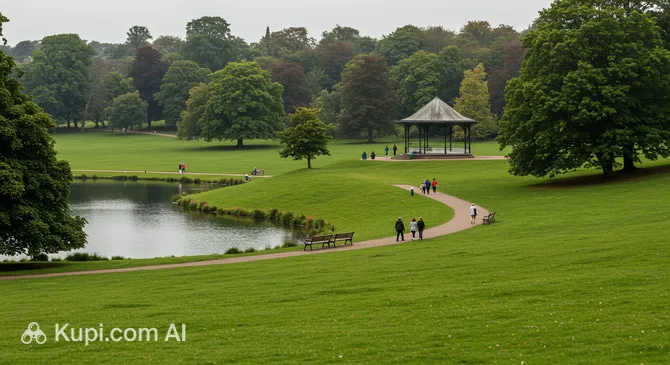
Roundhay Park. Illustration.
Source: Kupi.com AI
Traveler photos:
How to Get There
Reaching this vibrant West Yorkshire destination is convenient thanks to excellent transport links connecting it to the rest of the country and beyond. Whether you are flying in from abroad or traveling by train from other UK cities, there are multiple options to suit your itinerary. For a detailed breakdown of all routes and travel tips, you can read more about how to get to Leeds.
For air travelers, the most direct entry point is Leeds Bradford International Airport (IATA: LBA). Located just 10.3 km from the city center, it serves as the primary gateway for the region. The journey from the airport to downtown Leeds takes approximately 35 minutes by taxi or bus, making it a quick and easy transfer. Alternatively, international visitors often choose Manchester Airport (IATA: MAN) in the city of Manchester, which is one of the busiest hubs in the UK. Although it is situated about 69.2 km away, it offers a wider range of global connections. A transfer by road from Manchester Airport typically takes around 1 hour and 15 minutes.
For clarity, here is a summary of the main airports:
Traveling by rail is another popular option, with several major stations situated within a reasonable distance. Manchester Piccadilly Station is a significant hub located in the city of Manchester, approximately 57.2 km from Leeds. It handles a massive volume of passengers annually and connects to numerous destinations across the UK. Direct trains from here to Leeds are frequent and efficient, with a travel time of approximately 50 to 60 minutes. Closer to the destination, Bradford railway station offers another access point. Situated about 13.4 km from the center, the travel time by taxi or bus from this station is approximately 40 minutes.
Below is a list of nearby railway stations that can facilitate your journey:
Leeds offers a diverse array of sights, ranging from industrial heritage to grand country estates. While the city center is compact and walkable, the wider region of West Yorkshire holds treasures that are well worth the short journey. Visitors will find a compelling mix of history, art, and modern leisure that defines the character of this northern metropolis.
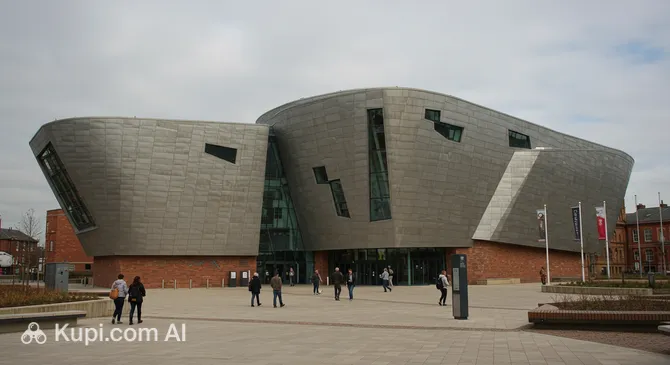
One of the city's most visited cultural institutions is the Royal Armouries Museum. Located at Leeds Dock, this stunning building houses the national collection of arms and armour. Visitors can explore five floors filled with thousands of objects from across the world and through history, including majestic elephant armour and famous movie props. The museum is renowned for its live interpretations and jousting tournaments, bringing history to life in a way that engages audiences of all ages.
Royal Armouries Museum. Illustration.
Source: Kupi.com AI
Traveler photos:
For a glimpse into aristocratic life, Temple Newsam is a must-visit destination. Often referred to as the "Hampton Court of the North," this magnificent Tudor-Jacobean house is set within 1,500 acres of parkland planned by the famous landscape architect Capability Brown. Tourists can tour the beautifully restored interiors, visit the rare breed animals at Home Farm, or simply enjoy a walk through the extensive gardens and woodland trails.
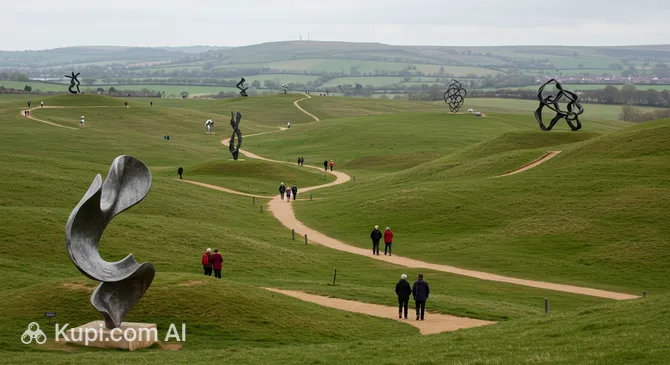
Art lovers should not miss the opportunity to visit the Yorkshire Sculpture Park. Situated just a short drive from Leeds, this open-air gallery is the first of its kind in the UK. Spread across 500 acres of rolling landscape, it features works by international artists, including local legends Henry Moore and Barbara Hepworth. The changing seasons provide a dynamic backdrop to the sculptures, making every visit a unique experience.
Yorkshire Sculpture Park. Illustration.
Source: Kupi.com AI
Traveler photos:
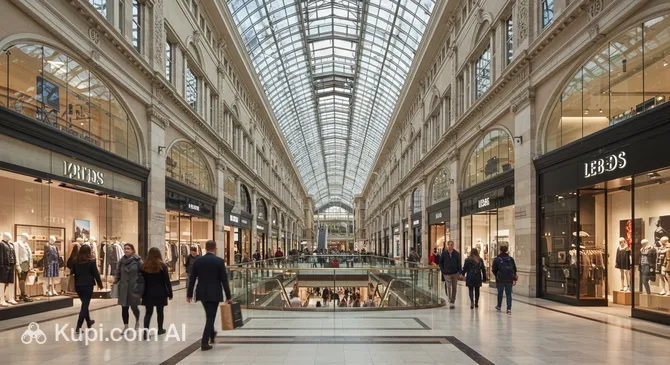
Those seeking a premium retail and architectural experience will find it at Victoria Leeds. This destination combines the historic Grade II listed Victoria Quarter with the modern Victoria Gate. The area is famous for its stunning stained-glass roof, the largest in Britain, and its array of luxury boutiques and high-end brands. It is not just a place to shop, but a venue to admire the city's Victorian elegance seamlessly blended with contemporary design.
Local Cuisine
Leeds has firmly established itself as the unofficial "Foodie Capital of the North," offering a gastronomic landscape that ranges from traditional Yorkshire comfort food to cutting-edge culinary innovation. The city’s dining scene is incredibly diverse, reflecting its multicultural population and a strong spirit of independence. Visitors can expect hearty portions, locally sourced ingredients from the lush West Yorkshire countryside, and a thriving street food culture that rivals any major European metropolis.
No visit to this region is complete without trying a classic Yorkshire Pudding. While known globally as a side dish for roast beef, in its home county, it is often served as a starter with rich onion gravy or even as a main meal filled with sausages and mash. Another local specialty is forced rhubarb; Leeds sits within the famous "Rhubarb Triangle," and this vibrant pink ingredient features heavily in local desserts, crumbles, and even savory sauces during the winter months.
The city is also renowned for its exceptional South Asian cuisine. The influence of the region's diverse communities means you can find some of the best curries in the UK here. From authentic Kashmiri dishes to modern fusion street food, the options are endless. For those seeking a sophisticated dining experience, Victoria Leeds offers a selection of upscale restaurants and champagne bars set within stunning architectural surroundings, perfect for a refined evening meal.
Victoria Leeds. Illustration.
Source: Kupi.com AI
Traveler photos:
When it comes to drinks, Leeds has a deep-rooted brewing heritage. The city played a pivotal role in the craft beer revolution, and today it is packed with microbreweries and taprooms serving excellent local ales and IPAs. For a taste of the local social scene, the legendary Brudenell Social Club is a fantastic spot to enjoy a pint while soaking up the atmosphere of one of the UK's most famous live music venues.
If you prefer cocktails and hidden gems, the city center is famous for its speakeasy-style bars. The Domino Club, tucked away in the back of a barber shop, offers live jazz and premium drinks in an intimate, underground setting. For a non-alcoholic alternative, a pot of strong Yorkshire Tea is a staple in cafes across the city, usually served with a slice of Parkin—a sticky, ginger oatmeal cake that is a beloved local treat.
For those willing to venture slightly further afield for a culinary treat, Rudding Park provides a luxurious setting for fine dining, emphasizing garden-to-plate philosophies. Whether you are grabbing a quick bite at a bustling market stall or sitting down for a tasting menu, Leeds promises a delicious journey for every palate.
Travel Tips
Getting ready for your trip to Leeds is exciting, and a little local know-how goes a long way in ensuring your visit is smooth and enjoyable. To help you navigate the unofficial capital of Yorkshire like a pro, we have compiled some essential practical advice covering everything from packing essentials to local social customs.
Clothing and Gear: The weather in West Yorkshire is notoriously unpredictable. Even in summer, it is wise to carry a lightweight waterproof jacket or umbrella and to dress in layers that can be easily added or removed. Comfortable walking shoes are a must, as the city center is compact and best explored on foot. For electronics, bring a Type G power adapter (three rectangular pins) to keep your devices charged.
Transportation: You likely will not need to rent a car, as the city is very pedestrian-friendly. For trips outside the center, the public transport network, branded as Metro, offers a comprehensive bus system and local trains. You can pay for bus journeys easily using contactless payment cards or the MCard mobile app. Rideshare apps like Uber and local taxi firms are also widely available and reliable.
Finances: The local currency is the British Pound (£). Leeds is extremely card-friendly; you can use Visa or Mastercard for almost everything, including public transport and market stalls. ATMs are plentiful throughout the city. A mid-range traveler might budget around £50–£70 per day (excluding accommodation). Tipping is customary in sit-down restaurants; leaving 10–12% of the bill is standard if a service charge has not already been added.
Health and Safety: Leeds is generally a safe city for tourists, but standard urban precautions apply; keep an eye on belongings in crowded areas and stick to well-lit streets at night. For minor health issues, pharmacies like Boots are easily found on high streets. In a medical emergency, dial 999; for non-urgent medical advice, you can call 111.
Communication: English is the spoken language, though you may encounter the distinctive Yorkshire accent and local slang. Free Wi-Fi is available in many public areas, including the city center (look for "Leeds Free WiFi") and on most buses. If you need mobile data, pre-paid SIM cards can be bought cheaply at supermarkets or phone shops without a contract.
Local Etiquette: Politeness is highly valued here. Always say "please" and "thank you" to service staff. Queueing (standing in line) is a strict social norm; never cut in line at a bus stop, bar, or shop, as this is considered extremely rude. Don't be surprised if locals call you "love," "flower," or "mate"—these are friendly terms of endearment, not flirtation.
What to Avoid: Try not to make unfavorable comparisons between Yorkshire and Lancashire, or confuse Leeds with Manchester. There is a historic, albeit mostly friendly, rivalry between the counties, and locals are fiercely proud of their Yorkshire heritage. Also, avoid blocking the pavement (sidewalk) or stopping abruptly in busy areas, as the city center moves at a fast pace.
Local Insight: For a unique and scenic shortcut, take the Leeds Water Taxi. It runs between Leeds Dock (near the Royal Armouries) and Granary Wharf (near the train station) for a nominal fee. It is a fun, relaxing alternative to walking and offers great views of the city's industrial architecture from the canal.
Armed with these tips, you are all set to embrace the warm hospitality and vibrant energy of Leeds. Whether you are navigating the historic arcades or chatting with locals over a cup of tea, these practical insights will help you feel right at home in the heart of Yorkshire.
Entertainment & Nightlife
Leeds boasts a nightlife scene that is widely considered one of the best in the UK, holding the prestigious Purple Flag status for its safe and diverse evening economy. The city comes alive after dark, offering everything from sophisticated cocktail lounges and pounding nightclubs to traditional pubs and intimate live music venues. Whether you are looking for a wild night out or a relaxed evening with friends, the city center’s compact nature makes it easy to hop between districts and experience the full spectrum of entertainment.
The heart of the action is undoubtedly Call Lane. This vibrant street is packed with bars and music venues that stay open late, drawing a lively crowd of students, locals, and visitors. The atmosphere here is energetic and unpretentious, with music spilling out onto the streets. For a more upscale experience, head to Greek Street. This area has been revitalized in recent years and is now the go-to destination for high-end cocktails, bottomless brunches, and dressing to impress. If you prefer an alternative vibe, the Northern Quarter and Merrion Street offer a grittier, indie feel with rock bars, craft beer spots, and late-night pizzerias.
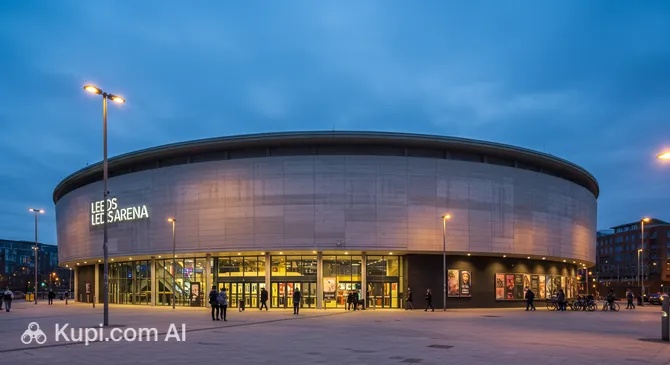
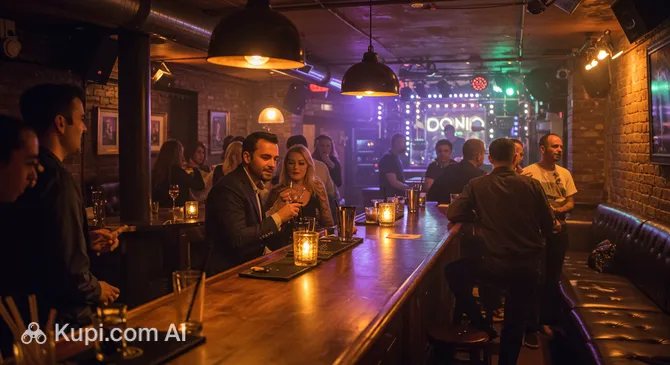
Music is in the city's DNA, and you can catch world-class performances at the Leeds Arena. This award-winning venue hosts major international artists, comedy shows, and sporting events, providing a spectacular acoustic experience thanks to its unique fan-shaped design. For those who prefer underground sounds and hidden gems, The Domino Club is an absolute must. Hidden beneath a barbershop in the Grand Arcade, this speakeasy-style venue serves exceptional cocktails accompanied by live jazz, funk, and soul music, creating a cool, sophisticated atmosphere reminiscent of the 1920s.
Leeds Arena. Illustration.
Source: Kupi.com AI
Traveler photos:
For a more relaxed late-night vibe, you might visit Pasha Shisha, a popular spot for unwinding with friends in a comfortable setting. If you are a fan of indie music and community spirit, the legendary Brudenell Social Club remains a cornerstone of the Leeds music scene, hosting both famous bands and emerging talent in a down-to-earth environment.
The Domino Club. Illustration.
Source: Kupi.com AI
Traveler photos:
Practicalities are important for a smooth night out. Most bars on Call Lane and Greek Street are open until 2:00 AM or 3:00 AM, while some clubs stay open until the early morning. Prices are generally reasonable for a major city; expect to pay around £5–£6 for a pint of beer and £9–£12 for a cocktail. Dress codes vary: Greek Street venues often require smart casual attire (no sportswear), while places like the Northern Quarter are much more relaxed. The city is well-served by private hire taxis like Amber Cars and Uber, which are safer and more reliable than hailing a cab on the street. Leeds is generally safe at night, especially in the Purple Flag zones, but it is always wise to stay in groups and stick to well-lit main roads.
While the nights are electric, daytime entertainment in the region is equally engaging. Beyond the shopping and museums, families and thrill-seekers can venture slightly further afield to the Barnsley Metrodome, a massive leisure complex featuring a water park with slides and splash pools. Alternatively, for active fun, the Trampoline Park Bradford offers a great way to burn off energy with wall-to-wall bouncing zones, making the wider West Yorkshire area a hub for excitement around the clock.
Parks & Museums
Leeds is a city that surprisingly balances its industrial heritage with an abundance of green spaces and a vibrant cultural scene. Visitors will find that the metropolis is surrounded by rolling countryside and dotted with expansive parks, while its museums and galleries offer a deep dive into everything from transport history to fine art.
One of the city's crowning jewels is Roundhay Park, which stands as one of the largest urban parks in Europe. Covering over 700 acres, it features beautiful lakes, woodland, and formal gardens that are perfect for a leisurely stroll. It is a favorite among locals for its vast open spaces and the popular Tropical World, where you can walk through a rainforest environment filled with exotic plants and animals. Whether you are looking for a picnic spot or a place to play sports, this park offers a refreshing escape from the city center.
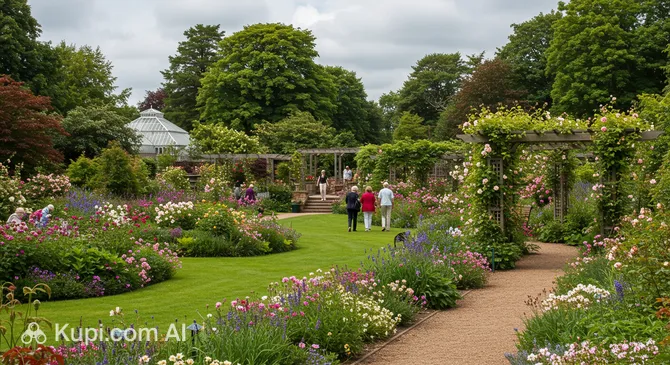
For gardening enthusiasts, a visit to Harlow Carr Garden is essential. Run by the Royal Horticultural Society (RHS), this stunning landscape showcases innovative gardening techniques and colorful floral displays that change with the seasons. Located just outside the city, it offers a tranquil setting with streams, woodland walks, and a famous tea room, making it a delightful day trip for nature lovers.
Harlow Carr Garden. Illustration.
Source: Kupi.com AI
Traveler photos:
Leeds and its surrounding area boast some of the finest museums in the North. A short journey from the city will take you to the National Railway Museum. This immense attraction houses a collection of historically significant locomotives, including the world's fastest steam engine, the Mallard. It provides a fascinating look at the engineering marvels that shaped the modern world and is an engaging experience for visitors of all ages.
To understand the region's industrial past, the National Coal Mining Museum for England offers a truly immersive experience. Situated on the site of a former colliery, the museum allows you to descend 140 meters underground to explore the mine workings. Guided by former miners, these tours give a gritty and authentic insight into the lives of the workers who powered the nation.
National Railway Museum. Illustration.
Source: Kupi.com AI
Traveler photos:
History buffs will appreciate the grandeur of Nostell, a magnificent Palladian house located within glorious parkland. Inside, you can admire a world-class collection of Chippendale furniture made specifically for the estate. For a more ancient atmosphere, the ruins of Fountains Abbey offer a breathtaking sight. As one of the largest and best-preserved ruined Cistercian monasteries in England, it is a UNESCO World Heritage site that exudes a sense of peace and history.
For a lesser-known but equally charming experience, take a walk along the Leeds and Liverpool Canal. The towpath offers a unique perspective on the city's industrial architecture and leads you through quiet, scenic stretches that feel miles away from the urban bustle. It is a perfect way to see the city from a different angle while enjoying the calm of the water.
Getting Around
Navigating Leeds is straightforward and convenient, despite the fact that it is one of the largest cities in Europe without a traditional underground metro or light rail system. The public transport network relies heavily on a comprehensive web of bus services and a reliable suburban train network, coordinated under the "Metro" brand. For most visitors, the city center is compact enough to explore comfortably on foot, but reaching the suburbs or nearby attractions is easily done using these reliable services.
The bus network is the primary mode of transport for getting around the city and its outskirts. Major operators like First Bus and Arriva run frequent services connecting the downtown area with neighborhoods such as Headingley, Chapel Allerton, and Roundhay. Bus stops are well-marked with route numbers and digital displays showing real-time arrival times. For those staying out late, some core routes operate night services, though frequencies are reduced compared to daytime schedules.
For faster travel to outer suburbs or the wider West Yorkshire region, the local train service is an excellent alternative. Leeds Station is the central hub, with lines radiating out to areas like Burley Park and Horsforth. Trains are generally faster than buses during peak traffic hours and offer a comfortable way to reach attractions located slightly further afield, such as the expansive parks or neighboring towns.
A unique and charming feature of the city's transport mix is the Leeds Water Taxi. These small yellow boats run along the canal between Granary Wharf (near the train station) and Leeds Dock (home to the Royal Armouries). While primarily a scenic route, it is a practical and enjoyable way to cross the city center without walking, offering a different perspective on the industrial architecture for a very small fee.
Paying for transport is designed to be hassle-free for tourists. The most convenient method is contactless payment using a bank card or smartphone (Apple Pay/Google Pay). On most buses, you simply "tap on" when you board and "tap off" when you exit; the system automatically calculates the best fare and caps the daily cost, so you never pay more than the price of a day ticket. If you plan to travel extensively across different bus and train operators, you might consider purchasing an MCard smartcard or using the MCard mobile app to buy day-saver tickets covering the whole region.
If you prefer more direct transport, taxis and private hire vehicles are plentiful. You can hail distinctive "hackney carriages" (often white or black with a taxi sign) directly on the street at designated ranks. Alternatively, private hire firms like Amber Cars and apps like Uber are widely used and must be booked in advance via phone or app. For those who enjoy cycling, the city is becoming increasingly bike-friendly, with dedicated cycle lanes and bike rental schemes available for short trips around the center and university districts.
Accommodation
Where to Stay:
Leeds offers a comprehensive range of accommodation options to suit every budget and travel style, reflecting its status as a major northern hub. Visitors can choose from grand Victorian hotels that echo the city's historic wealth, sleek modern high-rises in the city center, or affordable hostels and budget chains perfect for backpackers. For those planning a longer stay or seeking more independence, there is also a growing market for serviced apartments and stylish rentals.
When choosing where to base yourself, location is key. The City Center is undoubtedly the most convenient area for first-time tourists, placing you within walking distance of the main railway station, major shopping districts like Victoria Leeds, and the vibrant nightlife of Call Lane. If you prefer a more scenic setting, the Leeds Dock and waterfront area offer a tranquil atmosphere with canal views, yet remain just a short water taxi ride or walk from the downtown bustle. For a younger, more bohemian vibe, the suburb of Headingley is popular, though it requires a short bus or train journey to reach the central attractions.
While the city center is packed with well-known international chains, the wider region offers unique retreats for those willing to venture slightly further afield. Travelers looking for a luxurious countryside escape might consider Nidd Hall. Set in 45 acres of award-winning gardens, this historic estate provides a resort-style experience that contrasts beautifully with the urban energy of Leeds. Alternatively, for a cozy, self-catering experience surrounded by nature, Smallshaw Cottages offer charming accommodation perfect for families or couples seeking privacy and comfort.
Nidd Hall. Illustration.
Source: Kupi.com AI
Traveler photos:
Booking Tip: Leeds is a busy city year-round, hosting numerous conferences, sporting events, and university graduations. Consequently, it is highly recommended to book your accommodation well in advance, particularly if you plan to visit on a weekend or during a major event at the Leeds Arena.
Prices and Booking: Accommodation prices are generally competitive compared to London. Budget travelers can expect to pay between £40 and £70 per night for hostels or budget hotels. Mid-range options typically sit between £80 and £130, while luxury stays and boutique hotels can range from £150 upwards. Most properties can be easily booked via major online platforms or directly through their websites, which often guarantee the best rates.
Nearby Cities
For those looking to explore the surroundings, Leeds serves as an excellent base for day trips to several interesting nearby locations:
City
Population
Distance
Woodhouse
17 450
1 km
Kirkstall
20 673
4 km
Seacroft
14 246
6 km
Morley
44 440
7 km
Rothwell
20 354
7 km
Among these, Bradford stands out as a vibrant cultural neighbor just a short train ride away. As the world's first UNESCO City of Film, it is home to the National Science and Media Museum, which explores the history of photography, film, and television. The city is also celebrated for its stunning Victorian architecture, particularly in the Little Germany district, and is famously known as one of the best places in the UK to enjoy authentic curry.
To the south lies Wakefield, a city that has become a significant destination for art lovers. It hosts The Hepworth Wakefield, an award-winning gallery situated on the riverfront that celebrates modern and contemporary art. Visitors can also admire the impressive Wakefield Cathedral, which boasts the tallest spire in Yorkshire, or visit the historic Chantry Chapel of St Mary on the Bridge, one of the few surviving medieval bridge chapels in the country.
These nearby destinations offer a glimpse into the diverse culture and landscapes of the region.
Shopping & Souvenirs
Leeds is widely recognized as one of the premier shopping destinations in the UK, often dubbed the "Knightsbridge of the North." The city center is remarkably compact and pedestrian-friendly, allowing visitors to easily drift between high-end luxury boutiques, popular high street brands, and quirky independent stores. From historic arcades with stunning architecture to modern glass-roofed complexes, the shopping experience here is as much about the atmosphere as it is about the retail therapy.
The main retail spine of the city is Briggate, a pedestrianized street that hosts many of the UK's flagship department stores and well-known fashion chains. Branching off from this central thoroughfare is a network of historic arcades, such as Queens Arcade and Thornton’s Arcade. These charming, covered walkways are architectural gems in their own right, filled with independent retailers, comic book shops, and jewelers, offering a distinct alternative to the mainstream options.
For a seamless blend of history and luxury, visitors should head to Victoria Leeds. This premium shopping district combines the contemporary Victoria Gate with the stunning 19th-century Victoria Quarter. The latter is famous for its magnificent stained-glass roof and mosaic floors, housing designer brands and upscale beauty counters. It is an essential stop for anyone looking to indulge in high-quality goods within a breathtaking setting.
Victoria Quarter. Illustration.
Source: Kupi.com AI
Traveler photos:
Another key player in the city's retail scene is Trinity Leeds. This vast, modern shopping center sits in the heart of the city and is covered by an iconic glass dome, making it a perfect all-weather destination. It features hundreds of shops ranging from international fashion giants to a dedicated street food kitchen, buzzing with activity from morning until late evening.
Travelers seeking a more traditional or bohemian vibe will love the city's markets. Kirkgate Market is one of the largest indoor markets in Europe and is steeped in history; it is famously the birthplace of Marks & Spencer, which started here as a penny bazaar. Just a short walk away is the Leeds Corn Exchange, a beautiful domed Victorian building that now serves as a hub for creative independent businesses, selling everything from vintage clothing to handmade jewelry and plants.
When it comes to souvenirs, look for items that celebrate the region's heritage. A box of Yorkshire Tea or a tin of locally baked biscuits makes for a classic gift. For something more unique, the independent makers in the Corn Exchange offer artwork and crafts that capture the spirit of the city. Football fans might also want to pick up merchandise related to Leeds United, the city’s beloved football club.
Most shops in the city center open around 9:00 AM and close between 5:30 PM and 6:00 PM, with late-night shopping often available on Thursdays until 8:00 PM. On Sundays, trading hours are shorter, typically from 11:00 AM to 5:00 PM. Cash is accepted, but contactless card payments and mobile wallets (Apple Pay, Google Pay) are the preferred and most convenient method of payment almost everywhere, from market stalls to luxury boutiques.