Support

Glasgow

About

As the largest city in Scotland and the third-largest in the United Kingdom, Glasgow is a dynamic metropolis renowned for its culture, style, and the legendary friendliness of its people. Often overshadowed by its neighbor Edinburgh, Glasgow has reinvented itself as a vibrant hub of art, music, and design, offering a unique atmosphere that blends gritty industrial heritage with modern sophistication.
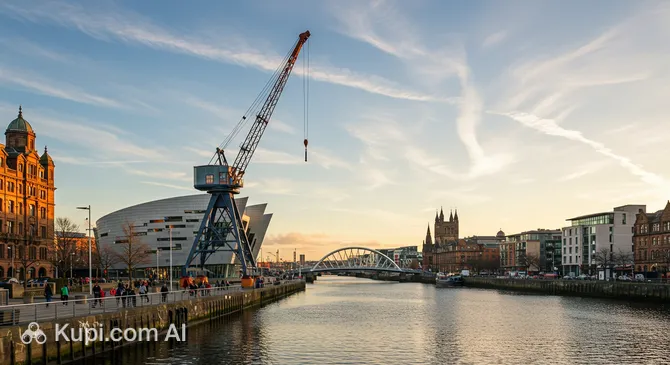
Glasgow. Source: Kupi.Binoculars

Located on the banks of the River Clyde in the country's West Central Lowlands, the city is home to approximately 626,000 residents. Its northern latitude means long daylight hours in the summer, perfect for exploring the city's parks, while the oceanic climate brings mild, damp winters. The river has always been the lifeblood of the city, historically serving as a gateway for trade and shipbuilding that connected Scotland to the rest of the world.

The transformation from a small rural settlement to a titan of the Industrial Revolution is truly fascinating. Visitors can delve deeper into the rich history of Glasgow to understand how its merchant past shaped the magnificent Victorian architecture that lines the streets of the city center today. From the grand George Square to the intricate details of the City Chambers, the built environment tells a story of wealth and innovation.

Today, Glasgow is celebrated as a UNESCO City of Music and boasts an impressive array of free museums and galleries. Travelers should not miss the stunning Kelvingrove Art Gallery and Museum, which houses one of Europe's great art collections, or the futuristic Riverside Museum, which showcases the city's transport and travel legacy. For a touch of the medieval, Glasgow Cathedral stands as a rare example of a Scottish cathedral that survived the Reformation intact.

With its thriving culinary scene, excellent shopping on the "Style Mile," and over 90 parks and gardens, Glasgow offers a warm welcome to all. Whether you are interested in architecture, nightlife, or simply soaking up the local character, this energetic city invites you to discover its many treasures.
Weather Overview

Travelers planning a visit should be prepared for a climate that is generally mild but often changeable. To help you pack the right clothing for your trip, it is helpful to check the current weather in Glasgow before you depart. The city experiences cool winters and pleasant, moderate summers, ensuring that extreme temperatures are rare.

During the warmest months, particularly July and August, average temperatures hover around 14°C, with daily highs reaching approximately 17°C. In contrast, the winter season sees temperatures drop significantly, with January being the coldest month, averaging 3.6°C and occasionally dipping to around 1.4°C.

Precipitation is a consistent feature of the local climate throughout the year. While the intensity may vary, the frequency of rain is notable, with the number of wet days ranging from 13 in April to 20 in October. Because rain is possible in any season, carrying a waterproof layer or an umbrella is highly recommended for exploring the city comfortably.

Interesting Facts

Beyond the Victorian architecture and bustling shopping streets, Glasgow holds many fascinating secrets that define its unique character. Here are a few surprising details that reveal the city's quirky spirit and hidden history.

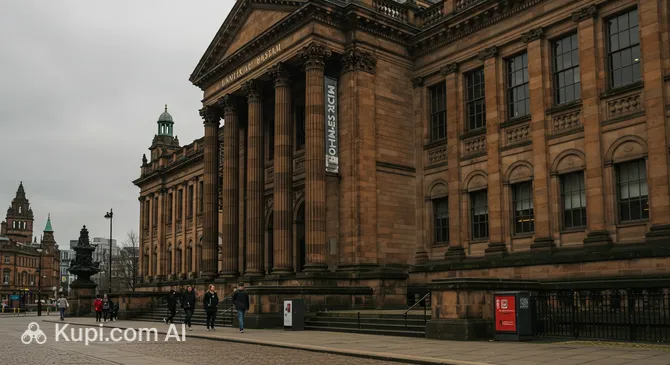
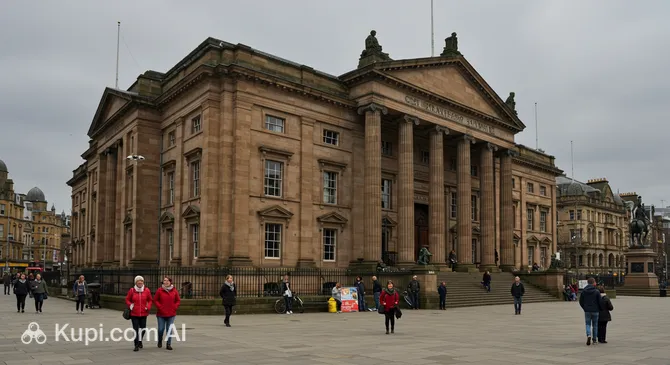
Gallery of Modern Art. Source: Kupi.Binoculars
  • The equestrian statue of the Duke of Wellington, located directly outside the Gallery of Modern Art, is almost always adorned with a traffic cone on its head. Despite past efforts by authorities to remove it, locals persistently replace the cone, transforming it into a beloved symbol of the city's irreverent sense of humor.

  • Glasgow is home to the third-oldest underground metro system in the world, having opened in 1896, following only London and Budapest. Known affectionately as "The Clockwork Orange" due to its bright orange paintwork and simple circular route, it remains a convenient way to navigate the city.

  • In the 1950s, the Southern Necropolis became the site of a bizarre event where hundreds of children patrolled the cemetery armed with makeshift stakes. They were hunting for the "Gorbals Vampire," a monster with iron teeth rumored to have kidnapped two local boys, a legend that eventually led to changes in comic book regulations.

  • The city is widely cited as the birthplace of the popular dish Chicken Tikka Masala. Local legend claims that a chef at a Glasgow curry house invented the sauce by adding spices to a tin of tomato soup, aiming to please a customer who complained that his chicken was too dry.

How to Get There

Reaching this vibrant Scottish metropolis is convenient thanks to its excellent transport connections. Whether you are arriving from within the United Kingdom or from overseas, there are multiple options to suit your itinerary. For a complete guide on planning your journey, you can read more about how to get to Glasgow and the various transport modes available.

The city is served by its own major hub, Glasgow International Airport (GLA), which welcomes millions of passengers annually. It is conveniently located just 11 km from the city center, making the transfer quick and easy; a taxi or bus ride typically takes around 20 minutes. For those flying with budget carriers, Glasgow Prestwick Airport (PIK) is another option, situated approximately 44 km away, with a travel time of about 50 minutes by road or train. Additionally, many travelers choose to fly into Edinburgh Airport (EDI) in the capital. Although it is about 56 km from Glasgow, its extensive international connections make it a viable choice, with a transfer time of roughly one hour.

For clarity, here is a summary of the main airports serving the region:

Airport Name City Passenger Traffic Km from City
Edinburgh Airport Edinburgh Large 56.3
Glasgow International Airport Glasgow Large 11.0
George Best Belfast City Airport Belfast Medium 172.4
Glasgow Prestwick Airport Glasgow Small 44.3
Dundee Airport Dundee Small 101.0

If you prefer to travel by train, the city is a major rail hub with excellent links to the rest of the UK. The most significant terminal is Glasgow Central Station, located right in the heart of the city, just 0.4 km from the center. It serves as the main arrival point for intercity services from the south. While Waverley Railway Station is a key hub in Edinburgh, about 67 km away, most direct trains will bring you straight into Glasgow Central, placing you immediately within reach of local attractions.

Below is a list of nearby and major railway stations:

Station City Passenger Traffic Km to Center
Glasgow Central Station Glasgow Large 0.4
Waverley Railway Station Edinburgh Large 67.6
Aberdeen Railway Station Aberdeen Medium 2.1
Carlisle Central Station Carlisle Medium 136.8
Dundee Railway Station Dundee Medium 101.2

Main Attractions

Glasgow is a city brimming with cultural treasures, historic landmarks, and cutting-edge architecture. From world-class museums to tranquil green spaces, the city offers a diverse range of experiences for every type of traveler. Exploring these highlights provides a deeper understanding of the city's rich heritage and its modern artistic flair.

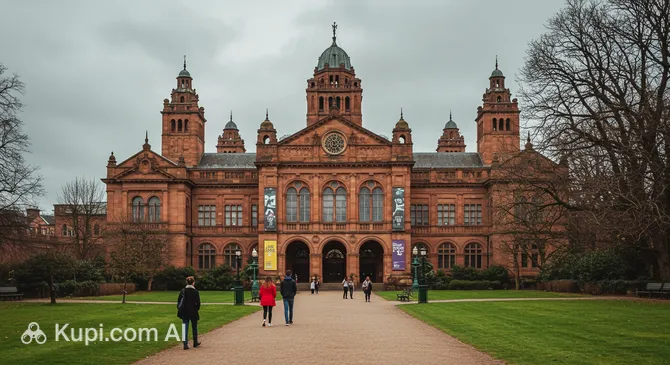
One of the most beloved institutions in the city is the Kelvingrove Art Gallery and Museum. Housed in a magnificent red sandstone Spanish Baroque building in the West End, it features 22 themed galleries displaying an astonishing variety of objects, from natural history and arms and armor to fine art. Tourists flock here to see Salvador Dalí’s masterpiece, Christ of Saint John of the Cross, and to enjoy the museum's family-friendly atmosphere, which remains free to enter.

Kelvingrove Art Gallery and Museum. Source: Kupi.Binoculars

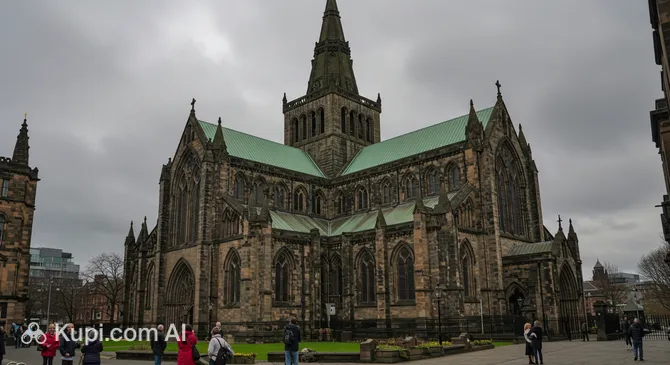
For a journey through the city's medieval past, a visit to Glasgow Cathedral is essential. This imposing Gothic structure is one of the few Scottish medieval churches to have survived the Reformation intact. Visitors can admire the stunning post-war stained glass windows and descend into the crypt to see the tomb of St. Mungo, the patron saint of Glasgow, making it a site of significant historical and spiritual importance.

Glasgow Cathedral. Source: Kupi.Binoculars

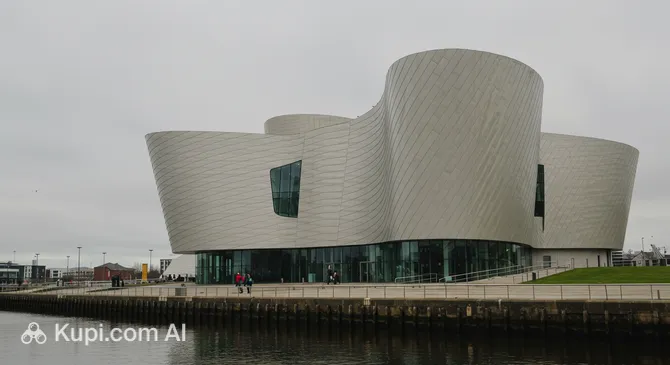
Located on the banks of the River Clyde, the Riverside Museum is a striking example of modern architecture designed by Zaha Hadid. This award-winning transport museum captivates visitors with its vast collection of vintage cars, bicycles, trams, and locomotives that tell the story of Glasgow's industrial prowess. It is particularly interesting for its interactive street scenes that recreate life in the city from decades past.

Riverside Museum. Source: Kupi.Binoculars

Nature lovers should head to the Glasgow Botanic Gardens in the vibrant West End. The park is renowned for the Kibble Palace, an exquisite 19th-century wrought-iron glasshouse filled with tree ferns and exotic plants. It is a perfect spot for a relaxing stroll away from the urban bustle, offering beautifully manicured grounds and a chance to explore rare flora from around the world.

Another cultural gem is The Burrell Collection, situated within the scenic Pollok Country Park. This purpose-built museum houses the eclectic art collection of Sir William Burrell, ranging from Chinese ceramics and medieval tapestries to French Impressionist paintings. Recently renovated, the museum offers a modern and accessible way to view thousands of unique objects in a beautiful woodland setting.

Local Cuisine

Glasgow’s culinary scene has undergone a remarkable transformation in recent years, shedding its reputation for deep-fried novelties to become one of the most exciting food destinations in the UK. While you can still find the infamous deep-fried Mars bar if you look hard enough, the city is far more celebrated today for its sophisticated dining, thriving street food culture, and status as the "Curry Capital of Britain." The food landscape here is a delicious blend of hearty Scottish tradition and global influences.

No visit to Glasgow would be complete without trying the national dish, haggis. Traditionally made from sheep's pluck mixed with oatmeal, suet, and spices, it is savory, peppery, and deeply satisfying. It is most commonly served with "neeps and tatties" (mashed turnips and potatoes) and a drizzle of whisky sauce. For seafood lovers, Cullen Skink is a must-try; this thick, creamy soup made with smoked haddock, potatoes, and onions offers a warming taste of Scotland's coast.

Interestingly, Glasgow also claims to be the birthplace of Chicken Tikka Masala. Local legend has it that a chef in the city invented the dish in the 1970s by adding a mild tomato-cream sauce to chicken tikka to please a customer who found the meat too dry. As a result, the city is packed with incredible Indian restaurants, ranging from family-run establishments to modern fusion eateries.

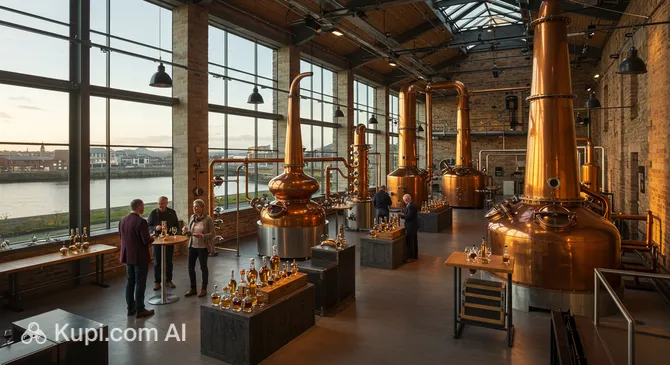
When it comes to drinks, Scotch whisky is naturally the star. Visitors can explore the history of this "water of life" at The Clydeside Distillery, located right on the river, where you can see the distillation process and sample some fine drams. On the non-alcoholic side, you simply must try Irn-Bru. This bright orange, fizzy soft drink is often described as Scotland's "other national drink" and is famous for its unique, indescribable flavor.

The Clydeside Distillery. Source: Kupi.Binoculars

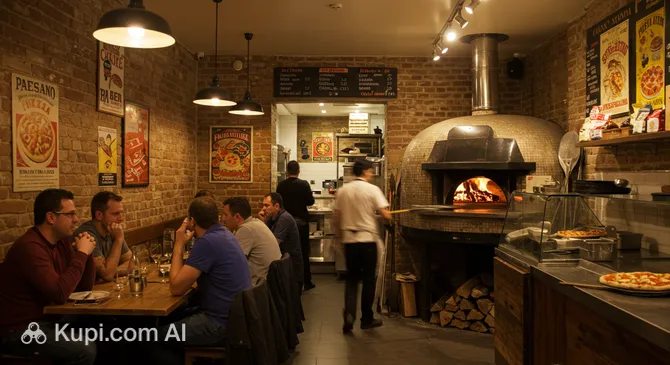
The dining culture in Glasgow is relaxed and unpretentious. The Finnieston neighborhood, often dubbed the "foodie strip," is lined with trendy bars and artisan restaurants. For a casual but legendary meal, locals flock to Paesano Pizza, renowned for its authentic Napoletana sourdough pizzas. If you are looking for a more upscale experience, the Dakota Glasgow Restaurant offers a refined menu in a stylish setting. Whether you are grabbing a quick bite at a market or enjoying a multi-course dinner, you will find that Glaswegian hospitality is always on the menu.

Paesano Pizza. Source: Kupi.Binoculars

Travel Tips

Welcome to Glasgow! To ensure your visit to Scotland's largest city is as smooth as it is memorable, here are some essential practical tips to help you navigate local customs and logistics with ease.

  1. Clothing and Gear: The weather can change rapidly, often experiencing "four seasons in a day." Pack layers and a reliable waterproof jacket or sturdy umbrella regardless of the forecast. Comfortable walking shoes are a must for the hills and cobbled streets. You will need a Type G power adapter (three rectangular pins) for your electronics. Dress codes are generally relaxed, though smart-casual attire is appreciated in upscale restaurants.
  2. Transportation: The city center is very walkable, but for longer distances, the Subway—affectionately known as the "Clockwork Orange"—is the fastest way to navigate between the center and the West End. An extensive bus network covers the rest of the city. Taxis and ride-hailing apps are readily available. Avoid renting a car for city exploration due to traffic and limited parking; only rent one if you plan to tour the surrounding countryside.
  3. Finances: The currency is the British Pound (GBP). Contactless card payments and mobile wallets (Apple Pay, Google Pay) are widely accepted everywhere, including on buses and in small cafes. ATMs are plentiful throughout the city. Tipping is customary but discretionary; leaving 10–15% in restaurants for good service is standard practice.
  4. Health and Safety: Glasgow is generally a safe city for tourists. In an emergency, dial 999; for non-urgent medical advice, call 111. Pharmacies (often marked with a green cross or the Boots logo) are easy to find, with some operating late hours. As in any major metropolis, keep an eye on your belongings in crowded areas and avoid unlit parks late at night.
  5. Communication: English is the main language, though the local accent and slang (the "patter") can be fast and distinct. Don't be afraid to politely ask someone to repeat themselves; locals are usually happy to help. Free Wi-Fi is available in most museums, cafes, and on public transport. You can easily buy a prepaid SIM card at grocery stores or phone shops in the city center.
  6. Local Etiquette: Glaswegians are famous for their friendliness and humor. It is quite common for strangers to strike up a conversation at a bus stop or in a pub. Always queue politely (stand in line) and never cut in. When using escalators in stations or shopping centers, stand on the right to let others pass on the left.
  7. What to Avoid: Be mindful when discussing football (soccer). The rivalry between the two main local teams, Celtic and Rangers, is intense and deeply rooted; it is best to avoid wearing team colors or initiating debates about the "Old Firm" in generic pubs to prevent any awkwardness or tension. Also, never refer to Scotland as England—locals take great pride in their distinct Scottish identity.
  8. Local Insight: Take advantage of the fact that most major museums and art galleries in Glasgow are free of charge. This makes it easy to pop in for a quick look or to shelter from a sudden rain shower without worrying about ticket costs.

Armed with these practical tips, you are ready to embrace the warmth and energy of Glasgow. Enjoy the unique culture, chat with the locals, and have a fantastic time exploring this vibrant Scottish city!

Entertainment & Nightlife

Entertainment and Nightlife:

Glasgow is renowned across the UK and beyond for its electric nightlife and entertainment scene. As a designated UNESCO City of Music, the city pulses with energy after dark, offering everything from gritty underground clubs and traditional pubs to sophisticated cocktail bars and world-class concert arenas. Whether you are looking to dance until dawn or enjoy a quiet dram of whisky, the city's diverse districts cater to every taste.

The nightlife geography is distinct and easy to navigate. Sauchiehall Street and Bath Street form the traditional party hub, packed with nightclubs and lively bars that attract a younger, energetic crowd. For a more trendy and hipster vibe, head to the Finnieston strip, where artisan bars and hidden speakeasies line the street. Meanwhile, the Merchant City offers a more upscale experience with stylish wine bars and restaurants that transform into vibrant late-night venues, perfect for a sophisticated evening out.

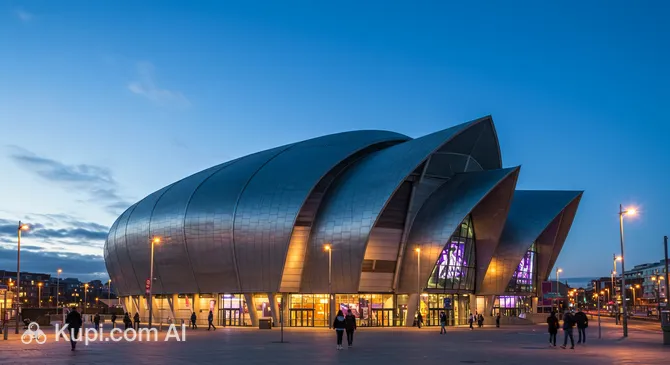
Live music is the heartbeat of the city. While there are countless small venues hosting local bands, the Hydro Arena stands out as the premier destination for major international acts. Its iconic flying saucer shape lights up the skyline at night, drawing thousands of fans for concerts and events. For a different kind of evening entertainment that combines fun activities with drinks, Golf Fang Glasgow offers a unique experience with its graffiti-covered crazy golf courses and DJs, making it a popular spot for groups.

Hydro Arena. Source: Kupi.Binoculars

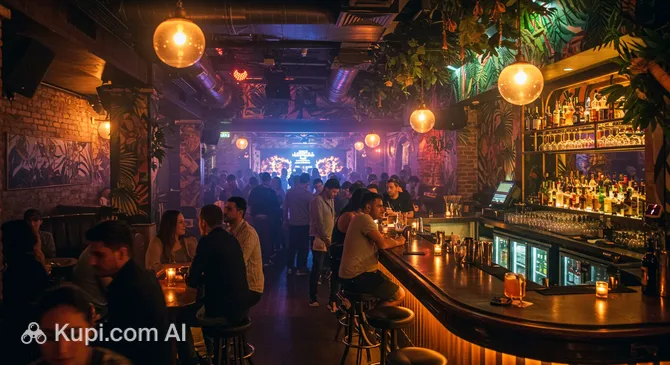
If you prefer a lively bar atmosphere with tropical vibes, Turtle Bay is a favorite for its Caribbean-inspired cocktails and reggae beats, often staying busy well into the night. Most bars in the city center are open until midnight or 1:00 AM, while nightclubs typically keep the party going until 3:00 AM or 4:00 AM. The dress code is generally relaxed and "smart-casual," though some high-end clubs in the Merchant City may require dress shoes and shirts.

Turtle Bay. Source: Kupi.Binoculars

For those interested in daytime entertainment, the city is just as engaging. You can catch a matinee at the historic King's Theatre or explore interactive exhibits at the Glasgow Science Centre, which is fantastic for families. Sports fans might enjoy a tour of Ibrox Stadium or Celtic Park to soak up the intense football culture that defines much of the city's leisure time.

Staying safe and getting around at night is straightforward. The city center is generally well-lit and populated, but it is always wise to stick to main streets. When it’s time to head home, you can easily hail a traditional black cab on the street or use a ride-hailing app. Night buses (marked with an 'N') also run on weekends to various suburbs. Prices for a night out are reasonable compared to other UK major cities, with a pint of beer averaging between £4 and £6.

Parks & Museums

Living up to its Gaelic name, which translates to "Dear Green Place," the city offers an abundance of lush landscapes and world-class cultural institutions. Beyond the bustling streets, visitors will find over 90 parks and gardens, along with a wealth of museums that are often free to enter, making it easy to explore the rich heritage and natural beauty of the region.

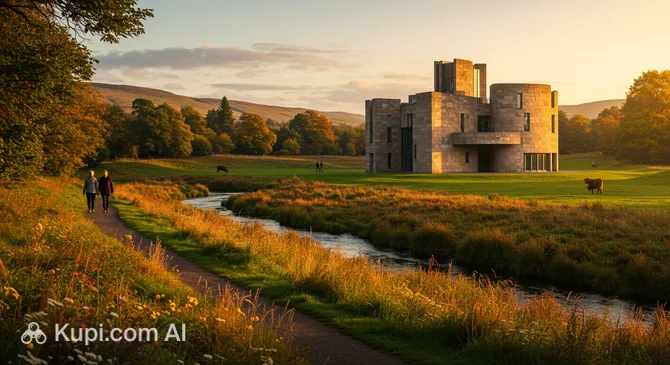
For a true escape into nature without leaving the city limits, Pollok Country Park is an absolute must. As the city's largest park, it offers extensive woodlands and riverside walks on the south side. It is particularly famous among tourists for its herd of Highland cattle; seeing these shaggy, long-horned cows up close is a quintessential Scottish experience. The park is also home to the Burrell Collection, allowing for a perfect blend of art and outdoor recreation.

Pollok Country Park. Source: Kupi.Binoculars

Another historically significant green space is Glasgow Green, the oldest public park in the city. Located east of the center along the River Clyde, it has been a gathering place for the people for centuries. The park is dotted with monuments, including the spectacular Doulton Fountain, the largest terracotta fountain in the world. It provides a wide, open space perfect for leisurely strolls and hosts various events throughout the year.

When it comes to museums, the Hunterian Museum holds a special place as Scotland's oldest public museum. Situated within the stunning neo-Gothic campus of the University of Glasgow, it features an incredible variety of artifacts, from Roman relics and scientific instruments to dinosaur fossils. Art lovers should also visit the adjacent Hunterian Art Gallery, which houses the world's largest collection of works by James McNeill Whistler and the recreated interior of Charles Rennie Mackintosh’s home.

Hunterian Museum. Source: Kupi.Binoculars

To understand the heart and soul of the local residents, a visit to the People's Palace on Glasgow Green is highly recommended. This museum is dedicated to the social history of the city, telling the stories of ordinary Glaswegians from 1750 to the present day. Through artifacts, paintings, and photographs, it offers a fascinating insight into how the city lived, worked, and played through the industrial era.

For a unique atmospheric experience, take a walk up to the Glasgow Necropolis. This Victorian garden cemetery is perched on a hill adjacent to the cathedral and is known as the "City of the Dead." While it is a final resting place for 50,000 people, it is also a beautiful park filled with elaborate sculptures and mausoleums. The summit offers one of the best panoramic views of the city skyline, making it a favorite spot for photographers.

Getting Around

Navigating Glasgow is remarkably easy thanks to its comprehensive and integrated public transport network. The system is designed to help visitors move seamlessly between the historic city center, the trendy West End, and the leafy southern suburbs. The most iconic mode of travel is the Subway, the third-oldest underground system in the world. Affectionately known by locals as "The Clockwork Orange" due to its bright orange livery and simple circular route, it is the fastest way to travel between the city center and the West End. The system consists of two circles—the Outer Circle (clockwise) and the Inner Circle (anti-clockwise)—making it virtually impossible to get lost.

For destinations not served by the Subway, the city boasts an extensive bus network. First Bus is the primary operator, with frequent services covering every corner of the city. Double-decker buses offer excellent views of the streets and architecture while you travel. In addition to buses, a suburban rail network functions much like an overground metro, connecting the city center with outlying neighborhoods and attractions like the Scottish Event Campus. Trains depart from the two main hubs: Glasgow Central (mostly for southern routes) and Queen Street (mostly for northern and eastern routes).

Paying for transport has become very tourist-friendly. On buses, the most convenient method is contactless payment using a bank card or mobile device (Apple Pay or Google Pay). Most operators use a "Tap On, Tap Off" system that automatically caps your fare, ensuring you never pay more than the price of a day ticket regardless of how many journeys you make. For the Subway, you can purchase single tickets or Smartcards at station kiosks. If you plan to use multiple modes of transport, look for the ZoneCard or a "Daytripper" ticket, which offers unlimited travel on buses, trains, and the Subway within designated zones.

Approximate prices are reasonable compared to other major cities. A single journey on the Subway or bus typically costs around £1.80 to £2.80, while an all-day ticket usually ranges from £5.00 to £8.00, offering great value for a full day of sightseeing. It is highly recommended to download the relevant apps, such as the First Bus app or the ScotRail app, to check schedules and buy mobile tickets in advance, which can sometimes be cheaper than buying on board.

Travelers should be aware of operating hours to avoid getting stranded. The Subway generally runs from early morning until around 11:30 PM from Monday to Saturday. However, on Sundays, it operates on a reduced schedule, typically opening later in the morning and closing earlier in the evening (around 6:00 PM). Buses and trains run later, and there are specific night bus services on weekends for those enjoying the nightlife.

For alternatives to public transport, black cabs are plentiful and can be hailed safely on the street; they are the only taxis allowed to pick up passengers without a booking. Private hire vehicles (such as Uber) are also widely available via apps. For a more active way to see the city, the OVO Bikes scheme (formerly Nextbike) offers a network of rental bicycles stationed across the city. You can easily rent a bike via an app and return it to any official docking station, making it a fun and eco-friendly option for short trips along the river or through the parks.

Accommodation

Accommodation in Glasgow caters to every budget and preference, reflecting the city's status as a major cosmopolitan hub. Visitors can choose from a broad spectrum of lodging options, ranging from grand Victorian railway hotels and luxury 5-star establishments to stylish boutique hotels, reliable mid-range chains, and lively backpacker hostels. For those seeking a home-away-from-home experience, there is also a growing market for serviced apartments and private rentals, which are perfect for longer stays.

Choosing the right neighborhood is key to maximizing your experience. The City Centre is the most convenient area for first-time visitors, placing you within walking distance of major transport hubs like Glasgow Central and Queen Street stations, as well as the prime shopping district around Buchanan Street. If you prefer a more bohemian and relaxed atmosphere, the West End is an excellent alternative. Areas like Finnieston and Hillhead are renowned for their incredible dining scenes, proximity to the university, and beautiful sandstone architecture, all while being just a short subway ride from the center.

Travelers should be aware that the city is a premier destination for events, frequently hosting major international concerts, conferences, and football matches. During these peak times, as well as the summer months of July and August, demand for rooms can be extremely high. It is highly recommended to book your accommodation well in advance to secure the best rates and availability, as last-minute options can be limited and expensive.

In terms of pricing, the city is generally more affordable than neighboring Edinburgh or London, though rates fluctuate by season. Budget travelers can find economical hostels and guest houses, while the mid-range market offers excellent value with modern amenities. Booking is most conveniently done through major online travel platforms, though checking the hotel's own website can sometimes yield special offers or more flexible check-in terms.

Nearby Cities

For those looking to explore the surroundings, Glasgow serves as an excellent base for day trips to several interesting nearby locations:

City Population Distance (km)
Paisley 77,220 11
East Kilbride 75,120 12
Hamilton 53,188 16
Coatbridge 43,960 15
Rutherglen 31,190 4

Just a short journey west of the city lies Paisley, a town rich in history and architectural splendor. It is most famous for the majestic 12th-century Paisley Abbey, the cradle of the Royal House of Stewart. The town also gave its name to the iconic Paisley Pattern, and visitors can explore this textile heritage at the local museum. With the highest concentration of listed buildings in Scotland outside of Edinburgh, it offers a fascinating walk through history.

To the southeast, Hamilton provides a perfect blend of culture and outdoor activities. A major highlight is Chatelherault Country Park, home to the restored 18th-century hunting lodge of the Dukes of Hamilton. The park offers miles of woodland walks and stunning views. Nearby, the Low Parks Museum gives insight into the history of South Lanarkshire, housed in historic buildings that date back to the 1600s.

East Kilbride, Scotland's first designated new town, is another excellent option for a day out. While known for its modern layout and shopping centers, it is also home to the National Museum of Rural Life. Here, visitors can experience a working 1950s farm, meet the animals, and learn about the agricultural history of the nation, making it a great destination for families.

These nearby destinations offer a glimpse into the diverse culture and landscapes of the region.

Shopping & Souvenirs

Shopping:

Widely recognized as the second-largest retail hub in the United Kingdom after London, Glasgow is a shopper’s paradise that caters to every style and budget. The city is famous for its "Style Mile," a concentrated square mile in the very center where you can find an extraordinary density of shops, ranging from high-street favorites and luxury designer labels to independent boutiques. Whether you are looking for the latest fashion trends or unique Scottish gifts, the city offers a vibrant and compact shopping experience.

The heart of the shopping district is Buchanan Street, a bustling pedestrian boulevard that connects the city's two main shopping malls. It is lined with flagship stores and upscale brands, offering a pleasant, traffic-free environment for strolling. Adjacent to it are Argyle Street and Sauchiehall Street, which complete the "Z" shape of the main retail area. Here, visitors will find major department stores and popular international chains, making it easy to find everything in one walkable zone.

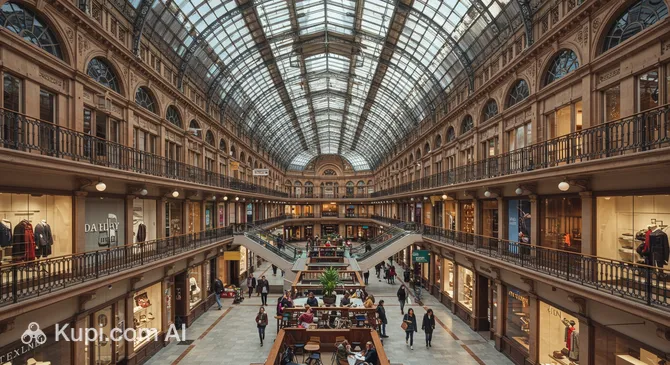
For those who prefer an indoor experience or are looking for luxury, Princes Square is an unmissable destination. Located on Buchanan Street, this shopping center is housed in a beautifully restored 19th-century merchant building. With its stunning glass roof, intricate ironwork, and selection of high-end fashion and jewelry boutiques, it is often voted Scotland's favorite building. It is also a great place to stop for a coffee or a meal in its stylish courtyard.

Princes Square. Source: Kupi.Binoculars

If you enjoy open-air shopping away from the city center, Glasgow Fort is a popular choice. Located to the east of the city, this extensive retail park features over 100 outlets designed in a unique horseshoe shape, allowing for an outdoor feel with the convenience of covered walkways. It offers a mix of high-street fashion, a cinema, and numerous dining options, making it a favorite for a full day out.

For a more traditional and gritty local experience, a visit to The Barras Market in the East End is a cultural institution. Open on weekends, this world-famous market is a mix of street market, indoor stalls, and flea market. While it has evolved over the years, it remains the best place to find antiques, vintage clothing, and quirky bric-a-brac, all accompanied by the famously sharp wit of the local traders.

When it comes to souvenirs, visitors are spoiled for choice. Tartan products, such as lambswool scarves or cashmere sweaters, are classic gifts. You can also pick up a bottle of Scotch whisky from specialist shops that offer expert advice and miniatures for easy packing. For something smaller, look for shortbread in decorative tins or merchandise featuring "The Duke" (the traffic cone-hatted statue), which has become a humorous symbol of the city.

Most shops in the city center operate from 9:00 AM to 6:00 PM on weekdays and Saturdays. On Sundays, opening hours are typically shorter, often from 10:00 AM or 11:00 AM to 5:00 PM or 6:00 PM. Many stores on the main streets stay open later on Thursdays, usually until 8:00 PM. Contactless payment is the norm and is accepted almost everywhere, from large department stores to small market stalls.

regarding tax-free shopping, it is important for international visitors to note that the rules in the UK have changed. Since 2021, the VAT Retail Export Scheme has ended for Great Britain, meaning tourists can generally no longer claim a VAT refund on goods they carry home in their luggage. Tax-free shopping is now largely limited to items that are purchased and shipped directly to an overseas address by the retailer.

Reached the end of the page?

That means the route is fully explored