Support

Benbecula

About

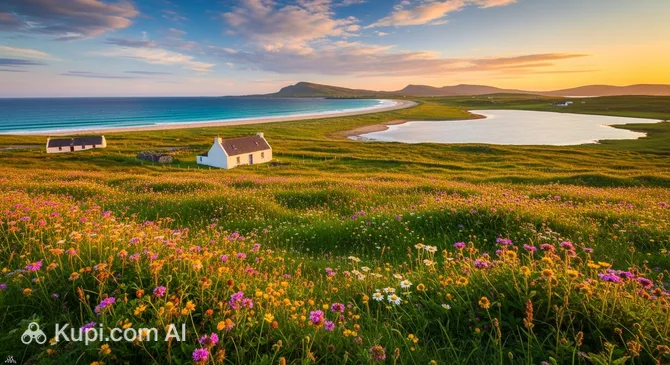
Nestled in the heart of the Outer Hebrides, Benbecula is a captivating island that serves as a vital "stepping stone" between its larger neighbors, North Uist and South Uist. Known for its remarkably flat landscape and abundance of freshwater lochs and lochans, this island offers a tranquil escape characterized by sweeping horizons and a profound sense of peace.

Geographically, Benbecula is part of the United Kingdom, situated off the west coast of Scotland. Despite its modest size and a population of approximately 1,300 residents, it plays a central role in the archipelago, connected to adjacent islands by a series of scenic stone causeways. The climate here is distinctly maritime and often breezy, ensuring the air remains incredibly fresh and clear throughout the year.

Benbecula. Source: Kupi.Binoculars

While the island feels quiet and secluded today, the history of Benbecula is rich with tales of ancient heritage, including its famous connection to Bonnie Prince Charlie. Visitors can explore visible remnants of the past, such as the ruins of Borve Castle, which silently guard the landscape and offer a glimpse into the era of the Clanranald chiefs.

Nature enthusiasts will find plenty to admire, from the pristine white sands of Culla Bay to the diverse birdlife that thrives in the island's unique coastal machair. Whether you are crossing the causeways on a Hebridean road trip or looking for a secluded spot to watch the rolling Atlantic waves, Benbecula welcomes you with its unique charm and warm island hospitality.

Weather Overview

The climate of Benbecula is distinctly maritime, shaped by its exposed position in the Atlantic Ocean. This ensures that the island avoids extreme temperature fluctuations, resulting in generally mild winters and cool, fresh summers. Visitors should be prepared for changeable conditions, where sunshine and showers can often occur within the same hour.

To help plan your outdoor activities, it is advisable to consult the forecast for the weather in Benbecula before heading out. August is typically the warmest month, with average temperatures hovering around 13.8°C, while the coldest period is usually in February, where temperatures dip to an average minimum of 5.6°C.

Rainfall is a frequent companion on the island, particularly during the winter months. December is often the wettest time of year, experiencing up to 25 wet days, whereas spring offers a respite with April and May seeing the fewest rainy days. Overall, you can expect cool temperatures and regular precipitation, so packing waterproof layers is highly recommended for any visit.

Interesting Facts

Beyond the main attractions, Benbecula holds many fascinating secrets, from legendary creatures to surprising modern history. Here are some unique facts about this Hebridean island:

  • The Mermaid of 1830: One of the island's most curious legends is the "Benbecula Mermaid." In 1830, locals cutting seaweed reported seeing a miniature woman with a fish's tail. After the creature was later found dead on the shore, the local Sheriff—convinced of its authenticity—ordered a coffin and shroud, and it was reportedly given a formal burial in a churchyard near Nunton, though the exact grave remains a mystery.

  • A Misleading Name: The island's Gaelic name, Beinn na Faoghla, translates to "Mountain of the Fords," which is ironic given that Benbecula is exceptionally flat. The "Mountain" refers to Rueval, the island's solitary hill. Despite its modest height, it was a crucial landmark for travelers navigating the dangerous tidal fords that once separated the islands before the causeways were built.

  • The Prince in Disguise: Benbecula played a pivotal role in the aftermath of the Jacobite Rising. It was here, in 1746, that the fugitive Bonnie Prince Charlie met Flora MacDonald. She famously helped him escape the Redcoats by disguising him as her Irish spinning maid, "Betty Burke," allowing them to sail safely "over the sea to Skye."

  • Hercules the Bear: In 1980, the island became the focus of international attention when a tame grizzly bear named Hercules went missing during the filming of a television commercial. The bear survived in the wild on Benbecula for 24 days before being found, becoming a beloved local legend.

  • Cold War Fortress: Despite its tranquil appearance, Benbecula has a significant military history. During the Cold War, it became the control center for the Hebrides Rocket Range. Established in 1957, the site was used to test the Corporal missile—Britain and America's first guided nuclear-capable weapon—and it remains an active missile testing range today.

How to Get There

Reaching this remote island in the Outer Hebrides is an adventure in itself, often involving a scenic mix of air and sea travel. While the journey requires some planning, the breathtaking landscapes make it worthwhile. For detailed routes and logistics, you can read more about how to get to Benbecula and explore the best options for your trip.

The most direct way to arrive is by flying into Benbecula Airport (BEB), which is located directly on the island. It offers regular connections from the mainland and neighboring islands, making it the primary entry point for most visitors. If you are exploring the wider archipelago, you might also consider Barra Airport (BRR). Located on the island of Barra, approximately 49 km away, it is famous for its unique beach landing. A journey from Barra involves a scenic ferry ride between the islands. Another regional option is Stornoway Airport (SYY) in Stornoway, situated about 102 km from Benbecula, which connects via road and ferry.

For international travelers, Glasgow International Airport (GLA) serves as the major gateway. Located in Glasgow, about 248 km away, it offers extensive global connections. From Glasgow, visitors can catch a connecting flight directly to Benbecula or embark on a longer, picturesque journey involving trains, buses, and ferries through the Scottish Highlands.

For clarity, here is a summary of the main airports in the region:

Airport Name City/Island Passenger Traffic Km from Benbecula
Glasgow International AirportGlasgowLarge248.3
Inverness AirportInvernessMedium194.1
City of Derry AirportLondonderrySmall268.9
Stornoway AirportStornowaySmall101.7
Barra AirportBarraSmall49.1

Travel by rail is another option for reaching the Scottish Highlands before transferring to a ferry or plane. The island of Benbecula does not have a railway station, but you can arrive at the railway station in Inverness (listed as ScotRailway Station), which is about 194 km away. From Inverness, you can continue your journey west towards the coast to catch a ferry to the islands. Alternatively, Glasgow Central Station in Glasgow is a major rail hub approximately 257 km away, providing links to the rest of the UK.

Below is a list of the nearest major railway stations:

Station City Passenger Traffic Km to Center
Glasgow Central StationGlasgowVery Large257.0
Aberdeen Railway StationAberdeenLarge255.6
Dundee Railway StationDundeeLarge282.6
ScotRailway StationInvernessLarge194.0

Main Attractions

While Benbecula is often perceived as a quiet connector between its larger neighbors, it possesses a distinct collection of attractions that highlight its rich history and unique natural environment. A visit here is less about ticking off famous monuments and more about immersing oneself in the landscape and heritage. One of the best ways to appreciate the island's geography is by climbing Rueval (Rueabhal). Standing as the island's highest point at 124 meters, this hill offers an accessible walk and rewards hikers with a stunning 360-degree view of the intricate network of lochs, the Atlantic coastline, and the neighboring islands.

For a deep dive into local culture, travelers should visit Nunton Steadings (Airidh a' Bhàigh). This beautifully restored 18th-century complex was once a tackman's farm and later a local administrative center. It holds a significant place in history as a refuge for Bonnie Prince Charlie after the Battle of Culloden. Today, it functions as a vibrant community hub, housing a museum, gallery, and café where visitors can explore the island's past and enjoy local produce.

The coastline is another major draw, with Culla Bay standing out as a highlight. Located on the west coast, this beach is celebrated for its pristine white sands and dunes backed by machair—a fertile, grassy plain unique to the Hebrides. In early summer, the area bursts with colorful wildflowers and becomes a haven for birdwatchers, offering chances to spot the elusive corncrake, short-eared owls, and hen harriers hunting over the grasslands.

Sports enthusiasts can enjoy a round at the Benbecula Golf Club. This 9-hole course is naturally carved into the flat, grassy machair, providing a raw and authentic experience dictated by the wind and the natural terrain. It is widely regarded for its scenic beauty and the challenge it offers to players of all skill levels.

Finally, the ruins of Borve Castle remain a poignant landmark on the island. While time has reduced this 14th-century tower house to a crumbling shell, its massive stone walls still dominate the surrounding flatlands. It serves as a visual reminder of the Clanranald dynasty's ancient rule over these isles and offers a stark, atmospheric subject for photography enthusiasts.

Local Cuisine

The culinary landscape of Benbecula is defined by its pristine environment, with the Atlantic Ocean and fertile machair providing a natural larder of exceptional quality. Unsurprisingly, seafood is the star of the local menu. The cold, clear waters surrounding the island yield some of the finest shellfish in Scotland. Visitors should not miss the opportunity to taste locally landed lobster, crabs, and hand-dived scallops, which are often served simply to highlight their natural sweetness and freshness.

Beyond the bounty of the sea, the island's crofting tradition plays a significant role in its food culture. Hebridean lamb and beef are highly prized here; the animals graze on the salt-sprayed coastal grasslands and heather, giving the meat a distinct, succulent flavor. You will often find these meats featured in hearty roasts or traditional stews, perfect for warming up after a day of exploring the windswept coast. For breakfast, the world-renowned Stornoway Black Pudding, hailing from the nearby Isle of Lewis, is a staple on many plates across the Outer Hebrides.

When it comes to sweets and baking, the islanders maintain a strong tradition of home-style treats. Local bakeries and cafes often serve fresh oatcakes, buttery shortbread, and scones accompanied by jam and clotted cream. For a true taste of Scotland, look for cranachan on dessert menus—a delightful mixture of whipped cream, whisky, honey, and fresh raspberries, topped with toasted oats.

The dining scene in Benbecula is relaxed and centers largely around community hubs, guest houses, and hotel restaurants. There are no fast-food chains here; instead, you will find family-run establishments that pride themselves on using locally sourced ingredients. Places like Nunton Steadings often feature cafes where you can enjoy light bites in a historic setting. The atmosphere is typically informal and welcoming, reflecting the warm hospitality of the Hebrides.

Regarding drinks, while Benbecula itself does not house a major distillery, the island is the perfect place to sample the wider region's beverages. A dram of single malt whisky is the traditional accompaniment to an evening meal, with many bars stocking an impressive selection from across the Highlands and Islands. In recent years, artisan Hebridean gins, infused with local botanicals like heather and seaweed, have also become very popular and make for a refreshing pre-dinner drink.

Travel Tips

Visiting Benbecula offers a unique escape into the wild beauty of the Outer Hebrides, but the island's remote nature and distinct environment require a bit of foresight. To ensure your trip is as smooth and enjoyable as the landscapes are stunning, here are some practical tips to help you prepare.

  1. Clothing and Gear: The weather in the Hebrides is famously changeable, often cycling through sunshine, wind, and rain in a single day. Pack waterproof outer layers (jacket and trousers) and dress in warm layers that you can easily add or remove. Sturdy, waterproof walking boots are essential for exploring the boggy machair. If visiting between June and September, bring a midge net and effective insect repellent (such as Smidge), as the Highland midge can be prevalent on calm, overcast days.

  2. Transportation: While there is a local bus service connecting Benbecula with North and South Uist, the frequency can be limited, especially in the evenings and on weekends. Renting a car is widely considered the best way to explore at your own pace. Be prepared for driving on single-track roads; always use the designated passing places to let oncoming traffic or faster vehicles behind you pass. Cycling is also popular, but be prepared for strong headwinds.

  3. Finances: The local currency is the British Pound (£). While most businesses, including the supermarket and petrol station in Balivanich, accept card payments and contactless methods, it is wise to carry some cash. Smaller craft shops, honesty boxes for eggs or produce, and some remote cafes may prefer or require cash. There are ATMs available in Balivanich, the island's main commercial hub.

  4. Health and Safety: Benbecula is home to the Uist and Barra Hospital in Balivanich, which provides medical care for the southern isles. For minor ailments, there is a pharmacy in the same village. The island is very safe, but when walking in long grass or heather, check yourself for ticks afterwards, as they can carry Lyme disease. Always check weather forecasts before long hikes, as visibility can drop quickly.

  5. Communication: English is spoken by everyone, though you will frequently hear Gaelic spoken among locals, as the language remains a vital part of the island's culture. Learning a simple phrase like "Madainn mhath" (Good morning) is a nice gesture but not required. Mobile signal can be patchy depending on your network and location; downloading offline maps is recommended before you set out.

  6. Local Etiquette: The Hebrides are known for their warm hospitality. It is customary to give a friendly wave to drivers passing you on single-track roads. When exploring, respect the "Country Code": keep dogs on leads around livestock, close gates if you found them closed, and do not walk through crops. Sundays are generally quieter on the islands; while Benbecula is less strictly observant than the northern isles, the pace of life slows down significantly.

  7. What to Avoid: Never park in a passing place on a single-track road, not even for a quick photo. These are vital for traffic flow and are used by emergency services. Also, avoid driving onto the machair (grassy coastal plains) unless there is a marked track and designated parking, as the ground is fragile and crucial for local agriculture and ecology.

  8. Additional Tip: Treat Balivanich as your logistical base. As the "capital" of Benbecula and the Uists, it has the main supermarket, petrol station, and post office. Since fuel stations and well-stocked shops are rare elsewhere on the islands, it is a good habit to fill up your tank and grab snacks here before heading off to explore the remoter corners of North or South Uist.

By keeping these practicalities in mind, you will be well-equipped to embrace the laid-back rhythm of island life. Benbecula is a place to disconnect from the rush of the modern world, so take your time, respect the local ways, and enjoy the breathtaking tranquility of the Hebrides.

Entertainment & Nightlife

Nightlife in Benbecula is a world away from the bustling clubs and neon-lit streets of a big city. Instead, the evening entertainment here revolves around warm hospitality, cozy hotel bars, and the simple pleasure of good company. For visitors, a night out is less about dancing until dawn and more about enjoying a hearty meal, sipping a local dram, and perhaps catching an impromptu session of traditional music.

The island's social life is largely concentrated in the main settlements like Balivanich and Creagorry. As there are no dedicated nightclubs or sprawling entertainment districts, the local hotels serve as the primary hubs for evening activity. The Dark Island Hotel in Liniclate is a popular gathering spot for both locals and tourists, offering a relaxed lounge bar where you can unwind after a day of exploring. Similarly, the Isle of Benbecula House Hotel in Creagorry provides a traditional setting to enjoy a drink and soak up the island atmosphere.

The vibe in these venues is incredibly informal and welcoming. The dress code is almost exclusively casual—jeans and a warm jumper are standard attire. On weekends, or during local festivals, you might be lucky enough to stumble upon a ceilidh or live accordion music, where the rich Gaelic culture of the Hebrides comes alive. The crowd is usually a mix of friendly residents, crofters, and fellow travelers, making it easy to strike up a conversation.

Practical planning is essential for a night out on the island. Public transport does not run late, and taxis are limited. It is highly recommended to book a taxi in advance if you plan to drink, as you cannot simply hail one on the street. Prices for drinks and food are generally moderate and comparable to mainland Scotland. Most bars close around 11:00 PM or midnight, so evenings tend to finish relatively early.

In terms of safety, Benbecula is an incredibly secure place for night walks, with virtually no crime to worry about. However, the rural nature of the island presents its own challenges. Street lighting is sparse outside of Balivanich, so carrying a torch is advisable. Be mindful of livestock, such as sheep and cows, which often roam freely on the roads at night.

For those looking for entertainment during the day, the island offers a slower pace of leisure compared to urban centers. Visitors can explore the local history at the museum within Nunton Steadings, enjoy horse riding along the sandy beaches, or simply take in the dramatic coastal scenery that makes the Outer Hebrides so special.

Parks & Museums

In Benbecula, the concept of a "city park" is replaced by vast, open landscapes of machair, moorland, and pristine coastline. The island does not rely on manicured gardens; instead, its green spaces are wild, natural, and teeming with biodiversity, while its cultural history is preserved in intimate community venues and ancient ruins scattered across the terrain.

For those seeking outdoor recreation, the island's natural environment acts as one expansive park. Rueval (Rueabhal) is the most significant natural landmark, often referred to as the island's only hill. Rising 124 meters above sea level, it offers a gentle hike that is accessible to most walkers. The summit provides a panoramic viewpoint over the "land of the thousand lochs," offering a unique perspective on the intricate interplay between water and land that defines the Hebrides. It is an ideal spot for breathing in the fresh Atlantic air and observing the island's geography.

Another key natural area is the coastline at Liniclate (Lionacleit). Here, the sweeping sandy beach is backed by dunes and machair—a rare coastal habitat that bursts into a carpet of wildflowers during the summer months. It serves as a popular spot for locals and visitors alike to enjoy coastal walks, picnics, and birdwatching. The open space allows for uninterrupted views of the ocean, making it a perfect setting for a tranquil afternoon surrounded by nature.

When it comes to culture and history, Nunton Steadings (Airidh a' Bhàigh) stands out as the island's primary heritage center. Housed in a restored 18th-century farm complex, this venue includes a museum and gallery that showcase the history of Benbecula and the Uists. Visitors can explore exhibitions detailing local crofting traditions, the island's role in the Jacobite uprisings, and the story of Bonnie Prince Charlie. It is a vital cultural hub where the past is kept alive through artifacts, stories, and community events.

History enthusiasts will also appreciate the presence of Borve Castle. Although now a ruin, this 14th-century tower house was once a stronghold of the Clanranald chiefs. Situated in the southwest of the island, its thick stone walls stand as a testament to the region's medieval past. While it is not a museum in the traditional sense, the site offers a tangible connection to the feudal history of the Outer Hebrides and makes for an atmospheric stop during a tour of the island.

For a truly authentic experience, look beyond the designated attractions and explore the machair on the island's west side during late spring and early summer. This fertile, low-lying grassy plain is not just a scenic backdrop but a unique ecological feature of the Hebrides, home to rare orchids and the distinctive call of the corncrake. Walking here offers a deeper understanding of the delicate balance between local agriculture and nature.

Getting Around

Given the rural and island nature of Benbecula, the public transport system is significantly different from what you might find in a bustling metropolis. There are no metros, trams, or trains here. Instead, the primary mode of public transportation is the local bus service. These buses serve as a vital lifeline, connecting the main settlement of Balivanich with smaller villages across the island, as well as linking Benbecula to its neighbors, North Uist and South Uist, via the stone causeways.

The bus network is operated under the local council's administration, often providing a "spinal" route that runs north to south through the archipelago. While the buses are modern and comfortable, the frequency of service is designed around local needs, such as school times and ferry connections, rather than continuous urban transit. Visitors should expect intervals of several hours between services, rather than minutes.

Regarding payment, the system is straightforward and user-friendly. You can purchase tickets directly from the driver upon boarding. Contactless card payments are widely accepted and are generally the preferred method, though it is always a good idea to carry some cash (in British Pounds) just in case of technical issues or for smaller fares. There are no complex zone maps or pre-paid travel cards to worry about; you simply state your destination, and the driver will issue a ticket.

For tourists, the most critical piece of advice is to plan ahead. Bus timetables can be sparse, and notably, there is often no bus service on Sundays. This is a common feature of life in the Hebrides, where the Sabbath is traditionally observed as a day of rest. Always check the latest schedules at bus stops or online before setting out, and ensure you know when the last bus of the day departs, as getting stranded in a remote spot can be inconvenient.

Because public transport is limited, many visitors find that renting a car is the most practical solution for exploring Benbecula freely. Car hire gives you the flexibility to visit secluded beaches and historical sites that the bus routes may not reach directly. Driving here is a unique experience, often on single-track roads with passing places, requiring a slower pace and courteous driving habits.

Taxis are available but operate differently than in big cities; you cannot simply hail one on the street. You must book your ride in advance by telephone, especially if you need transport in the evening or on a Sunday. Additionally, due to the island's flat terrain, cycling is a popular and eco-friendly alternative. Bike rentals are available locally, allowing you to traverse the landscape at your own rhythm, though riders should always be prepared for the famous Hebridean wind.

Accommodation

Accommodation in Benbecula is characterized by its cozy, small-scale nature rather than large commercial developments. You will not find sprawling luxury resorts or international hotel chains here. Instead, the island offers a selection of comfortable mid-range hotels, charming family-run bed and breakfasts (B&Bs), and self-catering cottages often converted from traditional croft houses. For those who prefer to be closer to the elements, there are also options for camping and glamping, allowing visitors to wake up to the fresh Atlantic air.

When choosing where to stay, most visitors gravitate towards the main settlements where amenities are most accessible. Balivanich is the most practical base, especially for those arriving by air, as it houses the airport, the main supermarket, and other essential services. Alternatively, the areas of Liniclate and Creagorry are popular choices, offering a quieter atmosphere while still remaining convenient for exploring the causeways to North and South Uist.

The hotel scene on the island is anchored by a few well-established names that often double as community hubs. The Dark Island Hotel in Liniclate is a well-known establishment situated close to the beach, making it a favorite for those who enjoy coastal walks. Another prominent option is the Isle of Benbecula House Hotel in Creagorry, which offers a traditional island welcome and easy access to the southern causeway. These hotels typically feature on-site restaurants and bars, providing a comfortable "all-in-one" experience for guests.

Regarding costs and planning, prices generally fall into the budget to mid-range category, offering good value for the warm hospitality provided. However, due to the island's small size and limited capacity, accommodation can fill up very quickly. It is highly recommended to book well in advance, particularly if you are traveling during the peak summer season from May to September. While the main hotels appear on major booking platforms, many smaller B&Bs and cottages are best booked directly or through local listings.

Nearby Cities

For those looking to explore the surroundings, Benbecula serves as an excellent base for day trips to several interesting nearby locations. Thanks to the causeways linking the islands, visitors can easily travel north or south to experience the distinct character of the neighboring Outer Hebrides without needing a ferry.

Just to the north lies North Uist, a landscape dominated by water, with a maze of lochs and shimmering tidal strands. It is a haven for birdwatchers, particularly at the Balranald Nature Reserve, where elusive corncrakes and corn buntings can be spotted. The main settlement, Lochmaddy, offers an arts center and museum, making it a perfect cultural stop. The island's prehistoric sites, such as the Barpa Langass burial chamber, provide a fascinating glimpse into the ancient past.

Heading south across the causeway brings you to South Uist, known for its rugged mountains in the east and continuous sandy beaches along the west coast. This island is rich in history, being the birthplace of Flora MacDonald. A visit to the Kildonan Museum offers deep insights into local heritage, craft, and the crofting way of life. For outdoor enthusiasts, the coastline offers endless walking opportunities with spectacular views over the Atlantic.

While the immediate neighbors offer the most accessible day trips, the wider region includes major transport hubs and cities on the Scottish mainland. These locations, listed below, are significantly further away and typically serve as gateways for those traveling to or from the islands via ferry or air connections.

City Population Distance (km)
Inverness 47290 183
Greenock 41990 227
Dumbarton 20560 237
Port Glasgow 14620 233
Helensburgh 13640 225

These nearby destinations offer a glimpse into the diverse culture and landscapes of the region, ranging from the remote tranquility of the isles to the bustling life of the mainland.

Shopping & Souvenirs

Shopping in Benbecula is a low-key and practical affair, reflecting the island's small population and rural character. Visitors will not find bustling high streets or luxury brand boutiques here. Instead, the retail experience is centered around essential services and a handful of charming independent businesses that showcase the creativity and craftsmanship of the Hebrides. It is an opportunity to slow down and appreciate locally made goods rather than engage in extensive retail therapy.

The commercial hub of the island is undoubtedly Balivanich (Baile a' Mhanaich). This village serves as the "capital" for Benbecula and the Uists, hosting the main concentration of shops. Here, you will find the island's primary supermarket, which stocks all necessary groceries and supplies, as well as a post office and a few smaller retail outlets. For most visitors, Balivanich is the go-to destination for restocking supplies, buying newspapers, or picking up picnic essentials before exploring the coast.

Given the island's size, there are no shopping malls or large department stores in Benbecula. The retail landscape is defined by standalone shops and family-run businesses. This absence of commercial giants adds to the island's charm, ensuring that the businesses you do encounter are deeply rooted in the local community and offer a more personal service.

While there are no permanent daily markets, the spirit of local trade is alive in other ways. You may encounter "honesty boxes" at the roadside, where locals sell fresh eggs, vegetables, or homemade jams. These operate on trust, asking you to leave the correct change in a box. Additionally, community halls occasionally host craft fairs or produce markets, particularly during the summer months or festive seasons, offering a chance to buy directly from local makers and crofters.

For souvenirs, the best finds are those that reflect the island's culture and environment. Nunton Steadings is a key stop, housing a shop that offers a selection of local crafts, books, and gifts. Hebridean jewellery, often inspired by Celtic designs and the natural landscape, is a popular purchase. Foodies should look out for goods from MacLean’s Bakery, a renowned local family business based on the island; their oatcakes and shortbread make for delicious, authentic gifts to take home.

Store opening hours in Benbecula are generally from 9:00 AM to 5:30 PM, Monday to Saturday. However, visitors must be aware of the strong tradition of Sunday observance in the Outer Hebrides. While Benbecula is somewhat more relaxed than the northern isles, many shops and businesses remain closed on Sundays. It is essential to plan your shopping needs in advance if you are staying over the weekend. Regarding payment, major credit and debit cards are widely accepted in Balivanich and established shops, but carrying some cash is highly recommended for smaller transactions, honesty boxes, or remote craft spots.

Regarding tax-free shopping, visitors should note that the United Kingdom no longer operates a VAT refund scheme for international tourists shopping in store. Consequently, you cannot claim back the sales tax on goods purchased in Benbecula to take home in your luggage. VAT relief is generally only available if a retailer ships the goods directly to your overseas address, which is a service rarely offered by small island shops.
Reached the end of the page?

That means the route is fully explored