Support

Tiree

About

Welcome to Tiree, the most westerly island in the Inner Hebrides of Scotland. Often affectionately referred to as the "Hawaii of the North," this enchanting destination is renowned for recording some of the highest levels of sunshine in the United Kingdom. With its crystal-clear turquoise waters and miles of pristine white sandy beaches, it serves as a tranquil paradise for nature lovers and a premier hub for water sports enthusiasts.
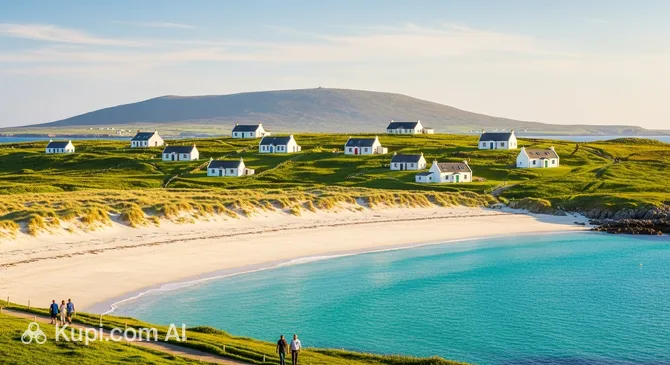
Tiree. Source: Kupi.Binoculars

Unlike many of its rugged neighbors, Tiree is remarkably flat and fertile, a feature that historically earned it the name "The Land of Corn." This unique geography creates sweeping views under vast, open skies. Despite its modest population of around 770 residents, the island sustains a vibrant and welcoming community. Visitors eager to understand the local heritage can delve into the fascinating history of Tiree, discovering tales of ancient duns, brochs, and the traditional crofting lifestyle that has shaped the landscape over centuries.

The island is a world-class destination for windsurfing and surfing, attracting athletes from across the globe to the rolling waves of Balevullin Beach and Gott Bay. Beyond the coastline, tourists are often charmed by the distinctive local architecture, particularly the traditional "pudding houses"—cottages where white mortar contrasts strikingly with dark stone. Whether you are looking to catch the perfect wave, enjoy a leisurely cycle on flat roads, or simply relax on a sun-drenched shore, Tiree offers an unforgettable island escape.

Weather Overview

The island experiences a mild maritime climate, benefiting from the moderating influence of the sea which prevents extreme temperature fluctuations. To help pack appropriately for your trip, it is useful to check the detailed weather in Tiree. The warmest months are typically July and August, where average temperatures hover around 14°C, creating pleasant conditions for beach walks and water sports.

Winters are generally cool but rarely freezing, with average temperatures in January and February staying around 7°C. Rainfall is a consistent feature throughout the year; December is particularly damp with up to 25 wet days, while late spring offers a drier window, with April seeing fewer rainy days. Expect cool, breezy summers with frequent showers and mild, wet winters.

Interesting Facts

Beyond the main attractions, Tiree holds many fascinating secrets that add depth to its scenic beauty. From ancient legends to wartime history, the island offers intriguing stories for those willing to explore.
  • The Legend of the Ringing Stone: Located near Balephetrish, the "Ringing Stone" (Clach a' Choire) is a massive glacial boulder balancing on other rocks. It is famous for producing a clear, metallic sound when struck with a small stone. According to local folklore, this boulder acts as the island's anchor; legend warns that if it is ever shattered or removed, Tiree will sink beneath the waves.

  • A Sanctuary for Rare Bees: The island is one of the last strongholds in the British Isles for the Great Yellow Bumblebee. Tiree’s unique "machair"—a rare type of fertile, shell-sand coastal grassland—blooms with wildflowers in the summer, creating an essential habitat for this endangered species and other diverse pollinators.

  • The Skerryvore Lighthouse: Standing on a treacherous reef about 12 miles southwest of the island is the Skerryvore Lighthouse, often regarded as the most graceful granite lighthouse in the world. It was built by Alan Stevenson, the uncle of author Robert Louis Stevenson, and remains the tallest lighthouse in Scotland, a testament to Victorian engineering.

  • A Secret WWII Hub: During World War II, this quiet island was transformed into a bustling military base. RAF Tiree was home to thousands of personnel—far outnumbering the local residents at the time—who were stationed there to patrol the Atlantic for U-boats and provide crucial weather reports for Allied operations.

How to Get There

Reaching the beautiful island of Tiree requires a bit of planning, as it lies off the west coast of Scotland. While the journey is part of the adventure, offering stunning views of the Hebrides, it is important to know your transport options. You can find more about how to get to Tiree and the specific routes available on our detailed page.

The city of Tiree does not have its own international airport, but you can fly into Glasgow International Airport (GLA) in Glasgow, which is approximately 168 km away. As a major international hub, it offers a wide range of flights. From Glasgow, travelers typically make their way to the ferry port in Oban or catch a smaller connecting flight; the approximate travel time by road to the connection point is around 4 hours and 30 minutes. Alternatively, you might consider Barra Airport (BRR), located about 68 km away on the neighboring island of Barra. Famous for its beach runway, it is a unique but much smaller facility. The theoretical transit time from this vicinity is approximately 2 hours, though inter-island travel logistics apply.

For clarity, here is a summary of the main airports:

Airport Name City Passenger Traffic Km from City
Glasgow International Airport Glasgow Large 168.5
Glasgow Prestwick Airport Glasgow Medium 181.5
City of Derry Airport Londonderry Small 162.3
Donegal Airport Donegal Small 184.7
Barra Airport Barra Small 67.9

If you prefer traveling by rail, please note that Tiree itself does not have a railway station. The most significant rail hub for beginning your journey is Glasgow Central Station in Glasgow, located roughly 179 km from the island. It is one of the busiest stations in the region, connecting the area to the rest of the UK. From here, you can take a train to the ferry terminal at Oban. The approximate travel time by road transport to the crossing point is about 4 hours and 50 minutes. Another major option is Waverley Railway Station in Edinburgh, situated approximately 238 km away, which serves as a key gateway for those arriving from the east.

Below is a list of the nearest major railway stations:

Station City Passenger Traffic Km to Center
Glasgow Central Station Glasgow Large 179.1
Waverley Railway Station Edinburgh Large 238.3
Aberdeen Railway Station Aberdeen Large 178.5
Dundee Railway Station Dundee Medium 239.8
ScotRailway Station Inverness Medium 208.4

Main Attractions

A visit to Tiree would be incomplete without exploring An Iodhlann, the island's dedicated historical centre located in Scarinish. This community archive and museum offers a fascinating deep dive into the island's heritage, housing a treasure trove of photographs, letters, and artifacts that trace the lives of the islanders over centuries. It is a captivating stop for anyone interested in genealogy or the social history of the Hebrides.

The Hynish Centre stands as a testament to the island's maritime significance. Originally built in the 19th century as the shore station for the construction of the famous Skerryvore Lighthouse, this site features a unique wet dock and granite buildings designed by the Stevenson family. Today, it hosts an exhibition where tourists can learn about the engineering challenges of the past while enjoying the atmospheric coastal setting.

For outdoor enthusiasts, Balevullin Beach is a must-visit destination, widely renowned as the surfing capital of the island. Its position on the west coast ensures consistent waves that attract surfers and bodyboarders from around the UK. Even for those who prefer to stay on dry land, the beach offers pristine white sands and turquoise waters, making it an idyllic spot for a scenic walk or a relaxing afternoon by the sea.

History lovers should make their way to Dun Mor Vaul, a well-preserved broch dating back to the Iron Age. Situated on a rocky knoll, this ancient defensive structure provides a tangible connection to the island's prehistoric past. Exploring the ruins allows visitors to imagine life in early settlements while enjoying commanding views of the coastline and the surrounding landscape.

Local Cuisine

The culinary experience in Tiree is deeply rooted in the island's natural abundance, earning it a reputation as a hidden gem for food lovers. Known historically as the "Land of Corn" due to its fertile soil, the island today is celebrated for its exceptional local produce that comes straight from the land and the surrounding Atlantic Ocean. The food scene here is unpretentious and authentic, focusing on high-quality, fresh ingredients rather than elaborate preparation, allowing the natural flavors to take center stage.

Seafood is undoubtedly the highlight of any menu on the island. The pristine waters around the Hebrides provide a rich harvest, making Tiree lobster and crab some of the finest you will ever taste. Freshly caught langoustines and succulent hand-dived scallops are also staples, often served simply with butter or lemon to highlight their delicate sweetness. For a true taste of the coast, visitors should look for daily specials in local eateries, which often depend on that morning's catch.

Meat lovers will appreciate the distinct quality of the local livestock. The island's cattle and sheep graze on the unique "machair"—the nutrient-rich, herb-filled coastal grassland—which imparts a unique and delicious flavor to the meat. Tiree lamb and beef are highly prized for their tenderness and taste, frequently featuring in hearty stews, roasts, and burgers across the island's dining venues.

When it comes to drinks, the island has made a name for itself with its own local spirit. Tyree Gin is a must-try for visitors, crafted using botanicals foraged from the local machair, capturing the essence of the island in a glass. It is widely available in local bars and makes for a perfect refreshing beverage after a day on the beach. Naturally, being in Scotland, you will also find a warm welcome and a wide selection of single malt whiskies in the local pubs, perfect for sipping by a fire on a breezy evening.

The dining culture in Tiree is relaxed and community-focused. You won't find fast-food chains or large diverse food markets here; instead, the island offers cozy cafes, hotel restaurants, and community halls that serve home-cooked meals. A charming and unique feature of the island's food culture is the presence of roadside honesty boxes. As you explore, you will often spot small stalls at the end of croft driveways selling fresh eggs, garden vegetables, and home baking, relying on the trust and honesty of passersby to leave payment in a small tin.

Travel Tips

Planning a trip to the beautiful Isle of Tiree is the start of a wonderful adventure, but its remote location and unique island character require a bit of preparation. These practical tips are designed to help you navigate the local lifestyle smoothly, ensuring your visit is as relaxing and enjoyable as the scenery itself.

  1. Clothing and Gear: Despite its nickname "The Hawaii of the North," Tiree is known for its breeze. The key to comfort is layers. Bring a good windproof and waterproof jacket, even in summer, as the weather can change rapidly. Sturdy, comfortable walking shoes are essential for exploring the rugged coastline. If you plan to swim or surf, a wetsuit is highly recommended due to the cool Atlantic water temperatures.

  2. Transportation: There are no trains or metros here. The island is best explored by car or bicycle. Since Tiree is very flat, cycling is a popular and pleasant option. If driving, note that most roads are single-track; you must use "passing places" to let oncoming traffic pass. Public transport is limited to a "Ring 'n' Ride" bus service which must be booked in advance, so having your own vehicle or a rental is often necessary.

  3. Finances: The currency is the British Pound (GBP). While the main shop (the Co-op) and some hotels accept cards, carrying cash is strongly advised. You will need it for the island's charming "honesty boxes" selling local produce and for smaller venues that may not have card machines. There is only one main ATM on the island, usually located in Scarinish, so withdraw money before you arrive or as soon as you land.

  4. Health and Safety: Tiree is a very safe place with a low crime rate. For medical needs, there is a Medical Practice in Baugh that handles GP services and emergencies. There is no 24-hour pharmacy; prescriptions are dispensed by the doctor's surgery, so bring ample supplies of any personal medication. Be cautious around the sea; tides and currents can be strong, so always check local advice before swimming.

  5. Communication: English is the main language spoken by everyone, though you may hear locals speaking Gaelic, a testament to the island's heritage. Mobile phone signal can be patchy depending on your network and location on the island. Wi-Fi is available in most accommodation and the few local cafes, but do not expect high-speed fiber everywhere—take it as a chance to disconnect.

  6. Local Etiquette: The community is incredibly friendly. It is customary to give a friendly wave to every driver you pass on the road; not doing so marks you out as a stranger immediately! If you open a gate to access a beach or field, you must close it behind you to keep livestock safe. Respect for the land and the crofting lifestyle is paramount.

  7. What to Avoid: Never park in a passing place on the single-track roads. These are strictly for allowing cars to pass each other, not for parking to take photos or admire the view. Also, avoid driving or parking on the grassy "machair" (coastal grassland) unless in a designated area, as this habitat is fragile and vehicles can cause lasting damage.

  8. Additional Tip: Ferry disruptions due to weather are a reality of island life, especially in winter. Always check the CalMac ferry status before you travel and consider having travel insurance that covers delays. Flexibility is part of the island experience!

By keeping these simple tips in mind, you will be well on your way to experiencing the true warmth and magic of Tiree. Whether you are waving to locals on the road or enjoying the freedom of a bike ride across the flat landscape, you are sure to leave with fond memories of this welcoming island community.

Entertainment & Nightlife

Entertainment in Tiree is defined by the great outdoors and a vibrant community spirit rather than bright city lights. Visitors looking for high-energy nightlife or large commercial venues will find a different, more authentic pace of life here. The island’s flat landscape and frequent winds make it a world-class destination for adventure sports, while its rich cultural heritage offers a warm, musical welcome.

For adrenaline seekers, the island is often cited as the windsurfing capital of the United Kingdom. The consistent Atlantic swells attract enthusiasts from all over the world, culminating in the prestigious Tiree Wave Classic. Held annually in October, this is the longest-running professional windsurfing event in the world and a major spectacle for spectators. Beyond the waves, the vast, hard-packed sands of Gott Bay provide the perfect terrain for sand yachting, a thrilling activity that is accessible to beginners and popular among families.

Music is the heartbeat of the island's social scene. The Tiree Music Festival, typically held in July, is a highlight of the summer calendar, drawing thousands of visitors for a weekend of folk, rock, and pop music against a spectacular coastal backdrop. Throughout the year, the local community hall frequently hosts traditional ceilidhs—social gatherings featuring Gaelic folk music and spirited dancing. These events are open to all and provide a fantastic opportunity to mix with locals and experience the island's living culture.

Nightlife on the island is low-key and centered around social connection. There are no nightclubs; instead, evenings are best spent in the local hotels or bars, such as those in Scarinish. Here, you can enjoy a quiet drink, often accompanied by an impromptu music session or a friendly chat with residents. For a different kind of evening entertainment, simply look up. With no light pollution, the island is a designated Dark Sky Discovery Site, offering mesmerizing views of the Milky Way and, occasionally, the Northern Lights.

Parks & Museums

In Tiree, the concept of a "park" extends to the entire island, where the landscape itself serves as a vast, open-air nature reserve. Rather than manicured city gardens, visitors will find untamed machair plains, rugged headlands, and wildflower meadows that change color with the seasons. The cultural scene is equally organic, with small galleries and craft studios reflecting the island's artistic spirit and deep connection to the elements.

The Reef is one of the island's most significant natural features, a massive expanse of flat machair that occupies the centre of Tiree. Often described as the "great plain," this area is a designated RSPB reserve and a haven for birdwatchers. In spring and summer, the ground is a carpet of rare orchids and wildflowers, while the air is filled with the calls of lapwings, redshanks, and skylarks. It offers a unique walking experience, quite different from the coastal paths, allowing you to immerse yourself in the island's tranquil interior.

For a dramatic contrast to the sandy beaches, a visit to Ceann a' Mhara (Head of the Sea) is essential. Located at the southwest tip of the island, this rugged headland features towering cliffs that plunge into the churning Atlantic. It is a spectacular vantage point for spotting seabirds such as fulmars and guillemots, and on clear days, it offers the best views of the distant Skerryvore Lighthouse. The area feels wild and remote, providing a perfect escape for those seeking solitude and raw natural beauty.

While the island's history is well-documented, its living culture is best experienced through its thriving arts and crafts scene. Tiree Pottery in Baugh is a cultural landmark in its own right. Run by local artisans, the pottery produces distinctive blue-glazed ceramics that mirror the shades of the Hebridean sea and sky. Visitors can watch the potters at work and explore the gallery, which serves as a testament to the enduring creativity of the island community.

Another key aspect of the local culture is the island's collection of independent artist studios, such as the Blue Beyond Gallery. Scattered across the island, these small venues showcase paintings, photography, and jewelry inspired by Tiree's unique light and landscapes. Unlike traditional large museums, these intimate spaces offer a personal connection with the artists, allowing tourists to see the island through the eyes of those who live and create here.

For a truly authentic experience, take a walk along the "Sheep tracks" at the edge of the Reef during the "Simmer Dim"—the long twilight of midsummer. It is a magical time when the sun barely sets, and the silence of the central plain is profound, offering a rare moment of complete peace that few other places in the UK can match.

Getting Around

Navigating Tiree is a unique experience that differs significantly from the complex transit networks found in large urban centers. As a small, rural island with a modest population, there is no metro, tram, or trolleybus system here. Instead, the public transport infrastructure is minimal and relies entirely on the road network. The pace of life is slower, and getting around requires a bit more planning than simply turning up at a station, but this relaxed approach is part of the island's charm.

The primary form of public transport is the local bus service, which operates largely on a "Ring 'n' Ride" basis. This is a demand-responsive service rather than a strict scheduled route, meaning the bus runs only when passengers have booked a seat in advance. It connects the main ferry terminal at Scarinish with various townships across the island. While there are some scheduled times coinciding with ferry arrivals and departures, for other journeys, you generally need to telephone the operator beforehand—often by the evening prior—to arrange your pickup.

The payment system is traditional and straightforward. You will not find electronic turnstiles, travel zones, or smart card readers for tourist passes here. Fares are typically paid in cash directly to the driver upon boarding. Prices are reasonable and calculated based on the distance traveled, usually amounting to a few pounds for a single trip. While residents may use national concession cards, tourists should ensure they carry small change, as card payment facilities on the bus cannot always be guaranteed due to signal connectivity.

For those who prefer more independence, renting a bicycle is arguably the most popular and practical way to explore. Thanks to the island's remarkably flat landscape—it is often called "The Land of Corn" due to its lack of hills—cycling is effortless and enjoyable for all ages. Several local companies offer bike rentals, including electric bikes, which allow you to traverse the entire island with ease while enjoying the fresh Atlantic air. It is an eco-friendly alternative that suits the environment perfectly.

Car rentals and taxi services are available but are in very short supply. There are only a few private hire vehicles on the island, so you cannot simply hail a taxi on the street. If you plan to use a car or need a transfer to your accommodation, it is essential to book weeks or even months in advance, especially during the summer season. Car sharing apps like Uber do not operate here, so relying on pre-arranged local providers is the only option.

When planning your movements, keep in mind that transport services are significantly reduced on Sundays. The "Ring 'n' Ride" bus service may not operate at all, and shops or rental places might be closed or have shorter hours. Always validate your travel plans by checking the latest timetables at the ferry terminal or your accommodation. The key to a stress-free visit is to book your transport ahead of time and embrace the slower, scenic journey around this beautiful island.

Accommodation

Accommodation in Tiree is characterized by its cozy, small-scale nature rather than large resort complexes. Visitors will not find high-rise chains or sprawling luxury hotels here. Instead, the island offers a charming selection of family-run hotels, traditional Bed & Breakfasts (B&Bs), and a significant number of self-catering cottages. Many of these rental properties are renovated croft houses, offering a unique opportunity to stay in buildings that reflect the island's architectural heritage, complete with thick stone walls and modern comforts.

For those prioritizing convenience, the village of Scarinish is the most strategic area to base yourself. As the island's main hub, it is home to the ferry terminal, the local bank, the post office, and the main grocery store. Staying here means you are centrally located and close to essential amenities, which can be particularly helpful if you are traveling without a car. Alternatively, if your visit is focused on water sports, you might prefer accommodation on the west side of the island near Balevullin or Crossapol, keeping you just steps away from the best surfing beaches.

Camping and glamping are also popular options for immersing yourself in the landscape. There are designated campsites that offer facilities for tents and campervans, often situated with stunning views of the ocean. While wild camping is legal in Scotland, on Tiree it is strictly regulated to protect the fragile "machair" environment. Visitors are strongly encouraged to use official sites to help preserve the island's unique ecosystem.

Booking Tip: Due to the island's small size and growing popularity, accommodation fills up extremely fast. It is highly advisable to book your stay several months in advance, especially if you plan to visit during the summer peak (July and August) or during major events like the Tiree Music Festival or the Wave Classic. Leaving accommodation arrangements to the last minute often results in disappointment.

In terms of pricing, options generally range from budget-friendly camping pitches to mid-range and higher-end self-catering prices. Because supply is limited, prices for cottages can be higher than on the mainland during peak weeks. Most bookings are made directly through local community websites or specific island accommodation portals, though some hotels and larger guesthouses can be found on major online booking platforms.

Nearby Cities

For those looking to explore the surroundings, Tiree serves as an excellent base for day trips to several interesting nearby locations:

City Population Distance (km)
Greenock 41990 145
Dumbarton 20560 158
Port Glasgow 14620 152
Helensburgh 13640 145
Saltcoats 12640 163

Although reaching these mainland destinations involves a journey by ferry and road or rail, they offer distinct experiences worth the effort. Helensburgh is a picturesque coastal town renowned for its elegant architecture, most notably the Hill House, a masterpiece designed by Charles Rennie Mackintosh. It provides a delightful mix of seaside charm and cultural heritage, with beautiful gardens and broad avenues perfect for a leisurely stroll.

Another fascinating stop is Dumbarton, dominated by its spectacular castle built on a volcanic rock overlooking the River Clyde. Dumbarton Castle has a rich history as a royal stronghold and offers commanding views of the surrounding area. For those interested in maritime heritage, Greenock offers a deep connection to Scotland's shipbuilding past, featuring impressive Victorian architecture and the scenic Esplanade with views across the water.

These nearby destinations offer a glimpse into the diverse culture and landscapes of the region.

Shopping & Souvenirs

Shopping in Tiree is a world away from the bustling high streets of the mainland. It is an experience defined by small-scale, independent businesses and a strong sense of community rather than commercial consumerism. You will not find sprawling department stores or international chains here. Instead, the island offers a curated selection of local artisans, essential suppliers, and unique studios where the items for sale often reflect the natural beauty and resources of the Hebrides.

The main commercial hub of the island is the village of Scarinish. This is where you will find the island's primary supermarket, the Co-op, which serves as the central point for groceries and daily essentials. Nearby, there are a few independent businesses catering to both locals and visitors. Another key area is Crossapol, home to a well-stocked general store and post office that acts as a vital lifeline for the community, offering everything from newspapers to hardware.

Visitors should be aware that there are no shopping malls on Tiree. The retail landscape is characterized by standalone cottages converted into workshops and small village stores. The charm of shopping here lies in discovering a potter's studio down a single-track road or a small gallery overlooking the ocean, rather than browsing through a large complex.

While there are no large permanent markets, the island is famous for its delightful tradition of roadside honesty boxes. As you drive or cycle around, you will spot small wooden stalls at the ends of driveways selling fresh eggs, garden vegetables, home baking, and even handmade crafts. This system relies entirely on trust, allowing you to pick up local produce and leave your money in a small tin. During the summer months, community halls often host craft fairs and table-top sales where local makers showcase their goods.

When it comes to souvenirs, the best items are those crafted on the island itself. Tiree Pottery is a favorite among visitors, known for its distinctive blue-glazed ceramics that capture the colors of the Atlantic. Tyree Gin, distilled using botanicals foraged from the local machair, is another excellent gift to take home. You can also find locally made jewelry, knitwear, and artisan chocolates that offer a genuine taste of the island's creativity.

Store opening hours are generally from around 9:00 AM to 5:30 PM, though this can vary by season and business. It is important to note that Sunday trading is limited; while the main supermarket is usually open, many smaller independent shops and studios may be closed. In terms of payment, major cards are accepted at the main stores and hotels, but carrying cash is essential for the honesty boxes and smaller craft stalls where electronic payment may not be available.

regarding tax-free shopping, visitors should note that the VAT refund scheme for tourists visiting the United Kingdom has been discontinued. Consequently, tax-free shopping is generally not available, and the price displayed on items is the final price you will pay.

Reached the end of the page?

That means the route is fully explored