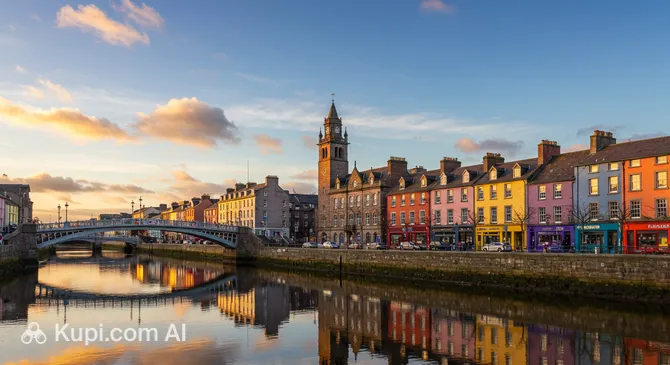
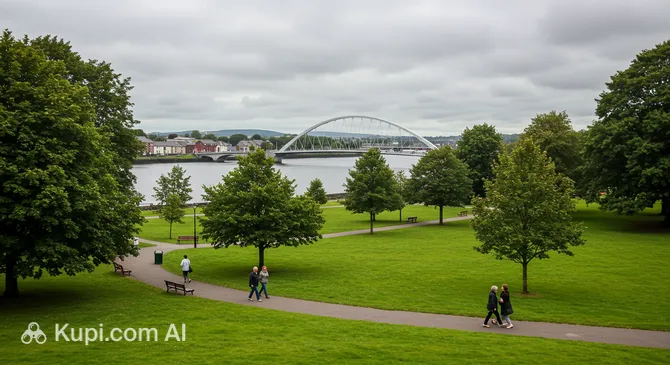
Londonderry, also widely known as Derry, is a city brimming with character, resilience, and a vibrant cultural spirit. Located in the northwest of Northern Ireland, it serves as a captivating gateway to the Wild Atlantic Way and stands as the second-largest city in the region. Visitors are often drawn to its unique atmosphere, where ancient heritage blends seamlessly with a lively, modern energy.
Londonderry. Illustration.
Source: Kupi.com AI
Situated on the banks of the majestic River Foyle, the city is surrounded by scenic countryside and rolling hills. As a prominent destination in the United Kingdom, it offers a distinctive topography characterized by steep streets and stunning river views. With a population of approximately 85,000, Londonderry maintains the amenities of a modern urban center while preserving a welcoming, community-focused feel.
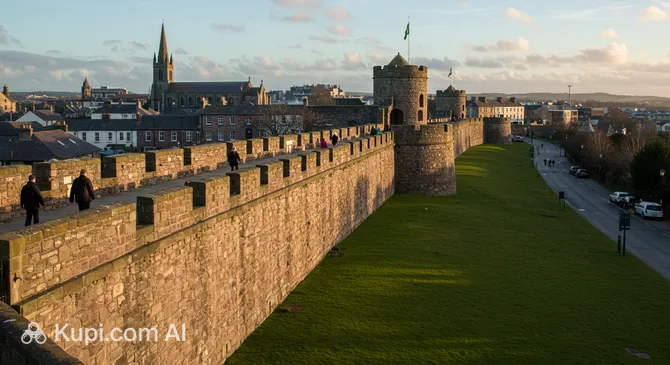
The city is perhaps best known for its remarkable fortifications. It is the only remaining completely walled city on the island of Ireland, and walking along the 17th-century ramparts offers a tangible connection to the history of Londonderry. Beyond the walls, the iconic Peace Bridge stretches elegantly across the river, symbolizing connection and renewal, while the stunning Guildhall impresses with its architectural beauty and stained-glass windows.
Whether you are exploring its fascinating museums, enjoying the local arts scene, or simply strolling through its historic streets, Londonderry promises an unforgettable experience. It is a destination that perfectly balances its storied past with a forward-looking spirit, making it a must-visit stop for any traveler.
Weather Overview
Londonderry experiences a temperate maritime climate, meaning the weather is generally mild but changeable. Visitors should be prepared for frequent rainfall throughout the year, as the city typically sees between 16 and 20 wet days per month. To help plan your daily activities and packing list, it is helpful to consult the detailed guide to the weather in Londonderry.
The summer months of July and August are pleasant, with average temperatures around 14.4°C and highs reaching up to 17.2°C, making it a comfortable time for sightseeing. Winters are cool but rarely freezing; January is the coldest month with an average temperature of 5.1°C and lows around 3.2°C. Overall, you can expect mild summers with regular showers and cool, damp winters, so bringing a waterproof jacket is always recommended.
Average monthly temperature
Average monthly precipitation
Interesting Facts
Beyond the famous landmarks and scenic river views, Londonderry holds a treasure trove of fascinating stories and unique claims to fame. From unexpected aviation history to world-renowned festivals, here are some intriguing secrets that make this city truly special.
Derry City Walls. Illustration.
Source: Kupi.com AI
Traveler photos:
The Maiden City: The historic Derry City Walls are the only city walls in Ireland to remain completely intact. Because they were never breached during several sieges in the 17th century, the city earned the enduring nickname "The Maiden City."
Amelia Earhart’s Landing: The city has a surprising connection to aviation history. In 1932, the legendary pilot Amelia Earhart landed in a pasture just outside the city, becoming the first woman to fly solo across the Atlantic Ocean. Although she aimed for Paris, technical issues brought her here, where she was warmly welcomed by local residents.
Halloween Capital: Londonderry is widely recognized as one of the best places in the world to celebrate Halloween. The city hosts an elaborate annual festival that transforms the streets into a spooky wonderland, drawing thousands of visitors for parades, fireworks, and folklore events.
Pop Culture Icon: The city has gained a new wave of global fans thanks to the hit sitcom Derry Girls. The show's popularity is celebrated with the vibrant Derry Girls Mural, which has quickly become a beloved landmark and a must-visit spot for photos.
How to Get There
Reaching this historic walled city is convenient thanks to its proximity to several key transport hubs. Whether you are flying in from the UK or internationally, there are multiple entry points to suit your itinerary. For a detailed breakdown of routes and travel tips, you can read more about how to get to Londonderry.
The most direct way to arrive is via the City of Derry Airport (LDY), which is located just 10.8 km from the city center. As the local airport, it offers a quick and easy transfer; a taxi or bus ride typically takes around 35 minutes. Although it is a smaller regional hub, it provides essential links for travelers wanting to land right on the city's doorstep.
For a wider range of international connections, many visitors opt to fly into Belfast International Airport (BFS) in Belfast. Situated approximately 79.8 km away, this is a major airport serving millions of passengers annually. The journey from Belfast to Londonderry by road is scenic and takes approximately 2 hours and 20 minutes. Another viable option in Belfast is George Best Belfast City Airport (BHD), located about 101.6 km away, offering a transfer time of around 2 hours and 50 minutes.
For clarity, here is a summary of the main airports:
While Londonderry is well-connected locally, travelers coming from Great Britain might consider major rail hubs across the channel before making their final connection. One of the closest significant stations on the main island is Glasgow Central Station (ZGG) in Glasgow, which is approximately 215.7 km away in a straight line. Travelers should note that reaching Northern Ireland from these stations typically involves a ferry crossing or a connecting flight, making the journey span several hours. Another major hub is Aberdeen Railway Station (ZXA) in Aberdeen, roughly 217.2 km away.
Below is a list of these regional railway stations:
Londonderry offers a compelling mix of historical depth and modern vibrancy, with a variety of landmarks that tell the story of its evolution. From ancient fortifications to contemporary engineering marvels, the city's attractions provide a fascinating journey for every visitor.
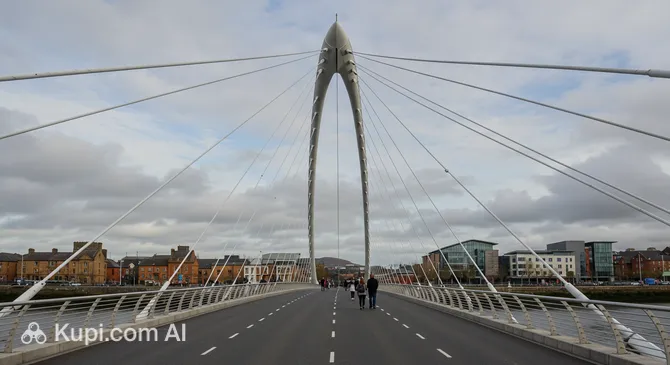
One of the city's most iconic modern landmarks is the Peace Bridge, which curves elegantly across the River Foyle. Opened in 2011, this stunning cycle and footbridge connects the historic city center on the west bank with the Waterside on the east. It is more than just a crossing; it serves as a symbol of connection and a popular public space where locals and tourists enjoy scenic strolls, particularly in the evening when the structure is beautifully illuminated against the night sky.
Peace Bridge. Illustration.
Source: Kupi.com AI
Traveler photos:
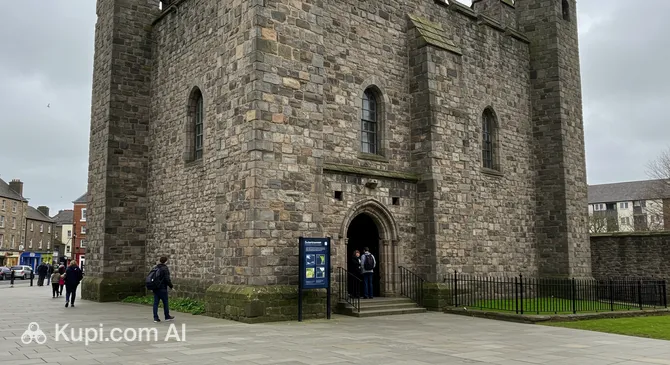
For those interested in delving into the rich heritage of the area, the Tower Museum is an essential stop. Located within the historic city walls at Union Hall Place, this award-winning museum offers a comprehensive look at the city's past. Visitors can explore two permanent exhibitions: "The Story of Derry," which traces the region's history from prehistory to the present, and "An Armada Shipwreck – La Trinidad Valencera," which displays artifacts recovered from a Spanish Armada ship that sank off the coast of Donegal in 1588.
Tower Museum. Illustration.
Source: Kupi.com AI
Traveler photos:
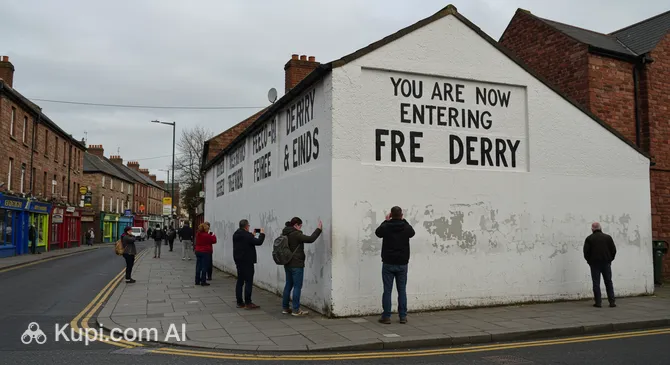
A short distance away in the Bogside neighborhood stands Free Derry Corner, a historically significant landmark known worldwide. This free-standing gable wall, painted with the slogan "You Are Now Entering Free Derry," is a poignant reminder of the city's complex modern history. It remains a focal point for visitors seeking to understand the local cultural narrative and is often surrounded by other striking murals that form the "People's Gallery."
Free Derry Corner. Illustration.
Source: Kupi.com AI
Traveler photos:
Dominating the skyline with its impressive Gothic Revival architecture is St Eugene's Cathedral. As the "Mother Church" of the Diocese of Derry, this imposing structure is renowned for its soaring spire and beautiful stained-glass windows. It offers a serene atmosphere for reflection and is a magnificent example of 19th-century craftsmanship, attracting architecture enthusiasts and those looking for a moment of quiet amidst their sightseeing.
Local Cuisine
Londonderry’s culinary landscape has evolved significantly in recent years, earning it a growing reputation as a foodie destination in Northern Ireland. The city, often affectionately referred to as "Legenderry" by locals celebrating its food culture, blends traditional Irish comfort food with a booming contemporary dining scene. Visitors can expect hearty portions, ingredients sourced from the lush surrounding countryside, and a warm, unpretentious atmosphere in restaurants and cafes alike.
A day of gastronomic exploration often begins with the famous Ulster Fry. Distinct from a standard cooked breakfast, this local variation features soda bread and potato bread (farls), fried until crisp and golden, alongside sausages, bacon, and eggs. It is the ultimate fuel for a day of sightseeing. For dinner, the city's proximity to the coast means seafood is exceptional; fresh Atlantic salmon, mussels, and rich seafood chowder are staples on many menus. You should also try Champ, a traditional dish of creamy mashed potatoes blended with chopped scallions (spring onions) and plenty of butter.
Pyke 'N' Pommes. Illustration.
Source: Kupi.com AI
Traveler photos:
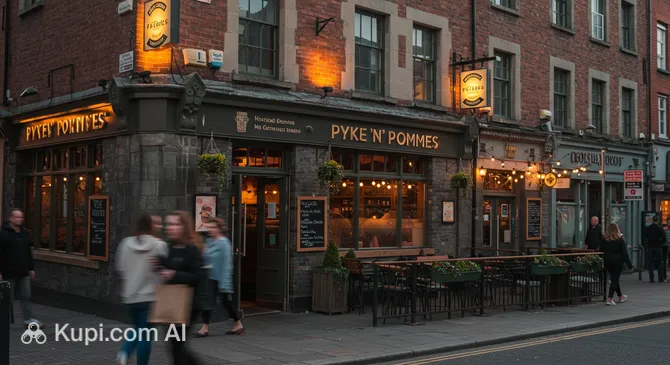
The city has also embraced a vibrant street food culture that rivals larger capitals. A prime example of this modern wave is Pyke 'N' Pommes, located along the scenic riverfront. What began as a humble food pod has transformed into a culinary institution, celebrated for serving gourmet burgers and tacos made with high-quality local produce. For those craving fresh international flavors, Guapo Fresh Mexican is a firm favorite among locals. It is not uncommon to see a queue out the door for their handmade burritos and fresh salsas, making it a perfect spot for a quick and delicious meal.
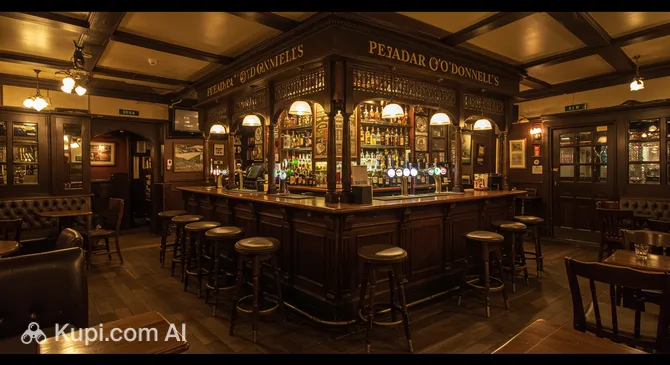
No visit is complete without experiencing the local pub culture, which serves as the social heart of the city. A pint of creamy Guinness is the drink of choice for many, though local craft beers and Irish whiskeys are also widely enjoyed. Peadar O'Donnell's is perhaps the most iconic establishment to soak up this atmosphere. Known for its traditional interior and frequent live traditional music sessions, it offers an authentic slice of Derry life. Alternatively, Sandinos provides a unique and eclectic bar experience, renowned for its friendly vibe and cultural character.
Travel Tips
Welcome to the Walled City, a destination renowned for its rich history and the incredible warmth of its people. To help you navigate your stay with ease and make the most of your visit to this unique corner of the United Kingdom, here are some essential practical tips.
Clothing and Gear: Given the changeable maritime climate, the best approach is to dress in layers. Even in summer, rain showers can appear suddenly, so a waterproof jacket and a sturdy umbrella are must-haves. Since Londonderry is best explored on foot and features some steep, cobbled streets, bring comfortable, flat walking shoes. If you are visiting from outside the UK or Ireland, remember to pack a Type G power adapter (three rectangular pins) for your electronics.
Transportation: The city center is compact and highly walkable, making walking the best way to see the main sights. For longer distances, the local bus network, operated by Translink (Ulsterbus), is reliable and connects the city to the suburbs and wider region. Taxis are plentiful and can be hailed on the street or booked via phone; they are relatively affordable for short hops. Car rental is not strictly necessary for the city itself but is recommended if you plan to explore the nearby Causeway Coast or County Donegal.
Finances: The local currency is the Pound Sterling (£). While Bank of England notes are standard, you will also see Northern Irish banknotes, which are valid currency but might be difficult to exchange outside of Northern Ireland. Credit and debit cards (Visa and Mastercard) are widely accepted in hotels, restaurants, and shops, and contactless payment is the norm. It is wise to carry a small amount of cash for smaller purchases or local taxis. Tipping around 10–15% in restaurants is customary if a service charge hasn't been added.
Health and Safety: Londonderry is generally a very safe city for tourists. Pharmacies (often called chemists) are easy to find in the city center for minor ailments; look for major chains like Boots or local independent shops. For emergencies, dial 999 or 112. While the city is welcoming, it is always prudent to stick to well-lit, busy areas at night and be aware of your surroundings, just as you would in any urban center.
Communication: English is the spoken language, though you may encounter the fast-paced and melodic local accent, which can take a moment to tune into. Locals are known for their friendliness, so don't hesitate to ask them to repeat themselves if needed. Mobile coverage is excellent, and free Wi-Fi is available in most cafes, hotels, and public buildings. If you need a SIM card, you can purchase prepaid options from networks like O2, Vodafone, or Three in the city center.
Local Etiquette: The people of Londonderry are famous for their hospitality and "craic" (good-natured conversation). It is polite to return a greeting if a stranger says "hello" on the street. When entering a pub or shop, a friendly nod or smile goes a long way. Queueing is taken seriously here; always wait your turn in line at bus stops or counters to avoid offending locals.
What to Avoid: While the city has moved well past its turbulent history, it is best to avoid initiating heated discussions about politics or religion with strangers. It is also advisable to avoid wearing football shirts associated with the "Old Firm" (Celtic or Rangers), as these can carry sectarian connotations. Instead, stick to neutral clothing to ensure a hassle-free experience.
City Name Tip: You will hear the city referred to as both "Londonderry" and "Derry." Both names are used locally, often depending on the speaker's background, though "Derry" is very common in casual conversation. As a tourist, using the name "Derry" is generally widely accepted and friendly, but being aware of the dual naming adds to your understanding of the local context.
By keeping these simple tips in mind, you will be well-prepared to relax and enjoy everything this captivating city has to offer. From the historic walls to the lively pub culture, Londonderry is ready to welcome you with open arms.
Entertainment & Nightlife
Nightlife in Londonderry is legendary for its warmth, energy, and the omnipresence of live music. The city may be compact, but it punches well above its weight when the sun goes down, offering everything from traditional Irish sessions to trendy cocktail bars. The atmosphere is generally incredibly welcoming, with a mix of students, locals, and tourists mingling freely in the city’s pubs and clubs.
The beating heart of the city's nightlife is undoubtedly Waterloo Street. This steep, winding street runs right up along the historic city walls and is lined with some of the best pubs in Northern Ireland. At night, the sound of fiddles and bodhráns spills out onto the pavement, creating a festival-like vibe even on a regular weekday. It is the perfect place to start a pub crawl, as you can easily hop from one venue to the next without walking more than a few steps.
For an authentic taste of the local culture, a visit to Peadar O'Donnell's is essential. Located on Waterloo Street, this bar is world-famous for its traditional décor and nightly live music sessions. It is the kind of place where impromptu singalongs are common, and the walls are adorned with historic memorabilia. The crowd here is diverse and friendly, making it a safe and spirited spot for solo travelers and groups alike.
Peadar O'Donnell's. Illustration.
Source: Kupi.com AI
Traveler photos:
If you are looking for something a bit more alternative, Sandinos offers a distinctively different flavor. Known for its eclectic interior and bohemian spirit, this venue hosts a variety of entertainment, from cool DJ sets to world music nights. It attracts a hip, artistic crowd and is a great place to dance or enjoy a relaxed drink in a setting that feels full of character and history.
When planning your night out, keep in mind that the action starts relatively early. Pubs are usually buzzing by 9:00 PM, and most bars close between 11:30 PM and 1:00 AM, though nightclubs will stay open later, often until 2:30 AM. The dress code is generally casual; jeans and a nice top or shirt are perfectly acceptable in almost all bars, though you might want to dress up slightly for nightclubs. Prices are reasonable compared to larger UK cities, with a pint of beer typically costing between £4.50 and £5.50.
Safety is rarely a major concern in the main nightlife districts, which are well-lit and busy. However, as with any city, it is wise to stay on main streets late at night. Getting home is easy, with taxi ranks located on William Street and Strand Road. Local taxi firms are reliable, and it is recommended to book one in advance on busy weekend nights to avoid a wait.
For daytime entertainment, the city offers plenty of options to fill your schedule before the evening festivities begin. Shoppers can explore the Foyleside Shopping Centre, the largest of its kind in the region, featuring a wide range of high-street brands. History enthusiasts should not miss the Museum of Free Derry in the Bogside, which provides a powerful insight into the city's civil rights history. For a more relaxing afternoon, a walk through St Columb's Park on the Waterside offers beautiful green spaces and riverside views.
Parks & Museums
Londonderry offers a refreshing balance of urban history and natural beauty, with several well-maintained green spaces providing a tranquil escape from the city center. Whether you are looking for a scenic spot for a leisurely stroll or a place to enjoy a picnic with a view, the city’s parks are an integral part of the local experience.
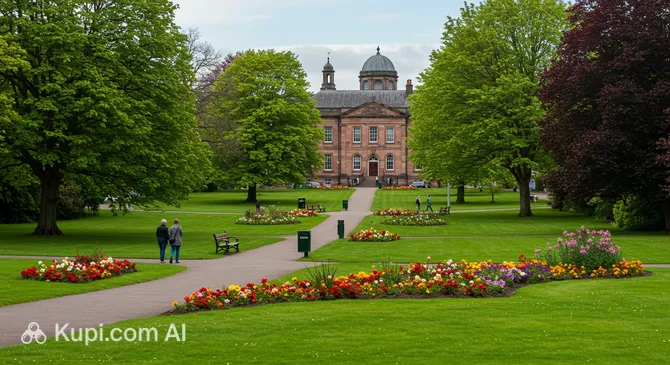
One of the finest examples of a Victorian public park in the region is Brooke Park. Located just a short walk from the city center, this 8-hectare gem has been lovingly restored to its former glory. Visitors can wander through manicured floral gardens, relax by the ornamental oval pond, or visit the Gwyn’s Pavilion, which houses a charming café. The park is also family-friendly, featuring a state-of-the-art play area, and its elevated position offers some of the most stunning panoramic views over the city, the historic walls, and the River Foyle.
Brooke Park. Illustration.
Source: Kupi.com AI
Traveler photos:
On the opposite side of the river, in the Waterside area, lies St Columb's Park. This sprawling woodland estate is a favorite among locals for its serene atmosphere and extensive network of walking paths. Accessible directly from the city center via the iconic Peace Bridge, the park serves as a green haven where visitors can enjoy nature, play sports, or simply unwind amidst mature trees. The grounds are also home to the ruins of a medieval church and the historic St Columb’s Park House, adding a layer of heritage to the natural surroundings.
St Columb's Park. Illustration.
Source: Kupi.com AI
Traveler photos:
Beyond its green spaces, the city itself is often described as an open-air museum, but its dedicated cultural institutions provide a deeper understanding of its complex and fascinating past. These venues offer visitors a chance to engage with the stories that have shaped the community in a thoughtful and educational setting.
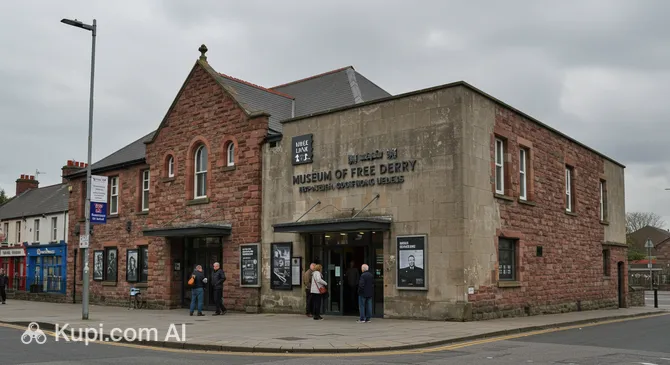
Situated in the heart of the Bogside neighborhood, the Museum of Free Derry is a significant cultural landmark. It is dedicated to telling the story of the civil rights era in the city during the 1960s and 1970s from the perspective of the local community. Through a collection of artifacts, photographs, and personal accounts, the museum offers a powerful insight into the social history of the area and the events that made headlines around the world. It stands as a testament to the resilience of the residents and provides a crucial context for understanding the city's modern identity.
Museum of Free Derry. Illustration.
Source: Kupi.com AI
Traveler photos:
Getting Around
Public transport in Londonderry is compact, efficient, and primarily reliant on a comprehensive bus network, making it easy for visitors to navigate the city and its suburbs. The system is operated by Translink, the main public transport provider in the region. There is no underground metro or tram system; instead, the city is served by the Foyle Metro bus service, which provides frequent connections across the city, distinguishing itself with its distinctive red buses.
For rail travel, the city is served by the Waterside Railway Station, located on the east bank of the River Foyle. While the train is primarily used for intercity travel connecting to Coleraine and Belfast, the station acts as a key transport hub. A free shuttle bus service often connects the train station to the city center on the west bank, ensuring a seamless transfer for those arriving by rail.
Paying for transport is straightforward. You can purchase single tickets directly from the driver using cash or contactless payment cards. For tourists planning multiple journeys, the mLink mobile app is a convenient option, allowing you to buy tickets on your phone instantly. Alternatively, travel cards such as the iLink smartcard offer unlimited travel within specific zones and can be a cost-effective choice if you plan to explore the wider area extensively. A standard day ticket for the Foyle Metro is very affordable, typically costing just a few pounds.
The main hub for bus services is the Foyle Street Bus Centre, located centrally near the Guildhall and the riverfront. This is the best place to find information, pick up timetables, or ask staff for assistance. Buses generally operate from early morning until late evening, though services can be less frequent on Sundays and public holidays. It is advisable to check the latest timetables on the Translink website or app, especially if you are traveling in the evening.
Given the compact size of the historic city center, walking is often the most practical and enjoyable way to get around. The city is famous for its walkability, particularly the route along the historic walls and across the iconic Peace Bridge, which is designed for pedestrians and cyclists. For longer distances or late-night travel, local taxis are plentiful and relatively inexpensive. You can easily hail one at designated ranks, such as those on Strand Road, or book via telephone. Cycling is also gaining popularity, with dedicated paths along the river offering a scenic alternative for active travelers.
Accommodation
Accommodation in Londonderry caters to a wide spectrum of preferences and budgets, reflecting the city's growing popularity as a tourist destination. Visitors can choose from a variety of options, ranging from modern city-center hotels and charming boutique establishments to family-run guesthouses and bed-and-breakfasts (B&Bs). For those traveling on a tighter budget, there are also several well-equipped hostels, while visitors seeking a more independent stay can find numerous self-catering apartments scattered throughout the city.
When choosing where to stay, location is a key factor. The city is divided by the River Foyle into two main areas: the Cityside (West Bank) and the Waterside (East Bank). Staying on the Cityside places you right in the heart of the action, within walking distance of the historic Derry City Walls, museums, and the vibrant nightlife of Waterloo Street. This is the most convenient option for first-time visitors who want to be on the doorstep of major attractions. Alternatively, the Waterside offers a slightly quieter atmosphere and is home to the train station and the beautiful St Columb's Park. Thanks to the pedestrian-friendly Peace Bridge, staying on the Waterside still allows for easy and scenic access to the city center.
It is highly recommended to book your accommodation well in advance, particularly if you plan to visit during the summer months or major events. The city’s Halloween festival is world-famous and draws tens of thousands of visitors; during this period, rooms can sell out months ahead of time, and prices tend to rise significantly.
In terms of pricing, Londonderry is generally considered more affordable than Belfast or Dublin. Budget travelers can find hostel beds or simple guest rooms at very reasonable rates, while mid-range hotels offer excellent value for money. Luxury options are available for those willing to spend more for premium amenities and river views. Booking is straightforward, with most properties listed on major online travel platforms, though booking directly with smaller B&Bs can sometimes secure a better rate or a more personalized experience.
Nearby Cities
For those looking to explore the surroundings, Londonderry serves as an excellent base for day trips to several interesting nearby locations. The region offers a mix of bustling urban centers and scenic towns that provide a deeper insight into Northern Ireland's heritage and landscapes.
Belfast, the capital of Northern Ireland, is a top choice for a day trip. Located approximately an hour and a half away by road or rail, it is famous for the Titanic Belfast experience, the historic St George's Market, and its vibrant maritime history. Visitors can explore the Botanic Gardens or take a Black Taxi Tour to learn about the city's complex past and resilient spirit.
Closer to home, Omagh is a market town situated at the foot of the Sperrin Mountains. It is renowned for the Ulster American Folk Park, an immersive open-air museum that tells the story of Irish emigration to North America. The town also offers charming streets and easy access to the Gortin Glen Forest Park for nature lovers.
Another worthwhile destination is Antrim, located on the banks of Lough Neagh, the largest freshwater lake in the British Isles. The town is home to the spectacular Antrim Castle Gardens, a 400-year-old gem that is perfect for a relaxing afternoon walk. It serves as a peaceful retreat with rich historical connections.
City
Population
Distance
Ballykelly
2 300
19 km
Lifford
1 626
21 km
Letterkenny
19 274
27 km
Omagh
21 056
44 km
Cookstown
10 646
54 km
These nearby destinations offer a glimpse into the diverse culture and landscapes of the region.
Shopping & Souvenirs
Shopping
Shopping in Londonderry is a delightful experience that combines the convenience of modern retail with the charm of independent artistry. The city center is compact and walkable, allowing visitors to easily drift between major high-street names and unique local boutiques without the need for public transport. Whether you are looking for the latest fashion trends or a one-of-a-kind handmade gift, the city offers a diverse range of options within a small, accessible area.
The heart of the shopping district lies within and around the historic walls. Ferryquay Street and Shipquay Street are two of the steepest and most bustling thoroughfares, lined with a mix of fashion retailers, gift shops, and cafes. For a more traditional atmosphere, the Craft Village is a must-visit. Hidden away off Shipquay Street, this charming reconstructed 18th-century street and square hosts a collection of artisan shops selling books, knitwear, and handmade crafts, providing a peaceful retreat from the busier main roads.
For those seeking well-known international brands and a wide selection of stores under one roof, the city boasts two main shopping centers. The largest is the Foyleside Shopping Centre, which dominates the retail skyline and houses dozens of popular high-street fashion, beauty, and lifestyle outlets. Just a short walk away, the Richmond Shopping Centre offers additional variety with over 40 stores, making it easy to find everything from clothing to electronics in a convenient central location.
Foyleside Shopping Centre. Illustration.
Source: Kupi.com AI
Traveler photos:
While the city does not have a permanent daily market hall, the Walled City Market is a highlight for visitors lucky enough to be in town when it takes place. Typically held on the first Saturday of every month in Guildhall Square, this market transforms the civic space into a vibrant hub of activity. Tourists can browse stalls featuring fresh local produce, artisan bakes, and unique handcrafted goods, offering a lively taste of the local community spirit.
When looking for gifts to take home, visitors are spoilt for choice. Items related to the hit show Derry Girls are currently very popular, ranging from quirky mugs to t-shirts found in souvenir shops across the city. For something more traditional, look for Irish linen, Celtic jewelry, or locally crafted ceramics found in the Craft Village. A bottle of locally distilled artisan gin or whiskey also makes for a fine keepsake to remember your trip.
Most shops operate from approximately 9:00 AM to 5:30 PM, Monday through Saturday. On Sundays, opening hours are reduced, typically running from 1:00 PM to 6:00 PM. Late-night shopping is sometimes available on Thursdays or Fridays in the larger centers. Payment is straightforward, with credit and debit cards (Visa and Mastercard) being universally accepted, even for small amounts. Contactless payment is the norm, though having some cash (Pounds Sterling) can be useful for smaller market stalls.