Support

Campbeltown

About

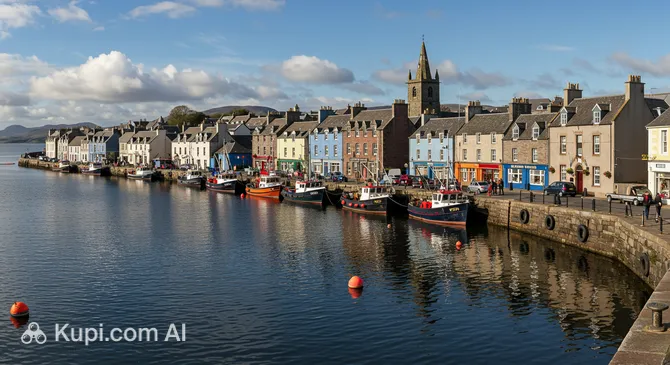
Nestled near the southern tip of the Kintyre peninsula, Campbeltown is a historic royal burgh that offers a unique blend of coastal beauty and rich industrial heritage. Situated around a picturesque loch and sheltered by Davaar Island, this Scottish town provides a tranquil atmosphere that feels delightfully remote from the hustle and bustle of major cities.

Campbeltown. Source: Kupi.Binoculars

Geographically, it is located in the western part of the United Kingdom, serving as a main service centre for the southern Kintyre area. With a population of approximately 7,300 residents, the town maintains a close-knit community feel while offering essential amenities for visitors. The climate here is typical of the Scottish west coast, often mild but changeable, adding to the dramatic scenery of the surrounding landscape.

The town is perhaps most famous for its legacy as a major whisky producing region. Diving into the history of Campbeltown reveals that it was once proclaimed the "Whisky Capital of the World," home to over 30 distilleries. Today, whisky enthusiasts flock here to tour the remaining active producers, such as Springbank and Glen Scotia, and to sample the distinctive, oily, and salty character of the local single malts.

Beyond spirits, the area offers stunning natural attractions. At low tide, visitors can walk across a shingle causeway to Davaar Island to explore sea caves, one of which contains a famous Victorian-era painting of the Crucifixion. Whether you are interested in maritime history, scenic walks, or legendary drams, Campbeltown is an inviting destination for a memorable Scottish getaway.

Weather Overview

Campbeltown experiences a temperate maritime climate, heavily influenced by its coastal position on the Kintyre peninsula. This results in relatively mild conditions year-round, avoiding the extremes of heat or cold found inland. For a detailed forecast to help plan your packing, you can consult the guide to the weather in Campbeltown.

Summers are generally cool and refreshing rather than hot. August is typically the warmest month, with average temperatures reaching around 14.0°C and daily highs rarely exceeding 15.0°C. Winters are comparatively mild, with average temperatures in January and February hovering around 6.4°C to 6.6°C, and nightly lows seldom dropping far below 5.3°C.

Rainfall is a frequent companion in this region, so waterproof clothing is essential regardless of the season. The wettest period usually spans from October to January, with October seeing up to 23 wet days. Conversely, late spring tends to be drier; April and May are often the most settled months, averaging about 12 wet days each. Overall, visitors should expect cool, breezy summers with passing showers and mild, wet winters.

Interesting Facts

Beyond its famous whisky heritage and coastal charm, Campbeltown holds several fascinating secrets that often surprise visitors. From cinematic history to musical legends and mysterious cave art, the town’s stories are as captivating as its scenery.
  • The Oldest Cinema in Scotland: The Campbeltown Picture House, which opened its doors in 1913, holds the title of the oldest purpose-built cinema in Scotland still in operation. It is renowned for its rare "atmospheric" interior, designed to resemble a Mediterranean courtyard complete with blue skies, floating clouds, and "wee houses" flanking the screen.

  • A "Miraculous" Painting: In 1887, local art teacher Archibald MacKinnon secretly painted a life-sized Crucifixion scene inside a cave on Davaar Island. When fishermen first discovered the artwork in the dark cave, they believed it was a divine miracle. The truth eventually came out, causing a local scandal that led to MacKinnon's departure, though he later returned to restore his masterpiece.

  • The McCartney Connection: The town shares a special link with music legend Paul McCartney, who owned High Park Farm nearby. His hit song "Mull of Kintyre" featured the local Campbeltown Pipe Band, and today, visitors can pay their respects at the Linda McCartney Memorial Garden, which features a bronze statue of her holding a lamb, commissioned by Paul himself.

  • A Medieval Relic in Traffic: In the heart of the town stands the Campbeltown Cross, a magnificent 14th-century Celtic cross carved with intricate designs. Unusually for such a historic artifact, it sits prominently on a roundabout near the harbour, serving as a daily landmark for locals rather than being tucked away in a museum.

How to Get There

Reaching this scenic corner of Kintyre involves a journey through some of Scotland's most beautiful landscapes. Since the town is quite remote, planning your travel in advance is recommended. You can find comprehensive information and more about how to get to Campbeltown on our detailed transport page.

The city of Campbeltown does not have its own major international airport, so most visitors arrive via the main hubs in the central belt of Scotland. You can fly into Glasgow International Airport (IATA: GLA) in the city of Glasgow, which is approximately 89 km from Campbeltown. The drive from this airport is scenic but winding, taking about 2 hours and 30 minutes by taxi or car. Alternatively, Glasgow Prestwick Airport (IATA: PIK), also serving the Glasgow area, is located roughly 65 km away. The transfer from Prestwick typically takes around 2 hours by road.

For clarity, here is a summary of the main airports:

Airport Name City Passenger Traffic Km from City
Glasgow International Airport Glasgow High 89.1
Belfast International Airport Belfast High 93.8
George Best Belfast City Airport Belfast Medium 91.3
Glasgow Prestwick Airport Glasgow Medium 65.1
City of Derry Airport Londonderry Small 107.7

The city of Campbeltown does not have a railway station, as the rail lines do not extend all the way down the peninsula. The closest major rail connection is Glasgow Central Station in the city of Glasgow, which is about 98 km from Campbeltown. From the station, you can continue your journey by catching a long-distance bus or renting a car, with the road trip taking approximately 2 hours and 45 minutes.

Below is a list of the nearest major railway stations:

Station City Passenger Traffic Km to Center
Glasgow Central Station Glasgow Very High 97.7
Waverley Railway Station Edinburgh Very High 162.9
Aberdeen Railway Station Aberdeen Medium 99.3
Carlisle Central Station Carlisle Medium 180.3
Dundee Railway Station Dundee Medium 198.0

Main Attractions

For whisky aficionados, a visit to Springbank Distillery is often the primary reason for traveling to this part of the world. As the oldest independent family-owned distillery in Scotland, it offers a unique window into traditional whisky production. Unlike many modern facilities, Springbank carries out 100% of the process on-site, from malting the barley on traditional floors to bottling the final spirit. Visitors can book detailed tours to witness these time-honored methods firsthand and sample their three distinct single malts: Springbank, Longrow, and Hazelburn.

Those interested in the region's deep historical roots should explore the Campbeltown Museum. Located within the handsome Burnet Building on the waterfront, this museum houses an impressive collection that chronicles the heritage of Kintyre. Highlights include prehistoric archaeological finds, such as Bronze Age jewelry and tools, as well as exhibits detailing the town's maritime past and its development as a royal burgh. It provides a fascinating context to the landscape and community you see today.

Just a short drive from the town center lies the magnificent Westport Beach, a must-visit for nature lovers and outdoor enthusiasts. Stretching for six miles along the Atlantic coast, this vast expanse of golden sand is backed by massive dunes and forms part of a designated Site of Special Scientific Interest. It is widely renowned as one of the best surfing spots in Scotland due to its consistent Atlantic swells, but it is equally popular for bracing coastal walks, picnicking, and spotting local wildlife in a pristine environment.

For a blend of hiking and history, Beinn Ghuilean offers a rewarding outdoor experience. This hill rises behind the town and features a network of well-marked trails that wind through atmospheric woodlands. The climb is manageable for most walkers and rewards you with panoramic views over Campbeltown Loch, Davaar Island, and, on clear days, as far as the Ayrshire coast and Ireland. The trails also lead past an ancient hill fort, adding a touch of mystery to the scenic trek.

Local Cuisine

Campbeltown’s location on the fertile Kintyre peninsula ensures that its culinary scene is defined by exceptional local produce, particularly from the land and sea. The star of the local menu is undoubtedly the fresh seafood, harvested daily from the surrounding Atlantic waters. Visitors should look out for the renowned products from the Kintyre Smokehouse. This local specialist is famous for its traditional smoking methods, producing exquisite smoked salmon, trout, and mussels that are a must-try for any gourmet traveler.

The region is also historically celebrated for its dairy heritage, owing to the lush, green pastures that cover the peninsula. While the town's historic creamery has ceased production, the area's agricultural roots remain strong. You will still find high-quality Scottish cheeses and dairy products featuring prominently on local menus, often served in ploughman's lunches or as part of a savory cheeseboard in the town's eateries.

When it comes to drinks, Campbeltown is legendary for its single malt scotch whisky. As one of Scotland's distinct whisky-producing regions, the local drams are known for their unique briny, oily, and slightly smoky profile, influenced by the coastal climate. Sampling a glass of Springbank or Glen Scotia in a cozy local pub is a quintessential experience. For a non-alcoholic option, traditional tea rooms offer robust blends accompanied by home-baked scones, while the ubiquitous Irn-Bru remains a popular soft drink choice.

The food culture here is relaxed and welcoming, characterized by hearty portions and warm hospitality rather than formal fine dining. Tourists and locals alike tend to gather in traditional pubs and harbor-front hotels where the atmosphere is convivial. During the day, small cafes and bakeries bustle with activity, serving hot soups and fresh pastries, while fish and chip shops near the waterfront offer the perfect takeaway meal to enjoy while admiring the view of the loch.

Travel Tips

Visiting Campbeltown is a delightful experience, but its remote location on the Kintyre peninsula means a little preparation goes a long way. To help you make the most of your trip to this historic Scottish burgh, here are some practical tips to ensure a smooth and enjoyable journey.

  1. Clothing and Gear: The weather here is famously changeable, often described as experiencing "four seasons in one day." Even in summer, bring a high-quality waterproof jacket and sturdy walking shoes, as rain showers can appear suddenly. Layering is key; pack warm sweaters or fleece that can be easily removed if the sun comes out. If you plan to visit churches or the local distillery, casual attire is generally acceptable, but smart-casual is appreciated for evening dining.

  2. Transportation: The town center is compact and easily navigated on foot, allowing you to reach the harbour, museum, and distilleries within a short walk. However, to explore the wider Kintyre area or reach beaches like Westport, a rental car is highly recommended. Public transport exists—primarily buses run by West Coast Motors—but services can be infrequent, especially on weekends. There are no trains in this part of the country.

  3. Finances: The local currency is the British Pound (GBP). While most hotels, restaurants, and supermarkets in Campbeltown accept credit and debit cards (Visa and Mastercard are standard), it is wise to carry some cash. Smaller independent shops, rural cafes, or bus services may prefer cash for small amounts. ATMs are available in the town center for withdrawals.

  4. Health and Safety: Campbeltown is a very safe place with a low crime rate, but standard precautions should always be taken with valuables. For medical needs, there is a local hospital (Campbeltown Hospital) and pharmacies in the town center, though they typically operate during standard business hours (9:00 AM to 5:30 PM) and are closed on Sundays. For non-emergency medical advice in the United Kingdom, you can dial 111.

  5. Communication: English is the primary language, often spoken with a distinct Scottish accent that is generally easy to understand. Mobile phone coverage is good within the town but can be patchy or non-existent in remote coastal areas or valleys nearby. Free Wi-Fi is commonly available in hotels, cafes, and the library, making it easy to stay connected.

  6. Local Etiquette: The locals are known for their friendliness and hospitality. It is polite to greet shopkeepers and bus drivers; a simple "hello" or "cheers" goes a long way. If you are driving on single-track roads outside the town, always use the designated passing places to let oncoming traffic or faster vehicles behind you pass—this is a crucial rule of the road in the Highlands and islands.

  7. What to Avoid: Do not rely on finding late-night conveniences. Unlike major cities, many shops and restaurants in Campbeltown close relatively early, and Sunday trading hours can be quite limited. Avoid leaving your dinner plans until late in the evening without a reservation, as kitchens may close earlier than you expect.

  8. Sunday Slowdown: Be aware that Sunday is traditionally a day of rest in this region. While larger supermarkets may remain open, many smaller local businesses, cafes, and some attractions may operate on reduced hours or be closed entirely. It is the perfect day for a scenic coastal walk or a self-guided tour of the exterior architecture rather than shopping.

By keeping these practicalities in mind, you will be well-equipped to relax and immerse yourself in the unique charm of the "Wee Toon." Whether you are here for the whisky, the wildlife, or the windswept scenery, a little planning ensures your Campbeltown adventure is memorable for all the right reasons.

Entertainment & Nightlife

Entertainment in Campbeltown reflects the town's character: warm, welcoming, and centred around community rather than high-octane partying. You will not find sprawling nightlife districts or mega-clubs here. Instead, the evening scene revolves around traditional Scottish pubs, hotel bars, and social clubs where the atmosphere is driven by conversation, live music, and, inevitably, excellent whisky. The vibe is distinctly relaxed, making it easy for visitors to mingle with locals and enjoy an authentic slice of Kintyre life.

The main hub for evening activity is concentrated around the town centre and the harbour area, particularly along Main Street and Longrow. Here, everything is within comfortable walking distance. The dress code is almost universally casual; jeans and a jumper are perfect for a night out, though you might see locals dressing up a bit more for a Saturday dinner or a special event at the town hall. Most venues close around 11:00 PM or midnight, with a few bars staying open until 1:00 AM on weekends.

For a quintessential Campbeltown experience, the Ardshiel Hotel is a standout venue. Renowned globally among whisky enthusiasts, its award-winning bar boasts hundreds of single malts. It is the perfect spot for a sophisticated yet unpretentious evening of dram-tasting by the fire. If you are looking for something a bit livelier, The Black Sheep Pub, located within the Royal Hotel near the waterfront, offers a more contemporary setting. It is a popular gathering place for younger crowds and often features music or sports screenings, providing a buzzing atmosphere on Friday and Saturday nights.

Beyond the pubs, the Campbeltown Picture House offers a fantastic evening alternative. As one of the oldest purpose-built cinemas in Scotland, it combines historical charm with modern releases, often hosting cultural events and screenings that run into the evening. For daytime entertainment, visitors can enjoy the local golf courses, such as the world-famous links at nearby Machrihanish, or explore the town's heritage trails. While the town is quieter during the day, the transition to evening is marked by the warm glow of pub windows rather than neon lights.

From a practical standpoint, Campbeltown is an incredibly safe place for night walks. The harbour area is well-lit and picturesque for a post-dinner stroll. However, if your accommodation is on the outskirts or you plan to stay out late, be aware that taxis can be scarce after midnight. It is highly advisable to book a taxi in advance with a local firm if you know you will need a ride home. Prices are generally lower than in major UK cities, making a night out here both enjoyable and affordable.

Parks & Museums

While Campbeltown may be famous for its whisky, the town also offers serene green spaces and fascinating cultural institutions that celebrate its rich heritage. Visitors can easily alternate between exploring the rugged natural beauty of the Kintyre peninsula and diving into the deep history preserved within the town's museums and architectural landmarks.

For a peaceful retreat within the town, the Linda McCartney Memorial Garden is a touching and beautifully maintained space. Located at the museum, this small but significant garden pays tribute to the late photographer and musician who, along with her husband Paul McCartney, had a deep connection to the area. The centerpiece is a bronze statue of Linda holding a lamb, surrounded by seasonal flowers and benches, offering a quiet spot for reflection amidst the town's history.

Nature lovers looking for a more active experience should head to Beinn Ghuilean. This community woodland rises above the town and serves as the premier "park" for locals and visitors alike. It features a network of well-maintained trails suitable for walking and mountain biking. The summit offers spectacular panoramic views over Campbeltown Loch, Davaar Island, and the surrounding seascape, making it an ideal location to appreciate the region's geography.

In terms of culture, the Campbeltown Museum is the jewel in the town's crown. Housed in the striking Burnet Building on the waterfront, the museum’s collection is surprisingly extensive for a town of this size. Exhibits range from prehistoric archaeological finds excavated in Kintyre to displays on the town's maritime history and whisky industry. It provides an essential overview of how this remote burgh became a powerhouse of production and trade in centuries past.

Another key cultural venue is the Campbeltown Heritage Centre, often referred to locally as the "Tartan Kirk" due to the distinctive pattern on its roof. Located in the former Lorne Street Church, this volunteer-run museum focuses on social history. Inside, you can find detailed records of local families, old school photographs, and artifacts from the fishing and farming communities. It is a fantastic resource for those with ancestral ties to the area or anyone interested in the daily lives of Kintyre's past residents.

Architecturally, the town center is dominated by the Campbeltown Town Hall. This 18th-century building features a distinctive octagonal spire and serves as a focal point for the community. Just nearby stands the Campbeltown Cross, a magnificent medieval Celtic cross dating back to around 1380. Carved with intricate biblical scenes and Celtic knotwork, it originally stood near the church but now proudly occupies the center of a roundabout, serving as a daily reminder of the town's ancient roots.

For a truly authentic experience, take a walk along the Esplanade at sunset. It is here that you can best appreciate the town's relationship with the sea, watching fishing boats return to the harbor against the backdrop of the darkened hills. If you have time, ask a local about the tide times for the Davaar Island causeway; walking across the shingle bar to see the caves is a favorite pastime that feels like a mini-adventure right on the town's doorstep.

Getting Around

Campbeltown is a compact and walkable town, meaning that for most visitors staying within the central area, the primary mode of transport will simply be walking. The town center, harbour, and main attractions like the distilleries and museum are all located within a short distance of each other. There is no complex metro, tram, or train system here; instead, the public transport network relies entirely on bus services and local taxis.

The main bus operator in the area is West Coast Motors, which runs services connecting the town to nearby villages such as Machrihanish, Southend, and Carradale, as well as the long-distance route to Glasgow. The buses are modern and comfortable, though frequencies can vary significantly depending on the time of day and the season. It is important to note that services are often reduced on weekends, particularly on Sundays, so checking the latest timetable online or at the bus terminus is essential before planning a trip.

Payment for bus travel is straightforward and user-friendly. You can purchase single or return tickets directly from the driver upon boarding. While cash is accepted, most buses are equipped to take contactless card payments and mobile pay options, which is often more convenient for travelers. If you choose to pay with cash, having the exact fare or small change is highly appreciated by the drivers. For the long-distance coach service (Route 926), it is advisable to book your ticket in advance online to guarantee a seat, especially during the busy summer months.

For those wishing to explore beyond the bus routes or travel late at night, taxis are the main alternative. However, unlike in large metropolitan areas, you cannot simply hail a cab on the street or rely on global ride-sharing apps. There are several reliable local taxi firms, but they operate with limited fleets. It is highly recommended to book your ride in advance by phone, especially if you need transport for evening dining or an early morning transfer, as availability can be scarce after midnight.

A unique feature of the local transport landscape is the seasonal ferry service operated by CalMac. During the summer months, a ferry connects the town directly to Ardrossan on the mainland. This scenic route offers a relaxing alternative to the long drive down the peninsula. The ferry terminal is conveniently located right in the town harbour, making it easily accessible for foot passengers and those with vehicles.

While there are no automated bike-sharing stations, cycling is a fantastic way to navigate the scenic coastal roads of the peninsula. Renting a car is also a popular choice for tourists, offering the freedom to visit remote beaches and hiking trails that public transport does not reach. However, for exploring the town itself, a pair of comfortable walking shoes is truly the best tool you can have.

Accommodation

Accommodation in Campbeltown is characterized by its charm and local character rather than large-scale luxury. Visitors will primarily find traditional hotels, family-run bed and breakfasts (B&Bs), and an increasing number of self-catering apartments or cottages. The options are generally cozy and intimate, reflecting the friendly nature of this close-knit community.

For the most convenient stay, look for properties located in the town center or along the waterfront near the harbour. Staying in this area puts you within comfortable walking distance of the Springbank and Glen Scotia distilleries, the museum, and the main bus stops. This central location allows you to enjoy the town's evening atmosphere without worrying about transport.

Among the well-known local establishments is the Royal Hotel, which sits prominently overlooking the harbour and provides a classic hotel experience with easy access to the waterfront. Another popular choice is the Ardshiel Hotel, a Victorian property located just a short walk from the center; it is particularly famous among tourists for its award-winning whisky bar, making it an ideal base for enthusiasts of the "water of life."

Booking Tip: Despite its remote feel, Campbeltown is a popular destination, especially for whisky pilgrims and during the summer season. Accommodation capacity is limited compared to larger cities, so it is highly recommended to book well in advance to secure your preferred dates, particularly if you are visiting during a festival or the peak months of July and August.

In terms of cost, the price range is typically mid-range, offering good value for money compared to other Scottish tourist hubs. While budget hostels are scarce, the B&Bs often provide affordable and comfortable alternatives. Booking can be done through major online travel platforms, though many local guest houses also welcome direct bookings via their websites or phone.

Nearby Cities

For those looking to explore the surroundings, Campbeltown serves as an excellent base for day trips to several interesting nearby locations:

Across the water lies the historic town of Ayr, a popular seaside resort that is inextricably linked to Scotland's national bard, Robert Burns. Visitors can explore the Robert Burns Birthplace Museum, stroll along the long sandy beach, or visit the 16th-century Greenan Castle ruins nearby. It offers a mix of literary history and traditional coastal charm.

Another fascinating destination is Irvine, located on the Ayrshire coast. It is home to the Scottish Maritime Museum, which is housed in a vast Victorian linthouse and features a collection of historic vessels. The town's harborside area is perfect for a relaxing walk, offering insights into the region's rich industrial and nautical past.

Further north along the firth is Greenock, a town with a proud shipbuilding heritage. It offers spectacular views across the River Clyde towards the Highlands. Visitors can admire the impressive Victorian architecture of the Custom House or take a walk along the Esplanade to watch the diverse river traffic passing by.

City Population Distance (km)
Ayr 46780 62
Kilmarnock 46350 73
Greenock 41990 79
Irvine 33698 63
Barrhead 17610 87

These nearby destinations offer a glimpse into the diverse culture and landscapes of the region.

Shopping & Souvenirs

General Overview: Shopping in Campbeltown is a relaxed and authentic experience that reflects the town's small-town character and rich heritage. You will not find sprawling department stores or high-end fashion chains here. Instead, the retail scene is defined by independent, family-run businesses, charming gift shops, and specialist purveyors of local produce. The town is particularly famous for its "water of life," making it a premier destination for purchasing rare and exclusive whiskies directly from the source.

Main Shopping Areas/Streets: The commercial heart of the town is concentrated along Main Street and Longrow. These connecting thoroughfares form the traditional high street, lined with a variety of essential services and interesting boutiques. A stroll down these streets offers everything from traditional bakers and butchers to hardware stores and bookshops. The architecture here adds to the experience, with many shops housed in handsome Victorian stone buildings that give the area a timeless atmosphere.

Shopping Malls: Due to its modest population and historic layout, Campbeltown does not have large modern shopping malls. The retail experience is strictly "high street" style. For those needing supermarket essentials, there are familiar names like Tesco and Co-op located centrally, but for recreational shopping, the joy lies in exploring the standalone independent stores rather than browsing a complex.

Markets: While there is no permanent daily market, the Campbeltown Town Hall often serves as a venue for seasonal craft fairs, farmers' markets, and community sales. These events are excellent places to find handmade jewellery, local art, and home-baked goods. It is worth checking local notice boards or asking at your hotel to see if any such events coincide with your visit, as they offer a wonderful glimpse into the local creative community.

Souvenirs: The ultimate souvenir from Campbeltown is, without a doubt, a bottle of single malt scotch whisky. A visit to Cadenhead’s Whisky Shop is essential; as Scotland's oldest independent bottler, they offer an incredible selection of spirits you won't find elsewhere. Beyond whisky, look for products from the Kintyre Smokehouse, such as vacuum-packed smoked salmon or cheese, which travel well. Local arts and crafts, particularly those inspired by the coastal scenery or made from local wool, also make for meaningful keepsakes.

Opening Hours and Payment: Shops typically operate from 9:00 AM to 5:00 PM, Monday through Saturday. Some smaller independent boutiques may close for an hour at lunch or have half-days on Wednesdays, though this is becoming less common. Sunday is traditionally a quiet day in this part of Scotland; while supermarkets remain open, many local gift shops and specialist stores will be closed. Credit and debit cards (Visa and Mastercard) are widely accepted, but it is advisable to carry some cash for small purchases in bakeries or at market stalls.

Tax-Free: Visitors should be aware that the tax-free shopping scheme (VAT refund) for international tourists was discontinued in Great Britain (England, Scotland, and Wales) in 2021. This means that you generally cannot claim back the VAT on goods purchased in shops to take home with you, so the price you see on the shelf is the final price.
Reached the end of the page?

That means the route is fully explored