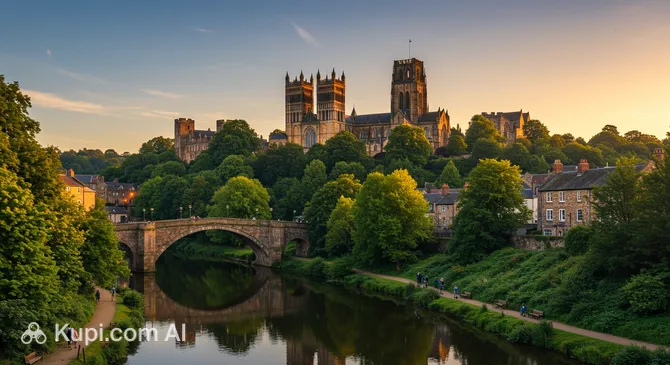
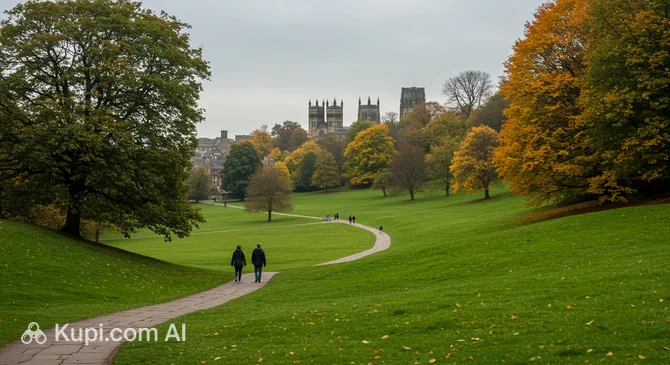
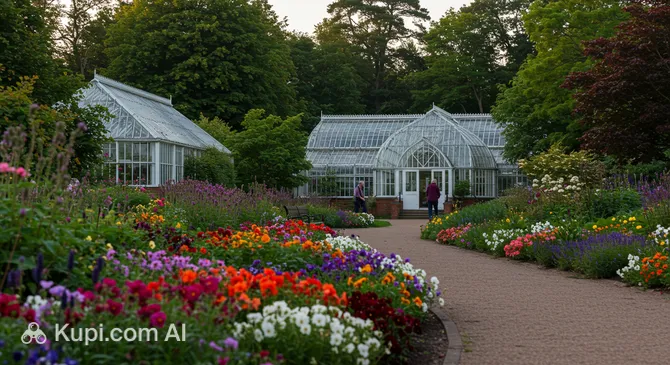
Durham is a captivating historic city located in the North East of England, renowned for its magnificent skyline and scholarly atmosphere. As one of the most picturesque destinations in the United Kingdom, it offers a unique blend of medieval grandeur and the vibrant energy of a modern university town. The city is geographically defined by the River Wear, which creates a natural loop around the rocky peninsula that holds the ancient city center, giving it a distinctive and defensible layout.
Durham. Illustration.
Source: Kupi.com AI
With a population of approximately 48,000 residents, Durham maintains a compact and welcoming feel, making it easy to explore on foot. The climate is typical of the region, with mild summers and cool winters, adding to the charm of its cobbled streets and lush green surroundings. The history of Durham is deeply rooted in its religious and military past, serving for centuries as a buffer zone between England and Scotland and ruled by the powerful Prince Bishops.
The city is most famous for its UNESCO World Heritage Site, which includes the breathtaking Durham Cathedral and Durham Castle. The cathedral is widely considered one of the finest examples of Romanesque architecture in Europe and is the final resting place of St Cuthbert and the Venerable Bede. The castle, which has been occupied since the 11th century, now houses students from Durham University, adding a lively academic spirit to the heritage setting.
Beyond its iconic landmarks, Durham offers scenic riverside walks, charming cafes, and the beautiful Durham University Botanic Garden. Whether you are admiring the view from the Prebends Bridge or exploring the winding medieval streets, Durham promises an unforgettable experience for every traveler.
Weather Overview
Durham experiences a temperate maritime climate, making it a year-round destination with distinct seasonal characters. The weather is generally mild, though visitors should always be prepared for the changeability typical of the North East of England. Summers are pleasant and comfortable, with average temperatures in July and August hovering around 15°C to 16°C, and maximum highs reaching nearly 19°C, providing excellent conditions for exploring the city's outdoor heritage sites.
Winters are cooler, with average temperatures from December to February dropping to between 4°C and 5°C, and nightly lows falling to around 2°C. Rainfall is a consistent feature throughout the year; while the recorded precipitation volume is low, the frequency of rain is significant, with 12 to 16 wet days expected each month. Expect mild, breezy summers with frequent showers and cool winters that require warm layers. For a more detailed forecast to help you pack, you can consult the guide to the weather in Durham.
Average monthly temperature
Average monthly precipitation
Interesting Facts
Beyond its famous skyline and academic prestige, Durham holds many fascinating secrets and curious tales. Here are some intriguing facts that reveal the hidden character of this historic city.
Durham Cathedral. Illustration.
Source: Kupi.com AI
Traveler photos:
Durham Cathedral is a star of the silver screen, having served as a prominent filming location for the first two Harry Potter movies. The majestic cloisters were transformed into the snowy quadrangle where Harry released Hedwig, and the Chapter House doubled as Professor McGonagall’s classroom.
The city was once the mustard capital of the country, long before the condiment became associated with Norwich. In 1720, a local woman named Mrs. Clements pioneered a method of grinding mustard seeds like flour, creating the first smooth English mustard which famously pleased King George I.
The grotesque "Sanctuary Knocker" on the cathedral's north door is more than just a decorative feature. In medieval times, fugitives who grasped this knocker were granted 37 days of sanctuary, during which they were protected from arrest and provided with food and bedding by the church.
A persistent local legend claims that Durham Castle and the city were divinely protected during World War II. It is said that "St Cuthbert's Mist" would miraculously descend upon the peninsula during air raids, shrouding the historic landmarks in fog and hiding them from Luftwaffe bombers.
How to Get There
Reaching this historic destination is straightforward, thanks to excellent road and rail links, as well as several airports serving the region. Whether you are arriving from within the UK or traveling internationally, you have multiple options to suit your itinerary. For a comprehensive guide on all transport methods, you can read more about how to get to Durham.
For air travel, the most convenient entry point is Newcastle International Airport(NCL). Although it is located in the city of Newcastle upon Tyne, it is situated just 30 km north of Durham. It serves as a major regional hub with connections to many European and international destinations. A journey by taxi or car from the airport typically takes around 45 minutes, and there is also a direct Metro rail link connecting the airport to Newcastle Central Station, from where you can catch a short train ride to Durham.
Travelers may also consider Durham Tees Valley Airport(MME), also known as Teesside International. It is located approximately 31.3 km from the city. While it handles a smaller volume of passenger traffic compared to its neighbors, it offers a closer alternative for specific routes. For those arriving on long-haul flights, Manchester Airport(MAN) in Manchester is a significant option. Located about 164.5 km away, it is one of the UK's busiest airports and is connected to Durham by a direct train service that takes approximately 2.5 to 3 hours.
For clarity, here is a summary of the main airports:
Traveling by train is often the most scenic and efficient way to arrive. The city is served by Durham Railway Station(XVU), which is conveniently located within Durham itself, perched on a hill just 1.3 km from the historic city center. As a key stop on the East Coast Main Line, it offers frequent and fast connections to London, Edinburgh, and other major cities. The station is well-equipped and provides easy access to local buses and taxis for the short trip into the heart of the town.
Below is a list of relevant railway stations in the wider region:
The city's compact size belies the wealth of historic and cultural treasures waiting to be discovered. At the heart of the peninsula lies the majestic Durham Cathedral, a masterpiece of Romanesque architecture that dominates the skyline. Visitors are drawn to its stunning nave, the peaceful cloisters, and the Shrine of St Cuthbert. For those willing to tackle the 325 steps, the central tower offers unparalleled panoramic views of the city and the surrounding countryside.
Standing opposite the cathedral across Palace Green is the imposing Durham Castle. Originally built in the 11th century as a fortress to project Norman power in the north, it later became the palace of the Prince Bishops. Today, it serves as a residence for university students, but it remains open to the public through guided tours. These tours provide a fascinating glimpse into its grand Great Hall, historic chapels, and the intricate 17th-century Black Staircase.
Durham Castle. Illustration.
Source: Kupi.com AI
Traveler photos:
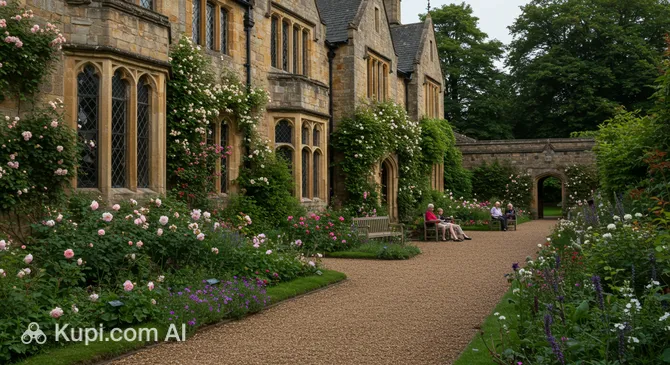
For a charming escape into history and nature, Crook Hall Gardens is a must-visit destination. This Grade I listed medieval hall is surrounded by a series of distinctively themed gardens, including a secret walled garden, a Shakespeare garden, and a cathedral garden. It offers a quintessential English experience, where visitors can explore the historic rooms of the house or enjoy a relaxing afternoon tea in a picturesque setting.
Crook Hall Gardens. Illustration.
Source: Kupi.com AI
Traveler photos:
Culture enthusiasts will find a unique collection at the Oriental Museum, which belongs to Durham University. It is the only museum in the north of England devoted entirely to the art and archaeology of the great cultures of North Africa and Asia. The museum houses thousands of artifacts ranging from Ancient Egyptian treasures to Chinese porcelain and Himalayan art, offering an educational and inspiring journey through global history.
Oriental Museum. Illustration.
Source: Kupi.com AI
Traveler photos:
Another green sanctuary within the city is the Durham University Botanic Garden. Spanning 10 hectares of woodlands and cultivated grounds, it features a diverse collection of plants from around the world. Highlights include the tropical bugs and butterflies in the glasshouses, the bamboo grove, and the North American arboretum, making it a delightful spot for families and nature lovers alike.
Local Cuisine
Local Cuisine:
The culinary scene in Durham offers a delightful mix of traditional North East heritage and vibrant, modern flavors influenced by its bustling university population. Visitors can expect hearty, comforting food that reflects the region's agricultural roots, alongside a growing number of international eateries. One dish you simply must try while in the area is Panackelty, a classic County Durham casserole made with corned beef, root vegetables, and sliced potatoes, slowly baked until tender and savory. It is the ultimate comfort food, perfect for warming up after a walk along the river.
For those with a sweet tooth, the region has a history of excellent baking. Look out for local tea rooms serving freshly baked scones and cakes, often accompanied by locally produced jams. The city also hosts regular food festivals and markets where you can sample regional cheeses, such as the crumbly Cotherstone cheese from nearby Teesdale, and other artisanal produce.
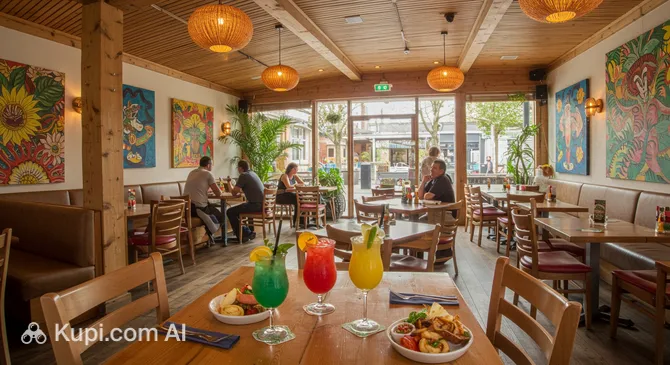
When it comes to dining out, the city center is packed with diverse options ranging from casual bites to immersive dining experiences. If you are in the mood for vibrant Caribbean flavors, Turtle Bay is a popular spot known for its spicy jerk chicken and laid-back atmosphere. It is a great place to relax with friends and enjoy a taste of the tropics in the heart of the North East.
Turtle Bay. Illustration.
Source: Kupi.com AI
Traveler photos:
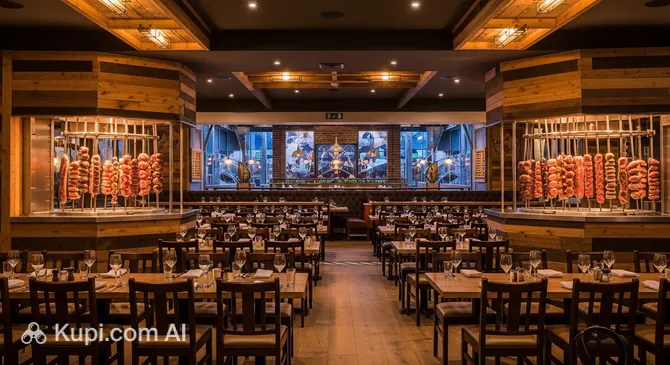
Meat lovers are particularly well-catered for in Durham, with several venues offering authentic South American barbecue experiences. Rio Brazilian Steakhouse provides a traditional Churrasco dining experience where cuts of meat are carved tableside. Similarly, Rodizio Bar & Grill Durham offers a vast selection of grilled meats and a generous salad bar, making it a fantastic choice for a celebratory meal.
Rio Brazilian Steakhouse. Illustration.
Source: Kupi.com AI
Traveler photos:
For a night out that combines food with entertainment, Lane7 Durham is a unique venue. It merges bowling and gaming with a distinct dining menu, offering gourmet burgers and bar snacks in an edgy, industrial setting. If you prefer a lively bar atmosphere with a wide array of cocktails and classic dishes, Revolution Durham is a staple of the city's nightlife, situated conveniently by the river.
Travel Tips
Welcome to Durham! To help you navigate this hilly, historic city with ease and confidence, we have compiled a set of essential practical tips. Whether you are here to marvel at the architecture or soak up the academic atmosphere, these suggestions will ensure your visit is smooth and enjoyable.
Clothing and Gear: Durham is famous for its steep, cobbled streets, particularly the route leading up to the Cathedral and Castle. Extremely comfortable, flat walking shoes with good grip are an absolute necessity; avoid high heels or slippery soles. The weather in the North East can be changeable, so pack layers and a waterproof jacket even in summer. If you plan to attend services at the Cathedral, dress modestly. Don't forget a Type G power adapter for your electronics.
Transportation: The city center is compact and largely pedestrianized, making walking the best way to get around. However, the hill up to the peninsula is steep. A great local tip is to use the Cathedral Bus (service 40), which connects the railway station and market place to the Cathedral, saving your legs for exploring. Taxis are readily available at the station and Old Elvet. You generally do not need a rental car unless you plan to explore the wider County Durham countryside.
Finances: The official currency is the British Pound (£). Contactless card payments and mobile wallets (Apple Pay/Google Pay) are widely accepted almost everywhere, including small cafes and buses. However, it is useful to carry a small amount of cash for smaller independent shops in the Market Hall. ATMs are plentiful in the Market Place. Tipping is customary in restaurants (around 10-15%) if a service charge hasn't already been added.
Health and Safety: Durham is generally a very safe city for tourists. The main safety precaution involves the River Wear; stick to the designated paths especially at night, as the banks can be steep and unlit. For minor health issues, you will find pharmacies like Boots in the Market Place. For non-emergency medical advice, you can dial 111, and for emergencies, dial 999.
Communication: English is the spoken language, though you may encounter the distinctive North East accent and local dialect words. Locals are generally very friendly and happy to help if you don't understand something. Free Wi-Fi is available in many public buildings, cafes, and on the "The Cloud" network in the city center. SIM cards can be purchased at supermarkets or mobile phone shops in the downtown area.
Local Etiquette: Politeness is key in British culture. Always say "please" and "thank you," and respect the queue (line) at bus stops and counters—cutting in is considered very rude. As Durham is a working university city, you will see students everywhere; be respectful of their space, especially around library areas and college grounds that are not open to the public.
What to Avoid: Avoid walking three or four abreast on the narrow medieval streets, as this blocks the path for locals rushing to work or lectures. Also, try not to underestimate the "Peninsula" layout; it is easy to get turned around, so keep the Cathedral tower in sight as a landmark.
Market Day Tip: If you want to experience the local vibe, visit the Durham Indoor Market just off the Market Place. It is a historic Victorian market hall packed with independent traders selling everything from local cheeses to books. It’s a great place to chat with locals and find unique souvenirs away from the high street chains.
By keeping these practical tips in mind, you will be well-prepared to embrace the charm and character of Durham. We hope you have a wonderful time exploring the winding streets and magnificent heritage of this unique English city!
Entertainment & Nightlife
Durham offers a vibrant and diverse nightlife scene that surprisingly punches above its weight for a city of its size. Thanks to its large university population, the city comes alive in the evenings with a dynamic mix of historic pubs, stylish cocktail bars, and energetic clubs. The nightlife is concentrated in a very compact area, making it easy to hop from one venue to another without the need for transport. The atmosphere is generally friendly and inclusive, blending the youthful energy of students with the warmth of the local community.
The main hubs for evening entertainment are centered around the Market Place, North Road, and the scenic riverbanks. For a modern leisure experience, The Riverwalk is a premier destination. Situated on the banks of the River Wear, this development hosts a variety of bars, restaurants, and a cinema, offering a sophisticated setting to start your night with stunning views of the castle and cathedral illuminated against the night sky.
The Riverwalk. Illustration.
Source: Kupi.com AI
Traveler photos:
If you are looking for a more active night out, Lane7 Durham is a fantastic choice. Far from a traditional bowling alley, this venue combines boutique bowling with retro arcade games, beer pong, and a stylish bar environment. It is perfect for groups who want entertainment that goes beyond just drinks. For those who prefer a classic party atmosphere, Revolution Durham is a staple of the city's nightlife. Located by the river, it offers an extensive cocktail menu and transforms into a lively club vibe with DJs as the evening progresses.
Revolution Durham. Illustration.
Source: Kupi.com AI
Traveler photos:
When planning a night out, keep in mind that the crowd varies depending on the academic calendar. During term time, weeknights—especially Wednesdays—are bustling with student socials, while weekends tend to attract a broader mix of locals and visitors. The dress code is generally smart-casual; most bars are relaxed, but some nightclubs may not allow sportswear. Prices are relatively affordable compared to larger UK cities, with many venues offering "happy hour" deals early in the evening.
Beyond the bars and clubs, Durham offers excellent cultural entertainment. The Gala Theatre in Millennium Place is the heart of the city's performing arts, hosting a mix of live theatre, comedy, and cinema screenings. For daytime entertainment, visitors can explore the city's museums or take a leisurely rowing boat out on the river, weather permitting. The city also hosts various festivals throughout the year, including the spectacular Lumiere festival, which transforms the streets with light installations.
Safety in Durham is generally very good, and the city center is well-lit and populated at night. However, due to the steep, cobbled streets and the proximity of the river, extra care should be taken when walking home. It is advisable to stick to the main paths and avoid unlit riverside shortcuts late at night. Taxis are readily available at the rank on North Road or can be booked via local apps, providing a safe and convenient way to end your evening.
Parks & Museums
Durham is a city where history and nature are inextricably linked, offering visitors a refreshing balance of scholarly heritage and lush green spaces. Beyond the famous stone architecture of the peninsula, the city is wrapped in woodlands and riverbanks, while its museums provide a window into cultures that span the globe and centuries of local life.
One of the most beloved outdoor spaces in the city is Wharton Park. Located high on a hill overlooking the city center, it is famous for offering the iconic "postcard view" of the cathedral and castle standing proudly above the treetops. This historic park, which has welcomed visitors since the Victorian era, features a community garden, a miniature car track, and a heritage center. It serves as a peaceful retreat where you can enjoy a picnic or simply admire the panoramic scenery that defines the city's character.
Wharton Park. Illustration.
Source: Kupi.com AI
Traveler photos:
For those interested in horticulture and biodiversity, the Durham University Botanic Garden is an essential stop. While it serves as a research facility for the university, it is also a stunning public garden set among 10 hectares of mature woodlands. Visitors can wander through the bamboo grove, explore the alpine garden, or step into the tropical warmth of the glasshouses to see exotic bugs and butterflies. It is a constantly changing canvas of colors and scents, providing a quiet sanctuary away from the bustling market square.
Durham University Botanic Garden. Illustration.
Source: Kupi.com AI
Traveler photos:
When it comes to museums, the city boasts collections of international significance. The Oriental Museum is a cultural jewel, dedicated entirely to the art and archaeology of North Africa and Asia. Its galleries take you on a journey through Ancient Egypt, the Himalayas, China, and Japan, showcasing everything from delicate ceramics to imposing sculptures. For a deep dive into local history, the Durham Museum and Heritage Centre, housed in the historic church of St Mary-le-Bow, offers a fascinating look at the city's evolution from medieval times to the present day through maps, models, and artifacts.
The city's layout itself acts as an open-air museum of architecture and geography. The riverbanks of the Wear, particularly the path leading to Prebends Bridge, offer not only natural beauty but also some of the best vantage points to appreciate the sheer scale of the city's Norman engineering. The seamless integration of the river, the ancient bridges, and the towering cathedral creates a landscape that has inspired poets and artists for generations.
For a truly authentic experience, take a walk to Old Durham Gardens. Located just a short stroll from the city center, this lesser-known 17th-century walled garden offers a glimpse into the past with its restored terraces and orchards. It is a quiet, hidden gem often missed by day-trippers, perfect for a contemplative afternoon walk.
Getting Around
Public transport in Durham is primarily based on a comprehensive bus network, as the city does not have a metro or tram system of its own. Given the compact and historic nature of the city center, the transport infrastructure is designed to connect the residential outskirts and Park and Ride sites with the heart of the peninsula. For most tourists, the local bus services provided by major operators like Arriva North East and Go North East are the most relevant means of getting around if you are not exploring on foot.
A unique and highly practical feature for visitors is the dedicated Cathedral Bus (Service 40). This shuttle service is specifically designed to tackle the steep, cobbled incline that leads from the railway station and the Market Place up to the UNESCO World Heritage Site on the peninsula. It runs frequently throughout the day and is an invaluable resource for those who wish to visit the Cathedral and Castle without facing the strenuous uphill walk. The buses are small, wheelchair-accessible, and navigate the narrow medieval streets that larger vehicles cannot access.
The payment system for public transport is modern and user-friendly. Contactless payment using a bank card, Apple Pay, or Google Pay is widely accepted on all bus services; you simply tap your card or device on the reader when boarding. For those planning multiple journeys in a single day, purchasing a "Day Saver" or a "Day Rover" ticket from the driver is often more economical than buying single fares. Mobile apps from the main bus operators also allow you to buy tickets in advance and check real-time timetables, which is recommended for peace of mind.
For visitors arriving by car, the city operates an efficient Park and Ride system with three main sites located at Belmont, Sniperley, and Howlands. These sites offer secure parking on the outskirts of the city, with frequent direct bus connections to the center. This is often the best option for drivers, as parking within the historic center is extremely limited, expensive, and subject to strict congestion controls. The Park and Ride tickets are affordable and typically include travel for all passengers in the vehicle.
Taxis are readily available and serve as a convenient alternative, especially late at night when bus frequencies reduce. There are designated taxi ranks located at Durham Railway Station, on North Road, and near the Claypath area. Local taxi firms are reliable, and ride-hailing apps like Uber also operate in the vicinity, though availability can vary compared to larger metropolitan areas. While cycling is possible, the hilly terrain and narrow, busy roads in the center can make it challenging for casual riders.
Accommodation
Accommodation:
Finding the perfect place to stay in Durham is an integral part of the travel experience, as the city offers accommodation options that reflect its rich heritage and academic character. The range of lodging is diverse, catering to various budgets and preferences. Visitors can choose from charming bed and breakfasts housed in Georgian townhouses, historic coaching inns that have welcomed travelers for centuries, and reliable modern chain hotels. For a truly unique experience, some of the university colleges open their doors to the public during vacation periods, allowing guests to stay within the historic precincts of the World Heritage Site.
The most popular area for tourists is undoubtedly the City Center, particularly around the Market Place and the riverside. Staying here places you within easy walking distance of the magnificent Cathedral and Castle, as well as the best restaurants and shops. The cobbled streets of the peninsula offer a magical atmosphere, especially in the evenings, though accommodation here can be in high demand. For those seeking a quieter retreat or more competitive rates, the areas just outside the immediate center, such as Gilesgate or near the railway station, offer convenient alternatives with excellent bus connections to the main sights.
A crucial tip for booking accommodation in Durham is to be mindful of the university calendar. The city gets extremely busy during graduation weeks (usually in late June or early July) and the start of the academic term. During these times, prices can spike, and rooms are often booked out months in advance. It is highly recommended to check these dates before planning your trip or to secure your reservation well ahead of time if your visit coincides with these university events.
In terms of pricing, Durham generally offers good value compared to larger UK tourist hubs. Budget travelers can find affordable guesthouses and hostels, while the mid-range market is well-served by independent hotels and inns that emphasize local hospitality. Luxury options are available for those looking to splurge, often featuring river views and fine dining. Booking is best done through major online travel platforms or directly with the establishments, which sometimes offer special deals for direct reservations.
Nearby Cities
Nearby Cities:
While the historic charm of Durham is captivating, the city also serves as an excellent gateway to the wider North East of England. The surrounding region is dotted with vibrant cities, industrial heritage sites, and coastal towns, all within a short distance. Whether you are looking to explore the cultural landmarks of the Tyne and Wear or discover smaller towns with unique histories, there are plenty of options for day trips just a quick train or bus ride away.
One of the most prominent neighbors is Sunderland, located on the coast at the mouth of the River Wear. Known for its rich industrial history and beautiful sandy beaches like Roker and Seaburn, it offers a refreshing seaside escape. To the north lies Gateshead, famous for its iconic architecture, including the Angel of the North and the contemporary art center, BALTIC, situated on the energetic Quayside.
For those interested in history, the town of Washington is a fascinating stop. It is the ancestral home of the family of George Washington, the first President of the United States, and features the historic Washington Old Hall. Closer to Durham, Houghton le Spring offers a glimpse into traditional market town life, while Newton Aycliffe, founded as a new town in the 20th century, stands as a testament to the region's post-war development.
Below is a table of nearby cities and towns to help you plan your excursions:
City
Population
Distance
Spennymoor
19 816
9 km
Chester-le-Street
24 227
9 km
Hetton-le-Hole
14 402
10 km
Ferryhill
8 942
10 km
Houghton le Spring
36 746
10 km
Shopping & Souvenirs
Shopping:
Shopping in Durham is a delightful experience that combines retail therapy with a tour of the city's historic architecture. Unlike the sprawling commercial hubs of larger cities, Durham offers a more intimate and scenic atmosphere, where high-street staples sit comfortably alongside independent boutiques and artisan shops. The compact nature of the city center means you can easily navigate between districts on foot, enjoying the views of the castle and river as you browse.
The heart of the city's retail scene is found along the winding, cobbled thoroughfares of Silver Street and Saddler Street. These streets form the main artery leading up to the peninsula and are lined with a variety of shops selling everything from fashion and jewelry to books and gifts. As you climb towards the cathedral, you will find unique independent retailers tucked away in historic buildings, offering a charm that modern shopping centers simply cannot match. The area around Elvet Bridge is also worth exploring for its quirky shops and stylish menswear boutiques.
For a more modern shopping environment, the city offers several dedicated centers. Prince Bishops Place is an open-air shopping center located right in the heart of the city, housing popular fashion brands and lifestyle stores. Nearby, The Riverwalk provides a contemporary leisure and retail destination along the riverbanks, offering a mix of shops and entertainment venues in a stylish setting.
If you are looking for larger retail outlets and supermarkets, the Arnison Centre is a significant retail park located just a few miles from the city center. It features a wide range of large-format stores, including electronics, homeware, and fashion giants, making it a convenient stop for stocking up on essentials or finding specific items that might not be available in the boutique-focused downtown.
Arnison Centre. Illustration.
Source: Kupi.com AI
Traveler photos:
A true highlight of shopping in Durham is the historic Durham Indoor Market. Housed in a Victorian building just off the Market Place, it is home to over 40 independent traders. Here, you can find fresh local produce, haberdashery, vintage records, and handcrafted goods. On Saturdays, the outdoor Market Place often comes alive with additional stalls, and the city regularly hosts special events such as continental markets and Christmas fairs that showcase regional artisans.
When searching for the perfect souvenir, look for items that celebrate the city's heritage. Durham Mustard is a famous local product with a history dating back to 1720, and although the original factory is gone, you can still find heritage-style jars in local delis. The gift shop at the cathedral is excellent for high-quality items, including locally made jewelry, books on local history, and religious artifacts. University-branded merchandise, such as hoodies and scarves, is also popular among visitors wanting to take a piece of the academic spirit home.
Store opening hours in Durham generally follow standard UK patterns, with most shops open from 09:00 to 17:30, Monday through Saturday. On Sundays, trading hours are usually shorter, typically from 11:00 to 17:00 or 10:00 to 16:00. Payment methods are modern and convenient; while cash is accepted, contactless card payments and mobile wallets like Apple Pay and Google Pay are the preferred standard almost everywhere, from high-end boutiques to market stalls.
Regarding tax-free shopping, international visitors should be aware that the VAT Retail Export Scheme (tax-free shopping) was discontinued for visitors to Great Britain in 2021. This means that tourists from overseas can no longer claim a VAT refund on goods purchased in stores to take home in their luggage, so the price you see on the shelf is the final price you pay.