Support

Hull

About

Kingston upon Hull, usually referred to simply as Hull, is a dynamic port city located in the East Riding of Yorkshire. Situated on the northern bank of the Humber Estuary where it meets the River Hull, this city serves as a significant maritime gateway for the United Kingdom. With a population of approximately 314,000 residents, Hull combines the energy of a bustling urban centre with the welcoming spirit of a close-knit community.

The city boasts a fascinating past that has shaped its unique identity. The history of Hull is inextricably linked to the sea, spanning centuries of trade, fishing, and exploration. Visitors can still feel this heritage in the cobbled streets of the Old Town and the historic architecture that survived the tests of time. The city's atmosphere is one of resilience and reinvention, particularly following its successful tenure as the UK City of Culture in 2017.

Hull. Source: Kupi.Binoculars

Travellers are drawn to Hull for its diverse range of attractions. One of the most iconic landmarks is The Deep, an award-winning submarium that tells the story of the world's oceans through stunning architecture and marine exhibits. For those interested in culture, the Museum Quarter offers free entry to several fascinating sites, including the Streetlife Museum of Transport and the Wilberforce House. The picturesque Hull Marina provides a perfect backdrop for a relaxing stroll, lined with cafes and bars that highlight the city's modern transformation.

Whether you are exploring its rich maritime legacy or enjoying its contemporary cultural scene, Hull offers a memorable experience for every visitor. It is a destination that invites you to uncover its hidden gems and enjoy the distinct charm of Yorkshire's coast.

Weather Overview

Hull experiences a temperate maritime climate, largely influenced by its proximity to the North Sea and the Humber Estuary. This location helps to moderate extremes, resulting in generally mild weather year-round, though conditions can be changeable. To help pack the right gear for your trip, it is helpful to check the detailed weather in Hull before you travel.

Winters are typically cool but not freezing, with average temperatures in January and February hovering around 5°C to 6°C and lows rarely dropping far below 2°C. Summers offer the warmest conditions for exploring, particularly in July and August, when average temperatures reach approximately 16.7°C and daily highs can exceed 20°C. However, rainfall is a consistent feature throughout the year, with most months seeing between 10 and 15 wet days. Expect mild, pleasant summers with occasional rain and cold, damp winters.

Interesting Facts

Beyond its maritime heritage and cultural renaissance, Hull holds a collection of fascinating secrets and unique quirks that often surprise first-time visitors.

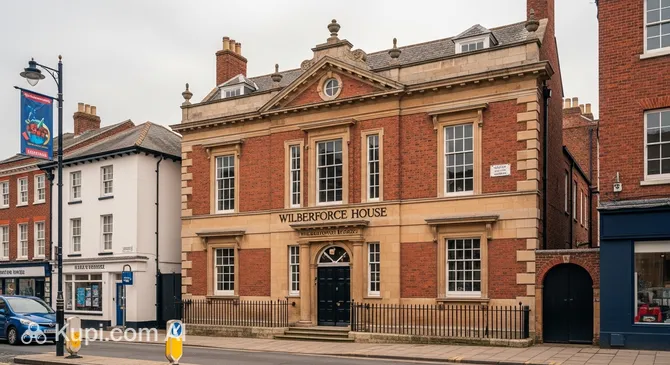
Wilberforce House. Source: Kupi.Binoculars
  • Cream Telephone Boxes: While the iconic red telephone box is a symbol of the UK, Hull is the only city in the country where they are painted cream. This distinction exists because Hull has operated its own independent municipal telephone system since 1902, separate from the national network.

  • Robinson Crusoe’s Departure: Literature fans may be interested to know that Daniel Defoe’s famous castaway, Robinson Crusoe, set sail on his fateful voyage from the port of Hull in September 1651. A plaque in Queen's Gardens marks the approximate location of the dock he departed from.

  • A Pivotal Role in History: The city was the birthplace of William Wilberforce, the renowned politician who led the movement to abolish the slave trade. His legacy is preserved at Wilberforce House, which is one of the oldest buildings in the city and now serves as a museum.

  • The Land of Green Ginger: Hull is home to one of the most intriguingly named streets in England, the "Land of Green Ginger." The origin of the name remains a mystery, with theories ranging from the sale of ginger in the Middle Ages to a corruption of a Dutch family name.

  • England’s Smallest Window: The George Hotel claims to possess the smallest window in England. This tiny slit in the wall was reportedly used by the hotel porter to keep a lookout for arriving stagecoaches and customers without letting in too much of the cold draft.

How to Get There

Reaching Hull is relatively straightforward thanks to its proximity to several major transport hubs in the region. Whether you are arriving from overseas or travelling within the UK, you can find more about how to get to Hull and choose the route that best suits your itinerary. While the city is well-connected by road and rail, international visitors often fly into airports located in neighbouring cities and continue their journey by ground transport.

The city of Hull does not have its own major commercial airport, but it is well-served by Leeds Bradford International Airport (IATA: LBA), located in Leeds. This airport is approximately 88.5 km from Hull, and a taxi or car journey typically takes around 1 hour and 30 minutes depending on traffic. Another significant option for long-haul travellers is Manchester Airport (IATA: MAN) in Manchester. Situated about 137 km away, it is a major international gateway; the transfer to Hull by road usually takes between 2 to 2.5 hours.

For clarity, here is a summary of the main airports serving the region:

Airport Name City Passenger Traffic Km from City
Manchester Airport Manchester Large 137.0
Leeds Bradford International Airport Leeds Medium 88.5
East Midlands Airport Nottingham Medium 123.7
Norwich International Airport Norwich Small 162.2
Durham Tees Valley Airport Durham Small 109.6

For those travelling by train from other parts of the UK, Hull has its own central station, the Hull Paragon Interchange. However, if you are connecting from distant regions, you might pass through or arrive at major regional hubs. For instance, Manchester Piccadilly Station in Manchester is a key rail hub located approximately 130.6 km from Hull, offering extensive connections across the country. Closer to the city, Bradford railway station in the Leeds area (approximately 94 km away) also serves as a significant point in the regional network. From these stations, travellers can easily catch a connecting train or arrange onward transport to Hull.

Below is a list of major railway stations in the wider region that may be relevant for your journey:

Station City Passenger Traffic Km to Center
Manchester Piccadilly Station Manchester Large 130.6
Leicester Railway Station Leicester Medium 137.1
Durham Railway Station Durham Medium 138.6
Bradford railway station Leeds Medium 94.0
Oxenholme Lake District Station Kendal Small 167.9

Main Attractions

Hull offers a compelling mix of modern landmarks and historic treasures, making it a delightful destination for sightseeing. One of the city's most recognizable icons is The Deep, a spectacular aquarium located at the confluence of the River Hull and the Humber Estuary. Housed in a futuristic building, this award-winning attraction is home to thousands of sea creatures, including sharks, rays, and turtles. It is not just an aquarium but an education centre that narrates the story of the world's oceans, making it a fascinating visit for families and nature lovers alike.

The Deep. Source: Kupi.Binoculars

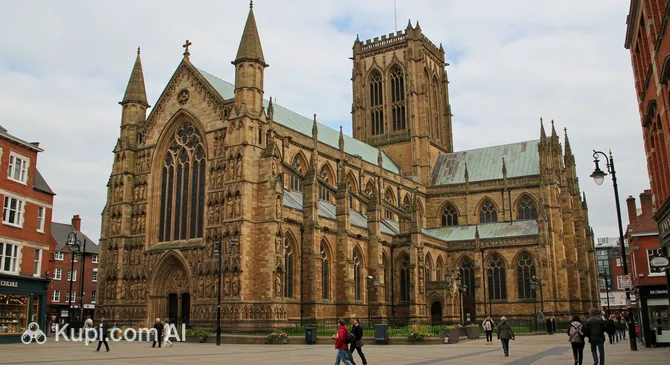
For those interested in architecture and heritage, Hull Minster is an essential stop. Standing in the historic Trinity Square, it is one of the largest parish churches in England and boasts over 700 years of history. Visitors can admire its magnificent medieval masonry, intricate stained glass windows, and the peaceful atmosphere of its interior. The Minster continues to be a vibrant centre for community events and cultural gatherings, bridging the gap between the city's past and present.

Hull Minster. Source: Kupi.Binoculars

A short walk away in the Museum Quarter, you will find the Streetlife Museum, which offers a vivid journey through 200 years of transport history. This engaging museum allows you to step back in time with its collection of vintage trams, carriages, and motor cars. It is particularly popular for its immersive street scenes that recreate the sights, sounds, and even smells of the past, providing a unique and interactive experience that brings history to life.

Streetlife Museum. Source: Kupi.Binoculars

Art enthusiasts should not miss the Ferens Art Gallery, located in Queen Victoria Square. This gallery houses a superb collection of fine art, ranging from European Old Masters to contemporary British works. With a regular programme of changing exhibitions and events, it serves as a cultural hub for the city. The gallery is celebrated for its accessibility and the quality of its permanent collection, which includes masterpieces by artists such as Frans Hals and David Hockney.

Ferens Art Gallery. Source: Kupi.Binoculars

If you prefer outdoor activities, East Park provides a vast green sanctuary spanning approximately 130 acres. As the largest park in the city, it features a boating lake, an animal education centre, and beautifully landscaped gardens. It is a perfect spot for a leisurely afternoon walk, a picnic, or simply escaping the urban bustle while enjoying the scenic surroundings and the historic Splash Boat attraction.

East Park. Source: Kupi.Binoculars

Local Cuisine

Hull’s culinary scene is a delightful blend of hearty Yorkshire tradition and a burgeoning modern food culture. As a historic port city, fresh seafood has always played a vital role, but the local gastronomy is perhaps best known for its unique comfort foods that you won't easily find elsewhere in the UK. The city has seen a wave of regeneration, particularly around the waterfront, transforming old warehouses into trendy eateries and vibrant social hubs.

No visit to Hull is complete without trying the legendary Hull Pattie. Unlike patties in other parts of the country, the Hull version is a deep-fried disc of mashed potato flavoured with sage and onion, battered to golden perfection. It is a staple of local fish and chip shops and is often paired with another local obsession: Chip Spice. This paprika-based salt is sprinkled generously over chips throughout the city, giving them a distinct, savoury kick that locals swear by.

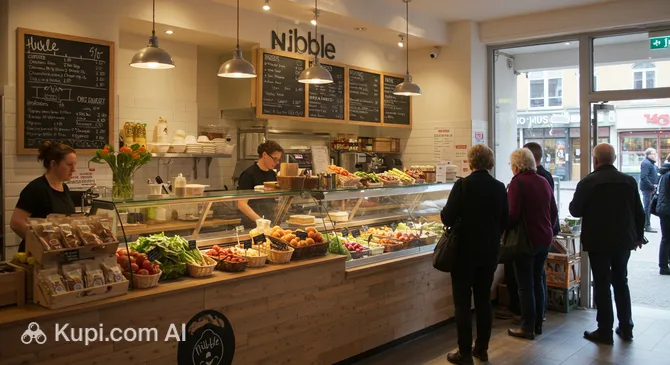
Nibble. Source: Kupi.Binoculars

For a taste of the city’s modern dining atmosphere, head to the Humber Street and Marina area. This former fruit market has been revitalised into a cultural hotspot teeming with independent cafes and restaurants. Here you can find Nibble, a popular spot located right by the dock, known for its excellent brunch and lunch options made with quality local ingredients. Just a stone's throw away is Thieving Harry's, a cafe-bar housed in a converted warehouse that offers a relaxed vibe, craft beers, and a great view of the water.

Beyond the local classics, the city offers a wide range of international flavours. The Avenues area is famous for its diverse restaurants, but you can find global cuisine throughout the centre. For meat lovers, the Brazilian Churrascaria & Bar offers an authentic rodizio experience. Whether you are looking for a quick street food bite or a sit-down meal, Hull’s food scene is unpretentious, affordable, and full of character.

Travel Tips

To ensure your visit to Kingston upon Hull is as smooth and enjoyable as possible, we have compiled a list of essential travel advice. These practical tips will help you navigate the city's unique character, prepare for the local weather, and settle in quickly like a local.

  1. Clothing and Gear: The weather in Hull can be quite changeable due to its coastal location. It is best to dress in layers so you can adapt to shifting temperatures throughout the day. A waterproof jacket or a sturdy umbrella is a must-have in any season, as rain showers can occur unexpectedly. If you plan to explore the historic Old Town, bring comfortable flat shoes, as the charming cobbled streets can be uneven and difficult to navigate in heels.

  2. Transportation: Hull’s city centre is compact and pedestrian-friendly, making walking the best way to see the main sights like the Marina and the Museum Quarter. For longer distances, the local bus network (operated mainly by Stagecoach and East Yorkshire) is reliable and affordable; you can usually pay with a contactless card or smartphone upon boarding. The Hull Paragon Interchange serves as the central hub for both trains and buses, making it easy to orient yourself.

  3. Finances: The currency is the British Pound Sterling (£). While cash is useful for small purchases at local markets, card payments and contactless methods (Apple Pay, Google Pay) are widely accepted almost everywhere, including cafes, museums, and transport. ATMs are plentiful in the city centre. Tipping is customary in restaurants; leaving around 10-15% of the bill is standard if a service charge hasn't already been added.

  4. Health and Safety: Hull is generally a safe city for tourists, but standard urban precautions apply. Stick to well-lit main roads at night and keep valuables secure in crowded areas. In case of an emergency, dial 999 for police, ambulance, or fire services. For non-urgent medical advice, you can call 111. Pharmacies like Boots and independent chemists are easily found on high streets for minor health needs.

  5. Communication: English is the primary language, though you may encounter the distinctive local "Hullensian" accent. Locals are known for dropping the 'h' at the start of words and using unique vowels. Free Wi-Fi is available in many public buildings, museums, and shopping centres. If you need a SIM card, major UK mobile networks have stores in the St Stephen's and Prospect shopping centres.

  6. Local Etiquette: The people of Hull are famous for their friendliness and down-to-earth nature. It is common for strangers to start a conversation at a bus stop or in a queue. Do not be surprised if you are addressed as "love," "pet," or "duck"; these are terms of endearment and are used casually with everyone, regardless of gender. Queuing politely is a strict social norm here, as it is across the UK.

  7. What to Avoid: Try not to make negative comparisons with other Yorkshire cities; Hullensians are fiercely proud of their independent identity and culture. Also, be mindful of the intense local rivalry between the two rugby league teams, Hull FC (Black and Whites) and Hull KR (Robins). It is a passionate topic, so it is best to listen rather than take sides if the subject comes up in a pub!

  8. Distinctive Feature: Keep an eye out for the telephone boxes—unlike the rest of the UK, Hull’s phone boxes are cream (or white) rather than red. This is because the city has had its own independent municipal telephone system since 1902. They make for a unique photo opportunity that proves you are definitely in Hull.

By keeping these tips in mind, you will be well-prepared to embrace everything Hull has to offer, from its maritime history to its warm community spirit. Enjoy your journey through this fascinating corner of Yorkshire!

Entertainment & Nightlife

Hull comes alive after dark with a vibrant and diverse nightlife scene that caters to all tastes, from traditional real ale enthusiasts to cocktail lovers and clubbers. The city’s evening entertainment is concentrated in a few distinct districts, each offering a unique atmosphere. Whether you are looking for a quiet pint in a historic setting or a night of dancing until dawn, Hull provides a welcoming and unpretentious environment for a memorable night out.

One of the most popular areas for an evening out is the historic Old Town. Here, cobbled streets are lined with some of the city's oldest pubs, perfect for those who appreciate character and history with their drink. For a more modern and trendy vibe, head to the Marina and Humber Street area. This regenerated district is buzzing with stylish bars and waterfront venues. Alternatively, the bohemian avenues of Princes Avenue and Newland Avenue offer a lively stretch of independent bars and restaurants that are particularly popular with students and young professionals.

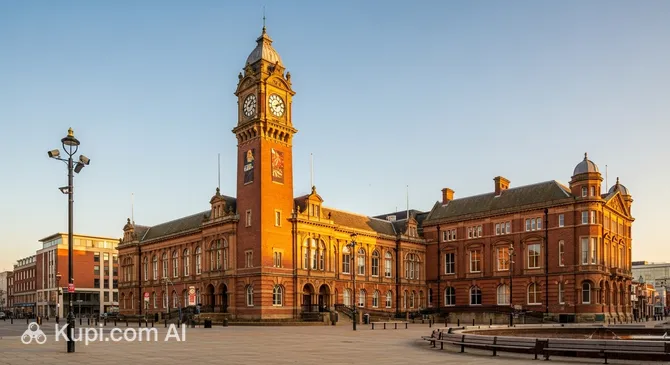
For those seeking a sophisticated spot to enjoy cocktails and music, Service Station on George Street is a notable venue. Despite its name, it is a chic bar offering a wide range of drinks and a lively atmosphere, often featuring DJs on weekends. If you prefer live entertainment, Hull City Hall is the city's premier concert venue. It regularly hosts major touring bands, comedy acts, and orchestral performances, serving as a cultural cornerstone for evening entertainment.

Hull City Hall. Source: Kupi.Binoculars

The atmosphere in Hull is generally relaxed and friendly. While some nightclubs and upscale bars in the city centre may have a smart-casual dress code (avoiding sportswear), most pubs and bars are casual. Friday and Saturday nights are naturally the busiest, with venues staying open late—often until 2:00 AM or 3:00 AM for clubs. Prices in Hull are famously reasonable compared to larger UK cities, making a night out here excellent value for money.

Safety is a priority in the city, and the main nightlife areas are well-lit and patrolled. To get around safely at night, it is best to use registered taxis. You can easily hail black cabs at designated ranks, such as the one near the station, or book a private hire vehicle via local apps or by phone. Walking between the Old Town and the Marina is safe and popular, but for longer journeys back to accommodation, a taxi is recommended.

Service Station. Source: Kupi.Binoculars

Beyond the bar scene, Hull offers plenty of entertainment options that bridge the gap between day and night. For a fun, interactive experience suitable for all ages, The Lost City Adventure Golf provides an indoor tropical rainforest setting for competitive mini-golf. Film buffs can catch the latest blockbusters at ODEON Luxe Hull, which offers a premium cinema experience with reclining seats. During the day, the city's theaters, such as Hull Truck Theatre and Hull New Theatre, present a wide array of drama and musicals, ensuring there is always something to see before the sun goes down.

Parks & Museums

Hull surprises visitors with its abundance of green spaces and a rich cultural tapestry that extends far beyond its waterfront. The city offers a delightful mix of tranquil gardens and fascinating institutions that delve deep into the region's archaeology, natural history, and maritime legacy, offering a well-rounded experience for every traveller.

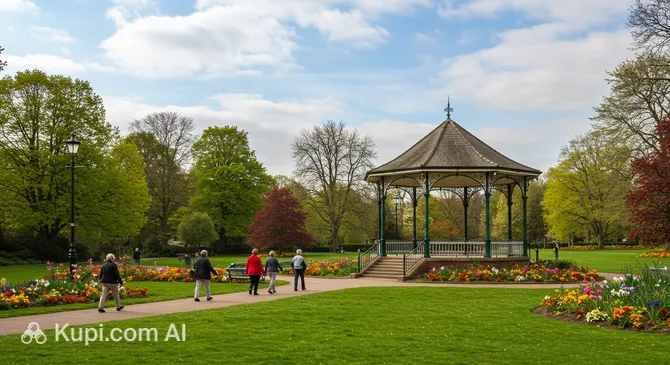
One of the city's most cherished green spaces is Pearson Park, situated in the leafy Avenues area. As Hull's first public park, it retains a distinct Victorian grandeur, featuring a restored conservatory, an ornate bandstand, and a serene lake that attracts local wildlife. It holds a special place in literary history as a favourite haunt of the poet Philip Larkin, making it a peaceful retreat for both nature lovers and those seeking a moment of reflection.

Pearson Park. Source: Kupi.Binoculars

In the very heart of the city lies Queen's Gardens, a unique urban oasis with a compelling backstory. Created in the 1930s by filling in the former Queen's Dock, this space transformed an industrial site into a sunken flower garden. Today, it serves as a central gathering point surrounded by prominent architecture, featuring beautiful floral displays and fountains that offer a vibrant contrast to the bustling streets nearby.

For a deep dive into the ancient past, the Hull & East Riding Museum is an unmissable stop in the Museum Quarter. This facility takes visitors on a journey through 235 million years of history, showcasing a life-sized woolly mammoth and a reconstructed Iron Age village. Its impressive collection of Roman mosaics and the mysterious Hasholme Logboat provide captivating insights into the lives of the area's earliest inhabitants.

Hull & East Riding Museum. Source: Kupi.Binoculars

Dominating Queen Victoria Square is the impressive Hull Maritime Museum. Housed in the opulent Victorian Dock Offices, the building itself is a masterpiece of architecture that reflects the city's wealthy trading past. While it is renowned for its extensive collection of whaling artefacts and ship models that narrate Hull's complex relationship with the sea, the exterior grandeur alone makes it a significant landmark to admire during a city tour.

Hull Maritime Museum. Source: Kupi.Binoculars

Families and those with a curiosity for the prehistoric world will enjoy Dinostar, Hull's interactive dinosaur museum. Located near the waterfront, this attraction brings the age of the dinosaurs to life with genuine bones, triceratops skulls, and hands-on exhibits. It offers an engaging break from traditional sightseeing, allowing visitors to touch fossils and learn about the giants that once roamed the earth.

An insider tip for culture seekers is that many of Hull’s museums, including those in the Museum Quarter, offer free admission. This accessibility allows you to explore the city's heritage at your own pace without worrying about ticket costs. The museums are often clustered close together in the Old Town, making it easy to hop from one historical era to another in a single afternoon.

Getting Around

Public transport in Hull is straightforward and relies primarily on an extensive bus network, as the city does not have a metro, tram, or trolleybus system. The city centre itself is compact and pedestrian-friendly, allowing visitors to easily walk between major attractions like the Marina, the Old Town, and the Museum Quarter. For journeys further afield, the bus services provided by two main operators, Stagecoach and East Yorkshire, offer reliable connections to the suburbs and surrounding areas.

The heart of the city's transport network is the Hull Paragon Interchange. This impressive Victorian station serves as a fully integrated transport hub where both rail and bus services converge. It is the most convenient starting point for almost any journey, with clear digital displays and information desks available to help you find the right route. The interchange is centrally located, making it easy to transition from a train arrival to a local bus or a taxi.

Paying for travel in Hull is modern and convenient for tourists. You do not need to purchase a specific travel card in advance; contactless payment (using a bank card, Apple Pay, or Google Pay) is widely accepted on all buses. Simply tap your card on the reader when you board. For those planning to make multiple journeys in a single day, it is advisable to ask the driver for a "DayRider" or a "Hull Plus" ticket, which allows unlimited travel on services provided by the specific operator or, in some cases, across both main networks within the city zone.

Fares are generally affordable. A single journey typically costs a couple of pounds, while a day pass offers excellent value if you plan to explore different parts of the city. Both Stagecoach and East Yorkshire have their own mobile apps, which are highly recommended for tourists. These apps allow you to plan routes in real-time, track bus locations, and purchase mobile tickets instantly, which you then scan upon boarding.

Bus services run frequently throughout the day, usually starting early in the morning and continuing until late evening. However, frequencies can drop significantly after 7:00 PM and on Sundays, so it is wise to check the timetables if you are planning a late night out. Most bus stops are clearly marked, and in the city centre, they often feature electronic screens displaying the estimated arrival times of the next buses.

If you prefer a more direct mode of transport, taxis are readily available. You can hail official hackney carriages (often white or black vehicles) at designated ranks, particularly outside the Paragon Interchange and near major nightlife spots. Alternatively, private hire vehicles and ride-sharing apps like Uber operate in the city, though these must be booked in advance via telephone or app. For a greener alternative, Hull's flat terrain makes it an ideal city for cycling. There are various cycle lanes, and bike hire schemes are occasionally available, with bike storage facilities located at the station.

Accommodation

Where to Stay:

Finding the perfect place to stay in Hull is relatively easy, as the city offers a range of accommodation to suit various budgets and preferences. While you will not find sprawling luxury resorts, the city provides a solid selection of reliable mid-range hotels, charming guesthouses, and modern serviced apartments. The hospitality here is warm and down-to-earth, ensuring a comfortable base for your explorations.

The most popular area for tourists is undoubtedly the City Centre and the adjacent Old Town. Staying here places you within walking distance of the main museums, the theatre district, and historic pubs. For a scenic view, consider looking for accommodation near the Marina and the Humber Street district. This trendy area offers a vibrant atmosphere with easy access to waterfront dining and bars, making it a fantastic choice for those who want to be in the heart of the cultural action.

St Stephen's Shopping Centre. Source: Kupi.Binoculars

If convenience is your top priority, particularly if you are travelling by train, the area surrounding the transport interchange and St Stephen's Shopping Centre is ideal. Several well-known international hotel chains operate in this vicinity, offering modern amenities and immediate access to both rail and bus links. This location is perfect for business travellers or those using Hull as a base to explore the wider East Yorkshire region.

In terms of pricing, Hull is generally more affordable than many other major UK cities. You can typically find excellent value in the budget to mid-range categories. Standard double rooms in reputable hotels are often reasonably priced, though costs can rise during major university events or the annual Freedom Festival. It is always a good tip to book your accommodation in advance, especially during the summer months or when a big match is playing at the stadium, to secure the best rates and availability.

Booking is straightforward, with most establishments listed on major online travel platforms. However, for smaller guesthouses or serviced apartments in the historic areas, checking their direct websites can sometimes yield special offers or more flexible check-in arrangements.

Nearby Cities

For those looking to explore the surroundings, Hull serves as an excellent base for day trips to several interesting nearby locations:

One of the most popular destinations for a day trip is York. Located approximately 54 km away, this historic walled city is renowned for its magnificent Minster, Viking heritage, and the medieval cobbled streets of the Shambles. It offers a rich cultural experience that contrasts beautifully with Hull's maritime character.

For those seeking fresh sea air, Cleethorpes is a traditional seaside resort situated on the Humber estuary. It features sandy beaches, a pier, and classic coastal entertainment, making it a relaxing spot for a family outing. Nearby Grimsby provides further insight into the region's industrial history, particularly its deep-rooted connection to the fishing industry.

City Population Distance (km)
York 181,131 54
Kingswood 160,260 4
Grimsby 88,243 28
Scunthorpe 79,977 29
Cleethorpes 38,996 31

These nearby destinations offer a glimpse into the diverse culture and landscapes of the region.

Shopping & Souvenirs

Hull offers a diverse shopping landscape that seamlessly blends modern convenience with historic character. The city centre is compact and pedestrian-friendly, allowing visitors to easily drift between large shopping malls, Victorian arcades, and vibrant independent districts. Whether you are looking for high-street fashion, unique gifts, or home essentials, the city provides plenty of options to suit every taste and budget.

The premier destination for retail therapy is St Stephen's Shopping Centre. Conveniently located next to the transport interchange, this striking modern complex serves as the city's main hub for popular high-street brands, lifestyle stores, and dining. Just a short walk away, you can visit Princes Quay, a distinctive shopping centre built on stilts over the former Prince’s Dock. It combines standard retail outlets with an outlet deck, offering great bargains with a view of the water.

For those who prefer a retail park experience with easy access and larger stores, The Mount Retail Park is a practical choice. Situated on Mount Pleasant, slightly east of the city centre, it hosts a variety of shops focusing on sports, electronics, and bicycles, making it a convenient stop for specific needs.

The Mount Retail Park. Source: Kupi.Binoculars

To experience the city's independent spirit, head to the historic Old Town. Here you will find Hepworth's Arcade, a stunning L-shaped Victorian arcade that houses local businesses, including a legendary joke shop, vintage boutiques, and jewellers. Nearby, the covered Trinity Market has been revitalised into a bustling space featuring artisan stalls, street food vendors, and vinyl record shops. The trendy Humber Street in the Fruit Market area is also a must-visit for contemporary boutiques and art shops.

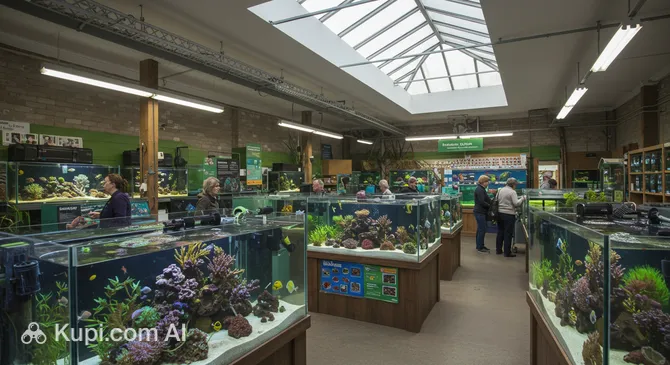
For visitors with a green thumb or an interest in aquatics, Ings Lane Garden & Water Garden Centre offers a specialized shopping experience. Located on the outskirts of the city, it provides a wide selection of plants, garden supplies, and water features, serving as a relaxing alternative to the busy high street.

Ings Lane Garden & Water Garden Centre. Source: Kupi.Binoculars

If you are looking for a unique souvenir to take home, consider picking up a pot of American Chip Spice, a paprika-based seasoning that is a culinary icon in Hull. Most shops in the city centre are open daily, typically from 9:00 AM to 5:30 PM, though Sunday hours are usually shorter, often from 10:30 AM to 4:30 PM.

Reached the end of the page?

That means the route is fully explored