Support

Anglesey

About

Anglesey is a captivating island destination located off the northwest coast of Wales in the United Kingdom. Known locally as Ynys Môn, this region offers a perfect blend of peaceful countryside, dramatic coastal scenery, and vibrant local culture. With a population of approximately 70,000 residents, it maintains a welcoming, community-focused atmosphere that feels both secluded and accessible to travelers.

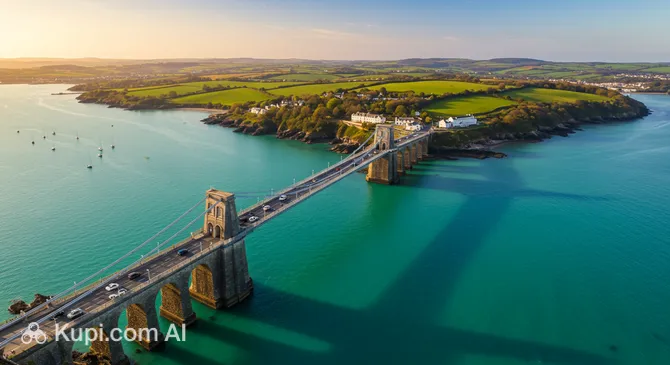
Anglesey. Source: Kupi.Binoculars

The island is separated from the mainland by the scenic Menai Strait and boasts a coastline largely designated as an Area of Outstanding Natural Beauty. The history of Anglesey is deeply rooted in the past, famously known as the last stronghold of the Druids and home to ancient prehistoric sites. Visitors are often drawn to the impressive Beaumaris Castle, a UNESCO World Heritage site that is considered one of the finest examples of late 13th-century military architecture.

Beyond its heritage, Anglesey is famous for unique landmarks such as the Menai Suspension Bridge and the village with one of the longest names in the world, Llanfairpwllgwyngyll. Nature lovers will find paradise at the South Stack Lighthouse, where rugged cliffs offer spectacular views and excellent birdwatching opportunities. Whether you are seeking a relaxing beach holiday or an adventure into the past, Anglesey invites you to discover its unique charm.

Weather Overview

Anglesey experiences a temperate maritime climate, heavily influenced by the surrounding Irish Sea. This ensures that the island generally avoids extreme temperature fluctuations, making it a year-round destination. To help pack appropriately for your trip, it is helpful to review the current weather in Anglesey before departure.

The summer months of June through August are the warmest and most popular for visitors. During this time, average temperatures climb to a pleasant 15.7°C in August, with daily highs reaching around 17.5°C. This period offers the best conditions for coastal walks and beach visits, although travelers should still be prepared for the occasional shower.

Winters are cool but rarely freezing, with January seeing average temperatures of about 6.5°C and lows staying above 5°C. Rainfall is frequent throughout the year, with wet days ranging from a low of 13 days in April to a high of 21 days in December. Overall, you can expect mild summers with occasional rain and cool, damp winters, so bringing waterproof layers is always a good idea.

Interesting Facts

Beyond the scenic coastline and historic castles, Anglesey holds a treasure trove of fascinating stories and local legends. This island has played a pivotal role in history and culture in ways that often surprise visitors, revealing secrets that go far deeper than its beautiful landscape.

  • A Record-Breaking Name: Anglesey is home to the village with the longest place name in Europe and the second longest in the world. The full name, Llanfairpwllgwyngyllgogerychwyrndrobwllllantysiliogogogoch, consists of 58 letters and translates to a very specific description of the location, including "Saint Mary's Church in the hollow of the white hazel near a rapid whirlpool."

  • The Copper Kingdom: In the 18th century, Parys Mountain on Anglesey was the site of the largest copper mine in the world. The mining activity was so intense that it shaped global markets and left behind a surreal, multi-colored landscape of reds, oranges, and purples that looks more like the surface of Mars than the Welsh countryside.

  • Mother of Wales: The island is historically known by the Welsh nickname Môn Mam Cymru, which means "Anglesey, Mother of Wales." This title was earned in the Middle Ages because the island's fertile farmland produced enough grain to feed the entire population of Wales during times of shortage.

  • Royal Residents: Before taking on full-time royal duties, the Prince and Princess of Wales (William and Kate) lived on Anglesey for several years. Prince William worked as a Search and Rescue pilot at the local RAF Valley base, allowing the couple to enjoy a relatively normal and private life on the island.

How to Get There

Planning a trip to this beautiful island is the first step toward an unforgettable Welsh adventure. While Anglesey is an island, it is incredibly well-connected to the mainland by two historic bridges, making access straightforward. For a detailed breakdown of routes and transport options, you can read more about how to get to Anglesey.

The region does not have its own commercial international airport, so most visitors arriving by air will land in a neighboring city and travel the rest of the way by road or rail. One of the most convenient options is Liverpool John Lennon Airport (IATA: LPL), located in Liverpool approximately 106 km away. From here, a journey by taxi or car typically takes around 1.5 hours depending on traffic. Another major hub is Manchester Airport (IATA: MAN) in Manchester, situated about 144 km from Anglesey. As a large international airport, it offers a wide range of flight connections, with the subsequent drive taking approximately 2 hours. Alternatively, travelers coming from Ireland can fly into Dublin Airport (IATA: DUB) in Dublin and catch a direct ferry to Holyhead on Anglesey.

For clarity, here is a summary of the main airports:

Airport Name City Passenger Traffic Km from City
Dublin AirportDublinLarge123.8
Manchester AirportManchesterLarge143.9
Liverpool John Lennon AirportLiverpoolMedium105.6
George Best Belfast City AirportBelfastMedium177.9
Isle of Man AirportDouglasSmall91.9

Traveling by train is another scenic and popular way to reach the area, often involving connections through major transport hubs in northwest England. While Anglesey itself has stations like Holyhead, long-distance travelers often pass through or transfer at larger city terminals. For instance, you might arrive at Lime Street Station in Liverpool, which is about 98 km away. From there, direct trains run along the North Wales coast to the island. Similarly, Manchester Piccadilly Station in Manchester serves as a key gateway, located approximately 147 km from Anglesey, offering frequent connections to the Welsh rail network.

Below is a list of significant railway stations in the wider region:

Station City Passenger Traffic Km to Center
Manchester Piccadilly StationManchesterLarge147.3
Lime Street StationLiverpoolLarge98.0
Chester Central StationChesterMedium103.7
Hereford StationHerefordMedium177.5
Oxenholme Lake District StationKendalSmall161.4

Main Attractions

Anglesey offers a diverse range of sights, from ancient fortifications and stately homes to scenic natural wonders. Exploring these locations provides a deeper understanding of the island's rich heritage and stunning geography, ensuring a memorable experience for every traveler.

One of the most significant landmarks is Beaumaris Castle, often cited as the most technically perfect castle in Britain. Although it was never fully completed, its concentric design and massive symmetrical walls are a marvel of medieval engineering. Visitors can explore the dark passages, walk along the battlements, and admire the moat that still surrounds this UNESCO World Heritage site, offering a glimpse into the turbulent history of the 13th century.

For those interested in aristocratic history and art, Plas Newydd House and Gardens is a must-visit. Situated on the shores of the Menai Strait, this elegant country house was the ancestral home of the Marquess of Anglesey. Inside, you can view the famous Rex Whistler mural and a fascinating museum dedicated to the Battle of Waterloo. Outside, the extensive gardens offer red squirrel encounters and breathtaking views across the water to the mountains of Snowdonia.

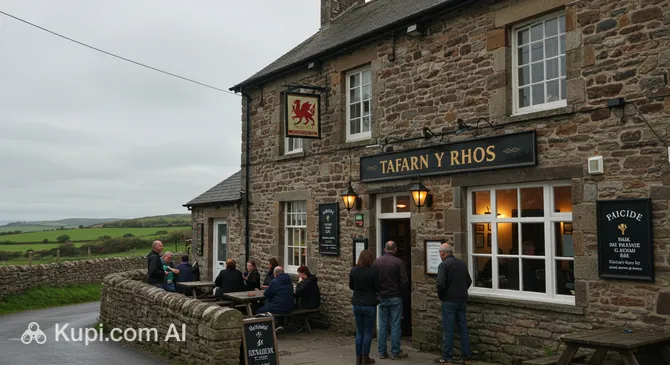
Tafarn Y Rhos. Source: Kupi.Binoculars

After a day of sightseeing, experiencing local hospitality is a key part of any trip. Tafarn Y Rhos is a welcoming establishment where visitors can unwind. Whether you are looking for a place to enjoy a meal or simply want to soak up the local atmosphere, this spot provides a comfortable setting to relax and recharge before continuing your island adventure.

Nature lovers should not miss Ynys Llanddwyn, a magical tidal island accessible from Newborough Beach. Steeped in legend, it is associated with St. Dwynwen, the Welsh patron saint of lovers. The island features ruined church remains, a picturesque lighthouse, and secluded coves. It is an ideal location for a romantic walk or a peaceful picnic, offering some of the finest coastal views in Wales.

Another unique attraction is the Anglesey Sea Zoo, the largest marine aquarium in Wales. Unlike typical aquariums, it focuses exclusively on British marine life. Visitors can see creatures found around the UK coast, such as conger eels, catsharks, and lobsters, and learn about important conservation projects like the seahorse breeding program. It is an educational and entertaining stop, particularly for families.

Local Cuisine

Anglesey is a fantastic destination for food enthusiasts, offering a culinary scene that is deeply connected to its island geography. The surrounding waters provide an abundant supply of fresh seafood, with Menai mussels and oysters being particular highlights found in many local restaurants. The island is also famous for Halen Môn, or Anglesey Sea Salt, a world-renowned product harvested from the Menai Strait that adds a unique finishing touch to dishes.

In addition to coastal treasures, the region celebrates traditional Welsh cuisine. Visitors can enjoy succulent Welsh lamb, often served as the centerpiece of a hearty Sunday roast. For those with a sweet tooth, local bakeries and cafes serve classic treats like Welsh cakes and Bara Brith, a spiced fruit loaf that is perfect for an afternoon snack.

The dining atmosphere on the island is diverse, ranging from upscale eateries to traditional inns. A great example of the local pub scene is Tafarn Y Rhos, a welcoming spot where travelers can unwind. Whether you are seeking a gourmet meal or a casual drink in a friendly setting, Anglesey provides a delicious taste of Wales.

Travel Tips

Getting around Anglesey is best done by car, as this offers the freedom to explore remote beaches, ancient standing stones, and hidden coves that are often inaccessible by public transport. While there is a bus network connecting main hubs like Holyhead, Beaumaris, and Llangefni, services to smaller villages can be infrequent, especially on Sundays. For those who enjoy active travel, the island is relatively flat and offers excellent cycling routes, as well as the famous coastal path for walkers.

Visitors will quickly notice that the Welsh language, Cymraeg, is a vibrant part of daily life here. Anglesey has one of the highest percentages of Welsh speakers in Wales, and you will see bilingual signage throughout the island. English is spoken everywhere, so communication is never a problem, but locals appreciate it if you attempt a few basic words, such as diolch (thank you) or bore da (good morning).

Because the coastline is a major draw, being aware of the tides is essential for a safe trip. The waters around the island, particularly in the Menai Strait, can have strong currents, and some attractions like tidal islands are only accessible at low tide. Always check local tide tables before setting out on coastal walks to avoid being cut off. Additionally, while mobile coverage is generally good in towns, signal can be patchy in rural areas and at the base of cliffs, so downloading offline maps is recommended.

Regarding practicalities, the currency is the Pound Sterling (£), consistent with the rest of the United Kingdom. Contactless payments and cards are widely accepted, but it is wise to carry some cash for small purchases at farm shops, independent cafes, or remote parking meters. Electrical outlets are the standard Type G with three rectangular pins, operating on a 230V supply, so international travelers may need an adapter.

Entertainment & Nightlife

Nightlife in Anglesey is defined by a relaxed and welcoming atmosphere rather than high-energy nightclubs or sprawling entertainment districts. The island’s evening scene revolves primarily around traditional Welsh pubs, cozy hotel bars, and waterfront eateries where the focus is on good conversation, locally brewed ales, and live acoustic music. Visitors will find that the pace slows down significantly after dark, offering a peaceful alternative to the bustling cities on the mainland.

The most vibrant areas for an evening out are typically found in the towns of Menai Bridge (Porthaethwy) and Beaumaris. Menai Bridge has developed a reputation as a culinary hub, featuring stylish bars and restaurants that stay open late, making it a favorite for couples and groups of friends. Beaumaris offers a more historic vibe, where centuries-old inns provide warmth and character, often accompanied by roaring fires and stories of the town's past. Holyhead, as the main port town, also has a selection of pubs, though they tend to cater more to locals and travelers in transit.

For a genuine taste of local hospitality, Tafarn Y Rhos is a reliable choice. Located centrally near Llangefni, it serves as a comfortable spot to enjoy a pint and mingle with residents. In Beaumaris, the Liverpool Arms is another notable venue, known for its nautical theme and popularity among sailors and tourists alike. Meanwhile, those looking for a cocktail with a view often head to the waterfront establishments in Menai Bridge, such as Dylan’s, which transforms from a restaurant into a lively evening venue.

Beyond drinking and dining, the Ucheldre Centre in Holyhead serves as the island's premier arts center. It frequently hosts evening entertainment ranging from film screenings and theater productions to concerts and art exhibitions. This converted convent offers a sophisticated night out for culture enthusiasts who want to experience the artistic side of the island.

Practicalities are important when planning a night out here. Public transport options like buses are limited in the late evening, so booking a taxi in advance is essential if you are not staying within walking distance of your venue. The island is extremely safe for night walks, but rural roads can be unlit and very dark, so carrying a torch is advisable. The dress code is almost universally casual, with a "smart casual" approach being suitable for the more upscale restaurants in Menai Bridge.

During the day, entertainment on the island takes a different form, focusing on exploration and heritage. Families can enjoy farm parks and the Anglesey Sea Zoo, while history buffs can explore the numerous ancient sites and museums scattered across the landscape. Whether you are hiking the coastal path by day or enjoying a quiet pint by night, Anglesey offers a consistent rhythm of relaxation and discovery.

Parks & Museums

Anglesey is a destination where natural splendor and rich cultural heritage intertwine, offering visitors a variety of green spaces and historical collections to explore. Beyond its famous coastline, the island features diverse landscapes ranging from serene woodlands to rugged country parks, alongside museums that preserve the unique stories and artistic traditions of this Welsh region.

One of the most scenic natural areas is Breakwater Country Park in Holyhead. Situated on the site of an old quarry used to build the massive Holyhead Breakwater, this park now serves as a haven for wildlife and walkers. It offers dramatic views of the rocky coast, towering cliffs, and the Irish Sea. The park is crisscrossed with walking trails that cater to different abilities, and it is a fantastic spot for birdwatching, with peregrine falcons and choughs often spotted along the cliffs.

For those who enjoy a mix of forest and sand, Newborough National Nature Reserve and Forest is an essential stop. This expansive area features one of the largest coastal dune systems in Britain and a sprawling pine forest that is one of the few remaining sanctuaries for the native red squirrel. Visitors can enjoy miles of walking and cycling tracks that wind through the trees before opening up onto expansive sandy beaches, providing a perfect escape into nature.

Culturally, the island’s hub is undoubtedly Oriel Môn in Llangefni. This museum and art gallery offers a comprehensive look at the history of Anglesey, from its prehistoric roots to the present day. It houses a significant collection of works by Sir Kyffin Williams, one of Wales' most celebrated artists, and frequently hosts exhibitions by local craftspeople. The museum effectively narrates the island's social and archaeological past, making it a great starting point for understanding the local identity.

Another fascinating cultural venue is Beaumaris Gaol, a Victorian prison that provides a grim but gripping insight into the penal system of the 1800s. Visitors can walk through the dimly lit corridors, step into the spartan cells, and see the original treadmill used for hard labor. It is a highly atmospheric museum that brings history to life, offering a stark contrast to the grandeur of the nearby castle.

For a truly unique experience, seek out the Plas Cadnant Hidden Gardens near Menai Bridge. Often described as one of the best-kept secrets in Wales, this historic estate was lost to the wilderness for decades before being lovingly restored. Today, it features a stunning valley garden with waterfalls and a walled garden, offering a peaceful retreat that feels like stepping into a "secret garden" novel.

Getting Around

Public transport on the island is primarily reliant on a network of buses and trains, as there are no metro, tram, or trolleybus systems available. The transport infrastructure is designed to connect the main towns and ferry port with the mainland, but it is important to note that services can be less frequent in rural areas. For most visitors without a car, a combination of rail for longer distances and buses for local exploration is the most effective way to get around.

The bus network is operated by several companies, with Arriva Wales being a major provider. These services link key hubs like Holyhead, Llangefni, and Beaumaris, as well as providing connections across the bridges to Bangor. A highly convenient option for tourists is the "1bws" ticket. This is a multi-operator day ticket that allows unlimited travel on almost all local buses across the entire North Wales region, making it an economical choice for day trips. You can purchase this ticket directly from the driver using contactless payment or cash.

The railway line is a fast and scenic way to travel across the island from east to west. The North Wales Coast Line runs from the Britannia Bridge to the port of Holyhead, stopping at several stations including Llanfairpwll, Bodorgan, Ty Croes, Rhosneigr, and Valley. Trains are operated by Transport for Wales and Avanti West Coast. While the train is excellent for crossing the island quickly, it does not reach the northern or eastern coasts, so it is best used in conjunction with other modes of transport.

Payment for transport is modern and user-friendly. Contactless card payments and mobile pay apps (like Apple Pay or Google Pay) are widely accepted on buses and at train stations. For rail travel, it is advisable to purchase tickets in advance via apps like the Transport for Wales app or at station vending machines to secure the best fares. If boarding at a small rural station without a machine or ticket office, you can usually buy a ticket from the conductor on the train.

For those seeking alternatives, taxis are available but cannot typically be hailed on the street. It is essential to book them in advance by phone or through a local app, especially in the evenings or on weekends. Car rental is arguably the most popular option for tourists, as it offers the freedom to reach secluded beaches and remote heritage sites that public transport does not serve. Cycling is also a fantastic way to see the island, with designated routes like the National Cycle Network Route 5 and 8 offering safe and picturesque paths.

A unique feature of the local transport network is the railway station at Llanfairpwll. While it functions as a regular stop, it is famous globally for bearing the full, lengthy version of the village's name. Many visitors stop here specifically to take a photo with the station sign. When planning your journeys, always check timetables using resources like Traveline Cymru, and be aware that bus and train frequencies often decrease significantly on Sundays and public holidays.

Accommodation

Where to Stay:

Accommodation in Anglesey caters to a wide variety of tastes and budgets, reflecting the island's laid-back and rural character. Rather than an abundance of high-rise chain hotels, the region is famous for its charming bed and breakfasts, traditional coaching inns, and self-catering holiday cottages. Camping and caravanning are also extremely popular here, with numerous sites located along the coast offering spectacular sea views. For those seeking a touch of luxury, there are several country house hotels and spa resorts tucked away in the countryside.

Choosing the right area to stay depends largely on the type of holiday you are planning. Beaumaris is a favorite for visitors who want a mix of history and sophistication; it offers a selection of boutique hotels and guesthouses within walking distance of the castle and the pier. For beach lovers, Trearddur Bay on the west coast is a prime location, featuring seaside hotels and rentals that provide immediate access to sandy shores and water sports. Menai Bridge is an excellent base for foodies and those who want easy access to both the island and the mainland, while Holyhead is convenient for travelers arriving by ferry or train who need a practical stopover.

While there are fewer large international hotel chains compared to major cities, the island boasts several independently run establishments that offer high standards of service. Visitors can expect to find historic inns that have been modernized to provide comfortable lodgings, often with the added bonus of a pub or restaurant on-site. These venues provide a cozy and authentic Welsh experience, often serving as a community hub as well as a place to sleep.

Booking Tip: Anglesey is a very popular summer destination, particularly during school holidays and bank weekends. The best cottages and sea-view rooms are often booked months in advance. To secure your preferred location, it is highly recommended to make reservations as early as possible, especially if you are visiting in July or August.

Prices for accommodation vary significantly depending on the season and the type of lodging. Generally, the island offers good value compared to other UK tourist hotspots, with a solid range of mid-range and budget-friendly options like campsites and hostels. Luxury rentals and hotels will naturally command a higher price, particularly those with coastal views. Booking is typically done through major online travel platforms or directly through the websites of local agencies specializing in Welsh holiday cottages.

Nearby Cities

Anglesey is perfectly positioned for exploring the wider wonders of North Wales. Located just across the Menai Strait from the mainland, the island serves as an excellent base for day trips to historic towns, vibrant university cities, and classic seaside resorts. Crossing either the Menai Suspension Bridge or the Britannia Bridge opens up a region rich in Victorian architecture and coastal beauty, all within a short drive or train ride.

The closest city to the island is Bangor, a cathedral city known for its university and the National Trust’s Penrhyn Castle. It is a hub of culture and history, sitting right at the gateway to Snowdonia. Further along the coast, visitors can reach Llandudno, the "Queen of Welsh Resorts," famous for its preserved Victorian promenade and historic pier. For those seeking a mix of beach relaxation and town amenities, Colwyn Bay and Rhyl offer sandy shores and family-friendly attractions.

Below is a list of major cities and towns located near Anglesey, along with their population and approximate distance:

City Population Distance (km)
Bangor 61,011 20
Llandudno 20,701 41
Colwyn Bay 34,284 47
Rhyl 25,149 63
Wallasey 60,284 93

Shopping & Souvenirs

Shopping:

Shopping in Anglesey offers a delightful departure from the hustle and bustle of large commercial centers. Instead of sprawling mega-malls, the island is characterized by charming independent boutiques, family-run farm shops, and galleries showcasing local craftsmanship. Visitors will find that the retail experience here is intimately tied to the region's culture and landscape, with a strong emphasis on locally produced food, art, and traditional Welsh goods.

For a picturesque shopping experience, the town of Beaumaris is the premier destination. Castle Street and its surrounding lanes are lined with colorful Victorian buildings housing antique dealers, fashion boutiques, and gift shops. It is the perfect place to browse for unique jewelry or home decor before stopping at a cafe. Another key area is Menai Bridge, which has developed a reputation for high-quality independent stores, particularly those focusing on interiors, books, and artisanal foods. Llangefni, located in the center of the island, serves as the main market town and offers a mix of high street staples and local traders.

While Anglesey does not have massive indoor shopping malls comparable to major cities, it does offer convenient retail parks for practical needs. The Penrhos Retail Park in Holyhead is the largest of its kind on the island, featuring major supermarkets and well-known British chain stores. For a more tourist-oriented large-scale shopping experience, the James Pringle Weavers complex in Llanfairpwllgwyngyll is a landmark in itself. This extensive store offers everything from clothing and luggage to a vast array of souvenirs, making it a popular stop for tour buses and visitors looking to buy gifts in one go.

Markets remain an important part of community life and are excellent places to discover local flavor. The Llangefni Market is held on Thursdays and Saturdays, offering an open-air selection of fresh produce, household goods, and clothing. For foodies, the monthly Menai Bridge Farmers Market is a highlight, drawing producers from across the island who sell fresh cheeses, meats, preserves, and baked goods directly to the public.

When looking for souvenirs to take home, Halen Môn (Anglesey Sea Salt) is undoubtedly the island's most famous export. Harvested from the Menai Strait, it is sold in beautiful ceramic jars and is a favorite among top chefs worldwide. Other authentic gifts include products made from Welsh slate, such as coasters or cheese boards, and traditional woolen items like blankets or scarves. Wooden "love spoons," intricately carved symbols of affection, also make for meaningful and traditional Welsh keepsakes.

Store opening hours generally follow the standard UK pattern, with most shops open from approximately 9:00 AM to 5:30 PM, Monday through Saturday. On Sundays, larger stores and supermarkets operate on reduced hours, typically from 10:00 AM to 4:00 PM, while some smaller independent shops in rural areas may close completely. Payment methods are modern and convenient; credit and debit cards, including contactless payments, are widely accepted even in small villages, though carrying a small amount of cash is useful for market stalls or remote farm gates.

Regarding tax-free shopping, visitors should be aware that the United Kingdom no longer operates a VAT refund scheme for tourists shopping in stores. This means that international travelers cannot claim back the sales tax on goods carried in their personal luggage upon leaving the country. The price you see on the shelf is the final price you pay.
Reached the end of the page?

That means the route is fully explored