Support

Belfast

About

Belfast, the capital of Northern Ireland, has blossomed into a dynamic and welcoming destination known for its spirited atmosphere and rich cultural tapestry. Situated on the banks of the River Lagan on the east coast, this port city is home to approximately 333,000 residents, making it a bustling center of activity. As a significant part of the United Kingdom, Belfast offers a unique blend of traditional charm and modern energy, creating a distinct character that captivates travelers from around the world.

Belfast. Source: Kupi.Binoculars
The city is renowned for its impressive architectural legacy and deep maritime roots. Exploring the history of Belfast reveals its former status as a global industrial powerhouse, particularly famous for its linen production and shipbuilding excellence. Today, this legacy is proudly celebrated at Titanic Belfast, a world-class visitor attraction located on the very slipways where the legendary ship was built. Beyond the historic docks, the city center is anchored by the magnificent Belfast City Hall, an Edwardian masterpiece that dominates Donegall Square with its copper domes and beautiful grounds. For those seeking local flavor, St George's Market offers a sensory delight with its fresh produce, local crafts, and live music, perfectly reflecting the city's warm community spirit. Whether you are strolling through the Victorian-era Botanic Gardens or enjoying the lively ambiance of the Cathedral Quarter, Belfast promises an unforgettable experience. It is a city that invites you to explore its fascinating stories, enjoy its legendary hospitality, and discover the unique beauty of the region.

Weather Overview

Belfast experiences a temperate maritime climate, characterized by mild conditions and a fair amount of rainfall throughout the year. The weather is generally moderate, avoiding extreme heat or cold, which makes the city accessible for exploration in any season. For a more detailed breakdown of what to expect during your specific travel dates, you can consult the guide on the weather in Belfast.

Summers in the city are pleasant but rarely hot, with average temperatures in July and August hovering around 14.9°C and highs reaching up to 17.4°C. Winters are cool rather than freezing, with January seeing average temperatures of 5.3°C and lows dipping to 3.6°C. Rainfall is a consistent feature of the local climate, with the city recording between 14 and 18 wet days per month regardless of the time of year. Expect mild temperatures year-round with frequent chances of rain, so packing layers and a waterproof jacket is always recommended.

Interesting Facts

Beyond the famous landmarks, Belfast holds many fascinating secrets and cultural milestones that often surprise visitors. From literary inspirations to rock and roll history, the city offers plenty of unique stories for the curious traveler.
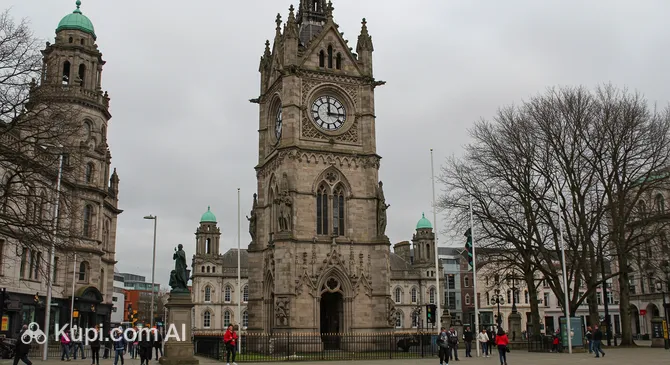
Albert Memorial Clock. Source: Kupi.Binoculars
  • Belfast has its own answer to the Tower of Pisa. The Albert Memorial Clock was constructed on marshy, reclaimed land near the river, which caused it to list gradually; today, it leans approximately four feet off the vertical.

  • Music history was made in the city when the legendary rock band Led Zeppelin performed "Stairway to Heaven" live for the very first time at the historic Ulster Hall in March 1971.

  • The city is the birthplace of C.S. Lewis, the author of The Chronicles of Narnia. His imagination is celebrated at CS Lewis Square, where you can find bronze sculptures of characters like Aslan and the White Witch.

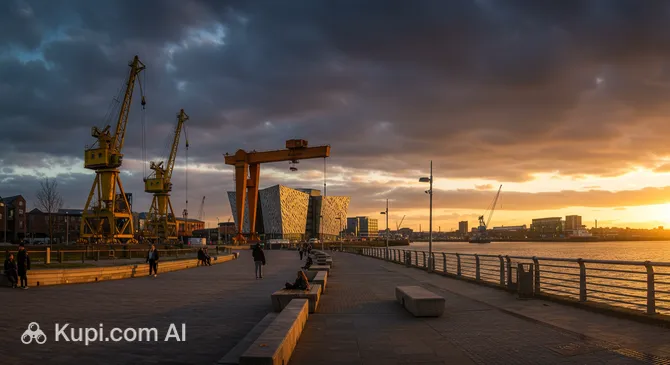
  • The skyline is dominated by two massive yellow gantry cranes affectionately known as Samson and Goliath. These iconic structures are not just industrial equipment but are protected historical monuments symbolizing the city's shipbuilding heritage.

  • The ceramic scales of The Big Fish sculpture on the quayside are more than just decoration; each tile contains a text or image that tells a specific part of Belfast's history, acting as a time capsule for the city.

How to Get There

Reaching the capital of Northern Ireland is straightforward, with several convenient air links and transport options available. Whether you are flying directly into the city or arriving via a neighboring hub, you can find more about how to get to Belfast and plan your journey efficiently.

The city is served by two primary airports, making air travel the most popular method of arrival. George Best Belfast City Airport (IATA: BHD) is the closest option, located just 4.4 km from the center. It is a convenient regional hub, and a taxi or bus ride into town typically takes around 25 to 30 minutes. For a wider range of flights, Belfast International Airport (IATA: BFS) is the main gateway, situated approximately 19.6 km from the city. The transfer from here usually takes about 50 minutes. Additionally, many international visitors choose to fly into Dublin Airport (IATA: DUB) in Dublin. Although it is about 132.8 km away, it offers extensive global connections and is linked to Belfast by frequent express buses.

For clarity, here is a summary of the main airports:

Airport Name City Passenger Traffic Km from City
Dublin Airport Dublin Large 132.8
Belfast International Airport Belfast Large 19.6
George Best Belfast City Airport Belfast Medium 4.4
Isle of Man Airport Douglas Medium 102.4
City of Derry Airport Londonderry Small 93.4

If you are traveling by rail from Great Britain, you will typically need to combine your train journey with a ferry crossing. The closest major railway hubs on the mainland are Glasgow Central Station in Glasgow, approximately 176.2 km away across the Irish Sea, and Waverley Railway Station in Edinburgh, located about 230.4 km away. From these points, travelers can proceed to ferry ports such as Cairnryan to complete their journey to Belfast.

Below is a list of the nearest major railway stations in the region:

Station City Passenger Traffic Km to Center
Glasgow Central Station Glasgow Large 176.2
Waverley Railway Station Edinburgh Large 230.4
Aberdeen Railway Station Aberdeen Medium 178.4
Carlisle Central Station Carlisle Medium 195.7
Oxenholme Lake District Station Kendal Small 210.6

Main Attractions

Belfast is a city where history and modernity converge, offering visitors a wide array of world-class attractions. From its maritime heritage to its artistic quarters, the city is packed with landmarks that tell the story of its industrial past and its vibrant cultural present. Below are some of the top places to include in your itinerary.

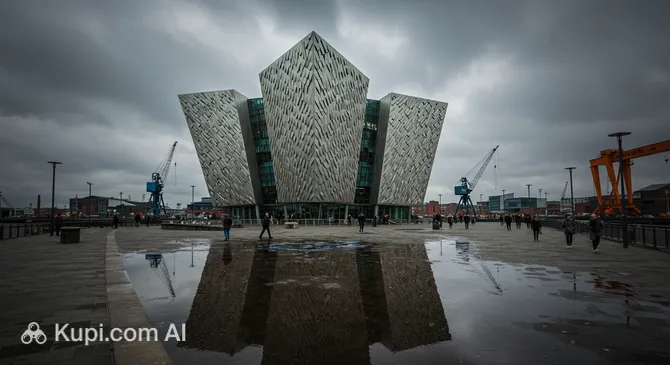
Located in the heart of the Titanic Quarter, Titanic Belfast is the world's largest visitor experience dedicated to the famous liner. Standing on the very slipways where the ship was built, this shimmering, star-shaped building houses nine interactive galleries. Visitors can explore the sights, sounds, and smells of the shipyard, uncover the myths surrounding the tragedy, and view the wreckage through a unique underwater exploration theater. It is an immersive journey into the city's proud shipbuilding legacy.

Titanic Belfast. Source: Kupi.Binoculars

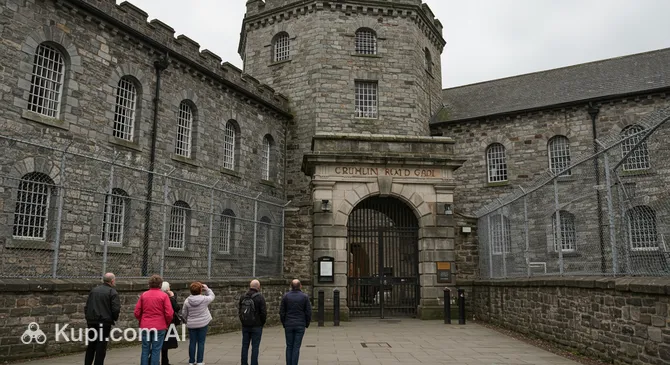
For a captivating look into the region's penal history, a tour of Crumlin Road Gaol is essential. This Victorian-era prison, which operated for 150 years before closing in 1996, opens its heavy iron doors to the public for guided tours. You can walk through the wings, sit in the Governor's chair, and enter the underground tunnel that once connected the gaol to the courthouse across the street. The site offers a chilling yet fascinating insight into the daily lives of prisoners and guards from a bygone era.

Crumlin Road Gaol. Source: Kupi.Binoculars

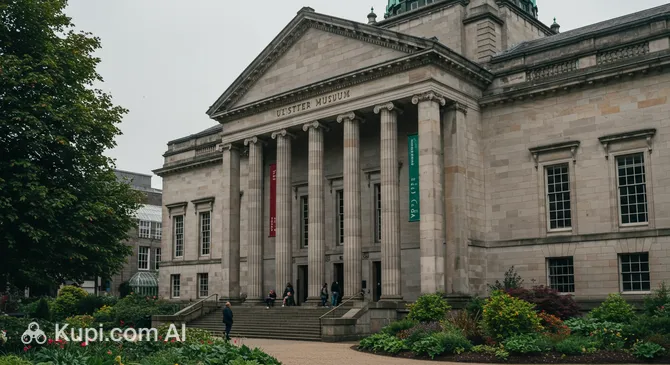
Nature and culture blend seamlessly at the Ulster Museum, situated within the scenic Botanic Gardens. This treasure trove features extensive collections ranging from fine art and applied art to archaeology and ethnography. Highlights include the Takabuti mummy, dinosaur skeletons, and artifacts from the Spanish Armada. It is a fantastic destination for families and history buffs alike, offering a comprehensive overview of Ireland's natural and human history.

Ulster Museum. Source: Kupi.Binoculars

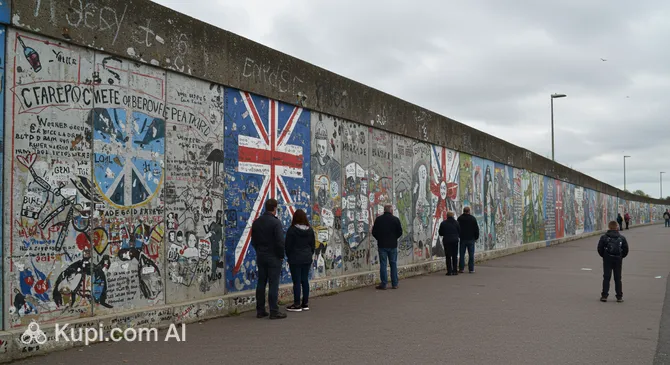
A significant part of the city's landscape is the Peace Wall, a series of barriers that separate different communities. Today, these walls have transformed into an open-air gallery adorned with colorful murals and political artwork. Visitors often take Black Cab Tours to see these famous murals up close, sign their names on the wall, and learn about the social history and transformation of the local neighborhoods. It is a powerful symbol of how far the city has come.

Peace Wall. Source: Kupi.Binoculars

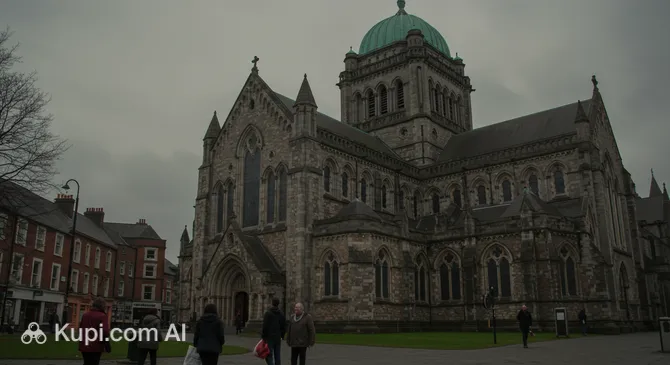
Anchoring the bustling Cathedral Quarter is the magnificent Belfast Cathedral (St Anne's Cathedral). This Romanesque masterpiece is instantly recognizable by its "Spire of Hope," a light-filled structure that pierces the skyline. Inside, the cathedral is adorned with beautiful mosaics, elaborate stone carvings, and stunning stained glass. It serves not only as a place of worship but also as a vibrant venue for musical and cultural events, reflecting the artistic spirit of the surrounding area.

Belfast Cathedral (St Anne's Cathedral). Source: Kupi.Binoculars

Local Cuisine

Belfast has undergone a remarkable culinary renaissance, transforming into one of the most exciting food destinations in the United Kingdom. The city's food scene is characterized by a deep respect for local produce, with chefs taking full advantage of Northern Ireland's lush pastures and coastline. From Michelin-starred dining to bustling street food stalls, the capital offers a gastronomic experience that blends traditional Irish comfort food with modern innovation.

No visit to the city is complete without starting your day with the legendary Ulster Fry. While similar to other cooked breakfasts, the local version is distinguished by two essential ingredients: soda bread and potato bread (often called potato farls). Fried until golden and crisp, these unique breads accompany bacon, sausages, eggs, and black pudding, creating a hearty meal that fuels locals and tourists alike for a day of exploration.

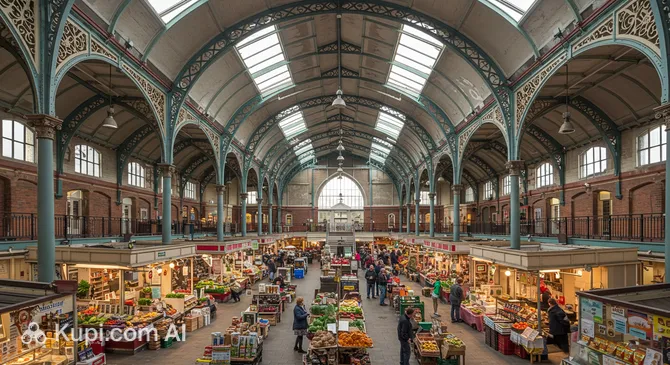
For a true taste of the city's community spirit and fresh flavors, St George's Market is an unmissable stop. As the last surviving Victorian covered market in Belfast, it comes alive on weekends with traders selling everything from fresh Atlantic seafood to artisan cheeses. It is the perfect place to sample local delicacies, grab a hot snack, and soak up the vibrant atmosphere accompanied by live music.

St George's Market. Source: Kupi.Binoculars

If you are looking for a quintessential local lunch, try the famous Belfast Bap. This large, crusty white bread roll, often baked until the top is dark and chewy, is a city staple typically stuffed with sausages, bacon, or cheese. For seafood lovers, the city's proximity to the coast ensures a steady supply of fresh catch, with creamy seafood chowder and Strangford Lough oysters appearing on many menus.

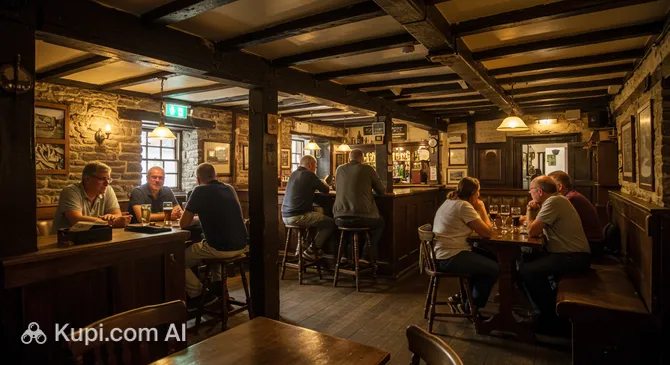
The city's pub culture is inextricably linked to its food scene, particularly in the lively Cathedral Quarter. Here, you can enjoy a pint of locally brewed stout or a glass of Irish whiskey alongside a bowl of traditional Irish stew. Historic establishments like Kelly's Cellars, one of the city's oldest pubs, offer an authentic experience where the warmth of the hospitality is as memorable as the food and drink.

Kelly's Cellars. Source: Kupi.Binoculars

Another icon of the local social scene is the Duke of York, tucked away in a cobbled alleyway. Known for its vast selection of whiskeys and its colorful, flower-filled exterior, it represents the convivial nature of Belfast's nightlife. Whether you are dining in a high-end restaurant or enjoying a casual meal in a pub, the city's cuisine is defined by generous portions, high-quality ingredients, and a welcoming "craic" that makes every meal special.

Travel Tips

Visiting Belfast is a delightful experience filled with warm hospitality and vibrant culture, but having a bit of local know-how can make your trip significantly smoother and more enjoyable. To help you navigate the capital of Northern Ireland with confidence, here are some practical tips covering everything from packing essentials to navigating the social scene.

  1. Clothing and Gear: The weather in Belfast can be changeable, often experiencing "four seasons in one day." It is essential to pack layers, including a warm sweater and a reliable waterproof jacket or umbrella, regardless of when you visit. Comfortable walking shoes are a must, especially for exploring the cobbled streets of the Cathedral Quarter. For electronics, bring a Type G power adapter (three rectangular pins), which is the standard throughout the UK.
  2. Transportation: The city center is compact and very walkable, but for longer distances, the public transport network operated by Translink is efficient. This includes the pink "Metro" buses and the modern, purple "Glider" articulated buses that connect East and West Belfast with the Titanic Quarter. You can buy day tickets for unlimited travel. Taxis and ride-hailing apps are readily available, so car rental is generally unnecessary unless you plan to drive up the Causeway Coast.
  3. Finances: The local currency is the Pound Sterling (£). It is important to note that banks in Northern Ireland issue their own banknotes; while these are legal currency across the UK, they look different from English notes and might be harder to exchange back home, so try to spend them before you leave. Credit and debit cards, particularly contactless payments, are widely accepted everywhere. Tipping is customary in restaurants; leaving 10-15% is standard if a service charge hasn't already been added.
  4. Health and Safety: Belfast is a safe city for tourists, but like any major urban area, it is wise to stick to well-lit, busy streets at night. Pharmacies (often called "chemists") are easy to find, with major chains like Boots located in the city center. For any medical emergencies, the number to dial is 999. Tap water is safe to drink, so you can carry a reusable water bottle.
  5. Communication: English is the spoken language, though you may encounter the fast-paced and melodic local accent. Locals are generally very helpful and willing to repeat themselves if asked politely. Free Wi-Fi is available in most cafes, museums, and on public transport. Buying a local SIM card is easy at the airport or in city center shops if you need constant data access.
  6. Local Etiquette: The people of Belfast are known for their friendliness and "craic" (fun conversation). It is polite to greet shop staff and bus drivers; a simple "thanks" to the driver when getting off the bus is the norm. If you are drinking in a pub with a group of locals, be aware of the "rounds" system, where each person takes a turn buying drinks for the whole group—skipping your turn is considered rude.
  7. What to Avoid: Do not refer to Northern Ireland as "England" or the locals as "English." This is geographically incorrect and can be offensive to residents who are proud of their distinct regional identity. Additionally, avoid assuming the weather will hold; even if the sun is shining in the morning, leaving your raincoat at the hotel is rarely a good idea.
  8. Additional Tip: Be mindful of Sunday trading hours. Unlike many other European cities, most shops in the city center, including large high-street brands, have restricted opening times on Sundays, typically opening around 1:00 PM and closing by 6:00 PM. Plan your shopping or souvenir hunting for Saturday or weekday afternoons to avoid disappointment.

By keeping these simple tips in mind, you will be well-prepared to relax and soak up the unique atmosphere of this historic city. Belfast is a place that rewards curiosity and friendliness, so don't hesitate to strike up a conversation with a local and enjoy the legendary welcome that awaits you.

Entertainment & Nightlife

As the sun sets, Belfast transforms into a vibrant hub of activity, offering a nightlife scene that rivals many larger European capitals. The city is renowned for its energetic atmosphere, driven by a deep-rooted passion for live music and socializing. The epicenter of this evening buzz is undoubtedly the Cathedral Quarter. With its cobbled streets illuminated by fairy lights and murals, this district is packed with pubs, beer gardens, and restaurants, making it the perfect starting point for any night out. The crowd here is a mix of locals and visitors, creating a welcoming and inclusive vibe where conversation flows as freely as the drinks.

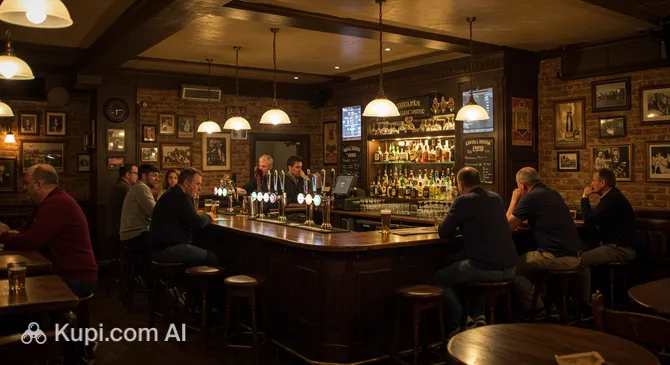
For those seeking an authentic local experience, the Sunflower Public House is an absolute must-visit. Instantly recognizable by the security cage on its door—a relic of the city’s past now preserved as part of its heritage—this corner pub is a sanctuary of traditional music and craft beers. Inside, it is free of gimmicks, focusing instead on great service and a bustling beer garden that serves wood-fired pizza. It captures the true spirit of the city: unpretentious, friendly, and full of character.

Sunflower Public House. Source: Kupi.Binoculars

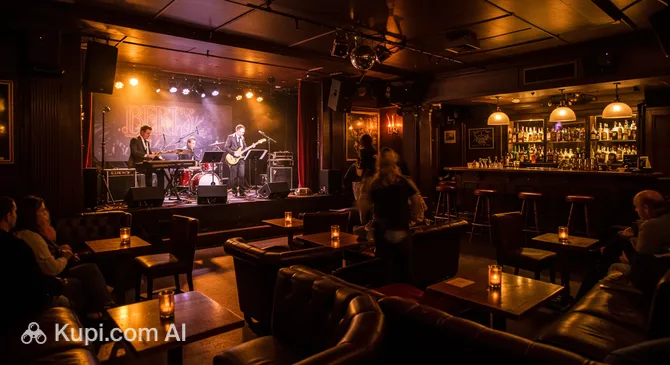
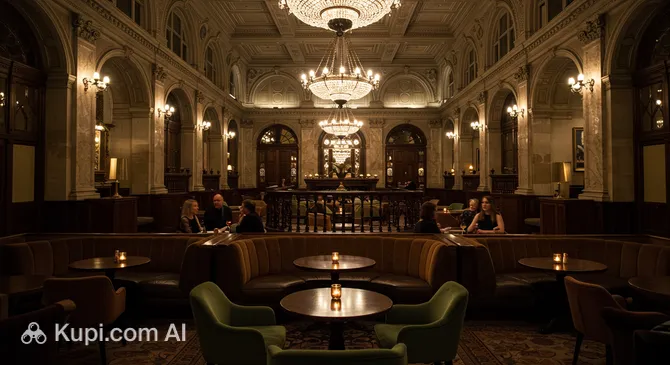
If your taste leans towards something more sophisticated, Bert's Jazz Bar offers a glamorous escape reminiscent of the Art Deco era. Located within the Merchant Hotel, this venue serves exquisite cocktails and a French bistro menu accompanied by live jazz performances seven nights a week. For a stark contrast and a grittier edge, Voodoo on Fountain Street is the go-to spot for alternative music lovers. With a downstairs taproom and an upstairs club hosting rock, punk, and indie gigs, it showcases the city's rebellious and creative musical side.

Bert's Jazz Bar. Source: Kupi.Binoculars

Belfast is a UNESCO City of Music, and its entertainment options extend well beyond pubs. The Odyssey Arena (SSE Arena) is the premier venue for major international concerts and sporting events, situated in the Titanic Quarter. For a more intimate cultural experience, The MAC (Metropolitan Arts Centre) hosts an eclectic mix of theatre, dance, and art installations in a stunning modern building. Whether you are looking for a comedy show, a blockbuster gig, or experimental theatre, the city's calendar is always full.

When planning your night out, keep in mind that the dress code is generally "smart casual." While some upscale clubs may require shoes and shirts, most bars and pubs are very relaxed. Prices are reasonable compared to other UK cities, with a pint of beer costing around £5 to £6. The city center is generally safe for walking at night, especially in busy areas like the Cathedral Quarter and Golden Mile. However, for getting home, it is best to book a taxi through reputable local companies like Value Cabs or Fonacab, as hailing one on the street can sometimes be difficult on weekends.

While the nights are electric, the city also offers plenty of daytime entertainment. Families will love W5, an award-winning interactive science and discovery center with hundreds of exhibits. For those looking for active fun, the Andersonstown Leisure Centre features a massive indoor water park with high-speed slides and a surf simulator, providing thrills for all ages before the evening festivities begin.

Parks & Museums

Belfast is a city that balances its industrial heritage with an abundance of green spaces and a wealth of cultural institutions. Beyond the bustling streets and shipyards, visitors can find tranquility in Victorian-era parks or dive deeper into maritime history at floating museums. Whether you are looking to enjoy a peaceful walk among exotic plants or explore the decks of historic vessels, the city offers a diverse range of attractions to suit every interest.

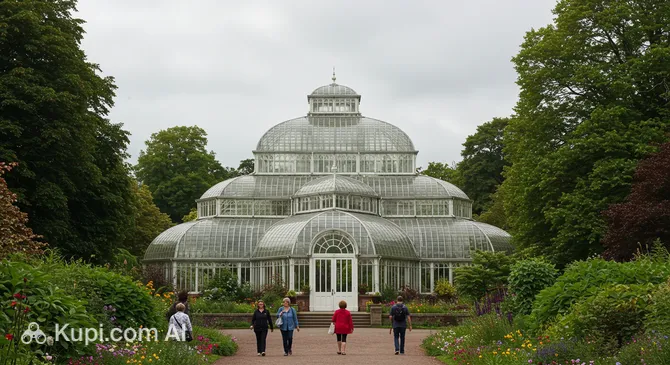
One of the most beloved green spaces in the city is the Botanic Gardens, located near Queen's University. Established in the 19th century, this park is famous for its impressive Victorian glasshouses. The Palm House, with its elegant curvilinear ironwork, and the Tropical Ravine, which houses a lush jungle of ferns and waterfalls, are architectural and horticultural gems. It is a perfect spot for a leisurely stroll, a picnic on the grass, or simply admiring the meticulously maintained flower beds that bloom vibrantly throughout the seasons.

Botanic Gardens. Source: Kupi.Binoculars

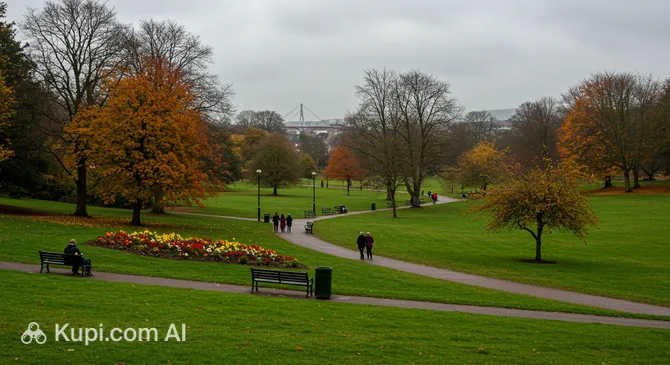
For those seeking a larger recreational area, Ormeau Park stands as the oldest municipal park in the city. Spanning a vast area along the River Lagan, it offers a mix of woodland paths, open lawns, and sports facilities. It is a popular destination for joggers, walkers, and families, and it often plays host to outdoor concerts and festivals. The park's varied landscape, from formal gardens to wilder wooded areas, provides a refreshing escape from the urban environment.

Ormeau Park. Source: Kupi.Binoculars

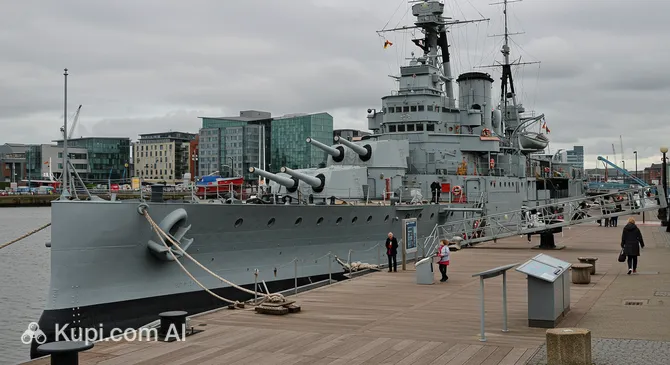
Belfast's maritime history is brought to life at HMS Caroline, a unique museum ship docked in the Titanic Quarter. As the last surviving ship from the Battle of Jutland in World War I, it offers an unparalleled glimpse into naval warfare of the early 20th century. Visitors can explore the restored cabins, the engine room, and the bridge, experiencing what life was like for the crew at sea. The interactive exhibits and authentic atmosphere make it a fascinating stop for history enthusiasts.

HMS Caroline. Source: Kupi.Binoculars

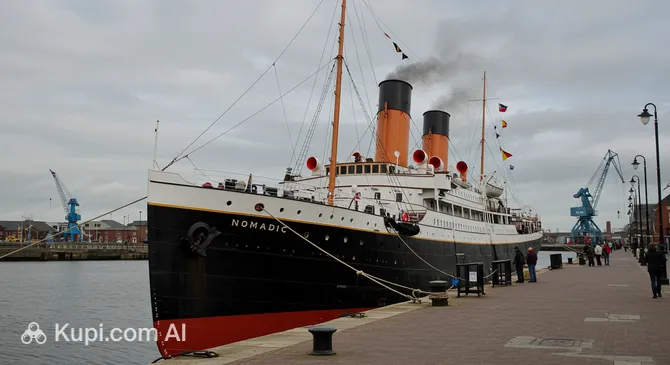
Nearby lies another significant vessel, the SS Nomadic. Known as the "little sister" to the Titanic, this tender ship was used to ferry passengers to the great liners. It has been beautifully restored to its original glory, allowing guests to walk the same decks as famous historical figures. The museum provides a more intimate perspective on the White Star Line's legacy, showcasing the luxurious fittings and the stories of the people who traveled on her.

SS Nomadic. Source: Kupi.Binoculars

For a more rugged natural experience, a visit to Lisnabreeny and Cregagh Glen offers a fantastic insider's adventure. This National Trust site features a wooded glen with a picturesque waterfall, leading up to the Castlereagh Hills. The climb is rewarding, offering panoramic views over the city and the lough. It is a wonderful place to connect with nature and enjoy the stunning scenery that surrounds the capital.

Getting Around

Navigating Belfast is remarkably straightforward thanks to its compact size and efficient public transport network. The system is primarily operated by Translink, which integrates bus and rail services, making it easy for visitors to get around the city and its suburbs. While the city center is walkable, the public transport options are modern, clean, and reliable, offering a convenient way to reach attractions like the Titanic Quarter or the parliament buildings at Stormont.

The backbone of the city's transport is the bus network, which is divided into two main services: Metro and Glider. The Metro buses are distinctively pink and cover the majority of residential and commercial areas within the city. They operate on numbered corridors, making route planning simple. A newer addition is the Glider, a rapid transit system featuring long, purple, tram-like articulated buses. The Glider connects East and West Belfast and the Titanic Quarter with the city center, offering a fast and smooth service with fewer stops and dedicated lanes.

For travel to the outer suburbs or nearby coastal towns like Bangor and Holywood, NI Railways provides a fast and scenic option. The train network is less about inner-city commuting and more suited for day trips or reaching areas just outside the main urban sprawl. Trains are comfortable and generally run on a reliable schedule, departing from key hubs like Great Victoria Street (now replaced by the Grand Central Station hub) and Lanyon Place.

Paying for transport is designed to be flexible. The most convenient option for tourists is the mLink mobile app, which allows you to buy tickets instantly on your phone for Metro, Glider, and rail services. Alternatively, you can purchase a DayLink travel card, offering unlimited travel on Metro and Glider buses for a full day. Contactless payment with credit or debit cards is also widely accepted on board Metro buses. However, a crucial rule for the Glider service is that you must purchase or validate your ticket at the halt before boarding; you cannot buy tickets from the driver.

Fares are generally affordable, with a typical day ticket costing around £3.50 to £4.50, depending on the zones you wish to travel in. If you prefer paying with cash, it is still accepted on Metro buses, but having the exact fare is highly recommended to keep the service moving. For longer stays, the iLink smartcard offers unlimited travel across buses and trains within specified zones and can be topped up at stations or participating shops.

Public transport generally operates from around 6:00 AM until 11:00 PM. On weekends, special "Nightmover" services often run on popular routes to help late-night revelers get home safely. It is always wise to check the latest timetables via the Translink website or app, especially on Sundays or public holidays when frequencies may be reduced.

For those who prefer active travel, Belfast Bikes offers a public bicycle rental scheme with over 50 docking stations scattered throughout the city. You can register via an app or at a terminal, release a bike, and explore at your own pace; the first 30 minutes of each trip are usually free. This is an excellent way to see the waterfront or ride through the parks on a sunny day.

Taxis are another popular alternative, especially at night. Unlike London, you cannot always hail a cab on the street unless you are at a designated rank. It is more common to book a taxi by phone or app through major local companies like Value Cabs or Fonacab. Ride-sharing services like Uber are also available and operate effectively within the city. "Black Taxis" are a unique feature of the city; while famous for their political history tours, they also function as shared transport along specific corridors in West and North Belfast, operating similarly to buses.
Accommodation

Belfast offers a welcoming and diverse range of accommodation, reflecting its status as a growing international destination. From grand historic hotels that tell the story of the city's industrial wealth to contemporary waterfront properties, there is something to suit every taste and budget. The city center is compact, meaning that no matter where you stay, you are likely to be within walking distance of the main sights, shops, and transport hubs.

For a stay defined by elegance and history, The Merchant Hotel is the undisputed highlight of the hospitality scene. Located in the vibrant Cathedral Quarter, this five-star hotel is housed in a magnificent former bank building dating back to the mid-19th century. It is renowned for its blend of Victorian and Art Deco styles, offering guests an opulent retreat in the heart of the action. Whether you are enjoying afternoon tea in the Great Room or relaxing in the rooftop hot tub, it provides an unforgettable experience.

The Merchant Hotel. Source: Kupi.Binoculars

Choosing the right neighborhood can enhance your visit. The Cathedral Quarter is perfect for those who want to step out of their hotel directly into the city's best nightlife and culinary scene. For a quieter, more scenic stay, the Titanic Quarter offers modern hotels with views over the River Lagan and the famous yellow cranes, Samson and Goliath. Meanwhile, the Queen's Quarter (University Quarter) is ideal for a more relaxed, bohemian atmosphere, filled with leafy streets, independent cafes, and proximity to the Botanic Gardens.

Budget-conscious travelers are well catered for, with a wide selection of reputable hostels, budget hotel chains, and charming bed and breakfasts. Many of the B&Bs are family-run and offer a traditional Irish welcome, often including a hearty breakfast to start your day. Accommodation prices in Belfast are generally reasonable compared to other UK capitals, but demand is high during the summer months and festivals, so booking early is highly recommended to secure the best rates and locations.

Nearby Cities

For those looking to explore the surroundings, Belfast serves as an excellent base for day trips to several interesting nearby locations:

One of the most historically significant destinations is Londonderry, often referred to as the Walled City. It is the only remaining completely walled city in Ireland and one of the finest examples in Europe. Visitors can walk along the 17th-century walls, cross the iconic Peace Bridge, and explore a vibrant cultural scene filled with museums and festivals. It offers a perfect blend of living history and modern creativity.

Just a short journey south lies Lisburn, a city with a rich industrial heritage deeply connected to the linen trade. The Irish Linen Centre and Lisburn Museum provide a fascinating insight into this past. Nearby, the charming village of Hillsborough invites visitors to explore Hillsborough Castle and Gardens, the official royal residence in Northern Ireland, known for its elegant Georgian architecture and beautiful grounds.

For those interested in open-air history and scenic landscapes, Omagh serves as a gateway to the Sperrin Mountains. It is home to the renowned Ulster American Folk Park, an immersive outdoor museum that chronicles the story of Irish emigration to the New World. With its thatched cottages and log cabins, it offers a unique journey back in time.

City Population Distance (km)
Londonderry 85,016 99
Lisburn 71,465 12
Ayr 46,780 127
Irvine 33,698 139
Omagh 21,056 89

These nearby destinations offer a glimpse into the diverse culture and landscapes of the region.

Shopping & Souvenirs

Shopping in Belfast offers a delightful mix of high-street fashion, luxury brands, and unique independent boutiques, all packed into a compact and walkable city center. The city has evolved into a premier retail destination, where modern shopping complexes sit comfortably alongside historic Victorian arcades. Whether you are looking for the latest trends, traditional Irish crafts, or quirky gifts, the city provides a diverse retail therapy experience that caters to every taste and budget.

The main shopping artery runs through Donegall Place and Royal Avenue, located right in the heart of the city near City Hall. These bustling streets are lined with major British and international flagship stores, making them the go-to spots for clothing, footwear, and electronics. Radiating from these central thoroughfares are charming side streets and entries where you can discover hidden gems, vintage shops, and local designers, particularly around the spirited Cathedral Quarter.

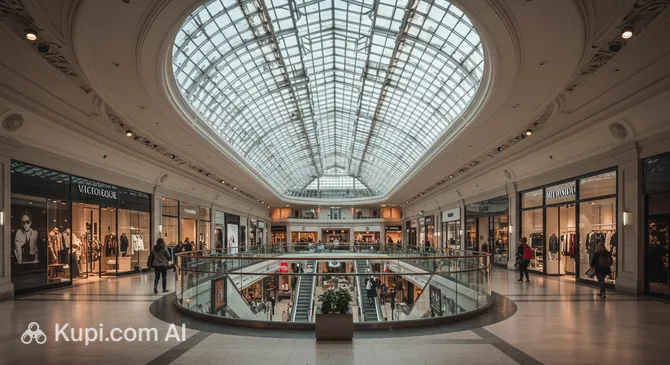
For a comprehensive shopping experience under one roof, Victoria Square is the city's crowning glory. This open-air shopping center is topped by a massive glass dome that offers panoramic views across the skyline. It houses four levels of high-end brands, restaurants, and a cinema, making it a hub of activity day and night. Another notable destination is the Kennedy Centre in West Belfast, which serves as a key community hub with a wide range of retail outlets and supermarkets, perfect for everyday needs.

Victoria Square. Source: Kupi.Binoculars

No shopping trip to the city is complete without visiting St George's Market. While it is famous for its food, it is also a treasure trove for shoppers seeking authentic local goods. On weekends, the market fills with artisans selling handmade jewelry, original artwork, antiques, and clothing. It is the ideal place to chat with the makers and find a one-of-a-kind memento that captures the creative spirit of Northern Ireland.

When it comes to souvenirs, Belfast has plenty to offer beyond the standard trinkets. Irish linen is a historic local product of exceptional quality, perfect for taking home as tablecloths or clothing. A bottle of Irish whiskey or locally crafted gin is also a popular choice, with many specialist shops offering rare blends. Fans of television history often look for merchandise related to Game of Thrones, as much of the series was filmed in the region. Additionally, handcrafted ceramics and woolen knitwear make for cozy and enduring reminders of your trip.

Most shops in the city center operate from 9:00 AM to 6:00 PM on Mondays through Saturdays, with late-night shopping often available until 9:00 PM on Thursdays. A crucial detail for visitors to note is the Sunday trading hours; due to local laws, larger shops typically open only between 1:00 PM and 6:00 PM. Payment is straightforward, with the Pound Sterling (£) being the currency. Credit and debit cards, including contactless payments, are widely accepted, though carrying some cash is advisable for smaller market stalls.

Reached the end of the page?

That means the route is fully explored