Support

Scampton

About

Scampton is a picturesque village located in the West Lindsey district of Lincolnshire, in the United Kingdom. While it may appear to be a quiet rural settlement at first glance, this destination holds a massive reputation that far exceeds its size. Nestled just north of the historic city of Lincoln, Scampton offers visitors a unique combination of English countryside charm and profound historical significance, particularly for those interested in military heritage.

Geographically, the village sits on the Lincoln Edge, a limestone escarpment that provides distinctive views over the lower-lying plains to the west. The climate is typical of the East Midlands, with mild summers and cool winters, making it a pleasant stop year-round for those touring the region. The history of Scampton is inextricably linked to its former Royal Air Force station, RAF Scampton, which was the home of the legendary 617 Squadron—the "Dambusters"—during the Second World War and, more recently, the base for the world-famous Red Arrows aerobatic team.
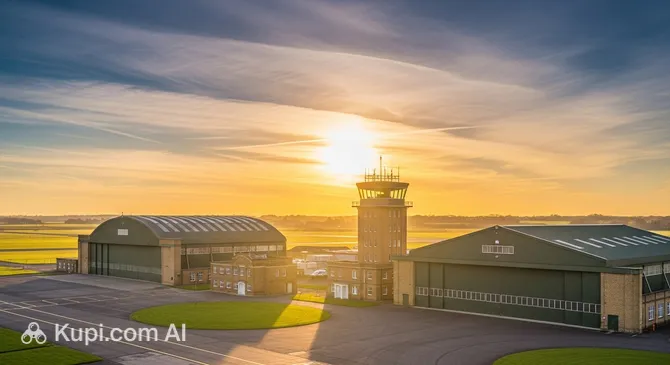
Scampton. Source: Kupi.Binoculars

Travelers visiting Scampton will find several points of interest that celebrate this proud legacy. One of the most popular stops is the Dambusters Inn, a celebrated local pub that doubles as a fascinating museum. Its walls are adorned with RAF memorabilia, photographs, and artifacts, allowing guests to soak in the atmosphere while enjoying local hospitality. Additionally, the Church of St John the Baptist is a site of serene beauty, dating back to the 14th century and hosting war graves that pay tribute to the airmen who served there.

Whether you are an aviation enthusiast eager to connect with a pivotal chapter of the past or simply looking for a peaceful village to explore near Lincoln, Scampton is a worthy addition to your itinerary. Its blend of rural tranquility and heroic heritage makes it a memorable stop on any journey through Lincolnshire.

Weather Overview

Scampton generally experiences a temperate climate with distinctive seasonal changes, offering mild summers and cool winters. For travelers planning their itinerary, it is helpful to consult the current weather in Scampton to ensure appropriate packing. The village sees a fair amount of consistency in rainfall, so being prepared for showers is wise regardless of when you visit.

During the warmest months of July and August, average temperatures hover around 17°C, with pleasant highs reaching approximately 21°C. Conversely, the winter season brings cooler air, particularly in January when the average temperature drops to 4.7°C and minimums can fall to around 2.2°C. Expect warm summers with occasional rain and cold winters where the number of wet days remains steady between 11 and 14 days per month throughout the year.

Interesting Facts

Beyond the roar of jet engines and its celebrated military heritage, Scampton possesses layers of history that often surprise visitors. Dig a little deeper to discover these fascinating details about this Lincolnshire village.

  • Ancient Roman Roots: Long before it became a legendary aviation hub, Scampton was the site of a substantial Roman villa. Located near the historic Ermine Street, the villa was originally excavated in the late 18th century, revealing that the area's strategic significance dates back almost two millennia.

  • A Pub with a Purpose: The local Dambusters Inn is far more than just a place for a pint; it serves as an unofficial museum. The establishment is filled with hundreds of pieces of rare memorabilia, including signed photographs and aircraft parts, meticulously preserving the legacy of the 617 Squadron for future generations.

  • The Bent Road: The village's geography was physically altered during the Cold War to accommodate massive Vulcan bombers. The main runway at the airbase had to be extended significantly, which famously required the A15 road—a straight Roman route—to be curved specifically to make room for the aircraft.

  • A Spiritual Tribute: The Church of St John the Baptist houses a poignant connection to the airfield. Inside, visitors can find a dedicated stained-glass window and a chapel that honor the servicemen and women stationed here, symbolizing the deep, enduring bond between the village community and the Royal Air Force.

How to Get There

Reaching the historic village of Scampton requires a bit of planning, as it is tucked away in the Lincolnshire countryside. Most visitors travel via major regional transport hubs and complete the final leg of the journey by road. For a comprehensive guide on all available routes and local transport options, you can read more about how to get to Scampton on our detailed page.

The village of Scampton does not have its own airport, but you can fly into East Midlands Airport (IATA: EMA) in the city of Nottingham, which is the closest major air hub, located approximately 72.7 km from Scampton. It serves as a convenient entry point for the region. The travel time from the airport by taxi or transfer is estimated to be around 1 hour. Alternatively, international travelers often choose Manchester Airport (IATA: MAN), a large international airport situated about 113.3 km away in Manchester. The journey from there to Scampton takes approximately 2 hours by road.

For clarity, here is a summary of the main airports in the wider region:

Airport Name City Passenger Traffic Km from Village
Manchester AirportManchesterLarge113.3
Birmingham International AirportBirminghamLarge123.0
Leeds Bradford International AirportLeedsMedium95.3
East Midlands AirportNottinghamMedium72.7
Norwich International AirportNorwichSmall143.0

Traveling by train is another viable option for reaching the area, although Scampton itself does not have a railway station. Visitors often arrive at major regional hubs before continuing their journey by road. Leicester Railway Station in the city of Leicester is about 83.2 km from Scampton; a taxi or car journey from there typically takes around 1 hour and 15 minutes. Another significant hub is Manchester Piccadilly Station in Manchester, located roughly 113.4 km away. Travelers arriving here can expect a subsequent road journey of approximately 2 hours to reach the village.

Below is a list of major railway stations that serve the broader region:

Station City Passenger Traffic Km to Center
Birmingham New Street StationBirminghamLarge125.3
Manchester Piccadilly StationManchesterLarge113.4
Milton Keynes Central StationMilton KeynesMedium141.7
Leicester Railway StationLeicesterMedium83.2
Bradford railway stationLeedsMedium95.4

Main Attractions

Despite its modest size, Scampton is a destination of immense historical weight, particularly for those fascinated by aviation and military heritage. The village offers a focused but deeply engaging selection of attractions that pay tribute to its legacy as the home of the famous 617 Squadron. Visitors here can immerse themselves in stories of bravery and innovation while enjoying the quiet beauty of the Lincolnshire countryside.

The Dambusters Inn is arguably the most visited spot in the village and serves as much more than a local watering hole. This celebrated pub acts as an unofficial museum, with walls covered in rare photographs, aircraft parts, and memorabilia related to the Royal Air Force and the Dambusters raid. It is a fascinating place to explore history over a pint of traditional ale or a meal, offering a warm atmosphere where the past feels incredibly present.

Just a short walk away stands the Church of St John the Baptist, a site of poignant reflection. The churchyard contains over 100 war graves, including those of Commonwealth and German airmen, symbolizing the shared costs of conflict. Inside, visitors can admire the commemorative stained-glass window dedicated to the RAF, making it a peaceful and spiritual stop for those wishing to pay their respects to the servicemen stationed here over the decades.

For a broader historical perspective, the RAF Scampton Heritage Centre is the spiritual heart of the area's aviation story. Located within the original station hangars, it preserves the office of Wing Commander Guy Gibson and exhibits artifacts from the Dambusters era and the Cold War. While access arrangements can vary due to the site's changing status, it remains a key landmark for understanding the strategic importance of this airfield in British history.

A few minutes’ drive from the village center lies Bransby Horses, one of the UK’s largest equine welfare charities. This attraction offers a delightful change of pace, featuring hundreds of acres of walkways where visitors can meet rescued horses, ponies, and donkeys. With a visitor center, café, and play areas, it provides a perfect family-friendly excursion that complements the historical tours of Scampton itself.

Local Cuisine

The culinary experience in Scampton is deeply rooted in the rich agricultural traditions of Lincolnshire, a county often referred to as the pantry of England. While the village itself is small, visitors can expect hearty, high-quality fare that relies heavily on fresh, locally sourced ingredients. The food scene here is less about haute cuisine and more about comforting, traditional British dishes served with a warm welcome.

No visit to this region would be complete without trying the famous Lincolnshire sausage. Unlike other British sausages, this local variety is coarsely ground and heavily seasoned with sage, giving it a distinct and robust flavor profile. It is a staple on breakfast menus and is often served as a main meal with creamy mashed potatoes and onion gravy. Another regional specialty to look out for is Lincolnshire plum bread, a moist, fruit-filled loaf that is traditionally served sliced with a generous wedge of sharp cheese, such as the renowned Lincolnshire Poacher.

When it comes to beverages, the local culture leans strongly towards traditional real ales. The area is home to numerous microbreweries, and the village pubs take great pride in serving a rotating selection of cask beers. For those who prefer non-alcoholic options, tea rooms in the wider area serve excellent blends, often accompanied by scones or a slice of plum bread, reflecting the quintessential English afternoon tea tradition.

The heart of Scampton’s dining scene is undoubtedly the Dambusters Inn. This establishment is not just a museum of aviation history but also a gastronomic hub for locals and tourists alike. It is renowned for its impressive range of ales and a menu that features classic pub favorites, from steak and ale pies to fish and chips. Because the village is quite compact, dining here offers a communal and cozy atmosphere, though visitors willing to travel a short distance can also explore the bustling farm shops and markets of nearby Lincoln for a wider variety of street food and artisanal produce.

Travel Tips

Planning a trip to Scampton requires a bit of preparation due to its village setting and rural location. These practical tips will help you navigate the local area smoothly and make the most of your visit to this historic part of Lincolnshire.

  1. Clothing and Gear: The British weather is notoriously unpredictable, so it is best to dress in layers. A reliable waterproof jacket is essential, even in summer. Since exploring the village and the nearby Lincoln Edge often involves walking on uneven terrain, bring sturdy and comfortable walking shoes.

  2. Transportation: While there are bus services connecting Scampton to Lincoln, they can be infrequent. The most convenient way to get around is by renting a car, which offers the flexibility to visit nearby attractions at your own pace. If you rely on taxis, it is advisable to book them in advance, especially for your return journey.

  3. Finances: The local currency is the British Pound (£). Cards are widely accepted at the main local establishment, the Dambusters Inn, but it is smart to carry some cash for small purchases or in case of technical glitches. ATMs are not available in the village center, so withdraw money in Lincoln before you arrive.

  4. Health and Safety: Scampton is a very safe and peaceful destination. However, there are no pharmacies within the village itself. You can find medical supplies and pharmacies in nearby villages like Welton or in the city of Lincoln. In a medical emergency, dial 999; for non-urgent health advice, use the 111 service.

  5. Communication: English is the sole language spoken here. Mobile network coverage is generally good, though 4G signals can occasionally dip in rural pockets. Wi-Fi is available at the local pub for customers. If you are an international visitor, purchasing a local SIM card in a major city upon arrival is recommended.

  6. Local Etiquette: The village has a strong sense of community. It is polite to greet people you pass with a friendly "hello" or "morning." When visiting the Church of St John the Baptist or the war graves, please dress modestly and maintain a respectful quietness to honor the site's significance.

  7. What to Avoid: Strictly avoid trespassing on the RAF Scampton airfield perimeter. Although the status of the base changes, it remains a sensitive site, and unauthorized entry is prohibited. Additionally, avoid parking in a way that blocks residential driveways; parking can be tight, so use designated areas where possible.

  8. Local Insight: Be sure to check the serving times for food at the Dambusters Inn before you go. As the village's social hub, it can get busy, and kitchen hours may differ from the pub's opening times. It is the best place to chat with locals and get up-to-date tips on the area.

With these practical details sorted, you are all set to enjoy the unique heritage and tranquil countryside of Scampton. Have a wonderful and hassle-free journey into aviation history!

Entertainment & Nightlife

As a small and tranquil village, Scampton offers a nightlife experience that is defined by cozy, traditional hospitality rather than high-energy clubs or neon-lit districts. The evening atmosphere here is incredibly peaceful, making it an ideal retreat for those who appreciate a quiet pint and conversation over loud music. The nightlife scene is almost entirely centered around the local pub culture, which serves as the social heart of the community.

The primary venue for an evening out in the village is The Dambusters Inn. This establishment is far more than just a place to grab a drink; it is a destination in itself, steeped in aviation history. The atmosphere is warm and welcoming, often filled with locals and aviation enthusiasts discussing the area's heritage. The dress code is casual and relaxed, and the pub is renowned for its extensive selection of real ales and microbrewery beers. It is the perfect spot to unwind after a day of sightseeing, surrounded by memorabilia from the famous 617 Squadron.

For travelers seeking a more bustling nightlife experience with cocktail bars, nightclubs, and live music venues, the city of Lincoln is located just a short drive south of Scampton. In Lincoln, the Brayford Waterfront district is a hub of activity, offering a row of stylish bars and restaurants overlooking the marina. For a more historic vibe, the Bailgate area, nestled near the cathedral, features upscale wine bars and traditional pubs like the Magna Carta, which are perfect for a sophisticated evening out.

Those looking for late-night dancing or live concerts should head to Lincoln's city center. Venues such as The Engine Shed frequently host live bands and comedy acts, while various clubs on the High Street stay open until the early hours of the morning. Since Scampton is a rural village, there is no public transport late at night. It is essential to book a taxi in advance for your return journey from Lincoln, which typically costs between £15 and £20. The village itself is very safe for night walks, though the lack of street lighting on the outskirts means a torch is recommended.

Regarding daytime entertainment, Scampton offers a slower pace focused on heritage and the outdoors. While there are no large amusement parks or theaters within the village boundaries, the cultural scene is rich with history. Visitors can explore the local aviation heritage or take scenic walks along the Lincoln Edge. For theater enthusiasts, the New Theatre Royal and the Everyman Cinema in nearby Lincoln provide excellent options for matinee performances and film screenings, easily accessible for a day trip before returning to the quiet sanctuary of Scampton.

Parks & Museums

While Scampton is a small village, it serves as a gateway to the stunning natural beauty of the Lincolnshire countryside and stands as a monumental site for aviation history. Visitors here will find that the "museums" are unconventional and deeply personal, woven into the fabric of local life, while the green spaces offer tranquil escapes with panoramic views over the Trent Valley.

The Lincoln Edge offers some of the most striking natural scenery in the immediate area. Scampton is situated on this limestone escarpment, also known as the Cliff, which runs through the county. Walking along the public footpaths here provides sweeping vistas of the low-lying plains to the west. It is an excellent spot for hikers and photographers, particularly at sunset when the light floods the valley, offering a peaceful counterpoint to the village's military past.

Just a short distance from the village center, Bransby Horses serves as a significant green space and animal welfare attraction. Spanning over 600 acres of picturesque walkways and woodlands, it is one of the UK’s largest equine rescue centers. Visitors can explore miles of visitor-friendly tracks, enjoying the fresh air and the company of rescued horses, ponies, and donkeys. It is a perfect destination for families or anyone seeking a relaxing day out in nature.

In terms of culture, the Dambusters Inn is the village's most accessible and unique "museum." While functioning as a traditional pub, it houses an impressive collection of RAF memorabilia that rivals many official exhibitions. The walls are lined with signed photographs, aircraft parts, and uniforms dedicated to the 617 Squadron and the Red Arrows. For tourists, this is an unmissable opportunity to absorb local history in a relaxed setting, chatting with knowledgeable staff who are passionate about Scampton's heritage.

The RAF Scampton Heritage Centre is the spiritual home of the station's history, located within the historic annexes of the airbase. It preserves the office of Wing Commander Guy Gibson and displays artifacts spanning from the First World War to the Cold War era. Please note that access to the Heritage Centre can be restricted due to the operational status of the site, so it is essential to check ahead for available tour dates or open days.

For a broader look at the region's military impact, the International Bomber Command Centre is located just a short drive away on Canwick Hill in Lincoln. While technically outside the village, it is intrinsically linked to Scampton's story. This world-class facility features a state-of-the-art exhibition gallery and a moving memorial spire, providing a comprehensive context for the bomber crews who flew from stations like Scampton during the Second World War.

Among the historical landmarks, the Church of St John the Baptist stands out for its solemn beauty and historical connection. Dating back to the 14th century, the churchyard contains 107 Commonwealth and German war graves. It is a place of quiet reflection where visitors can pay their respects to the airmen who lost their lives, further cementing the bond between the village and the airfield.

For an authentic local experience, take a walk along the public bridleways that skirt the perimeter of the former airfield. These paths offer a unique perspective of the hangars and the vast runway that once hosted the Vulcan bombers and the Red Arrows. It is a quiet, atmospheric way to appreciate the scale of the site without the crowds.

Getting Around

Public transport in Scampton is reflective of its status as a small, rural village rather than a bustling metropolis. Unlike large cities with complex underground or tram networks, the transport system here is straightforward and relies almost entirely on bus services that connect the village to the nearby city of Lincoln. For tourists, understanding this single but vital link is key to navigating the area without a private car.

The primary mode of public transport is the regional bus service, typically operated by Stagecoach East Midlands. Buses run between Scampton and the Lincoln City Bus Station, serving as the main lifeline for those wishing to visit the village's attractions or the RAF heritage sites. There is no metro, tram, or trolleybus system in Scampton, and the village does not have its own railway station; the nearest train connections are found in Lincoln.

Payment on buses is modern and convenient for travelers. You do not need to purchase tickets at a kiosk beforehand. Instead, you can buy tickets directly from the driver upon boarding. Contactless payment methods, including Visa, Mastercard, Apple Pay, and Google Pay, are widely accepted and are the preferred way to pay. Cash is still accepted, but it is advisable to have the exact fare or small change, as drivers may have limited change available.

For visitors planning multiple journeys in a single day, purchasing a "DayRider" ticket is often more economical than buying single or return fares. This ticket allows unlimited travel within a specific zone for the day. The Stagecoach Bus App is also a useful tool, allowing you to buy mobile tickets in advance and track buses in real-time, which is particularly helpful given the rural nature of the route where frequencies may be lower than in urban centers.

Operating hours for the bus service are generally focused on the daytime, catering to commuters and shoppers. Services may start early in the morning but often wind down by early evening. It is crucial for tourists to check the timetable for the last bus back to Lincoln, as services do not run late into the night. On Sundays and public holidays, the frequency of buses is usually reduced, so careful planning is required if you are visiting on these days.

Given the limitations of the bus schedule, taxis are a popular and sometimes necessary alternative. There are no taxi ranks within the village itself, so you must book a ride by phone or via an app from a local company based in Lincoln. Ride-hailing apps may operate in the region, but availability can be sporadic in rural areas like Scampton. If you plan to stay late at the local inn, pre-booking your return transport is highly recommended.

Cycling is another viable option for getting around the local area, especially for those who enjoy active travel. The terrain around the Lincoln Edge offers scenic routes, and while there are no dedicated city-bike rental schemes in the village, bike rentals can be arranged in Lincoln. Walking is the best way to navigate within Scampton itself, as the village is compact and all major points of interest, such as the church and the inn, are easily accessible on foot.

Accommodation

Accommodation options directly within the village of Scampton are quite limited, reflecting its status as a small, rural community. Visitors looking to stay in the immediate vicinity will typically find a selection of charming Bed & Breakfasts, traditional guesthouses, and self-catering holiday cottages. These options offer a cozy, personal experience, often hosted by locals who can share insights into the area's history. There are no large chain hotels, luxury resorts, or hostels within the village boundaries.

For those prioritizing proximity to the aviation heritage sites, staying in or near the village is the best choice for a quiet, atmospheric retreat. However, because the inventory of rooms in Scampton is small, many travelers choose to base themselves in the nearby city of Lincoln, which is only a short drive or bus ride away. Lincoln offers a much wider variety of accommodation, ranging from budget-friendly hostels and reliable chain hotels to high-end boutique establishments near the cathedral.

Booking Tip: Due to the scarcity of accommodation in the village itself, rooms can fill up very quickly, especially during the summer months or when local events are taking place. If you are determined to stay in Scampton to soak up the village atmosphere, it is highly recommended to book several months in advance. For those staying in Lincoln, there is generally more availability, but early booking is still advisable to secure the best rates.

The price range for accommodation in this part of Lincolnshire is generally mid-range. You can expect to pay a moderate price for a comfortable en-suite room in a guesthouse or B&B. Booking is most commonly done through major online travel platforms, though many of the smaller, family-run establishments also welcome direct bookings via phone or their own websites, sometimes offering a more personalized service.

Nearby Cities

Scampton is situated in the heart of Lincolnshire, offering a peaceful village atmosphere while remaining conveniently close to several larger urban centers. The most notable neighbor is the historic city of Lincoln, located just a short drive away. This proximity allows visitors to enjoy the rural tranquility of the village while having easy access to the bustling streets, magnificent cathedral, and extensive amenities of a major city.

For those wishing to explore beyond the immediate vicinity, the region is dotted with market towns and larger settlements that offer additional shopping, dining, and cultural experiences. Whether you are interested in the industrial heritage of Scunthorpe or the riverside charm of Newark on Trent, the surrounding area is well-connected by road, making day trips straightforward and rewarding.

Below is a list of major cities and towns located near Scampton:

City Population Distance (km)
Lincoln 130,200 8
Gainsborough 22,841 17
Newark on Trent 42,000 30
Scunthorpe 79,977 32
Worksop 44,733 36

Shopping & Souvenirs

Shopping in Scampton is a low-key and localized affair, reflecting the village's small size and rural character. Unlike bustling cities with sprawling retail districts, Scampton does not offer large shopping malls or high-street fashion chains. Instead, the shopping experience here is focused on unique mementos connected to the area's rich aviation history and daily essentials. For visitors, "shopping" in Scampton is less about retail therapy and more about finding a special keepsake or enjoying local produce.

There are no dedicated shopping streets or commercial districts within the village itself. The retail landscape is primarily defined by the Dambusters Inn, which, in addition to being a pub and museum, serves as the main point of sale for visitors. Here, you can browse a selection of souvenirs, including books on local history, RAF memorabilia, and branded items that celebrate the legacy of the 617 Squadron. It is the perfect place to pick up a meaningful gift that directly supports the preservation of the village's heritage.

For a comprehensive shopping experience, visitors are encouraged to travel to the nearby city of Lincoln, which is just a short drive or bus ride away. Lincoln offers a fantastic mix of high-street favorites and independent boutiques. The Bailgate area, located near the cathedral, is particularly charming, lined with cobbled streets featuring antiques, artisan crafts, and fashion boutiques. Down the hill, the High Street provides access to major national retailers and modern conveniences.

While Scampton lacks its own shopping malls, Lincoln fills this gap with centers like the Waterside Shopping Centre and St Marks Shopping Centre. These hubs host a wide variety of popular British and international brands, offering everything from clothing and electronics to beauty products. They serve as the primary retail destinations for residents of Scampton and the surrounding villages.

Regarding markets, Scampton does not host a regular market of its own. However, the region is famous for its agricultural produce. Visitors should look out for farm shops in the wider Lincolnshire countryside or visit the Lincoln Farmers' Market, held regularly in the city. Here, you can purchase the famous Lincolnshire sausages, local cheeses like Lincolnshire Poacher, and fresh plum bread, which make for excellent edible souvenirs to take home.

When planning to make purchases in the village, particularly at the Dambusters Inn, it is helpful to know that opening hours generally follow the pub's operating schedule, typically starting around midday and continuing into the evening. Credit and debit cards, including contactless payments, are widely accepted, but carrying a small amount of cash is always a good idea in rural areas for smaller transactions.

Reached the end of the page?

That means the route is fully explored