Support

Stornoway

About

Welcome to Stornoway, the bustling capital of the Outer Hebrides and the largest town in the Western Isles. As a vital gateway to this enchanting archipelago within the United Kingdom, the town offers a perfect blend of island tradition and modern convenience. With a population of approximately 8,000 residents, it serves as the administrative and commercial hub for the islands of Lewis and Harris, providing a lively atmosphere that contrasts beautifully with the rugged wilderness found just outside its boundaries.

Geographically, Stornoway is situated on the east coast of the Isle of Lewis, sheltering around a magnificent natural harbour. This strategic location has defined its existence for centuries. Visitors interested in the past will find that the history of Stornoway is inextricably linked to maritime trade and fishing, evolving from early Viking origins to become a thriving port. The town's climate is oceanic, often breezy and changeable, which adds to the dramatic character of the Hebridean landscape.
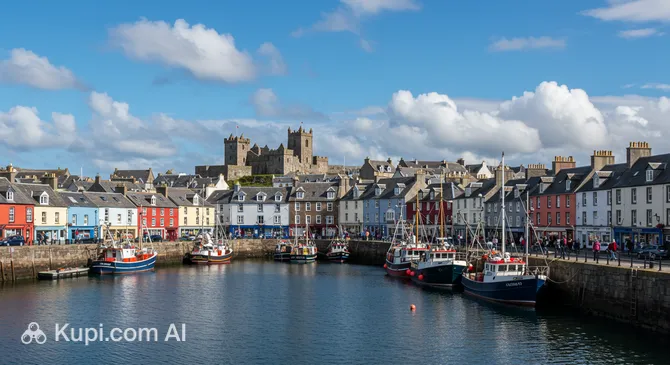
Stornoway. Source: Kupi.Binoculars

The town is home to several captivating attractions that draw travelers from around the world. Dominating the waterfront is the impressive Lews Castle, a Victorian-era mansion set within extensive wooded grounds that offer delightful walking trails and panoramic views of the harbour. Culture enthusiasts should visit An Lanntair, a vibrant arts centre that showcases local creativity through exhibitions, cinema, and performance. Additionally, no visit is complete without trying the world-famous Stornoway Black Pudding, a local delicacy protected by geographical indication status.

Whether you are using it as a base to explore the ancient standing stones and pristine beaches of the islands or simply enjoying the hospitality of its local pubs and shops, Stornoway promises a memorable experience. It is an inviting destination that captures the unique spirit of the Scottish islands, waiting to welcome you.


Weather Overview

Stornoway experiences a temperate maritime climate, heavily influenced by the surrounding Atlantic Ocean. This results in relatively stable conditions where extreme cold or heat is uncommon. For travelers, this means the weather is often fresh and breezy, adding to the atmospheric beauty of the Outer Hebrides.

During the summer months, temperatures are pleasant but cool. July is typically the warmest month, with an average temperature of 13.8°C and highs reaching roughly 16.2°C. Winters remain comparatively mild, with average temperatures in January and February staying around 5.5°C, and nightly lows averaging between 3°C and 4°C.

Precipitation is a frequent companion in this region. The number of wet days remains high throughout the year, ranging from a minimum of 16 days in April and June to a peak of 22 days in August. Expect cool, moderate summers with frequent showers and mild, damp winters. For precise forecasts and monthly averages to help plan your packing, you can view the detailed weather in Stornoway guide.

Interesting Facts

Beyond the main attractions, Stornoway holds many fascinating secrets and historical quirks that define its unique character. From ambitious industrial experiments to imported landscapes, the town’s backstory is as rugged and compelling as its coastline.
Lews Castle. Source: Kupi.Binoculars
  • The lush woodlands surrounding Lews Castle are not entirely natural to the landscape. When Sir James Matheson bought the island in the 19th century, he imported vast quantities of soil from the Scottish mainland to create the castle grounds, as the native peat was unsuitable for the grand trees he wished to plant.

  • Stornoway was once the focus of a grand but failed industrial experiment by Lord Leverhulme, the founder of Unilever. In the early 20th century, he purchased the island with a vision to transform the town into a modern fish-processing capital, but his plans clashed with the local crofting traditions and were ultimately abandoned.

  • The town is famous for its historically strict observance of the Sabbath, which kept the island remarkably quiet on Sundays for generations. It was not until 2009 that the first commercial Sunday ferry service was permitted to operate, marking a significant and controversial shift in local connectivity.

  • The name "Stornoway" itself reveals the town's ancient roots, deriving from the Old Norse "Stjórnavágr," which roughly translates to "Steering Bay." This etymology highlights the harbour's long-standing importance as a safe haven for seafarers navigating the treacherous waters of the Minch.

How to Get There

Reaching the Outer Hebrides is an exciting part of the travel experience, with options tailored to both speed and scenic enjoyment. Since Stornoway is located on an island, visitors typically arrive by air or by sea. For a comprehensive overview of routes, schedules, and tips, you can read more about how to get to Stornoway in our detailed guide.

The most convenient entry point is Stornoway Airport (SYY), situated directly on the Isle of Lewis. It is a vital lifeline for the community, located just 3.2 km from the town center. The airport handles a steady stream of regional flights, connecting the island with major Scottish cities. Upon arrival, the journey to the town center is very quick; a taxi ride typically takes approximately 25 minutes, covering the short distance with ease.

Alternatively, many travelers choose to fly into Inverness Airport (INV) on the Scottish mainland. Located in the city of Inverness, about 157 km from Stornoway, it serves as a major gateway to the Highlands. While it is not on the island itself, it is a popular starting point for those planning to rent a car or take a bus to the ferry terminal at Ullapool for the scenic crossing to Stornoway.

For clarity, here is a summary of the main airports serving the region:

Airport Name City Passenger Traffic Km from City
Inverness Airport Inverness Medium 157.3
Kirkwall Airport Kirkwall Small 218.9
Stornoway Airport Stornoway Small 3.2
Barra Airport Barra Small 146.4
Wick Airport Wick Small 194.8

For those preferring rail travel, it is important to note that Stornoway does not have a railway station, as there are no trains on the Outer Hebrides. The nearest rail connection is ScotRailway Station (ZIV) in the city of Inverness, located approximately 158 km away. From here, passengers can transfer to a coach service that connects with the ferry at Ullapool.

Another key hub is Glasgow Central Station (ZGG), one of the busiest stations in the UK. Although it is situated in Glasgow, about 292 km from Stornoway, it is a common departure point for travelers heading north. From Glasgow, you can catch a train to the Highlands or a direct bus to the ferry ports, making it a strategic link for long-distance journeys.

Below is a list of the nearest major railway stations on the mainland:

Station City Passenger Traffic Km to Center
Glasgow Central Station Glasgow Very Large 291.9
Aberdeen Railway Station Aberdeen Large 289.9
Dundee Railway Station Dundee Large 282.0
ScotRailway Station Inverness Medium 157.9

Main Attractions

Stornoway serves as the perfect cultural and historical introduction to the Outer Hebrides. While the town is compact, it boasts a variety of landmarks that reflect its rich maritime heritage, artistic spirit, and deep-rooted traditions. From grand Victorian architecture to poignant historical monuments, the attractions here offer visitors a chance to connect with the unique soul of the Isle of Lewis.

One of the most iconic sights in the town is Lews Castle. Overlooking the harbour, this magnificent Victorian-era mansion was built in the mid-19th century by Sir James Matheson. Today, it is a must-visit destination, housing the Museum nan Eilean, where you can explore the island's history, including six of the famous Lewis Chessmen. The castle is surrounded by extensive grounds that are perfect for a leisurely stroll, offering lush woodlands and stunning views back across the water to the town.

For a taste of contemporary island culture, head to An Lanntair. This vibrant arts centre is the creative heart of Stornoway, featuring a cinema, gallery, and a performance venue that hosts everything from traditional Gaelic music to modern theatre. It is an excellent place to shelter from the changeable weather, enjoy a meal at the on-site restaurant, and discover the artistic talents of the Hebridean community.

An Lanntair. Source: Kupi.Binoculars

A short distance from the town centre stands the Lewis War Memorial, a striking tower erected in memory of the men from the island who lost their lives in World War I. Located on a high point just outside the main town, it dominates the skyline and offers one of the best vantage points in the area. Climbing the steps to the base of the tower rewards visitors with a panoramic sweep of Stornoway, the harbour, and the rugged coastline stretching into the distance.

Another deeply moving site is the Iolaire Memorial, located at Holm, just a few miles from the harbour. This monument commemorates the tragic sinking of the HMY Iolaire on New Year's Day in 1919, one of the worst maritime disasters in British waters. The site is a quiet and contemplative place, marking a sorrowful event that deeply affected the local community, and it provides a powerful connection to the island's resilient history.

Local Cuisine

The culinary landscape of Stornoway is deeply rooted in its island heritage, offering a "taste of the Hebrides" that relies heavily on fresh, local produce. The undisputed star of the town's gastronomy is the world-renowned Stornoway Black Pudding. Granted Protected Geographical Indication (PGI) status, this savory delicacy is essential tasting for any visitor. Unlike other variations, it is made with beef suet and oatmeal, giving it a unique, rich texture. You will find it served everywhere, from full Scottish breakfasts in local bed and breakfasts to gourmet dishes paired with seared scallops in high-end restaurants.

Given its location on the edge of the Atlantic, it comes as no surprise that seafood plays a pivotal role in the local diet. The waters around the Isle of Lewis yield some of the finest shellfish in Scotland. Visitors can indulge in succulent langoustines, hand-dived scallops, and fresh crab, often caught just hours before arriving on your plate. Smoked fish is another specialty; traditional smokehouses in the area produce exceptional smoked salmon and kippers, preserving age-old curing methods that have been passed down through generations.

For a dining experience that combines culture with cuisine, An Lanntair is a popular gathering spot for both locals and tourists. The arts centre houses a restaurant and bar that focuses on seasonal island ingredients, allowing you to enjoy a meal while surrounded by local creativity. Similarly, the grounds of Lews Castle offer a historic setting for food lovers; the café within the museum complex is perfect for sampling local bakes and light lunches after a walk through the woodlands.

When it comes to drinks, the region is experiencing a renaissance in distilling and brewing. While you are in town, look out for spirits from the local Abhainn Dearg Distillery, which produces the first legal whisky on the Outer Hebrides in almost two centuries. Gin enthusiasts should try the famous Isle of Harris Gin, often served in Stornoway's pubs with a slice of grapefruit. For beer lovers, local breweries craft distinct ales that capture the essence of the islands, making for the perfect accompaniment to a hearty meal.

The food culture here is relaxed and welcoming. Whether you are grabbing a quick bite from a harbor-side food van, buying oatcakes from a family-run bakery, or sitting down for a three-course dinner, you will find that Stornoway takes immense pride in feeding its guests with the very best the land and sea have to offer.

Travel Tips

To make the most of your journey to the Outer Hebrides, a little preparation goes a long way. These practical tips are designed to help you navigate the unique rhythm of island life in Stornoway and ensure your visit is as smooth as it is memorable.

  1. Clothing and Gear: The Hebridean weather is famously changeable, often experiencing "four seasons in one day." It is essential to pack waterproof layers, a windproof jacket, and sturdy walking boots. Even in summer, temperatures can be cool, so a warm sweater is recommended. If you plan to visit religious sites, casual but modest attire is appropriate.
  2. Transportation: While Stornoway is walkable, exploring the wider island of Lewis and Harris is best done by car. Public buses are available but can be infrequent, especially for touring remote attractions. Car rental is highly recommended, but book well in advance as supply is limited. Taxis are available in the town center for short trips.
  3. Finances: The local currency is the British Pound (GBP). Credit and debit cards are widely accepted in Stornoway's shops, restaurants, and hotels. However, it is wise to carry some cash, as smaller rural cafes, craft shops, or "honesty boxes" in the countryside may not accept cards. ATMs are readily available within the town.
  4. Health and Safety: Stornoway is a very safe town with low crime rates. For medical needs, the Western Isles Hospital is located in the town and provides emergency services. In the summer months (usually June to September), the Highland midge (a small biting insect) can be a nuisance; buying a local insect repellent like Smidge is highly advisable.
  5. Communication: English is the main language spoken by everyone, though you will frequently hear Gaelic spoken by locals and see it on bilingual road signs. Mobile signal is generally good in Stornoway (4G is common) but can be patchy or non-existent in remote parts of the island. Wi-Fi is standard in most accommodations and cafes.
  6. Local Etiquette: Islanders are known for their warm hospitality. It is polite to greet people with a friendly "hello" or a nod, especially when walking in less crowded areas. On single-track roads outside the town, it is customary (and necessary) to wave a thank you to drivers who pull over to let you pass.
  7. What to Avoid: Do not block passing places on single-track roads. These widened sections are strictly for allowing cars to pass each other, not for parking or taking photos. Also, avoid underestimating the wind; stay back from cliff edges during stormy weather.
  8. Sunday Observance: Stornoway has a strong tradition of Sabbath observance. While this has relaxed in recent years—ferries now run and some restaurants and the airport are open—many shops and businesses remain closed on Sundays. It is best to check opening hours in advance and plan your Sunday activities accordingly.

Armed with these tips, you are ready to embrace the wild beauty and warm community of Stornoway. Enjoy the fresh island air and the slower, more soulful pace of life that makes this corner of the world so special.

Entertainment & Nightlife

Entertainment in Stornoway is defined by its strong sense of community and rich cultural heritage. While you will not find sprawling nightclubs here, the town pulses with the rhythm of Gaelic music, lively festivals, and a thriving arts scene that reflects the unique spirit of the Outer Hebrides.

The highlight of the local calendar is undoubtedly the Hebridean Celtic Festival (HebCelt). Held annually in July, this award-winning event transforms the grounds of Lews Castle into a vibrant celebration of Celtic music and culture. Visitors from across the globe gather to watch world-class artists perform in a spectacular setting overlooking the harbour, making it an unforgettable experience for music lovers of all ages.

For year-round cultural entertainment, An Lanntair is the town's creative heartbeat. As a multi-purpose arts centre, it offers a diverse programme that includes the latest cinema releases, theatre productions, and live concerts ranging from traditional folk to contemporary rock. It also hosts rotating visual art exhibitions, ensuring there is always something inspiring to see, regardless of the weather outside.

Stornoway's nightlife centers around its welcoming pubs and hotels, where the atmosphere is warm and the conversation flows freely. Several local establishments are renowned for their impromptu music sessions. In these cozy venues, you can often enjoy a pint of local ale or a dram of whisky while listening to talented local musicians playing fiddles, accordions, and pipes—a true taste of island hospitality.

Shoppers will find plenty to explore, particularly if they are interested in authentic local crafts. The town is a key location for purchasing the famous Harris Tweed. Visitors can explore specialist shops to buy this iconic cloth, known for its quality and heritage, or browse boutiques offering handmade jewelry, pottery, and gifts inspired by the dramatic Hebridean landscape.

For those who prefer active leisure, the Stornoway Golf Club offers an excellent 18-hole course. Founded in 1890, it provides a challenging round for golfers of all abilities, accompanied by stunning views of the Minch and the surrounding hills. Alternatively, the extensive network of walking paths around the castle grounds offers a relaxing way to spend an afternoon, blending outdoor activity with the natural beauty of the Isle of Lewis.

Parks & Museums

Stornoway offers a delightful balance between manicured green spaces and rich cultural institutions, allowing visitors to explore the outdoors and the island's heritage in equal measure. The town serves as a guardian of Hebridean history, with venues that celebrate everything from ancient maritime traditions to contemporary Gaelic arts, all set against a backdrop of stunning natural beauty.

The crown jewel of the town's outdoor spaces is undoubtedly the magnificent grounds surrounding Lews Castle. Spanning over 600 acres, this area is known as the Castle Grounds and serves as the town's premier public park. It is unique in the Outer Hebrides for its extensive woodlands, offering shelter from the winds and a network of scenic walking and cycling trails. Visitors can enjoy leisurely strolls along the shoreline, explore the sunken gardens, or simply admire the panoramic views of the harbour. For those seeking a longer trek, the trails connect to the River Creed, a beautiful natural area teeming with wildlife and perfect for a peaceful escape.

For culture seekers, the Museum nan Eilean, located within the restored Lews Castle, is an essential stop. This modern museum provides a deep dive into the history of the Outer Hebrides, featuring interactive exhibits and six of the famous Lewis Chessmen, which are among the most significant archaeological finds in Scotland. In the heart of the town, An Lanntair stands as a beacon of creativity. More than just an art gallery, it is a cultural hub that hosts rotating exhibitions of local and international art, reflecting the vibrant spirit of the island community. It is a fantastic place to understand the modern cultural landscape of the region.

Architecturally, the town is dominated by the Victorian grandeur of Lews Castle itself, a testament to the 19th-century vision of Sir James Matheson. Its mock-Tudor style contrasts sharply with the rugged surroundings, making it a photographer's dream. Just outside the center, the Lewis War Memorial is another poignant landmark. Standing tall on a hill, this castellated tower honors the sacrifices of local islanders and offers commanding views over the town and the Minch, blending historical significance with a striking physical presence.

For a truly authentic experience, take a walk to the Lady Matheson’s Monument within the Castle Grounds. Often quieter than the main paths, this area offers a serene atmosphere and a glimpse into the personal history of the estate's former owners. Additionally, keep an eye on the water while walking near the harbour walls; it is not arguably the best "park," but the playful seals that frequently visit the inner harbour provide a delightful and unexpected natural encounter right in the town center.

Getting Around

As a compact harbour town with a population of around 8,000, Stornoway does not require or possess a complex heavy transit infrastructure like a metro or tram system. instead, the public transport network is almost entirely reliant on buses. The town serves as the central hub for the bus network on the Isle of Lewis, making it the starting point for routes that connect the town center with outlying villages and the neighboring Isle of Harris. For visitors staying strictly within the town limits, the center is small enough to be easily navigated on foot.

The heart of the local transport system is the Stornoway Bus Station, conveniently located on South Beach near the ferry terminal. From here, various local operators run services under the coordination of the local council. While there are frequent services during the day to major settlements, "town service" loops are also available for getting around Stornoway itself. The buses are generally modern and comfortable, providing a reliable lifeline for the local community and a scenic way for tourists to see the landscape.

The payment system is straightforward and user-friendly for travelers. There is no need to purchase prepaid travel cards or navigate complex zone maps. Tickets are bought directly from the driver upon boarding. While cash was once the only option, most buses are now equipped to accept contactless card payments and mobile pay apps, which is very convenient for tourists. Fares are reasonable, typically determined by the distance traveled. If you plan to use the bus frequently to explore the wider island, ask the driver if day tickets or multi-journey passes are available for that specific route.

A crucial piece of advice for tourists concerns the operating hours. The pace of life in the Outer Hebrides is different from the mainland, and this is reflected in the transport schedules. Bus services are most frequent during business hours on weekdays. In the evenings, services taper off significantly. Most importantly, travelers must be aware of Sunday schedules. While transport options on Sundays have improved in recent years, services remain limited compared to the rest of the week. It is highly recommended to check the latest timetables at the bus station or online before planning a Sunday excursion.

Given the rural nature of the surroundings and the schedule limitations, taxis are a popular and necessary alternative. You will find a taxi rank located near the bus station and ferry terminal. They are reliable for short trips around town or for getting to the airport if your flight times do not align with the bus schedule. For those wishing to explore at their own pace, car rental is widely considered the most practical option. Several rental agencies operate in Stornoway and at the airport, giving you the freedom to visit remote beaches and historical sites that public transport may not reach directly.

Finally, for active travelers, cycling is a growing mode of transport. The town and its surrounding castle grounds offer scenic routes, and bike hire is available locally. While there are no funiculars or cable cars, the proximity of the bus station to the ferry terminal creates an integrated travel hub, allowing for a seamless transition from sea to land transport for those arriving by ferry.

Accommodation

Where to Stay:

Accommodation in Stornoway caters well to its role as the gateway to the Outer Hebrides, though the options are more intimate than expansive. Visitors will not find sprawling resort complexes here; instead, the town specializes in warm, characterful hospitality. The selection ranges from historic hotels overlooking the harbour to a high density of family-run Bed and Breakfasts (B&Bs) and guesthouses. Recently, there has been a notable rise in high-quality self-catering apartments and renovated cottages, perfect for those seeking a home-away-from-home experience during their island adventure.

In terms of location, the most convenient place to stay is the town center. Accommodation here places you within easy walking distance of the ferry terminal, the bus station, and the main dining spots, making it ideal for those without a car. Staying near the waterfront offers lovely views of the fishing boats and the castle across the bay. For a quieter experience, look for guesthouses on the outskirts of the town or near the wooded grounds of Lews Castle, where you can enjoy a more rural feel while remaining just a short drive or walk from local amenities.

Booking accommodation in Stornoway requires some strategic planning, particularly for travel between May and September. This is the peak tourist season, and combined with the arrival of business travelers and festival-goers, rooms can fill up rapidly. It is highly recommended to secure your lodging several months in advance to ensure availability. While prices generally fall into the mid-range bracket, there are budget-friendly hostels and premium self-catering options available. Most hotels and larger guesthouses can be booked via major online platforms, but many smaller B&Bs still appreciate direct inquiries.

Nearby Cities

For those looking to explore the surroundings, Stornoway serves as an excellent base for day trips to several interesting nearby locations:

While Stornoway is situated on an island, its transport links make it possible to visit some of Scotland's most iconic destinations. To the south lies the magical Isle of Skye. Famous for its rugged landscapes, dramatic cliffs, and the picturesque harbour town of Portree, Skye offers a visual feast for nature lovers. It is accessible via a ferry connection from Harris, allowing travelers to experience two of the Hebrides' most stunning islands in close succession.

For a change of pace and a taste of mainland urban life, Inverness is the key destination. Known as the "Capital of the Highlands," it sits on the banks of the River Ness and offers a wealth of history, including a castle and a cathedral. It is the primary hub for shopping and culture in northern Scotland and serves as the main gateway for those traveling to and from the islands.

Further afield, Fort William attracts outdoor enthusiasts from around the world. Sitting in the shadow of Ben Nevis, the UK's highest mountain, it is known as the "Outdoor Capital of the UK." While a bit of a longer journey, it offers access to incredible hiking trails and the famous Jacobite steam train, making it a worthy stop for those extending their Highland adventure.

City Population Distance (km)
Inverness 47,290 152
Elgin 23,128 192
Fort William 10,175 173
Forres 10,100 177
Isle of Skye 10,000 105

These nearby destinations offer a glimpse into the diverse culture and landscapes of the region, ranging from misty island peaks to historic mainland cities.

Shopping & Souvenirs

Shopping in Stornoway offers a delightful departure from the generic high streets found in many larger cities. As the commercial hub of the Outer Hebrides, the town provides a unique retail experience characterized by independent boutiques, family-run businesses, and a strong focus on local craftsmanship. While you can find essential conveniences and a few familiar UK chain stores, the real joy lies in discovering shops that reflect the island's heritage, from world-famous textiles to artisanal foods.

The heart of the shopping district is compact and easily explorable on foot, centered primarily around Cromwell Street and Point Street. These pedestrian-friendly areas are lined with a variety of stores selling everything from books and outdoor gear to fashion and homeware. A stroll down these streets not only offers retail therapy but also connects you to the bustling harbor area, creating a pleasant atmosphere where locals and visitors mingle.

Travelers accustomed to sprawling shopping complexes should note that Stornoway does not feature large, modern shopping malls. Instead, the retail landscape is defined by traditional storefronts and standalone shops. The closest equivalent to a one-stop destination is the local Co-operative superstore, which serves as a major hub for groceries and daily essentials, but for leisure shopping, the charm is definitely found in the smaller, individual establishments scattered throughout the town center.

While there is no permanent daily covered market, the town frequently hosts seasonal events and craft fairs that showcase the best of Hebridean produce. For food lovers, the area around the harbour is the place to find fresh seafood landed directly from the local fleet. Additionally, the shop at An Lanntair serves as a curated marketplace for local artists, offering a rotating selection of prints, textiles, and crafts that effectively acts as a year-round gallery and shop for island creativity.

When it comes to souvenirs, Stornoway is the premier place to purchase authentic Harris Tweed. You will find several specialist clothiers offering this iconic fabric in every form, from classic jackets and flat caps to modern handbags and accessories. Another must-buy is the famous Stornoway Black Pudding; local butchers like Charles Macleod are legendary, and many offer vacuum-packed options suitable for travel. For something lasting, look for Hebridean jewelry featuring Celtic knotwork or luxury skincare products made with organic ingredients like seaweed harvested from the local shores.

Store opening hours in Stornoway generally follow the standard UK pattern of 9:00 AM to 5:00 PM or 5:30 PM, Monday through Saturday. However, it is crucial for visitors to be aware of the Sunday observance tradition. Although some larger supermarkets and petrol stations now open on Sundays, the vast majority of high street shops, boutiques, and independent businesses remain closed. It is best to plan your shopping excursions for weekdays or Saturdays. Regarding payment, major credit and debit cards are widely accepted, including contactless payments, though carrying a small amount of cash is always useful for smaller purchases.

For international visitors residing outside the UK, the rules regarding tax-free shopping have changed in recent years. The VAT refund scheme for visitors taking goods home in their luggage has largely been discontinued in Great Britain. Consequently, the price you see on the shelf is typically the final price you pay, inclusive of all taxes.

Reached the end of the page?

That means the route is fully explored