Support

North Ronaldsay

About

North Ronaldsay is a truly unique destination, standing as the northernmost island of the Orkney archipelago in the United Kingdom. Known for its remoteness and tranquility, this small island offers an escape from the hustle and bustle of modern life, welcoming visitors with its rugged coastline, sweeping horizons, and an overwhelming sense of peace.

Despite its small size and a population of just around 50 residents, the island boasts a vibrant community and a distinct character. The landscape is generally low-lying and windswept, creating an atmospheric backdrop for exploration. The climate here is oceanic and often breezy, contributing to the fresh, bracing air that invigorates every traveler who steps ashore.
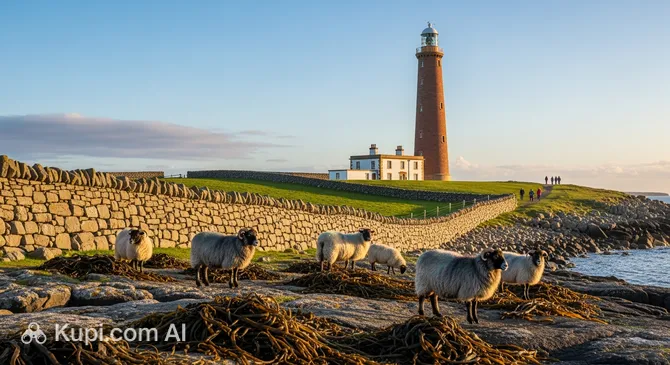
North Ronaldsay. Source: Kupi.Binoculars

One cannot speak of this place without mentioning its most famous inhabitants: the North Ronaldsay sheep. These unique animals have adapted over generations to survive almost exclusively on a diet of seaweed. To keep them on the shoreline and away from the cultivated fields, a remarkable drystone wall, known as the sheep dyke, encircles the entire island. You can learn more about these agricultural traditions and the fascinating history of North Ronaldsay by visiting local heritage sites and speaking with the friendly locals.

Beyond its agricultural wonders, the island is a haven for nature lovers. It is home to the tallest land-based lighthouse in the country, which stands as a majestic beacon and offers spectacular views for those who visit. Additionally, the North Ronaldsay Bird Observatory attracts ornithologists from around the world, as the island serves as a crucial and busy stopover for migrating birds.

Whether you are interested in rare wildlife, maritime heritage, or simply seeking solitude, North Ronaldsay promises an unforgettable experience. It is a place to slow down, breathe deeply, and appreciate the raw beauty of the natural world.

Weather Overview

North Ronaldsay experiences a temperate maritime climate, heavily influenced by the surrounding sea which keeps temperature extremes at bay. The weather is often breezy and fresh, typical of the Orkney Islands. To help plan your trip effectively, you can view the detailed forecast for the weather in North Ronaldsay.

Winters are generally cool but rarely freezing, with average temperatures in January and February hovering around 6°C to 7°C. The ocean moderates the cold, ensuring the island avoids the harsh frosts common on the mainland. Summer brings mild warmth, with August being the warmest month, averaging around 13°C. This creates a comfortable atmosphere for exploring the island's outdoor attractions without the heat becoming oppressive.

Rainfall is a frequent occurrence throughout the year, though often light in intensity. The wettest period is usually in late autumn, particularly October, which can see up to 25 wet days. In contrast, spring offers a drier window, with April typically recording the fewest rainy days. Expect mild summers with occasional showers and cool, damp winters.

Interesting Facts

Beyond the main attractions, North Ronaldsay holds many fascinating secrets that add depth to its windswept beauty. Here are some unique facts that reveal the hidden character of this remote island community:

  • An International Dark Sky Community: In 2021, North Ronaldsay became the first island in Orkney to receive this prestigious designation. The lack of light pollution provides exceptionally clear night skies, making it one of the best places in the world for stargazing and spotting the elusive Aurora Borealis, or "Merry Dancers," as they are known locally.

  • A Culinary Rarity: The meat from the island's seaweed-eating sheep is a protected delicacy. Because of their unique iodine-rich diet, the mutton has a distinct flavor and holds Protected Designation of Origin (PDO) status, placing it in the same exclusive culinary tier as Champagne and Parma Ham.

  • The Old Beacon: While the modern lighthouse is famous for its height, the island is also home to the Old Beacon, constructed in 1789. It was the third lighthouse ever built by the Northern Lighthouse Board in Scotland and is notable for its original masonry ball finial, which was lost for over a century before being rediscovered and restored to its rightful place.

  • A Record-Breaking Wall: The drystone sheep dyke that encircles the island is a marvel of engineering. Stretching approximately 13 miles (21 kilometers), it is widely considered the longest continuous drystone wall in the world. Maintaining this massive structure is a communal effort, with locals gathering annually to repair storm damage in a tradition that unites the generations.

How to Get There

Reaching the remote and beautiful island of North Ronaldsay is an adventure in itself, often involving a combination of air and sea travel. Since the island is located at the northernmost point of the Orkney archipelago, visitors typically travel through mainland Scotland and the main island of Orkney first. For a comprehensive guide on all available routes and schedules, you can read more about how to get to North Ronaldsay on our detailed page.

The primary gateway for most travelers is Kirkwall Airport (KOI), located in the city of Kirkwall, approximately 54 km from North Ronaldsay. It serves as the main hub for the Orkney Islands, connecting to the mainland and smaller islands. Although a direct taxi ride is not possible due to the ocean crossing, the equivalent travel distance would take about 1 hour and 40 minutes by road. From Kirkwall, you can catch a connecting flight or a ferry to reach your final destination.

Another key transport hub is Inverness Airport (INV), situated on the Scottish mainland in Inverness, roughly 225 km away. As a larger international airport, it handles significantly more traffic and serves as a major entry point to the Highlands and Islands. The journey from here to the coast for a ferry or to a connecting airport is substantial, with a theoretical road transfer time of approximately 6 hours. For those already in the northern isles, Papa Westray Airport (PPW) is the closest airfield, located just 27.5 km away on the neighboring island.

For clarity, here is a summary of the main airports:

Airport Name City Passenger Traffic Km from Island
Inverness AirportInvernessLarge224.9
Sumburgh AirportShetlandMedium84.9
Kirkwall AirportKirkwallMedium53.9
Wick AirportWickSmall108.9
Papa Westray AirportPapa WestraySmall27.5

The island of North Ronaldsay does not have a railway station, and train travel is generally limited to the Scottish mainland. The most relevant option for those arriving by rail is the ScotRailway Station in the city of Inverness, which is about 226 km from North Ronaldsay. From this station, travelers typically continue their journey by bus or taxi to a ferry terminal or airport. The approximate travel time by road from Inverness to the northern coast points closest to Orkney is around 6 hours.

Below is the nearest significant railway station found in the region:

Station City Passenger Traffic Km to Center
ScotRailway StationInvernessLarge226.2

Main Attractions

North Ronaldsay offers a distinct selection of attractions that reflect its rich maritime history and unique natural environment. While the island is small, its landmarks are significant and offer visitors a chance to connect deeply with the landscape and the community.

North Ronaldsay Lighthouse is undoubtedly the island's most iconic landmark. Standing as the tallest land-based lighthouse in the United Kingdom, this striking red-brick tower dominates the skyline. Visitors can climb the 176 steps to the lantern room for a truly breathtaking panoramic view of the Orkney archipelago and the vast North Sea. The adjacent visitor center provides fascinating insights into the history of the light and the lives of the keepers who once ensured the safety of passing ships.

A marvel of traditional engineering, The Sheep Dyke is a drystone wall that encircles the entire island for approximately 13 miles. It was built to keep the island's unique breed of sheep on the foreshore, preserving the interior land for crops. Walking along sections of this Grade A listed structure offers a wonderful way to explore the rugged coastline, watch the seals, and observe the sheep grazing on seaweed, a practice that has defined the island's agriculture for centuries.

For those interested in archaeology and wildlife, the Broch of Burrian is a must-visit site. These Iron Age remains sit on the southern tip of the island and provide a glimpse into ancient life in Orkney. During the summer months, the site transforms into one of the best places in the islands to spot puffins. The colorful seabirds nest in the crags and grassy slopes around the ruins, often allowing for excellent photography opportunities close to the path.

The North Ronaldsay Bird Observatory serves as the hub for the island's eco-tourism. Established to monitor the incredible variety of migrating birds that pass through, it attracts ornithologists from all over the world. Even if you are not an expert birder, the Observatory is a welcoming place to visit. It features a shop and a café where you can enjoy a warm meal, learn about the latest rare sightings, and meet fellow travelers in a friendly atmosphere.

Another significant historical site is The Old Beacon, which dates back to 1789. Before the modern lighthouse was constructed, this stone tower guided mariners through the treacherous waters. It is one of the oldest lighthouse structures in Scotland and features a unique masonry ball finial. Standing beside the newer lighthouse, it offers a compelling contrast between 18th-century construction and Victorian engineering.

Local Cuisine

The culinary landscape of North Ronaldsay is defined by its isolation and its most famous inhabitant: the seaweed-eating sheep. For any visitor, tasting the local North Ronaldsay mutton is an absolute must. Due to the sheep’s unique diet of kelp and shoreline vegetation, the meat possesses a distinctively rich, gamey flavor and a darker texture than standard lamb. This delicacy is so unique that it has been awarded Protected Designation of Origin (PDO) status, placing it in the same culinary league as some of Europe's most celebrated regional foods. It is often served slowly roasted or in hearty stews that highlight its intense, savory character.

When it comes to beverages, the island reflects the broader traditions of the Orkney archipelago. While North Ronaldsay does not have its own commercial distillery, you will find an excellent selection of Orkney ales and whiskies available at local venues. Beers from breweries on the Orkney mainland, such as Dark Island or Northern Light, are popular choices to accompany a meal. For a warming dram, the renowned single malts from the nearby distilleries of Highland Park and Scapa are favorites among locals and visitors alike, perfect for sipping after a day of bracing coastal walks.

The food culture here is intimate and community-focused rather than commercial. You won't find a strip of restaurants or street food stalls; instead, the social and gastronomic hub of the island is undoubtedly the Bird Observatory. This facility houses a café and restaurant that welcomes both staying guests and day-trippers. It is the place to go for home-cooked meals, fresh baking, and a friendly chat with the islanders. Beyond this, dining options are limited, so many visitors staying in self-catering cottages often bring supplies or purchase local produce to cook their own feasts, enjoying the slow pace of island life.

Travel Tips

Visiting North Ronaldsay is a true escape into the wild, but travelling to such a remote island community requires a bit more foresight than a typical city break. To help you make the most of your time on this windswept gem of the Orkney archipelago, here are some essential practical tips to ensure a smooth and enjoyable journey.

  1. Clothing and Gear: The weather here is notoriously changeable and often windy. Pack plenty of layers, including a high-quality windproof and waterproof jacket, regardless of the season. Sturdy, waterproof walking boots are essential for navigating the rugged coastline and the uneven terrain near the sheep dyke. Don't forget a UK power adapter (Type G) for your electronics, and perhaps a pair of binoculars for the spectacular birdwatching.
  2. Transportation: Forget about subways or ride-hailing apps; on North Ronaldsay, the pace is much slower. The island is small enough to explore on foot, but bicycle hire is a popular and efficient way to get around the quiet single-track roads. There is no public bus service, but a local island taxi service is usually available for airport or ferry transfers if booked in advance.
  3. Finances: The local currency is the British Pound (GBP). Crucially, there are no banks or ATMs on the island. While the Bird Observatory and the wool mill accept card payments, it is vital to bring sufficient cash with you for smaller purchases, honesty boxes, or in case of technical connectivity issues. Budgeting is straightforward as there are few places to spend money, but having cash on hand provides peace of mind.
  4. Health and Safety: There is no pharmacy or hospital on the island, though a resident nurse or GP is typically available for minor ailments. You must bring a sufficient supply of any personal prescription medications to last your entire stay, plus extra in case travel is delayed by weather. The island is incredibly safe regarding crime, but be cautious near cliff edges and be aware of the tides when exploring the foreshore.
  5. Communication: English is the spoken language, often with a distinct Orcadian lilt. Mobile phone signal can be patchy depending on your network provider and location on the island. Wi-Fi is generally available at the Bird Observatory and in some accommodation, but don't rely on high-speed connections for heavy streaming. It is a place to disconnect and enjoy the surroundings.
  6. Local Etiquette: The community is small and friendly; it is polite to wave or nod to passersby, whether they are in a car or on foot. The most important rule of island life is to leave gates exactly as you find them. This is critical for farming and managing the unique sheep population. If you open a gate, you must close it securely behind you.
  7. What to Avoid: Do not climb on or damage the drystone sheep dyke. It is a historic structure and a working barrier essential for the island's agriculture; dislodging stones causes significant work for the locals who maintain it. Also, avoid disturbing nesting birds during the breeding season (spring and early summer) by sticking to established paths and keeping dogs on leads.
  8. Additional Tip: Embrace the "island time" mentality. Shops and facilities may have limited opening hours, often revolving around the arrival of the plane or ferry. For groceries or supplies, check the opening times of the island's sole shop in advance, or visit the Bird Observatory shop, which acts as a central hub for visitors.

By packing the right gear and respecting the local way of life, you will find North Ronaldsay to be a welcoming and deeply rewarding destination. Embrace the elements, chat with the locals, and enjoy the rare tranquility that this unique island offers.

Entertainment & Nightlife

When it comes to nightlife in North Ronaldsay, it is essential to adjust your expectations before you arrive. This is not a destination for thumping bass, neon-lit clubs, or bustling bar strips. Instead, the evening entertainment here is defined by the island's remote charm, its tight-knit community, and the spectacular natural environment. The "nightlife" is less about partying and more about connection—connecting with locals over a quiet pint, or connecting with the universe under some of the darkest skies in Europe.

There are no specific districts or streets dedicated to entertainment; the entire island is a sanctuary of quiet. The social heartbeat of the island after dark is almost exclusively found at the North Ronaldsay Bird Observatory. This is the de facto pub, meeting place, and restaurant for both visitors and the island’s 50 residents. The bar here is cozy and informal, offering a warm refuge from the howling winds outside. It is the perfect place to sample an Orkney ale, exchange stories with visiting ornithologists, or listen to islanders recount local history. The dress code is strictly practical—woolly jumpers and outdoor gear are the norm.

For a different kind of evening entertainment, you might be lucky enough to catch an event at the New Memorial Hall. This community venue occasionally hosts traditional dances (ceilidhs), harvest festivals, or social gatherings. These events are the epitome of authentic island culture, where the atmosphere is incredibly welcoming, and everyone from toddlers to elders joins in the fun. While these aren't nightly occurrences, they are the highlight of the social calendar when they happen.

The most spectacular "light show" on the island is provided by nature itself. North Ronaldsay is designated as an International Dark Sky Community, making it one of the best places in the world for stargazing. On clear nights, the lack of light pollution reveals the Milky Way in breathtaking detail. During the winter months, the Lighthouse Complex area becomes a prime spot for hunting the Aurora Borealis (Northern Lights). Standing near the towering beam of the lighthouse while watching the "Merry Dancers" paint the sky green and purple is an experience that rivals any city nightclub.

Practical advice for a night out here is simple but vital. The "best time to go" is whenever the Bird Observatory bar is open, typically in the evenings, but hours can vary by season, so it is wise to check locally. Prices are reasonable and comparable to mainland pubs. Getting around at night requires preparation; there are no streetlights, Uber drivers, or taxi ranks. You will likely be walking or cycling, so a high-quality torch (flashlight) is absolutely essential to navigate the dark roads and avoid stumbling. Carrying cash is also highly recommended, as card machines can be temperamental due to connectivity.

Safety is hardly a concern in terms of crime; the island is incredibly safe. The main risks are environmental. When walking at night, stick to the main roads and avoid the edges of the dyke or cliffs, as the darkness is absolute. If you need assistance, the community is helpful, but self-reliance is key.

During the daylight hours, entertainment is more varied but equally relaxed. Visitors can explore the historic North Ronaldsay Lighthouse, tour the unique Wool Mill to see how the local fleece is processed, or wander along the beaches to spot seals. For those seeking culture, the small museum displays offer a glimpse into the island's maritime past, providing a gentle preamble to the quiet, starry nights that follow.

Parks & Museums

North Ronaldsay may not have the manicured city parks found in bustling urban centers, but its entire landscape serves as a breathtaking open-air sanctuary. The island offers a seamless blend of wild natural beauty and preserved heritage, where vast stretches of coastline replace formal gardens and historic sites stand as silent storytellers of a resilient community.

For those seeking immersion in nature, Linklet Bay is a standout destination. This sweeping crescent of white sand on the eastern side of the island is often deserted, offering a pristine environment for walking and reflection. It is backed by dunes and machair—fertile, low-lying grassy plains that burst into color with wildflowers during the summer months. The bay is not only a scenic spot for a picnic but also a prime location for observing the island's wading birds and the ever-changing moods of the North Sea.

Another significant "green space" is the Coastal Path that follows the perimeter of the island alongside the famous sheep dyke. While not a park in the traditional sense, this route functions as the island's main artery for outdoor recreation. Walking here allows visitors to experience the rugged beauty of the foreshore, where the unique North Ronaldsay sheep graze on seaweed. The path offers uninterrupted views of the horizon and is the best way to appreciate the raw, wind-sculpted environment that defines the island's character.

In terms of cultural institutions, the North Ronaldsay Lighthouse Visitor Centre is the premier attraction. Located at the base of the UK's tallest land-based lighthouse, the centre provides a fascinating look into maritime history. Exhibits detail the lives of the lighthouse keepers, the engineering behind the optic lens, and the vital role this beacon played in protecting ships navigating the treacherous waters. A guided tour often includes a climb to the top of the tower, rewarding visitors with unparalleled panoramic views.

Reflecting the island's living heritage is the North Ronaldsay Yarn & Wool Mill. This facility is more than just a production site; it is a working museum dedicated to the processing of the island's unique sheep wool. Visitors can take tours to see the vintage machinery in action and learn how the raw fleece is transformed into high-quality yarn and felt. It offers a tangible connection to the island's agricultural traditions and provides insight into how the community has adapted its natural resources for sustainability.

History enthusiasts should not miss the Broch of Burrian, located on the southern tip of the island. This Iron Age settlement is one of the best-preserved sites of its kind in Orkney. The stone remains evoke a sense of ancient mystery, allowing travelers to imagine life here thousands of years ago. Nearby, the Stan Stane, a solitary standing stone rising nearly four meters high, stands as a majestic prehistoric monument in the middle of the island, further highlighting the depth of human history in this remote location.

For a truly authentic experience, take the time to visit the Nouster Beach area near the pier. While often overlooked by day-trippers, it is a fantastic spot for searching for "groatie buckies" (cowrie shells), a favorite local pastime. Finding one of these tiny, lucky shells is considered a special memento of your time on North Ronaldsay.

Getting Around

To navigate North Ronaldsay is to step back into a simpler time, where the frantic pace of modern commuting is replaced by the rhythm of the wind and tides. Visitors should be aware immediately that there is **no conventional public transport system** on the island. You will not find buses, trains, trams, or a metro network here. With a small population and limited land area, the infrastructure is minimal, and getting around is primarily done by private means or on foot.

The absence of a bus service means that mobility is largely up to the individual. For most visitors, **walking** is the most practical and enjoyable way to explore. The island is approximately 3 miles (5 km) long, making it possible to traverse the entire length in a leisurely hike. The roads are quiet, single-track lanes with almost no traffic, providing a safe environment for pedestrians. However, distances can feel longer when walking against the strong winds that frequently sweep across the landscape.

For those who wish to cover more ground or travel faster, **bicycle rental** is the most popular alternative. Bikes can typically be hired from the airport or the Bird Observatory. Cycling offers the freedom to explore the lighthouse, the sheep dyke, and the beaches at your own pace. The terrain is relatively flat, though the lack of shelter from the elements can make cycling a brisk physical activity on blustery days.

Regarding motorized transport, there is a **local taxi service**, but it operates differently from what you might expect in a city. It is usually run by a local resident and does not patrol for fares. If you require a lift—particularly to transport luggage from the airfield or ferry terminal to your accommodation—you **must book in advance**. It is highly recommended to arrange this transport before you even arrive on the island, as the driver often coordinates trips with the arrival of the scheduled flights and ferries.

When it comes to **payment**, forget about travel cards, contactless tap-in systems, or mobile transport apps. The economy here is traditional. You should carry **cash** to pay for taxi rides or bike hires. While some facilities may accept cards, connectivity can be unreliable, and having physical currency ensures you won't be stranded or unable to pay for a service. There are no ticket machines or validators; transactions are person-to-person.

A unique feature of the local "transport" network is the **inter-island flight service**. While technically a connection to the rest of the archipelago, the small Islander aircraft that lands on the grass airstrip is often viewed by locals as their "bus service" to the main town of Kirkwall. It is a lifeline for the community, delivering mail, supplies, and people. Watching the plane land and take off is a daily event that structures the island's schedule.

Practical advice for tourists is simple: be self-sufficient and plan ahead. Since there are no scheduled transport operating hours, your movement is dictated by your own energy or your pre-arranged taxi booking. If you plan to walk, ensure you have waterproof clothing and sturdy boots. If you rely on the taxi, confirm your pickup time the day before. Embracing this slow, deliberate way of moving around is essential to enjoying the tranquility of North Ronaldsay.

Accommodation

Accommodation in North Ronaldsay is limited, reflecting the island's small size and remote nature. You will not find sprawling resort complexes, international hotel chains, or high-rise luxury apartments here. Instead, the options are intimate, characterful, and deeply integrated into the local community. Visitors typically choose between guest house-style rooms at the island's main observatory or private self-catering cottages scattered across the landscape.

The primary hub for visitors is the North Ronaldsay Bird Observatory. Located near the southern tip of the island, it functions as the social and logistical center for tourists. It offers a range of lodging styles, from comfortable ensuite guest rooms to more budget-friendly hostel-style dormitories. Staying here places you right in the heart of the action, close to the restaurant, bar, and the wealth of local knowledge provided by the wardens and staff.

For those seeking more privacy or a unique historical experience, the Lighthouse Cottages at the northern end of the island are a popular choice. These refurbished keepers' cottages offer a chance to stay in the shadow of the UK's tallest land-based lighthouse, surrounded by dramatic coastal scenery and the sound of the ocean. There are also a few other self-catering croft houses available for rent, perfect for families or those wanting a quiet retreat.

Booking Tip: Due to the very limited number of beds on the island, it is absolutely essential to book your accommodation well in advance, especially if you plan to visit during the migration seasons (spring and autumn) or the summer months. Turning up without a reservation is risky, as there are rarely spare rooms available on the day.

Price Range and Booking: The price range is generally moderate, catering to birdwatchers, hikers, and nature enthusiasts. The Bird Observatory offers affordable budget options alongside mid-range private rooms. Booking is typically done directly with the providers via email or phone, or through their specific websites, rather than through large global booking platforms. While the providers are professional, the process is often personal and friendly.

Nearby Cities

For those looking to explore the surroundings, North Ronaldsay serves as an excellent base for day trips to several interesting nearby locations. While the island's remote nature makes it a peaceful sanctuary, its connections to the rest of the archipelago and the Scottish mainland allow travelers to experience the broader culture and history of the region.

Kirkwall is the most accessible and popular destination for a day trip. As the vibrant capital of the Orkney Islands, it offers a striking contrast to the quiet of North Ronaldsay. Visitors can explore the magnificent St Magnus Cathedral, known as the "Light in the North," or wander through the winding streets filled with local craft shops and cafes. It is also the central transport hub, making it an essential stop for anyone wishing to visit the world-famous Neolithic sites on the Orkney mainland, such as Skara Brae.

Further afield lies Shetland, a distinct island group to the north that offers a unique cultural experience. Famous for its dramatic rugged coastlines, Viking heritage, and the iconic Shetland ponies, it makes for a fascinating short visit for those island-hopping through the Northern Isles. The blend of Scottish and Norse history here is palpable, and the scenery is among the most dramatic in the British Isles.

On the Scottish mainland, the town of Wick offers a glimpse into the region's industrial past. Once the herring capital of Europe, Wick has a rich maritime history showcased in its heritage museum. It is also home to the Old Pulteney Distillery, where visitors can sample distinct maritime malts. Located on the famous North Coast 500 route, it serves as a gateway to the dramatic landscapes of Caithness.

City Population Distance (km)
Shetland 22,900 125
Fraserburgh 13,180 189
Lossiemouth 8,000 191
Kirkwall 7,420 53
Wick 7,030 111

These nearby destinations offer a glimpse into the diverse culture and landscapes of the region, ranging from ancient island capitals to historic mainland ports.

Shopping & Souvenirs

Shopping in North Ronaldsay is a unique experience that reflects the island's small size and self-reliant character. Visitors should not expect bustling high streets, designer boutiques, or extensive retail therapy. Instead, the shopping opportunities here are intimate, authentic, and focused almost entirely on local craftsmanship and essential supplies. The experience is less about consumption and more about connecting with the island's heritage, particularly its famous wool industry and maritime history.

There are no designated shopping districts or commercial streets on the island. The "retail scene" is concentrated in just two or three specific locations that serve both the community and visitors. The most significant of these is the shop attached to the North Ronaldsay Yarn & Wool Mill. Here, you can buy products made directly from the island's seaweed-eating sheep, processed on-site using vintage machinery. Another key spot is the small shop located within the Bird Observatory, which stocks a range of essentials, souvenirs, and books relevant to the local wildlife.

It goes without saying that there are no shopping malls or department stores on North Ronaldsay. The island's infrastructure is built for a population of around 50 people, meaning large-scale commercial venues are non-existent. Travelers looking for extensive shopping facilities would need to visit the mainland of Orkney, specifically the town of Kirkwall, before or after their stay on the island.

Traditional open-air markets or flea markets are not a feature of life here due to the small population. However, you may occasionally find local produce or crafts for sale at community events or fundraisers held at the Community Centre. These are irregular and depend on the island's social calendar, but they offer a warm and genuine way to purchase homemade jams, baking, or handicrafts directly from the residents.

When it comes to souvenirs, the undisputed highlight is the local wool. North Ronaldsay yarn is prized worldwide for its quality and unique backstory. You can purchase skeins of yarn, felted items, or finished knitwear directly from the mill. Other excellent keepsakes include books on the island's history, postcards featuring the iconic lighthouse, and locally produced artwork often found at the Bird Observatory shop. For a quirky memento, you might also find "sheepie" themed gifts that celebrate the island's four-legged inhabitants.

Opening hours are generally limited and can be somewhat fluid, often revolving around the arrival times of the ferry or flights. The Wool Mill and Bird Observatory shop typically operate during the day, but it is always wise to check in advance or ask a local upon arrival. As for payment methods, while the main venues like the Mill and Observatory usually accept credit and debit cards, connectivity on the island can be unreliable. It is highly recommended to carry sufficient cash (British Pounds) to cover your purchases, as there are no ATMs on the island.

regarding Tax-Free shopping, while the United Kingdom has specific regulations regarding VAT refunds for international visitors, the facilities to process such requests do not exist on North Ronaldsay. The shops here operate as small local businesses, so visitors should not expect tax-free shopping services or refund desks on the island itself.

Reached the end of the page?

That means the route is fully explored